

Master the Art of Cooking the Perfect Ribeye Steak at Home
Unleash your inner chef and learn how to cook the best ribeye steak with our easy-to-follow, chef-approved techniques! This simple yet powerful ribeye steak recipe requires minimal ingredients, but with a few essential secrets, your homemade ribeye will not just rival, but often surpass, the offerings of even the finest steakhouses. Prepare for a culinary experience that will impress every palate!
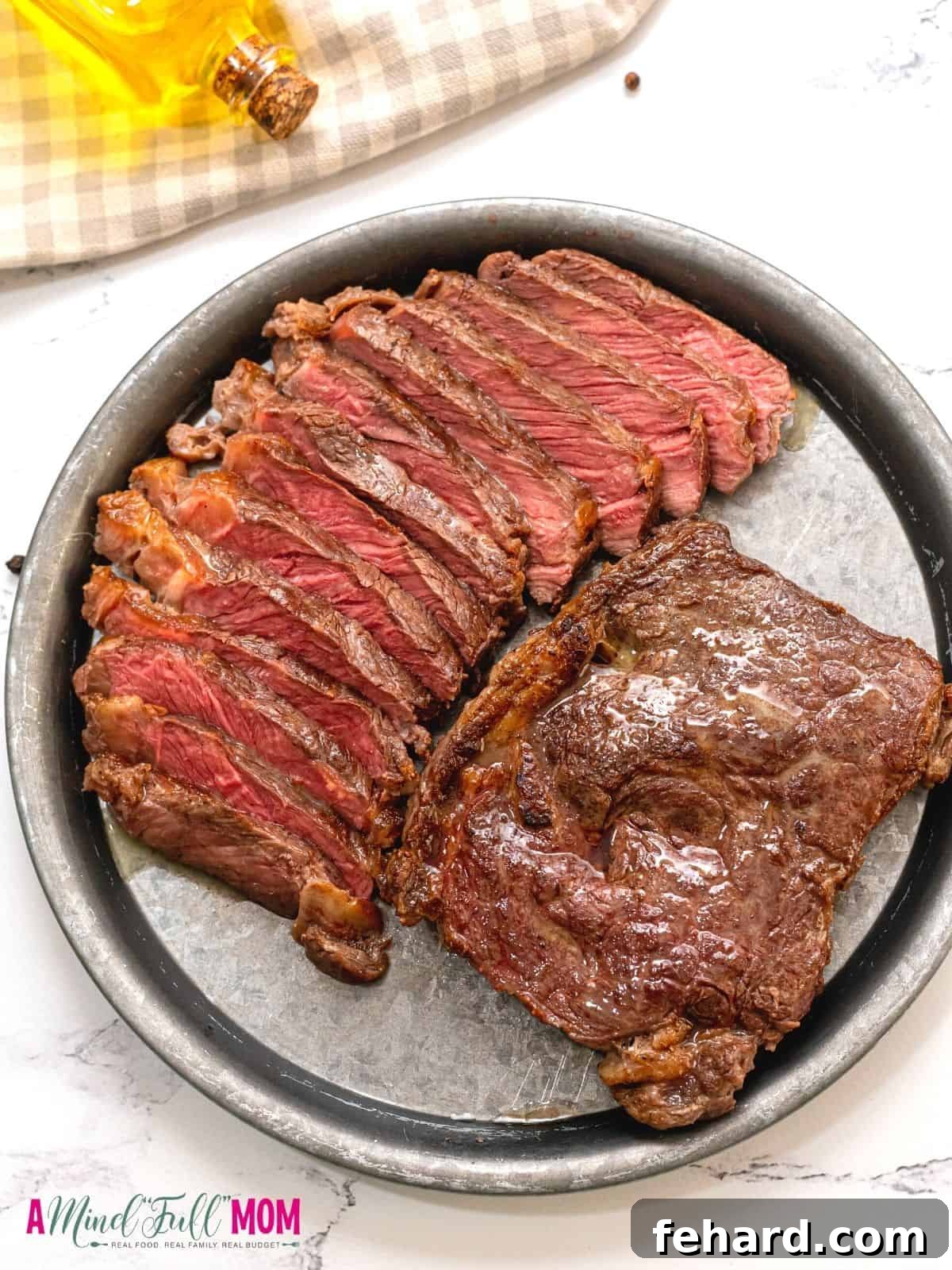
Achieving Restaurant-Quality Ribeye Steaks from Your Own Kitchen

Does the thought of cooking a ribeye steak at home feel a bit daunting? Many home cooks hesitate to tackle this king of steaks, fearing they won’t achieve that coveted steakhouse perfection. But fear not! I am here to help you conquer that apprehension and transform your kitchen into a gourmet steak sanctuary. With this incredibly easy-to-follow recipe, you can effortlessly enjoy a flawlessly cooked ribeye steak from the comfort of your own home – and significantly cut down on restaurant bills while you’re at it!
I’ve meticulously refined a foolproof and exceptionally simple technique for preparing a perfect steak that anyone can master, even those who are just beginning their culinary journey. Since perfecting this method, my family now prefers my homemade steaks over any restaurant offering. The rave reviews from my dinner table are proof that you don’t need years of experience or fancy equipment to create an extraordinary meal.
The truly remarkable aspect of this culinary method? While specifically tailored for a magnificent ribeye steak, this versatile technique performs just as beautifully with other premium cuts like a delicate filet mignon, a robust sirloin, or a classic New York strip. This means you’ll have a go-to strategy for cooking any steak to perfection, consistently delivering mouthwatering results.
Happy Cooking, everyone!
Essential Ingredients and Tools for the Perfect Ribeye Steak
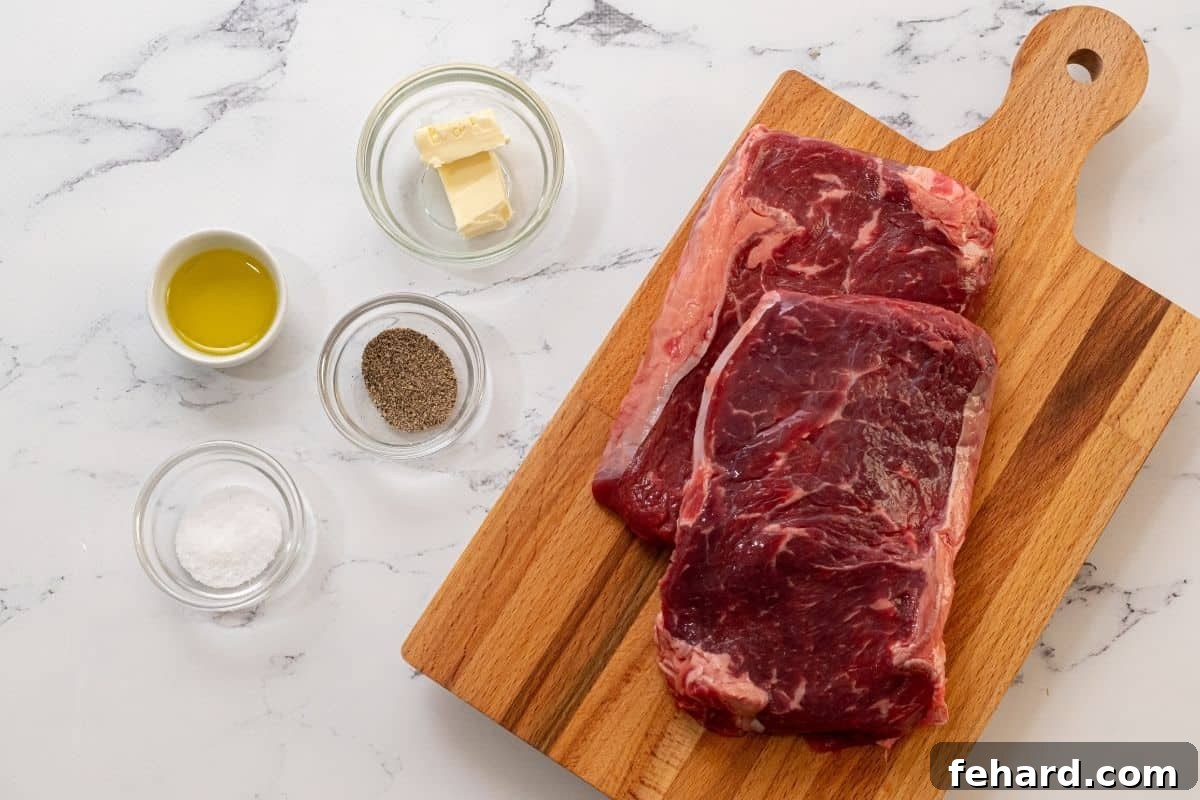
Creating an exceptional ribeye steak requires attention to detail, starting with the right ingredients and equipment. Here’s what you’ll need to set yourself up for success:
- Steak: The Star of the Show
- While this recipe specifically focuses on ribeye, the cooking method is incredibly adaptable and works flawlessly with any cut of steak you prefer, whether it’s thick or thin, bone-in or boneless.
- For truly outstanding results, always prioritize quality. Seek out freshly cut steaks from a reputable butcher at your local grocery store or a dedicated meat market. While pre-packaged steaks are convenient, butcher-cut selections often offer superior freshness and marbling.
- Pro Tip for Even Cooking: If you’re cooking multiple steaks, ensure they are all of a similar thickness. This simple step is critical for them to cook evenly and reach your desired doneness at the same time, avoiding overcooked or undercooked pieces.
- Oil & Butter: The Dynamic Duo for Searing and Flavor
- To achieve that coveted, perfectly crusted sear, you need an oil with a high smoke point and a neutral, mild flavor. Excellent choices include light olive oil, avocado oil, grapeseed oil, or canola oil. These oils can withstand the high heat necessary for a proper sear without breaking down and imparting off-flavors.
- For an added layer of richness and to enhance moisture, finishing your steak with a generous pat of unsalted butter is highly recommended. The butter melts into the hot crust, infusing the meat with a delectable, savory aroma and an unbelievably tender texture.
- Salt and Pepper: Simple Yet Essential Seasoning
- Sometimes, the simplest seasonings are the best. While there’s a world of flavorful rubs and complex spice blends available, a truly great steak often needs nothing more than a liberal coating of high-quality kosher salt and freshly ground black pepper.
- Why Kosher Salt? Its coarser texture allows it to adhere better to the meat, drawing out moisture and creating a flavorful crust. Avoid table salt, which can make the steak taste overly salty due to its finer grain.
- Freshly Ground Pepper: A pepper grinder provides a much more aromatic and potent flavor compared to pre-ground pepper, elevating the steak’s natural taste.
- Cast-Iron Pan: Your Secret Weapon for a Superior Sear
- This recipe begins on the stovetop and finishes in a very hot oven, making an oven-safe pan absolutely essential. A cast-iron skillet is the ideal choice, as it can safely withstand temperatures up to 450°F (230°C) and beyond.
- The Magic of Cast Iron: Cast iron skillets excel at retaining and distributing heat evenly. This means when you place your steak in a screaming hot cast-iron pan, you’ll achieve a magnificent, even crust across the entire surface of the meat, locking in all those delicious juices.
- Oven-Safe Digital Thermometer: Precision for Perfection
- This tool is non-negotiable for anyone serious about cooking steak to their preferred doneness. Relying on guesswork, touch tests, or cooking times alone can lead to inconsistent and disappointing results.
- An oven-safe digital thermometer allows you to monitor the internal temperature of your steak continuously as it cooks in the oven. This precision ensures you remove the steak at exactly the right moment, guaranteeing it’s perfectly cooked, juicy, and tender every single time. It’s an invaluable investment for any home cook, also essential for poultry, pork, and roasts.
Step-by-Step Guide: How to Cook Flawless Ribeye Steaks
Follow these detailed tips and instructions to achieve truly perfect, restaurant-quality ribeye steaks at home. You’ll find precise ingredient quantities and a concise recipe card at the very bottom of this post for quick reference.
- Prepare and Bring Steaks to Room Temperature:
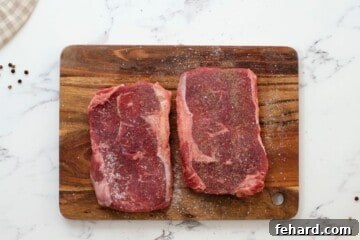
Approximately 20-30 minutes before you plan to cook, remove your ribeye steaks from the refrigerator. Generously season both sides of each steak with a liberal amount of kosher salt and freshly ground black pepper. Let them rest on a plate or cutting board at room temperature during this time. This crucial step helps to take the chill off the meat, promoting more even cooking and allowing the seasoning to penetrate deeper into the steak, enhancing its flavor.
- Pat Dry and Pan Sear the Ribeye Steaks:
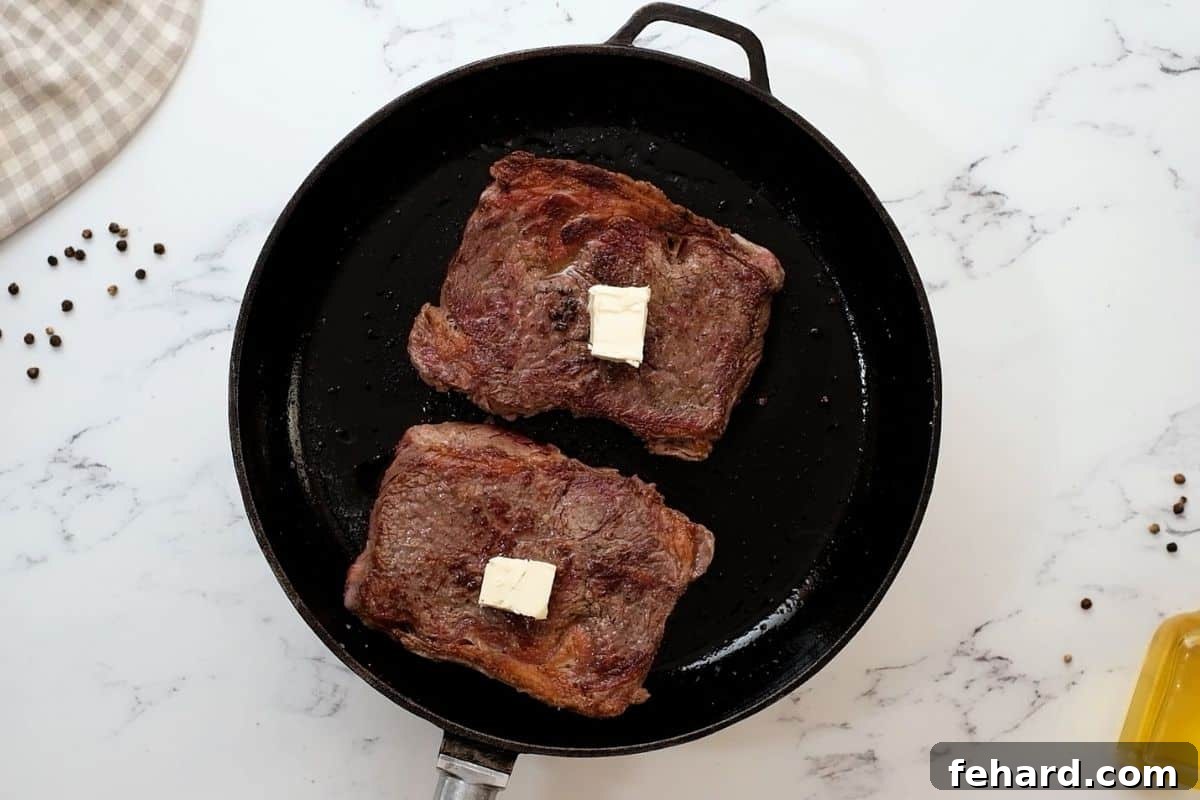
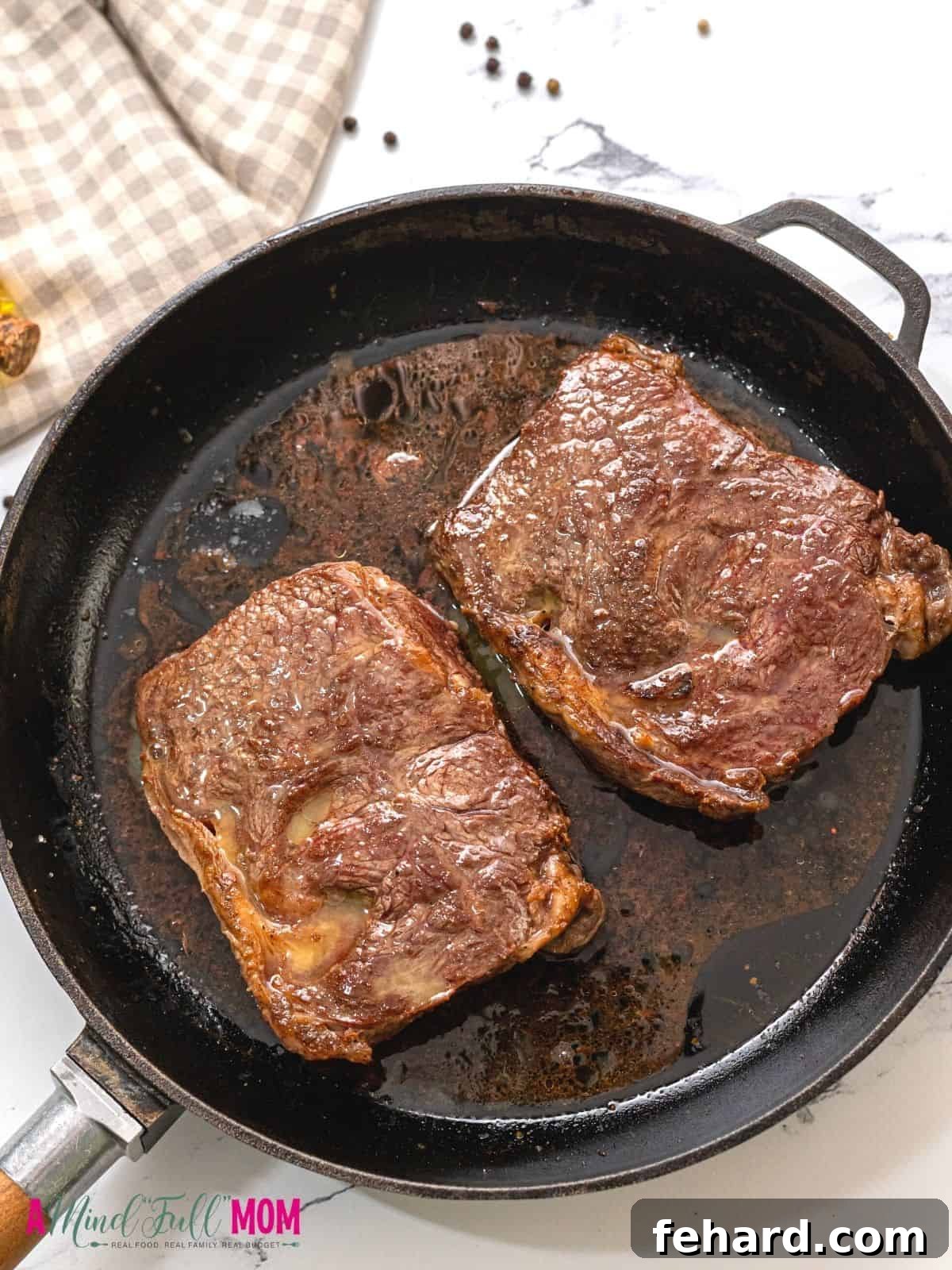
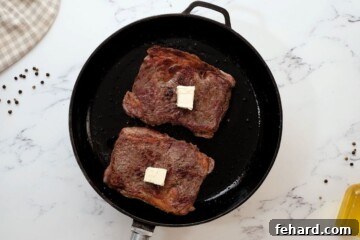
Just before searing, use paper towels to thoroughly pat both sides of your steaks completely dry. Moisture on the surface can hinder a proper sear. Next, heat a large cast-iron skillet over high heat for 3-5 minutes until it’s smoking lightly. Add a tablespoon of high smoke point oil (like light olive oil or avocado oil) to the hot pan. Once the oil is shimmering and almost smoking, carefully add the seasoned steaks to the skillet. Ensure there’s ample space between each steak to allow for proper caramelization and prevent steaming. Let them sear undisturbed for about 1-2 minutes per side, until a beautiful, deep brown crust forms. Flip the steaks, immediately add a pat of unsalted butter on top of each steak, and turn off the heat on the stovetop. The residual heat in the pan will begin to melt the butter, basting the steak with rich flavor.

- Insert Digital Thermometer for Precision:
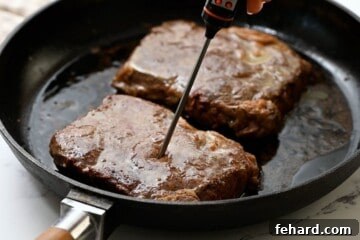
Carefully insert the probe of an oven-safe digital thermometer into the thickest part of one of the steaks, making sure it doesn’t touch any bone (if bone-in) or the bottom of the pan. This is the absolute best way to monitor the internal temperature and ensure your steak reaches your desired doneness with pinpoint accuracy.
- Finish Cooking Steaks in the Oven:
Using oven mitts or a potholder, carefully transfer the hot cast-iron skillet with the steaks directly into your preheated 450°F (230°C) oven. Cook until the internal temperature of the steak reaches 5 degrees Fahrenheit (or 2-3 degrees Celsius) below your target doneness temperature. The exact cooking time will vary based on steak thickness and your desired doneness, but typically ranges from 5-10 minutes for a medium-rare to medium steak.
- Rest Before Serving for Maximum Juiciness:
Once your steaks reach the desired internal temperature (minus 5°F/2-3°C), carefully remove the skillet from the oven. Immediately transfer the steaks from the hot pan to a clean cutting board or serving platter. Tent them loosely with aluminum foil and let them rest for a full 10 minutes. This resting period is critical; it allows the juices, which have been driven to the center by the heat, to redistribute evenly throughout the meat. This ensures your steak remains incredibly juicy, tender, and finishes cooking to its precise target temperature.
Achieving Your Ideal Steak Doneness: A Comprehensive Temperature Guide
Understanding internal temperatures is key to cooking a perfect steak. Remember that the USDA recommends cooking steaks to a minimum internal temperature of 145°F (63°C) for medium doneness, followed by a three-minute rest. Our method incorporates the crucial “carryover cooking” principle, where the steak’s internal temperature continues to rise even after it’s removed from the heat. Therefore, always remove your steak from the oven when it’s 5 degrees Fahrenheit (2-3 degrees Celsius) below your target temperature.
- Rare: Target 125°F (52°C). Remove from oven at 120°F (49°C). Expect a cool, deep red center.
- Medium-Rare: Target 135°F (57°C). Remove from oven at 130°F (54°C). Features a warm, red center.
- Medium: Target 145°F (63°C). Remove from oven at 140°F (60°C). Shows a warm, pink center.
- Medium Well: Target 150°F (66°C). Remove from oven at 145°F (63°C). Presents a slightly pink center.
- Well Done: Target 160°F (71°C). Remove from oven at 155°F (68°C). Will have little to no pink center, often with a grayish-brown appearance.
Always allow for the resting period, as this not only brings the steak to its final desired temperature but also ensures maximum juiciness and tenderness.
Creative and Delicious Ways to Enjoy Leftover Ribeye Steak
While a freshly cooked ribeye is an unrivaled delight, any leftovers can be transformed into fantastic new meals. In my opinion, leftover steak often shines brightest when repurposed into other dishes, rather than simply reheating it as the main attraction.
- Salad Topper: Thinly slice cold or warm leftover steak into strips and serve them over a vibrant tossed Greek salad for a hearty protein boost, or use them as the flavorful meat for a satisfying Taco Salad.
- Steak Fajitas: Elevate your weeknight dinner by slicing the steak into strips and sautéing them with colorful bell peppers and onions. This instantly turns vegetarian fajitas into incredibly flavorful Steak Fajitas.
- Gourmet Steak Sandwiches: Create quick and gourmet steak sandwiches. Serve warm, thinly sliced strips of ribeye over toasted artisan bread, topped with melted provolone cheese, fresh peppery arugula, and a dollop of Dijonaise.
- Pasta Perfection: For a luxurious twist, add sliced steak to your favorite pasta dishes, like Fettuccine Alfredo, during the last couple of minutes of cooking time to gently warm it through.
- Protein-Packed Fried Rice: Cube the leftover steak and toss it into homemade fried rice for a delicious and substantial boost of protein and flavor.
- Hearty Stroganoff: Instead of using ground beef, incorporate cubed leftover steak into a rich and creamy Instant Pot Beef Stroganoff or a classic stove-top Stroganoff for an incredibly decadent and comforting meal.
Curate Your Ultimate Steakhouse Dinner at Home with Perfect Sides
A perfectly cooked steak deserves equally stellar side dishes to complete the meal, transforming your home dining experience into that of a high-end steakhouse. These carefully selected sides and salads not only pair beautifully with a rich ribeye but are also surprisingly easy to prepare in your own kitchen.
- Steakhouse Potatoes Romanoff: A creamy, cheesy, and incredibly indulgent potato dish that screams elegance.
- Twice Baked Potatoes: Fluffy potato filling mixed with cheese and bacon, then re-baked in their skins – a classic for a reason.
- Instant Pot Baked Potatoes: Achieve perfectly tender, fluffy baked potatoes in a fraction of the time, ideal for busy weeknights.
- Hasselback Sweet Potatoes: Thinly sliced and fanned out, these sweet potatoes offer a delightful texture and presentation.
- No-Peel Mashed Red Potatoes: Creamy, flavorful mashed potatoes with a rustic charm, no peeling required.
- Instant Pot Baked Sweet Potatoes: Another quick and easy method for tender, naturally sweet baked potatoes.
- BLT Salad: A fresh, crisp salad featuring bacon, lettuce, and tomatoes, offering a refreshing contrast to the rich steak.
- Classic Caesar Salad: A timeless favorite with crisp romaine, creamy dressing, Parmesan, and crunchy croutons – the quintessential steak pairing.
Did you try this amazing ribeye steak recipe?
If you loved cooking this steak, please share your experience by leaving a comment with a 5-star review below. Your feedback helps others discover and enjoy this incredible recipe!
The Ultimate Ribeye Steak Recipe
Kristen Chidsey
2 Servings
5 minutes
20 minutes
10 minutes
35 minutes
Print Recipe
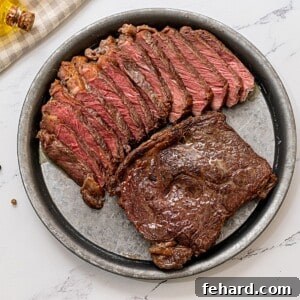
Learn how to master the art of cooking the best ribeye steak right at home with this simple yet powerful recipe that promises to rival the finest steakhouse restaurants.
Video Overview (Placeholder)
A video tutorial demonstrating the pan-searing and oven-finishing technique for perfect ribeye steaks would typically be embedded here.
Ingredients
- 2 ribeye steaks, any thickness, bone-in or boneless (about 1-1.5 lbs each)
- 1 tablespoon high smoke point oil (e.g., light olive oil, avocado oil, grapeseed oil)
- 1 teaspoon kosher salt, approximately (more or less to taste, depending on steak size)
- ¼ teaspoon freshly ground black pepper, approximately (more or less to taste)
- 1 tablespoon unsalted butter, cut into 2 pieces (1 pat per steak)
Instructions
-
Preheat Your Oven: Start by preheating your oven to a high temperature of 450°F (230°C). A hot oven is crucial for the final stage of cooking.
-
Bring Steaks to Room Temperature: While the oven heats up, remove your ribeye steaks from the refrigerator. Allow them to rest at room temperature for 15-30 minutes. This helps the steaks cook more evenly from edge to center, preventing a cold core and ensuring a tender result.
-
Season Generously: Using paper towels, thoroughly pat both sides of the steaks completely dry. This step is vital for achieving a crisp, flavorful crust. Liberally season the steaks on all sides with kosher salt and freshly ground black pepper. Gently rub the seasonings into the meat, ensuring full coverage.
-
Heat the Skillet: Place a large cast-iron skillet over high heat on your stovetop. Allow it to heat for 3-5 minutes until it’s very hot and you see a wisp of smoke or the oil (if added) glistens and ripples. Add the high smoke point oil to the hot skillet, swirling to coat the bottom.
-
Pan Sear for a Perfect Crust: Carefully place the seasoned steaks into the screaming hot skillet, laying them away from you to prevent any oil splatter. Allow the steaks to sear undisturbed for 1-2 minutes per side. This aggressive initial sear is crucial for developing that beautiful, deeply caramelized crust. Once seared on one side, flip the steaks, immediately add one pat of unsalted butter on top of each steak, and turn off the stovetop heat. The residual heat in the pan will help melt the butter and begin to baste the steaks.
-
Insert Thermometer and Transfer to Oven: Insert the probe of your oven-safe digital thermometer into the thickest part of one of the steaks. Carefully transfer the hot cast-iron pan directly to the preheated 450°F (230°C) oven.
-
Finish Cooking to Desired Doneness: Cook the steaks in the oven until the thermometer registers an internal temperature that is 5 degrees Fahrenheit (or 2-3 degrees Celsius) BELOW your final desired doneness. This accounts for carryover cooking during the resting period.
- For Rare: Remove from oven when temperature reaches 120°F (49°C). Final target: 125°F (52°C).
- For Medium-Rare: Remove from oven when temperature reaches 130°F (55°C). Final target: 135°F (57°C).
- For Medium: Remove from oven when temperature reaches 140°F (61°C). Final target: 145°F (63°C).
- For Medium-Well: Remove from oven when temperature reaches 145°F (63°C). Final target: 150°F (66°C).
- For Well Done: Remove from oven when temperature reaches 155°F (68°C). Final target: 160°F (71°C).
-
Rest the Steaks: Once the thermometer alerts you that the steak has reached the target oven temperature, carefully remove the cast-iron skillet from the oven. Immediately transfer the steaks from the hot pan to a clean serving platter or cutting board. Tent them loosely with aluminum foil and let them rest for 5-10 minutes. This essential resting period allows the juices to redistribute throughout the meat, resulting in incredibly juicy, tender, and perfectly cooked steaks.
-
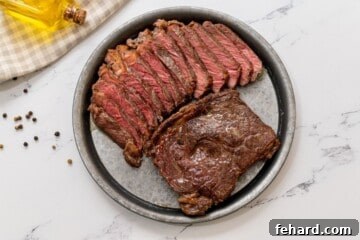
Slice and Serve: After resting, slice your perfectly cooked ribeye steaks against the grain into desired portions. Serve immediately with your chosen side dishes for a truly memorable meal!
Equipment Needed
-
10-12 inch cast iron skillet (oven-safe)
-
Oven Safe Digital Thermometer
Recipe Notes & Tips for Success
Achieving Perfect Steak Doneness: A reminder that for any doneness level, you should remove the steak from the oven when its internal temperature is 5°F (2-3°C) below your final target temperature. The steak will continue to cook as it rests, reaching perfection.
- Rare: 125℉ (52℃), with a cool, red center
- Medium-Rare: 135℉ (57℃), with a red, warm center
- Medium: 145℉ (63℃), with a pink, yet warm center
- Medium Well: 150℉ (66℃), with a slightly pink center
- Well Done: 160℉ (71℃), with little to no pink center
Versatility with Steak Type: While this recipe is designed specifically for ribeye steaks, rest assured that this cooking method is incredibly versatile. It works beautifully and delivers exceptional results when used with other popular cuts such as tender filet mignon, robust New York Strip steaks, or lean sirloin steaks.
Storage Recommendations: For the absolute best flavor and texture, ribeye steak is ideally enjoyed immediately after it has been prepared and rested. However, if you happen to have any leftovers, they can be safely stored in an airtight container in the refrigerator for up to 3 days. To maintain quality, avoid cutting into the steak before storing it, if possible.
Reheating Leftover Steak:
- Stovetop Method: Heat 1 tablespoon of olive oil in a heavy-bottomed skillet over medium heat. Add the sliced or whole steak and flip it every 30 seconds until it is warmed through, which typically takes about 2-3 minutes. This method helps maintain a good crust.
- Oven Method: Place the leftover steak on a wire rack set over a baking sheet. Warm it in a preheated 250°F (120°C) oven for 20-25 minutes, or until warmed to your liking. This gentler method helps prevent the steak from drying out.
Nutritional information provided is an approximation, calculated using 1-inch thick ribeye steaks. Actual values may vary significantly based on the specific type, size, and cut of steak chosen, as well as the exact amount of oil and butter used.
Nutrition Information (Per Serving)
Carbohydrates: 1 g
Protein: 46 g
Fat: 45 g
Saturated Fat: 19 g
Polyunsaturated Fat: 3 g
Monounsaturated Fat: 22 g
Trans Fat: 1 g
Cholesterol: 153 mg
Sodium: 1330 mg
Potassium: 608 mg
Sugar: 1 g
Vitamin A: 209 IU
Calcium: 18 mg
Iron: 4 mg
Tried this recipe?
Share your culinary creation on social media! Mention @amindfullmom or tag #amindfullmom!