
Ultimate Guide to Making Creamy Homemade Sweet Potato Puree
Unlock the secret to creating the most delectable and versatile homemade sweet potato puree with our easy-to-follow guide! In just a couple of simple steps, you can transform humble sweet potatoes into a silky-smooth, intensely flavorful puree that’s far superior to any store-bought alternative. Whether you’re preparing nutritious baby food, enriching your favorite baked goods, or adding a creamy element to savory dishes, this recipe ensures a concentrated taste and perfect texture every time.
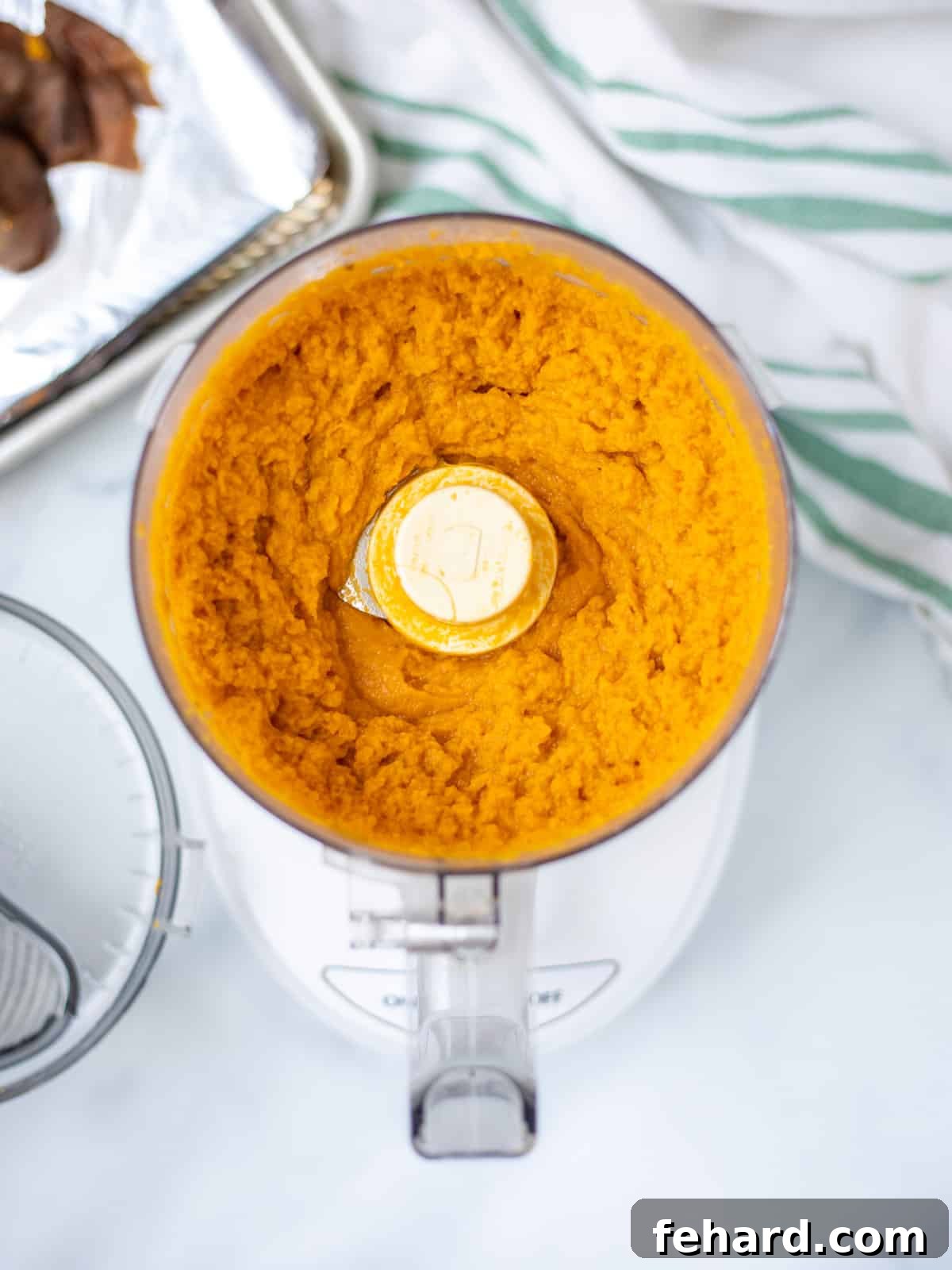
Sweet potato puree stands out as an incredibly nourishing ingredient, akin to homemade pumpkin puree, packed with essential nutrients like Vitamin A and dietary fiber. Its naturally sweet and earthy profile adds moisture, a nutritional boost, and an incredible depth of flavor to a wide array of recipes. Imagine the richness it brings to healthier sweet potato casseroles, or the delicate texture it lends to fluffy gluten-free sweet potato waffles. Once you experience the quality of homemade, you’ll wonder why you ever settled for less!
Why Choose Homemade Sweet Potato Puree?
While canned pumpkin puree is readily available in most grocery stores, finding high-quality sweet potato puree can often be a challenge. But here’s the good news: there’s absolutely no need to spend time hunting for it when making it from scratch is incredibly simple, cost-effective, and yields far superior results. Homemade puree offers unparalleled freshness and flavor, allowing you to control every aspect, from the sweetness level to the final texture. You avoid any added sugars, preservatives, or questionable ingredients often found in commercial products, ensuring a pure, wholesome base for your culinary creations. Plus, the satisfaction of making such a versatile ingredient from scratch is a reward in itself!
The Nutritional Powerhouse: Benefits of Sweet Potatoes
Sweet potatoes are more than just delicious; they are a nutritional powerhouse, making their puree an excellent addition to any diet, especially for growing babies and toddlers. They are exceptionally rich in beta-carotene, which the body converts into Vitamin A, crucial for vision, immune function, and skin health. Beyond Vitamin A, sweet potatoes provide a substantial amount of dietary fiber, promoting healthy digestion and contributing to a feeling of fullness. They also contain vital minerals like potassium and manganese, and a good dose of Vitamin C. Incorporating sweet potato puree into your meals is an easy way to boost your intake of these beneficial nutrients, supporting overall health and well-being with every spoonful.
Selecting the Perfect Sweet Potatoes
For the best sweet potato puree, it’s important to choose the right type of potato. Always opt for orange-fleshed sweet potatoes, often labeled as “Beauregard” or “Jewel” varieties, which are distinct from yams (which have a starchier, lighter flesh) or purple sweet potatoes. These orange varieties offer the ideal sweetness, moisture, and vibrant color for a perfect puree.
When selecting your sweet potatoes, try to pick ones that are similar in size. This ensures they cook evenly, preventing some from being overdone while others are still firm. Look for firm potatoes with smooth, blemish-free skin. Avoid any with soft spots, sprouts, or significant black marks on the skin, as these can indicate spoilage or an undesirable flavor.
How to Make Sweet Potato Puree: A Step-by-Step Guide
While you might be tempted to boil cubed sweet potatoes, this method can result in a watery puree with diluted flavor, as the potatoes absorb excess water. To achieve the most intensely flavorful, naturally sweet, and incredibly creamy sweet potato puree, the best approach is to cook the sweet potatoes whole, with their skins intact. Roasting or steaming whole sweet potatoes intensifies their natural sugars and ensures the flesh becomes incredibly soft and velvety. This technique is surprisingly easy and delivers consistently superior results.
Preparation is Key
Before cooking, a little preparation goes a long way. Simply wash your sweet potatoes thoroughly under running water, scrubbing away any dirt. Pat them completely dry. Then, using a fork, prick each sweet potato several times all around its surface. This crucial step allows steam to escape during cooking, preventing the potatoes from bursting and ensuring they cook safely and evenly.
Cooking Methods: Roasting vs. Steaming for Optimal Flavor
You have two fantastic options for cooking your sweet potatoes, both yielding equally delicious results for your puree. Choose the method that best suits your equipment and preference: traditional oven roasting or quick steaming with an Instant Pot.
- Roasting in the Oven:
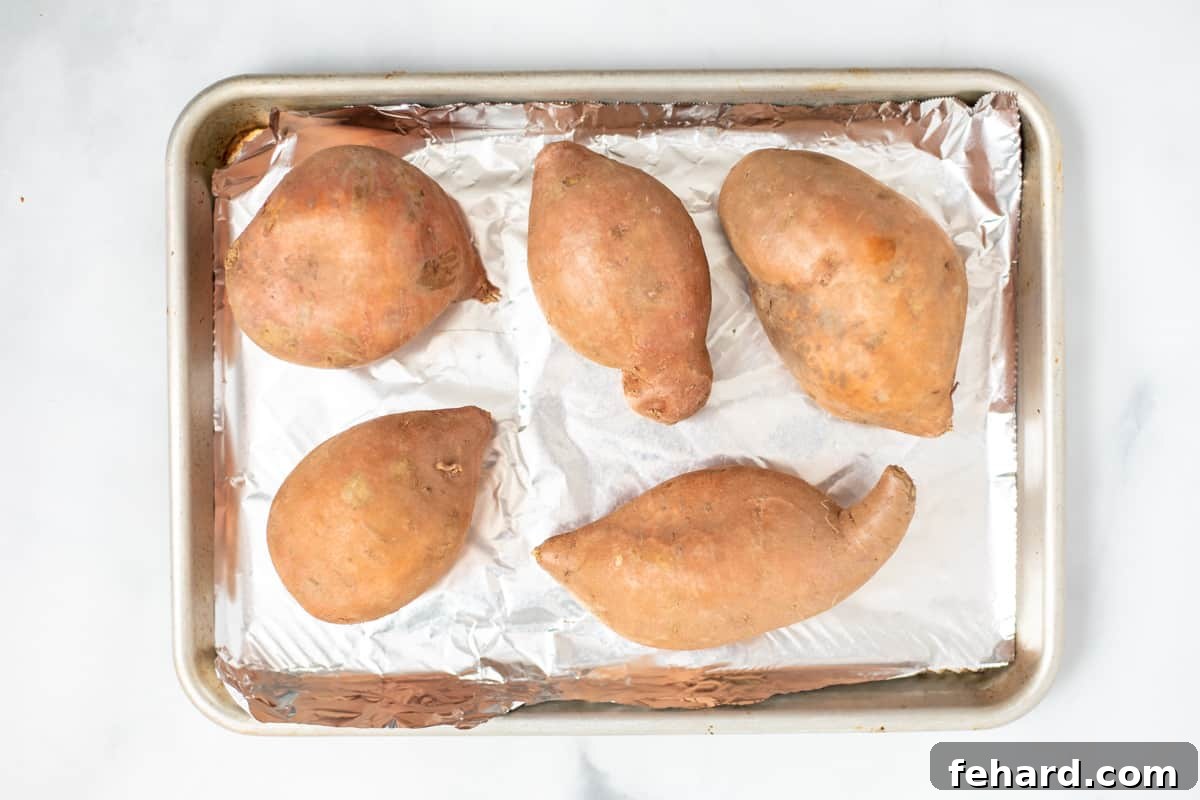
Preheat your oven to 400 degrees F (205 degrees C). Place your prepared sweet potatoes on a baking sheet lined with aluminum foil or parchment paper. The lining isn’t just for easy cleanup; it also helps to concentrate the heat and juices, contributing to the rich flavor. Roast for 35 to 60 minutes, depending on the size of your potatoes. Smaller potatoes will cook faster (around 35-40 minutes), while larger ones may take up to an hour or slightly more (60-65 minutes). The sweet potatoes are done when they are super soft to the touch and the flesh yields effortlessly when gently squeezed or tested with a fork.
- Steaming in the Instant Pot:
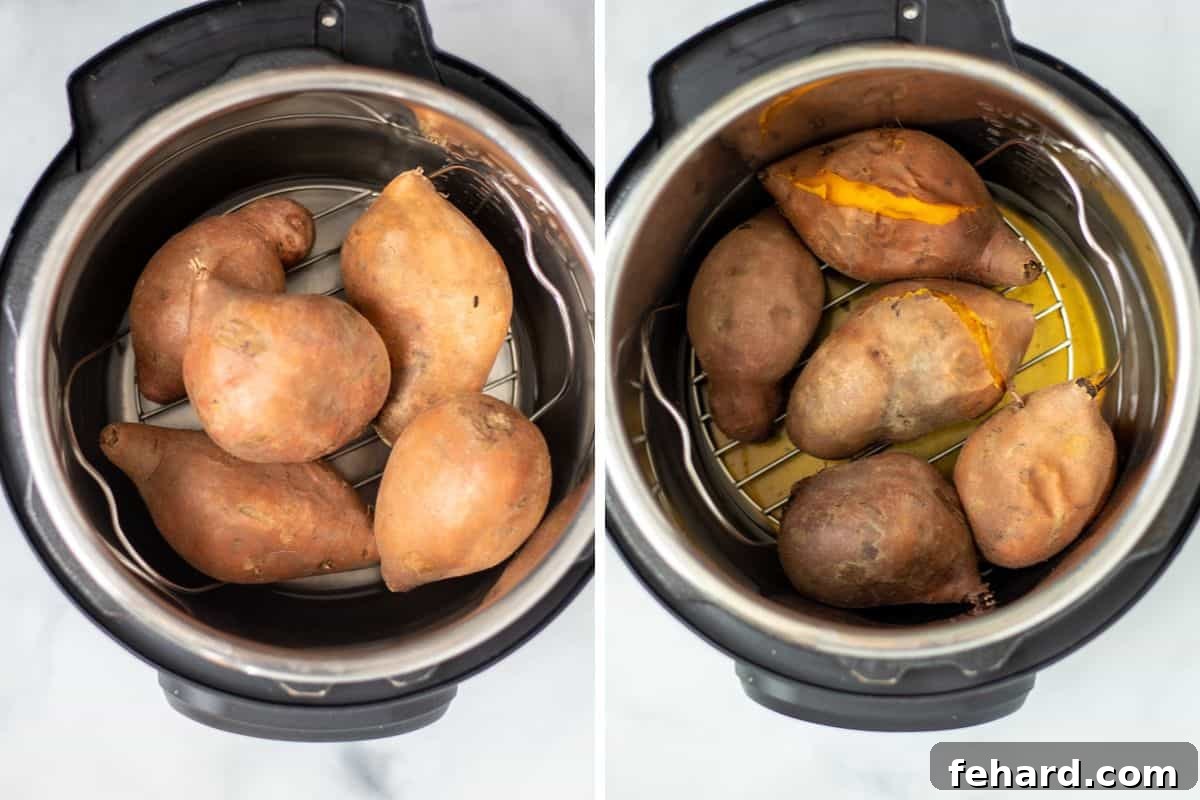
For a quicker method, steaming in an electric pressure cooker like the Instant Pot is ideal. Place the prepared sweet potatoes on a trivet inside the inner pot. Add 1 cup of cold water for a 6-quart Instant Pot model or 1 ½ cups of cold water for an 8-quart model. Secure the lid, set the valve to sealing, and cook on high pressure for 18-27 minutes. The exact time depends on the potato size: 18 minutes for small, 22 minutes for standard/medium, and 27 minutes for large sweet potatoes. Once the cooking cycle is complete, allow the pressure to release naturally for 10 minutes before manually releasing any remaining pressure. This natural release time helps the potatoes finish cooking and become extra tender.
Achieving the Perfect Puree Texture
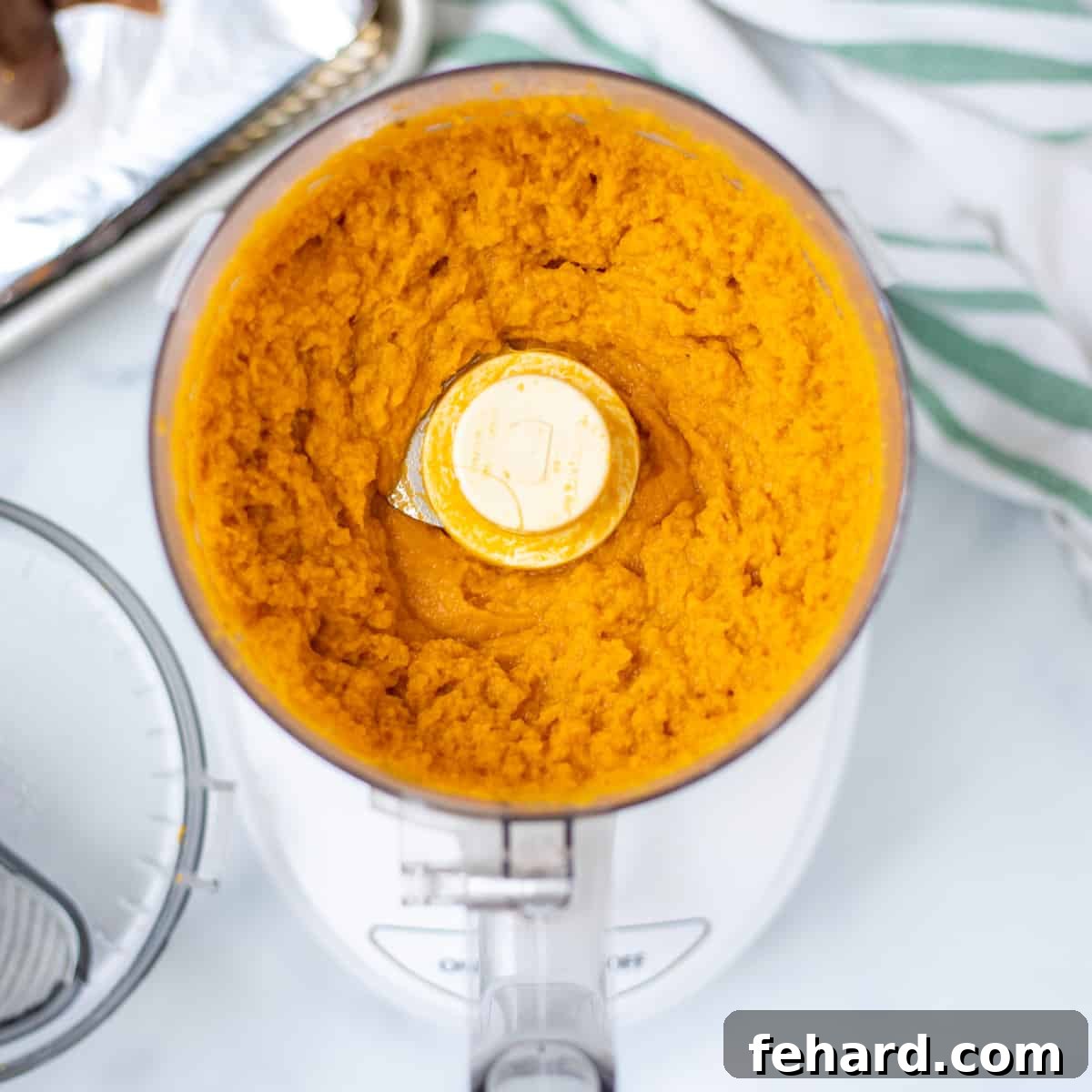
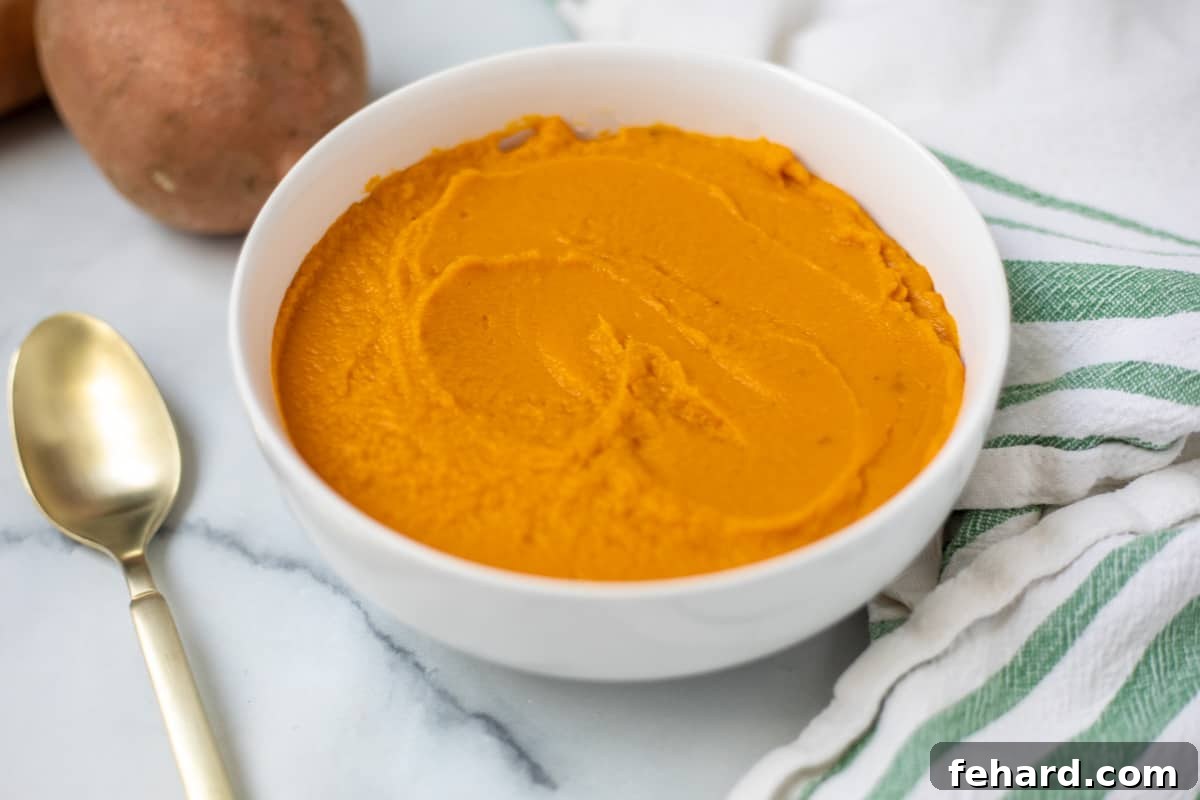
Once your sweet potatoes are perfectly cooked, it’s time to transform them into puree! The tool you choose will depend on your desired consistency. For an ultra-smooth, velvety puree—perfect for baking or delicate baby food—a high-speed blender or a food processor fitted with an S-blade is highly recommended. If you prefer a more rustic, slightly chunky puree for a side dish or other savory applications, simply mashing the flesh with a fork or potato masher will do the trick.
- After cooking, allow the sweet potatoes to cool slightly. They should be warm enough to handle comfortably but not scorching hot.
- Once cooled, carefully remove the skins. They should peel away very easily.
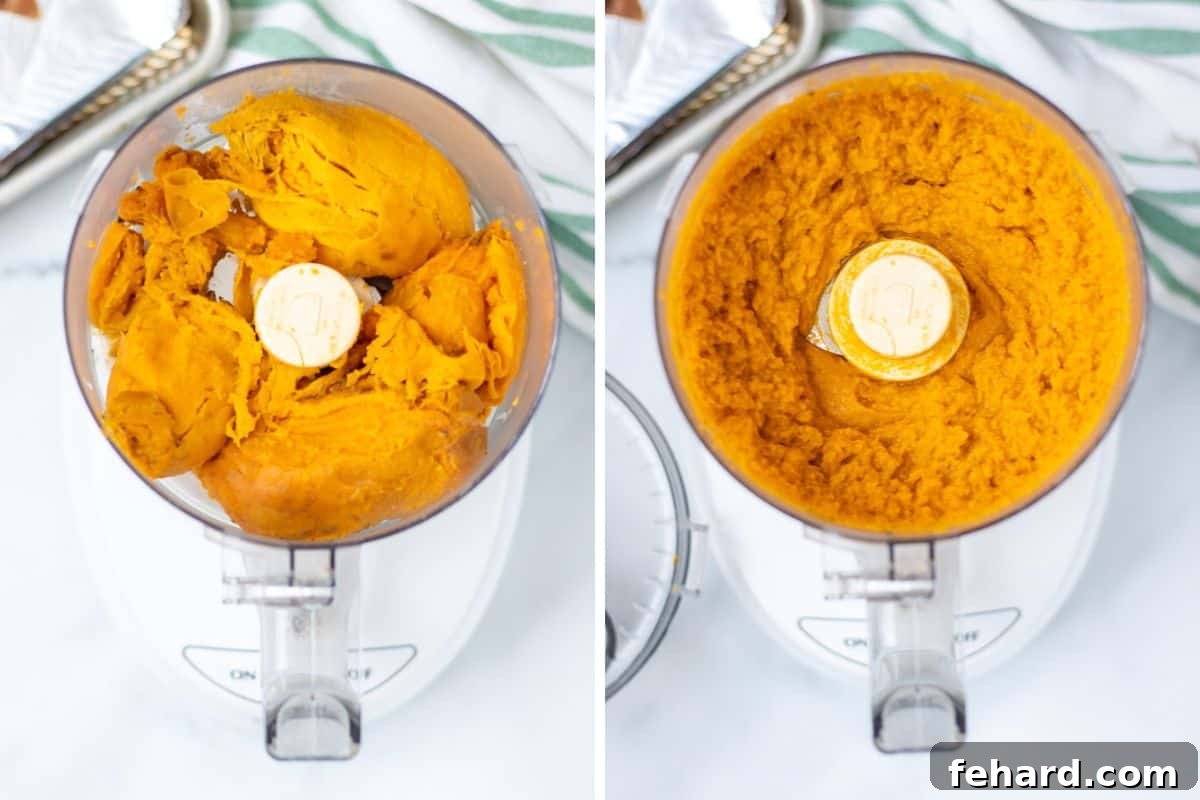
- Place the cooked sweet potato flesh into your blender or food processor.
- Blend on high speed or process until the puree is completely smooth and creamy, with no lumps remaining. Scrape down the sides of the bowl as needed to ensure everything is evenly processed.
Homemade Sweet Potato Puree for Baby Food
Sweet potato puree is an incredibly nutritious and naturally sweet first food for babies and a healthy option for toddlers. This base recipe is ideal, but with one key consideration for your little one: ensure the puree is absolutely, unequivocally smooth. Any small lumps can be a choking hazard for infants. Process the sweet potato flesh until it reaches a perfectly silky consistency. If your baby prefers a thinner puree, you can easily adjust the consistency by adding a small amount of purified water, breast milk, formula, or 100% apple juice until it reaches your desired texture. This allows you to customize it perfectly for your baby’s stage and preference, making it a wholesome and delicious meal.
Creative Ways to Use Your Sweet Potato Puree
Beyond serving it as a delightful side dish or nutritious homemade baby food, sweet potato puree offers endless culinary possibilities. Think of it as a vibrant, nutrient-rich substitute for pumpkin puree—any recipe that calls for pumpkin puree can likely be enhanced with sweet potato puree. In our humble opinion, sweet potato puree often brings a more complex and satisfying flavor profile! Its natural sweetness and creamy texture make it incredibly versatile. Here are just a few ideas to get you started:
- Baking: Use it in muffins, breads, cakes, or even brownies for added moisture, flavor, and a beautiful golden hue. It’s excellent in Sweet Potato Waffles or Sweet Potato Biscuits.
- Savory Dishes: Incorporate it into soups, stews, or sauces to thicken and enrich them. It makes a wonderful base for creamy, comforting dishes like Vegan Sweet Potato Casserole.
- Breakfast: Stir it into oatmeal or yogurt for a flavorful and nutritious start to your day. Try our Sweet Potato Oatmeal recipe!
- Smoothies: Add a dollop to your morning smoothie for natural sweetness, thickness, and a boost of vitamins.
- Desserts: From pies to cheesecakes, sweet potato puree can add a unique and delicious twist to classic desserts.
Tips for Success and Storage
Making sweet potato puree is straightforward, but a few key tips can ensure perfect results every time and help you store your homemade goodness efficiently.
Yield Information
On average, one medium sweet potato will yield approximately ¾ cup of smooth puree. Larger sweet potatoes can produce closer to 1 cup. Adjust the number of potatoes you cook based on your recipe needs.
Adjusting Consistency
If your puree feels too thick for your specific application, especially for very young babies or certain baking recipes, you can thin it out. Simply add a tablespoon at a time of purified water, breast milk, formula, or even 100% apple juice while blending until you reach your desired consistency. For baking, ensure it’s smooth and consistent, not overly watery.
Storage and Freezing
Proper storage is essential to enjoy your homemade sweet potato puree for longer.
- Refrigeration: Allow the puree to cool completely to room temperature. Transfer it to an airtight container and store it in the refrigerator for up to 5 days.
- Freezing: For longer storage, sweet potato puree freezes beautifully. Portion the cooled puree into freezer-safe bags or containers, leaving a little headspace for expansion. For baby food portions, ice cube trays work wonderfully; once frozen, pop out the cubes and transfer them to a freezer bag. Store in the freezer for up to 3 months.
- Thawing: To use frozen puree, simply transfer it to the refrigerator to defrost overnight. Once thawed, stir well and use as desired.
Frequently Asked Questions
Can I use yams instead of sweet potatoes for this recipe?
While often used interchangeably, yams and sweet potatoes are different. For this recipe, we recommend orange-fleshed sweet potatoes as they offer the ideal sweetness, texture, and vibrant color for a flavorful puree. Yams tend to be starchier and less sweet.
Do I need to add any spices or sweeteners?
This recipe focuses on pure sweet potato flavor, which is naturally sweet and rich. For baby food, it’s best to keep it plain. For adult recipes, you can absolutely add spices like cinnamon, nutmeg, a pinch of ginger, or even a touch of maple syrup or brown sugar if you desire a sweeter profile. These additions can be made during the blending process or mixed in afterward.
How can I make sure my puree is extra smooth?
The key to an extra smooth puree is proper cooking until the potatoes are very tender, followed by using a high-speed blender or a food processor with an S-blade. Ensure you process it for several minutes, scraping down the sides occasionally, until all lumps are gone and it reaches a silky consistency. If it’s too thick, add a small amount of liquid as suggested in our ‘Tips for Success’ section.
We hope you enjoy making and using this versatile homemade sweet potato puree! If you tried this recipe, please be sure to leave a comment and review below to share your experience.
Sweet Potato Puree
Kristen Chidsey
4 cups
10 mins
45 mins
55 mins

Ingredients
- 6 medium sweet potatoes
Instructions
-
Scrub 6 medium sweet potatoes and dry them well. Prick each sweet potato several times with a fork.
-
To roast sweet potatoes in the oven, place them on a sheet pan lined with foil. Bake at 400℉ (205℃) until the potatoes are very soft and the flesh gives easily when tested with a fork. This typically takes 45-50 minutes for medium sweet potatoes. Smaller potatoes may cook in 35-40 minutes, while larger ones need 60-65 minutes.
-
To cook sweet potatoes in the Instant Pot, place the prepared potatoes on a trivet inside the inner pot. Pour in 1 cup of cold water for a 6-quart model or 1 ½ cups for an 8-quart model. Cook on high pressure for 18 minutes for small potatoes, 22 minutes for standard, and 27 minutes for large. Once cooking is complete, let the pressure release naturally for 10 minutes.
-
After cooking, allow the sweet potatoes to cool slightly until they are comfortable to handle.
-
Remove the skins from the sweet potatoes. Place the cooked flesh into a food processor fitted with an S-blade or a powerful blender. Process until the sweet potato puree is completely smooth and creamy.
-
Serve immediately or use in any recipe that calls for sweet potato puree, just as you would use canned puree.
Equipment
-
Food Processor
Notes
For Baby Food: To make the puree a bit looser for infants, add a small amount of purified water, formula, breast milk, or 100% apple juice while blending.
Storage: Allow the puree to cool completely, then store in an airtight container in the refrigerator for up to 5 days. For longer storage, freeze cooled puree in a freezer-safe container for up to 3 months. Defrost overnight in the refrigerator before use.
Nutrition is based on 1 cup of sweet potato puree.
Nutrition
Carbohydrates: 68g
Protein: 5g
Fat: 0.2g
Saturated Fat: 0.1g
Polyunsaturated Fat: 0.05g
Monounsaturated Fat: 0.003g
Sodium: 186mg
Potassium: 1142mg
Fiber: 10g
Sugar: 14g
Vitamin A: 48094IU
Vitamin C: 8mg
Calcium: 102mg
Iron: 2mg
Nutrition information is automatically calculated, so should only be used as an approximation.