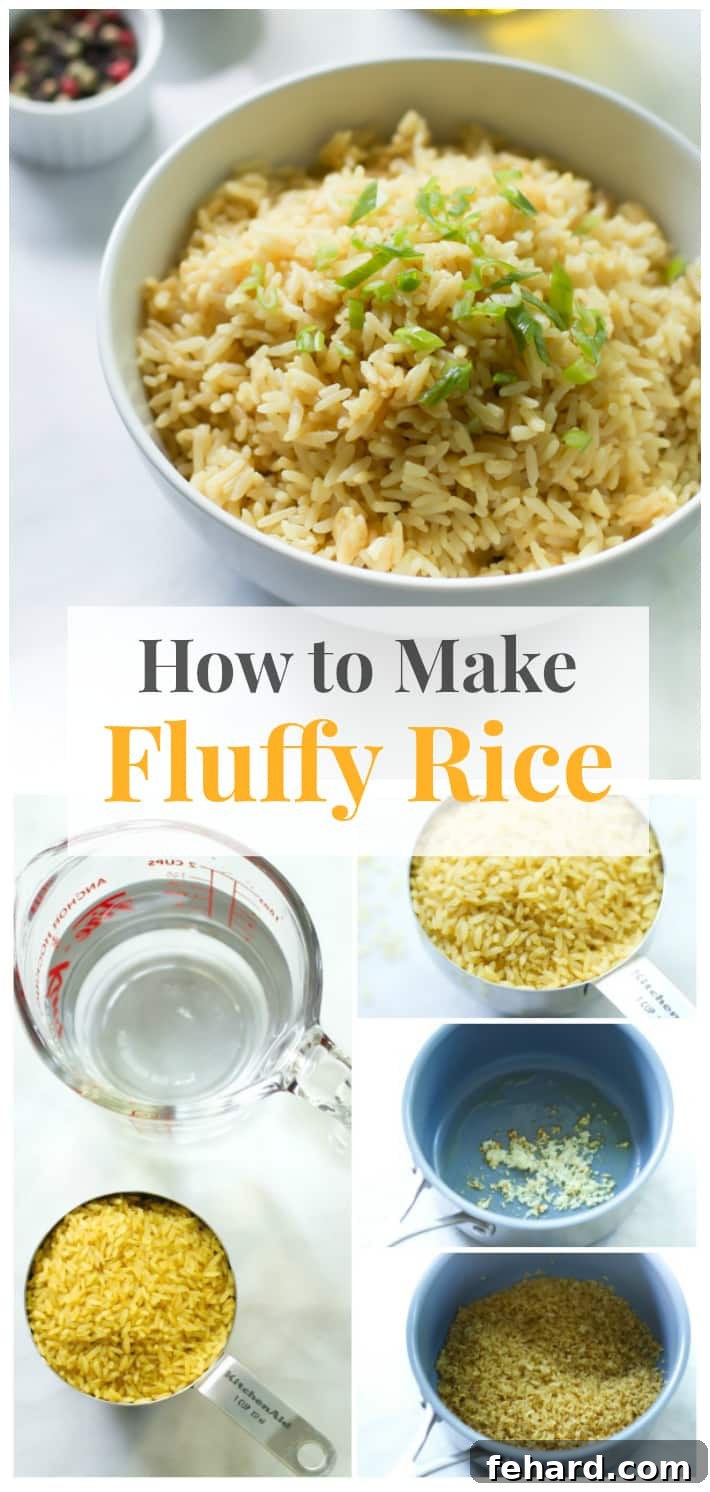
Tired of mushy, sticky, or undercooked rice? This ultimate photo tutorial will show you how to make fluffy rice on the stovetop, perfectly, every single time. Discover the simple, foolproof secrets to achieving light, separate grains that will elevate any meal.
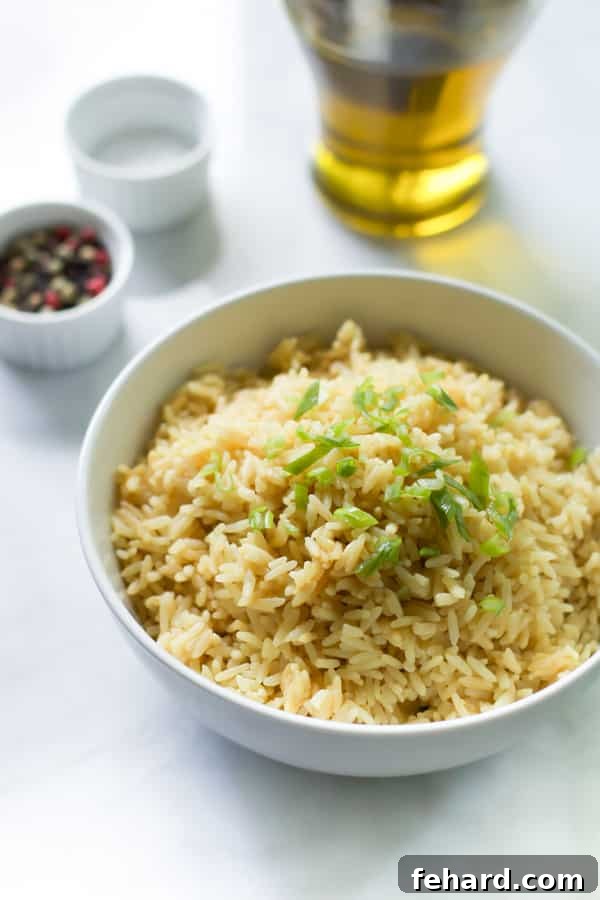
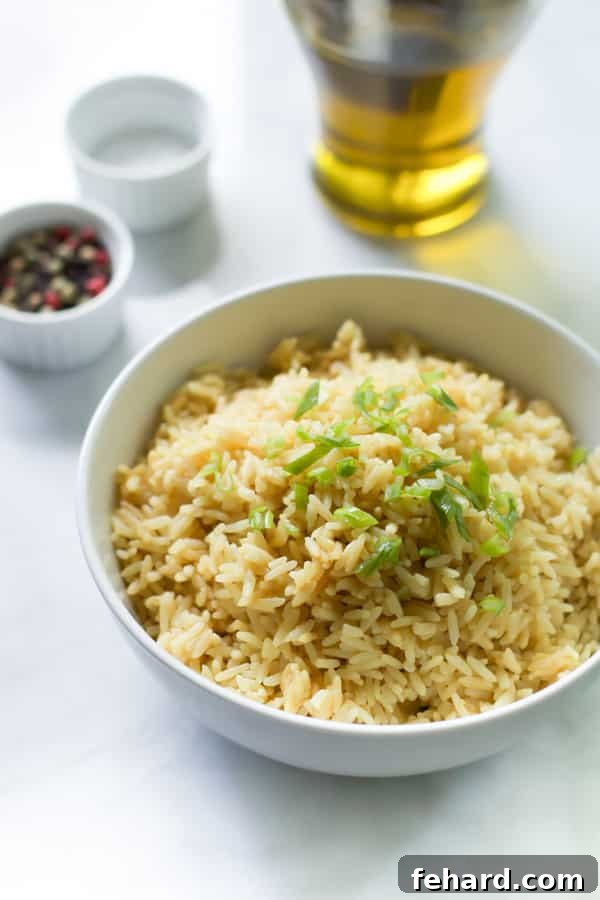
The Secret to Perfectly Cooked Rice
Rice is a global staple, a comforting and essential part of countless cuisines, from Brazilian feijoada to Asian stir-fries. As someone who grew up with rice being a daily feature on the dinner table, I understand the importance of getting it just right. While it seems like a basic kitchen task, achieving that coveted fluffy texture with distinct, separate grains can often feel like a game of chance. Too often, the result is a gummy, clumpy mess or, even worse, a pot with a burnt bottom and undercooked top.
But what if I told you there’s a simple, reliable method that takes the guesswork out of the process? This guide will walk you through a foolproof technique to cook perfect rice on the stovetop every single time. It’s a fundamental skill that, once mastered, will transform your home cooking. We’ll explore everything from the crucial first step of rinsing to the all-important resting period that makes all the difference. Get ready to say goodbye to disappointing rice forever.
Why This Stovetop Method Works Every Time
The magic of this method lies in a few simple scientific principles that address the common pitfalls of cooking rice. It’s not just about adding rice and water to a pot; it’s a technique designed for a perfect outcome.
- Removing Excess Starch: The number one culprit behind sticky, gummy rice is excess surface starch. By thoroughly rinsing the grains before cooking, you wash this starchy powder away, allowing the grains to remain separate and distinct.
- Building Flavor: Lightly toasting the rinsed rice in a bit of oil and aromatics like garlic does more than just coat the grains. It imparts a subtle, nutty depth of flavor that elevates the rice from a plain starch to a delicious component of your meal.
- Gentle Steam Cooking: After bringing the water to a boil, the heat is immediately reduced to the lowest setting. This, combined with a tight-fitting lid, creates a steamy environment where the rice cooks gently and evenly without the need for stirring. Stirring agitates the grains, releasing more starch and leading to a creamy, risotto-like texture—which is great for risotto, but not for fluffy rice.
- The Crucial Resting Period: Perhaps the most overlooked step, letting the rice rest off the heat with the lid on is where the final magic happens. The residual steam redistributes throughout the pot, ensuring any remaining moisture is absorbed and the grains firm up, resulting in a perfectly fluffy finish.
The All-Important Rice-to-Water Ratio
One of the most critical factors in cooking rice is using the correct ratio of liquid to grains. This ratio can vary significantly depending on the type of rice you’re using. The bran layer, age of the rice, and grain size all affect how much water is needed. Here’s a helpful guide for the most common varieties:
- Long-Grain White Rice: This is your classic, all-purpose rice. Its long, slender grains have less starch, helping them cook up light and separate. While a 1:2 ratio (1 cup rice to 2 cups water) is common, we find a 1 cup rice to 1 ¾ cups water ratio yields an even fluffier, less waterlogged result.
- Jasmine or Basmati Rice: These aromatic long-grain rices are prized for their fragrance and delicate texture. They typically require less water. Aim for a ratio of 1 cup rice to 1 ½ cups water. Be sure to rinse them gently to preserve their delicate structure.
- Black Rice: Also known as forbidden rice, this whole grain has a nutty flavor and a beautiful deep purple color. It requires more water, so use a 1 cup rice to 2 cups water ratio.
- Red Rice: With its earthy flavor and chewy texture, red rice also benefits from a bit more liquid. A ratio of 1 cup rice to 1 ¾ cups water works well.
- Brown Rice: As a whole grain, brown rice retains its nutrient-rich bran and germ. This outer layer acts as a barrier, meaning it needs more water and a much longer cooking time to become tender. Use a ratio of 1 cup rice to 2 ½ cups water and expect a simmer time of around 40-45 minutes.
- Wild Rice: Technically a grass seed and not a true rice, wild rice has a very tough outer sheath. It requires the most water and the longest cooking time. Use 1 cup rice to 4 cups water and simmer for 45-60 minutes.
For any variety, you can easily substitute water with a low-sodium chicken, vegetable, or beef broth to infuse your rice with incredible flavor from the very start.
Troubleshooting Common Rice Problems
Even with the best method, things can sometimes go awry. Here’s how to fix common rice-cooking issues:
- Problem: My rice is mushy and gummy.
Cause & Solution: This is usually caused by too much water or stirring during the cooking process. You may have also skipped the rinsing step. Next time, reduce the water by a couple of tablespoons and remember not to lift the lid or stir once it starts simmering. - Problem: My rice is hard and undercooked.
Cause & Solution: You likely had either not enough water, the heat was too high causing the water to evaporate too quickly, or you didn’t let it rest long enough. To salvage it, add a ¼ cup of hot water, put the lid back on, and let it steam on the lowest heat setting for another 5-10 minutes. - Problem: My rice is burnt on the bottom.
Cause & Solution: The heat was too high during the simmering phase. The goal is the lowest possible heat setting that maintains a very gentle simmer. Using a heavy-bottomed pot also helps distribute heat more evenly and prevents scorching.
If you’re looking for a low-carb alternative, cauliflower rice is a fantastic option. Try this Spicy Chicken with Cauliflower Rice for a flavorful meal.
How to Make Fluffy Rice (Foolproof Method)
Ingredients
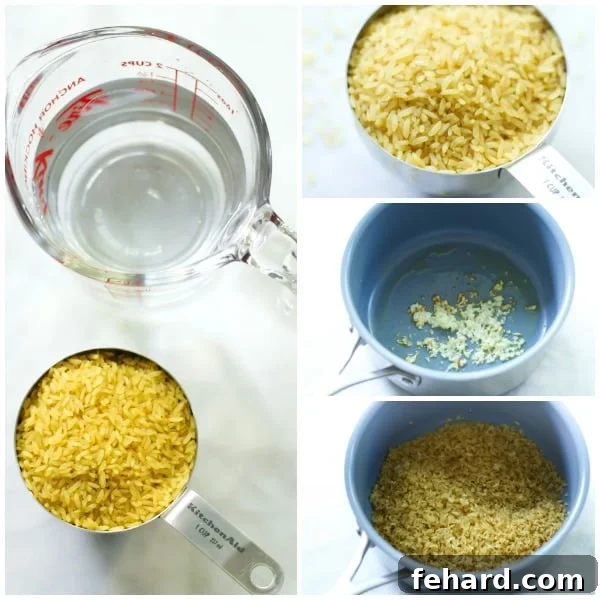
- 1 cup long-grain white rice
- 1 ¾ cups water or low-sodium broth
- 1 tbsp extra virgin olive oil or butter
- 1 clove garlic, minced
- ½ tsp salt, or to taste
- Ground black pepper, to taste
Instructions
-
Rinse the Rice: Place the rice in a fine-mesh sieve and rinse under cold running water. Use your fingers to swirl the grains until the water runs mostly clear. This removes excess starch and is the key to fluffy rice. Drain well.
-
Sauté and Toast: In a medium saucepan with a tight-fitting lid, heat the olive oil over medium heat. Add the minced garlic and cook for about 30 seconds until fragrant. Add the rinsed and drained rice and stir continuously for 1-2 minutes to lightly toast the grains.
-
Boil and Simmer: Pour in the water (or broth), add salt and pepper, and stir once. Bring the mixture to a rolling boil.
-
Cover and Cook: As soon as it boils, reduce the heat to the lowest possible setting. Immediately cover the pot with the lid. Do NOT lift the lid or stir. Let the rice simmer gently for 15 minutes.
-
Rest the Rice: After 15 minutes, remove the pot from the heat. Keep the lid on and let it stand undisturbed for 10 minutes. This essential step allows the residual steam to finish cooking the rice to perfection.
-
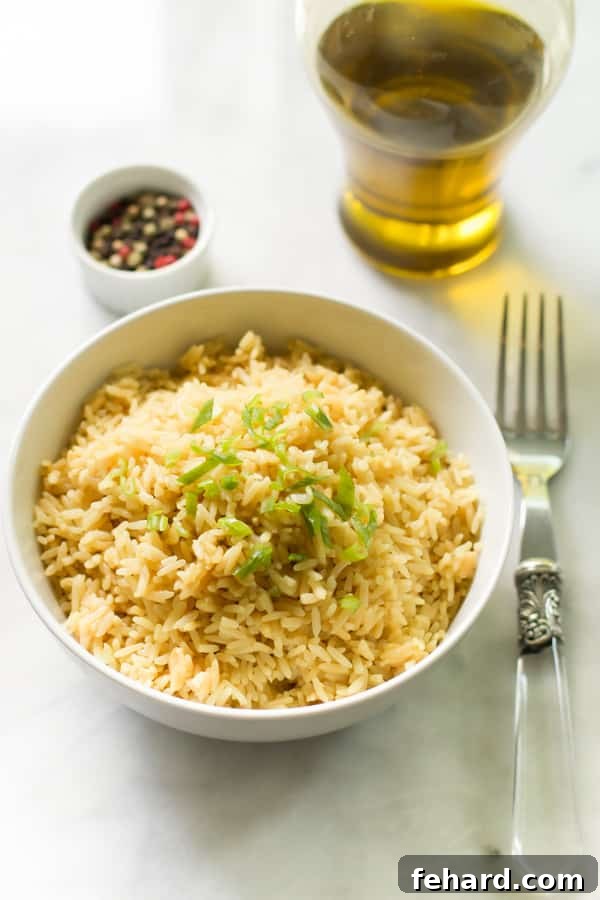
Fluff and Serve: Remove the lid. Use a fork to gently fluff the rice, separating the grains from bottom to top. Serve hot.
Notes
- Don’t Skip the Rest: The 10-minute resting period is not optional! It’s crucial for allowing the moisture to redistribute evenly, resulting in perfectly cooked, fluffy grains.
- Choose the Right Pot: A heavy-bottomed saucepan with a tight-fitting lid is best as it distributes heat evenly and prevents steam from escaping.
- Flavor Variations: Feel free to add a bay leaf, a cinnamon stick, or a few cardamom pods to the water for extra flavor. You can also sauté finely chopped onion before adding the garlic.
- Storage: Cool leftover rice quickly and store it in an airtight container in the refrigerator for up to 4 days.
- Reheating: To reheat, place the rice in a microwave-safe bowl, sprinkle with a tablespoon of water, cover with a damp paper towel, and microwave until heated through.
- Freezing: Spread cooked and cooled rice on a baking sheet and freeze until firm. Transfer to a freezer-safe bag and store for up to 3 months. This prevents clumping.
Nutrition
Calories: 211kcal,
Carbohydrates: 42g,
Protein: 3g,
Fat: 3g,
Sodium: 102mg
Nutrition information is an estimate and may vary based on the specific ingredients used.
Explore More Delicious Rice Recipes
Once you’ve mastered the basic technique, rice becomes a versatile canvas for countless delicious meals.
Try this vibrant and healthy Rice with Roasted Butternut Squash and Dried Cranberries, a perfect side dish for fall.
For a quick and satisfying weeknight dinner, you can’t go wrong with this Rice with Balsamic Onions and Shrimp.