
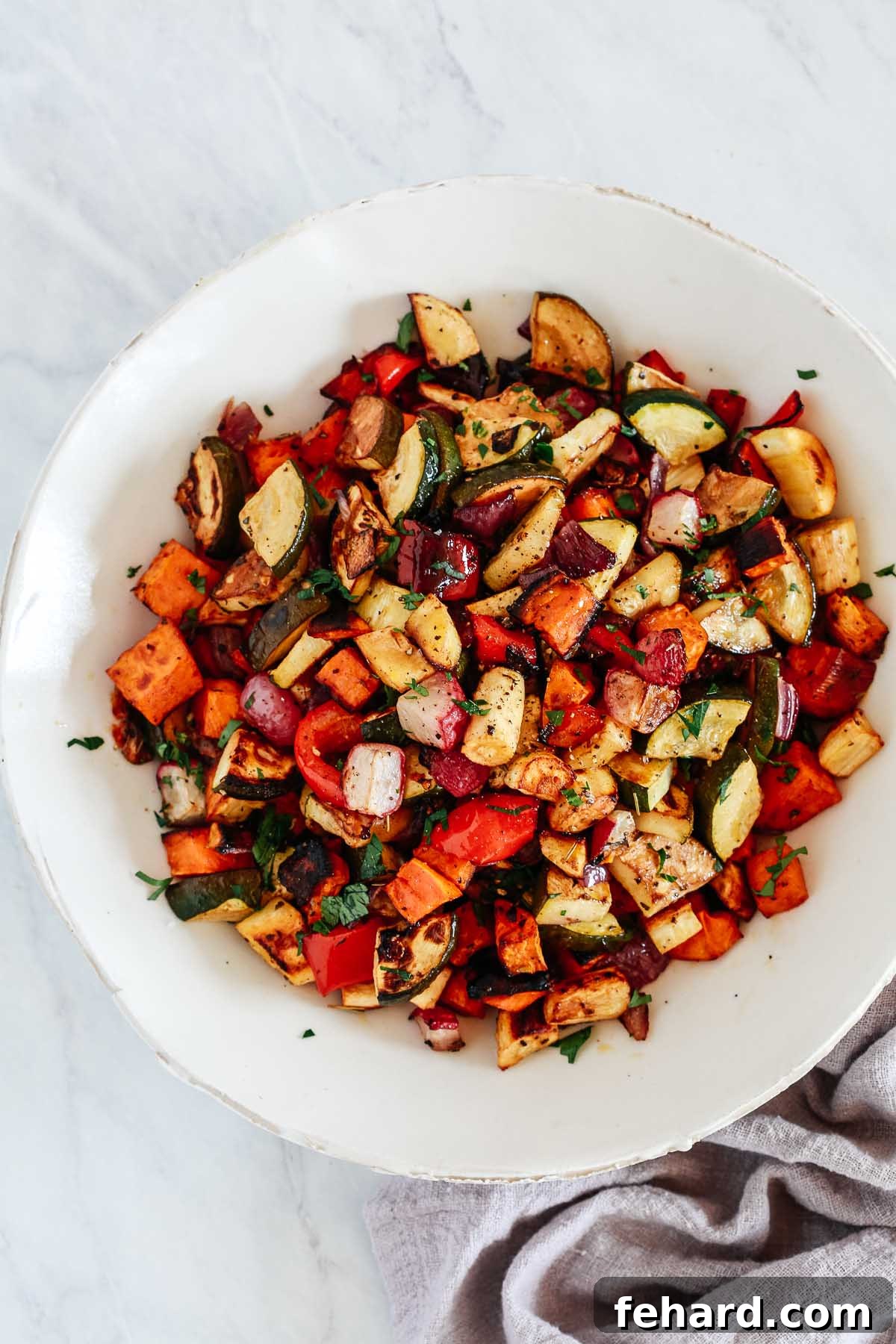
Mastering Balsamic Roasted Vegetables: Your Ultimate Guide to a Flavorful Side Dish
Prepare to transform your mealtime with the incredible simplicity and profound flavor of Balsamic Roasted Vegetables. This isn’t just another side dish; it’s a vibrant symphony of sweet, savory, and tangy notes, achieved with minimal effort and maximum impact. Whether you’re a seasoned chef or a beginner in the kitchen, roasting vegetables with a rich balsamic glaze is a culinary revelation that will quickly become a cherished part of your repertoire. It’s the perfect way to infuse everyday vegetables with an extraordinary depth of flavor, making healthy eating both easy and exciting.
Our comprehensive guide will walk you through everything you need to know, from crafting the perfect homemade balsamic dressing to selecting the ideal vegetables for caramelization, and insider tips for achieving that coveted tender-crisp texture. Get ready to unlock the full potential of your pantry and impress everyone at the table with this surprisingly simple yet utterly delicious creation. This versatile recipe is not only a fantastic accompaniment to almost any main course but also serves as a delightful light meal on its own.
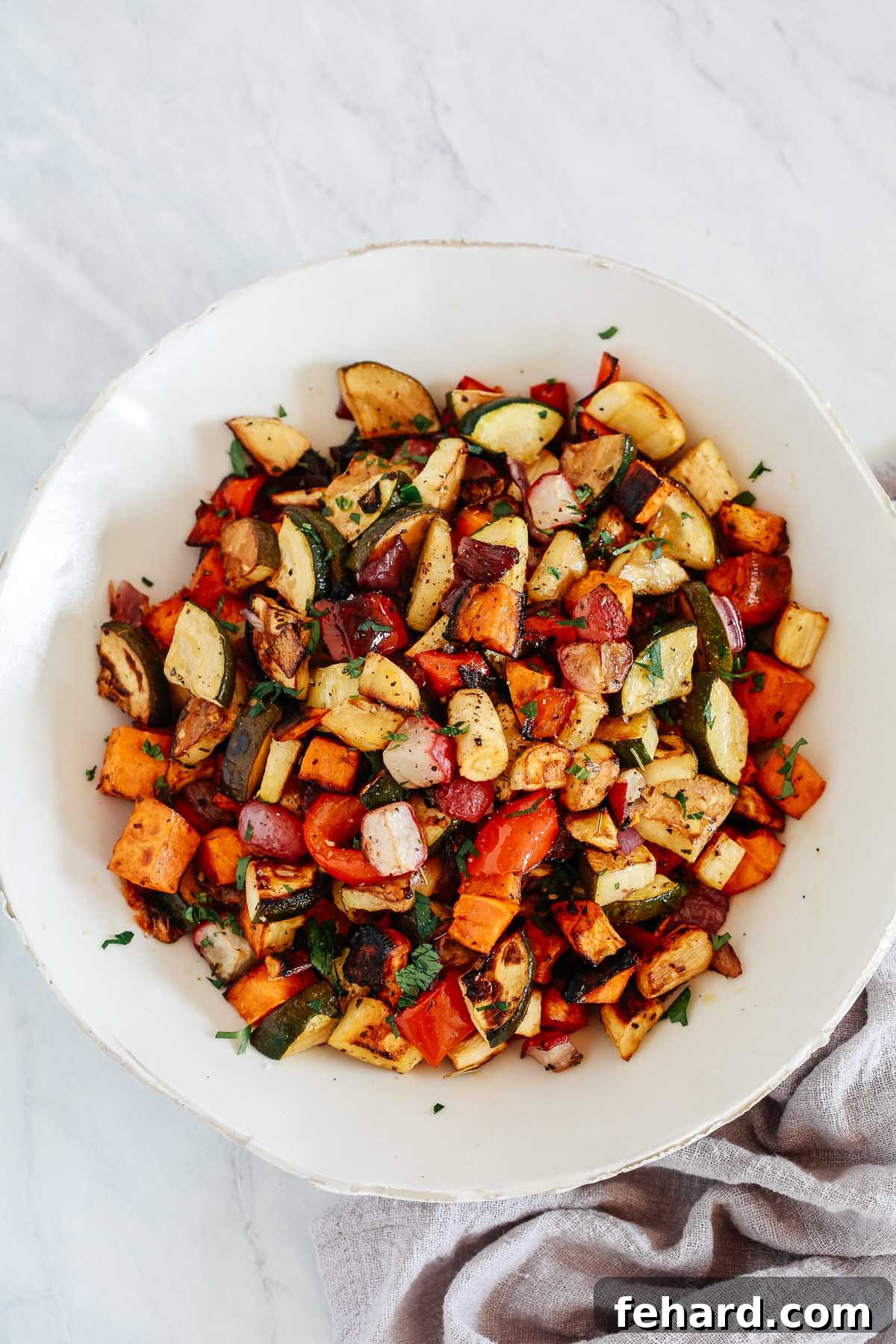
The Magic of Roasting: Why It’s the Best Way to Cook Vegetables
Roasting is arguably one of the most transformative cooking methods for vegetables. The high heat of the oven works wonders, coaxing out and concentrating the natural sugars within the produce. This process, known as caramelization and the Maillard reaction, creates a slightly browned, irresistibly sweet, and nutty exterior while keeping the interior tender. Unlike boiling or steaming, which can sometimes dilute flavors and textures, roasting intensifies the inherent deliciousness of vegetables, giving them a depth and complexity that’s hard to achieve otherwise. When combined with a tangy balsamic dressing, the flavors elevate to a whole new level, making even the most reluctant vegetable eaters ask for seconds.
Achieving Perfection: The Two-Batch Roasting Method
One of the secrets to perfectly roasted balsamic vegetables is understanding that not all vegetables cook at the same rate. Root vegetables, such as butternut squash, parsnips, and radishes, are denser and contain more starch, requiring a longer cooking time to become tender and beautifully caramelized. Lighter, more delicate vegetables like bell peppers, zucchini, and onions, on the other hand, cook much faster and can become mushy if overdone.
This is where the two-batch roasting method shines. By adding your harder, root vegetables to the pan first, you give them a head start to soften and caramelize. After a preliminary roast, you then introduce the quicker-cooking vegetables, allowing everything to finish cooking together, ensuring each piece reaches its optimal texture and flavor. This thoughtful approach guarantees that every bite of your balsamic roasted vegetable medley is cooked to perfection – tender inside, with a wonderfully crisp, flavorful exterior.
Homemade Balsamic Dressing: The Secret to Irresistible Flavor
The star of our Balsamic Roasted Vegetables isn’t just the veggies themselves, but the incredible dressing that coats them. This simple yet potent concoction infuses every piece with a balance of sweet, tangy, and aromatic notes. What’s even better is that you likely have all the ingredients in your pantry right now! This dressing is incredibly versatile, making it fantastic not only for roasted vegetables but also as a vibrant green salad dressing or a robust marinade for meats.
Essential Dressing Ingredients:
- **High-Quality Olive Oil:** This forms the base of your dressing and is crucial for achieving that desired crisp exterior on your roasted vegetables. Choose an extra virgin olive oil for its rich, fruity flavor that beautifully permeates the food as it cooks.
- **Balsamic Vinegar:** The namesake ingredient, balsamic vinegar provides the signature tang and sweet acidity. A good quality balsamic will have a deeper, more complex flavor, making a significant difference in the final dish.
- **Dried Basil:** This aromatic herb adds a touch of peppery sweetness and complements the balsamic perfectly.
- **Salt and Black Pepper:** Essential seasonings to enhance all the other flavors and bring them into balance.
- **Dried Italian Seasoning:** A blend of oregano, thyme, rosemary, and marjoram, Italian seasoning adds an earthy, herbaceous complexity that rounds out the dressing beautifully.
Preparing the Dressing:
Making this dressing couldn’t be simpler. Combine all the ingredients – olive oil, balsamic vinegar, dried basil, salt, pepper, and Italian seasoning – in a small mason jar. Secure the lid tightly and shake vigorously until all the ingredients are well emulsified. The dressing is ready to use immediately, allowing the flavors to meld beautifully while you prepare your vegetables.
If you wish to prepare a larger batch, this homemade balsamic dressing stores wonderfully in the refrigerator for up to one week. Its robust flavor makes it a fantastic multi-purpose condiment that you’ll want to use on everything! From enriching dishes like Rice with Balsamic Onions and Shrimp to adding a gourmet touch to Baked Chicken Caprese, or even elevating Polenta with Tomato Sauce, Balsamic Onions and Feta, and transforming Balsamic Roast Pork Tenderloin, its versatility is truly remarkable. Trust us, once you experience the depth this dressing adds, you’ll be drizzling balsamic on everything!
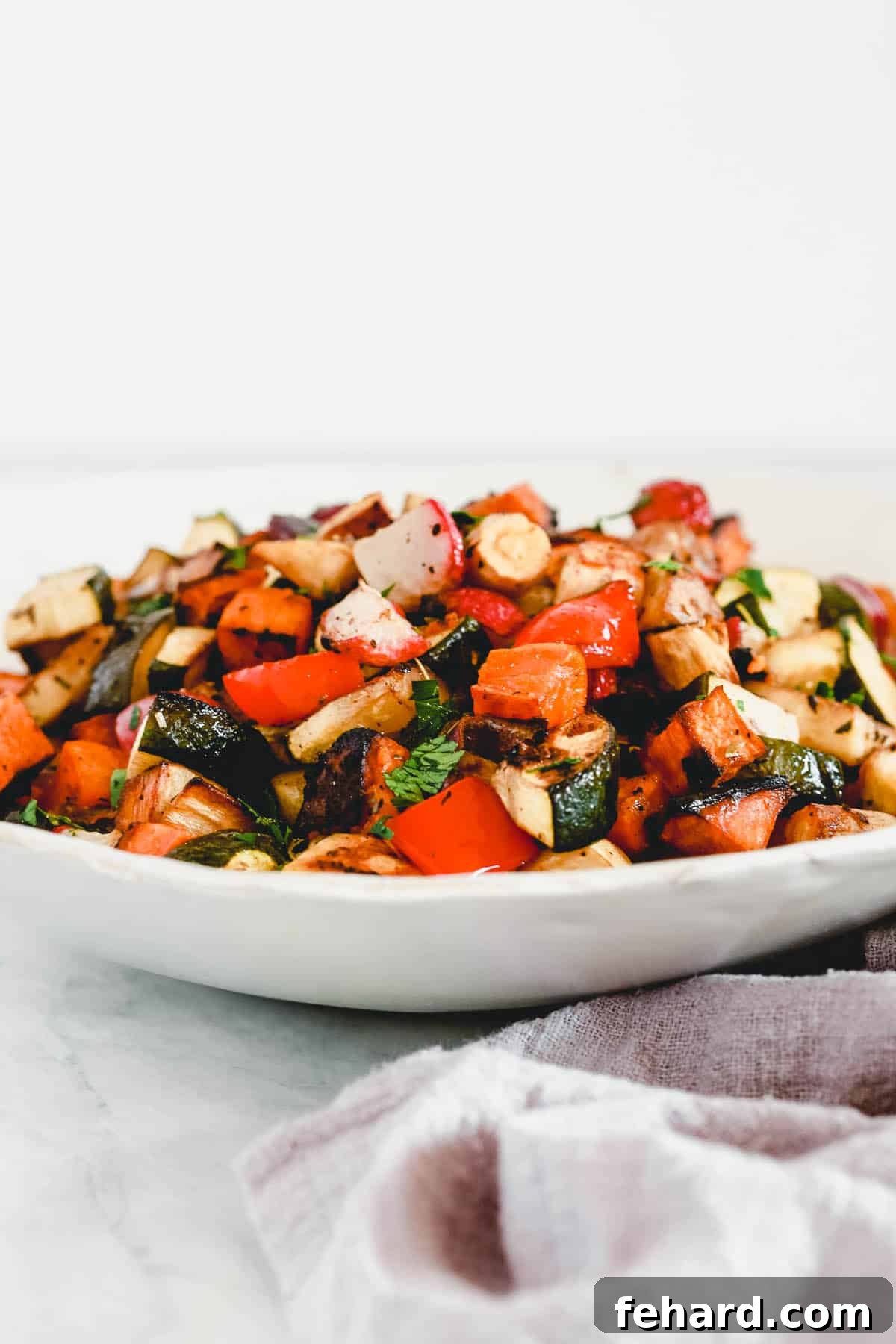
Choosing the Perfect Vegetables for Caramelized Perfection
The beauty of balsamic roasted vegetables lies in their adaptability. Almost any vegetable can benefit from the roasting process, but for optimal caramelization and flavor development, it’s helpful to choose varieties with a good amount of natural sugars and a firm texture that can withstand high heat. The “trick” is to select veggies whose natural sugars will release and transform into that irresistible sweet, nutty, and slightly charred flavor profile.
Recommended Vegetables for Roasting:
To create a dynamic and delicious medley, consider these options:
- **Butternut Squash:** Sweet and earthy, it caramelizes beautifully, becoming incredibly tender.
- **Radishes:** Surprisingly, roasting radishes mellows their peppery bite and brings out a lovely sweetness, transforming their flavor profile.
- **Parsnips:** Similar to carrots but with a distinct earthy sweetness, parsnips become wonderfully tender and golden.
- **Carrots:** Naturally sweet, carrots are a classic choice for roasting, developing a deep, rich flavor.
- **Red Onions:** Roasting sweetens onions significantly, turning them jammy and flavorful.
- **Bell Peppers (Red, Yellow, Orange):** Their vibrant colors and sweet notes intensify with roasting, adding both flavor and visual appeal.
- **Zucchini & Summer Squash:** These softer vegetables absorb the balsamic flavor wonderfully and become tender with slightly browned edges.
- **Beets:** Earthy and naturally sweet, roasted beets become incredibly tender and their sugars concentrate beautifully.
- **Corn (on the cob or kernels):** Roasting corn brings out its sweetness and adds a smoky char.
Feel free to mix and match based on seasonal availability or what you have on hand. Root vegetables like butternut squash, carrots, parsnips, and beets typically require longer roasting times due to their density. Softer vegetables such as zucchini, bell peppers, and onions cook more quickly. This distinction is why our two-batch method is so effective, ensuring all your chosen vegetables reach their peak deliciousness.
Roasting Frozen Vegetables: A Convenient Option
Don’t have fresh vegetables? Frozen vegetables can also be roasted with great success, offering a convenient alternative. There’s no need to thaw them first; simply toss them with the balsamic dressing and spread them out on your baking sheet. They should still be cooked at 425°F, but anticipate adding a few extra minutes to their cooking time to ensure they are fully cooked through and properly caramelized. Ensure they are in a single layer to avoid steaming.
A Sweet Twist: Roasted Fruit
For an unexpected treat, consider roasting fruits with a balsamic drizzle. Fruits, with their naturally high sugar content, caramelize beautifully in the oven, creating a warm, sweet, and slightly tangy dessert. Apples, pears, peaches, or even figs can be transformed into an amazing finish to your meal or a delicious accompaniment to savory dishes.
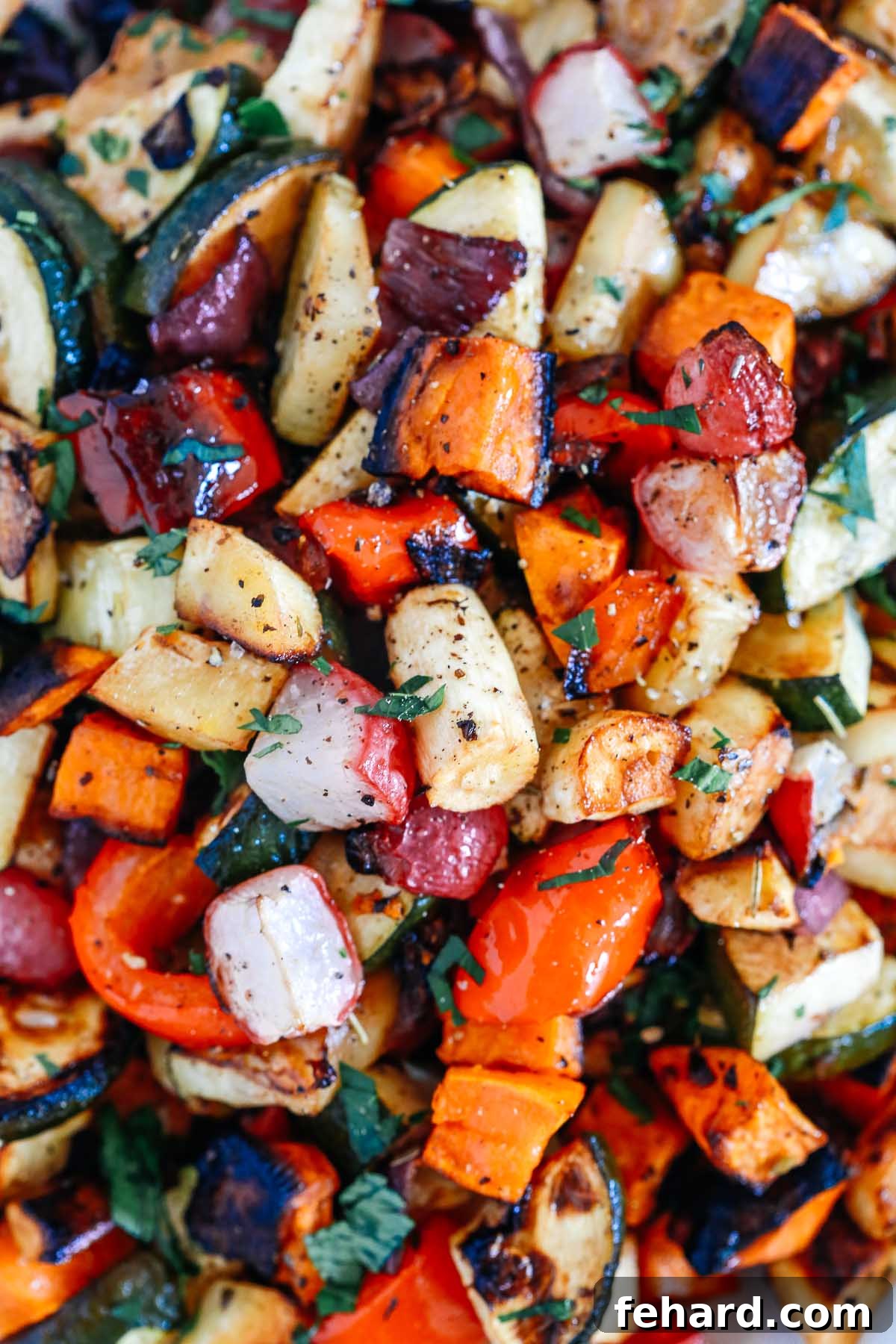
Achieving Culinary Excellence: Pro Tips for Balsamic Roasted Vegetables
While the process of making balsamic roasted vegetables is straightforward, a few key techniques can elevate your dish from good to absolutely phenomenal. These tips focus on maximizing flavor, achieving ideal texture, and ensuring even cooking throughout your vegetable medley.
- **Embrace High Heat:** Always preheat your oven to a minimum of 425°F (220°C). High heat is crucial for successful roasting. It facilitates the Maillard reaction (the browning that gives food its rich, complex flavor) and caramelization of sugars, leading to a crisp exterior and a tender interior. A lower temperature might steam the vegetables, making them soggy rather than beautifully browned.
- **Master the Cut:** Consistency in cutting your vegetables is paramount for even cooking. For denser root vegetables, cut them into long, thin slices or uniform-sized cubes (roughly 1-inch pieces). This maximizes the surface area, allowing more opportunities for caramelization and ensuring they cook through in a reasonable amount of time without burning the edges. Avoid overly large or irregular pieces, as they will cook unevenly.
- **Give Them Space:** Overcrowding your baking sheet is a common mistake that leads to steamed, rather than roasted, vegetables. When vegetables are too close together, they release moisture, creating steam instead of allowing their surfaces to brown and crisp. Always spread the pieces out in a single layer on the tray, giving each vegetable a little breathing room. If necessary, use two baking sheets to ensure adequate spacing. Parchment paper or a silicone baking mat can also aid in preventing sticking and making cleanup a breeze.
- **Look for the Golden Brown:** You’ll know your roasted vegetables are perfectly done when the edges and surfaces start to turn a rich golden brown. This browning indicates that the sugars have caramelized and the flavors have intensified. The vegetables should also be tender when pierced with a fork. Don’t be afraid to taste a piece to check for doneness and adjust seasoning if needed.
- **Patience with Preheating:** Don’t rush the preheating process. A truly hot oven from the start is essential for crisping and browning. Place your baking sheet in the oven while it preheats to ensure the pan is hot before adding the vegetables, giving them an immediate sizzle that prevents sticking and kick-starts the browning.
More Roasted Vegetable Recipes to Try:
- Easy Roasted Vegetables Recipe
- Roasted Root Vegetables with Thyme
- Easy Roasted Veggies Meal-Prep Bowls
- Easy Roasted Acorn Squash Recipe
- Garlic Parmesan Roasted Brussel Sprouts
- Roasted Butternut Squash Cauliflower Salad
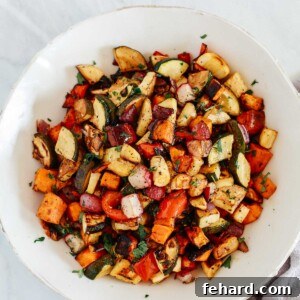
Balsamic Roasted Vegetables Recipe
Author: Olivia Ribas
Servings: 6 people
Prep Time: 15 minutes
Cook Time: 40 minutes
Total Time: 55 minutes
Balsamic roasted vegetables make an easy and amazingly flavorful side dish. Use the veggies suggested or mix and match your own and clean out your pantry.
Ingredients
For the roasted vegetables
- 2 cups butternut squash, diced
- 2 cups radishes, cut into quarters
- 1 cup parsnip, sliced
- 1 red bell pepper, cut into thick 1-inch pieces
- 1 cup zucchini, chopped
- 1 red onion, cut into thick 1-inch pieces
- Fresh parsley, to garnish
For the dressing
- 1/4 cup olive oil
- 2 tablespoons balsamic vinegar
- 1 tsp. dried basil
- Salt and black pepper to taste
- 1 tsp. dried Italian seasoning
Instructions
For the dressing
- Combine all the ingredients for the dressing (olive oil, balsamic vinegar, dried basil, salt, pepper, and Italian seasoning) in a small mason jar. Close with the lid and shake well until fully combined. Let it sit while you prepare your vegetables.
For the roasted vegetables
- Preheat your oven to 425°F (220°C). Line a large baking sheet with parchment paper for easy cleanup and to prevent sticking.
- Place the diced butternut squash and quartered radishes on the prepared baking sheet. Spread them into an even, single layer, ensuring they have enough space.
- Shake the dressing again and drizzle half of it evenly over the butternut squash, radishes, and parsnip. Toss gently to ensure all pieces are well coated. Roast for approximately 15-20 minutes.
- While the first batch of vegetables is roasting, chop the bell pepper, zucchini, and red onion into thick 1-inch pieces. Place them in a bowl and toss with the remaining half of the balsamic dressing.
- After 15-20 minutes, remove the baking sheet from the oven. Carefully add the bell pepper, zucchini, and onions to the baking sheet, spreading them out in an even layer alongside the partially roasted root vegetables.
- Return the baking sheet to the oven and continue roasting for another 15-20 minutes, or until all the vegetables are tender-crisp and beautifully caramelized with golden-brown edges.
- Before serving, transfer the roasted vegetables to a serving platter and garnish with fresh parsley for a touch of freshness and color. Serve hot and enjoy!
Notes
- Cutting for Caramelization: Long, thin slices or uniform cubes maximize the surface area for vegetables to caramelize thoroughly without prolonging cook time excessively.
- Prevent Overcrowding: Always ensure vegetables are spread in a single layer on the sheet pan. This allows them to roast and caramelize properly, preventing them from steaming and becoming soggy. If needed, use two baking sheets.
- Monitor High Heat: While high heat is essential for caramelization, keep a close eye on your vegetables, especially during the final minutes, to prevent burning. Ovens can vary.
- Storage: Store any leftover balsamic roasted vegetables in an airtight container in the refrigerator for up to 4 days.
- Reheating: For best results, reheat vegetables in the oven at 350°F (175°C) until warmed through and slightly re-crisped. A microwave can also be used for quicker reheating, though the texture may be softer.
Nutrition
Serving: 1/6, Calories: 176kcal, Carbohydrates: 23g, Protein: 2g, Fat: 9g, Sodium: 659mg, Potassium: 580mg, Fiber: 4g, Sugar: 11g
Nutrition information is automatically calculated and should only be used as an approximation.
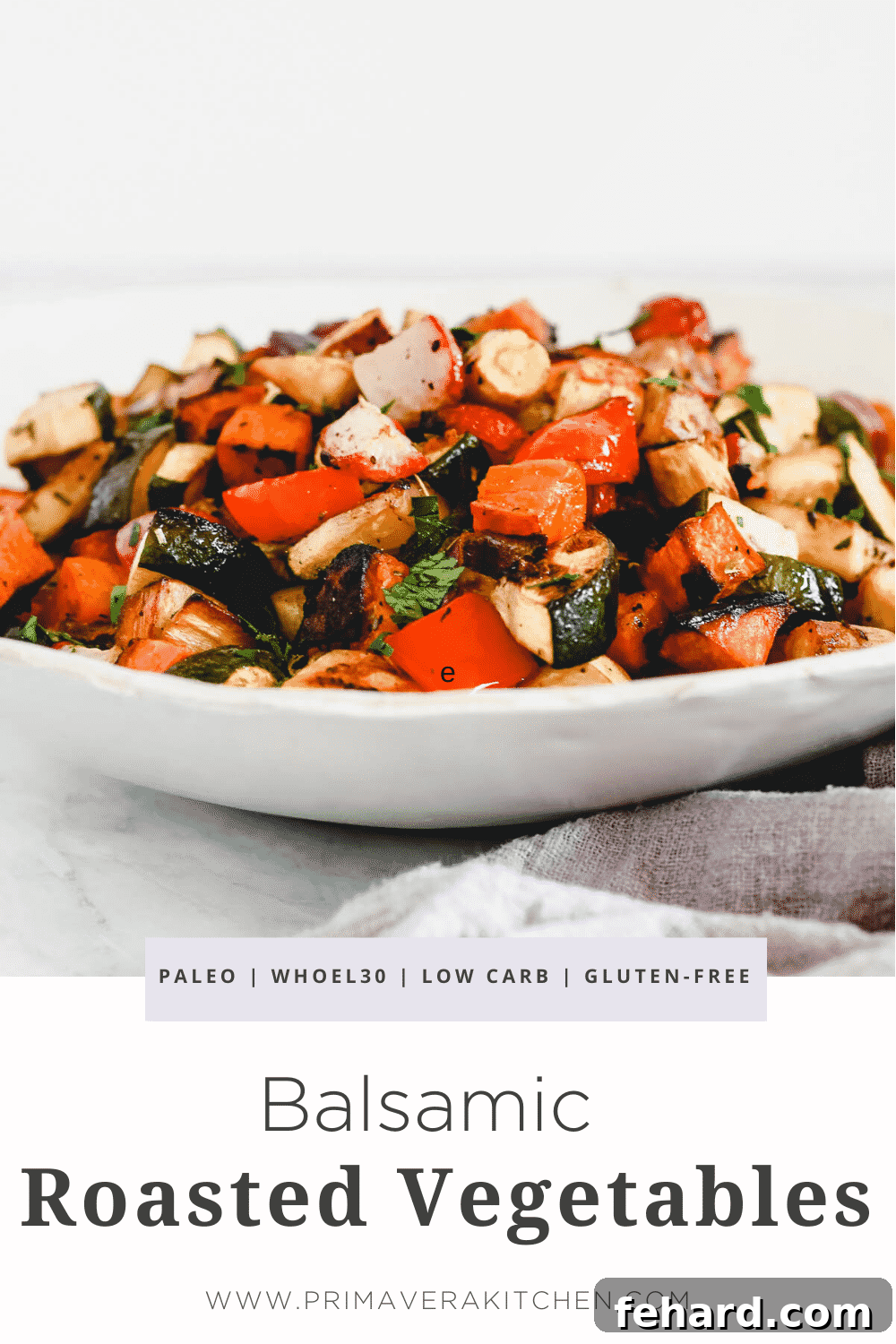
Conclusion: Your New Favorite Side Dish Awaits!
Balsamic Roasted Vegetables are more than just a recipe; they are a testament to how simple ingredients, combined with a smart cooking technique, can yield truly extraordinary results. This dish is the epitome of healthy eating made delicious and convenient, perfect for busy weeknights or special gatherings. With its vibrant flavors, appealing textures, and effortless preparation, it’s destined to become a staple in your kitchen. So go ahead, gather your favorite vegetables, whip up that irresistible balsamic dressing, and treat yourself to a culinary experience that’s both nourishing and incredibly satisfying. Enjoy the rich aromas and delightful taste of your perfectly roasted creation!