
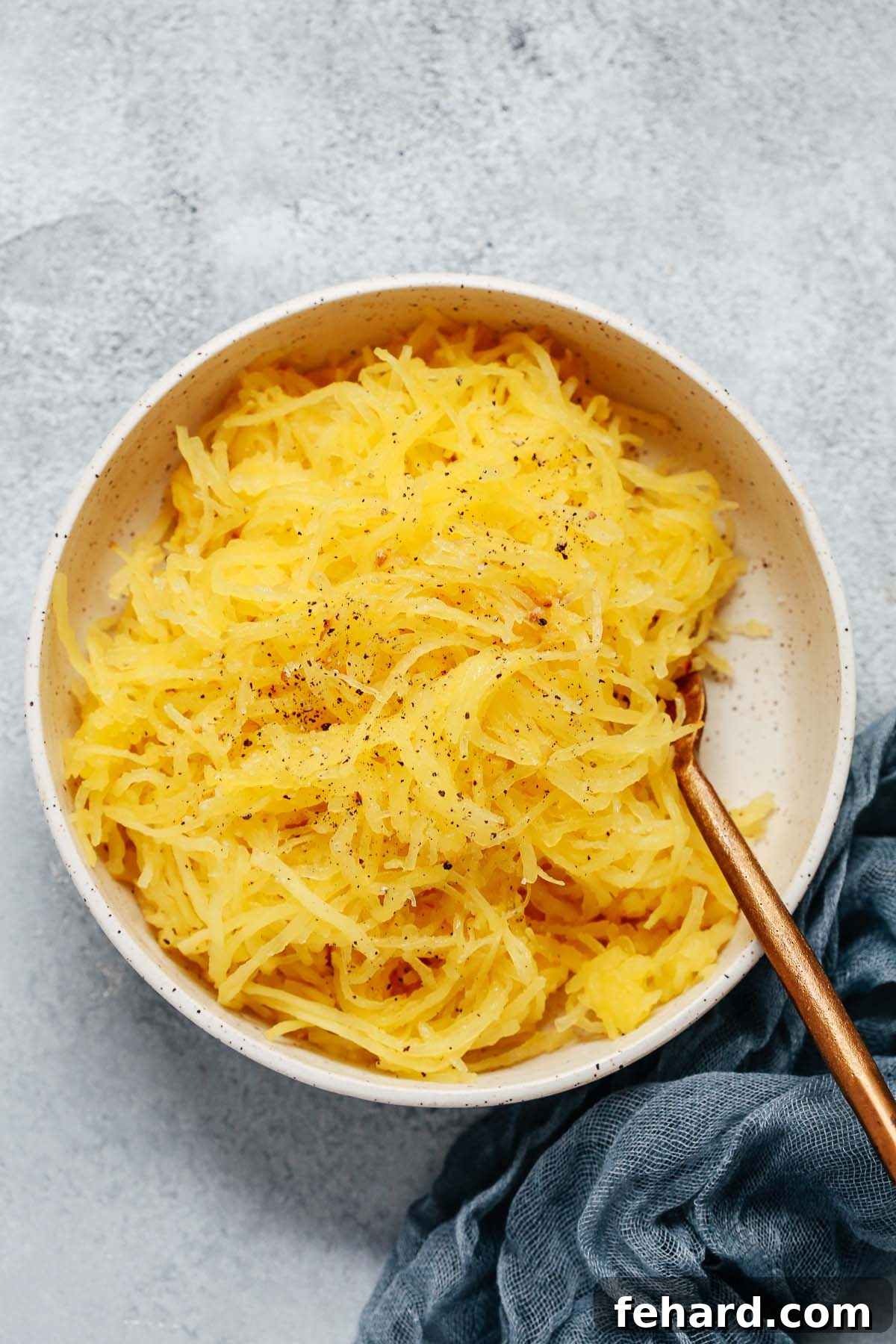
Discover the ultimate guide on how to roast spaghetti squash perfectly every time! This versatile and nutritious winter squash offers a fantastic, low-carb, and gluten-free alternative to traditional pasta noodles. Whether you’re aiming for a wholesome main dish or an impressive, healthy side, roasted spaghetti squash is a culinary gem that’s surprisingly easy to prepare. Dive in to learn the best methods, tips, and serving ideas to elevate your healthy eating.
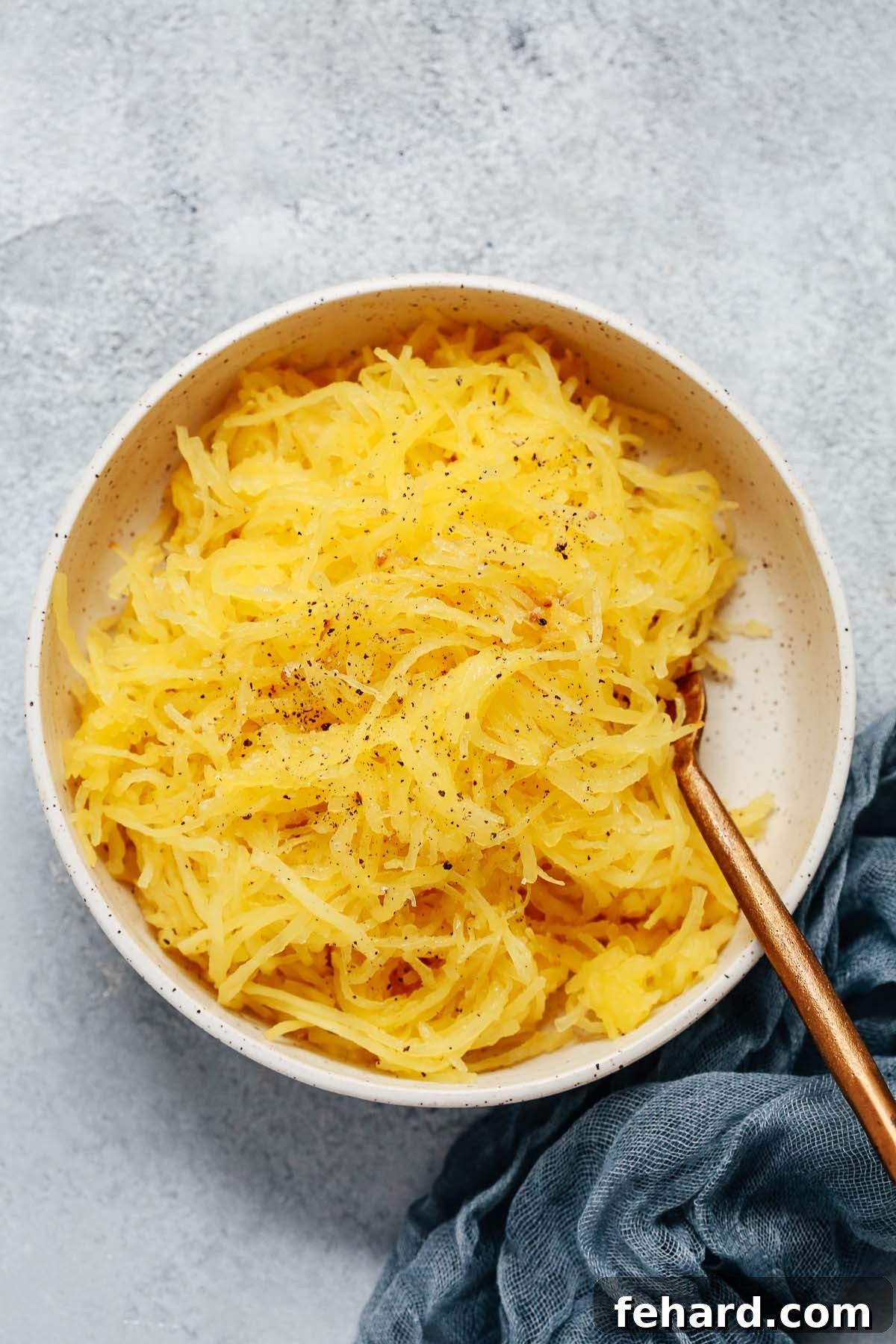
Spaghetti squash has gained immense popularity for good reason. Its mild flavor and unique ability to shred into pasta-like strands make it a superb substitute for carb-heavy noodles in countless dishes. For those following gluten-free, low-carb, or Whole30 diets, it’s an indispensable ingredient. Imagine swapping out conventional pasta in your favorite recipes, such as a hearty One-Pan Shrimp Spaghetti, for the light, satisfying texture of spaghetti squash!
Why Choose Spaghetti Squash? Benefits Galore!
Beyond its clever resemblance to pasta, spaghetti squash boasts an impressive nutritional profile. It’s packed with vitamins, minerals, and dietary fiber, contributing to a feeling of fullness and aiding digestion. It’s particularly rich in Vitamin A, Vitamin C, and B vitamins, along with essential minerals like potassium and manganese. With its low calorie and carbohydrate count, it’s an excellent choice for weight management and blood sugar control.
Furthermore, spaghetti squash is incredibly versatile. Its subtle, slightly sweet flavor allows it to adapt beautifully to a wide array of seasonings and sauces, making it a culinary canvas for your creative endeavors. It’s also budget-friendly and widely available during the fall and winter months, making it an accessible healthy option for any home cook.
Selecting and Storing Your Spaghetti Squash
To ensure the best results, start with a good quality spaghetti squash. Look for one that is firm, heavy for its size, and has a smooth, unblemished skin. Avoid any squash with soft spots, cracks, or dull coloring. A vibrant yellow or orange hue usually indicates ripeness. Small imperfections are generally fine, but steer clear of large bruises or mold.
Store whole, uncooked spaghetti squash in a cool, dry place, such as a pantry or countertop, away from direct sunlight. It can last for several weeks, or even up to two months, under ideal conditions. Once cut or cooked, store any leftovers in an airtight container in the refrigerator for up to 5 days.
How to Roast Spaghetti Squash: The Easy, Foolproof Method
Roasting is arguably the most popular and easiest method to cook spaghetti squash, bringing out its natural sweetness and creating those perfect, tender strands. With minimal active prep time, you can have a delicious and healthy meal component ready while you focus on other tasks. Here’s a detailed guide to roasting your spaghetti squash:
Step-by-Step Roasting Instructions:
- Preheat Your Oven: Start by preheating your oven to 400°F (200°C). This ensures the squash cooks evenly and thoroughly, developing a slightly caramelized flavor.
- Prepare for Cutting: Cutting a spaghetti squash can be a bit challenging due to its hard skin. Place the squash on a stable cutting board. For easier cutting, you can pierce the skin in a dotted line around where you plan to cut it, then microwave the whole squash for about 5 minutes. This softens the tough outer layer, making it much safer to slice.
- Carefully Cut in Half: Using a large, sharp chef’s knife, carefully cut the squash in half lengthwise, from the stem end to the blossom end. Be cautious and apply firm, even pressure.
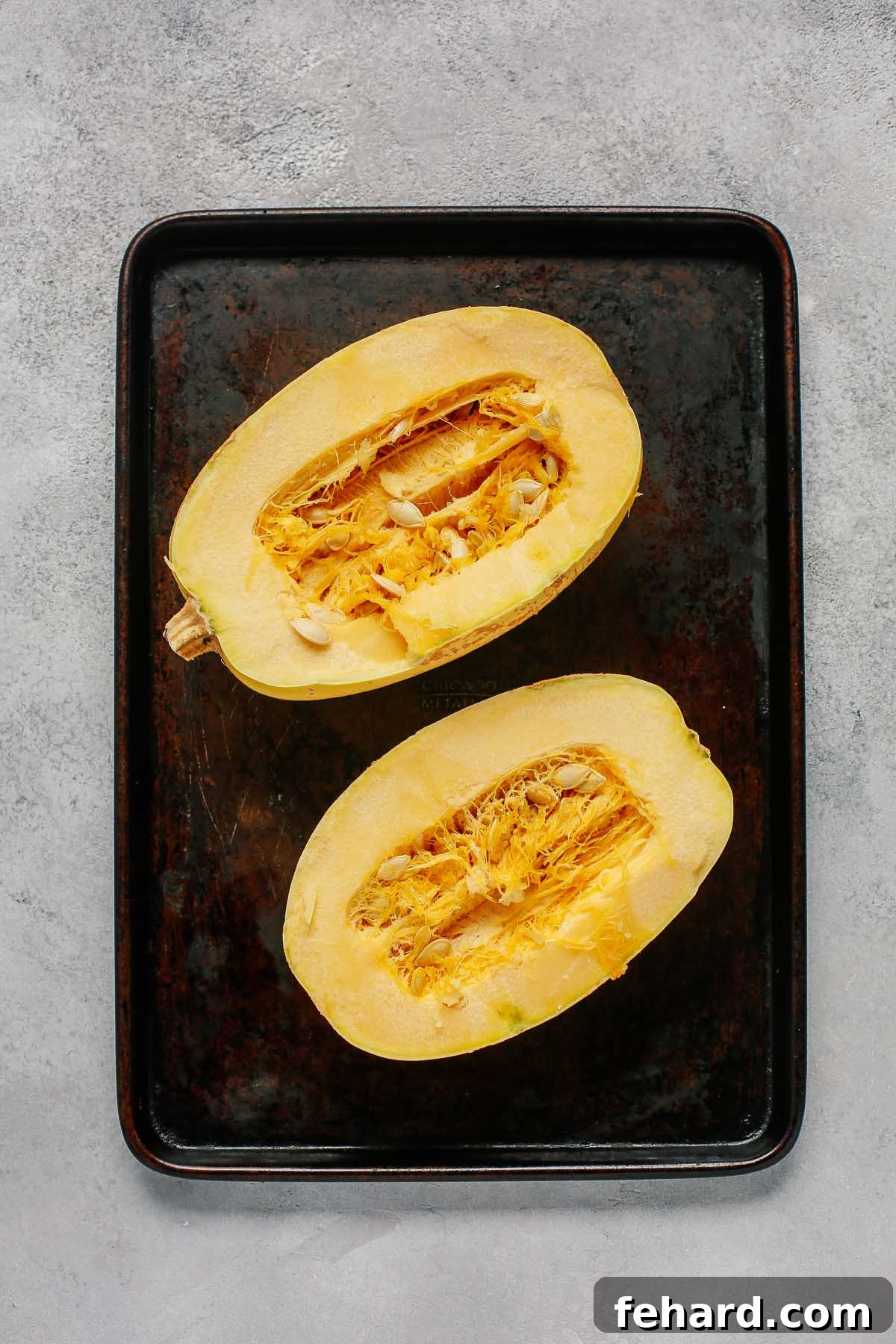
- Scoop Out Seeds: With a sturdy spoon (an ice cream scoop works wonderfully), scoop out all the seeds and stringy fibrous bits from the center of each squash half. You can discard these, or better yet, save them! Spaghetti squash seeds can be roasted just like pumpkin seeds for a delicious, crunchy snack.
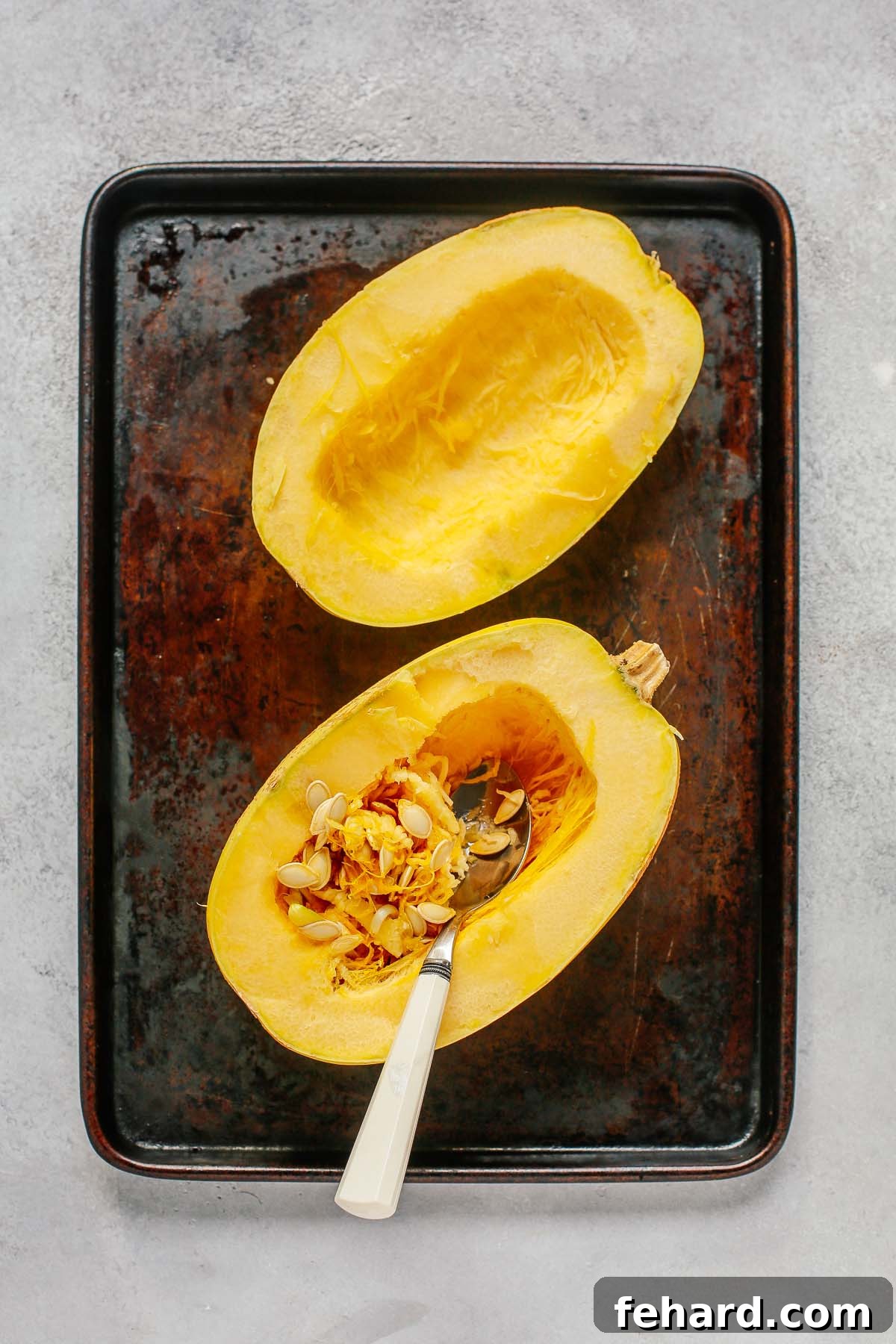
- Season Generously: Drizzle about 1-2 teaspoons of olive oil onto the cut flesh of each squash half. Use your hands or a brush to spread the oil evenly. Then, season generously with salt and freshly ground black pepper. For extra flavor, consider adding garlic powder, onion powder, paprika, or your favorite dried herbs like thyme or rosemary.
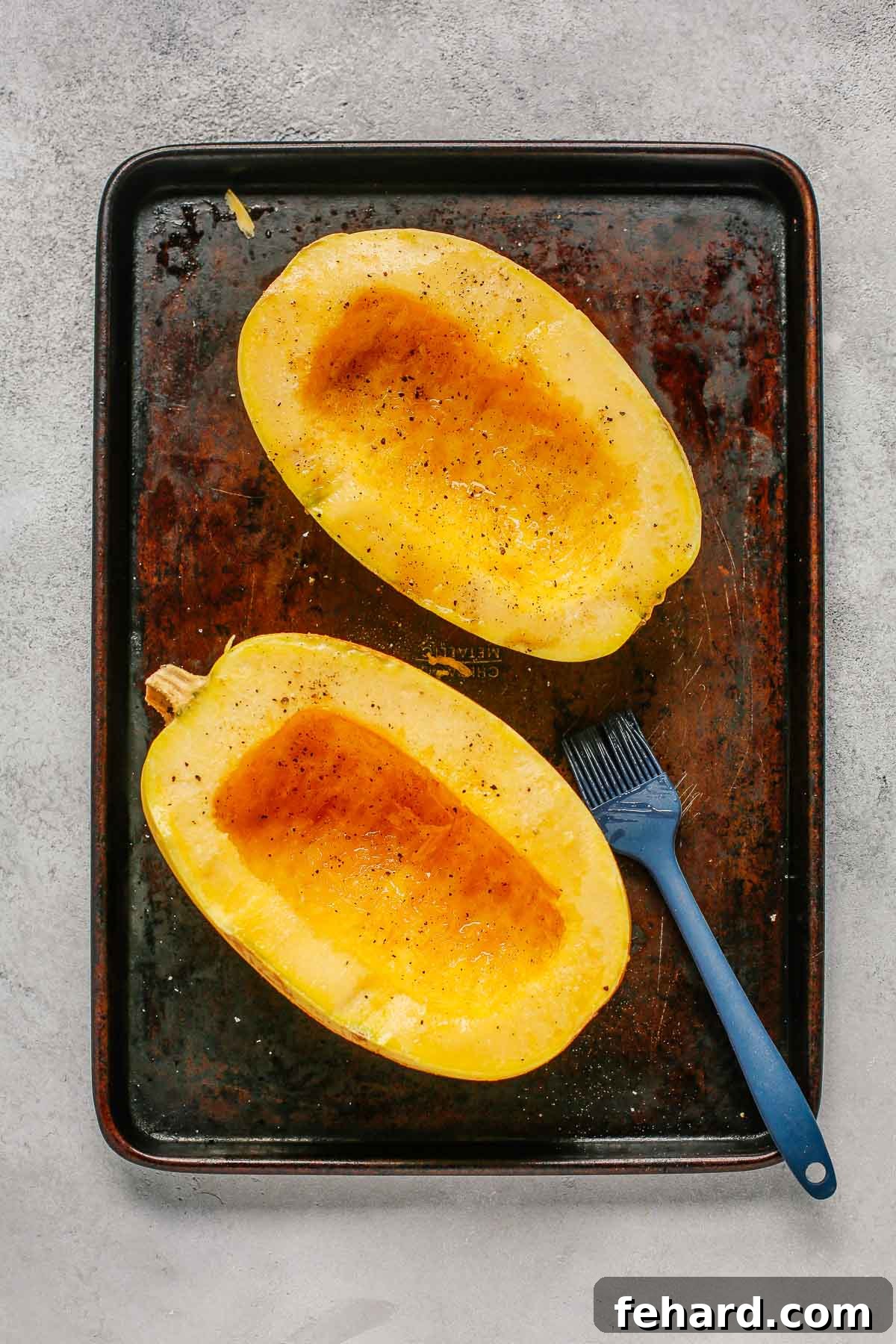
- Arrange on Baking Sheet: Place the seasoned squash halves, cut side down, on a baking sheet. Lining the baking sheet with parchment paper makes for easier cleanup.
- Roast to Perfection: Roast the spaghetti squash in the preheated oven for 30-40 minutes. The exact time will depend on the size of your squash. It’s done when the skin is easily pierced with a fork and the flesh is tender.
- Cool and Shred: Carefully remove the squash from the oven and let it cool slightly for about 5-10 minutes. This makes it easier to handle. Then, using a fork, gently scrape the flesh from one end to the other, creating beautiful, spaghetti-like strands.
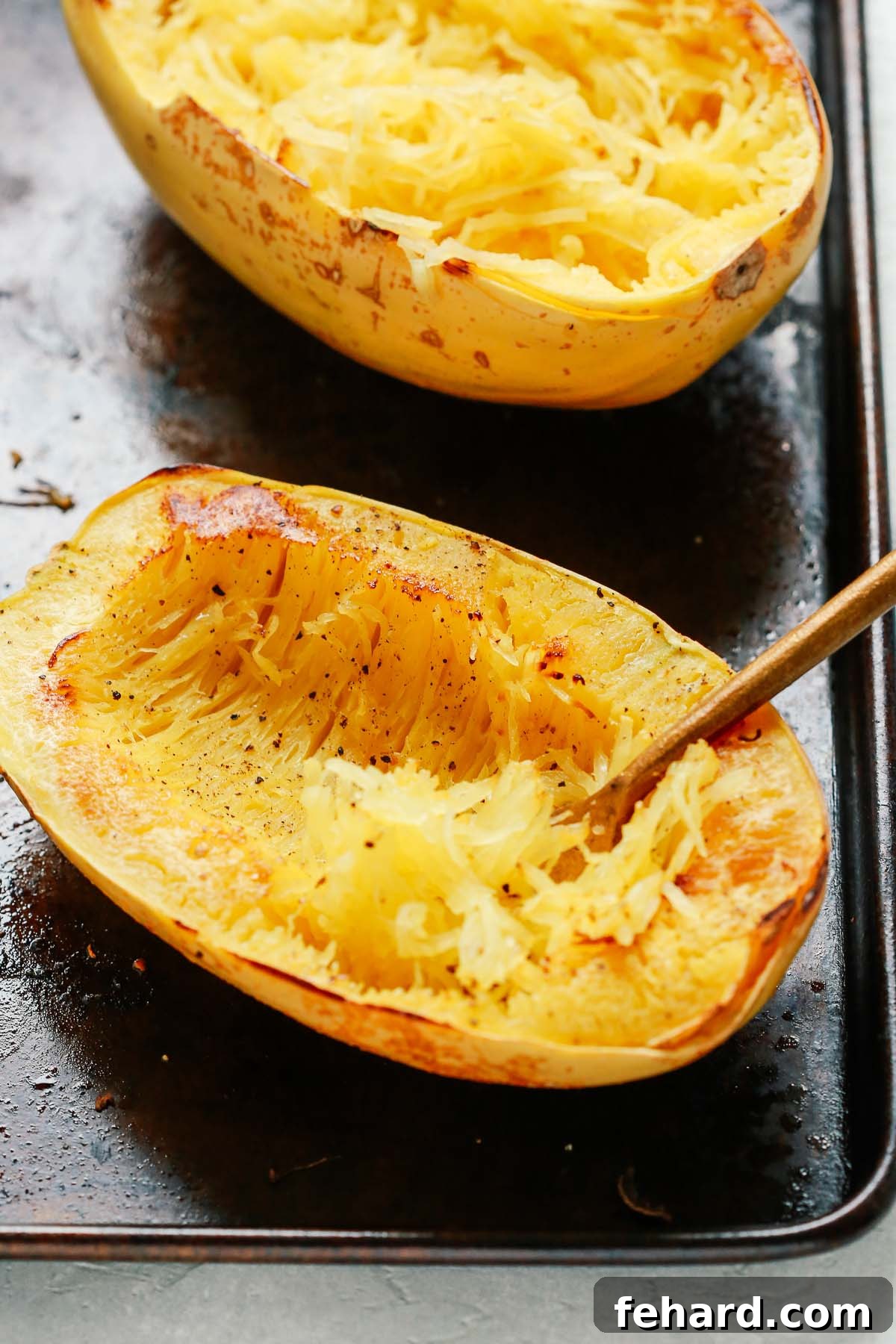
Alternative Cooking Methods for Spaghetti Squash
While roasting is fantastic, spaghetti squash can also be cooked using other convenient methods, each offering slightly different textures and benefits. These methods are perfect for busy weeknights or when you want to free up oven space.
Slow Cooker / Crock Pot Method:
This “set it and forget it” method is ideal for hands-off cooking. You can even cook the squash whole!
- Preparation: Wash the spaghetti squash thoroughly. Pierce the skin several times with a fork or knife to allow steam to escape during cooking.
- Setup: Place a trivet or a few crumpled balls of aluminum foil at the bottom of your slow cooker. Pour about 1-2 cups of water into the pot.
- Cooking: Place the whole, pierced squash on the trivet. Cover and cook on LOW for 6-8 hours, or on HIGH for 3-4 hours, until the squash is tender when pierced.
- Finish: Carefully remove the squash, let it cool slightly, then cut it in half, scoop out the seeds, and shred the flesh with a fork as you would with roasted squash.
Instant Pot / Pressure Cooker Method:
For a super-fast cooking experience, the Instant Pot is your best friend.
- Preparation: Cut the spaghetti squash in half lengthwise and scoop out the seeds and stringy pulp.
- Setup: Pour 1 cup of water into the bottom of your Instant Pot. Place a trivet inside the pot.
- Cooking: Place the spaghetti squash halves, cut side up or down, on the trivet. Secure the lid and set the valve to sealing. Cook on HIGH pressure for 7-10 minutes (7 minutes for smaller squash, 10 for larger ones).
- Release Pressure: Once cooking is complete, perform a quick release of pressure to immediately stop the cooking process and prevent overcooking.
- Finish: Carefully remove the squash, let it cool briefly, then shred the flesh with a fork.
What Goes With Spaghetti Squash? Endless Possibilities!
Spaghetti squash’s mild, slightly sweet flavor profile makes it incredibly adaptable to a vast array of toppings, sauces, and culinary creations. It truly shines as a healthy canvas for your favorite flavors.
Classic Pasta Style Pairings:
Because it mimics traditional noodles, spaghetti squash is a natural fit for pasta-inspired dishes.
- Marinara or Bolognese: Top with a rich tomato-based marinara or a hearty meat sauce like Bolognese. You can even stuff the squash shells with the sauce and bake for a beautiful presentation.
- Pesto and Shrimp: Toss the warm squash strands with fresh pesto and sautéed shrimp for a light and flavorful meal, as shown in this delicious Pesto Spaghetti Squash with Shrimp recipe.
- Alfredo or Carbonara: For a richer dish, mix with creamy Alfredo or a classic Carbonara sauce.
- Garlic Butter & Parmesan: A simple yet irresistible combination. Toss with melted butter, minced garlic, and grated Parmesan cheese.
Beyond Pasta – Creative Serving Ideas:
- Soups and Stews: Add cooked spaghetti squash strands to your favorite chicken noodle soup, minestrone, or vegetable stews for added texture and nutrition.
- Stir-Fries: Use it as a base for Asian-inspired stir-fries, absorbing all the delicious sauces.
- Casseroles: Incorporate spaghetti squash into cheesy bakes or comforting casseroles, like a squash lasagna or a chicken-broccoli-squash bake.
- Pizza Topping: Believe it or not, cooked spaghetti squash can make an interesting, healthy topping for homemade pizzas.
- Squash Fritters: Mix with eggs, flour, and seasonings, then pan-fry for crispy, savory fritters.
- Salads: Chill cooked spaghetti squash and add it to a vibrant cold salad with other vegetables, a light vinaigrette, and perhaps some grilled chicken.
Expert Tips for the Best Spaghetti Squash
- Prevent Watery Squash: To avoid a watery result, ensure you don’t overcook the squash. Overcooked squash can become mushy and release too much moisture. Also, ensure the cut side is down during roasting, which helps to steam the flesh while browning the edges.
- Don’t Skimp on Seasoning: Spaghetti squash has a mild flavor, so don’t be shy with your seasonings. Salt, pepper, olive oil are basic, but herbs and spices make a big difference.
- Meal Prep Friendly: Cook a large batch of spaghetti squash at the beginning of the week. Store the shredded strands in an airtight container in the fridge, and use it in various meals throughout the week.
- Crispier Strands: For slightly crispier strands, after shredding, you can sauté them briefly in a pan with a little olive oil or butter.
More Spaghetti Squash Recipes to Inspire You:
- Spaghetti Squash With Meatballs
- Pesto Spaghetti Squash with Shrimp
- Spaghetti Squash with Sun-dried Tomato and Basil
- Easy Bolognese Stuffed Spaghetti Squash

How to Make Spaghetti Squash
Rated 5 out of 5 stars by 2 votes
Author: Olivia Ribas
Servings: 2 people
Prep Time: 10 minutes
Cook Time: 40 minutes
Total Time: 50 minutes
Learn how to roast spaghetti squash. This unique and delicious winter squash can replace traditional noodles and shine as a main dish on its own or as an impressive side.
Ingredients
- 1 whole spaghetti squash
- 2 teaspoons olive oil
- Salt and ground black pepper (to taste)
Instructions
- Preheat oven to 400°F (200°C).
- Halve the spaghetti squash lengthwise and remove all seeds and stringy pulp using a spoon. For easier cutting, microwave the whole squash for 5 minutes first.
- Drizzle olive oil generously on the inside flesh of both spaghetti squash halves. Season with salt and black pepper to taste. You can also add other desired seasonings like garlic powder or herbs.
- Place the spaghetti squash halves, cut-side down, on a baking sheet. Roast in the preheated oven on the middle rack for approximately 30-40 minutes, or until the flesh is tender when pierced with a fork.
- Carefully remove from the oven and let cool slightly for about 5-10 minutes to make it easier to handle.
- Using a fork, gently scrape the tender flesh from one end to the other, creating distinct spaghetti-like strands. Serve immediately with your favorite protein or sauce. Enjoy!
Notes
- If you encounter difficulty cutting the tough spaghetti squash, a quick 5-minute microwave session for the whole squash can soften its skin considerably.
- Don’t discard the seeds! You can roast spaghetti squash seeds just like pumpkin seeds for a crunchy, nutritious snack. Toss them with a little oil and salt, then bake at 300°F (150°C) for 15-20 minutes until golden.
- To store: Cooked spaghetti squash strands should be stored in an airtight container in the refrigerator and remain fresh for up to 5 days.
- To reheat: Reheat leftover spaghetti squash in the microwave or a pan over medium heat until warmed through.
- To freeze: For longer storage, freeze cooked spaghetti squash for up to 3-4 months. Ensure it’s completely cooled, then pack it into freezer-safe bags or containers, removing as much air as possible.
Nutrition
Serving: 1/2 squash,
Calories: 159kcal,
Carbohydrates: 16g,
Protein: 1g,
Fat: 11g,
Cholesterol: 16mg,
Sodium: 320mg,
Potassium: 212mg,
Fiber: 5g,
Sugar: 7g
Nutrition information is automatically calculated and should be considered an approximation.
Frequently Asked Questions (FAQ) About Spaghetti Squash
- Is spaghetti squash really a good pasta substitute? Yes! While it doesn’t have the exact chewiness of wheat pasta, its mild flavor and ability to form strands make it an excellent, low-carb, and gluten-free alternative for many dishes.
- Can I eat the skin of spaghetti squash? No, the skin of spaghetti squash is very tough and not typically eaten. Always remove the flesh from the skin before serving.
- How do I know when my spaghetti squash is ripe? A ripe spaghetti squash will have a firm, smooth skin, a vibrant yellow or deep cream color, and will feel heavy for its size. Avoid squashes with green patches, as these indicate it’s not fully ripe.
- What’s the best way to store cooked spaghetti squash? Store cooked and shredded spaghetti squash in an airtight container in the refrigerator for up to 5 days. It can also be frozen for longer storage.
- Can I cook spaghetti squash ahead of time for meal prep? Absolutely! Spaghetti squash is a fantastic meal prep ingredient. Cook a batch at the beginning of the week and use it in various dishes. It reheats well.
Embrace the simplicity and health benefits of spaghetti squash. Whether you’re a seasoned chef or a kitchen novice, roasting spaghetti squash is an easy and rewarding experience that opens up a world of delicious, wholesome meals. Give it a try tonight and transform your healthy eating journey!