
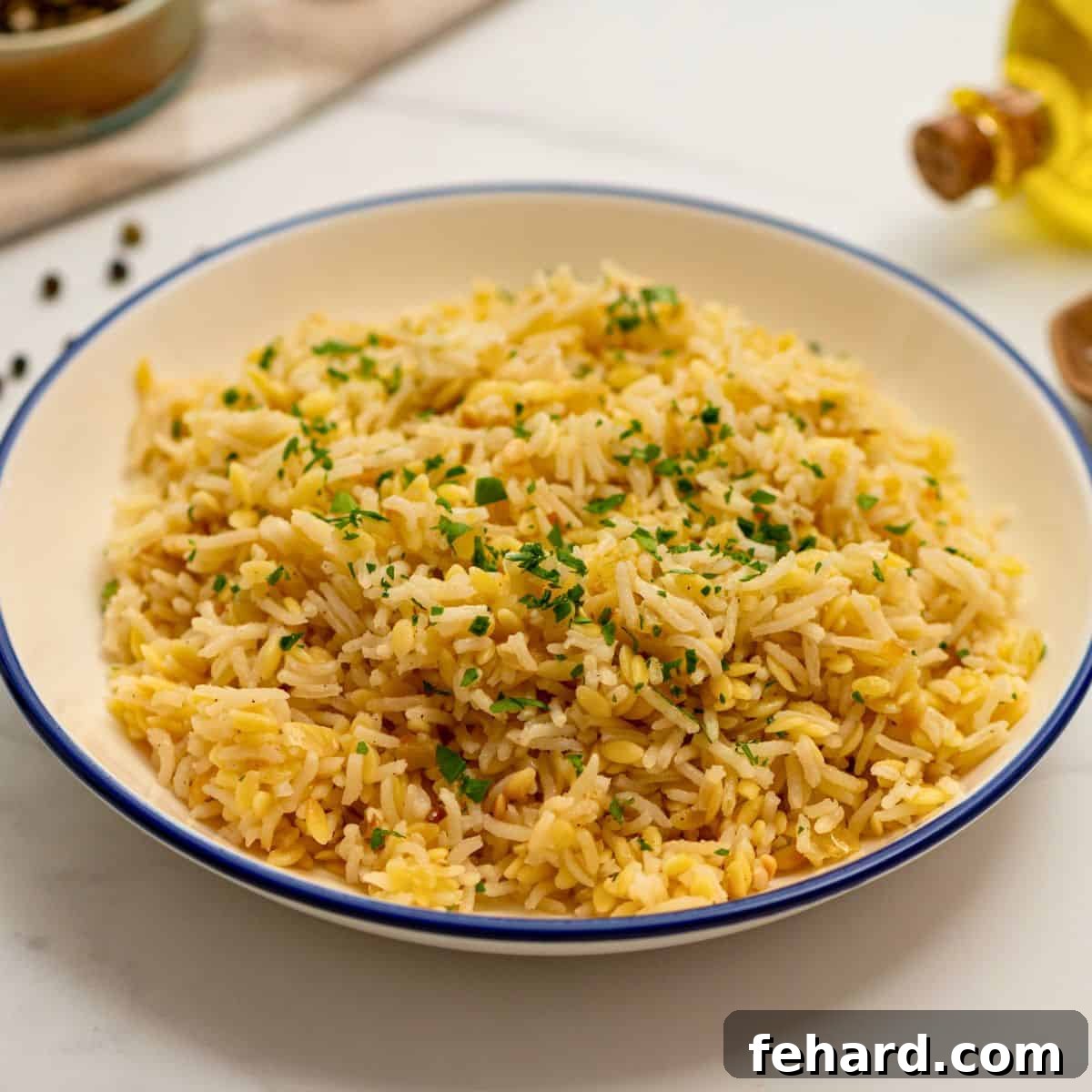
Searching for a side dish that’s bursting with flavor yet remains effortlessly simple for even the busiest weeknights? This easy Orzo Rice Pilaf recipe is your perfect culinary companion! Featuring beautifully fluffy rice, golden-brown toasted orzo, and a delightful aromatic blend of garlic and onion, this straightforward side dish is poised to become the undeniable star of your dinner table.
Forget bland, uninspired accompaniments; this homemade orzo rice pilaf elevates any meal with its rich, savory notes and wonderfully satisfying texture. It’s more than just a side; it’s a comforting experience that brings warmth and flavor to every bite, making it a staple in your recipe collection.
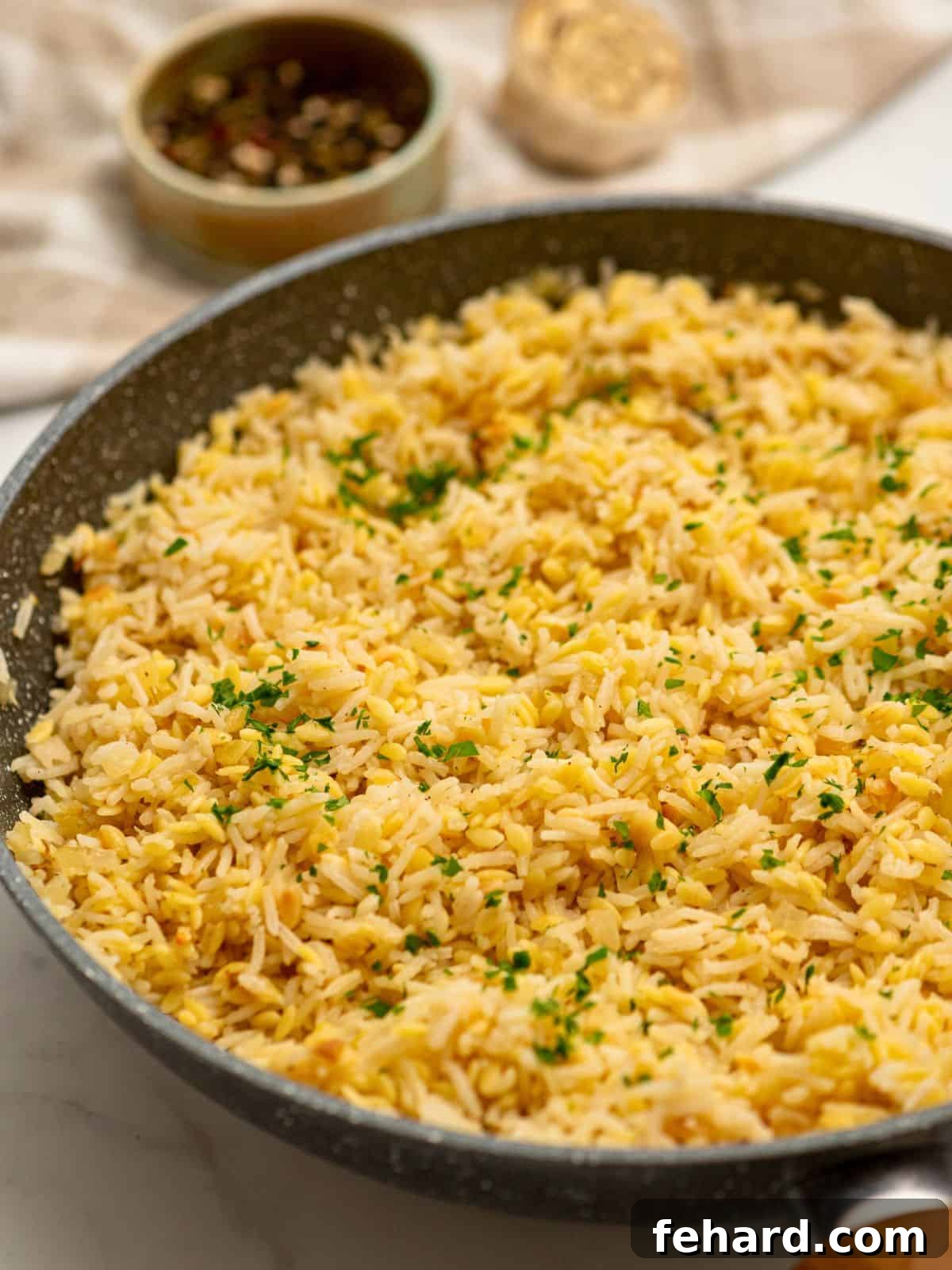
Why This Easy Orzo Rice Pilaf is a Must-Try

For many, the mention of rice pilaf evokes nostalgic memories of childhood favorites like Rice-A-Roni. This homemade Orzo Rice Pilaf recipe captures that beloved savory, buttery essence and transforms it into an even more delicious and wholesome dish. It’s a simplified yet incredibly satisfying version that will win over even the toughest critics, proving that homemade always tastes better.
- Unforgettable Flavor, Effortless Preparation: This recipe proves that exceptional flavor doesn’t require complex techniques or a lengthy ingredient list. By combining just a few pantry staples with straightforward sautéing steps, you’ll create a side dish that’s rich, deeply satisfying, and far from fussy. For an added layer of sophistication and depth, a splash of dry white wine deglazes the pan, infusing the pilaf with subtle, tantalizing notes with minimal extra effort.
- A Guaranteed Kid-Approved Favorite: Worried about getting your children to eat their sides? This orzo rice pilaf is a fantastic solution! Without the addition of overpowering vegetables or mushrooms, its mild yet savory profile appeals universally. It’s one of those rare side dishes that even the pickiest eaters will enthusiastically devour without a single complaint, making family mealtimes smoother and more enjoyable.
- Remarkably Versatile for Any Main Course: One of the greatest strengths of this simple orzo rice pilaf is its incredible versatility. Its balanced flavors and fluffy texture make it an ideal accompaniment for an extensive range of main courses. Whether you’re serving a rich balsamic pork tenderloin, delicate baked salmon, or a convenient rotisserie chicken, this pilaf seamlessly complements and enhances every dish, proving its adaptability and culinary appeal.
This Easy Orzo Rice is more than just a recipe; it’s a comforting, simple, and absolutely foolproof dish that you’ll undoubtedly find yourself returning to time and time again. It’s the quintessential side dish that, despite its humble nature, quietly steals the show and leaves a lasting impression on your palate.
Happy Cooking! xo Kristen
Essential Ingredients for Your Savory Orzo Rice Pilaf
Crafting a truly exceptional orzo rice pilaf starts with understanding the role each ingredient plays. Here’s a closer look at what you’ll need and why these choices lead to the perfect fluffy and flavorful result.
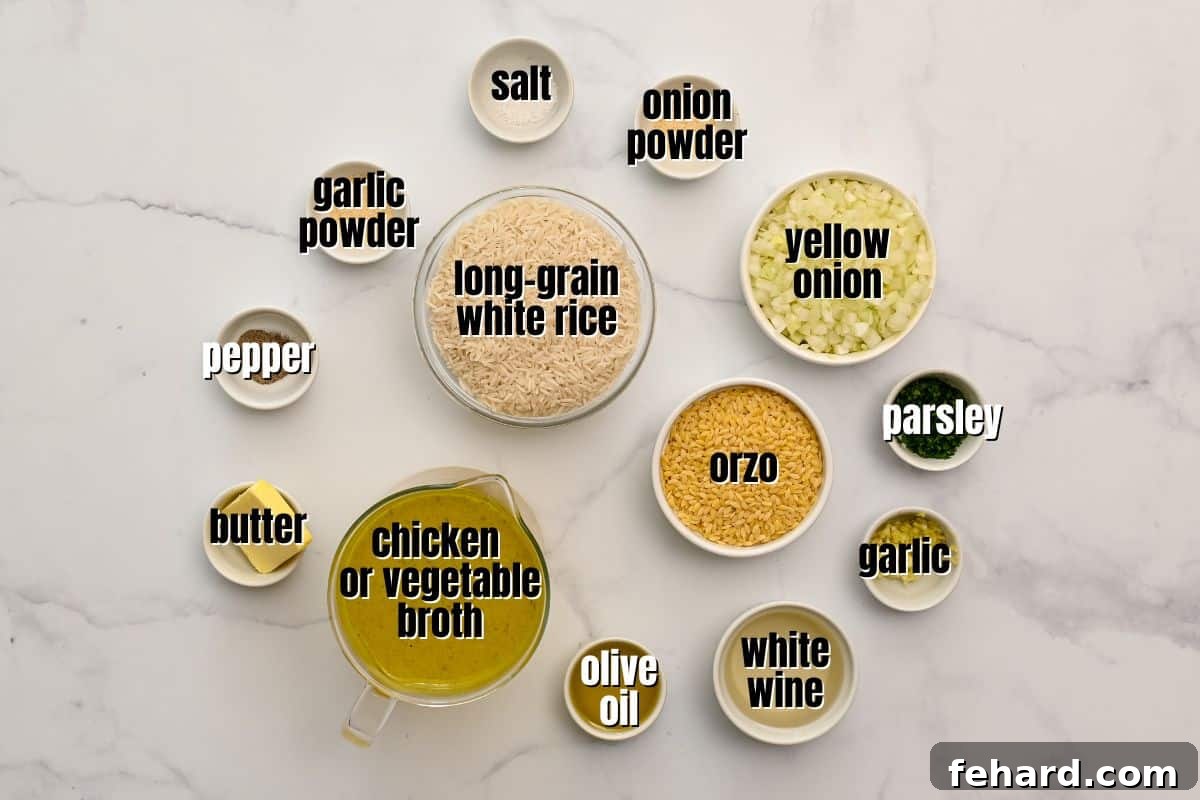
- Rice: The foundation of our pilaf! Long-grain white rice varieties such as jasmine rice or basmati rice are highly recommended. Their slender grains cook up beautifully separate and fluffy, preventing the pilaf from becoming clumpy or sticky. Avoid short-grain varieties, which tend to release more starch and create a different texture.
- Orzo Pasta: A unique addition, orzo is a small, rice-shaped pasta that introduces a wonderful textural contrast to the dish. When toasted, it develops a nutty flavor and golden hue, contributing significantly to the traditional pilaf experience. Its small size ensures it blends seamlessly with the rice.
- Onion and Garlic: These are the core aromatics that build the savory base of our pilaf. Finely minced yellow onion provides a subtle sweetness and depth when sautéed until translucent, while minced garlic adds a pungent, fragrant note that is essential for a rich flavor profile without being overpowering.
- Olive Oil and Butter: The dynamic duo for cooking! Extra virgin olive oil is used for its high smoke point and fruity notes during the initial toasting phase. Unsalted butter is then added for its incomparable richness and creamy flavor, enhancing the overall luxuriousness of the pilaf. Using unsalted butter allows you to control the total sodium content.
- Dry White Wine (Optional, but Recommended): A dry white wine like Pinot Grigio or Sauvignon Blanc is a fantastic secret ingredient for adding layers of depth and complexity. It’s used to deglaze the pan, picking up all the flavorful browned bits from the bottom. If you prefer to avoid alcohol, simply substitute with an equal amount of additional vegetable or chicken broth.
- Broth: Crucial for infusing maximum flavor into the rice. Always opt for low-sodium vegetable broth or chicken stock over plain water. The broth absorbs into the grains, ensuring every bite is rich with savory goodness. Low-sodium varieties give you better control over the final seasoning.
- Seasonings: Keeping it simple yet incredibly effective, a blend of onion powder, garlic powder, salt, and pepper enhances the natural flavors of the ingredients. These pantry staples ensure a perfectly seasoned pilaf that is both comforting and delicious.
Pro-Tip for Ingredients:
Ensure your onion and garlic are finely chopped for even cooking and to meld seamlessly into the pilaf. Pre-measuring all your ingredients (mise en place) will make the cooking process smooth and enjoyable, especially on a busy night.
How to Make the Best Orzo Rice Pilaf: A Step-by-Step Guide
While this recipe is remarkably straightforward, following these detailed step-by-step instructions will help you achieve the perfect, fluffy, and flavorful orzo rice pilaf every single time. Precision in technique ensures a superior result.
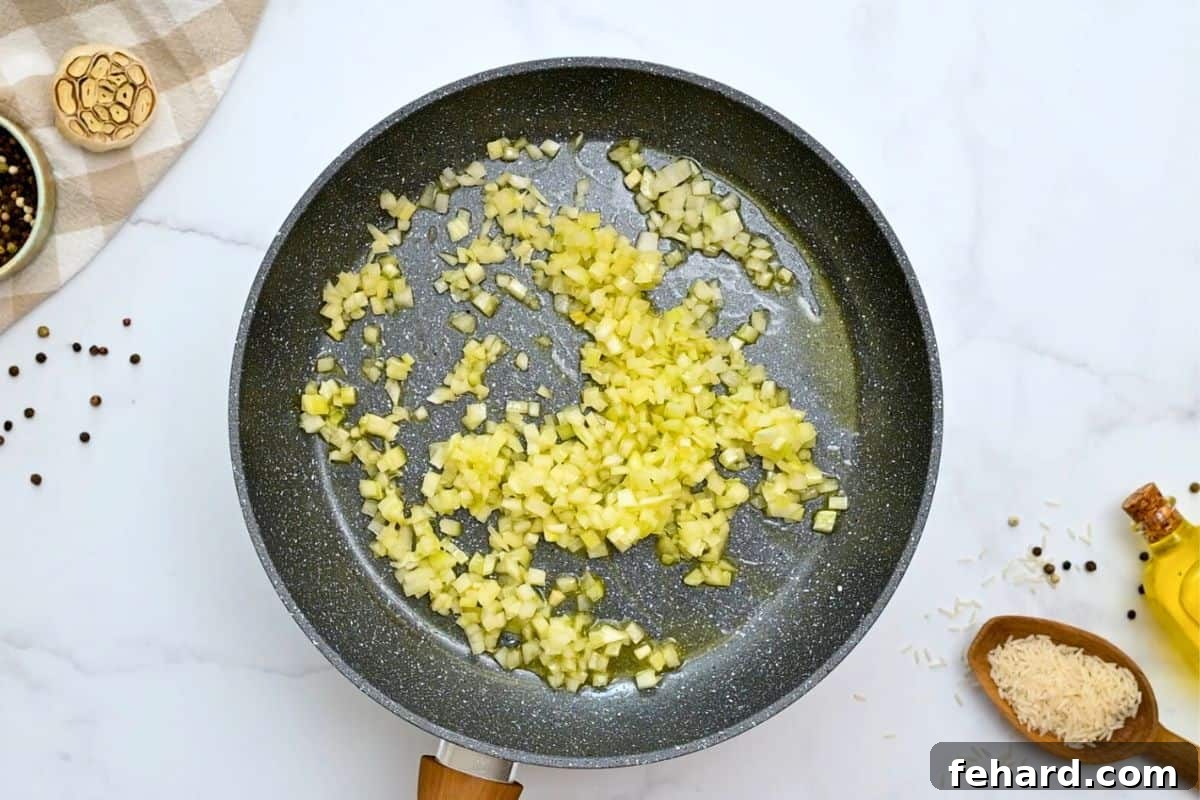
- Prepare Your Aromatics: Begin by heating the olive oil and butter in a large, heavy-bottomed skillet that comes with a tight-fitting lid. This ensures even heat distribution and prevents sticking. Once the butter has melted and is shimmering, add your finely chopped yellow onion. Sauté the onion over medium heat, stirring occasionally, until it turns translucent and soft, typically about 3-4 minutes. Next, stir in the minced garlic and cook for an additional 30-60 seconds, just until it becomes fragrant. Be careful not to burn the garlic, as this can turn bitter.
- Toast the Rice and Orzo for Depth of Flavor: Add both the long-grain rice and the orzo pasta to the skillet with the sautéed aromatics. Continue to cook over medium heat for approximately 2 minutes, stirring frequently. This crucial step, known as “toasting,” helps to develop a nutty flavor in both the rice and orzo and gives them a beautiful lightly golden-brown color. Toasting also helps prevent the grains from clumping together, leading to a fluffier pilaf.
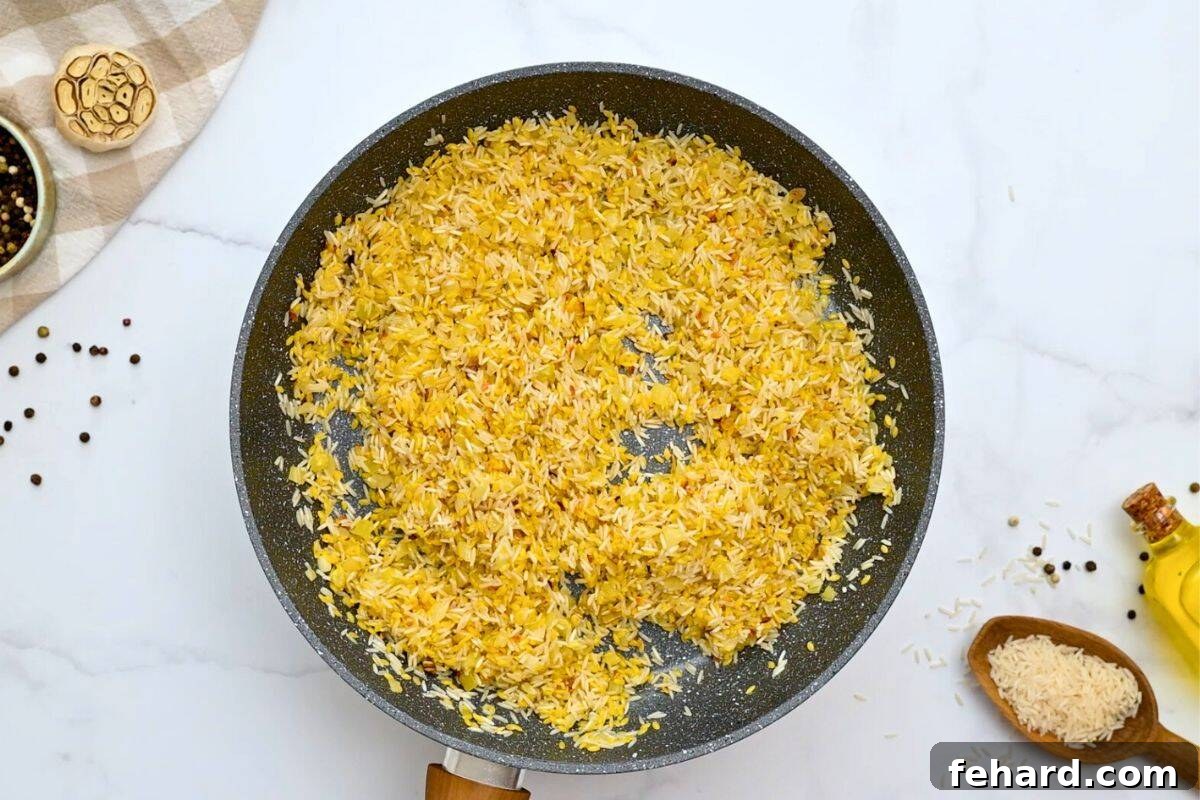
- Deglaze the Pan: Pour in the dry white wine (or additional broth, if substituting). Immediately scrape up any browned bits that have formed on the bottom of the pan with a wooden spoon or spatula. These “fond” bits are packed with incredible flavor! Allow the wine to simmer for 2-3 minutes, or until most of the liquid has nearly evaporated. This process infuses the pilaf with a deeper, more complex taste.
- Simmer to Perfection: Stir in the vegetable broth and all the seasonings: onion powder, garlic powder, pepper, and salt. Bring the entire mixture to a gentle boil, then immediately reduce the heat to low. Place a tight-fitting lid securely on the pan. Simmer for precisely 18 minutes.
The Golden Rule: Don’t Peek!
It’s incredibly tempting, but resist the urge to lift the lid while the orzo rice is simmering. Lifting the lid causes precious steam to escape, which is vital for even cooking. Losing steam can dry out your pilaf and result in unevenly cooked, crunchy grains, or a mushy mess.
- Allow to Rest: Once the 18 minutes of simmering are complete, remove the pan from the heat, but keep the lid firmly in place. Let it rest, undisturbed, for an additional 10 minutes. This critical resting period allows the grains to absorb any remaining moisture, finishing the cooking process gently and evenly. It results in perfectly tender and separate grains of rice and orzo.
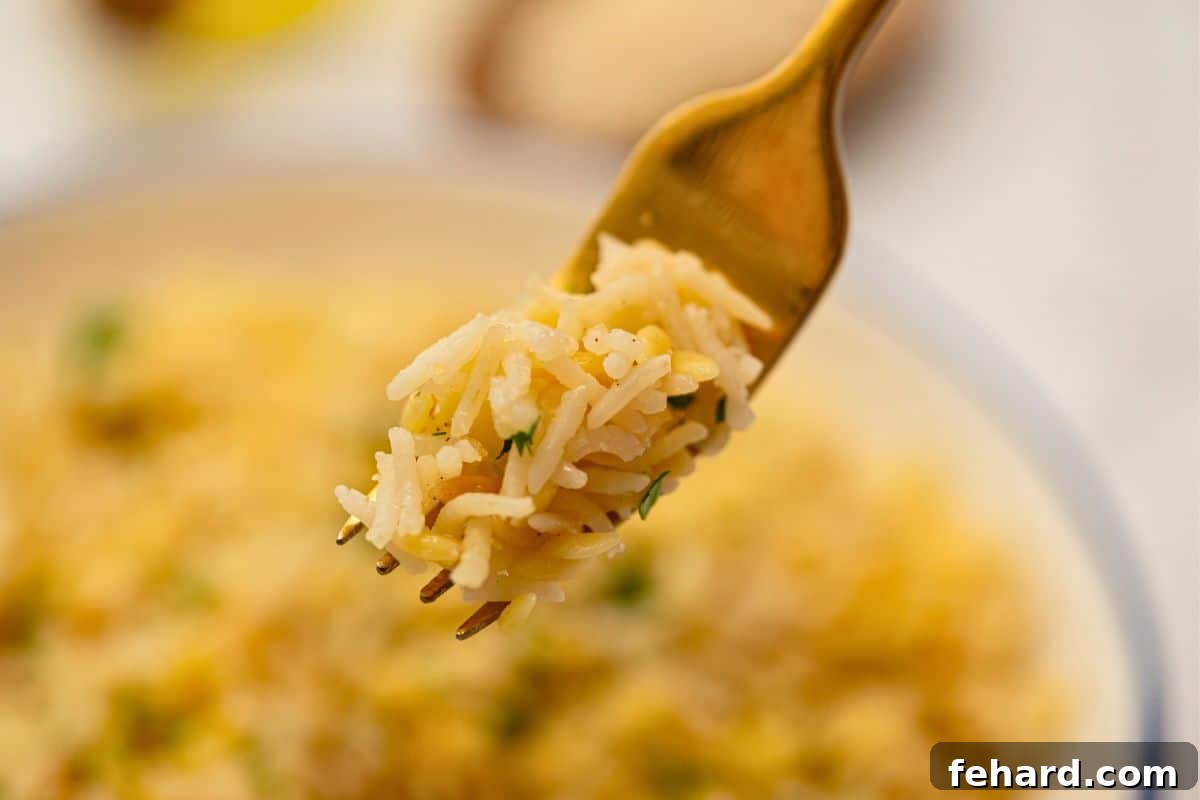
- Fluff and Serve: After the resting time, carefully remove the lid. Use a fork, not a spoon, to gently fluff the orzo rice. A fork helps to aerate the grains and keeps them separate and fluffy, preventing them from compacting. If desired, garnish with fresh minced parsley for a burst of color and herbaceous freshness. Taste and adjust seasoning with additional salt or pepper if needed. Serve immediately and enjoy!
Key Tips for Perfect Orzo Rice Every Time
Achieving restaurant-quality orzo rice pilaf at home is easier than you think with these expert tips:
- Invest in a Quality Heavy-Bottomed Pan: This is non-negotiable for superior results. A heavy-bottomed skillet or pot distributes heat more evenly, which is crucial for preventing the rice and orzo from scorching or sticking to the bottom during the toasting and simmering phases. It ensures consistent cooking and a beautiful golden crust without burning.
- Never Skip the Toasting Step!: Toasting the rice and orzo in olive oil and butter before adding any liquid is a game-changer. This process enhances their nutty flavor profile and provides that characteristic pilaf texture – individual, slightly firm grains rather than a sticky mass. It also creates a barrier that helps prevent the grains from becoming mushy.
- Make It Your Own with Customizations: While this recipe is perfect as is, it’s also wonderfully adaptable. Feel free to stir in a handful of fresh herbs like dill or chives at the end for added freshness. A sprinkle of grated Parmesan cheese can introduce a lovely salty, umami kick. For those who enjoy extra texture or hidden veggies, sautéed mushrooms, peas, or even finely diced carrots can be folded in after cooking.
- Use Warm Broth: While not explicitly in the steps, using warm or hot broth instead of cold can help maintain a consistent temperature in the pan, leading to more even cooking and reducing the time it takes to come to a simmer.
- Rinse Your Rice (Optional but Recommended for Extra Fluffiness): For an even fluffier pilaf, consider rinsing your long-grain rice under cold water until the water runs clear. This removes excess starch that can contribute to stickiness. Ensure the rice is well-drained before adding it to the pan for toasting.
What to Serve with This Versatile Orzo Rice Pilaf
Orzo rice pilaf boasts an incredible ability to pair beautifully with nearly any entrée, making it a truly versatile and indispensable side dish. Here are some of my favorite pairings that highlight its complementary flavors and textures:
- With Chicken: The mild, savory notes of the pilaf provide a perfect canvas for various chicken dishes. Serve it alongside tender marinated chicken thighs, zesty lemon pepper chicken, sweet and tangy honey lemon chicken, herbaceous pesto chicken, or even a sophisticated baked chicken cordon bleu. The pilaf absorbs the juices and flavors of the chicken beautifully.
- With Meatballs: Move beyond traditional pasta or noodles and serve your favorite meatballs with a generous side of orzo rice. It’s an excellent pairing for hearty Italian baked meatballs, creamy Swedish meatballs, or even quick Instant Pot meatballs, offering a lighter yet equally satisfying foundation.
- With Pork or Beef: For red meat dishes, this pilaf offers a comforting, carbohydrate-rich accompaniment without being too heavy. Classic choices include a flavorful London broil, elegant bacon-wrapped pork tenderloin, or succulent beef short ribs. The pilaf’s subtle flavors allow the main dish to shine while providing a harmonious balance.
- With Seafood: The light and fresh characteristics of seafood are wonderfully complemented by the savory yet delicate orzo rice pilaf. From flaky baked cod and juicy grilled shrimp skewers to boldly seasoned blackened mahi mahi, this pilaf creates a cohesive and delicious meal.
- Keep it Meatless: For a delightful vegetarian meal, serve the orzo rice pilaf with an assortment of vibrant roasted vegetables, such as crispy baked broccoli or sweet roasted carrots. Add a fresh side salad dressed with creamy ranch dressing or a zesty balsamic vinaigrette for a light, yet hearty and incredibly satisfying meatless dinner.
Did you make this recipe?
If you enjoyed this recipe, please consider leaving a comment with a 5-star review at the bottom of the post. Your feedback is greatly appreciated!
Save this Recipe!
Get this sent to your inbox, plus new recipes from us every week!
Orzo Rice Pilaf
Kristen Chidsey
6
5 mins
25 mins
10 mins
40 mins
Rate
Video
Watch a video on how to make this delicious Orzo Rice Pilaf!
Ingredients
- 1 tablespoon extra virgin olive oil
- 1 tablespoon unsalted butter, or additional olive oil
- 1 small yellow onion, finely chopped
- 1 cup long-grain white rice (such as jasmine or basmati)
- ½ cup dried orzo pasta
- 2 cloves garlic, minced
- ¼ cup dry white wine, or additional broth
- 2 ¾ cups low-sodium vegetable or chicken broth
- ½ teaspoon onion powder
- ½ teaspoon garlic powder
- ¼ teaspoon black pepper
- ½ teaspoon kosher salt
- Chopped fresh parsley, for garnish (optional)
Instructions
- In a large heavy-bottomed skillet (that can be fitted with a lid), add the olive oil and butter and heat over medium heat until the butter has melted and is shimmering.
- Add the chopped onion and sauté until it becomes translucent and softened, about 3-4 minutes. Stir in the minced garlic and cook for an additional 30 seconds, or until fragrant. Be careful not to brown the garlic.
- Add the long-grain rice and orzo pasta to the pan. Cook for about 2 minutes, stirring frequently, until the rice and orzo begin to turn lightly golden brown. This toasting step is key for flavor and texture.
- Pour in the dry white wine (or additional broth if not using wine). Immediately scrape up any browned bits stuck to the bottom of the pan with a wooden spoon – this adds immense flavor! Let the wine simmer for 2-3 minutes or until most of the liquid has evaporated.
- Stir in the vegetable broth, onion powder, garlic powder, pepper, and salt. Bring the mixture to a gentle boil, then immediately reduce the heat to low. Place a tight-fitting lid securely on the pan and let simmer for exactly 18 minutes. Do not remove the lid or peek during this time to retain steam.
- After 18 minutes, remove the pan from the heat, keeping the lid on. Let it sit, undisturbed, for an additional 10 minutes. This resting period allows the rice and orzo to fully absorb moisture and become perfectly fluffy.
- After 10 minutes, remove the lid and use a fork to gently fluff the orzo rice. This keeps the grains separate and light. Taste and adjust seasoning with additional salt or pepper if desired. If using, sprinkle with fresh chopped parsley before serving.
Notes
Wine Substitution: If you prefer not to use wine, or simply don’t have any on hand, feel free to substitute the ¼ cup of dry white wine with an equal amount of additional chicken stock or vegetable broth. The pilaf will still be incredibly flavorful.
Dairy-Free Option: To make this recipe completely dairy-free, simply use an additional tablespoon of extra virgin olive oil in place of the unsalted butter. You can also use a high-quality non-dairy butter alternative if preferred, to maintain a similar richness.
Nutrition (per serving)
Carbohydrates: 38g
Protein: 5g
Fat: 5g
Saturated Fat: 2g
Polyunsaturated Fat: 0.5g
Monounsaturated Fat: 2g
Trans Fat: 0.1g
Cholesterol: 5mg
Sodium: 201mg
Potassium: 99mg
Fiber: 2g
Sugar: 1g
Vitamin A: 60 IU
Vitamin C: 1mg
Calcium: 19mg
Iron: 1mg
Nutrition information is automatically calculated and should be used as an approximation only.
Mention @amindfullmom or tag #amindfullmom!