
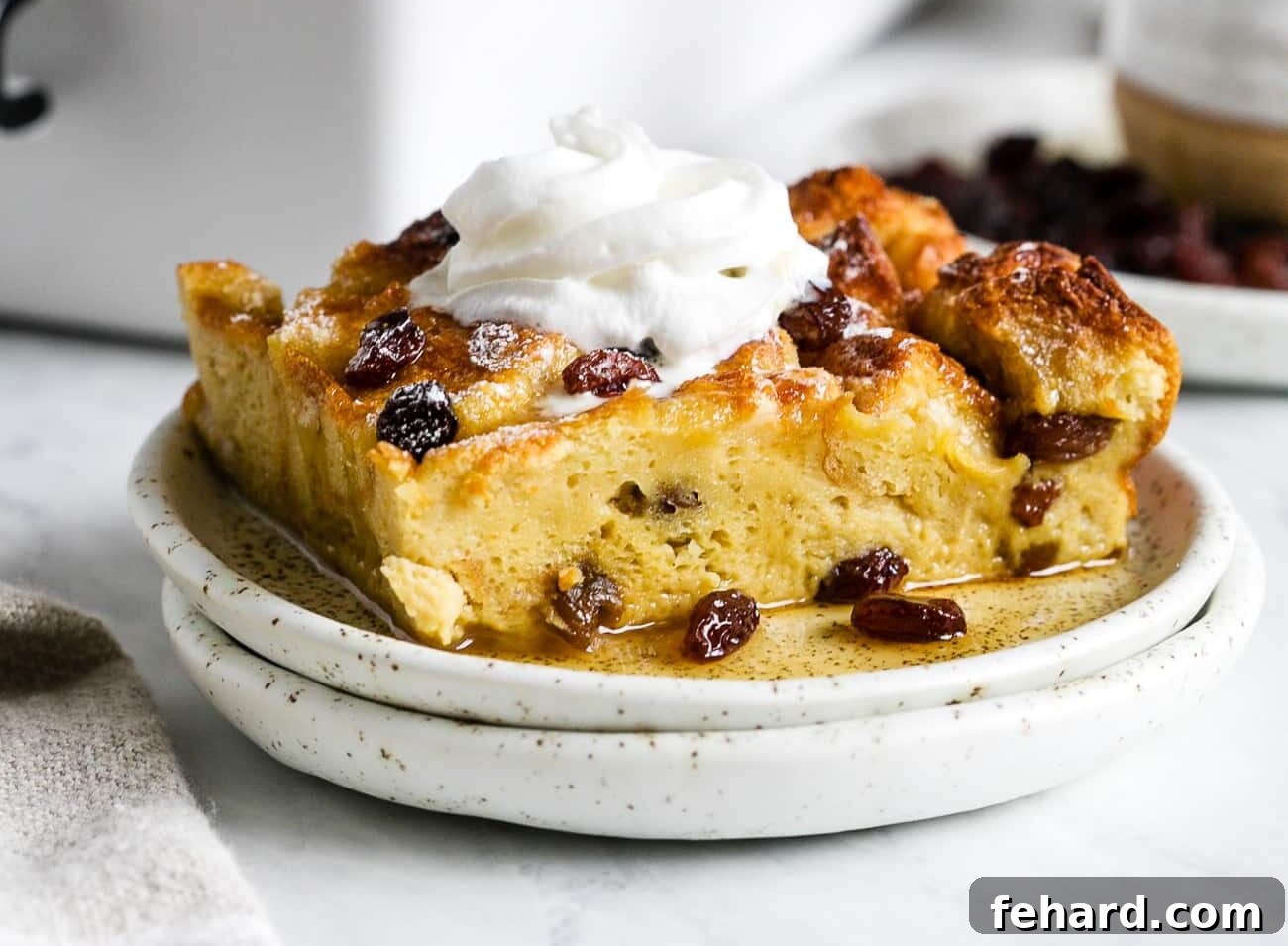
Overnight French Toast Casserole with Raisins: Your Ultimate Make-Ahead Breakfast Treat
Imagine waking up to the irresistible aroma of warm, custardy bread, baked to golden perfection and studded with sweet, plump raisins. This Overnight French Toast Casserole isn’t just breakfast; it’s a celebration in a dish. Combining the comforting richness of classic French toast with the convenience of a make-ahead casserole, it offers soft, tender bread cubes, perfectly crisp edges, and a burst of flavor in every bite. Whether you’re planning a lazy weekend morning, a festive brunch with friends, or a special holiday gathering, this effortless yet unforgettable recipe promises to be a crowd-pleasing centerpiece.
Why You’ll Adore This French Toast Casserole
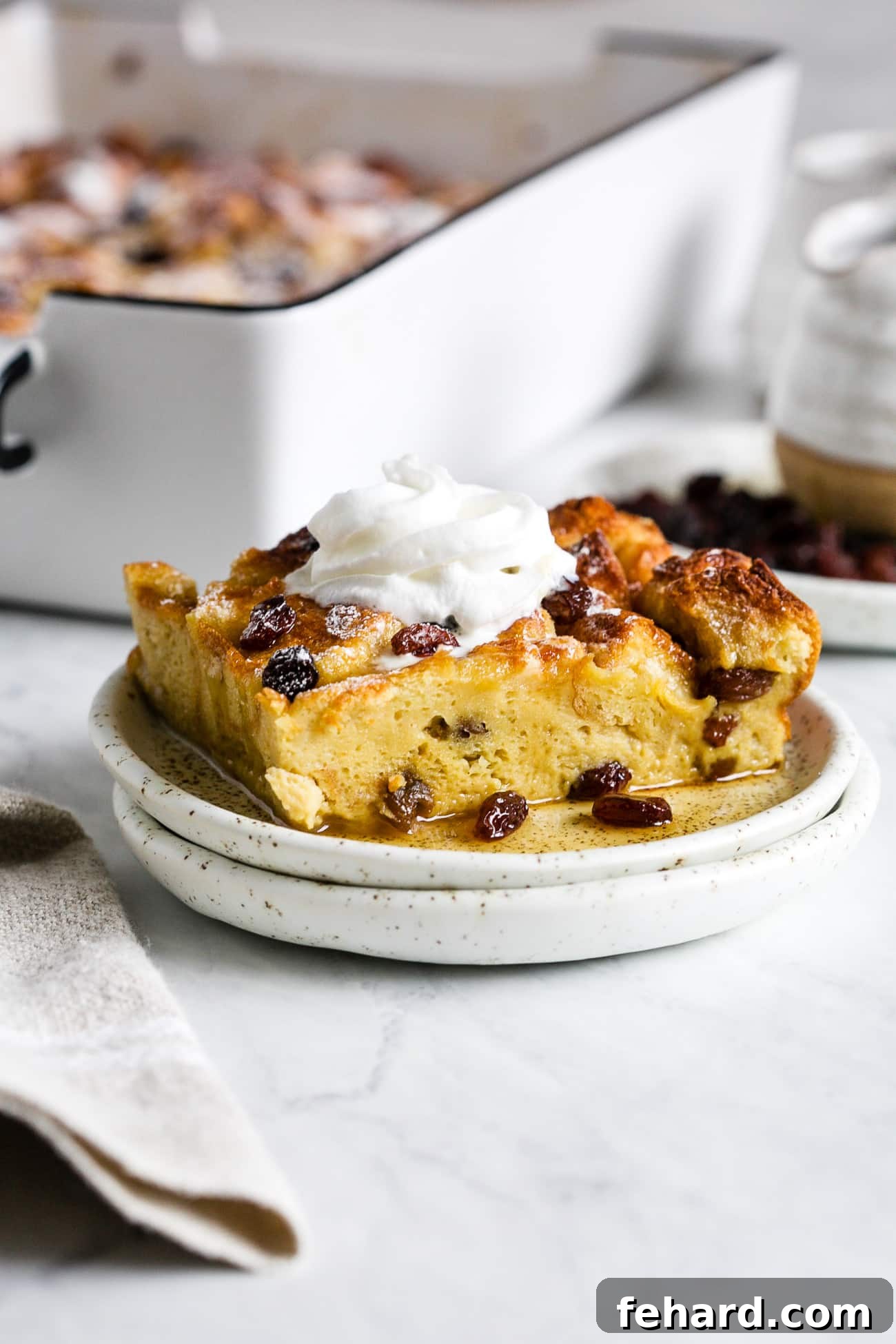
There’s a unique comfort in pulling a perfectly golden French toast casserole from the oven, especially on a crisp morning. The interplay of warm spices, the inviting golden crust, and that cozy aroma instantly transforms any breakfast into a special occasion. It feels incredibly indulgent yet surprisingly light, setting the perfect tone for a relaxing day.
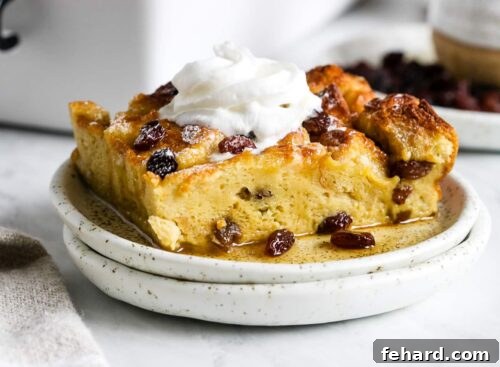
This recipe shines brightest during special moments, like holiday mornings or when hosting brunch. It offers unparalleled convenience, as most of the preparation happens the night before, leaving you more time to enjoy your guests and the festive atmosphere. Pair it with savory sides like crispy air fryer bacon, a vibrant fresh fruit salad, or delightful yogurt parfaits to create a truly memorable spread. When sliced into generous squares and generously drizzled with pure maple syrup, perhaps with a sprinkle of extra raisins or a cloud of Chantilly cream, it’s more than just a meal—it’s a heartwarming embrace on a plate.
These are the treasured moments that elevate everyday mornings into cherished memories. Slow mornings, exceptional food, and the joy of sharing it with loved ones truly make this French Toast Casserole a timeless favorite.
Essential Ingredients for a Perfect French Toast Bake
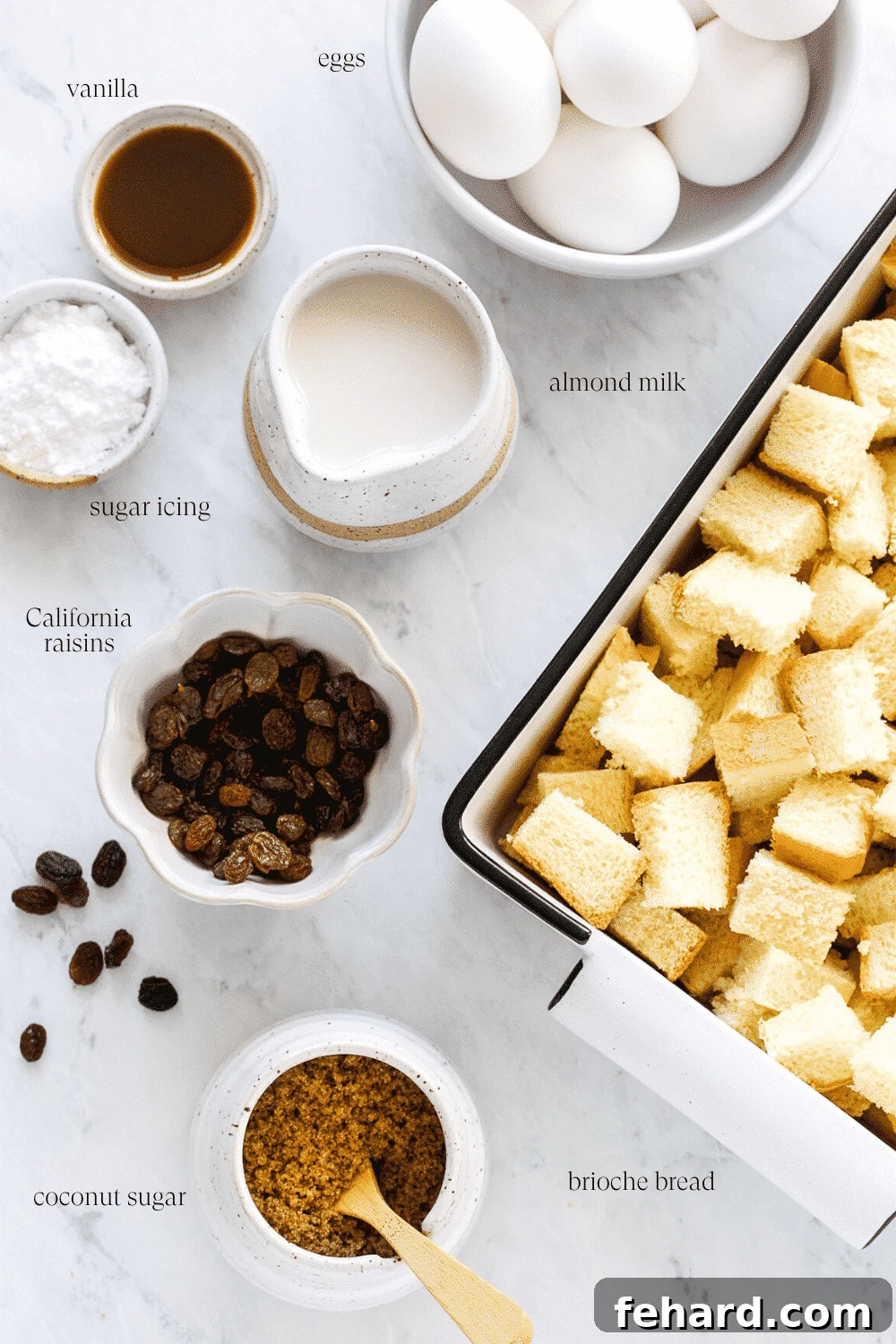
Crafting the perfect French Toast Casserole begins with selecting high-quality ingredients that build layers of flavor and texture. Each component plays a vital role in achieving that sought-after custardy interior and delightful golden-brown exterior. Below, we delve into the core ingredients and offer expert tips for making the best choices for your bake.
For precise measurements, refer to the detailed recipe card conveniently located at the bottom of this post.
Choosing Your Bread: The Foundation of Flavor
The type of bread you choose is paramount to the success of your French toast casserole. I’ve extensively tested this recipe with a variety of breads, and all yield delicious results, albeit with slight variations in texture and richness.
- Brioche: This rich, buttery bread creates an exceptionally soft, almost melt-in-your-mouth custardy casserole. Its delicate crumb absorbs the custard beautifully, making it an excellent choice for a luxurious breakfast.
- Challah: Similar to brioche, challah bread is slightly less sweet but equally rich, offering a wonderful tender texture and a beautiful golden hue when baked.
- French Bread: A classic choice, French bread provides a slightly chewier texture and a sturdy base that holds up well to soaking. It offers a more traditional French toast flavor profile.
- Sourdough Bread: For those who appreciate a hint of tang, sourdough adds a unique depth of flavor and a wonderfully firm texture, preventing the casserole from becoming too soft.
Expert Tip: Day-old or slightly stale bread is often preferred for French toast recipes. It’s less likely to become soggy as it absorbs the egg mixture more effectively. If your bread is fresh, you can cut it into cubes and let it air dry for a few hours or lightly toast it in the oven for 10-15 minutes to achieve a similar effect.
Eggs: The Heart of the Custard
Eggs are crucial for binding the casserole and creating its signature rich, custard-like texture. They contribute significantly to the dish’s structure and creamy mouthfeel. I’ve found that using the specified amount of large eggs is essential; reducing the quantity can lead to a less cohesive casserole that doesn’t set properly, potentially resulting in unwanted scrambled egg bits.
Milk of Choice: Customizing Creaminess and Dietary Needs
This French toast casserole recipe is incredibly adaptable when it comes to milk. I’ve successfully prepared it with almond milk, whole milk, and oat milk, each offering a slightly different outcome:
- Almond Milk: Opting for almond milk results in a lighter casserole, perfect if you prefer a less dairy-heavy option or have dietary restrictions.
- Whole Milk: For an undeniably decadent and extra-creamy texture, whole milk is the way to go. It enriches the custard and adds a luscious quality.
- Oat Milk: Another excellent dairy-free alternative, oat milk provides a subtle sweetness and creaminess that works wonderfully.
Feel free to choose the milk that best suits your taste preferences and dietary requirements.
Coconut Sugar: A Touch of Caramelized Sweetness
I personally love using coconut sugar in this recipe because it imparts a delightful caramel-like flavor, reminiscent of brown sugar but with deeper, molasses-like notes. This unique sweetness contributes to the overall cozy and comforting profile of the casserole. While granulated sugar and brown sugar also work perfectly, coconut sugar truly elevates the taste. It’s a small change that makes a big difference in flavor complexity.
Raisins: Pockets of Natural Sweetness and Chew
Raisins add a wonderful burst of natural sweetness and a pleasant chewy texture that complements the soft bread and rich custard. I’ve experimented with both golden and regular raisins, and both perform beautifully. The sun-dried raisins retain their plumpness and concentrated flavor remarkably well after baking, distributing pockets of deliciousness throughout the casserole. Don’t underestimate the delightful contrast they bring to each bite.
Beyond the Basics: Spices and Extracts
While not explicitly detailed as “key ingredients” in the initial list, vanilla extract and optional warm spices like cinnamon and a pinch of nutmeg are vital for deepening the flavor profile of your custard. Vanilla adds a fragrant, sweet note, while cinnamon and nutmeg enhance the comforting, classic French toast experience. These aromatics are essential for a truly irresistible breakfast bake.
How to Prepare Your Overnight French Toast Casserole
Preparing this French toast casserole is straightforward, making it an ideal make-ahead option. Follow these detailed steps to ensure a perfectly baked, custardy delight that will impress every time.
1. Prepare the Baking Dish and Cube the Bread
- Begin by lightly greasing a standard 9×13-inch casserole dish. You can use a pat of butter, a drizzle of oil, or a quick spray of nonstick cooking spray. This step is crucial to prevent the casserole from sticking and ensures easy serving. If you don’t have a traditional casserole dish, any oven-safe pan of a similar size will work.
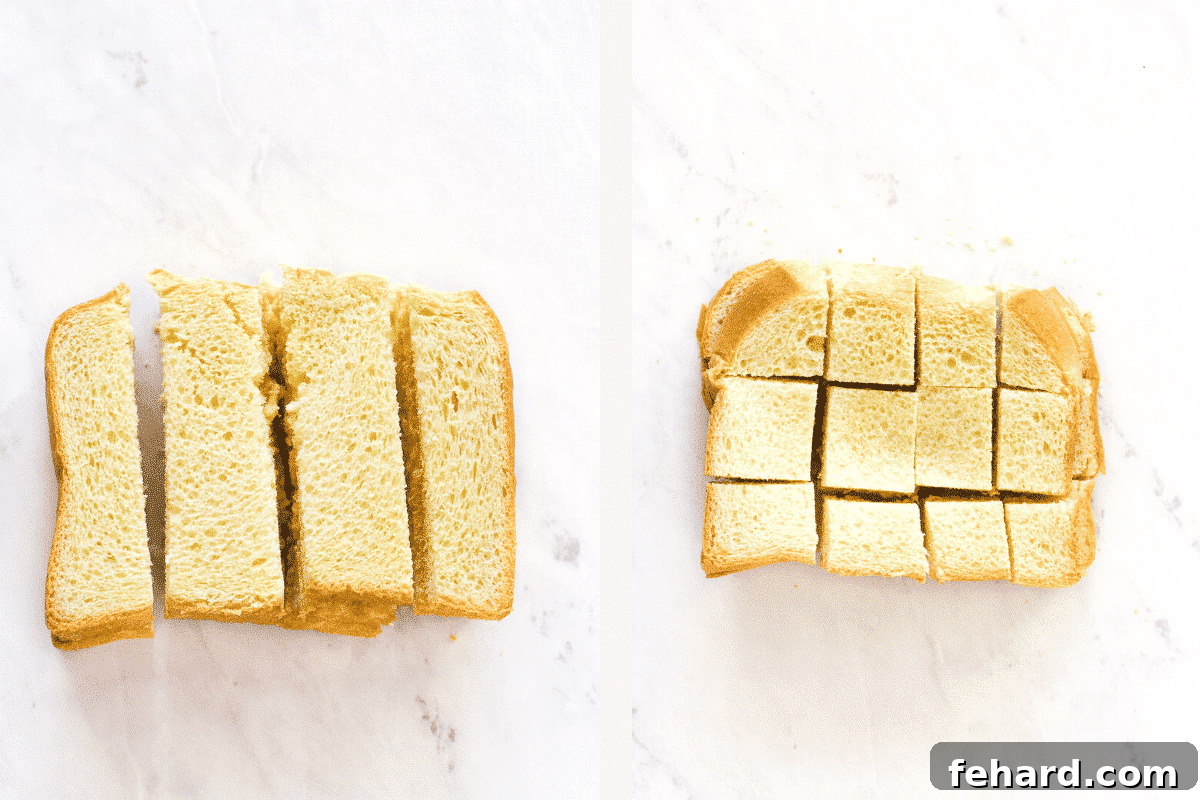
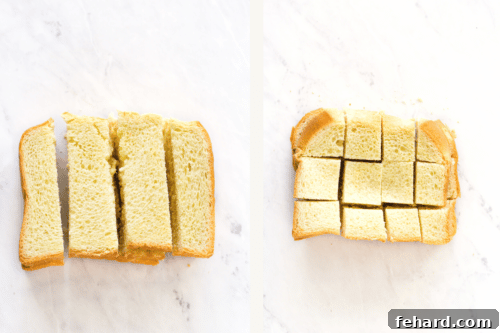
- Next, take your chosen bread (brioche, challah, French bread, or sourdough) and cut it into uniform, bite-sized cubes. Aim for pieces roughly 1 to 1.5 inches in size. Evenly distribute these bread cubes in a single layer across the bottom of your prepared casserole dish. This foundational layer is key to achieving consistent custard absorption and a balanced texture throughout the bake.
2. Whisk the Custard and Assemble the Casserole
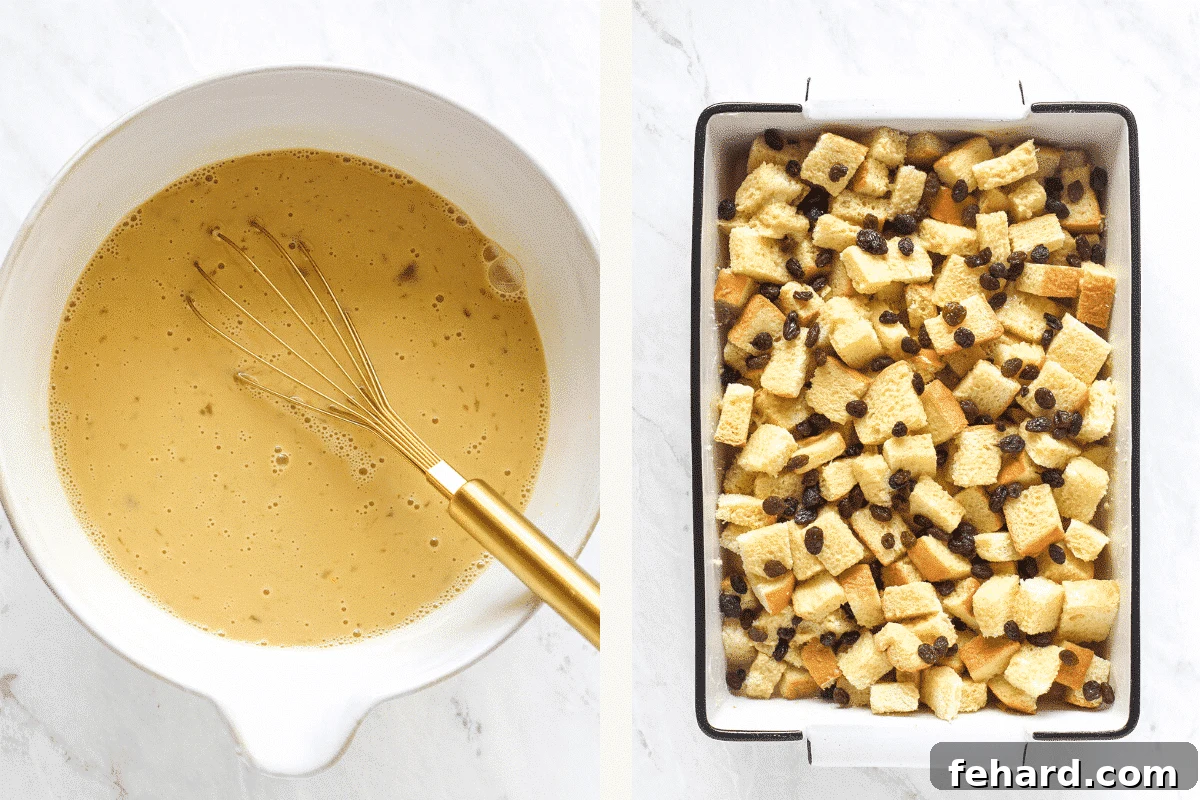
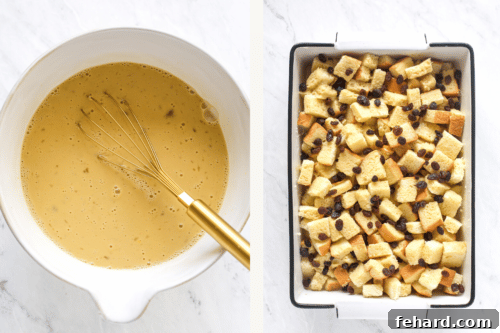
- In a large mixing bowl, combine the eggs, almond milk (or your preferred milk), vanilla extract, and coconut sugar. Whisk these ingredients vigorously until they are thoroughly combined and the sugar has dissolved. The mixture should be smooth and homogenous, ensuring an even distribution of flavor and a consistent custard texture.
- Carefully pour the whisked egg mixture evenly over the bread cubes in the casserole dish. Gently nudge any bread pieces to ensure they are fully saturated. Afterward, generously sprinkle the raisins over the top of the bread and custard mixture, making sure they are distributed throughout for a burst of sweetness in every bite.
3. Refrigerate for Optimal Soaking
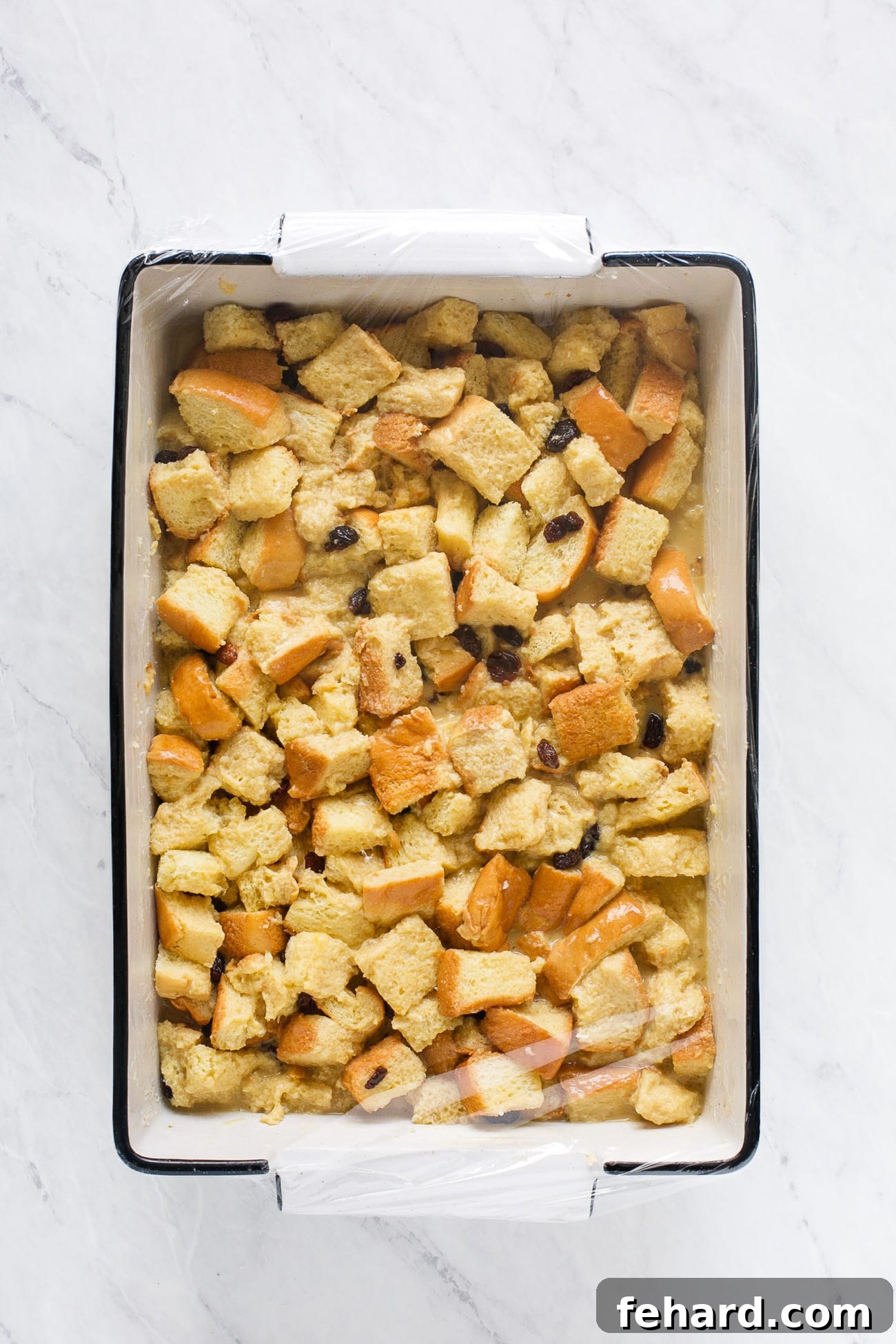
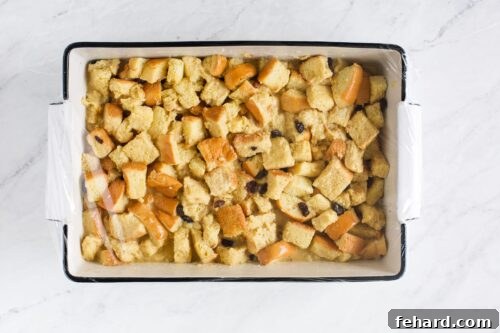
- Once assembled, cover your casserole dish tightly with plastic wrap. This prevents the bread from drying out and helps the custard penetrate thoroughly.
- Place the covered casserole in the refrigerator and allow it to chill for a minimum of 4 hours, or ideally, overnight. This crucial soaking period is what transforms ordinary bread into a rich, custardy delight. If the bread cubes don’t have sufficient time to fully absorb the custard mixture, you risk ending up with unpleasantly dry spots or, worse, bits of scrambled egg rather than a cohesive, tender texture after baking. Patience during this step truly pays off.
4. Bake and Serve Your Golden Masterpiece
- When you’re ready to bake, remove the casserole from the refrigerator and preheat your oven to 350°F (175°C). Allowing the casserole to sit at room temperature for about 15-20 minutes while the oven preheats can help it bake more evenly.
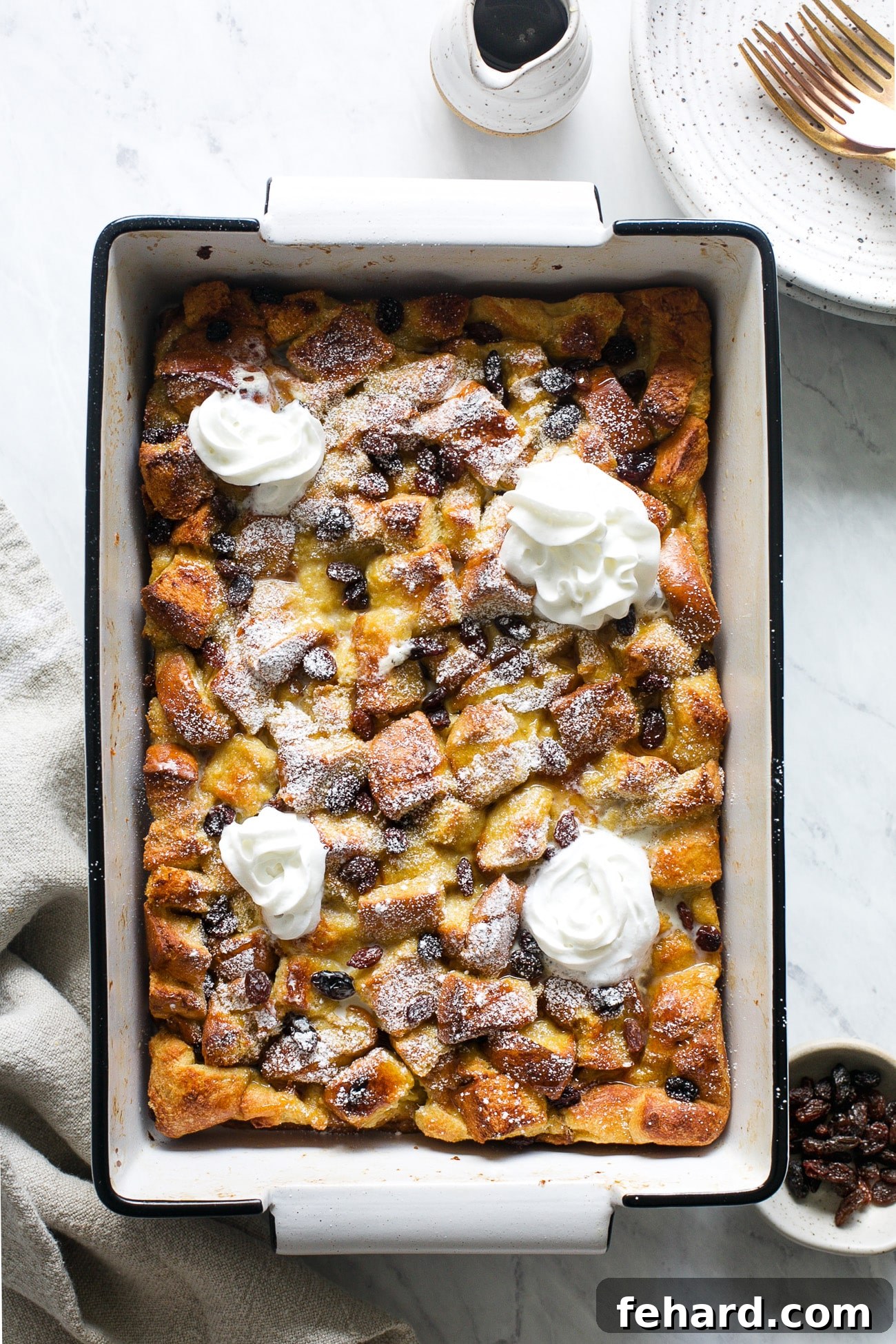
- Once the oven reaches the correct temperature, place the uncovered casserole dish into the oven and bake for 40-50 minutes. The goal is a beautifully golden-brown top and a set, custardy interior. It’s essential to check the casserole at the 40-minute mark, as oven temperatures can vary. You want to avoid over-browning the top.
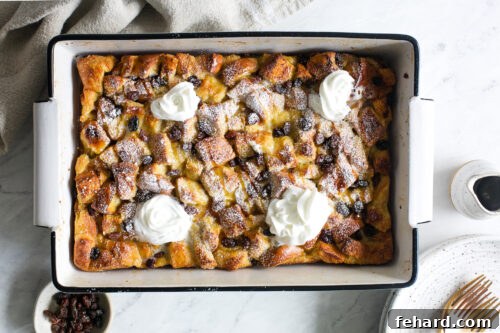
- Once baked to perfection, carefully remove this beautiful French toast casserole from the oven. Let it rest for a few minutes, then generously sprinkle with powdered sugar. Serve warm with an array of your favorite toppings such as rich maple syrup, a dollop of fluffy Chantilly cream, and perhaps a few extra raisins for a final touch of sweetness.
Pro Tips for the Ultimate French Toast Casserole
Elevate your French Toast Casserole from great to truly exceptional with these insider tips:
- Layer Bread, Don’t Toss: Instead of haphazardly tossing the bread with the custard, arrange the bread cubes neatly in the baking dish first. Then, slowly and evenly pour the custard over the bread. This technique ensures that every piece of bread is properly saturated without becoming mushy or crushed, leading to a consistently moist and flavorful casserole.
- Embrace the Jiggle Test for Doneness: To confirm your casserole is perfectly baked, gently shake the dish. The center should have a slight jiggle, similar to a perfectly set cheesecake. This indicates that the custard is cooked through but still tender and moist. If it’s too firm, it might be overbaked.
- Rest for Cleaner Slices: After removing the casserole from the oven, resist the urge to cut into it immediately. Allow it to rest for about 10 minutes. This resting period allows the custard to fully set and cool slightly, resulting in much cleaner, more defined slices and preventing the casserole from falling apart.
- Control Browning with Foil: Bake the casserole uncovered initially to achieve that gorgeous golden crust. However, if you notice the top browning too quickly before the center is cooked, simply cover the dish loosely with aluminum foil for the final 15 minutes of baking. This protects the top while allowing the interior to finish cooking.
- Add a Fresh and Bright Finish: While maple syrup is a classic, consider adding a fresh element to balance the richness. A dollop of homemade Chantilly cream, a sprinkle of freshly grated orange or lemon zest, a pinch of warm cinnamon, or a handful of fresh berries (like blueberries or raspberries) can add brightness and complexity. Warm maple butter is another indulgent option that takes this dish to the next level.
- Day-Old Bread is Best: As mentioned in the ingredients section, using slightly stale or day-old bread helps absorb the custard more efficiently without turning soggy. If you only have fresh bread, you can lightly toast the cubes in the oven for 10-15 minutes before assembling to dry them out slightly.
- Don’t Rush the Soak: The overnight (or at least 4-hour) refrigeration is non-negotiable for the best texture. It gives the bread ample time to fully absorb the liquid, ensuring a uniformly custardy consistency throughout.
French Toast Casserole with Raisins
Olivia Ribas
8 people
10 minutes
40 minutes
50 minutes
Imagine waking up to the smell of warm bread soaked in a rich custard, baked until golden and bursting with delicious raisins. Yep, that’s this French Toast Casserole. It’s comfort breakfast at its finest, with soft, tender bread cubes and crisp edges mixing together into one irresistible morning treat. Perfect for weekends, brunches with friends, or holiday mornings when you want something effortless yet unforgettable.
Ingredients
- 12 cups brioche bread or French bread cut into cubes
- 8 large eggs
- 2 cups almond milk
- 2 tsp vanilla extract
- 1/2 cup coconut sugar
- 1/2 cup raisins
- 1 tbsp powdered sugar
- maple syrup for topping
- whipped-cream for topping
Instructions
-
Prepare a baking dish (9×13 inch) by greasing it with some butter.
-
Cut brioche bread into bite-sized cubes and place them in your prepared casserole dish.

-
In a large bowl, combine eggs, almond milk, vanilla extract, and coconut sugar. Whisk and mix everything well. Pour custard over bread cubes.
-
Top casserole with raisins and cover your baking dish with saran wrap. Refrigerate for four hours, or overnight. The bread needs time to absorb the custard. Don’t skip this part, otherwise you may end up with bits of scrambled egg after baking.
-
Remove casserole from the refrigerator and preheat the oven to 350°F. Bake for 40-50 minutes. Please, check at the 40-minute mark. Remove from the oven, sprinkle with powdered sugar.
-
Cut it into squares and serve with maple syrup, raisins, and Chantilly cream on top. Enjoy!
Notes
- Give bread cubes at least 4 hours (or overnight) to absorb custard for the best results.
- To store: Once completely cooled, cover your baking dish tightly with plastic wrap or transfer to an airtight container. Refrigerate for up to 3 days.
- To freeze: Cut the baked casserole into individual portions. Wrap each piece tightly in plastic wrap, then place them in a freezer-safe bag or container. Freeze for up to 3 months.
- To reheat: Reheat individual portions in the microwave until warmed through. Alternatively, bake the entire casserole or individual slices at 350°F (175°C) for 10-15 minutes, or until heated through and lightly crispy.
Nutrition Information
Nutrition information is automatically calculated and should be used only as an approximation.
Serving Suggestions and Delicious Variations
This Overnight French Toast Casserole is a delightful dish on its own, but its versatility truly shines when paired with complementary sides or customized with creative variations:
Perfect Pairings:
- Classic Maple Syrup: A generous drizzle of high-quality pure maple syrup is non-negotiable. Its rich, natural sweetness perfectly complements the custardy bread.
- Fresh Fruit Medley: Brighten your breakfast spread with a colorful bowl of fresh berries (strawberries, blueberries, raspberries), sliced bananas, or a vibrant tropical fruit salad. The fresh acidity and natural sugars offer a lovely contrast.
- Crispy Bacon or Sausage: For a hearty balance, serve alongside crispy strips of air fryer bacon or savory breakfast sausages. The salty, smoky notes are a fantastic counterpoint to the sweet casserole.
- Yogurt Parfaits: Layered yogurt parfaits with granola and fruit provide a lighter, refreshing option that adds a creamy texture and probiotic benefits.
- Whipped Cream or Chantilly: A dollop of homemade whipped cream or lightly sweetened Chantilly cream adds an extra layer of indulgence and a beautiful presentation.
- Powdered Sugar: A final dusting of powdered sugar adds an elegant finish and a subtle extra touch of sweetness.
Creative Variations to Try:
- Berry Blast: Instead of or in addition to raisins, fold in fresh or frozen berries like blueberries, raspberries, or mixed berries into the bread and custard mixture before soaking.
- Nutty Crunch: Add chopped pecans, walnuts, or almonds to the casserole for an extra layer of texture and nutty flavor. You can sprinkle them over the top before baking for a delightful crunch.
- Apple Cinnamon Delight: Fold in thinly sliced or finely diced apples (like Granny Smith or Honeycrisp) and a generous pinch of ground cinnamon and nutmeg to the custard mixture. This creates a cozy, autumnal flavor profile.
- Chocolate Lover’s Dream: Sprinkle chocolate chips (milk, dark, or white) throughout the casserole for a truly decadent treat. They’ll melt beautifully during baking.
- Citrus Zest: Grate a little orange or lemon zest into the custard mixture for a bright, aromatic lift that cuts through the richness.
- Cream Cheese Swirl: For an even richer, dessert-like experience, prepare a simple cream cheese mixture (softened cream cheese, a little sugar, and vanilla) and swirl it into the casserole before baking.
Experiment with these suggestions to make this French Toast Casserole uniquely yours, catering to different tastes and occasions.
Storage and Reheating Instructions
One of the best qualities of this French Toast Casserole is its excellent make-ahead and leftover potential. Proper storage ensures you can enjoy its deliciousness for days to come:
- To Store Leftovers: Allow the baked casserole to cool completely to room temperature. This is crucial to prevent condensation, which can lead to sogginess. Once cooled, cover the entire baking dish tightly with plastic wrap or aluminum foil, or transfer individual slices to an airtight container. Refrigerate for up to 3 days.
- To Freeze for Later Enjoyment: This casserole freezes beautifully! Once baked and completely cooled, cut the casserole into individual servings. Wrap each piece tightly in plastic wrap, then place them in a freezer-safe bag or an airtight container. This helps prevent freezer burn. Store in the freezer for up to 3 months.
- Reheating from Refrigerator: For individual slices, reheat in the microwave for 1-2 minutes until warmed through. For a crispier texture or to reheat the entire casserole, place it in a preheated oven at 350°F (175°C) for 10-15 minutes (for slices) or 20-30 minutes (for a whole casserole), until heated through and the edges are slightly crispy again.
- Reheating from Freezer: Frozen individual slices can be reheated directly from frozen in the microwave for 2-4 minutes, or in a preheated oven at 350°F (175°C) for 15-25 minutes, covering loosely with foil if browning too quickly.