
The Instant Pot has revolutionized home cooking for many, offering convenience and speed for countless dishes. Yet, despite its versatility, it’s not a one-size-fits-all kitchen appliance. To truly master your Instant Pot and avoid common culinary catastrophes, it’s crucial to understand its limitations. This comprehensive guide will reveal exactly what NOT to cook in your Instant Pot, helping you prevent frustrating pressure cooking fails, dreaded burn notices, and ultimately, ensuring delightful meals every time.
For those just beginning their Instant Pot journey, a solid foundation is key. Be sure to start with Instant Pot Basics to familiarize yourself with its functions. As you explore the exciting world of Instant Pot Recipes, a critical first step is learning what NOT to cook in your Instant Pot. Knowing these limitations will save you time, ingredients, and potential disappointment.
An Instant Pot, or any electric pressure cooker, is an undeniable powerhouse for accelerating the cooking process of many specific dishes. It excels at transforming tough cuts of meat into fork-tender masterpieces, much like in Instant Pot French Dip Sandwiches. Even seemingly challenging tasks, such as cooking frozen chicken breast, become effortless, yielding perfectly cooked results in under 10 minutes. The pressure cooker also makes light work of preparing homemade yogurt and can even efficiently thaw frozen ground beef. These are just a few examples of where this appliance truly shines.
However, it’s crucial to reiterate: the Instant Pot is NOT suitable for ALL recipes. Simply because a recipe exists or seems convenient does not mean it’s the optimal, or even acceptable, method for preparing a particular food. Understanding these distinctions is paramount to avoiding culinary mishaps.
Ingredients to Avoid Using in the Instant Pot for Best Results
To help you navigate your Instant Pot cooking journey, let’s dive into specific food categories and ingredients that are best left out of your pressure cooker. These insights are based on how the Instant Pot’s moist, high-pressure environment interacts with various food types, often leading to undesirable textures, flavors, or even safety concerns.
Breaded Meats and Vegetables
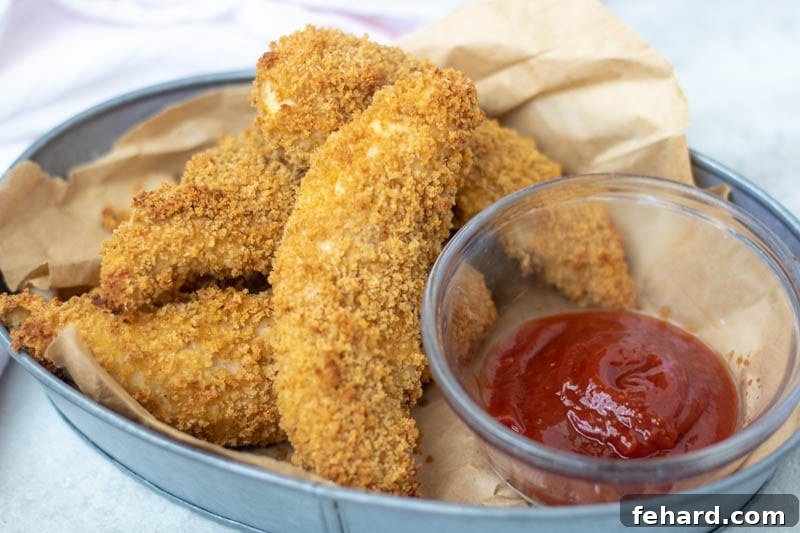
One of the primary functions of an Instant Pot is to cook with steam under pressure. While this method is excellent for infusing moisture and tenderness into many foods, it is the archenemy of anything intended to be crispy. Breaded meats or vegetables, even when carefully placed on a rack, are not recommended for pressure cooking. The enclosed, steamy environment will inevitably turn that crispy breading into a soggy, unappetizing mess.
Beyond the texture issue, there’s a practical concern: the breading may detach from the meat or vegetable and settle at the bottom of the Instant Pot. This can lead to scorching and trigger a “burn notice,” halting your cooking process and potentially damaging your appliance. For dishes that truly demand a golden, crunchy exterior, such as Chicken Tenders or Eggplant Parmesan, the oven remains the superior choice. Baking or air frying provides the dry heat necessary to achieve that irresistible crispiness that pressure cooking simply cannot deliver.
Delicate or Expensive Cuts of Meat
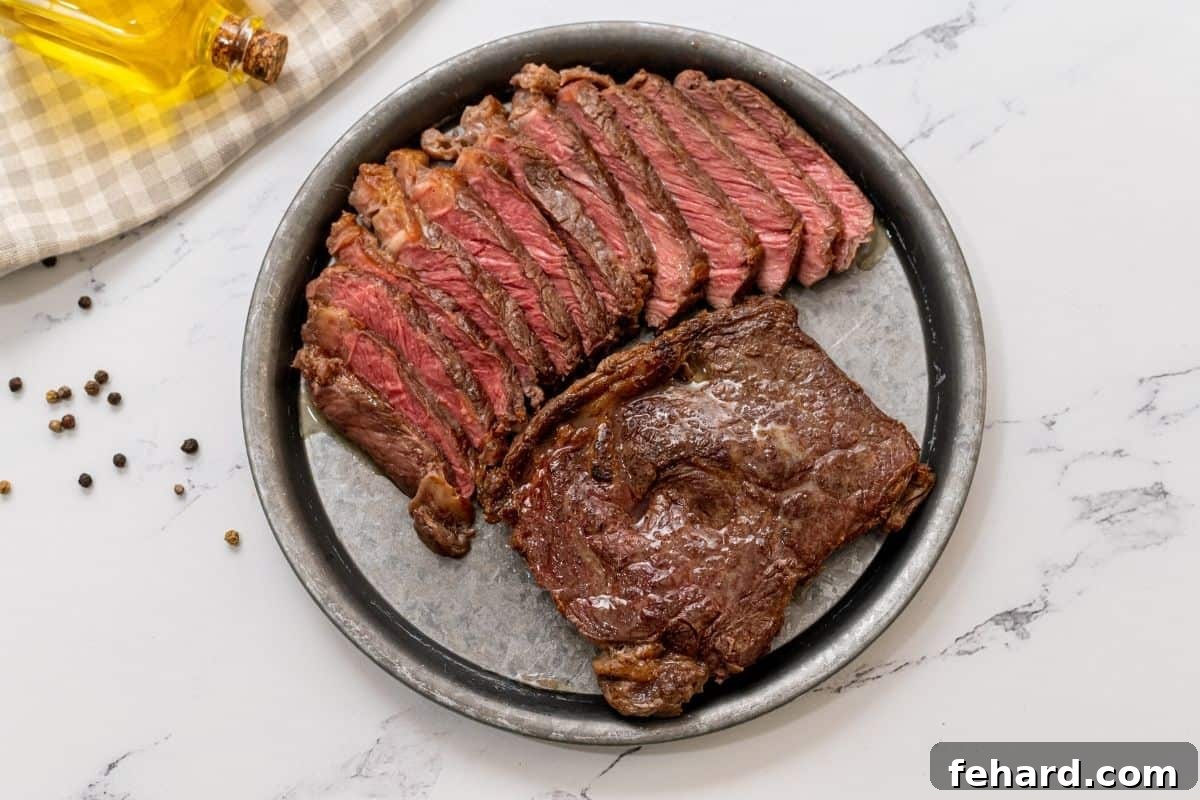
If your goal is to ruin a prime cut of meat, cooking it in the Instant Pot is a surefire way to achieve that undesirable outcome! The beauty of delicate meats like steak, lamb chops, or expensive fish fillets lies in their precise cooking temperature and the ability to develop a flavorful sear on their exterior.
A pressure cooker operates under intense heat and steam, making precise temperature control virtually impossible. You cannot achieve the nuanced “medium-rare” or “medium-well” that distinguishes a perfectly cooked steak. Furthermore, the hallmark of a great steak is the Maillard reaction – the chemical process that creates that rich, caramelized crust on the exterior, contributing significantly to its texture and flavor profile. This reaction requires dry, high heat, which is absent in a pressure cooker’s moist environment. Instead, you’ll end up with a uniformly grey, boiled-tasting piece of meat that lacks any appealing texture. When it comes to preparing steak, always rely on methods that allow for proper searing and temperature monitoring, such as a cast-iron skillet, grill, or my fool-proof method for cooking steak, to truly do justice to these premium cuts.
Burgers
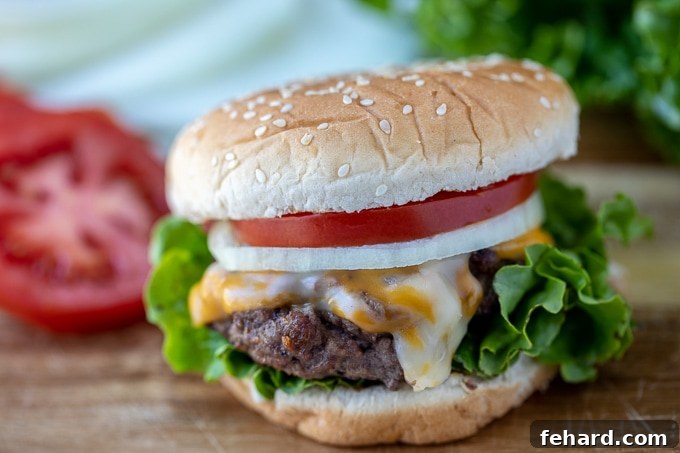
Much like delicate cuts of meat, burgers fall into the category of foods that suffer greatly from the Instant Pot’s cooking environment. A classic beef burger or chicken burger cooks up incredibly fast on a hot grill or stovetop, where it develops a crucial caramelized exterior and retains a juicy interior. These elements are essential for a perfect burger.
When cooked in an Instant Pot, burgers not only take longer due to the pressurization and depressurization cycles, but they also completely miss out on that vital searing. The result is a texture akin to boiled meat, bland and lacking the flavorful crust that makes a burger so enjoyable. While your Instant Pot can be great for preparing ground meat for dishes like chili or taco meat, it simply isn’t designed to create the ideal burger experience. Stick to conventional methods for that satisfying sizzle and char.
Dairy and Creamy Sauces (Unless Added Later)
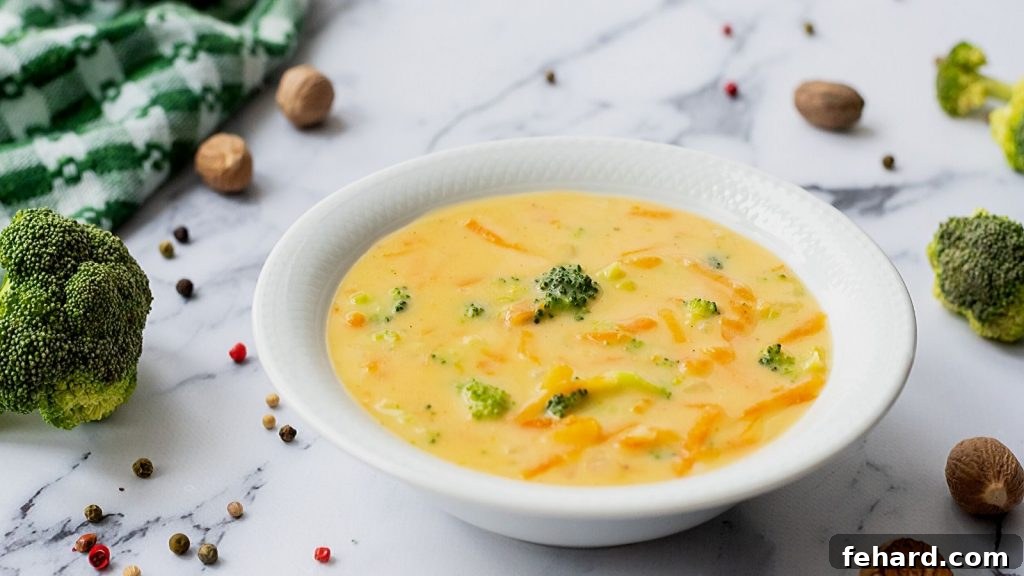
Incorporating dairy products or creamy sauces at the very beginning of the pressure cooking cycle is a frequent cause of Instant Pot failures. When subjected to high temperatures and pressure from the outset, milk or cream are highly prone to curdling or separating, resulting in a grainy, unappetizing texture. Beyond aesthetics, dairy can also foam significantly at high temperatures, which poses a serious problem: it can clog your pressure valve. A clogged valve prevents the Instant Pot from reaching and maintaining proper pressure, which is a common reason your Instant Pot may not seal correctly.
Even more commonly, dairy products settling at the bottom of the pot are a very frequent trigger for the dreaded “burn notice.” The sugars and proteins in dairy can easily scorch when direct heat is applied for an extended period, leading to this safety feature activating.
The best practice is to add any dairy product, such as milk, cream, sour cream, or cheese, at the very end of the cooking process. Once pressure cooking is complete and pressure has been released, you can gently stir in the dairy and allow it to melt or finish cooking using the residual heat of the pot or by activating the sauté function on a low setting. This technique is perfectly demonstrated in recipes like Instant Pot Macaroni and Cheese, where creamy perfection is achieved post-pressure.
An important exception to this rule is when utilizing the pot-in-pot method. This technique involves cooking food in a separate, oven-safe container placed inside the Instant Pot with water beneath it. This indirect cooking method prevents dairy from coming into direct contact with the heating element, making it safe for dishes like Instant Pot Oatmeal or rich Instant Pot Cheesecake.
While heavy cream, due to its higher fat content, is less likely to curdle under pressure compared to milk, caution is still advised. It can still contribute to a burn notice if not adequately thinned with another liquid like water or stock, or if used in very large quantities without proper liquid-to-solid ratios.
Quick Cooking Dishes (Under 20 Minutes)
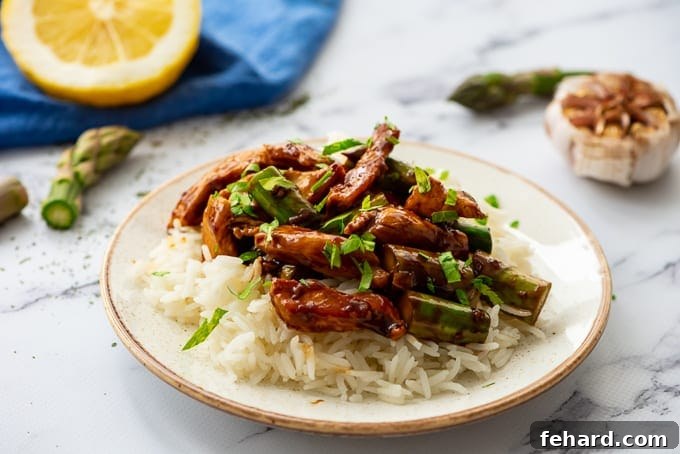
The fundamental purpose of an electric pressure cooker is to significantly reduce the cooking time for dishes that traditionally require a long simmering or braising process. If a dish already cooks rapidly – typically in less than 20 minutes on a stovetop or in the oven – using your Instant Pot will likely not save you any time. In fact, it may even increase the overall preparation duration.
This is because the Instant Pot requires time to build pressure before the actual cooking cycle begins, and then additional time for the pressure to release safely at the end. For foods that cook quickly, the cumulative time for pressure build-up and release often exceeds the actual “active” cooking time, negating any perceived efficiency. For instance, those tempting “Instant Pot stir-fry” recipes rarely offer a genuine advantage. Stir-fries, by their nature, are meant to be cooked quickly over high heat, preserving the crispness of vegetables and achieving a light sear on meats. This is best done in a wok or large skillet on the stove, like a vibrant Chicken and Bok Choy or a classic Chicken Stir Fry. You can, however, leverage your Instant Pot to prepare complementary components, such as perfectly cooked brown rice, to serve alongside your speedy stir-fry.
Traditional Baked Bread
While proofing bread dough in your Instant Pot using its “Yogurt” function (which often provides a warm, consistent temperature) is an excellent idea for speeding up rise times, actually baking bread within the pressure cooker is an entirely different story – and generally not recommended.
Numerous recipes for “Instant Pot Bread” exist, but a pressure cooker’s moist, enclosed environment simply cannot replicate the dry heat of an oven. The result will never be a bread with a delightful, crusty exterior. Instead, you’ll end up with a super dense, excessively moist loaf that lacks the delicate, airy crumb structure characteristic of truly great bread. For artisanal loaves like Whole Wheat Bread, Dutch Oven Bread, or classic Italian Bread, the oven’s ability to create a sturdy crust and a tender interior is indispensable.
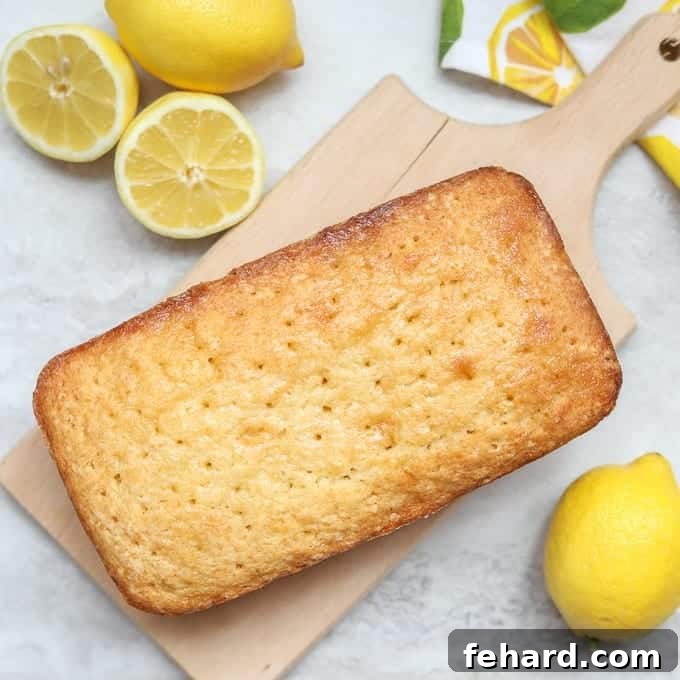
Similarly, for quick bread recipes such as Lemon Bread or Banana Bread, the texture is almost always superior when prepared in a conventional oven. These quick breads typically take just as long, if not longer, to cook in an Instant Pot, and they tend to turn out extremely moist and dense, rather than the light, fluffy texture that makes them so enjoyable. For perfectly baked goods, the oven remains the gold standard.
Cookies and Other Baked Treats
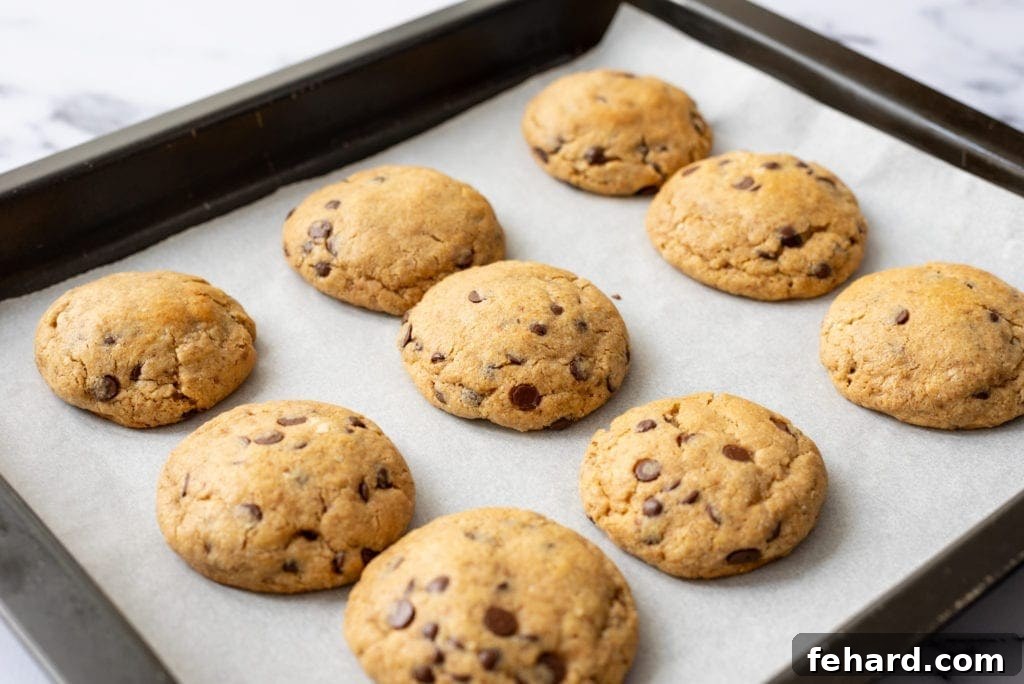
You might think this sounds outlandish, but indeed, there are various recipes circulating for “Instant Pot Cookies.” However, after numerous attempts and much culinary experimentation, the general verdict is clear: Instant Pot cookies are largely a disappointment – and often take significantly longer to prepare than traditional oven-baked varieties.
The fundamental issue lies in the texture. Cookies made in the Instant Pot lack the essential crisp exterior and delightfully chewy interior that are the hallmarks of truly delicious cookies, like rich Neiman Marcus Cookies or perfectly shaped Sugar Cookies. The moist, steam-filled environment of the pressure cooker essentially steams the cookies, resulting in a cake-like, often rubbery, consistency rather than the desired crisp-chewy contrast. For the pure joy and classic texture of homemade cookies, your conventional oven is the only reliable tool.
Directly Added Thickeners (Flour, Cornstarch)
Adding traditional thickeners like cornstarch or flour directly to your Instant Pot recipes at the beginning of the pressure cooking cycle is a common pitfall. These ingredients tend to settle at the bottom of the pot, where they can easily scorch and contribute to a “burn notice.” This not only stops your cooking but can also result in a burnt layer that’s difficult to clean. Even if a burn notice doesn’t occur, the high-pressure environment can often cause sauces thickened this way to separate or develop an undesirable texture.
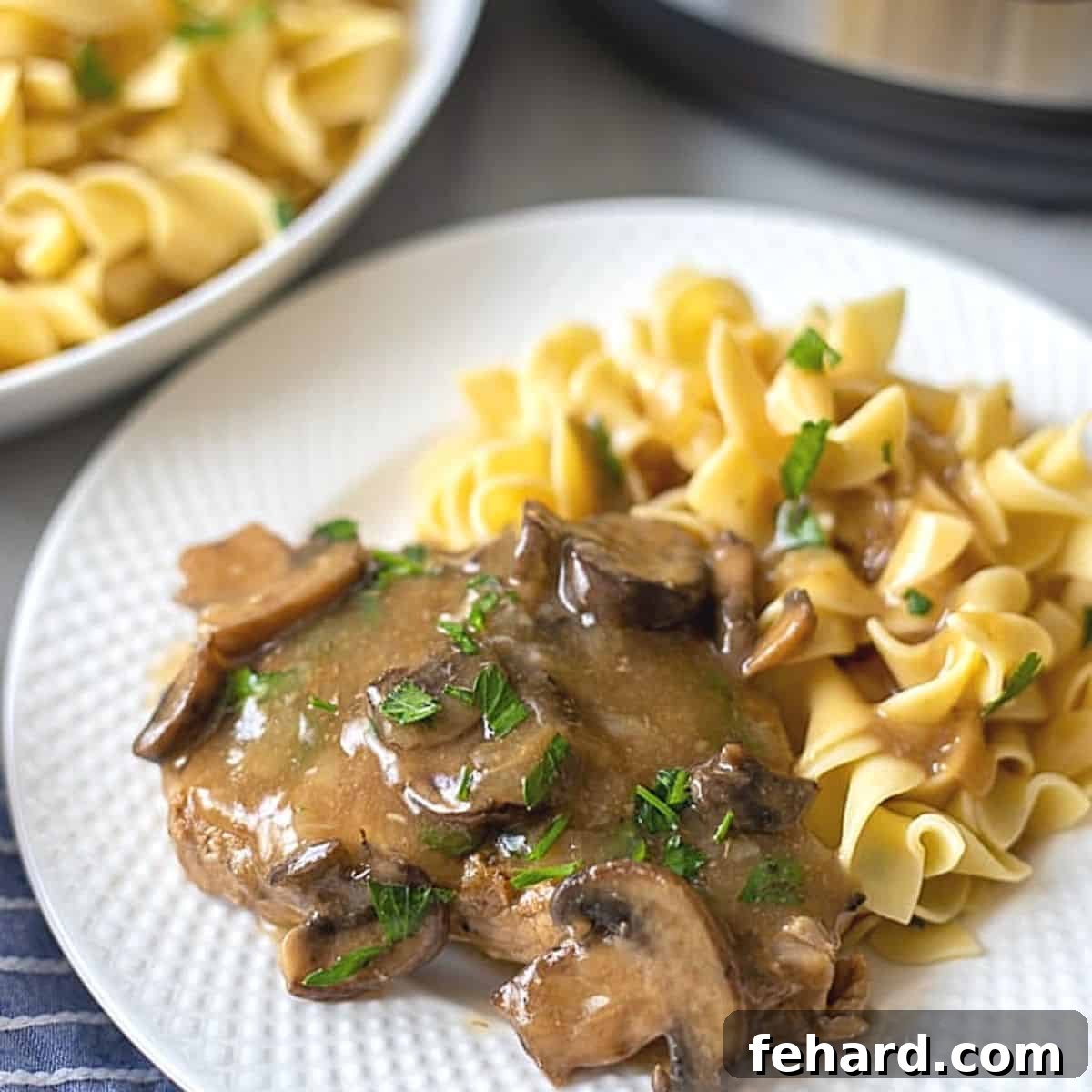
Instead, the proper technique is to thicken dishes after the pressure cooking process is complete. This method ensures both safety and optimal sauce consistency. For recipes like Instant Pot Creamy Mushroom Pork Chops, follow these steps:
- Once the pressure cooking cycle is finished and the pressure has been naturally or quick-released, open the Instant Pot.
- Prepare a “slurry” by thoroughly mixing equal parts of cornstarch or flour with cold water until smooth. This prevents lumps when added to hot liquid.
- Select the “Sauté” function on your Instant Pot (usually on a low or medium setting).
- While the liquid simmers, slowly whisk in the prepared slurry.
- Continue to simmer and whisk gently for a few minutes until the sauce has reached your desired thickness. The sauce will thicken considerably as it cools.
This post-pressure thickening method is key to achieving rich, smooth sauces without any risk of burning or separation.
Home Canning (Using Electric Pressure Cookers)
While traditional stove-top pressure canners are essential tools for safely preserving low-acid foods, it is critical to understand that electric multi-cookers like the Instant Pot are generally NOT recommended for home canning, especially for low-acid foods. There is substantial evidence and consensus among food safety experts and organizations (like the USDA) that electric pressure cookers do not consistently reach and maintain the necessary temperatures and pressures required to effectively kill harmful bacteria, such as Clostridium botulinum, which causes botulism.
The internal temperature and pressure gauges on electric models are often not calibrated to the precise standards of tested pressure canners, and their heating elements may not sustain the required levels for the duration needed for safe canning. Attempting to can low-acid foods (like most vegetables, meats, and soups) in an Instant Pot puts you and your family at a serious risk of foodborne illness. For high-acid foods (like jams, jellies, and pickles), a simple water bath canner is sufficient, but again, the Instant Pot is not designed or approved as a safe water bath canner either due to inconsistent temperatures and lack of proper seal to gauge water levels.
In my professional opinion, when it comes to home canning, the potential health risks far outweigh any perceived convenience. Always adhere to established, scientifically tested methods and use approved equipment for safe food preservation. It is simply not worth the risk to use an Instant Pot for canning purposes.
Bottom Line: Always remember that pressure cookers primarily work with moist heat, creating a steamy, enclosed environment. Any dish where your desired outcome includes a crispy crust, a dry and fluffy texture, or a significantly reduced and concentrated sauce, will generally not be achievable in the Instant Pot. For those textures, traditional cooking methods like baking, frying, or grilling will yield far superior results.
By understanding and respecting these limitations, you’ll be well on your way to becoming an Instant Pot pro, confidently choosing the right appliance for every culinary task and enjoying delicious, perfectly cooked meals without unnecessary frustration. Happy cooking!
This post was originally published in 2018 but updated with a new video and expanded content in 2020 and further revised for comprehensive detail in 2023.