
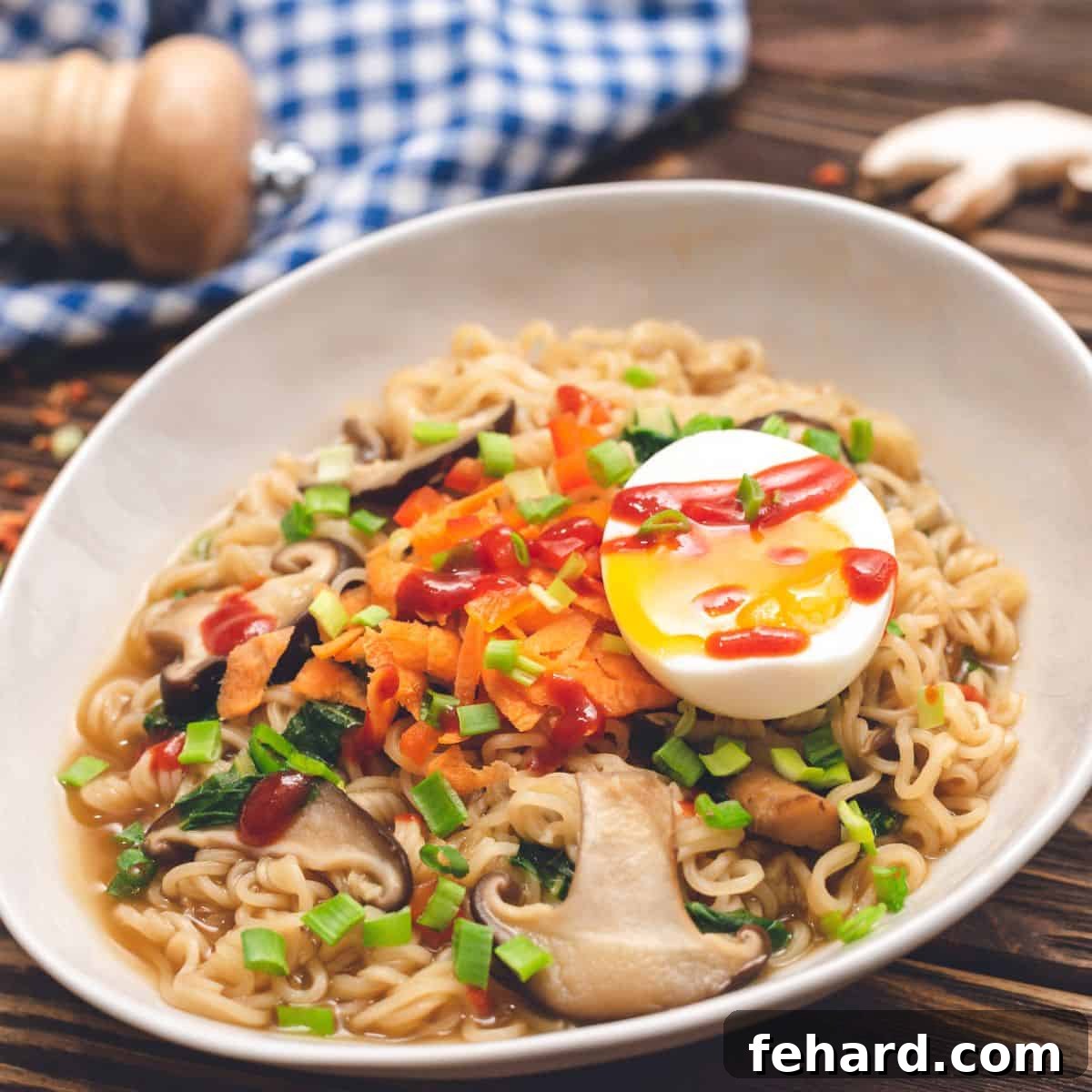
Tired of bland, high-sodium instant noodle packets? It’s time to elevate your culinary game with this incredibly easy and utterly delicious recipe for Homemade Ramen Soup! Forget everything you thought you knew about quick meals; this recipe proves that a deeply flavorful, wholesome bowl of ramen can be on your table in under 30 minutes. Made with a rich, aromatic broth, an assortment of crisp-tender vegetables, and satisfying ramen noodles, this Homemade Ramen not only tastes infinitely better than its store-bought counterparts but is also significantly better for your health.
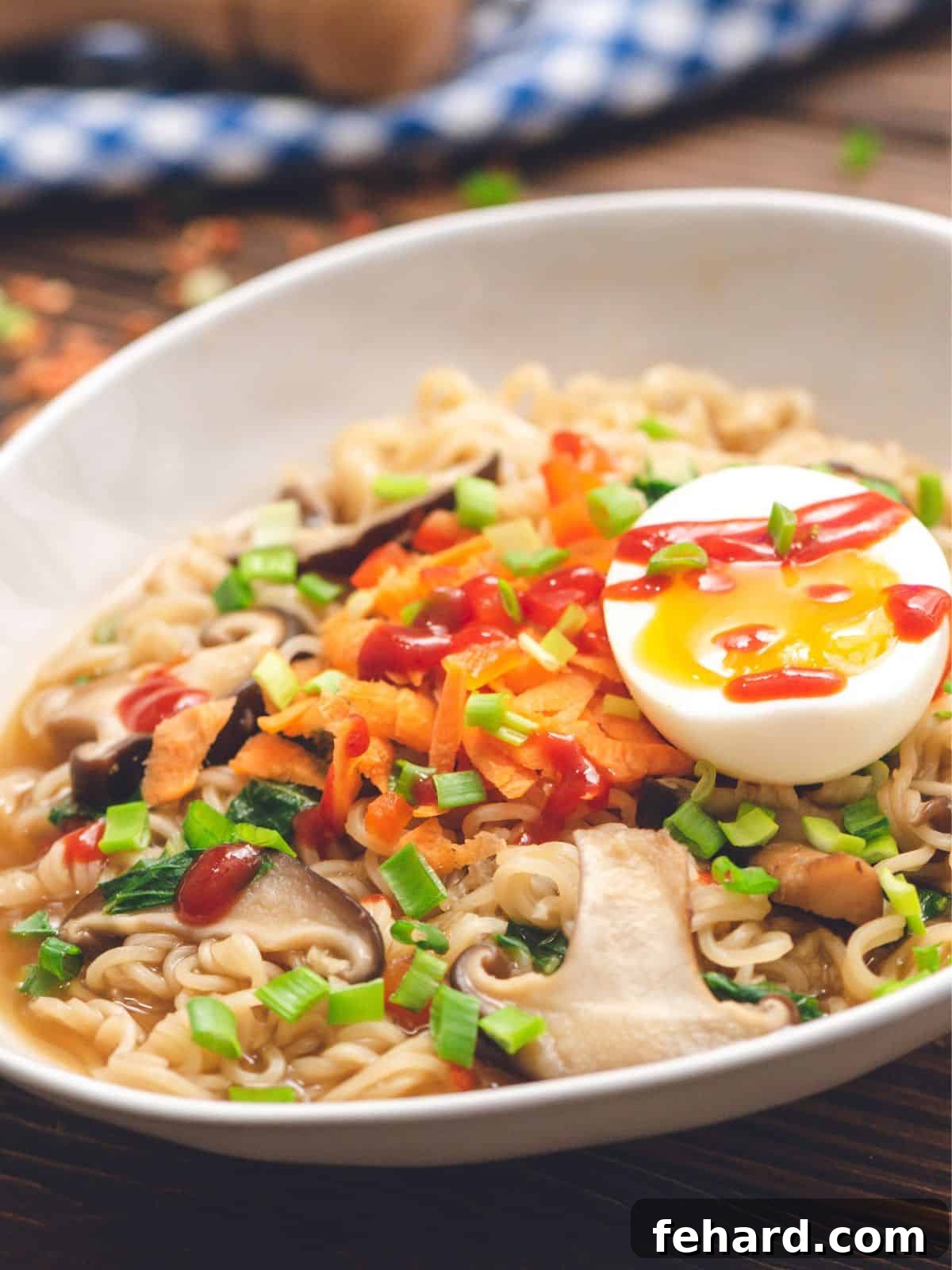
Many of us have fond (or not-so-fond) memories of surviving on instant ramen during college days – a quick, cheap fix that satisfied a hunger pang in minutes. While those packets offered convenience, they often came loaded with sodium, artificial flavors, and preservatives. But what if you could recreate that comforting experience with a fresh, vibrant, and genuinely healthy twist? Just as I’ve embraced making homemade egg rolls and spring rolls, I’ve discovered the joy and simplicity of crafting Homemade Ramen. This version maintains the speed and ease you crave, yet surpasses instant packets a hundredfold in both flavor complexity and nutritional value. Prepare to fall in love with this incredible ramen recipe!
Reasons To Choose Homemade Ramen Over Instant
Opting to make ramen from scratch offers a multitude of benefits that transcend simple convenience. Here’s why this homemade ramen recipe will become a staple in your kitchen:
- Unmatched Quality Control. Instant ramen seasoning packets are notoriously high in sodium, often contain a cocktail of artificial preservatives, and frequently include MSG. When you make ramen at home, you take full control of every ingredient. This means saying goodbye to unwanted additives and hello to a meal made with wholesome, natural components, allowing you to tailor sodium levels and avoid artificial flavors entirely.
- Surprisingly Quick and Effortless. Despite its gourmet taste, this Homemade Ramen Soup comes together in less than 30 minutes. With just a few key ingredients carefully selected to develop a rich, complex flavor, the hands-on prep time is minimal. While a few minutes longer than boiling water for a packet, this homemade rendition offers a culinary experience that rivals traditional Japanese ramen or a dish from an expensive ramen bar, all from the comfort of your kitchen. It’s perfect for busy weeknights when you crave something special.
- Bursting with Fresh Flavors and Nutrients. This isn’t just a meal; it’s a bowl of vibrant health. Our homemade ramen is packed with the invigorating zest of fresh ginger, the pungent warmth of garlic, and an array of crisp vegetables. These fresh ingredients aren’t just for flavor; they infuse your soup with essential vitamins, minerals, and antioxidants, creating a nourishing and incredibly delicious meal that supports your well-being.
- Deeply Soul-Satisfying Comfort Food. There’s something inherently comforting about a steaming bowl of ramen. The rich, savory broth and hearty noodles create a feeling of warmth and contentment, much like a bowl of classic chicken soup. Beyond emotional comfort, the fresh garlic and ginger in this ramen are known for their beneficial properties, potentially aiding in clearing congestion and boosting immunity, making it an ideal meal when you need a pick-me-up.
- Infinitely Customizable to Your Taste. One of the greatest advantages of homemade ramen is its versatility. This recipe serves as a fantastic base for endless customization. You can easily adapt it to suit your preferences: add your favorite seasonal vegetables, incorporate proteins like shredded chicken, succulent grilled shrimp, tender pork belly, or even firm tofu for a vegetarian option. You can also experiment with different broths, swapping vegetable broth for chicken stock, rich beef broth, or intensely flavored mushroom broth to create your perfect bowl.
Essential Ingredients for Your Homemade Ramen
Crafting exceptional ramen begins with quality ingredients. Here’s a detailed look at what you’ll need to create this fantastic soup:
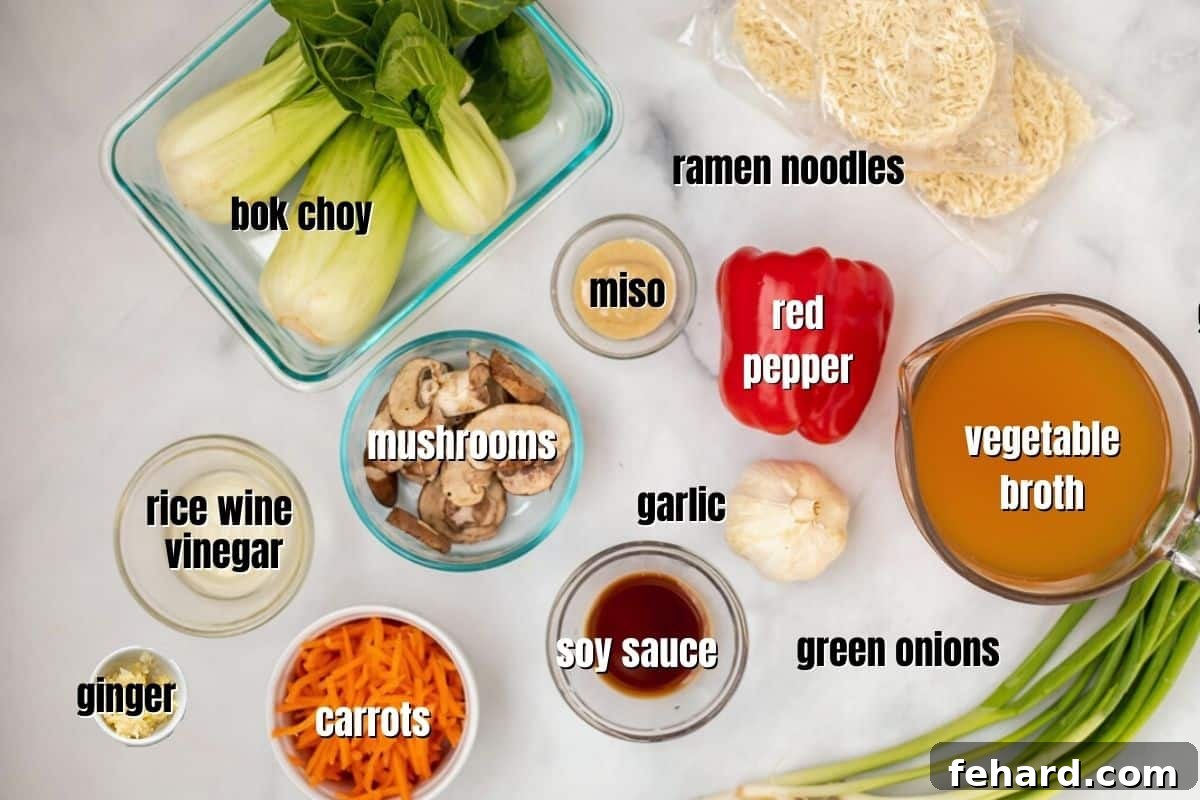
- Broth: The foundation of your ramen! You can use mushroom, vegetable, or chicken broth. Mushroom broth offers a deep umami flavor but can be pricier and harder to find. I often opt for homemade vegetable broth for its fresh taste and ability to control sodium. Using a low-sodium variety of any broth is highly recommended to manage the overall saltiness of the soup.
- Ginger: Crucial for that distinctive, warming ramen flavor. Always use peeled, grated fresh gingerroot. Dried ginger powder will not provide the same bright, pungent essence. For convenience, you can store peeled gingerroot in the freezer and grate it directly from frozen when needed.
- Vinegar: Rice wine vinegar or mirin (Japanese sweet rice wine) are ideal. They add a subtle tang and depth that balances the savory notes of the broth. If using mirin, be mindful of its sweetness and adjust other seasonings if necessary.
- Miso Paste: A game-changer for umami. Miso paste, made from fermented soybeans, contributes a rich, complex, and savory depth to the broth. White miso (shiro miso) is typically lighter and sweeter, perfect for this recipe. If you don’t have miso on hand, you might want to add a bit more soy sauce to help replicate that savory umami flavor.
- Mushrooms: Shiitake mushrooms are fantastic for their earthy flavor and meaty texture. However, baby portabella (cremini) mushrooms or oyster mushrooms make excellent, readily available substitutes, adding wonderful texture and flavor to the soup. Enoki mushrooms can also be added for a delicate touch.
- Greens: The tender tops of bok choy are ideal for this ramen recipe, wilting beautifully while retaining a slight crunch. Alternatively, you can use thinly sliced napa cabbage, fresh spinach, or kale. Feel free to omit the greens if they’re not to your preference, but they add vital nutrients and freshness.
- Ramen Noodles: For convenience and texture, use packaged ramen noodles (not the instant kind with flavor packets) or fresh refrigerated ramen noodles. Always discard any accompanying flavor packets; we’re creating our own rich broth! Various types exist, from thin straight noodles to wavy ones; choose your favorite.
- Toppings: This is where you can truly personalize your ramen! I highly recommend including a variety of textures and flavors. Great options include something crunchy like shredded carrots or bean sprouts, something creamy like a perfectly soft-boiled egg or a drizzle of sesame oil, and something spicy like Sriracha or chili oil. Other excellent additions are diced green onions for freshness, diced red peppers for color and a slight crunch, pickled radishes for a tangy bite, and/or crumbled dried seaweed (nori) for an extra layer of umami.
Step-by-Step: Crafting Your Perfect Homemade Ramen Soup
Creating this delicious homemade ramen is a straightforward process. Follow these tips to ensure perfect results and an incredibly flavorful bowl. You’ll find all specific ingredient quantities and detailed instructions in the comprehensive recipe card located at the bottom of this post.
Step 1: Build and Simmer Your Flavorful Broth
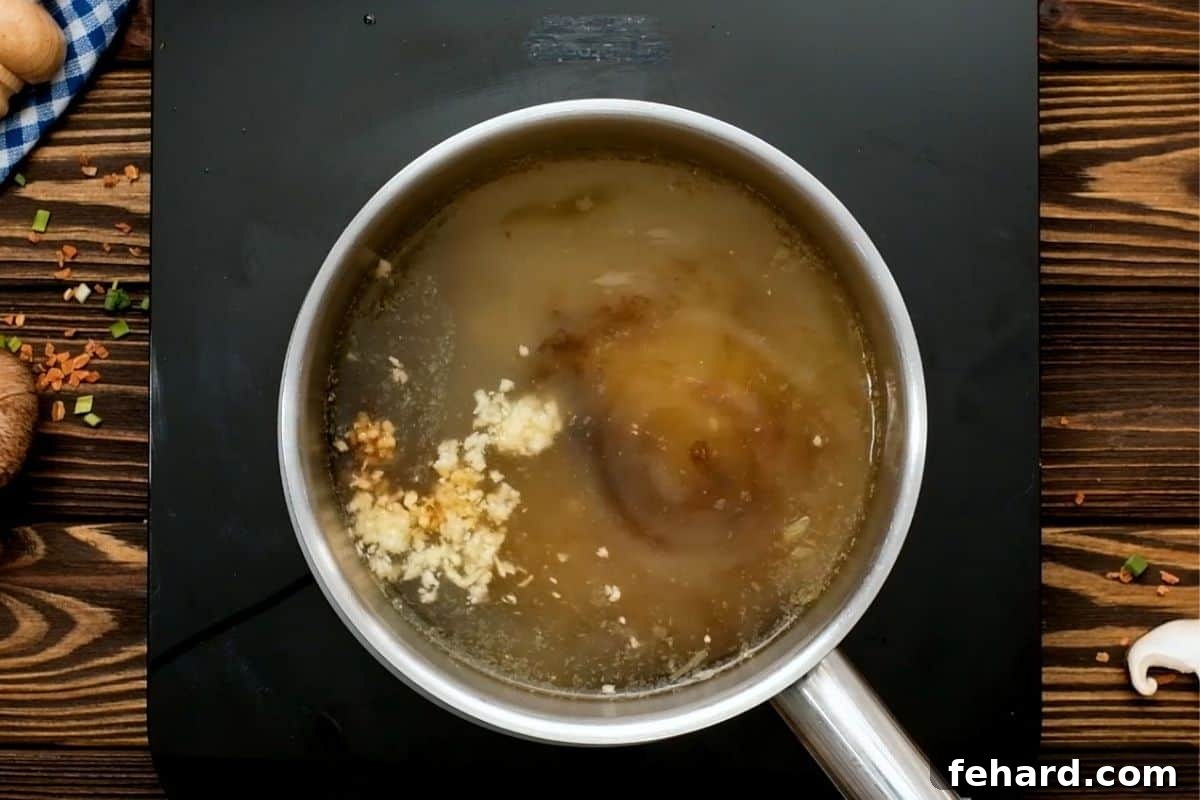
The secret to a truly rich and nuanced ramen lies in developing a deep, aromatic broth. Combine your chosen broth (mushroom, vegetable, or chicken) with minced garlic, grated fresh ginger, soy sauce, rice wine vinegar, and the optional but highly recommended miso paste. Bring this mixture to a gentle boil, then reduce the heat to a steady simmer. Allow it to simmer for at least 10 minutes. This crucial step allows all the aromatics and seasonings to meld and infuse, creating a complex and savory base that is the heart of your ramen.
Step 2: Enhance with Vegetables for Flavor and Texture
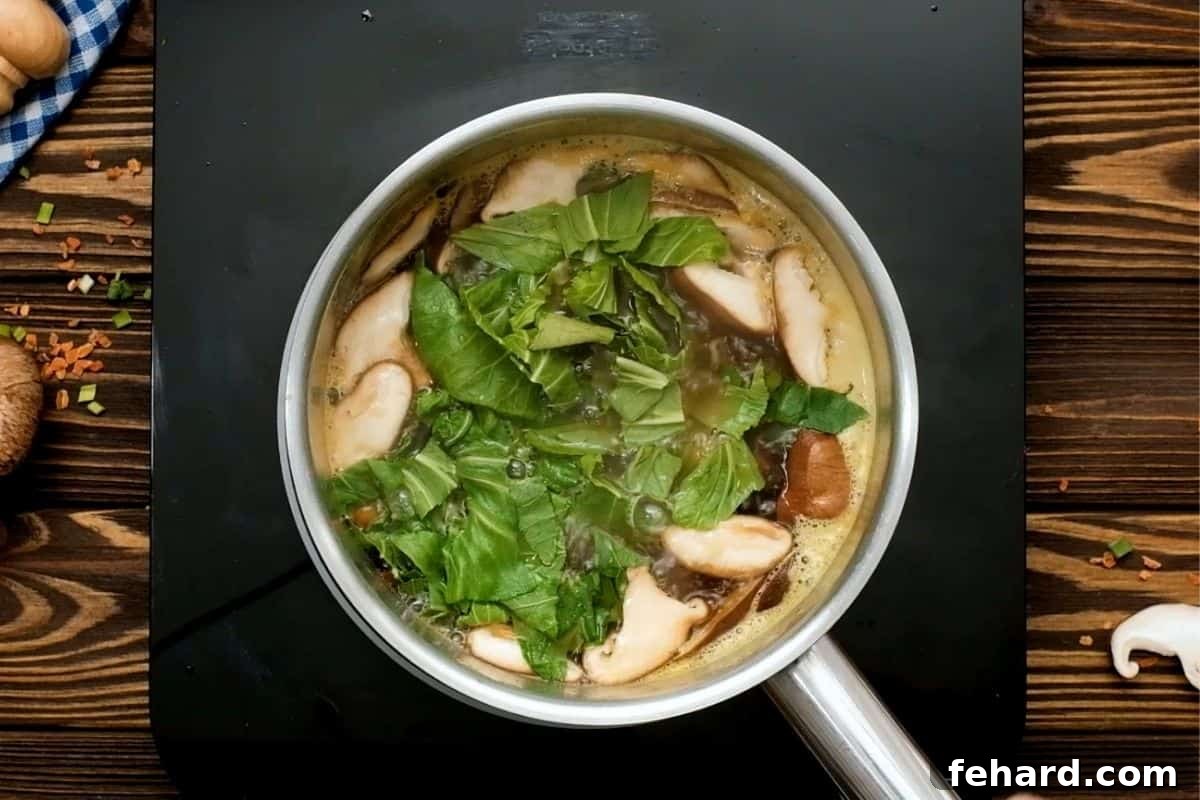
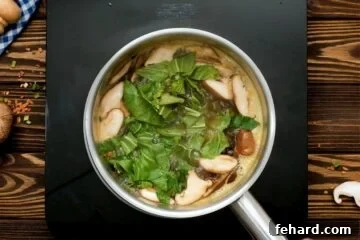
While optional, adding fresh vegetables is an excellent way to significantly boost both the nutrient content and the overall flavor profile of your ramen. After your broth has simmered and developed its rich taste, introduce your vegetables of choice. For this recipe, we recommend shiitake mushrooms, red bell pepper, and bok choy greens. Continue to simmer until the vegetables are just crisp-tender. The exact cooking time will vary depending on the type and cut of vegetables you add, typically ranging between 5 to 10 minutes. Aim for a slight bite rather than overcooked softness to maintain their vibrant texture and taste.
Step 3: Cook the Ramen Noodles to Perfection
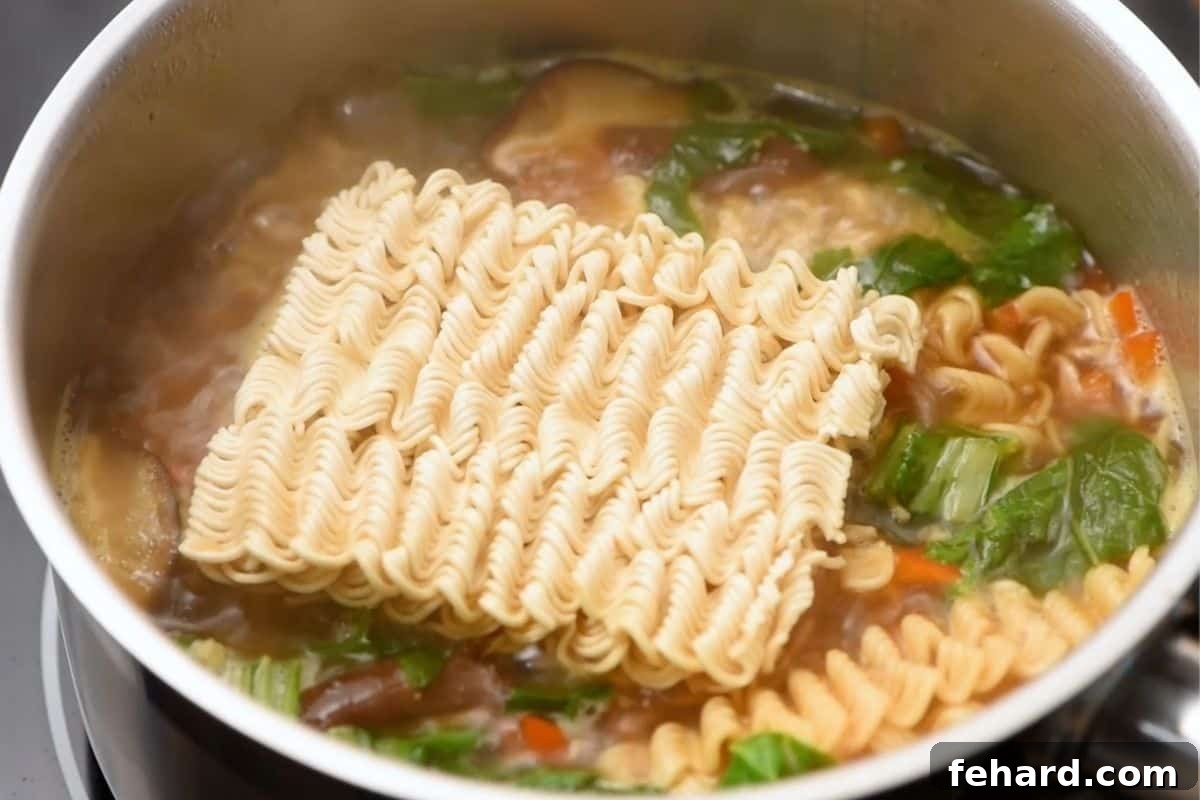
Once your flavorful broth and tender-crisp vegetables are ready, it’s time to add the star of the show: the ramen noodles. Carefully add the noodles to the simmering broth. It’s crucial to follow the package directions precisely for cooking time, as there is a wide variety of ramen noodles on the market, each with specific instructions. Typically, ramen noodles cook very quickly, often within 2 to 3 minutes. Overcooking them will result in a mushy texture, so keep a close eye on them to ensure they are perfectly al dente.
Step 4: Garnish and Serve with Creative Toppings
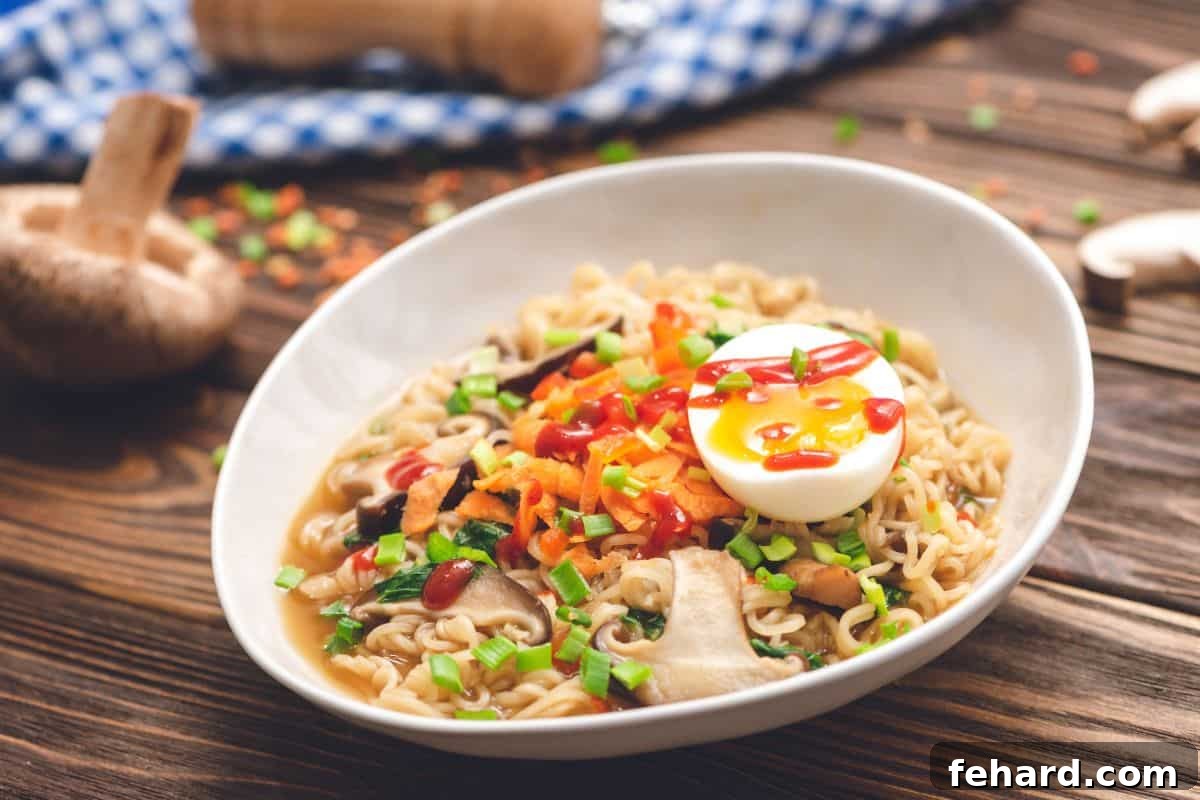
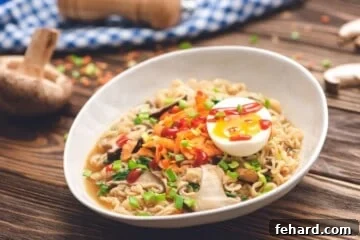
The final touch that elevates your homemade ramen from delicious to extraordinary is the thoughtful addition of toppings. Once the noodles are cooked, ladle the hot ramen into individual serving bowls. Then, get creative with your garnishes! For the best ramen experience, I highly recommend incorporating a balance of textures and flavors: something crunchy like finely shredded raw carrots, a creamy element such as a perfectly cooked soft-boiled egg halved, and a spicy kick from a drizzle of your favorite hot sauce like Sriracha or a dash of chili oil. Fresh green onions and dried seaweed strips are also fantastic additions that add both visual appeal and an extra layer of flavor. Arrange them artfully to make each bowl a feast for the eyes as well as the palate.
Creative Recipe Modifications & Tips
This homemade ramen recipe is incredibly flexible, allowing you to adapt it to your preferences, dietary needs, or whatever ingredients you have on hand. Here are some ideas to inspire your culinary creativity:
- Adding Protein: To transform your ramen into a heartier, more substantial meal, incorporate your favorite cooked protein. Add cooked shredded chicken, quick-cooking shrimp, or diced pieces of flavorful cooked pork chops or pork belly along with the noodles. This ensures the meat warms through beautifully without overcooking. For a plant-based protein, pan-fried or baked tofu cubes work wonderfully.
- Controlling Sodium Levels: For those monitoring their sodium intake, I strongly recommend using low-sodium broth and low-sodium soy sauce. These adjustments will significantly help control the overall saltiness of your ramen without sacrificing flavor, allowing the natural tastes of the fresh ingredients to shine.
- Boosting Broth-to-Noodle Ratio: If you prefer a soupier ramen, one with a more generous broth-to-noodle ratio, feel free to double the quantities of broth, soy sauce, miso paste (if using), garlic, and ginger. This will yield a richer, more abundant broth, perfect for slurping.
- Vegetarian & Vegan Options: This recipe is easily adaptable for vegetarian and vegan diets. Simply ensure you use vegetable or mushroom broth and, if including miso, verify it’s a vegan variety (most are, but always check labels). For toppings, omit the soft-boiled egg and opt for tofu, tempeh, or additional vegetables.
- Adjusting Spice Level: For those who love a kick, increase the amount of Sriracha or chili oil added at the end. You can also infuse a bit of heat into the broth by adding a pinch of red pepper flakes during the simmering process, or a teaspoon of chili garlic sauce.
- Exploring Other Vegetables: Don’t limit yourself to the suggested vegetables. Try adding thinly sliced carrots, corn kernels, bamboo shoots, bean sprouts, or thinly sliced bell peppers for added crunch, color, and nutrients.
Storage and Reheating for Best Results
If you’re making a larger batch or anticipate leftovers, proper storage is key to maintaining the quality of your homemade ramen:
- Storing Leftovers: For optimal freshness and to prevent the noodles from becoming mushy, store leftover ramen broth and noodles separately if possible. Keep the broth in an airtight container in the refrigerator for up to 3 days. Store any cooked noodles and toppings in separate airtight containers in the refrigerator for the same duration.
- Reheating: When ready to enjoy, gently reheat the broth on the stovetop until simmering. Add the cooked noodles to the hot broth for just a minute or two to warm through, or cook fresh noodles if preferred. Then, assemble with your desired toppings. This method ensures the noodles retain their ideal texture and the overall dish tastes as fresh as when it was first made.
Frequently Asked Questions About Homemade Ramen
Here are answers to some common questions you might have when making your homemade ramen:
- What kind of ramen noodles should I use?
You have a few options! You can use packaged dried ramen noodles (just discard the flavor packet), fresh refrigerated ramen noodles found in the refrigerated section of Asian markets or larger grocery stores, or even dry Japanese ramen noodles that are thicker and chewier. The key is to avoid the instant seasoning packets and follow cooking instructions for the noodles specifically.
- Can I make the broth ahead of time?
Absolutely! The broth can be prepared a day or two in advance and stored in an airtight container in the refrigerator. This allows the flavors to deepen even further and makes assembly on a busy weeknight incredibly fast.
- Is homemade ramen healthy?
Compared to instant ramen packets, homemade ramen is significantly healthier. By controlling the ingredients, you can reduce sodium, avoid artificial additives, and load it with fresh vegetables and lean proteins. This recipe emphasizes fresh, wholesome ingredients, making it a nutritious and satisfying meal.
- What if I don’t have miso paste?
Miso paste adds a wonderful umami depth, but if you don’t have it, you can still make delicious ramen. Increase the amount of soy sauce slightly, or consider adding a dash of mushroom powder or a splash of Worcestershire sauce (if not strictly vegetarian) for an extra layer of savory flavor.
More Delightful Homemade Asian-Inspired Recipes
If you enjoyed crafting this homemade ramen, you’ll love exploring these other easy and flavorful Asian-American dishes from scratch:
- Homemade Orange Chicken
- Easy Thai Noodles
- Moo Goo Gai Pan
- Vegetable Fried Rice
- Spring Rolls
- Shrimp Lo Mein
- Hunan Chicken
If you tried this incredible recipe for Homemade Ramen, I would be thrilled for you to leave a comment and review below, sharing your experience and any creative twists you added!
Easy Homemade Ramen
Kristen Chidsey
4
10 minutes
20 minutes
30 minutes
Rate
Ingredients
- 4 cups reduced-sodium mushroom, chicken, or vegetable broth
- 3 cloves garlic, minced
- 2 teaspoons peeled, grated fresh ginger root
- 1 tablespoon soy sauce
- 1 tablespoon rice wine vinegar
- 1 tablespoon white miso paste, optional
- ½ cup shiitake mushrooms, sliced
- 2 tablespoons red pepper, minced
- 2 cups bok choy greens, thinly sliced
- 9 ounces ramen noodles, about 3 packages
Toppings for Ramen
- 4 soft boiled eggs
- 1 large carrot, grated
- 2 green onions, chopped
- 1 small red pepper, diced
- Sriracha
- Dried Seaweed, optional
Instructions
-
Pour 4 cups reduced-sodium mushroom, chicken, or vegetable broth into a large saucepan. Add in 3 cloves minced garlic, 2 teaspoons peeled, grated fresh ginger root, 1 tablespoon soy sauce, and 1 tablespoon rice wine vinegar. Include 1 tablespoon white miso paste if using. Bring the broth to a boil, then reduce to a simmer and allow to infuse for 10 minutes.

-
Once simmering, add ½ cup sliced shiitake mushrooms, 2 tablespoons minced red pepper, and 2 cups thinly sliced bok choy greens into the broth. Simmer for 7-10 minutes, or until the greens are wilted and vegetables are crisp-tender.
-
Add in 9 ounces packaged ramen noodles (remember to discard any seasoning packets). Cook the noodles according to their package directions, which typically takes 2-3 minutes.
-
Ladle the cooked ramen into individual serving bowls. Top your ramen generously with desired garnishes such as soft-boiled eggs, green onions, shredded carrots, and a drizzle of Sriracha. Serve immediately and enjoy!


Equipment
-
Large Saucepan (a good quality saucepan will last for years and provide even heating)
Notes
Cabbage: Feel free to use thinly sliced napa cabbage or savoy cabbage in place of bok choy greens for a similar texture and flavor profile.
Ginger: For the best flavor and health benefits, only freshly grated ginger root is recommended. Ground ginger powder will not yield the same aromatic results.
Adding Meat: To create a more substantial and heartier ramen, incorporate cooked and shredded chicken, tender shrimp, or diced cooked pork chops along with the noodles. This ensures the protein is heated through without overcooking.
Lower-Sodium: To effectively control the sodium content of this ramen, it’s highly recommended to use both low-sodium broth and low-sodium soy sauce.
More Broth: If you prefer a soupier ramen with a higher broth-to-noodle ratio, simply double the quantities of broth, soy sauce, miso paste, garlic, and ginger.
Leftovers: Any leftover ramen soup can be stored in an airtight container in the refrigerator for up to 3 days. For best texture, store broth and noodles separately if possible. Reheat gently and top with fresh garnishes as desired.
Nutrition
Carbohydrates: 33g
Protein: 8g
Fat: 2g
Sodium: 1265mg
Potassium: 151mg
Fiber: 2g
Sugar: 3g
Vitamin A: 2065IU
Vitamin C: 16.4mg
Calcium: 59mg
Iron: 3.1mg
Nutrition information is automatically calculated, so should only be used as an approximation.