
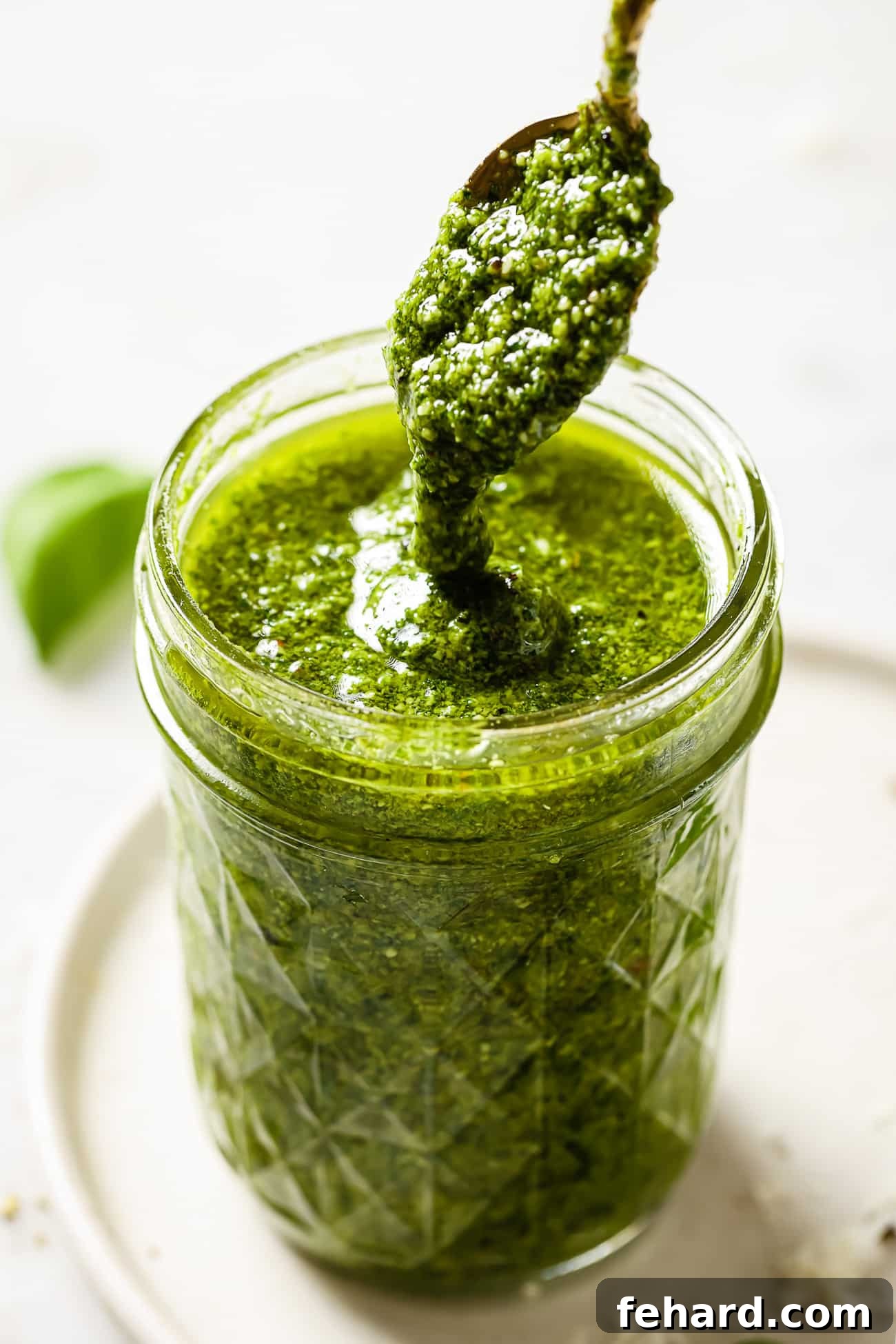
Unlock the vibrant flavors of the Mediterranean with this incredibly easy and authentic homemade basil pesto recipe. Forget about bland store-bought jars; with just five simple ingredients, you can create a fresh, aromatic pesto bursting with natural goodness that will elevate any meal. This culinary staple is quick to prepare, incredibly versatile, and promises a taste of sunshine in every bite.
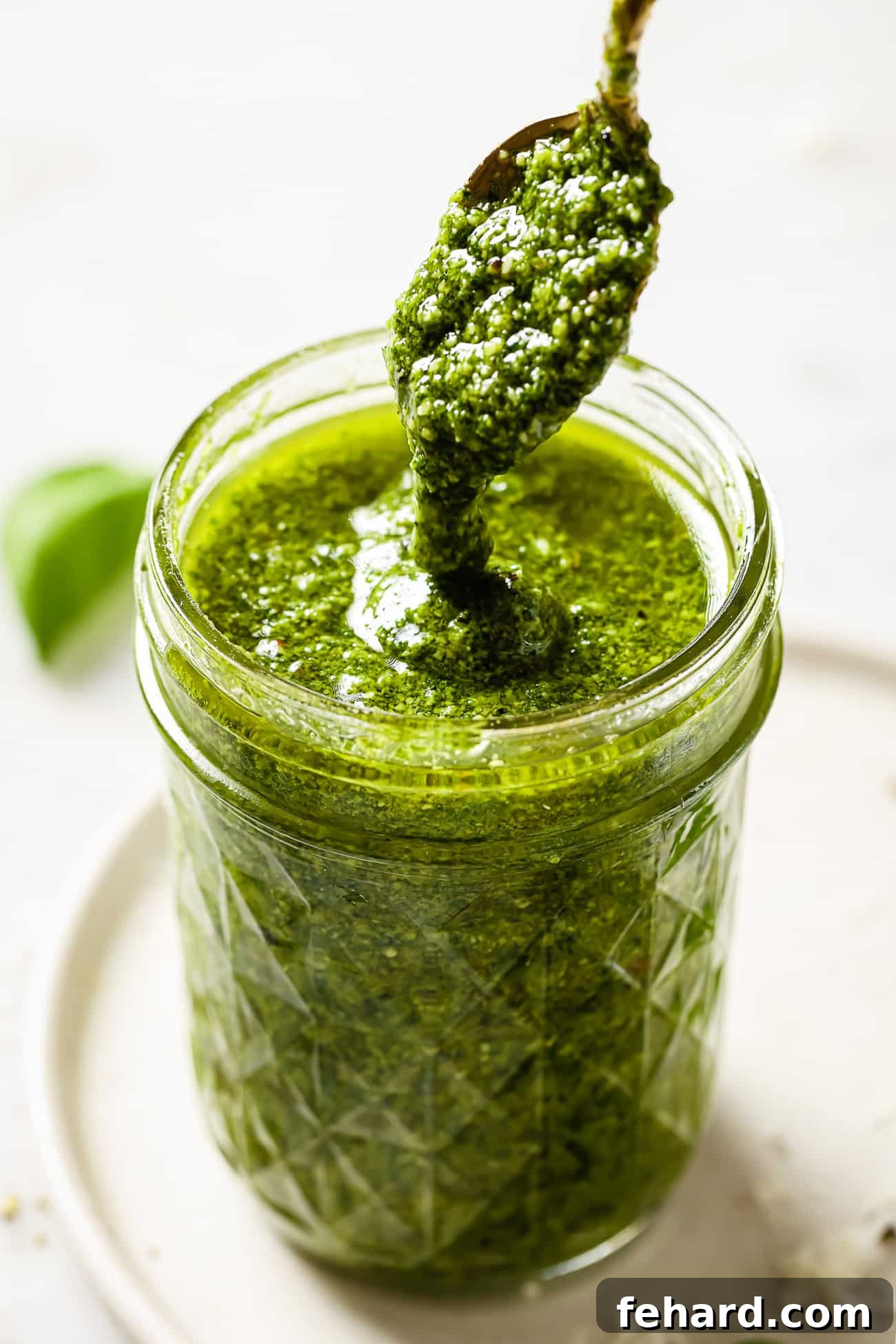
Every home cook deserves a reliable homemade pesto recipe in their culinary arsenal. It’s more than just a sauce; it’s a testament to how simple, quality ingredients can transform a dish. During warmer months, this fresh basil pesto becomes my ultimate kitchen MVP. My entire family, from my husband to my son, shares my deep affection for its rich, herbaceous profile, which means I’m constantly whipping up new batches!
The beauty of this pesto lies in its versatility. We love nothing more than tossing it generously with our favorite pasta – classic spaghetti, penne, or even hearty cheese tortellini for an extra layer of indulgence. Beyond pasta, it’s a fantastic secret weapon for weeknight dinners. A simple drizzle over perfectly baked chicken breast and an assortment of roasted vegetables transforms a basic meal into a flavorful feast in under 20 minutes. It’s a lifesaver when you need something quick, delicious, and packed with wholesome goodness.
What truly sets this homemade basil pesto apart is the unparalleled freshness of its ingredients. The vibrant aroma and robust flavor you achieve from using fresh basil, quality cheese, and aromatic garlic simply cannot be replicated by anything you’ll find on a grocery store shelf. Just like my cherished homemade tomato sauce or lightning-fast 1-minute mayonnaise, making pesto from scratch guarantees a superior taste experience that makes every meal special.
The Magic Behind Homemade Basil Pesto
Pesto, derived from the Italian word “pestare,” meaning to crush or pound, traditionally refers to a sauce made by pounding ingredients with a mortar and pestle. While modern food processors make the process quicker, the essence remains the same: combining a few potent ingredients to create a highly aromatic and deeply flavorful sauce. The magic truly happens when these fresh components meld together, releasing their distinct characteristics to form a harmonious symphony of taste. This homemade version celebrates that tradition, focusing on the quality and freshness that define classic Italian cuisine.
Essential Ingredients for the Perfect Pesto
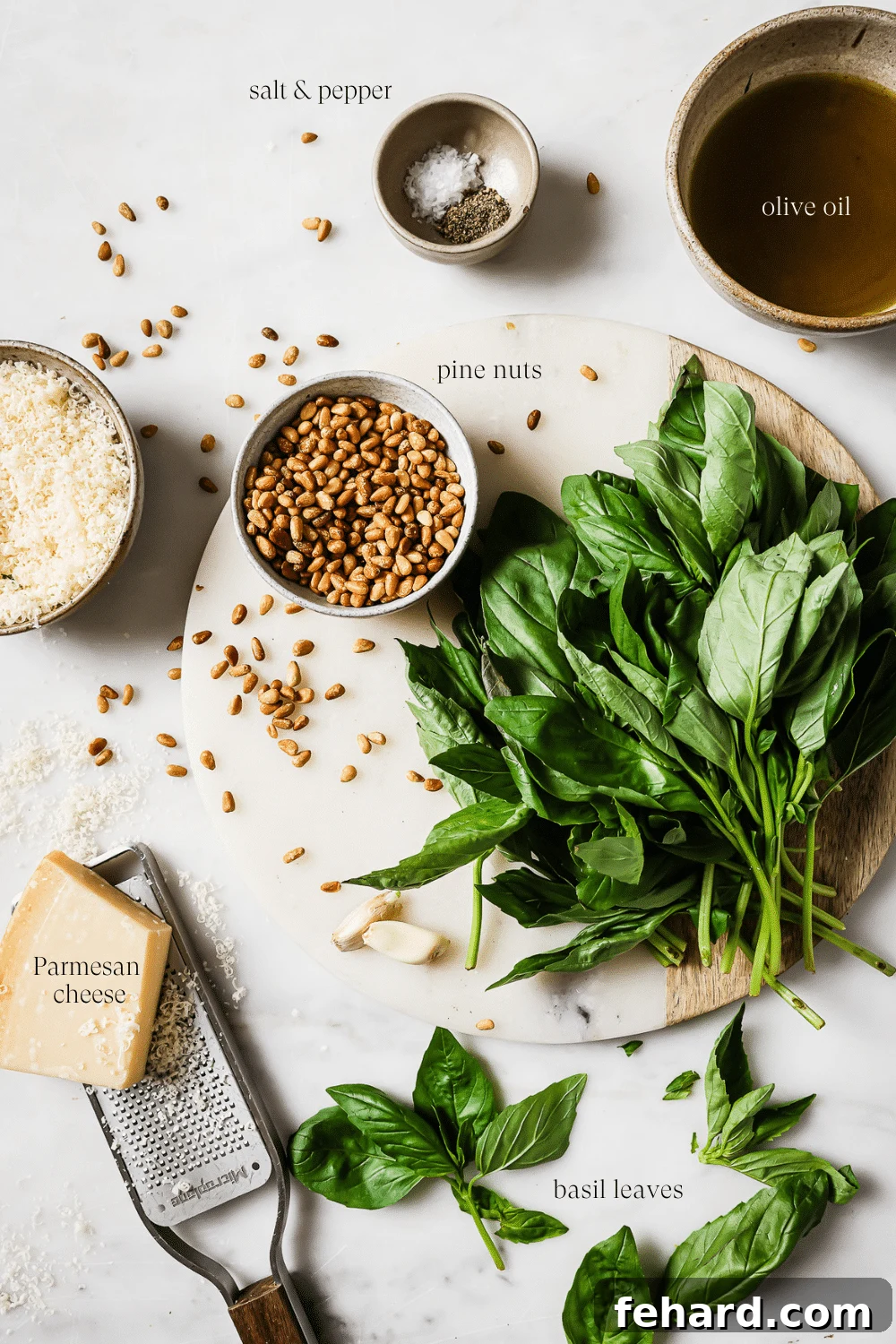
Creating an exceptional basil pesto starts with selecting the right ingredients. Each component plays a crucial role in developing the signature flavor, texture, and aroma that make this sauce so beloved. Here’s a closer look at what you’ll need to craft your culinary masterpiece:
Fresh Basil Leaves: The Heart of Your Pesto
The star of the show, fresh basil leaves, are non-negotiable for an authentic pesto. Look for leaves that are bright green, plump, and free from any browning, wilting, or dark spots, indicating peak freshness. The vibrant, sweet, and peppery notes of fresh basil are what give pesto its distinctive character. When purchasing, opt for organic basil if possible, as you’ll be using a substantial quantity. This recipe is also a brilliant way to incorporate extra greens and herbs into your diet; feel free to experiment by mixing in other fresh herbs like parsley or cilantro, or even leafy greens such as arugula and spinach for subtle variations in flavor and color. Always wash and thoroughly dry your basil before use to prevent diluting the pesto’s flavor.
Parmesan or Pecorino Romano Cheese: The Savory Foundation
For the best basil pesto, freshly grated hard Italian cheese is paramount. I highly recommend using a block of high-quality Parmesan (Parmigiano-Reggiano) or Pecorino Romano cheese and grating it yourself just before making the pesto. These cheeses offer a rich, salty, and nutty flavor profile that perfectly balances the fresh basil and garlic. Pre-grated, packaged cheeses often contain anti-caking agents that can interfere with the pesto’s texture and can also taste drier and less flavorful. The rich umami from freshly grated cheese truly elevates the overall depth of the pesto, providing that essential savory backbone.
Pine Nuts: The Creamy Crunch
Pine nuts (pignoli) contribute a delicate, buttery flavor and a subtle creaminess to the pesto, along with a pleasant textural element. While traditionally used, they can sometimes be a bit pricey or hard to find. If pine nuts are unavailable or you prefer an alternative, blanched almonds, cashews, or walnuts are excellent substitutes. Each offers a slightly different nuance: almonds provide a milder taste, cashews add more creaminess, and walnuts introduce a bolder, earthier flavor. For an enhanced depth of flavor, I always recommend lightly toasting the pine nuts (or your chosen alternative) in a dry pan for a few minutes until they become fragrant and lightly golden. This simple step unlocks their full aromatic potential.
Garlic: Aromatic Powerhouse
Garlic is an essential aromatic in pesto, providing a pungent, spicy kick that enlivens the entire sauce. I typically add two medium-sized cloves of fresh garlic, which I find strikes the perfect balance – enough to be noticeable without overpowering the delicate basil. However, taste preferences vary, so feel free to adjust the quantity to your liking. If you’re a true garlic lover, you might add an extra clove; if you prefer a milder taste, one clove might suffice. Always use fresh garlic cloves rather than pre-minced jarred garlic, as fresh garlic offers a superior, more vibrant flavor.
High-Quality Extra Virgin Olive Oil: The Binding Elixir
The extra virgin olive oil not only binds all the ingredients together but also plays a significant role in the pesto’s overall flavor. Because it’s a prominent ingredient, choose a high-quality extra virgin olive oil with a flavor you genuinely enjoy. A good olive oil will impart fruity, peppery, or slightly bitter notes that beautifully complement the other ingredients, while a low-quality oil can leave an undesirable aftertaste. The type of olive oil can drastically impact the final taste, so investing in a decent bottle is always worthwhile for an exceptional pesto.
Top Tip for a Citrusy Twist: For a bright, zesty note that cuts through the richness, try adding a splash of fresh lemon juice and a pinch of lemon zest to your pesto. This small but impactful addition can significantly elevate the flavor profile, introducing a delightful tang that beautifully complements the herbaceous basil and savory cheese.
Crafting Your Homemade Basil Pesto: Step-by-Step
Making fresh basil pesto is a remarkably straightforward process, transforming simple, fresh ingredients into a gourmet sauce in just minutes. With the aid of a food processor, you can achieve perfect results with minimal effort. Here’s a detailed guide to crafting your own vibrant, homemade pesto:
- Step 1: Prepare Your Ingredients. Begin by ensuring all your ingredients are ready. If you’ve opted to toast your pine nuts for extra flavor, do so now: place them in a dry skillet over medium heat for 2-3 minutes, stirring constantly until they are lightly golden and fragrant. Be vigilant, as they can burn quickly. Allow them to cool slightly before proceeding. Wash and thoroughly dry your fresh basil leaves.
- Step 2: Combine the Solids. Add the firmly packed fresh basil leaves, the toasted (or untoasted) pine nuts, the peeled garlic cloves, and the freshly grated Parmesan or Pecorino Romano cheese into the bowl of a food processor.
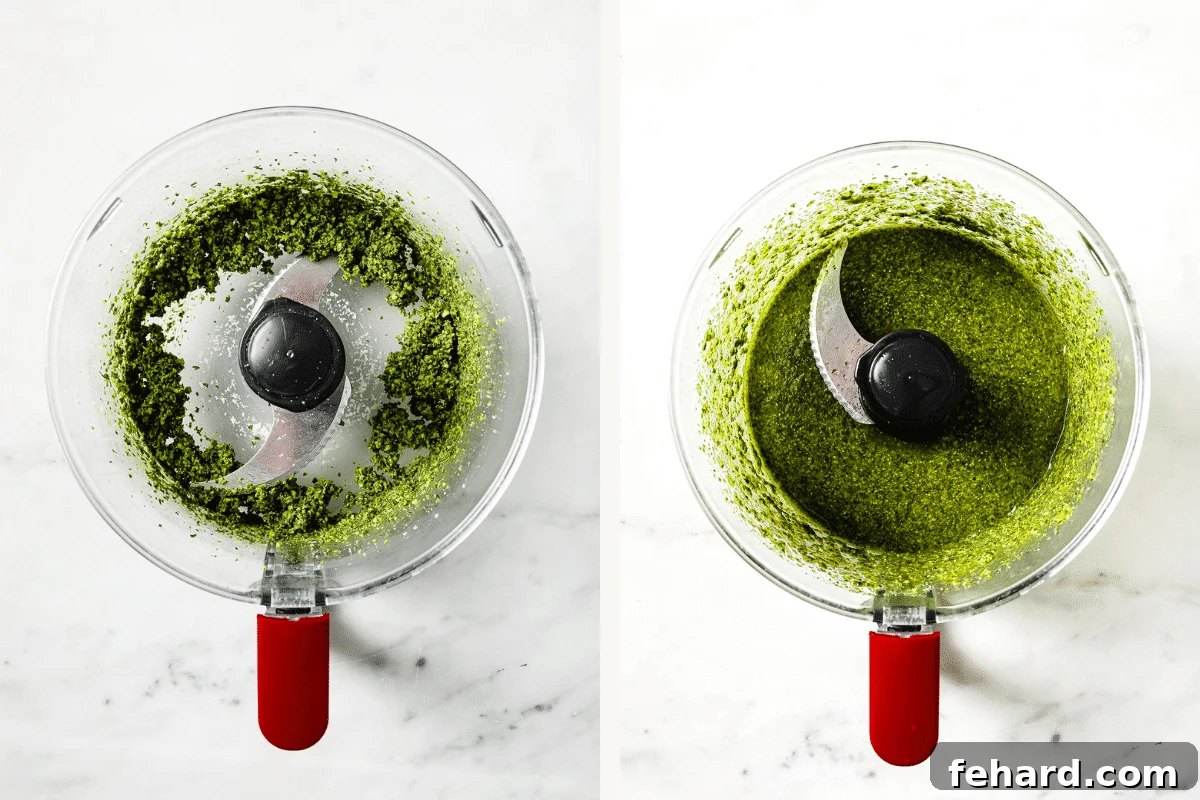
- Step 3: Initial Pulse. Secure the lid of your food processor and pulse the ingredients several times. This initial pulsing stage will finely chop the basil, nuts, and garlic, and combine them with the cheese, forming a coarse, fragrant paste. Pause periodically to scrape down the sides of the food processor bowl with a spatula, ensuring all components are evenly processed and no large chunks remain.
- Step 4: Slowly Incorporate Olive Oil. With the food processor running on a low or continuous setting, slowly and steadily stream in the extra virgin olive oil through the feed tube. This gradual addition is critical for properly emulsifying the sauce, preventing it from separating, and achieving a smooth, consistent texture. The oil should be added in a thin, continuous stream rather than all at once.
- Step 5: Process to Desired Consistency. Continue processing the mixture until the pesto is mostly smooth but still retains a slight, appealing texture. Avoid over-processing, which can make the pesto too pasty or even slightly bitter. You have full control over the final consistency: for a thinner, more pourable pesto (ideal for dressing pasta), add a little more olive oil, a tablespoon at a time, until desired consistency is reached. For a thicker, more spreadable pesto (perfect for sandwiches or crostini), use slightly less oil.
- Step 6: Season and Taste. Once your pesto has reached the desired consistency, stop the food processor. Taste the pesto and season generously with salt and freshly ground black pepper. Remember that Parmesan cheese is naturally salty, so add salt gradually to avoid over-seasoning. Pulse briefly one last time to thoroughly incorporate the seasonings. Your homemade basil pesto is now ready to enjoy!
Following these steps will ensure you create a vibrant, aromatic, and delicious pesto that far surpasses any store-bought alternative, ready to elevate your culinary creations with its fresh, authentic flavor.
Expert Pesto-Making Tips for Success
- Accurate Basil Measurement: For consistent results and a truly basil-forward flavor, always pack your fresh basil leaves firmly into the measuring cup. This method eliminates air pockets and ensures you get an accurate volume, guaranteeing the herbaceous intensity your pesto deserves.
- The Superiority of Freshly Grated Cheese: This tip cannot be stressed enough: use freshly grated Parmesan or Pecorino Romano cheese. Pre-grated, packaged cheeses often contain cellulose or other anti-caking agents that can give your pesto a gritty texture and a less authentic flavor. Freshly grated cheese melts seamlessly and contributes a far richer, more complex taste.
- Unlock Flavor by Toasting Pine Nuts: Elevate the nuttiness of your pesto by lightly toasting the pine nuts. A quick stint in a dry skillet over medium heat for 2-3 minutes, stirring constantly until fragrant and slightly golden, brings out their essential oils and deepens their flavor. This simple step adds another layer of complexity to your sauce.
- Ensure Even Blending: During the food processing, ingredients can stick to the sides of the bowl. Periodically pause your food processor and use a rubber spatula to scrape down the sides, pushing any clinging ingredients back towards the blades. This ensures all components are thoroughly incorporated and you achieve a uniform, smooth consistency.
- Preventing Pesto Oxidation: Fresh pesto is prone to oxidizing and turning brown when exposed to air, losing its vibrant green color. To maintain its fresh appearance, transfer your finished pesto to an airtight container and drizzle a thin, protective layer of extra virgin olive oil over the surface before sealing. This creates an effective barrier against oxygen.
- Customize Consistency: The amount of olive oil used directly influences your pesto’s consistency. For a thinner sauce, perfect for coating pasta or as a salad dressing, add a tablespoon or two more oil. If you prefer a thicker, more spreadable pesto, ideal for sandwiches or bruschetta, use slightly less oil than the recipe suggests, or stop adding when it reaches your desired density.
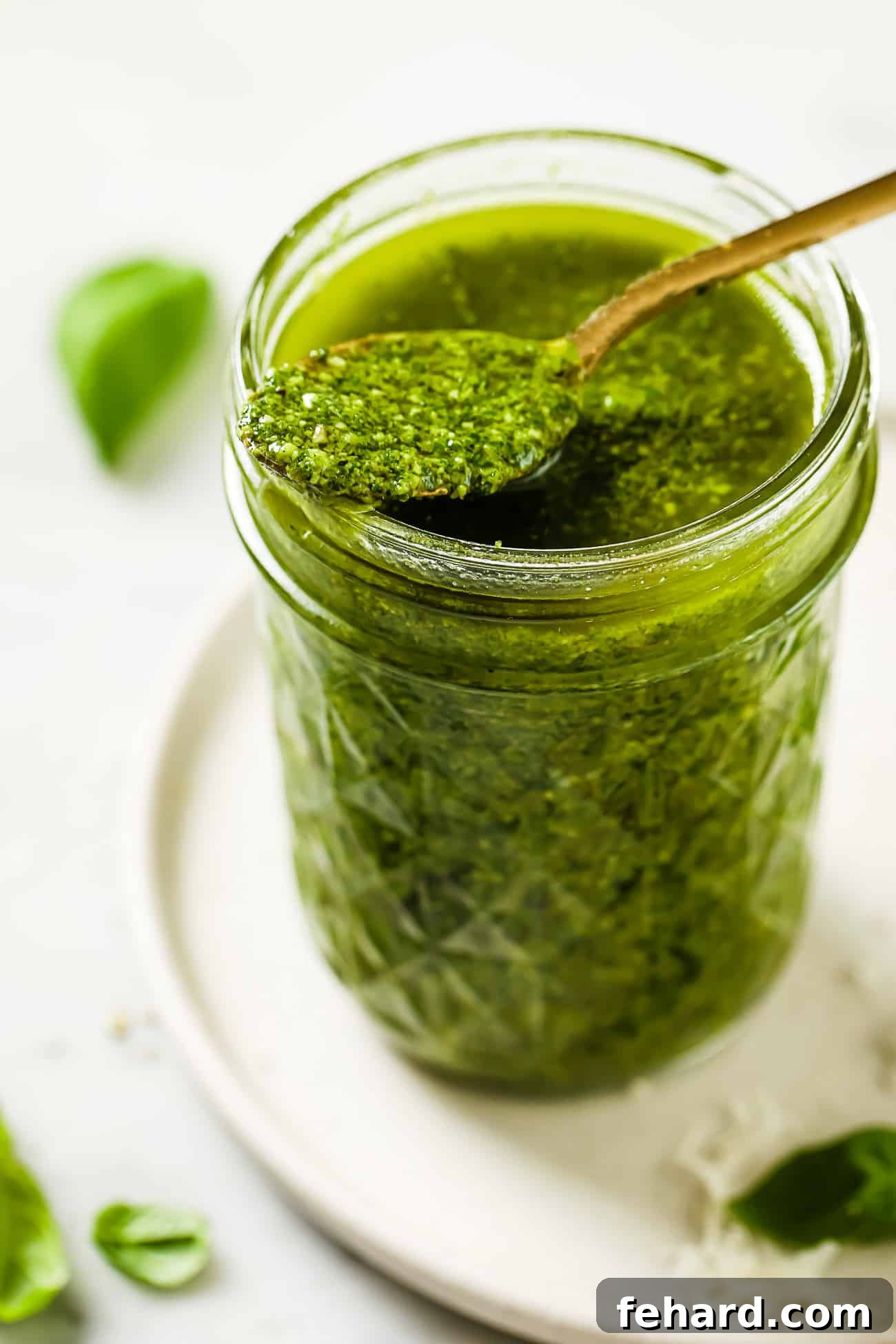
Unlocking the Versatility of Basil Pesto: More Than Just Pasta
Once you’ve mastered this easy homemade basil pesto recipe, a world of culinary possibilities opens up. While it’s undeniably a classic pairing with pasta, its vibrant flavor and aromatic profile make it an incredibly versatile ingredient for countless dishes. Say goodbye to plain meals and hello to a burst of fresh flavor!
Pesto in Pasta Dishes: The Ultimate Comfort Food
The most beloved use for pesto is, of course, with pasta. Whether you’re tossing it with delicate spaghetti squash and shrimp for a lighter meal or coating hearty cheese tortellini, pesto elevates every bite. For a simple yet satisfying dinner, cook your favorite pasta, drain it, and immediately toss with a generous spoonful (or two!) of homemade pesto. Add some cherry tomatoes, fresh mozzarella balls, and a sprinkle of extra Parmesan for a meal that feels gourmet in minutes. Pesto pasta is a timeless dish that appeals to all ages and is perfect for busy weeknights or relaxed weekend meals.
Enhancing Proteins and Vegetables
Pesto isn’t just for carbs! It’s a fantastic marinade or condiment for proteins and a delicious way to boost your vegetable intake, making healthy eating more exciting.
- Chicken & Fish: Drizzle homemade pesto over grilled, baked, or pan-seared chicken breasts, salmon fillets, cod, or even shrimp for an instant flavor upgrade. It infuses the protein with a herbaceous depth that’s truly irresistible, creating a quick, elegant main course.
- Roasted Vegetables: Transform ordinary vegetables into something extraordinary. Toss your favorite vegetables—think broccoli florets, zucchini slices, colorful bell peppers, tender asparagus spears, or hearty roasted potatoes—with a spoonful of pesto before roasting. The pesto caramelizes slightly, creating an incredible aroma and flavor that will make even the pickiest eaters enjoy their greens. This method also works beautifully with cauliflower rice for a lighter side dish.
Creative Pesto Applications for Every Meal
Don’t limit pesto to just dinner. Its dynamic flavor can transform breakfast, lunch, and appetizers into something truly special and memorable.
- Sandwiches & Wraps: Ditch the mayonnaise and mustard! Spread a thin, vibrant layer of pesto on bread, wraps, bagels, or even grilled cheese for a fresh, zesty kick. It pairs wonderfully with turkey, chicken, fresh mozzarella, or grilled vegetables, instantly upgrading your midday meal.
- Pizza & Flatbreads: Use pesto as a delightful and flavorful base for your next homemade pizza or flatbread. Top with fresh mozzarella, sun-dried tomatoes, cherry tomatoes, and a sprinkle of red pepper flakes for a vibrant and delicious alternative to traditional tomato sauce. It also makes an excellent spread for crostini.
- Salads & Dressings: Whisk a tablespoon of pesto into your favorite vinaigrette for an herbaceous and fragrant salad dressing, or simply dollop it directly into green salads for a burst of flavor. It’s particularly fantastic in a hearty Pesto Chicken Salad, pasta salads, or roasted potato salad, adding depth and freshness.
- Appetizers & Dips: For a quick and impressive appetizer, serve your fresh pesto alongside crusty garlic bread, artisanal crackers, or an assortment of fresh crudités for dipping. It’s also a wonderful addition to bruschetta, or mixed into cream cheese or hummus for a rich, flavorful spread.
Discover More Pesto-Inspired Recipes!
Sun-dried Tomato Pesto Cauliflower Salad
Prep/Cook Time: 18 mins
Sweet Potato Pesto Chicken Skillet
Prep/Cook Time: 25 mins
Pesto Shrimp Tomato Salad Recipe
Prep/Cook Time: 15 mins
Sun-dried Tomato Pesto Shrimp Asparagus Skillet
Prep/Cook Time: 20 mins
Classic Fresh Basil Pesto Recipe: 5 Ingredients & Ready in 5 Minutes!
This vibrant, homemade basil pesto recipe is incredibly easy to make with just 5 simple ingredients and comes together in mere minutes. It’s bursting with natural flavors and offers a delightful freshness that store-bought versions simply can’t match. Perfect for tossing with pasta, spreading on sandwiches, or enhancing any meal with its authentic taste!
Author: Olivia Ribas
Yields: Approximately 20 teaspoons (about 1 cup)
Prep time: 5 minutes
Cook time: 0 minutes
Total time: 5 minutes
Equipment
- 1 Food Processor
Ingredients
- 2 cups fresh basil leaves (firmly packed)
- ½ cup freshly grated Romano or Parmesan cheese
- ¼ cup pine nuts (lightly toasted for best flavor)
- 2 garlic cloves
- ½ cup extra-virgin olive oil (good quality)
- Salt and fresh ground black pepper, to taste
Instructions
- Combine the fresh basil leaves, pine nuts, garlic cloves, and freshly grated Parmesan cheese in the bowl of your food processor. Pulse the ingredients several times until they are finely chopped and well combined, forming a coarse paste.
- With the food processor running on a low setting, slowly stream in the extra virgin olive oil through the feed tube. Continue blending until the mixture is thoroughly combined and mostly smooth, yet still retains a slight texture. Stop and scrape down the sides of the bowl as needed to ensure all ingredients are incorporated evenly.
- Taste the pesto and season with salt and freshly ground black pepper as needed. Pulse briefly one last time to mix in the seasonings. Your homemade basil pesto sauce is now ready to enjoy!
Notes on Pesto Storage and Tips
- Refrigerator Storage: Store fresh pesto in an airtight container in the refrigerator for up to one week.
- Prevent Browning: To help prevent oxidation and maintain its vibrant green color, drizzle a thin layer of extra virgin olive oil over the surface of the pesto before sealing the container. This creates a protective barrier against exposure to air.
- Freezing Pesto: Pesto freezes beautifully and can be stored in the freezer for up to three months. You can store the entire batch in a freezer-safe container. For convenient individual portions, spoon the pesto into an ice cube tray, freeze until solid, then transfer the frozen pesto cubes to a freezer bag. This method allows you to thaw only the amount you need for a specific dish.
Nutrition Facts (Approximate per 1/20 serving)
- Serving Size: 1/20 of the recipe
- Calories: 61kcal
- Carbohydrates: 1g
- Protein: 1g
- Fat: 6g
- Cholesterol: 2mg
- Sodium: 66mg
- Potassium: 9mg
Nutrition information is automatically calculated and should be used as an approximation. Variations may occur based on specific ingredients and preparation methods.
Did You Make This?
Follow @primaverakitchen on Instagram, snap a photo, and tag it #primaverakitchen. We’d love to see your recreation!