
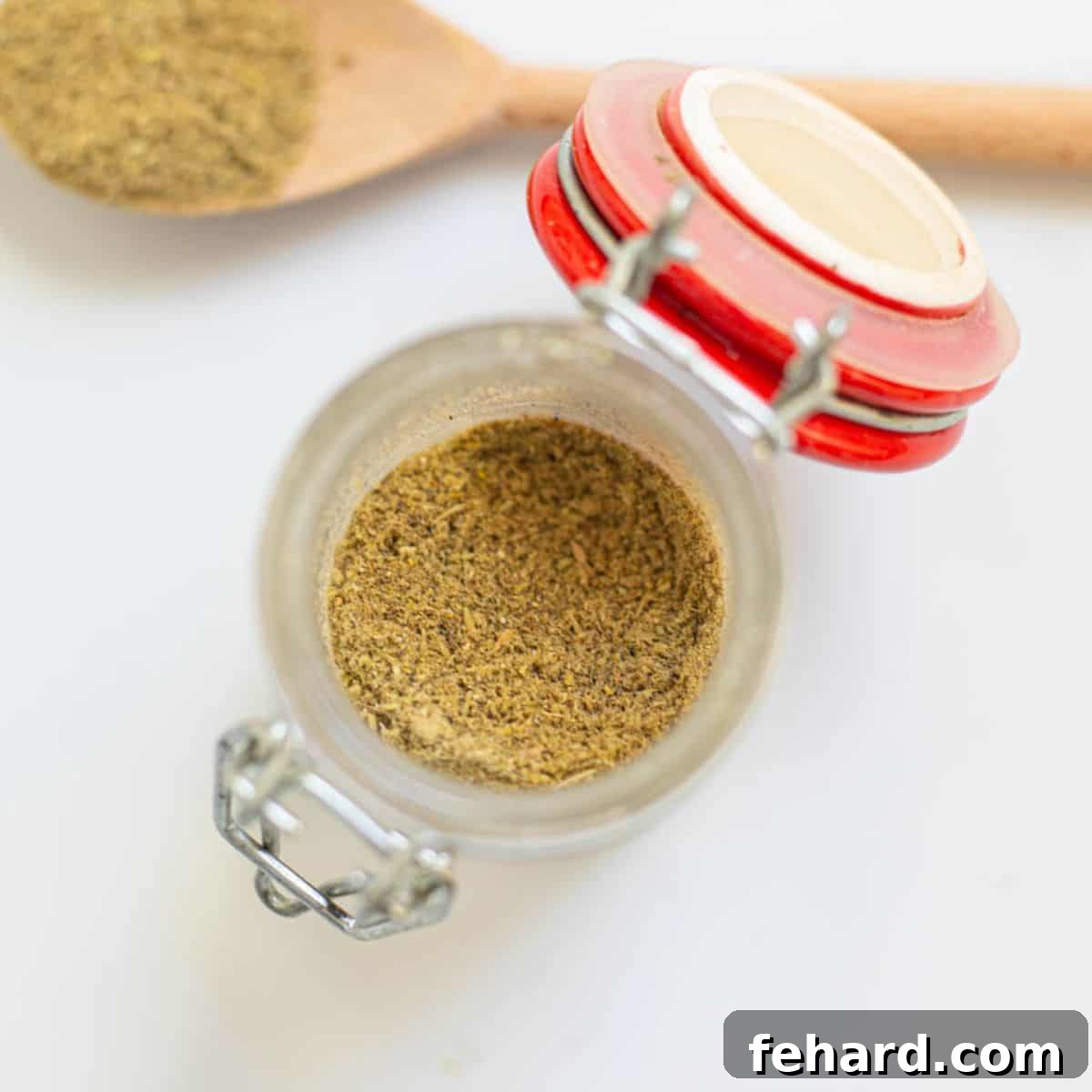
Transform your everyday cooking with the unmatched aroma and flavor of a homemade poultry seasoning blend. This simple yet incredibly impactful mix of dried herbs and spices is designed to elevate chicken, turkey, and a myriad of other dishes from ordinary to extraordinary. Forget bland meals; this blend adds an incredible depth that store-bought options simply can’t match.
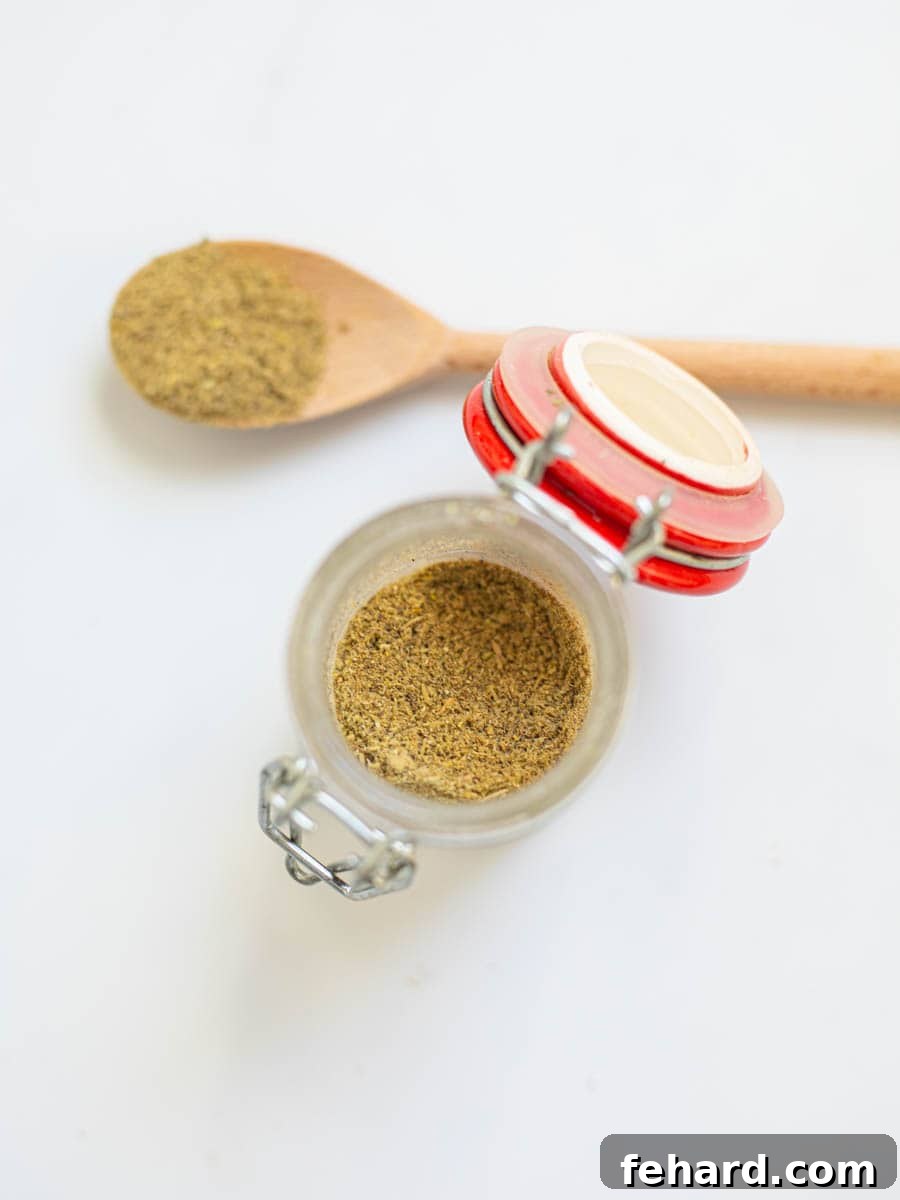
Poultry seasoning is more than just a mix for Thanksgiving turkey; it’s a versatile blend that enhances a wide range of culinary creations. Its earthy, warming, and subtly savory profile makes it an indispensable addition to your spice cabinet. From savory roasted turkey and comforting chicken stock to perfectly baked chicken and aromatic stuffing, this blend brings a unique character to every bite. Its herbaceous notes and gentle warmth are truly a game-changer for poultry and beyond.
Why Craft Your Own Poultry Seasoning? Unlocking Flavor and Value
In a world where convenience often reigns supreme, you might wonder why dedicating a few minutes to making your own poultry seasoning is worthwhile when a store-bought jar is just an aisle away. The answer lies in the pursuit of superior flavor, cost savings, and unparalleled control over your ingredients.
- Superior Flavor and Unrivaled Freshness: The most compelling reason to make your own blend is the immense difference in flavor. Spices, like all natural ingredients, lose their potency over time. Store-bought blends often sit on shelves for extended periods, diminishing their aromatic oils and vibrant tastes. By creating your own, you ensure the freshest possible ingredients, leading to a much more potent, fragrant, and delicious seasoning that will truly make your dishes sing.
- Remarkable Cost-Effectiveness: Just like my popular recipes for taco seasoning, chili seasoning, and Cajun seasoning, you likely already have most, if not all, of the individual spices needed for homemade poultry seasoning right in your pantry. Purchasing these common dried herbs in bulk and blending them yourself is significantly more economical than repeatedly buying pre-mixed versions. This approach not only saves you money but also reduces packaging waste, contributing to a more sustainable kitchen.
- Unleash Your Inner Chef: Endless Customization: One of the greatest joys of cooking is the freedom to tailor flavors to your exact preferences. Homemade blends offer this freedom in spades. Do you find sage a bit too strong? Easily reduce its amount or swap in a milder variant. Crave an extra layer of savory depth? Feel free to incorporate more onion powder or a hint of garlic powder. Only have black pepper on hand? Use it in place of white pepper, perhaps adjusting the quantity slightly for its stronger kick. This level of customization allows you to perfect the blend to your family’s tastes or specific dietary needs, such as low-sodium requirements.
- Perfect Portion Control and Ultimate Convenience: Whether you’re preparing a single weeknight chicken dinner or seasoning a grand Thanksgiving turkey and its accompanying stuffing, you can easily scale this recipe up or down. If you only need a small amount, simply halve the recipe, preventing a large jar of seasoning from losing its potency in your cabinet. Conversely, for regular users, whipping up a generous batch means you’ll always have this essential blend at your fingertips. Furthermore, the actual process of mixing these spices takes mere minutes – often faster than a trip to the grocery store!
- Purity and Control Over Ingredients: Many commercial spice blends contain anti-caking agents, excess salt, or other additives you might prefer to avoid. By making your own, you have complete control over every ingredient, ensuring a pure, unadulterated spice mix free from unwanted fillers, guaranteeing a cleaner flavor and aligning with healthier eating habits.
The Heart of the Blend: Key Spices in Poultry Seasoning
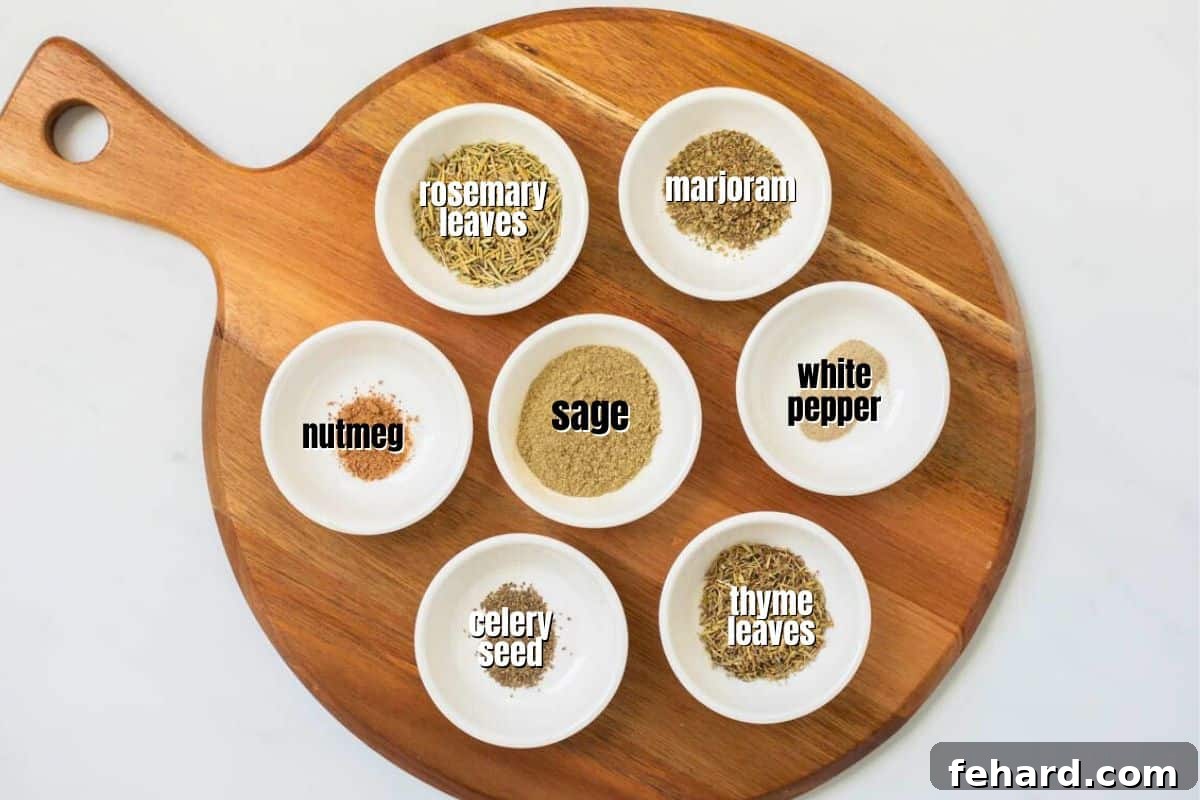
The magic of poultry seasoning lies in its harmonious blend of earthy, aromatic, and subtly peppery notes. The main spices that form the backbone of this classic blend are sage, rosemary, thyme, and marjoram. These herbs are complemented by the warming touch of nutmeg, the unique savoriness of celery seed, and the mild piquancy of white pepper, culminating in a distinctive and incredibly versatile spice mix that pairs beautifully with any type of poultry.
A Deeper Look at Each Essential Herb and Spice:
- Sage: Ground sage is a potent, deeply aromatic dried herb, known for its slightly peppery, pine-like, and earthy flavor. You can use rubbed sage, which has a lighter, fluffier texture and a slightly less intense flavor, or finely powdered dried sage, which is more concentrated. Sage is absolutely crucial for the authentic poultry seasoning taste; it provides warmth and a foundational herbaceousness. If you’re not a huge fan of its strong flavor, feel free to decrease its quantity by half, but avoid omitting it entirely, as it contributes significantly to the blend’s overall character.
- Thyme: Thyme offers a subtle, earthy, and slightly minty flavor that complements poultry wonderfully. My recipe provides measurements for both ground thyme and dried thyme leaves. While I personally always keep dried thyme leaves on hand for their lovely visual appeal and gentle release of flavor, I don’t typically stock ground thyme. If using dried leaves, a quick grind with the other spices will help integrate its flavor evenly throughout the blend.
- Rosemary: With its distinctive piney, slightly peppery, and woody notes, rosemary is another cornerstone of poultry seasoning. Finding pre-ground rosemary can sometimes be a challenge. Therefore, I’ve included quantities for both ground rosemary and dried rosemary leaves. If you’re using dried leaves, a spice grinder will ensure it’s finely incorporated, preventing large, chewy pieces in your final dish. Its robust flavor stands up well to roasting and slow cooking.
- Marjoram: Often mistaken for oregano, marjoram boasts a milder, sweeter, and slightly more delicate flavor profile with subtle citrus and floral undertones. This gentle herb pairs exceptionally well with chicken and turkey, adding a layer of sophisticated brightness without overpowering the other spices. It brings a subtle lift that is key to the blend’s balance.
- Pepper: Most commercially produced poultry seasonings opt for white pepper. It offers a milder, more subtle heat than black pepper and, critically, has a lighter color, which results in a more visually uniform spice blend. If white pepper isn’t a pantry staple for you, black pepper is a perfectly acceptable substitute. Just use slightly less, as its flavor is more pronounced and pungent.
- Nutmeg: While you might not immediately identify nutmeg as a primary flavor, it’s a vital component that adds a wonderful, subtle warming note to the spice blend. It acts as a bridge, harmonizing the herbaceous and savory elements, adding complexity and roundness to the flavor profile. You won’t explicitly taste “nutmeg,” but you’ll certainly notice its absence if it’s left out, as the blend would feel less complete and warm.
- Celery Seed: This isn’t always a commonly used spice in every household, and you might not routinely keep it in your pantry. If you don’t have it on hand, you can simply omit it without completely ruining the blend, though it does contribute a distinctive savory, slightly bitter note that mimics fresh celery. However, if you decide to purchase it, celery seed is incredibly versatile and won’t go to waste. It’s fantastic in salad dressings, homemade onion soup mix, pickling blends, and various meat rubs.
- Onion Powder: For those who adore a deeper, more savory, and umami-rich flavor, adding up to ½ teaspoon of onion powder to this spice blend is a fantastic optional enhancement. It melds seamlessly with the other herbs, providing a comforting, foundational taste that enhances almost any savory dish.
- Garlic Powder: A pinch of garlic powder can introduce another layer of pungent, aromatic depth, especially if you plan to use the seasoning on roasted meats or in savory casseroles. Start with a quarter teaspoon and adjust to your preference.
- Dried Parsley: While primarily an aesthetic addition, dried parsley can add a very subtle, fresh herbaceous note and a touch of color to your blend.
Optional Enhancements:
∗ Important to Remember ∗
For the most vibrant and potent spice blend, it is crucial to ensure your dried spices are no more than 6-12 months old. While older spices are generally safe to consume, their volatile oils, which carry all the flavor and aroma, begin to dissipate significantly after this timeframe, leaving you with a less impactful blend.
Achieving the Perfect Texture: Grinding Your Homemade Blend
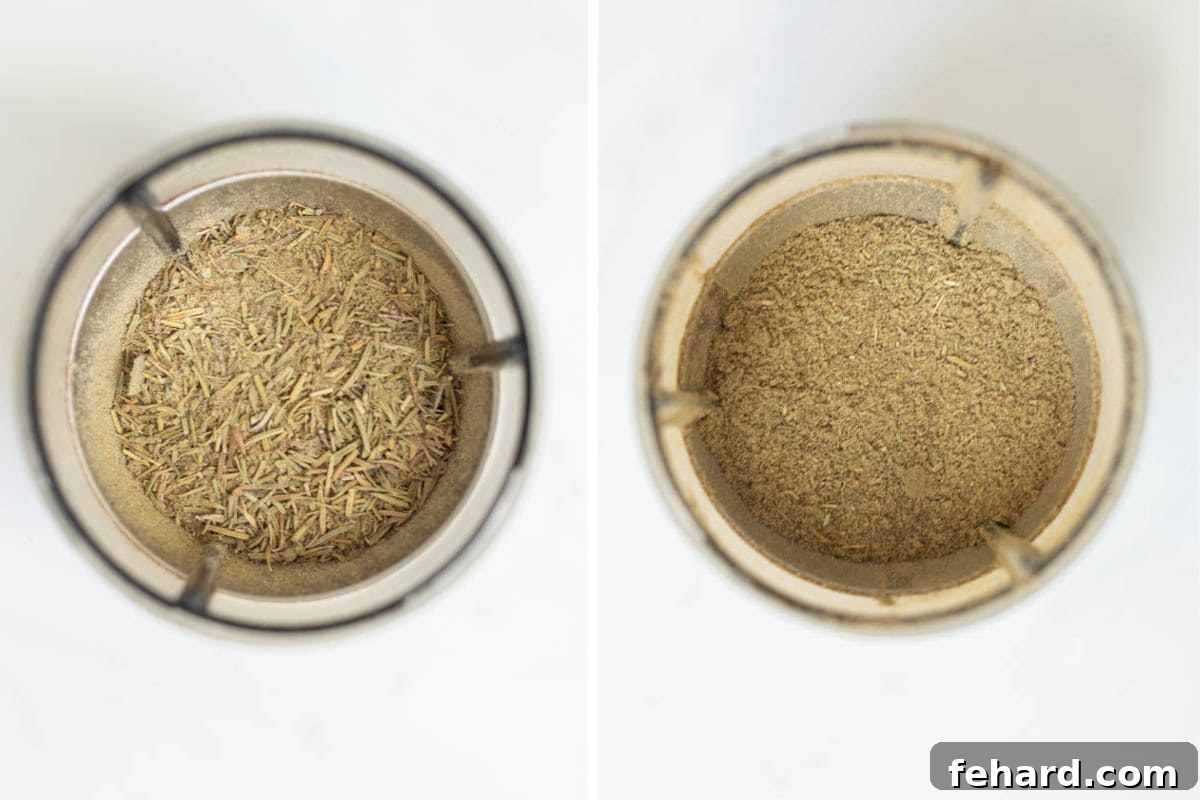
The texture of your homemade poultry seasoning can significantly impact its integration into dishes. If you’re primarily using dried thyme leaves and dried rosemary leaves, rather than their ground counterparts, your blend will have a coarser texture. To achieve the fine, uniform, powdery consistency often found in commercial poultry seasonings, you might consider grinding or blending your homemade mix.
This fine texture is not just for aesthetics; it allows the seasoning to distribute more evenly throughout rubs, marinades, or stuffing, ensuring every bite is perfectly flavored. To achieve this, you have several excellent options:
- Spice Grinder: A dedicated spice grinder is ideal for achieving a consistently fine powder. Its sharp blades and high speed make quick work of dried herbs and spices.
- Bullet Blender: Small, high-powered blenders can also effectively pulverize dried spices into a fine powder. Ensure the container is dry before use.
- Mortar and Pestle: For a more traditional, hands-on approach, a mortar and pestle works beautifully. This method allows you to control the coarseness and can be quite satisfying, though it requires a bit more effort.
A word of caution regarding coffee grinders: while they can grind spices effectively, it’s generally not recommended to use your everyday coffee grinder unless you have an extra one specifically reserved for spices. Even after thorough cleaning, residual coffee oils can impart an unwanted flavor to your spices, and vice-versa. Dedicated spice grinders are relatively inexpensive and prevent this flavor cross-contamination.
Maximizing Freshness: Storage Tips for Your Homemade Spice Blend
Proper storage is key to maintaining the vibrant flavor and aroma of your homemade poultry seasoning. Like all spice blends, it’s best stored in an airtight container to protect it from air and moisture. A cool, dark space, such as a dedicated spice cabinet or pantry, is ideal. Avoid storing spices near heat sources like the stove or direct sunlight, as heat and light can accelerate the degradation of their essential oils, causing them to lose flavor more quickly.
While dried spices technically last indefinitely in terms of safety, their peak flavor begins to fade after about 6 months. For the most potent and delicious results, aim to use your homemade poultry seasoning within this timeframe. If you notice the aroma has significantly diminished, it’s likely time to refresh your batch. A quick sniff test is usually the best indicator of freshness – if it doesn’t smell much, it won’t taste much either.
Beyond Poultry: Versatile Uses for Your Homemade Seasoning
While its name suggests an exclusive use for poultry, this homemade spice blend is incredibly versatile and can elevate a wide array of dishes beyond just chicken and turkey. Its balanced profile of earthy, savory, and aromatic notes makes it a secret weapon in your kitchen.
- Classic Poultry Dishes: Naturally, it’s perfectly suited for mainstays like Instant Pot whole chicken, baked split chicken breasts, roasted turkey, or any grilled, baked, or pan-seared chicken or turkey dish. Simply rub it generously onto the meat before cooking for a deeply infused flavor.
- Flavorful Stocks and Gravies: Enhance the richness of your homemade broths by adding 1-2 teaspoons of this seasoning to homemade chicken stock or Instant Pot stock. It adds complexity and a comforting depth that makes your soups and gravies truly stand out.
- Savory Stuffing and Dressings: For a flavor reminiscent of classic stovetop stuffing, incorporate 1 tablespoon (or more, to taste) of poultry seasoning into your Instant Pot stuffing or old-fashioned bread stuffing. It’s an essential ingredient for that signature holiday taste.
- Elevating Everyday Grains: Stir a tablespoon or two into rice, such as Instant Pot brown rice or Instant Pot jasmine rice, while cooking for a savory side dish. It also works wonderfully with quinoa or couscous, adding an extra layer of flavor.
- Hearty Soups and Stews: Give your homemade soups and stews an authentic, comforting taste. Add up to 1 teaspoon to dishes like homemade cream of chicken soup, homemade chicken pot pie, Instant Pot chicken and dumplings, Crockpot chicken and rice, and creamy chicken pasta casserole for an extra depth of flavor that ties all ingredients together.
- Roasted Vegetables: Sprinkle liberally over root vegetables (potatoes, carrots, parsnips), Brussels sprouts, or squash before roasting for a savory, aromatic twist. It perfectly complements their natural sweetness.
- Meatloaf and Meatballs: Mix a teaspoon or two into your meatloaf or meatball mixture for an added layer of traditional, comforting flavor.
- Dry Rub for Pork or Beef: Don’t limit it to just poultry! This blend makes an excellent dry rub for pork tenderloin, pork chops, or even a savory beef roast.
Explore More Homemade Spice Blends
If you’ve enjoyed the process and results of making your own poultry seasoning, you’ll love these other simple and flavorful homemade spice mixes:
- Homemade Taco Seasoning
- Homemade Cajun Seasoning
- Homemade Seasoned Salt
- Homemade Italian Seasoning
- Old Bay Seasoning Recipe
- Homemade Dill Seasoning
- Homemade Fajita Seasoning
If you tried out this recipe for Homemade Poultry Seasoning, we would love for you to leave a comment and review below to share your experience!
5 from 2 votes
Homemade Poultry Seasoning Recipe
Kristen Chidsey
9 teaspoons (approx. 3 tablespoons)
5 mins
5 mins
Rate
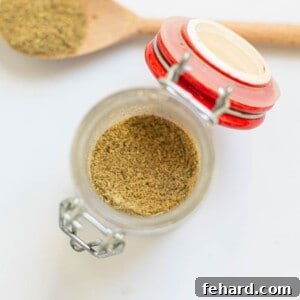
An all-purpose blend of dried herbs that is perfect to use for seasoning chicken, turkey, stuffing, and a wide variety of savory dishes!
Ingredients
- 2 teaspoons ground sage
- 1 teaspoon dried marjoram
- 3 teaspoons dried thyme leaves (or 1 teaspoon ground thyme)
- 3 teaspoons dried rosemary leaves (or 1 teaspoon ground rosemary)
- ¼ teaspoon ground nutmeg
- ¼ teaspoon celery seed
- ¼ teaspoon white pepper
- Optional: Up to ½ teaspoon onion powder for extra savory depth.
Instructions
- In a small bowl, combine all ingredients: 2 teaspoons ground sage, 1 teaspoon dried marjoram, 3 teaspoons dried thyme leaves, 3 teaspoons dried rosemary leaves, ¼ teaspoon ground nutmeg, ¼ teaspoon celery seed, and ¼ teaspoon white pepper. If using optional onion powder, add it here.
- For a finer, more uniform consistency (similar to store-bought seasoning), transfer the mixed spices to a spice grinder (or a clean coffee bean grinder) and pulse until they form a fine powder. This step helps integrate the flavors and creates a smoother texture, ideal for rubs.
- Transfer the finished spice mixture to an airtight container. Store your homemade poultry seasoning in a cool, dark pantry or cabinet. For optimal flavor and aroma, use within 6 months.
Notes
Note on Herb Forms: Ground rosemary and ground thyme have a different texture and potency than dried rosemary leaves and dried thyme leaves. Be sure to note the specified quantities for each form in the ingredients list to achieve the desired balance.
Spice Freshness: For the most flavorful and aromatic spice blend, it’s essential to use dried spices that are fresh. Spices typically retain their peak potency for about 6-12 months. While older spices are safe to use, their flavor intensity will have significantly diminished.
Customization: Feel free to adjust the quantities of individual spices to suit your taste preferences. If you love a particular herb, increase it slightly. If you’re less fond of another, reduce its amount. This is the beauty of making your own blend!
Nutrition
Carbohydrates: 0.3g
Protein: 0.1g
Fat: 0.1g
Saturated Fat: 0.03g
Polyunsaturated Fat: 0.01g
Monounsaturated Fat: 0.01g
Sodium: 0.3mg
Potassium: 4mg
Fiber: 0.2g
Sugar: 0.02g
Vitamin A: 16IU
Vitamin C: 0.2mg
Calcium: 9mg
Iron: 0.5mg
Nutrition information is automatically calculated and should be used as an approximation only.
Tried this recipe?
Mention @amindfullmom or tag #amindfullmom!