
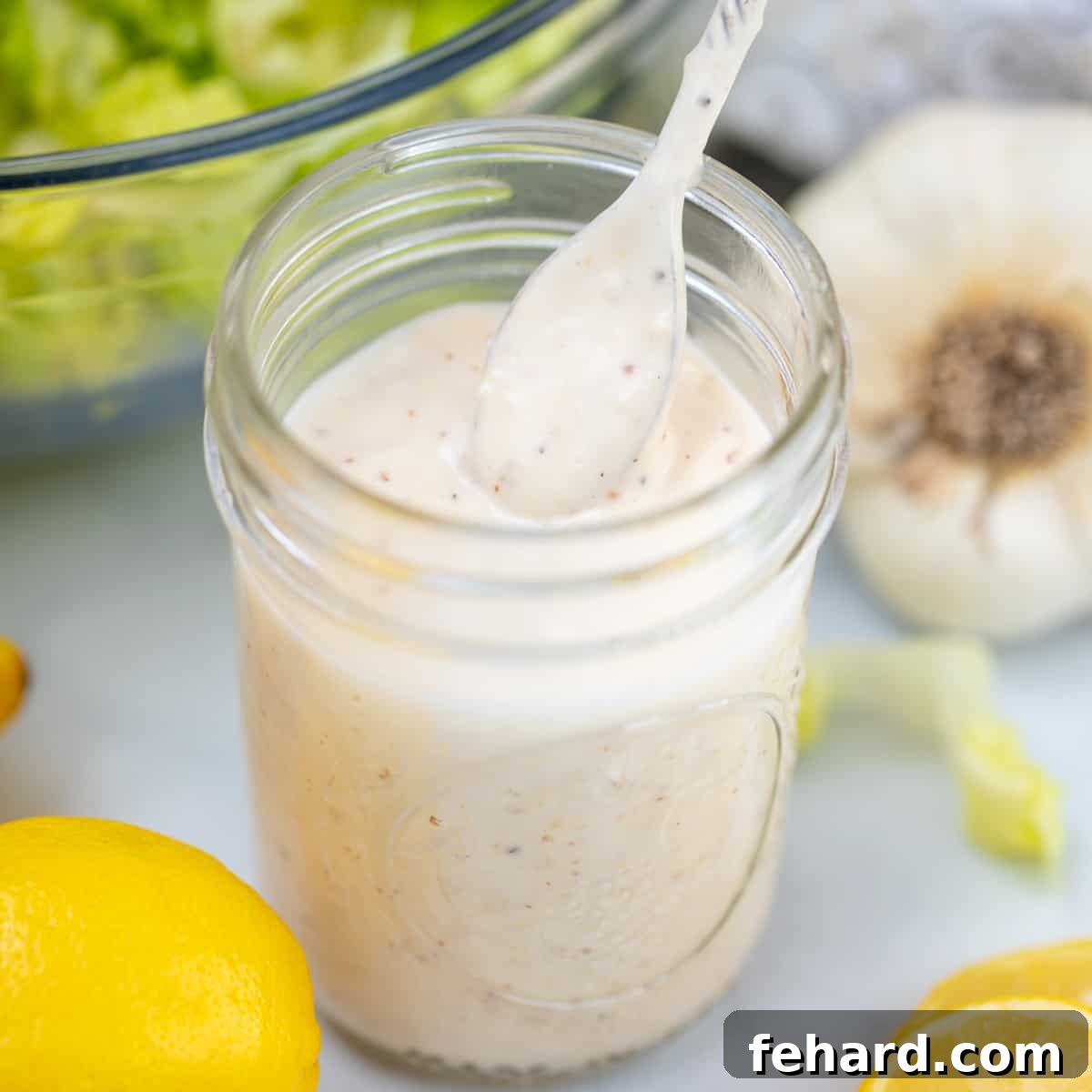
The Ultimate Homemade Caesar Salad Dressing: Creamy, Tangy, and Perfectly Balanced
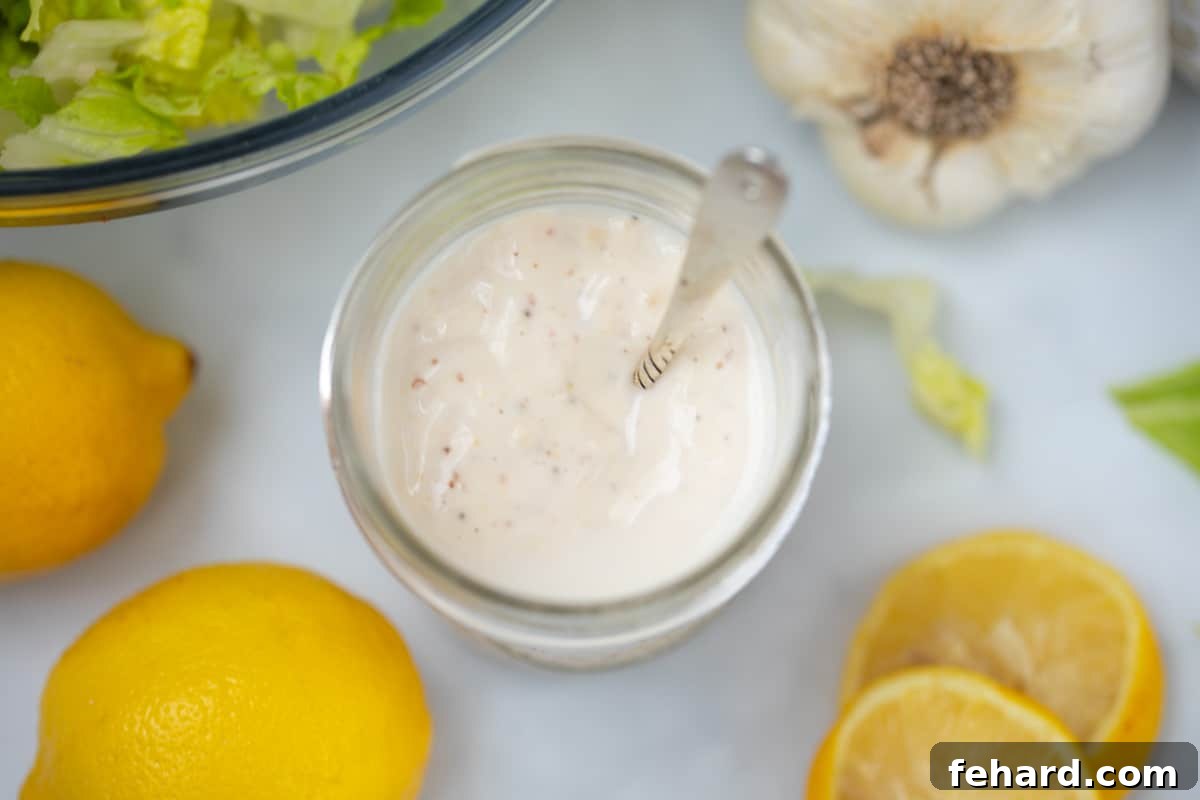
Unlock the secret to a truly exceptional Caesar Salad with this recipe for the best homemade dressing! Whether you prefer it with or without anchovies, this restaurant-quality Caesar Salad Dressing is incredibly creamy, perfectly tangy, and the ideal complement to any classic Caesar Salad. Forget store-bought options; once you taste this, you’ll never go back.
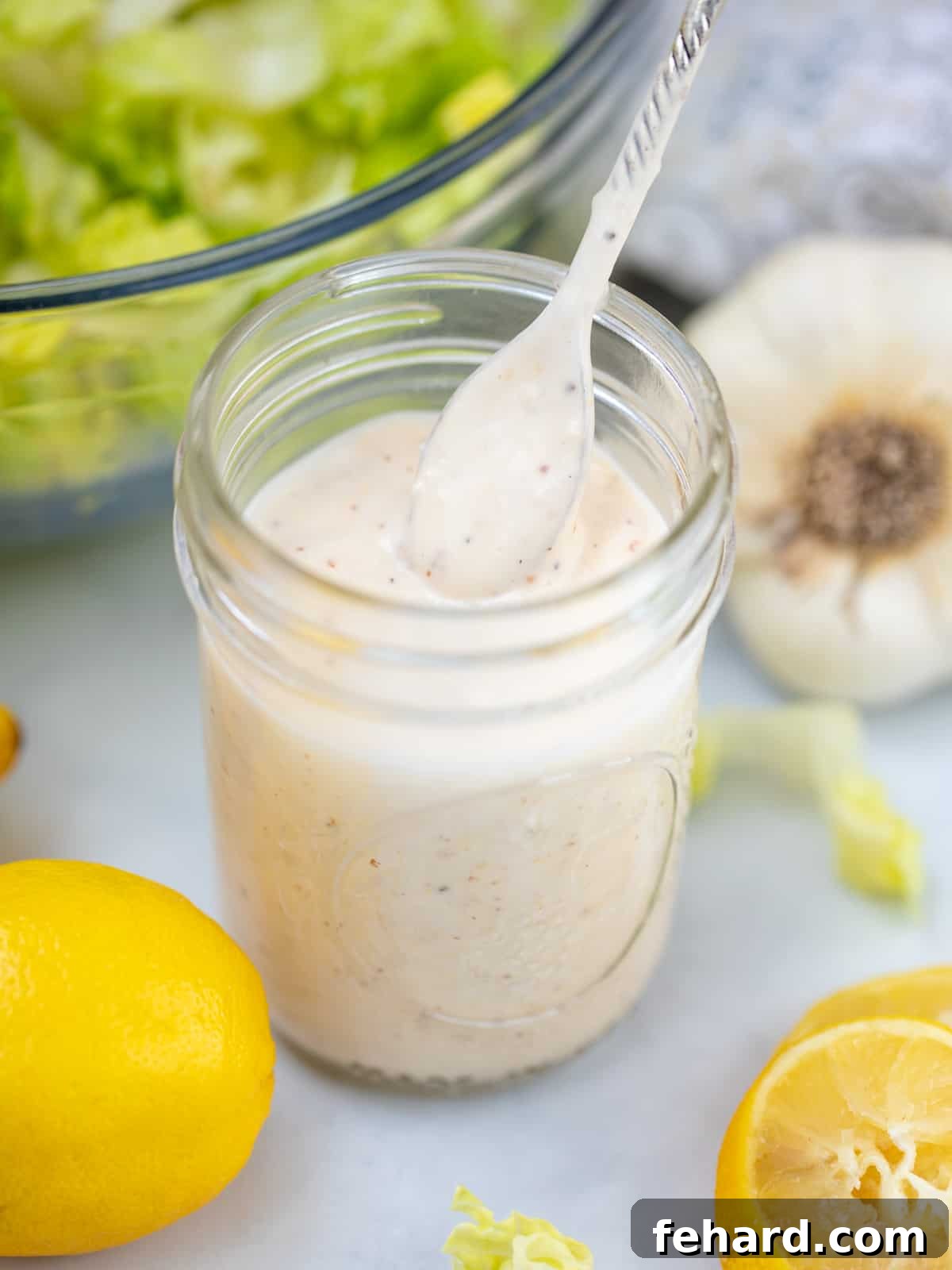
When it comes to Caesar Salad Dressing, homemade truly reigns supreme. This statement isn’t just a preference; it’s a testament to the unparalleled freshness, vibrant flavors, and complete control you gain by crafting it yourself. While many delicious salad dressings exist, the Caesar variety holds a special place, and its homemade version far surpasses any store-bought alternative.
With just a handful of fresh ingredients and a mere few minutes of your time, you can whip up a creamy, rich, and incredibly flavorful Caesar Dressing. This recipe is free from preservatives, high-ffructose corn syrup, and other artificial additives often found in commercial dressings. The result? A taste that is a million times better, boasting a depth of flavor that can only come from carefully selected, high-quality components.
Beyond the superior taste, making your own Caesar dressing empowers you to control every aspect of its flavor profile. Hesitant about anchovies? Simply omit them. Not a fan of overpowering garlic? Adjust the quantity to your liking. Concerned about the use of raw eggs, a common ingredient in traditional recipes? This particular recipe for Caesar Dressing is crafted without raw eggs, offering a safer yet equally delicious alternative.
As written, this Caesar Salad Dressing achieves what many consider perfection. It’s wonderfully rich, luxuriously creamy, and impeccably flavored. The anchovies, often a point of contention, contribute a subtle hint of saltiness and a profound earthy, umami depth without any overwhelming “fishy” taste. My entire family adores this Caesar Dressing, and I am confident that you will too, finding it becomes a staple in your kitchen.
The Enduring Legacy of Caesar Salad: A Brief History
Before diving into the dressing itself, it’s worth appreciating the storied past of the Caesar salad. Contrary to popular belief, this iconic salad did not originate in Italy or France. It was created by Italian-American restaurateur Caesar Cardini in Tijuana, Mexico, during the 1920s. Legend has it that on a busy Fourth of July weekend, with kitchen supplies running low, Cardini improvised a salad using what he had on hand: romaine lettuce, olive oil, raw egg, croutons, Parmesan cheese, Worcestershire sauce, and garlic. The salad was tossed tableside, becoming an instant sensation.
Cardini’s original dressing featured whole raw eggs, which acted as an emulsifier, binding the oil and other ingredients into a smooth, creamy sauce. Over the years, the recipe evolved, with some variations incorporating anchovies, though Cardini himself famously never used them, preferring the subtle umami kick from Worcestershire sauce. Our modern recipe takes inspiration from this classic while adapting it for ease, safety, and modern palates, particularly by omitting raw eggs.
Unveiling the Essential Ingredients for Your Signature Caesar Dressing
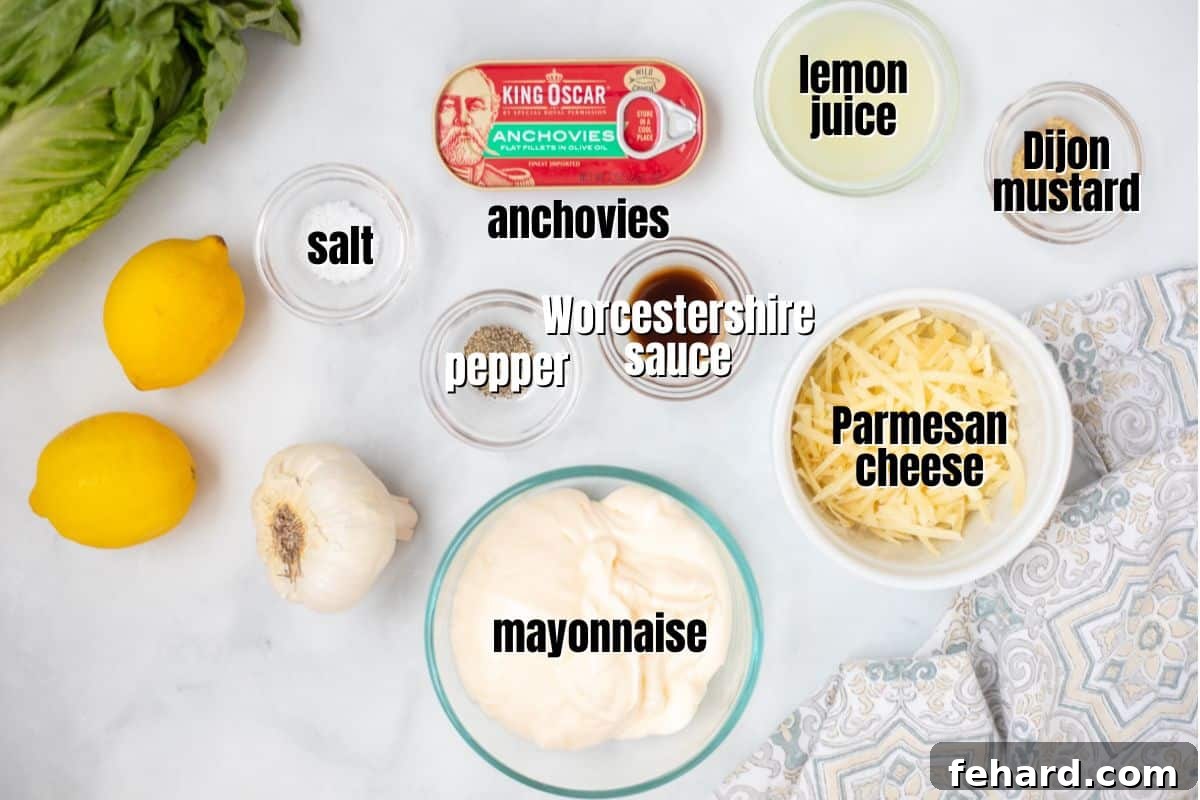
Crafting an unforgettable Caesar dressing begins with understanding the role each ingredient plays. Each component contributes to the harmonious blend of flavors and textures that define this beloved condiment. Here’s a closer look at what you’ll need to create this culinary masterpiece:
-
Anchovies: The Umami Secret Weapon
For the most authentic and deeply flavorful Caesar Dressing, I strongly recommend using a high-quality anchovy fillet, preferably canned in olive oil. Many people are intimidated by anchovies, fearing an overly “fishy” taste. However, when properly integrated into the dressing, anchovies do not impart a strong fish flavor. Instead, they dissolve beautifully, contributing a rich, savory, salty, and profound umami note that is absolutely crucial for the classic Caesar taste. This subtle depth is often what people find missing in inferior dressings. If you’re truly adverse, or need a vegetarian option, don’t worry – refer to our recipe variations section for excellent anchovy-free alternatives.
-
Mayonnaise: The Creamy, No-Fuss Base
Traditional Caesar dressing recipes often call for raw eggs and olive oil, which are emulsified to form an aioli-like base. While delicious, this method can raise concerns about salmonella and requires a bit more technique to achieve a stable emulsion. To simplify the process and ensure a consistently creamy texture without the worry, this recipe cleverly uses mayonnaise as its foundation. Mayonnaise is essentially an emulsified mixture of egg yolk and oil, providing the perfect creamy consistency and richness without the fuss. Just be sure to opt for real, full-fat mayonnaise for the best flavor and texture – steer clear of “Miracle Whip” or low-fat varieties, as they can alter the taste and consistency significantly.
-
Fresh Lemon Juice: The Brightening Zest
There’s simply no substitute for fresh lemon juice in this dressing. Bottled lemon juice often contains preservatives and lacks the vibrant, natural acidity and aroma of freshly squeezed lemons. The lemon juice is vital; it cuts through the richness of the mayonnaise and Parmesan, providing a bright, tangy counterpoint that prevents the dressing from feeling too heavy. It also enhances the overall flavor profile, adding a refreshing zing that awakens the palate.
-
Garlic: The Aromatic Foundation
Garlic is another cornerstone of authentic Caesar dressing, and this is one instance where fresh makes a monumental difference. Jarred minced garlic often has a muted flavor and can sometimes carry a slightly acrid note. For this recipe, stick to peeled, fresh garlic cloves. The pungent, aromatic notes of fresh garlic are essential for the dressing’s characteristic bold flavor. We’ll discuss optimal preparation methods to ensure smooth integration and prevent unwanted chunks in your final product.
-
Dijon Mustard: The Flavor and Emulsification Booster
Dijon mustard plays a dual role in this Caesar dressing. Firstly, its distinctive sharp, tangy, and slightly spicy flavor adds complexity and depth that yellow or brown mustards simply cannot replicate. Secondly, and equally important, Dijon mustard acts as a natural emulsifier. Its compounds help to bind the other ingredients together, ensuring a smooth, stable, and cohesive dressing that won’t separate. Be sure to use a good quality Dijon mustard for the best results.
-
Worcestershire Sauce: A Symphony of Umami
A splash of Worcestershire sauce is indispensable for Caesar dressing. This fermented condiment is a powerhouse of complex flavors, offering a rich blend of savory, tangy, sweet, and umami notes. It complements the anchovies (or provides a substitute for them) by adding another layer of deep, savory goodness, contributing to that elusive “something special” in a truly great Caesar dressing. Its unique profile enhances the overall depth and balance of the sauce.
-
Parmesan Cheese: Salty, Nutty Perfection
For the ultimate flavor and texture, always use freshly grated or shredded Parmesan cheese. Pre-grated Parmesan, especially the kind found in green shakers, often contains anti-caking agents and lacks the robust, nutty, salty flavor of real Parmesan. Freshly grated cheese melts slightly into the dressing, contributing its rich, savory character and a subtle grainy texture that is highly desirable. Use Parmigiano-Reggiano if possible for the finest quality.
-
Salt and Freshly Ground Black Pepper: Seasoning to Perfection
These are not just afterthoughts; they are crucial for bringing all the flavors together. Kosher salt provides a clean, pure saltiness, while freshly ground black pepper adds a fragrant, subtle heat that complements the other ingredients beautifully. Always taste and adjust seasonings to your personal preference, as ingredient brands and individual palates vary.
Crafting Your Perfect Caesar Salad Dressing: A Step-by-Step Guide
Making homemade Caesar Dressing is surprisingly quick and requires very little effort. The key to achieving that restaurant-quality smoothness and ensuring all flavors are perfectly integrated lies in using the right equipment – specifically, a food processor or a blender. This ensures that your garlic cloves and anchovy fillet (if using) are thoroughly broken down and emulsified into a wonderfully uniform dressing.
- Gather and Combine Base Ingredients: Begin by placing the mayonnaise, anchovy fillet (if using), fresh lemon juice, Worcestershire sauce, Dijon mustard, Parmesan cheese, kosher salt, and freshly cracked black pepper into the bowl of your food processor, fitted with an s-blade. If using a blender, add these ingredients to the blender jar.
- Prepare the Garlic with Precision: Peel the garlic cloves. For optimal results and to prevent any unwanted chunks of garlic in your final dressing, roughly chop the garlic cloves or, even better, use a Microplane grater directly over the food processor or blender bowl. This ensures the garlic is finely minced and will fully incorporate into the dressing. Pressing the garlic through a garlic press is another excellent option to achieve a smooth consistency.
- Blend to Perfection: Secure the lid on your food processor or blender. Pulse or blend the ingredients together on medium speed. Continue processing until the anchovy fillet and garlic cloves are completely broken down, and all the ingredients are thoroughly emulsified and well combined. The dressing should be smooth and creamy, without any visible pieces of garlic or anchovy.
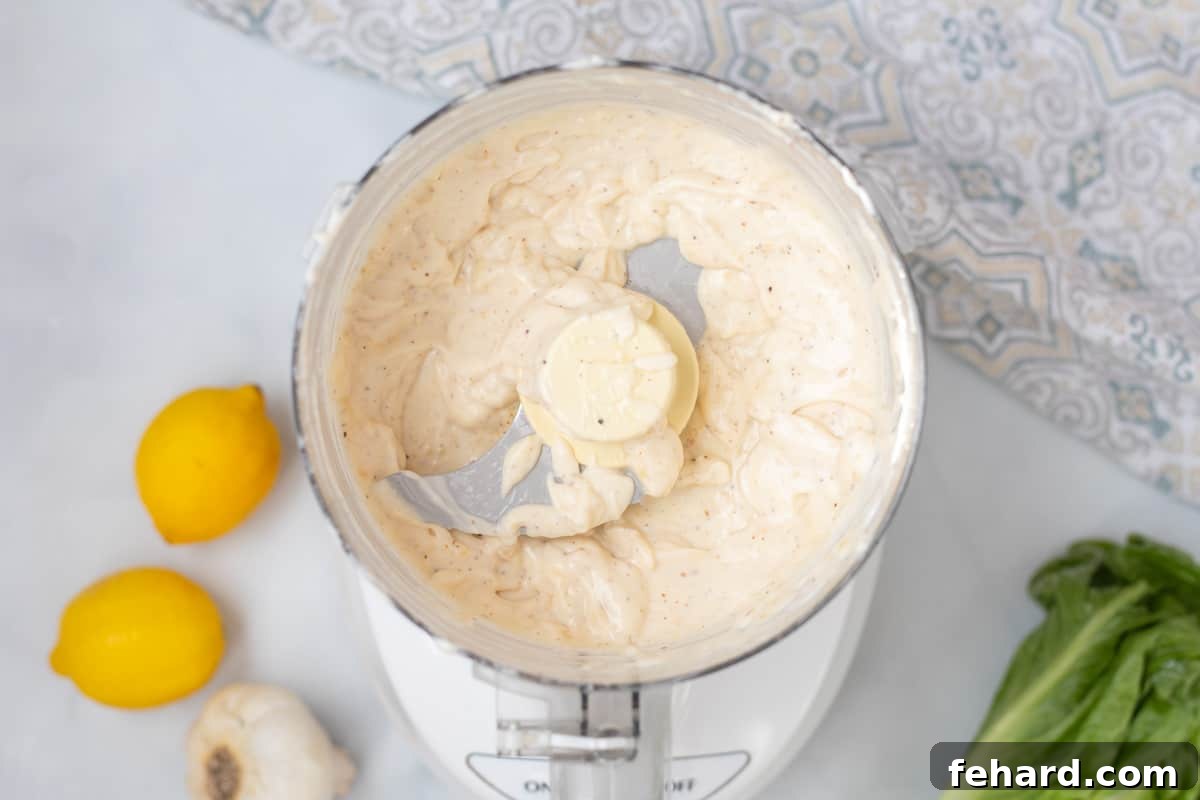
Quick Tip for No-Blender/Food Processor Method: If you are preparing this Caesar dressing without anchovies (or using anchovy paste) and don’t have a food processor or blender, you can vigorously whisk the ingredients together in a mixing bowl. In this case, it is absolutely essential to finely grate your garlic (using a Microplane) before adding it to the dressing. This prevents any large, overpowering bits of garlic and helps achieve a smoother texture.
- Taste and Adjust: Once blended, give your dressing a quick taste. This is your chance to adjust the seasonings as needed. You might want a little more salt, a touch more lemon juice for tang, or an extra grind of black pepper. Remember, balance is key!
- Storage: Transfer the freshly made dressing to a clean jar or an airtight container. Store it in the refrigerator. Properly stored, this homemade Caesar dressing will remain fresh and delicious for up to 7 days.
Beyond the Bowl: Versatile Uses for Your Caesar Dressing
While Caesar Dressing is the quintessential choice for a classic Caesar salad, its rich, savory, and tangy profile makes it incredibly versatile. Don’t limit this fantastic dressing to just lettuce! Here are numerous creative ways to put your homemade Caesar dressing to excellent use:
- Classic Caesar Salad Enhancement: The most obvious, yet always satisfying, application. Toss it with crisp romaine lettuce, crunchy croutons, and extra grated Parmesan for a timeless dish.
- Dipping Sauce Extraordinaire: Serve it alongside grilled chicken tenders, crispy potato wedges, vegetable sticks (carrots, celery, bell peppers), or even fresh bread as a flavorful dip.
- Elevated Condiment: Spread a generous layer onto your favorite sandwiches, wraps, or pita pockets. It adds a gourmet touch and a burst of flavor that transforms ordinary meals.
- Flavorful Marinade: Its acidic components (lemon juice, Worcestershire) tenderize, while the savory elements infuse rich flavor. Use it to marinate chicken breasts, steak, salmon fillets, or pork tenderloin before grilling, baking, or pan-frying.
- Pasta Salad Perfection: Create a unique pasta salad by tossing cooked pasta, cherry tomatoes, cucumbers, black olives, and grilled chicken with Caesar dressing instead of traditional Italian dressing.
- Roasted Vegetable Companion: Drizzle over roasted asparagus, broccoli, Brussels sprouts, or potatoes after they come out of the oven for an added layer of savory goodness.
- Potato Salad Twist: For a departure from the usual, incorporate Caesar dressing into your potato salad recipe. It adds a creamy, zesty kick that’s unexpectedly delicious.
- Burger or Sandwich Spread: Mix a spoonful into ground meat for burgers, or use it as a flavorful spread for any sandwich for an instant upgrade.
- Pizza Drizzle: A light drizzle over a freshly baked chicken Caesar pizza can be surprisingly delightful.
Customizing Your Dressing: Creative Variations & Dietary Options
One of the greatest advantages of making your own Caesar dressing is the ability to tailor it precisely to your taste preferences or dietary needs. Here are some popular variations you can easily implement:
-
Egg-Free Caesar Dressing
While this specific recipe is already free of raw eggs (by using mayonnaise as the base), some individuals may wish to avoid all egg products. To make a completely egg-free Caesar Dressing, you have a couple of excellent options:
Vegan Mayonnaise: The simplest swap is to replace regular mayonnaise with an equal amount of high-quality vegan mayonnaise. This maintains the creamy texture and rich mouthfeel without any egg content.
Greek Yogurt & Olive Oil Base: For a lighter, egg-free option, replace the mayonnaise with a blend of ¼ cup good quality olive oil combined with ½ cup of plain Greek yogurt. The yogurt provides creaminess and a pleasant tang, while the olive oil adds healthy fats and a smooth texture. You may need to adjust other seasonings to taste. -
Caesar Dressing Without Anchovies
If anchovies are not to your liking, or you need a vegetarian alternative, you can still achieve a fantastic umami-rich dressing. Instead of the anchovy fillet, incorporate one of the following:
Miso Paste: Add 2 teaspoons of white or yellow miso paste. Miso is a fermented soybean paste that delivers a powerful, savory, and complex umami punch, mimicking the depth provided by anchovies.
Extra Worcestershire Sauce: Increase the Worcestershire sauce by an additional teaspoon. While not a direct substitute for anchovies, it contributes a good amount of savory tang that helps round out the flavor profile. -
Using Anchovy Paste
If you find anchovy fillets inconvenient or prefer a quicker method, anchovy paste is a perfectly acceptable substitute. Generally, 1 anchovy fillet is equivalent to about ½ teaspoon of anchovy paste. Simply measure out ½ teaspoon of anchovy paste and add it to your food processor or blender with the other ingredients.
-
Spiced-Up Caesar
For those who enjoy a little kick, consider adding a pinch of red pepper flakes or a dash of hot sauce to your dressing. Start with a small amount and increase to your desired level of heat.
-
Herbaceous Twists
While classic Caesar dressing relies on garlic, you can introduce other fresh herbs for a different dimension. Finely chopped fresh parsley, chives, or a tiny bit of dill can add a lovely subtle freshness. Add them during the final blending pulse.
-
Lighter Caesar Dressing
To reduce the calorie or fat content, you can substitute half of the mayonnaise with plain Greek yogurt or light sour cream. Be aware that this will alter the flavor slightly, adding more tanginess, but it can still be a delicious alternative.
Frequently Asked Questions About Homemade Caesar Dressing
Here are some common questions people ask when making their own Caesar dressing:
- Is homemade Caesar dressing healthier than store-bought? Generally, yes. Homemade versions allow you to control the quality of ingredients, avoid artificial preservatives, unhealthy oils, and excessive sugars or sodium often found in commercial dressings.
- Can I make this dressing ahead of time? Absolutely! In fact, the flavors often meld and deepen beautifully after a few hours or overnight in the refrigerator. Just give it a good stir or a quick pulse in the blender before serving if it has thickened slightly.
- What if I don’t have a food processor or blender? While a food processor or blender is recommended for the smoothest consistency, you can make this dressing by hand. Ensure all solid ingredients (garlic, anchovies if using) are very finely minced or grated. Then, vigorously whisk all ingredients in a bowl until thoroughly combined and creamy. It will be slightly less smooth but still delicious.
- What kind of mayonnaise is best? Opt for full-fat, real mayonnaise. Brands known for their quality, such as Hellmann’s (Best Foods) or Duke’s, work wonderfully. Avoid low-fat or “salad dressing” products, as they contain different ingredients and can negatively impact the dressing’s flavor and texture.
- Why is my dressing too thick/thin? If your dressing is too thick, you can thin it out with a small amount of water, milk, or a touch of extra lemon juice. Add it slowly, a teaspoon at a time, until you reach your desired consistency. If it’s too thin, it might be due to too much liquid, or insufficient emulsification. Try adding a bit more Parmesan cheese or mayonnaise and giving it another quick blend.
- Can I use roasted garlic instead of raw? Yes, using roasted garlic will give the dressing a milder, sweeter, and more complex garlic flavor. It’s a delicious variation if you prefer a less pungent garlic note.
More Delicious Homemade Salad Dressings to Try
If you’ve enjoyed the simplicity and superior taste of this homemade Caesar dressing, you’ll love exploring other DIY dressing options. Crafting your own dressings is a rewarding experience that guarantees fresh, flavorful results every time.
- Easy Homemade Ranch Dressing
- Homemade Balsamic Vinaigrette
- Homemade Raspberry Dressing
- Easy Poppy Seed Dressing
- Zesty Italian Dressing
Caesar Salad Dressing
This homemade Caesar Salad Dressing is creamy, tangy, and super easy to make without raw eggs. It’s the perfect way to elevate your favorite salads and more!
By: Kristen Chidsey | Servings: 12 | Prep Time: 5 mins | Total Time: 5 mins
Ingredients
- 1 cup mayonnaise
- 1 anchovy fillet (optional, see notes for alternatives)
- ¼ cup fresh lemon juice
- 2 teaspoons Dijon mustard
- 1 teaspoon Worcestershire sauce
- ½ cup Parmesan cheese, freshly grated
- ½ teaspoon freshly cracked black pepper
- ¼ teaspoon kosher salt (or to taste)
- 2 cloves garlic, peeled and roughly chopped or grated
Instructions
- Combine 1 cup mayonnaise, 1 anchovy fillet (if using), ¼ cup fresh lemon juice, 2 teaspoons Dijon mustard, 1 teaspoon Worcestershire sauce, ½ cup Parmesan cheese, ½ teaspoon freshly cracked black pepper, and ¼ teaspoon kosher salt in a food processor fitted with an s-blade or in a blender.
- Peel 2 cloves garlic and roughly chop or grate them using a Microplane directly over the other ingredients in the food processor or blender. This ensures fine mincing and prevents large chunks.
- Place the lid on the food processor or blender and pulse or blend on medium speed until the anchovy (if used) and garlic cloves are completely broken down, and all ingredients are well combined and smooth.
- Taste the dressing and adjust salt and pepper if needed. You can also add more lemon juice for extra tang or a pinch of sugar to balance acidity if desired.
- Transfer the dressing to an airtight container or jar and store it in the refrigerator for up to 7 days.
Equipment
- Food Processor (or a blender)
- Microplane grater (optional, for garlic)
Notes
- Each serving size is approximately 1 ½ tablespoons.
- Garlic Prep: Chopping, grating with a Microplane, or pressing garlic through a garlic press is highly recommended. This prevents any stray chunks from escaping the blades of your food processor or blender, ensuring a smooth dressing.
- Egg-Free Caesar Salad Dressing: This recipe is already free of raw eggs. For a completely egg-free dressing, replace mayonnaise with vegan mayonnaise, or use ¼ cup olive oil plus ½ cup plain Greek yogurt.
- Caesar Salad without Anchovies: In place of the anchovy, add 2 teaspoons of white or yellow miso paste or an additional teaspoon of Worcestershire sauce for a savory depth.
- Using Anchovy Paste: If using anchovy paste instead of a fillet, use ½ teaspoon of anchovy paste.
- Consistency: If the dressing is too thick, thin it with a teaspoon of water or milk at a time until desired consistency is reached.
Nutrition
Nutrition information is automatically calculated and should only be used as an approximation. Per serving (1.5 tbsp):
- Calories: 146kcal
- Carbohydrates: 1g
- Protein: 2g
- Fat: 15g
- Saturated Fat: 3g
- Polyunsaturated Fat: 8g
- Monounsaturated Fat: 3g
- Trans Fat: 1g
- Cholesterol: 11mg
- Sodium: 245mg
- Potassium: 22mg
- Fiber: 1g
- Sugar: 1g
- Vitamin A: 47IU
- Vitamin C: 3mg
- Calcium: 54mg
- Iron: 1mg
We hope you enjoy this recipe! If you tried and loved this homemade Caesar Salad Dressing, please consider leaving a comment and a 5-star review below. Your feedback helps other home cooks discover and enjoy these delicious recipes!