
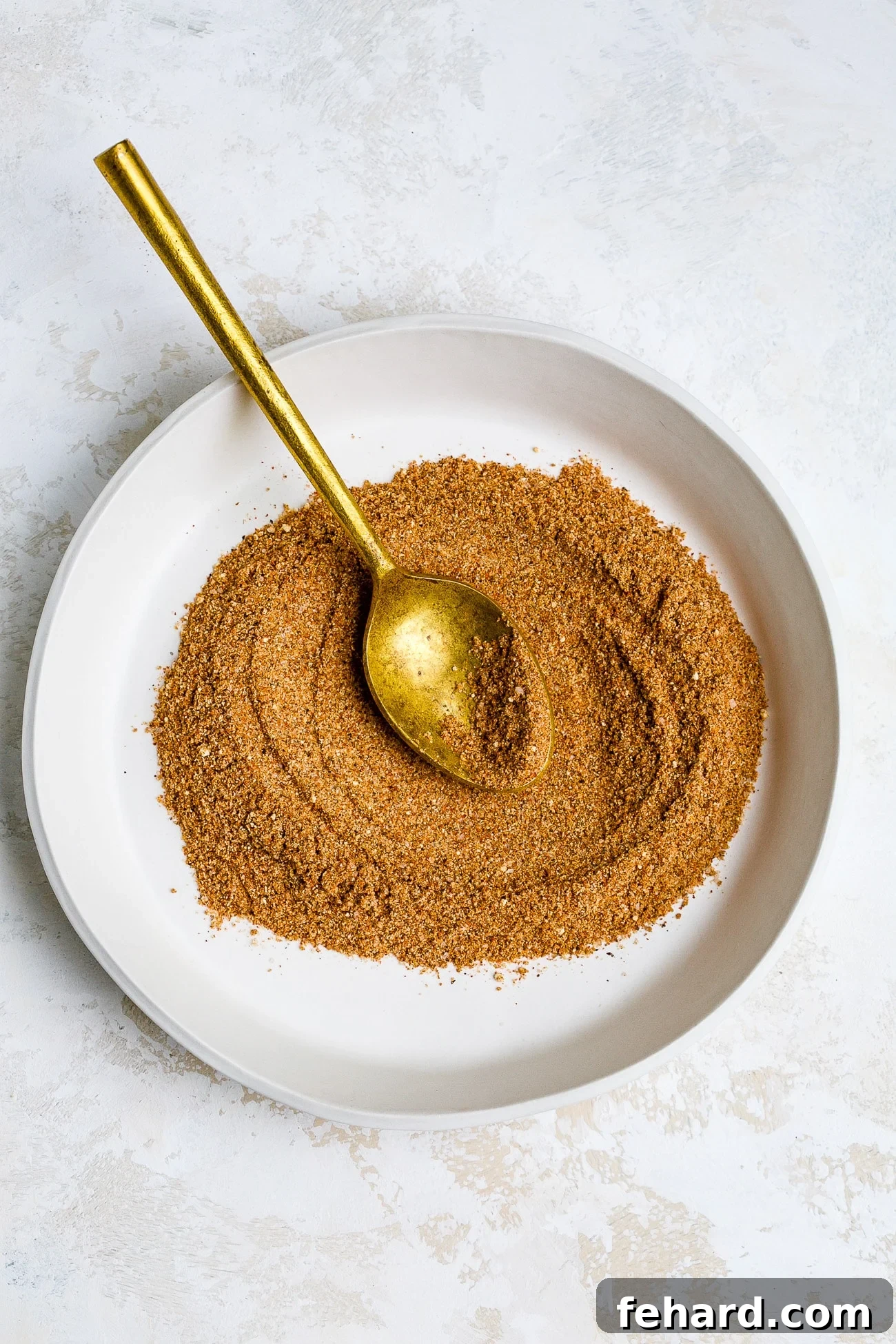
Unlock an explosion of flavor in your next barbecue with this incredible homemade BBQ seasoning. This sweet and smoky dry rub is meticulously crafted to transform your ribs, chicken, or pulled pork into culinary masterpieces, promising to elevate your dish to an entirely new level. Preparing your meats with this expertly balanced blend of spices before cooking ensures a depth of flavor that is truly unmatched, making it an essential addition to your grilling and smoking arsenal.
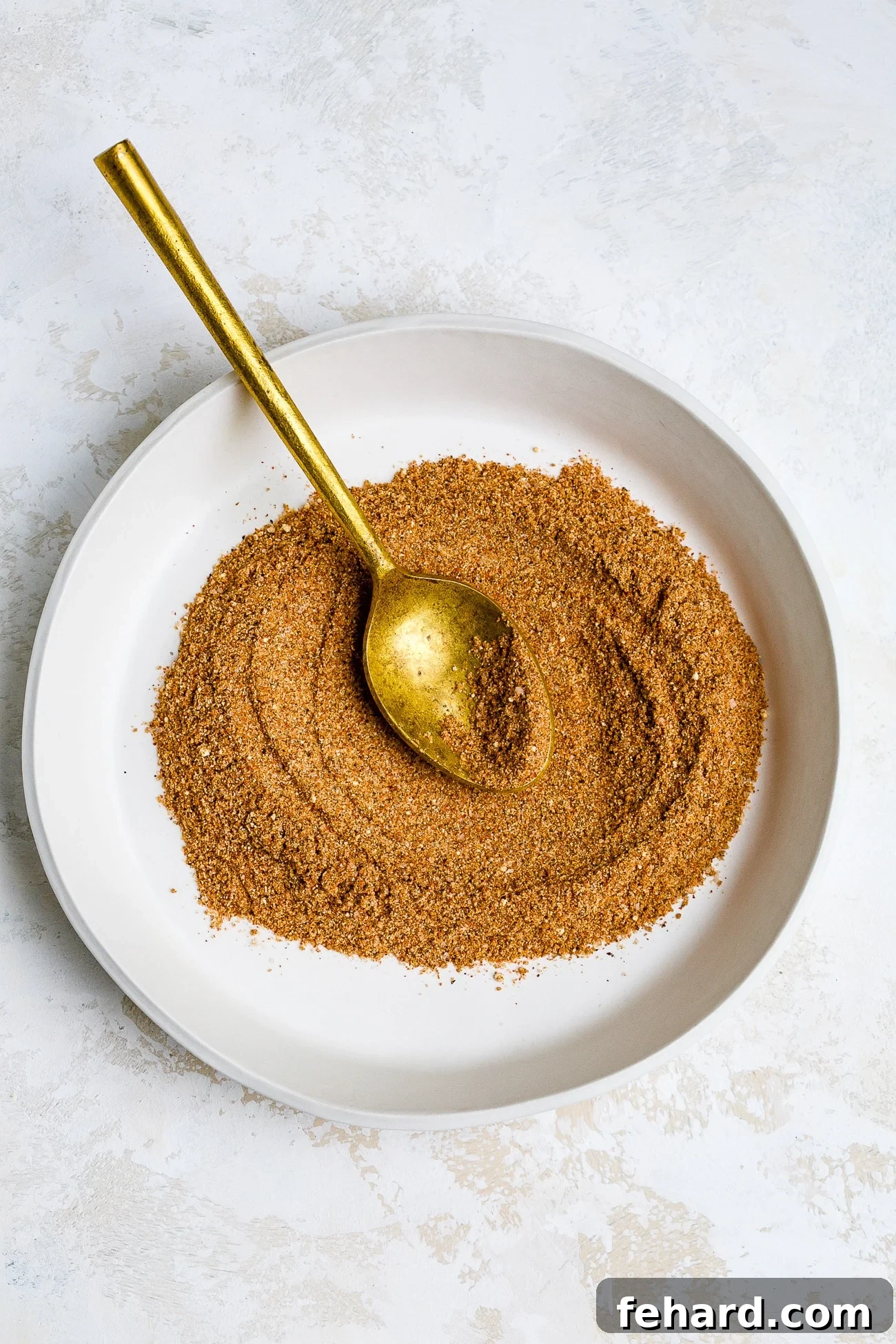
For those seeking to infuse extraordinary flavor into their smoked or grilled meats, such as succulent smoked brisket, savory grilled chicken, or perfectly baked chicken drumsticks, dry barbecue rubs are the ultimate solution. The secret to achieving an exceptional flavor profile lies in a harmonious balance of sweetness, smokiness, and a hint of spice, which work together to create an unforgettable taste experience. This homemade BBQ seasoning recipe delivers precisely that, offering a robust flavor that penetrates deep into the meat.
A BBQ spice rub, also known as a “dry rub,” is a unique mixture of aromatic spices, dried herbs, and other seasonings. Unlike marinades or sauces, it contains no liquid ingredients, allowing it to form a flavorful crust on the meat’s surface while locking in moisture. This dry application before cooking is crucial for creating that coveted smoky aroma and rich, complex taste that defines truly great barbecue. Dry rubs not only impart incredible flavor but also contribute to a desirable texture and beautiful caramelized color on your grilled or smoked dishes. Plus, for added versatility, a dry rub can easily be transformed into a delicious barbecue sauce by simply mixing it with a liquid base like vinegar, broth, or your favorite ketchup.
Why Make Your Own Homemade BBQ Seasoning?
Opting for a homemade BBQ seasoning offers a multitude of advantages over store-bought alternatives. Firstly, it gives you complete control over the ingredients, allowing you to avoid artificial preservatives, excessive sodium, or unwanted additives often found in commercial blends. You can tailor the spice levels, sweetness, and smokiness to perfectly match your personal preferences and dietary needs. Secondly, making your own rub is often more cost-effective, especially if you already have a well-stocked spice cabinet. You buy individual spices in bulk, which typically costs less than purchasing pre-mixed blends. Lastly, there’s an undeniable satisfaction in crafting your own signature seasoning. The fresh aroma and vibrant flavors of freshly ground and blended spices far surpass those of older, pre-packaged mixes, ensuring a superior culinary result every time.
The Flavor Profile: Sweet, Smoky, and Savory
The magic of a great BBQ seasoning lies in its intricate balance of sweet, smoky, and savory notes, with a subtle kick of heat. Brown sugar plays a crucial role by providing sweetness that caramelizes beautifully on the meat, forming a delicious, sticky crust known as “bark.” Smoked paprika and chili powder contribute deep smoky undertones and varying levels of spice, mimicking the slow-cooked flavor of a traditional smoker. Meanwhile, garlic and onion powder lay down a robust savory foundation, enhancing the natural flavors of the meat. Salt is essential for tenderizing and drawing out moisture, intensifying all the other spices. This symphony of flavors creates a complex, irresistible taste that will keep you coming back for more.
Ingredients in BBQ Seasoning
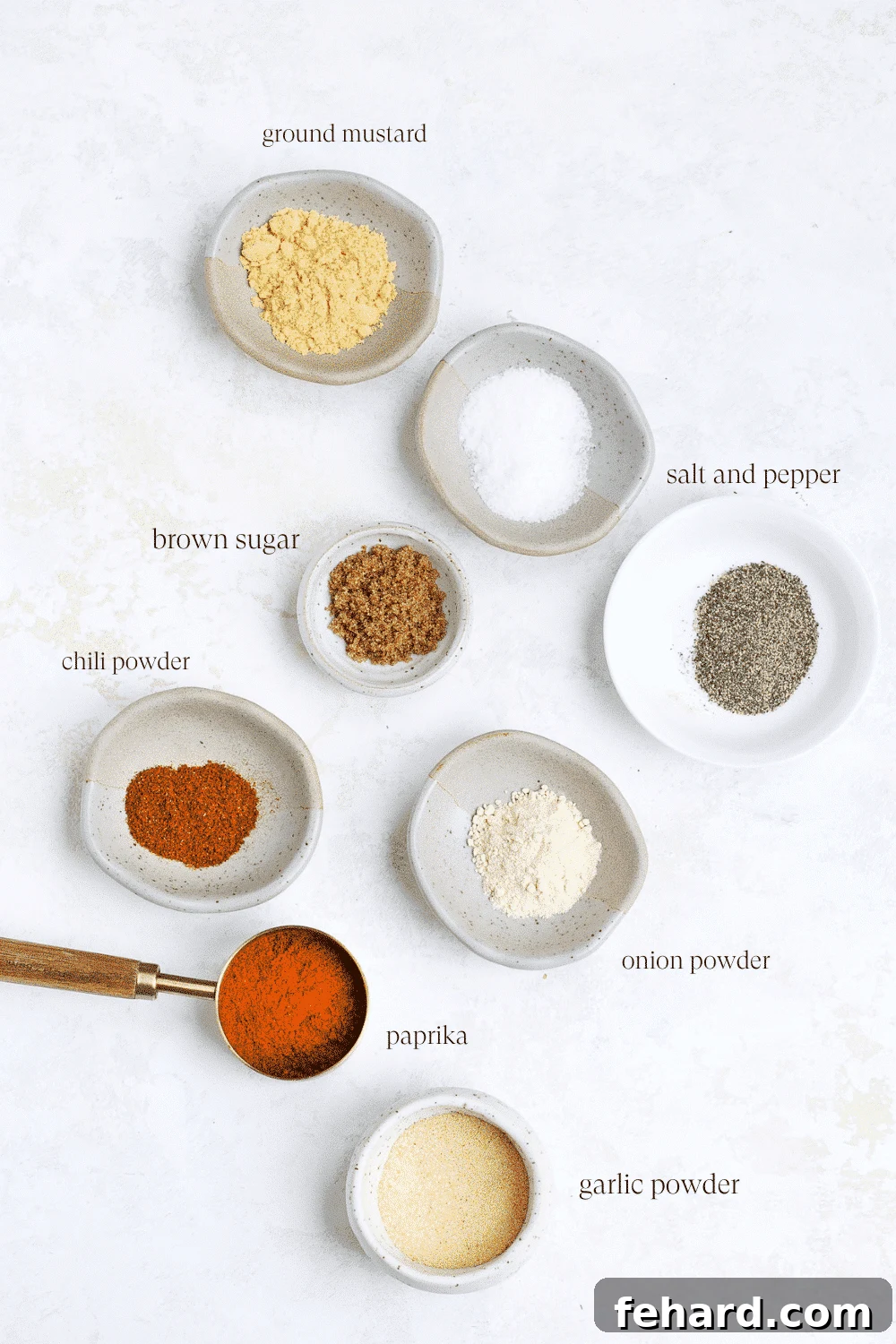
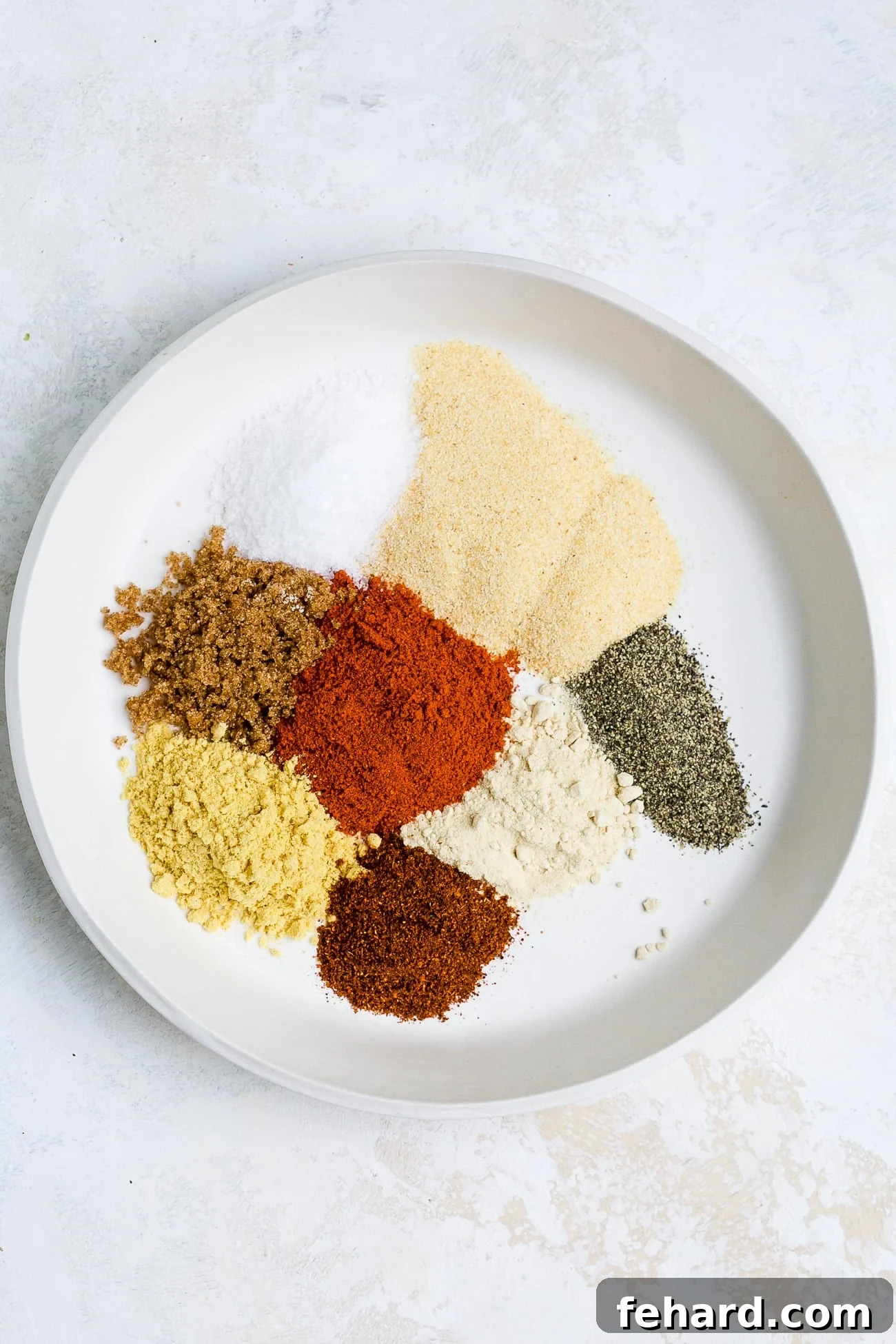
Crafting the perfect BBQ seasoning requires a thoughtful selection of spices, each playing a vital role in the overall flavor profile. Here are the core ingredients that form the backbone of this exceptional blend:
- Chili powder: This versatile spice blend is a cornerstone of many BBQ rubs, offering a warm, earthy, and subtly spicy flavor. It typically contains a mix of ground chiles, cumin, oregano, and garlic powder, contributing to both the color and the foundational taste of the rub. You can adjust the quantity based on your desired heat level.
- Paprika: Essential for both color and flavor, paprika adds a sweet, peppery note. Using smoked paprika specifically introduces an authentic smoky depth without needing to smoke the meat for hours, making it perfect for grilling.
- Ground mustard: This ingredient provides a sharp, tangy, and slightly pungent flavor that cuts through the richness of meat and brightens the overall profile. It also acts as an emulsifier, helping the other spices adhere to the meat.
- Brown sugar: More than just a sweetener, brown sugar is key to achieving that desirable caramelized crust on your barbecued meats. Its molasses content adds moisture and a rich, deep sweetness that perfectly balances the savory and spicy elements.
- Garlic powder: A foundational aromatic, garlic powder brings a savory, umami essence to the rub. It provides a consistent, mellow garlic flavor without the moisture content of fresh garlic, which could clump the rub.
- Onion powder: Complementing garlic powder, onion powder adds a slightly pungent, sweet, and savory depth. Together, garlic and onion powders create a classic flavor base that enhances nearly any dish.
- Salt and pepper: The indispensable duo. Sea salt is crucial for seasoning and drawing out moisture from the meat, which helps create a crispy exterior. Freshly ground black pepper adds a sharp, piquant flavor that activates the taste buds and rounds out the spice blend.
How to Make BBQ Seasoning
Creating your own BBQ seasoning is incredibly simple, requiring minimal effort for maximum flavor. Follow these straightforward steps to prepare your perfect dry rub:
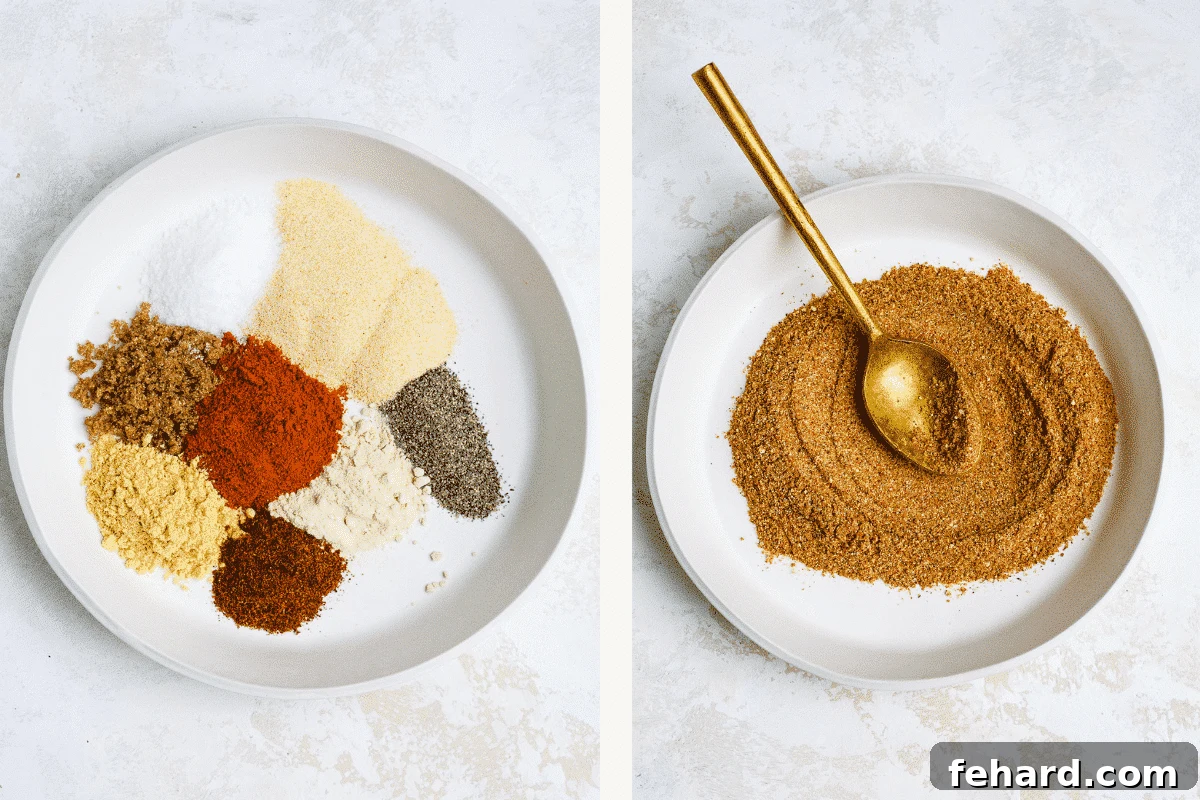
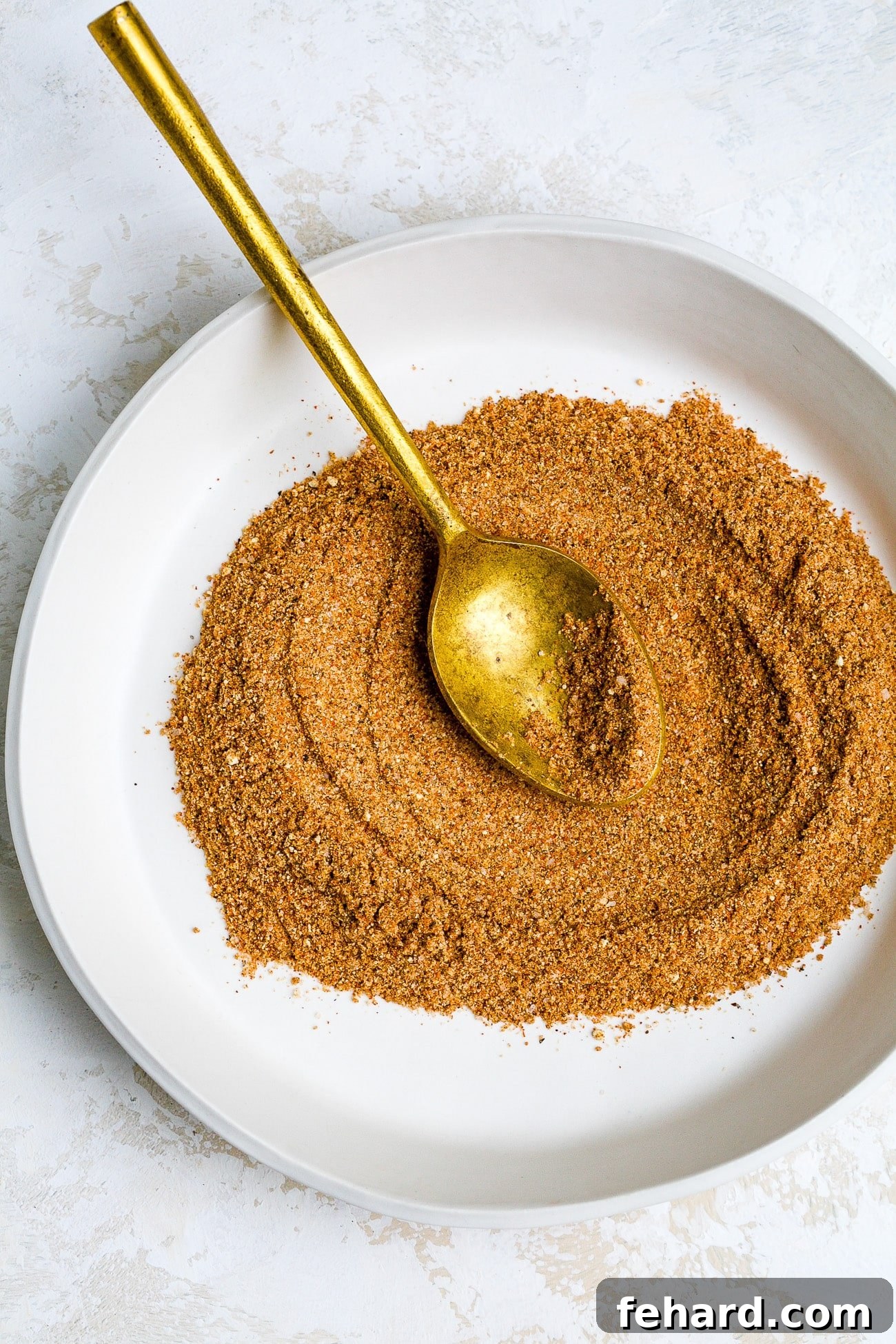
- To prepare this dry BBQ rub recipe, simply combine all the specified ingredients in a small bowl. Ensure all the spices are accurately measured to maintain the desired flavor balance.
- Using a small whisk or a spoon, mix the ingredients thoroughly. Continue mixing until the spices are evenly distributed, with no clumps of individual ingredients. This ensures that every part of your meat gets the full flavor experience.
- Once thoroughly combined, transfer the BBQ seasoning to an airtight jar. A small glass jar with a tight-fitting lid works perfectly. Store it at room temperature in a cool, dry place, away from direct light and heat, such as a pantry or kitchen cabinet. Proper storage will preserve its potency and aroma for several months.
How to Use BBQ Seasoning
The versatility of this BBQ seasoning allows for various cooking methods, including grilling and smoking, and even adds a gourmet touch to everyday snacks. Here’s how to best utilize your homemade rub:
Grilling
Grilling is a fantastic method for cooking meats and vegetables with BBQ seasoning, creating a beautifully charred exterior and tender interior.
- For optimal flavor, generously rub the seasoning onto your chosen protein, such as chicken wings, a pork shoulder, or baby back ribs. Ensure the entire surface is coated evenly.
- Allow the seasoned meat to rest for at least 30 minutes before grilling. This resting period allows the flavors to penetrate the meat. For tougher cuts like pork shoulder, you can let it rest for a few hours in the refrigerator for deeper flavor infusion. Vegetables, however, can be grilled immediately after seasoning.
- Grill the meat or vegetables according to your usual method, monitoring for internal temperature and desired doneness. The brown sugar in the rub will help create a beautiful caramelized crust.
Smoking
Smoking is an excellent way to impart a deep, complex flavor to your favorite meats, with BBQ seasoning enhancing the natural smoky notes.
- Rub the seasoning liberally onto the meat before placing it in the smoker. For larger cuts like briskets or pork butts, ensure you cover all surfaces evenly to achieve a consistent bark.
- The resting time for smoking is crucial for flavor development. Depending on the size of the meat, allow the seasoning to sit on the meat for 30 minutes up to 48 hours in the refrigerator. This longer rest time for larger cuts helps the salt and spices work their magic, tenderizing the meat and enhancing flavor.
- Smoke the meat in your smoker at the appropriate temperature until it reaches the desired internal temperature and tenderness. The rub will contribute to a rich, dark “bark” that is characteristic of perfectly smoked barbecue.
Regardless of the cooking method you choose, remember that you can always add a little more seasoning if needed after cooking, but it’s difficult to remove once applied. Start with a generous amount and experiment to find your perfect balance. This allows you to customize the intensity of the flavor to suit your personal taste preferences and the specific dish you are preparing.
Recipe Tips for Your Perfect BBQ Seasoning
Creating your own BBQ seasoning is an art form, allowing for endless customization and experimentation to match your unique taste. Here are some invaluable tips to perfect your blend:
- When crafting your all-purpose rub, don’t hesitate to experiment with different combinations of spices, herbs, and sugars. The goal is to discover a flavor balance that truly delights your palate and complements the specific meats you plan to cook.
- Explore a wide array of natural ingredients to create your unique flavor profile. Consider adding a touch of dried rosemary for an herbaceous note, a pinch of celery seed for a subtle tang, or even some ground coffee for a deeper, more robust, and earthy undertone that pairs exceptionally well with beef.
- Customize your BBQ seasoning to your exact preferences. If you crave more heat, increase the chili powder or add some cayenne. For a sweeter rub, add a bit more brown sugar. Feel free to experiment with additional spices like cumin for an earthy kick, coriander for a citrusy brightness, or even a hint of cinnamon for an unexpected warmth that can enhance pork dishes.
Recipe Variations to Explore
The beauty of homemade BBQ seasoning lies in its adaptability. Once you have the basic recipe down, there are endless variations you can try to tailor it to specific tastes or dishes. Here are a few ideas to inspire your culinary creativity:
- Spicy: For those who love a fiery kick with their sweet and smoky flavors, incorporate additional heat. Try adding a teaspoon of cumin for an earthy heat, or increase the cayenne pepper for a more intense, sharp spiciness. You could also experiment with a pinch of chipotle powder for a smokier, more complex heat. This variation will infuse your meat with a delightful spicy warmth.
- Tangy and Zesty: If you prefer a brighter, more vibrant flavor profile, introduce tangy and zesty elements. Grated lemon zest or orange zest will provide a fresh, citrusy aroma, while dried thyme and dried oregano add a herbaceous, slightly peppery note. This blend is perfect for lighter meats like chicken and fish, bringing a refreshing contrast to the richness of barbecue.
- Bold and Robust: For a deep, rich, and intensely flavorful homemade BBQ rub, consider unconventional additions. Mixing in a tablespoon of finely ground coffee grounds can add a bitter depth and enhance the savoriness of red meats. A teaspoon of unsweetened cocoa powder contributes an earthy, slightly bitter, and chocolatey complexity that pairs surprisingly well with smoked brisket or beef ribs. Couple these with extra smoked paprika for amplified smokiness and a touch of cayenne for warmth, creating a truly rich and multifaceted flavor.
Storing BBQ Seasoning for Optimal Freshness
Proper storage is key to maintaining the potency and vibrant flavors of your homemade BBQ seasoning. Following these guidelines will ensure your blend stays fresh and effective for months:
- To Store: Always use an airtight container for your seasoning. A small glass jar with a tight-fitting lid is ideal, as glass does not absorb odors and creates an excellent seal. This type of container is crucial for preventing air and moisture from entering, which are the primary culprits behind spices losing their flavor and aroma over time.
- Keep it in a Cool, Dry Place: The enemies of fresh spices are heat, light, and moisture. Store your seasoning in a cool, dry place, such as a pantry, kitchen cabinet, or drawer, away from direct sunlight, the stove, or any other heat sources. Exposure to these elements can degrade the essential oils in the spices, causing them to lose their potency quickly.
- Avoid Freezing or Refrigerating: While it might seem counterintuitive for preserving freshness, freezing or refrigerating dry rubs is generally not recommended. The fluctuation in temperature and humidity can cause moisture to condense and crystallize within the seasoning, potentially affecting its texture and clumping the spices. This can also alter the delicate balance of flavors, leading to a less desirable outcome.
- Label and Date Your Container: To ensure you’re always using the freshest seasoning possible, make it a habit to label your container with the name of the rub and the date it was prepared. Most dry rubs can maintain their peak flavor for at least 3 to 6 months when stored correctly. Labeling helps you keep track and know when it’s time to whip up a fresh batch for the best results.
Creative Ways to Use Your Versatile BBQ Seasoning
This fantastic BBQ seasoning isn’t just for your main grilled or smoked dishes; its sweet, smoky, and savory profile makes it incredibly versatile. Here are even more innovative ways to incorporate this delicious blend into your cooking:
- Sprinkle BBQ seasoning on grilled meats beyond the usual. Elevate your chicken breasts, tender steak bites, juicy baked pork chops, or classic burgers. It forms a fantastic crust and infuses every bite with robust flavor.
- Give your side dishes a significant flavor boost by generously tossing them with BBQ seasoning. Imagine the transformation of roasted sweet potatoes, vibrant grilled vegetables like corn on the cob, bell peppers, or asparagus. Even a creamy potato salad or hearty steak cabbage will benefit from this tasty addition, adding depth and excitement.
- Soak up the flavors when preparing crowd-pleasing appetizers and comfort food. This BBQ seasoning is phenomenal for seasoning crispy baked chicken wings or succulent oven-baked ribs, ensuring they’re packed with irresistible barbecue taste from the first bite to the last.
- Elevate the flavor of your favorite fried snacks. Take your homemade fries or chunky potato wedges to the next level by tossing them in BBQ seasoning before baking or air frying. The result is consistently crispy, smoky, and utterly delicious, far superior to plain salt and pepper.
- Beyond savory dishes, don’t shy away from sprinkling a pinch into buttered popcorn for a unique snack experience or mixing it into a plain cream cheese for a flavorful dip.
BBQ Seasoning Recipe
You’ll love this sweet and smoky BBQ seasoning is perfect for ribs, chicken, or pulled pork and will really take your dish to the next level! Using this blend of spices before the meat is cooked, adds an incredible flavor and is excellent for your next barbecue.
Author: Olivia Ribas
Servings: 6 servings
Prep Time: 5 minutes
Total Time: 5 minutes
Ingredients
- 2 tablespoons smoked paprika
- 1 tablespoon garlic powder
- 2 teaspoons sea salt
- 2 teaspoons brown sugar
- 2 teaspoons onion powder
- 1 teaspoon chili powder
- 2 teaspoons ground mustard
- 1 teaspoon black pepper
Instructions
- In a small bowl, mix together the paprika, garlic powder, salt, brown sugar, onion powder, chili powder, ground mustard, and black pepper. Whisk or stir until thoroughly combined.
- Store in a sealed, airtight container at room temperature, away from light and heat.
Notes
- Make sure to store the BBQ seasoning in a dry place like a pantry, kitchen cabinet, or kitchen drawer to ensure its freshness.
- Using a glass jar is recommended for optimal storage.
- This dry rub can be stored for at least 3 months, but for best flavor, try to use it within 6 months.
- This versatile recipe works wonders on any kind of protein, including chicken, pork, beef, and even some grilled vegetable recipes.
Nutrition
Serving: 1/6, Calories: 24kcal, Carbohydrates: 5g, Protein: 1g, Fat: 1g, Sodium: 790mg, Potassium: 97mg, Fiber: 1g, Sugar: 1g
Nutrition information is automatically calculated, so should only be used as an approximation.
Frequently Asked Questions About BBQ Seasoning
How long does homemade BBQ seasoning last?
When stored properly in an airtight container in a cool, dry, and dark place, homemade BBQ seasoning can maintain its peak flavor and aroma for about 3 to 6 months. After this period, it’s still safe to use, but the flavors may start to diminish.
Can I use this dry rub as a wet rub?
Yes, you absolutely can! To turn this dry rub into a wet rub, simply mix a portion of the seasoning with a small amount of liquid, such as olive oil, apple cider vinegar, water, or even a dash of hot sauce. Mix until it forms a paste, then apply it to your meat. This creates a slightly different texture and can help the seasoning adhere even better, while also adding moisture.
Is this BBQ seasoning spicy?
The base recipe has a mild to moderate spice level, primarily from the chili powder and black pepper, balanced by the sweetness of brown sugar. If you prefer more heat, you can easily increase the amount of chili powder or add a pinch of cayenne pepper, chipotle powder, or red pepper flakes to suit your preference.
Can I use this seasoning on vegetables or seafood?
Absolutely! This versatile BBQ seasoning is excellent for more than just traditional barbecue meats. Sprinkle it on roasted vegetables like potatoes, carrots, or cauliflower for a smoky, savory side dish. It can also add a delightful kick to grilled or baked seafood like shrimp, salmon, or scallops, though you might want to use a slightly lighter hand with the application on delicate seafood.
What is the benefit of a dry rub over a marinade?
Dry rubs primarily focus on seasoning the surface of the meat, creating a flavorful crust (often called “bark” in smoking) that locks in juices and imparts deep flavor through caramelization. Marinades, on the other hand, typically penetrate deeper into the meat, tenderizing it and flavoring it from within, often with acidic components. While marinades can tenderize, dry rubs excel at creating a crisp, seasoned exterior and that quintessential barbecue flavor and texture.
Embrace the joy of crafting your own delicious homemade BBQ seasoning. With its balanced blend of sweet, smoky, and savory notes, this dry rub is sure to become a staple in your kitchen, transforming everyday meals into extraordinary feasts. Experiment with variations, apply it with confidence, and savor the incredible flavors you create. Happy grilling!