
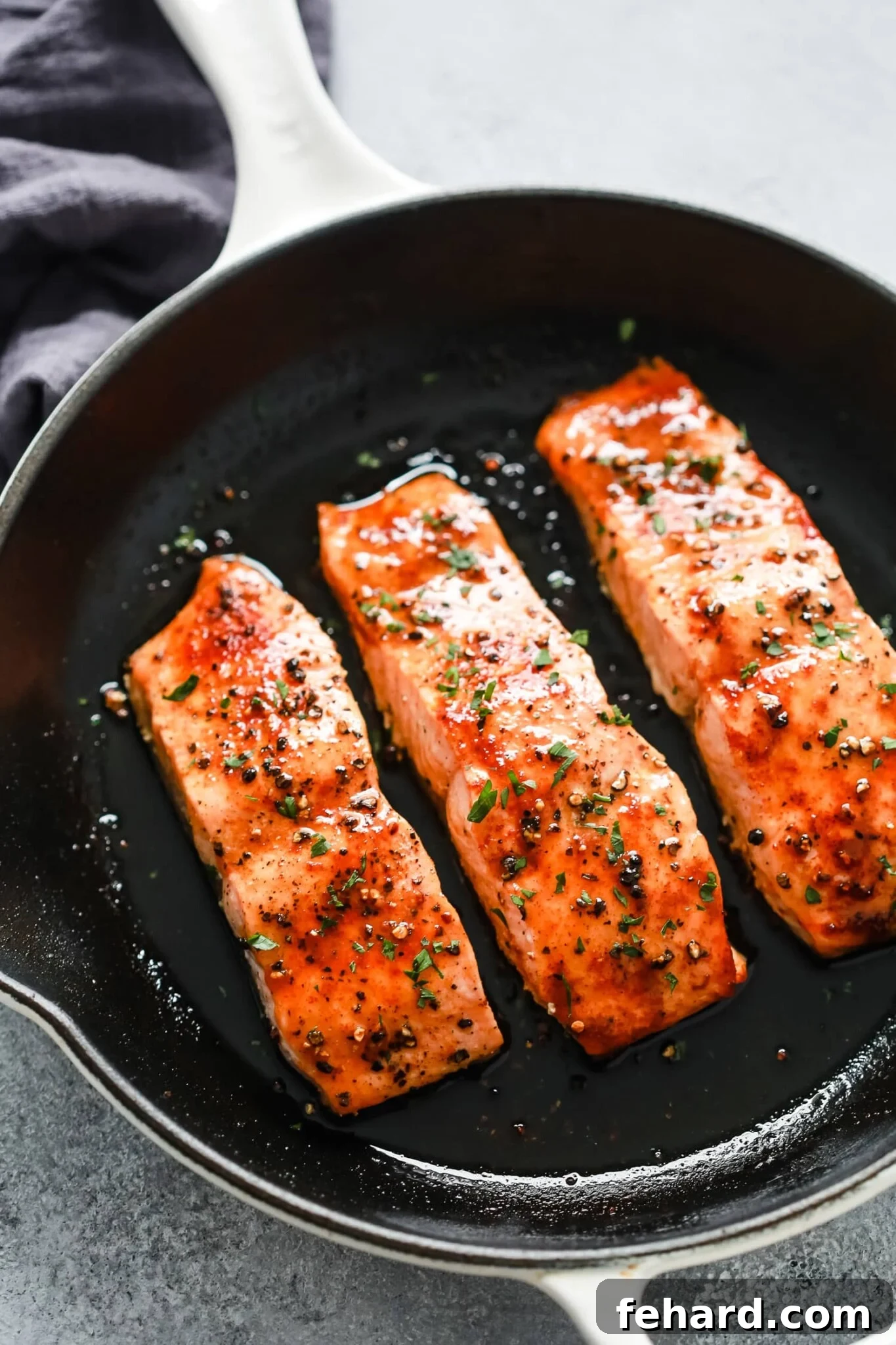
If you’re searching for a consistently perfect way to prepare tender, flavorful salmon, this simple oven-baked method is about to become your culinary secret weapon. It’s incredibly straightforward, highly reliable, and truly allows the rich, natural taste of the salmon to shine through. With minimal seasoning and a quick bake, you’ll achieve beautifully flaky, juicy salmon that effortlessly elevates weeknight dinners, streamlines your meal prep, or simply provides a healthy and delicious option when you crave something special without spending hours in the kitchen.
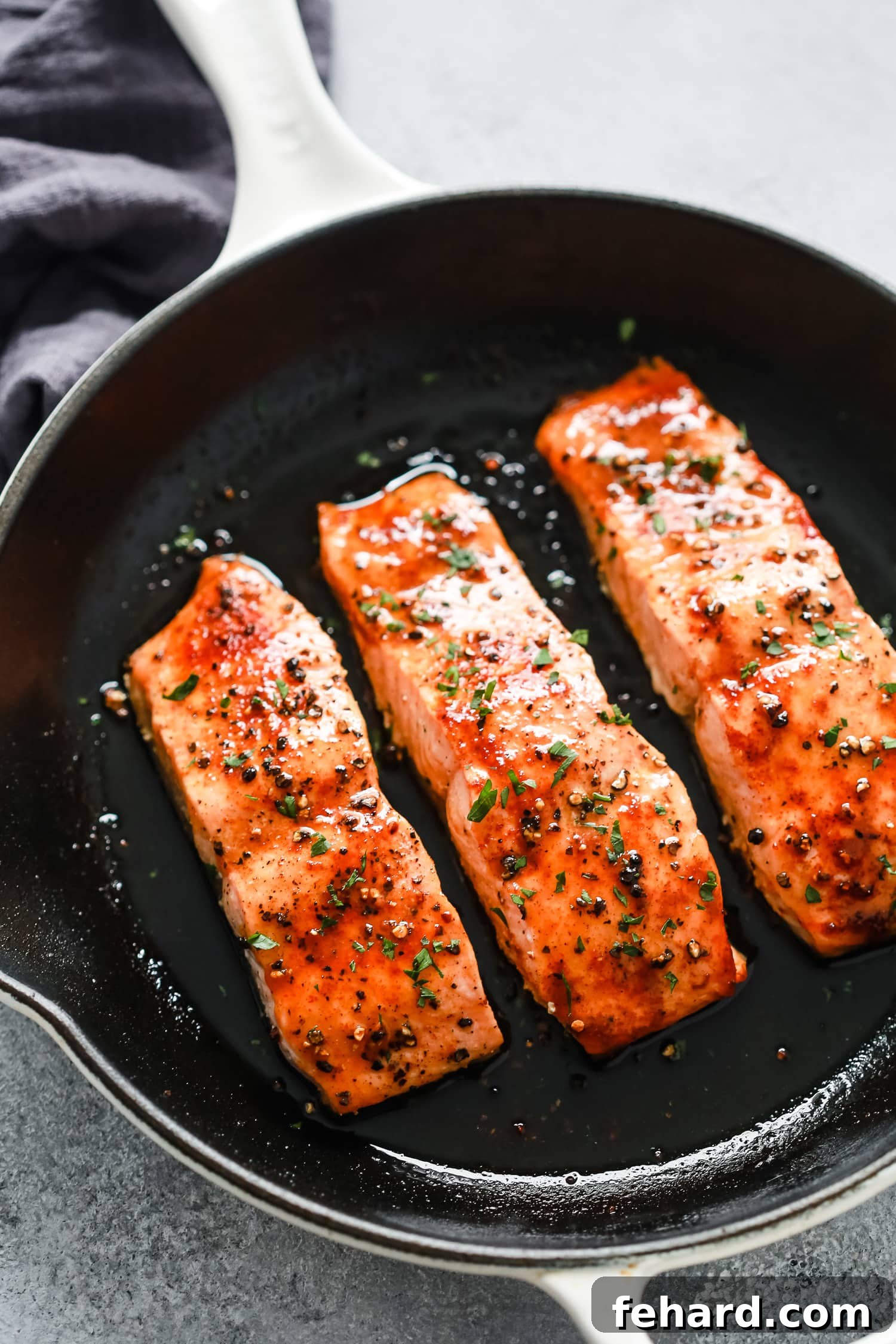
Having refined my salmon cooking techniques over many years, as evidenced by my extensive salmon recipe collection, I’ve developed numerous easy weeknight dinner ideas. Some of my personal favorites include:
- Garlic Butter Salmon: A succulent dish with aromatic garlic butter, often cooked in foil for easy cleanup.
- Air Fryer Salmon: For quick, crispy results with minimal oil.
- Spicy Salmon: A zesty option for those who enjoy a little kick.
- Salmon Steak: A heartier cut, perfectly seared and flavored.
- Chopped Salmon Salad: A light, refreshing meal perfect for lunch or a healthy dinner.
Today, I’m excited to share my foolproof, straightforward tips for how to cook salmon to perfection. If you’re looking for a delicious, wholesome, and incredibly easy meal to round out your week, this oven-baked salmon recipe is absolutely ideal for you.
Choosing the Best Salmon for Baking: A Guide to Fillets
While this recipe works beautifully with nearly any variety of salmon, understanding the characteristics of different types can help you select the perfect fillet for your meal. For this particular recipe, I’ve used a beautiful Atlantic salmon fillet with the skin on. However, I’ve also successfully prepared this baked salmon recipe using wild salmon varieties such as King salmon (Chinook), Coho salmon, and Sockeye salmon, all yielding excellent results. Based on extensive testing, I’m confident this method will also produce tender, flaky results with Chinook and Sockeye salmon.
- Atlantic Salmon: Often farmed, Atlantic salmon is widely available and known for its high fat content, which contributes to its rich flavor and buttery texture. It cooks up very moist and is forgiving for beginners.
- King Salmon (Chinook): Considered the largest and most flavorful of the Pacific salmon species, King salmon boasts the highest oil content, resulting in a rich, luxurious taste and texture. It’s excellent for baking as it stays incredibly moist.
- Sockeye Salmon: Distinctive for its vibrant red-orange flesh and robust flavor, Sockeye salmon is leaner than King or Atlantic salmon. It offers a firmer texture and pronounced “salmon” taste, making it a favorite for many. Be mindful not to overcook Sockeye to prevent it from drying out.
- Coho Salmon: Also known as Silver salmon, Coho has a milder flavor and a more delicate texture compared to Sockeye. Its moderate fat content makes it a versatile choice for baking, offering a balance of moisture and flakiness.
- Pink Salmon (Humpback): This is the smallest and most abundant Pacific salmon. It has a very mild flavor and tender, light pink flesh. Often used for canning, it can also be baked, but due to its leanness, it cooks quickly and requires careful monitoring.
- Chum Salmon (Keta): With light to medium-pink flesh and a milder flavor, Chum salmon is firmer and leaner than some other varieties. It’s a good choice for baking, but like Sockeye and Pink, benefits from careful cooking to maintain moisture.
When selecting your salmon, look for firm, brightly colored flesh without any brown spots or dullness. If buying from a fishmonger, it should smell fresh, like the ocean, not “fishy.” Skin-on fillets are generally recommended for baking as the skin acts as a barrier, helping to retain moisture and prevent the delicate flesh from sticking to the pan. Plus, crispy salmon skin can be a delicious bonus!
How to Cook Salmon in the Oven: A Step-by-Step Guide for Perfect Fillets
Achieving perfectly baked salmon is easier than you think. Follow these clear, simple steps to guarantee tender, flaky results every time. This method focuses on maximizing flavor and ensuring a moist texture, making it ideal for both beginners and experienced cooks alike.
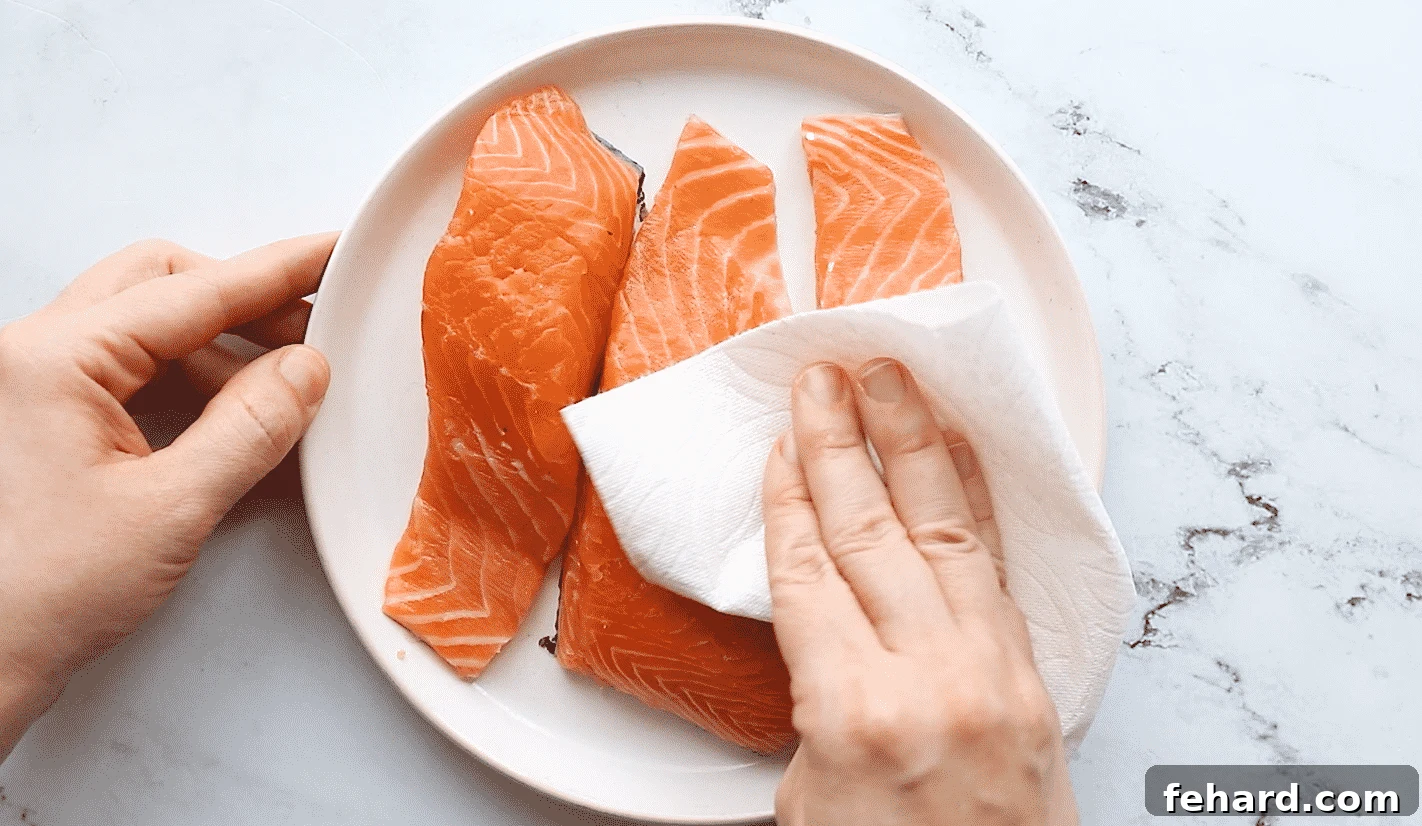
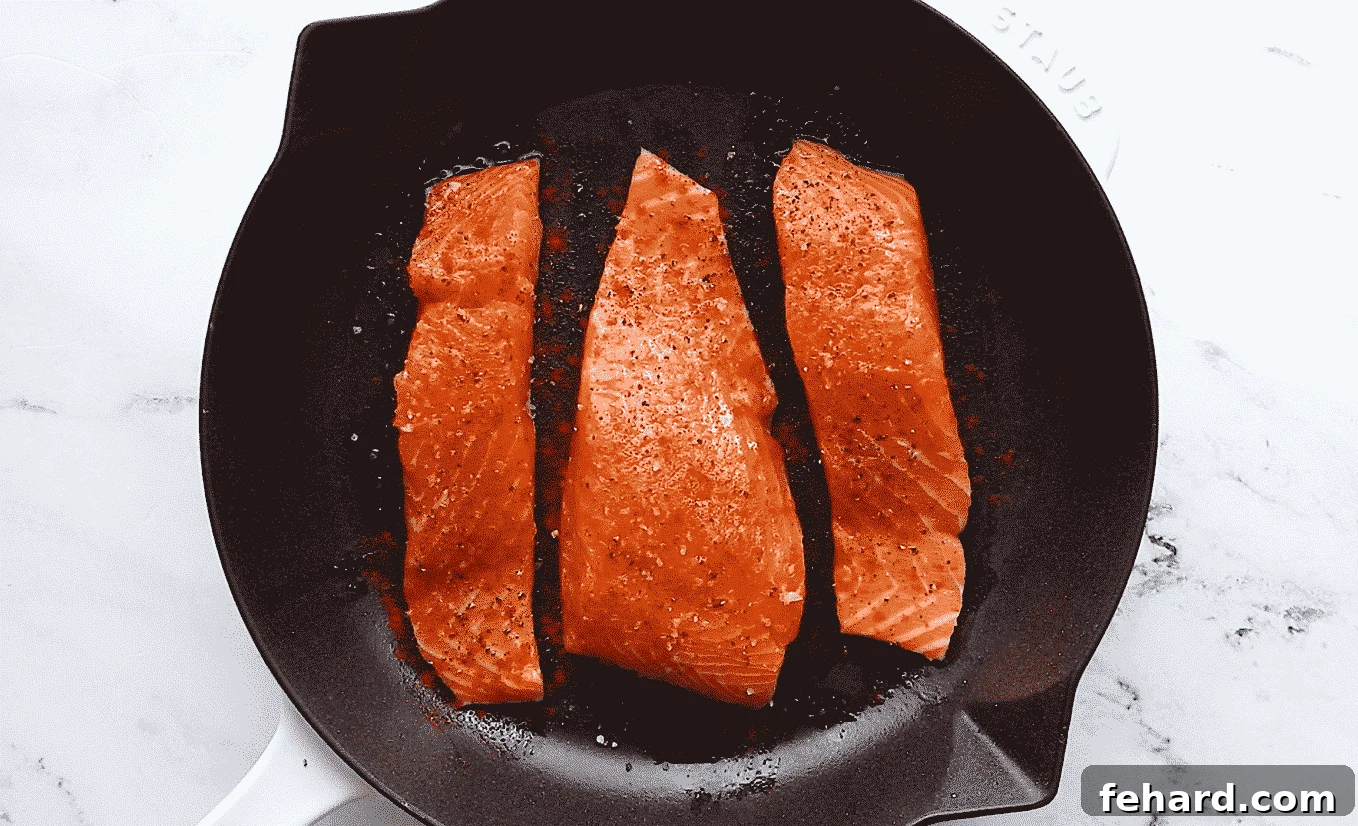
- Prepare Your Oven and Baking Surface: Begin by preheating your oven to 375°F (190°C). Position an oven rack in the middle to ensure even cooking. Next, prepare your baking vessel. You can line a standard baking sheet with parchment paper for easy cleanup, or opt for a sturdy cast iron skillet, which I often prefer for its ability to create a beautifully crisp skin. Once your surface is ready, remove your salmon fillets from the refrigerator. Pat them thoroughly dry with paper towels. This crucial step ensures that the olive oil adheres properly and helps the salmon achieve a lovely sear and golden-brown finish, rather than steaming in its own moisture. Remember, oil and water don’t mix effectively, so a dry surface is key for seasoning and texture.
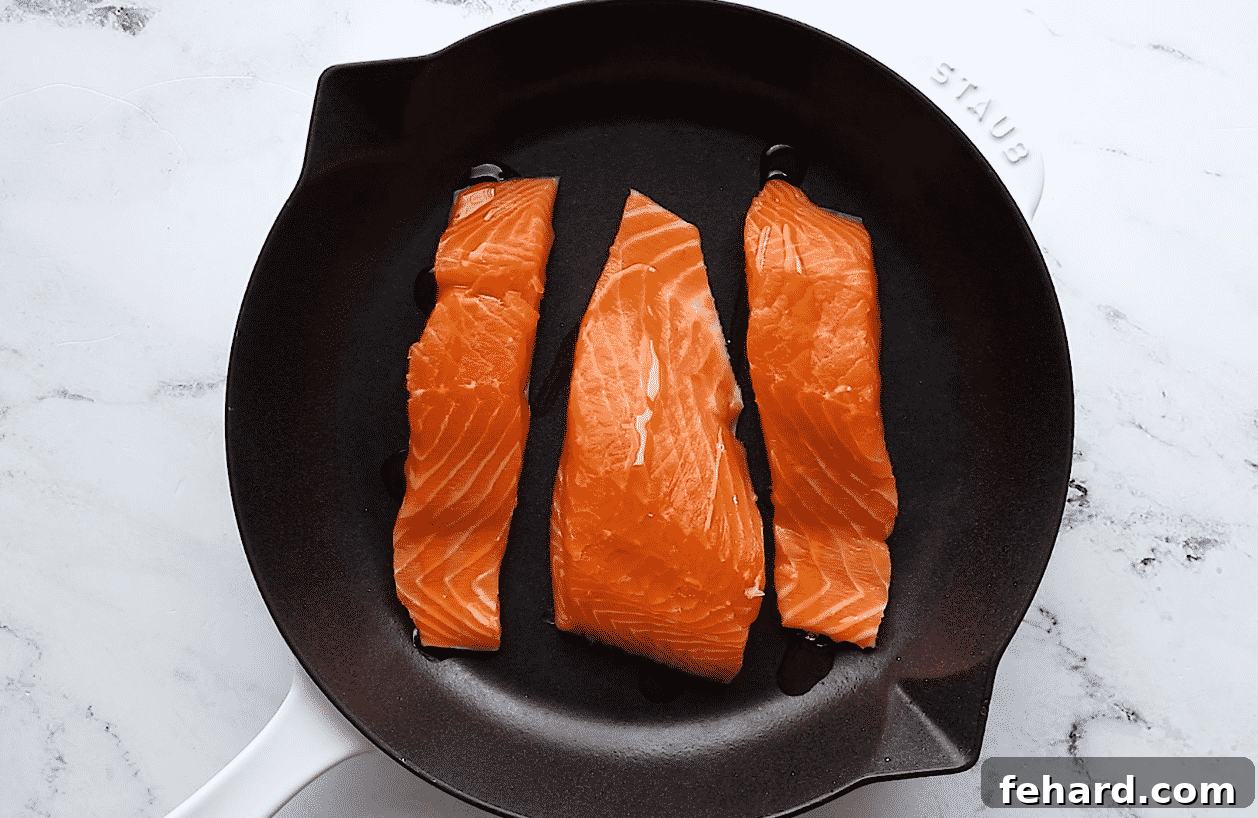
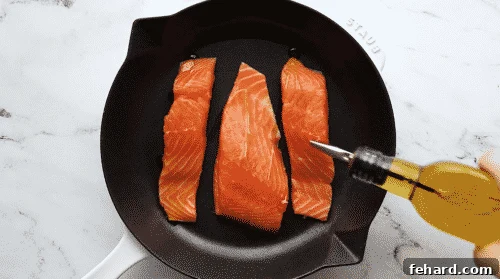
- Oil and Position the Salmon: Place the dried salmon fillets onto your prepared baking sheet or into the cast iron skillet, ensuring the skin side is facing down. This is an important step; cooking skin-side down first protects the delicate flesh from direct heat and allows the skin to crisp up nicely. Drizzle a generous amount of olive oil over the top of each salmon fillet. Using a pastry brush or even your clean fingers, gently rub the oil evenly across the entire surface of the salmon. This helps the seasonings adhere and contributes to a beautiful golden crust.
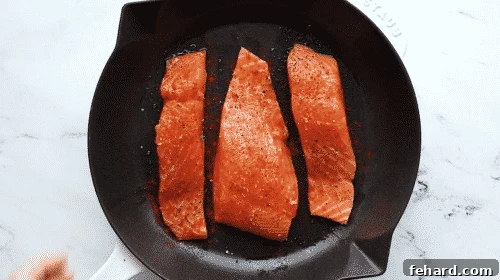
- Season and Bake: Generously season the salmon fillets with salt, freshly ground black pepper, and paprika. For a different flavor profile, you can substitute paprika with Cajun seasoning, lemon pepper, or a blend of dried dill and garlic powder. Once seasoned to your liking, transfer the baking sheet or skillet directly to the preheated oven. The beauty of this method is how little fuss is required once it’s in the oven.
- Monitor Cooking Time: Bake the salmon for approximately 10-15 minutes. The precise cooking time can vary significantly based on the thickness of your salmon fillets and your oven’s calibration. As a general rule, thinner fillets will cook faster, while thicker cuts will require more time. Begin checking for doneness after 10 minutes. If the salmon is not yet cooked through, return it to the oven and continue baking for an additional 3-5 minutes, then check again. Repeat if necessary, adding 2-3 minute increments until done.
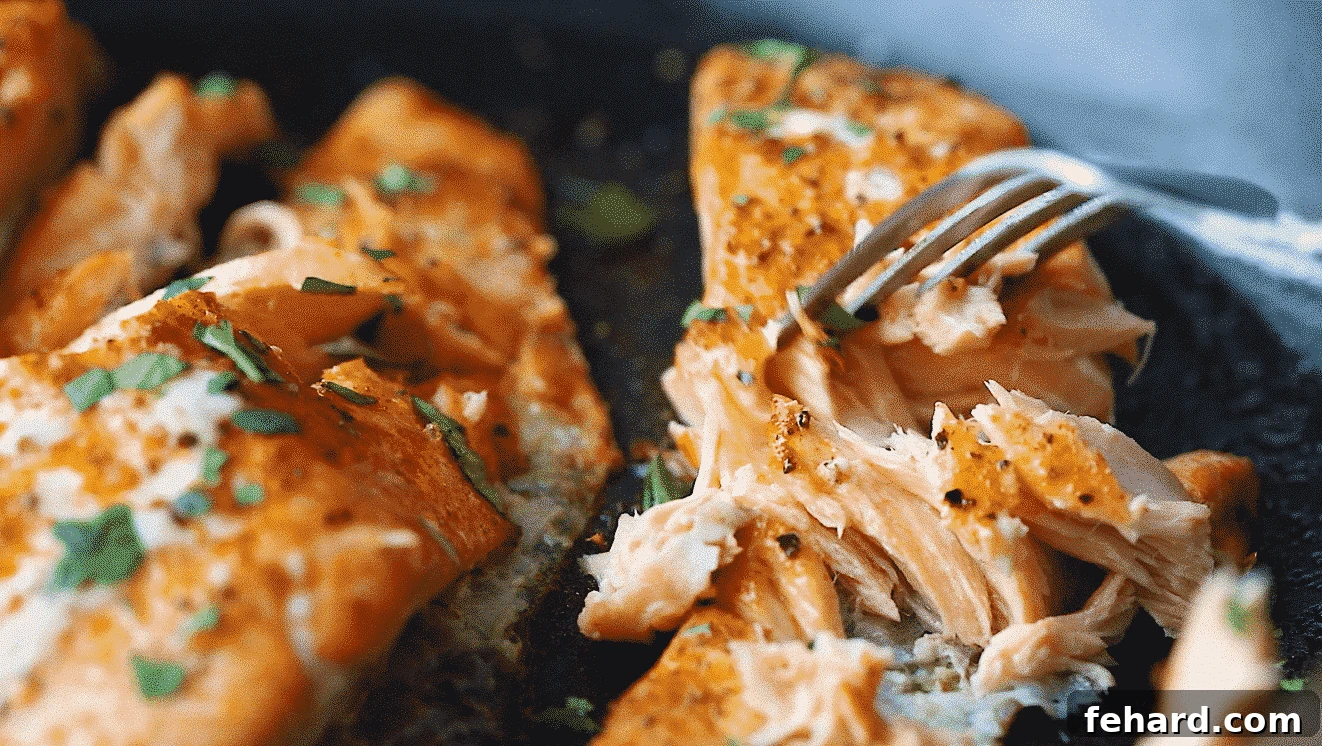
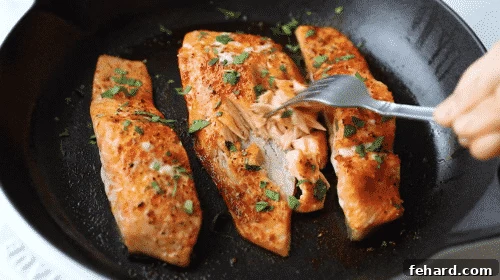
- Confirm Doneness and Serve: The most accurate way to determine if your salmon is perfectly cooked is by using a meat thermometer. Insert the thermometer into the thickest part of the fillet; the salmon is done when it reaches an internal temperature of 145°F (63°C). Alternatively, you’ll know it’s ready when the flesh easily flakes apart with a fork. It should still be moist and slightly translucent in the very center, but not raw. Avoid overcooking, as this can lead to dry, tough salmon. Once cooked, remove the salmon from the oven and let it rest for a couple of minutes. Before serving, a sprinkle of fresh chopped parsley or your favorite fresh herbs, along with a squeeze of fresh lemon juice, will brighten the flavors and add a beautiful finishing touch.
Pro Tips for Perfectly Baked Salmon Every Time
Even though baking salmon is incredibly simple, a few expert tips can elevate your results from good to truly exceptional. Follow these pointers for moist, flavorful, and perfectly cooked salmon fillets.
- Don’t Overcook: This is arguably the most important tip. Overcooked salmon quickly becomes dry, tough, and less flavorful. Using a meat thermometer is the most reliable way to ensure perfect doneness (145°F / 63°C). Remember that the salmon will continue to cook slightly even after it’s removed from the oven due to residual heat, so pulling it out just as it hits 145°F is ideal.
- Pat Dry for Crispy Skin: As mentioned in the steps, thoroughly patting your salmon fillets dry with paper towels before oiling and seasoning is crucial. Moisture on the surface prevents the skin from crisping and can lead to a steamed rather than baked texture. A dry surface promotes better browning and a delicious, crisp skin.
- Keep the Skin On: Baking salmon with the skin on offers several advantages. The skin acts as a natural barrier, protecting the delicate flesh from direct heat and helping to lock in moisture, resulting in a juicier fillet. Additionally, if cooked correctly (especially in a cast iron skillet), the skin can become wonderfully crispy and edible. If you prefer not to eat the skin, it’s much easier to remove after the salmon is cooked.
- Room Temperature for Even Cooking: While not strictly necessary, allowing your salmon fillets to sit at room temperature for about 15-20 minutes before baking can promote more even cooking. This reduces the temperature shock when it enters the hot oven.
- Season Generously: Don’t be shy with your seasonings! Salmon can handle a good amount of salt, pepper, and herbs. Consider adding a touch of garlic powder, onion powder, or a pinch of cayenne for extra depth.
- Don’t Crowd the Pan: Ensure there’s enough space between your salmon fillets on the baking sheet. Overcrowding can lower the pan temperature and create steam, hindering proper browning and crisping.
- Rest Before Serving: Just like with steak or chicken, letting your salmon rest for 3-5 minutes after cooking allows the juices to redistribute throughout the fillet. This makes for a more moist and tender eating experience.
How to Thaw Frozen Salmon Before Cooking
Properly thawing frozen salmon is essential for achieving the best texture and ensuring food safety. Avoid rushing the process with hot water, as this can lead to uneven thawing and potentially compromise the quality and safety of the fish. Here are the two recommended methods:
- Cold Water Thawing (Quick Method): If you’re short on time, this method works well. Place your sealed, vacuum-packed salmon fillet in a bowl of cold water. Ensure the salmon is completely submerged. Allow it to sit for approximately 30-45 minutes, changing the water halfway through to keep it cold. The cold water gently thaws the fish without promoting bacterial growth. Once thawed, pat dry and cook immediately.
- Refrigerator Thawing (Safest Method): This is the safest and most recommended method for preserving the best texture and flavor of your salmon. Simply transfer the frozen, sealed salmon to a plate and place it in the refrigerator overnight. Depending on the thickness of the fillet, it may take 12-24 hours to thaw completely. This slow, gradual thawing process minimizes ice crystal damage to the fish cells, resulting in a firmer, more desirable texture when cooked.
Important Note: Never use warm or hot water to thaw salmon, as this can quickly bring the fish into the “danger zone” for bacterial growth and negatively impact its texture, making it mushy.
What to Serve with Oven-Baked Salmon: Delicious Side Dish Pairings
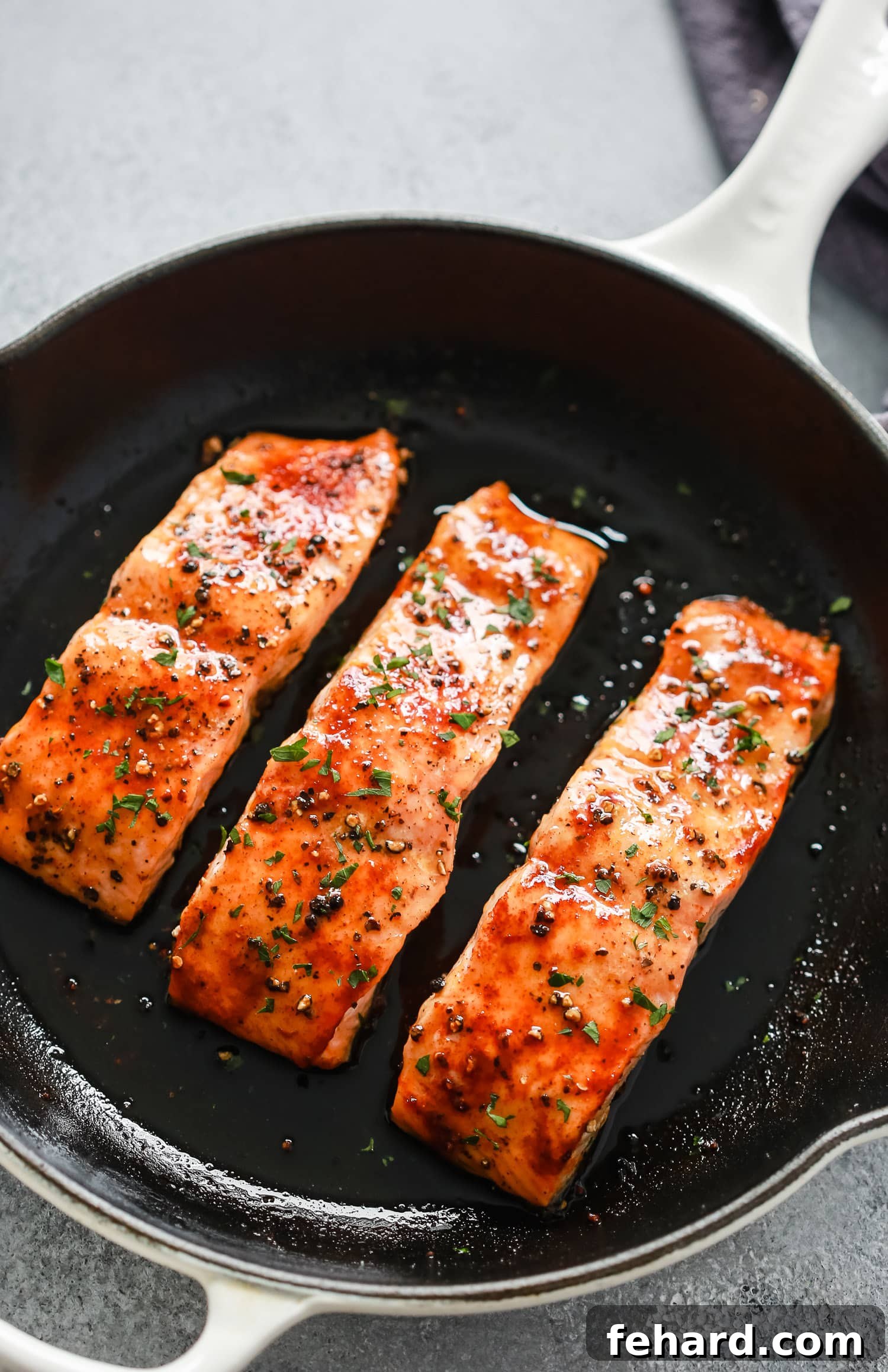
Oven-baked salmon is a versatile main course that pairs beautifully with a wide array of side dishes. Its rich flavor and tender texture complement both light and hearty accompaniments. Here are some fantastic ideas to complete your meal:
- Roasted Vegetables: Roasting vegetables alongside your salmon is convenient and delicious. Think of vibrant options like roasted cauliflower, asparagus, broccoli, brussels sprouts, or bell peppers. A medley of seasonal roasted vegetables adds color, nutrients, and complementary flavors.
- Potatoes and Root Vegetables: While the original text suggests avoiding heavy, starchy dishes like mashed potatoes, a well-prepared potato side can still be excellent. Consider lighter options such as healthy potato salad, roasted baby potatoes with herbs, or a flavorful mashed butternut squash or savory mashed sweet potatoes. These offer a touch of sweetness and earthiness that contrasts well with salmon.
- Grains: For a balanced and satisfying meal, pair your salmon with healthy grains. Options like quinoa, couscous, brown rice, or even a light risotto provide a wonderful base. A lemon-herb quinoa salad or a simple pilaf would be excellent choices.
- Salads: A fresh, crisp salad is always a fantastic accompaniment. A simple green salad with a light vinaigrette, a vibrant cucumber and dill salad, or a refreshing citrus-segment salad can cut through the richness of the salmon beautifully.
- Pasta: For a more substantial meal, consider a light pasta dish. A lemon-garlic pasta or a simple pasta tossed with cherry tomatoes and basil would complement the salmon without overpowering it.
- Sauces: Enhance your salmon with a complementary sauce. A simple squeeze of fresh lemon, a creamy dill sauce, a bright chimichurri, or a zesty mango salsa can add another layer of flavor and moisture.
The key is to choose sides that offer a balance of textures and flavors, whether you’re aiming for a light, healthy meal or a more comforting, substantial dinner.
Other Methods to Cook Salmon: Exploring Culinary Techniques
Salmon is remarkably versatile due to its firm flesh and moderate fat content, making it suitable for almost any cooking method. While oven baking is a fantastic, hands-off approach, here are several other popular ways to cook salmon, each offering a unique flavor and texture profile:
- Steaming: This is an incredibly healthy way to cook salmon, preserving its natural moisture and delicate flavor without added fats. Simply place salmon fillets in a steamer basket over simmering water, cover, and steam until cooked through. It results in a very tender, flaky fish.
- Poaching: Similar to steaming in its gentle approach, poaching involves simmering salmon in a flavorful liquid (like water, broth, or white wine with herbs and aromatics). This method infuses the salmon with subtle flavors while keeping it exceptionally moist and tender.
- Grilling: For those who love a smoky char and robust flavor, grilling salmon is an excellent choice. Whether directly on the grates or in a foil packet, grilling imparts a beautiful smoky taste and can create a lovely crust on the skin. It’s perfect for outdoor cooking and BBQ enthusiasts.
- Broiling: Broiling offers a quick and easy way to cook salmon, creating a crispy top layer. It uses high, direct heat from above, making it ideal if you want to cook a batch of salmon quickly on a sheet pan for a crowd. Keep a close eye on it to prevent burning.
- Pan Frying: If you’re after delicious crispy skin and a rich, buttery flavor, pan-frying is the way to go. This method typically involves cooking the salmon in a hot skillet with a good amount of oil or butter, focusing on searing the skin side until golden and crisp.
- Pan Searing: A quick cooking method that creates a beautiful crust on the exterior while keeping the interior moist. It’s similar to pan-frying but often uses less oil and focuses on a high initial heat to achieve a sear, then often finishes with a lower heat or in the oven.
- Baking: As highlighted in this article, baking is a super hands-off method. It’s fantastic for preparing multiple fillets at once and allows you to cook side dishes simultaneously, making meal prep efficient. You can bake it in a cast iron skillet for crispier skin or on a rimmed baking sheet for easy cleanup.
Print Recipe
How to Cook Salmon in the Oven
Ingredients
- 3 medium skin-on salmon fillets
- 1 tablespoon olive oil
- Salt and pepper to taste
- Paprika to taste
- Fresh parsley to garnish chopped
Instructions
-
Preheat the oven to 375°F (190°C). Place a rack in the middle of the oven. Line a baking sheet with parchment paper or use a cast iron skillet. Remove salmon from the fridge and pat the fillets thoroughly dry with paper towels.
-
Place salmon (skin-side down) in the baking sheet or cast iron skillet. Drizzle olive oil over the top of each salmon fillet. Use a pastry brush or your fingers to rub the oil all over the salmon.

-
Season generously with salt, pepper, and paprika (or Cajun seasoning). Transfer the prepared salmon to the oven.
-
Bake for 10-15 minutes. Cooking time largely depends on the thickness of your salmon fillets. Begin checking after 10 minutes. Salmon is done when it reaches a minimum internal temperature of 145˚F (63°C). Use a meat thermometer to verify. You’ll also know it’s ready when the salmon flakes easily with a fork. Squeeze a little bit of fresh lemon juice on top before serving for extra brightness.
Notes
- It’s crucial to thoroughly pat dry the salmon before cooking. This ensures it browns beautifully and helps prevent it from steaming in the oven.
- I highly recommend keeping the skin on while baking. It helps the salmon stay incredibly moist, and the skin itself gets wonderfully crispy in the oven, making it a delicious addition.
- Whenever possible, opt for wild-caught salmon over farmed salmon for superior flavor and nutritional benefits.
- To store: Any leftover baked salmon can be stored in an airtight container in the refrigerator for up to 3-4 days.
- To reheat: Gently reheat salmon on the stovetop over low heat or briefly in the microwave to avoid drying it out.
- To freeze: Once the salmon fillets have cooled completely to room temperature, transfer them to a freezer-safe bag or airtight container. Freeze for up to 3-4 months.
Nutrition
Nutrition information is automatically calculated, so should only be used as an approximation.
Did You Make This?
Follow @primaverakitchen on Instagram, snap a photo, and tag it #primaverakitchen. We’d love to see your recreation.
Frequently Asked Questions About Baking Salmon
Got more questions about how to achieve salmon perfection in your oven? Here are answers to some common queries.
- How do I know when salmon is done without a thermometer?
- While a thermometer is the most accurate tool, you can tell salmon is done when it easily flakes with a fork. Gently press down on the thickest part of the fillet; if it separates into layers without resistance, it’s ready. The flesh should be opaque throughout but still look moist, with a slight translucency possibly remaining in the very center.
- Can I cook salmon from frozen?
- While it’s generally recommended to thaw salmon first for the best texture and even cooking, you can cook it from frozen if necessary. Increase the baking time by about 50% (so roughly 15-20 minutes longer than thawed salmon), and ensure you season it well as it cooks. The texture might be slightly different than thawed salmon, but it can still be delicious and safe to eat once it reaches 145°F (63°C) internal temperature.
- What’s the best temperature to cook salmon in the oven?
- A temperature of 375°F (190°C) is excellent for baking salmon. It’s hot enough to cook the fish relatively quickly and create a nice exterior without drying out the interior, while still being forgiving enough for slight variations in cooking time.
- How long can cooked salmon stay in the fridge?
- Cooked salmon should be stored in an airtight container in the refrigerator and consumed within 3-4 days for optimal freshness and food safety.
- Can I add lemon slices or herbs directly on the salmon while baking?
- Absolutely! Adding lemon slices, sprigs of fresh dill, rosemary, or thyme directly on top of or under the salmon before baking can infuse it with wonderful extra flavor and aroma. The heat from the oven will release their essential oils, enhancing the dish.
- How can I get the salmon skin extra crispy?
- To achieve extra crispy salmon skin, ensure the skin side is thoroughly dry before oiling and seasoning. Use a cast iron skillet or a heavy-bottomed oven-safe pan, preheated briefly in the oven before adding the salmon (skin-side down). Cooking at a slightly higher temperature or finishing with a quick broil for 1-2 minutes can also help, but watch carefully to prevent burning.