
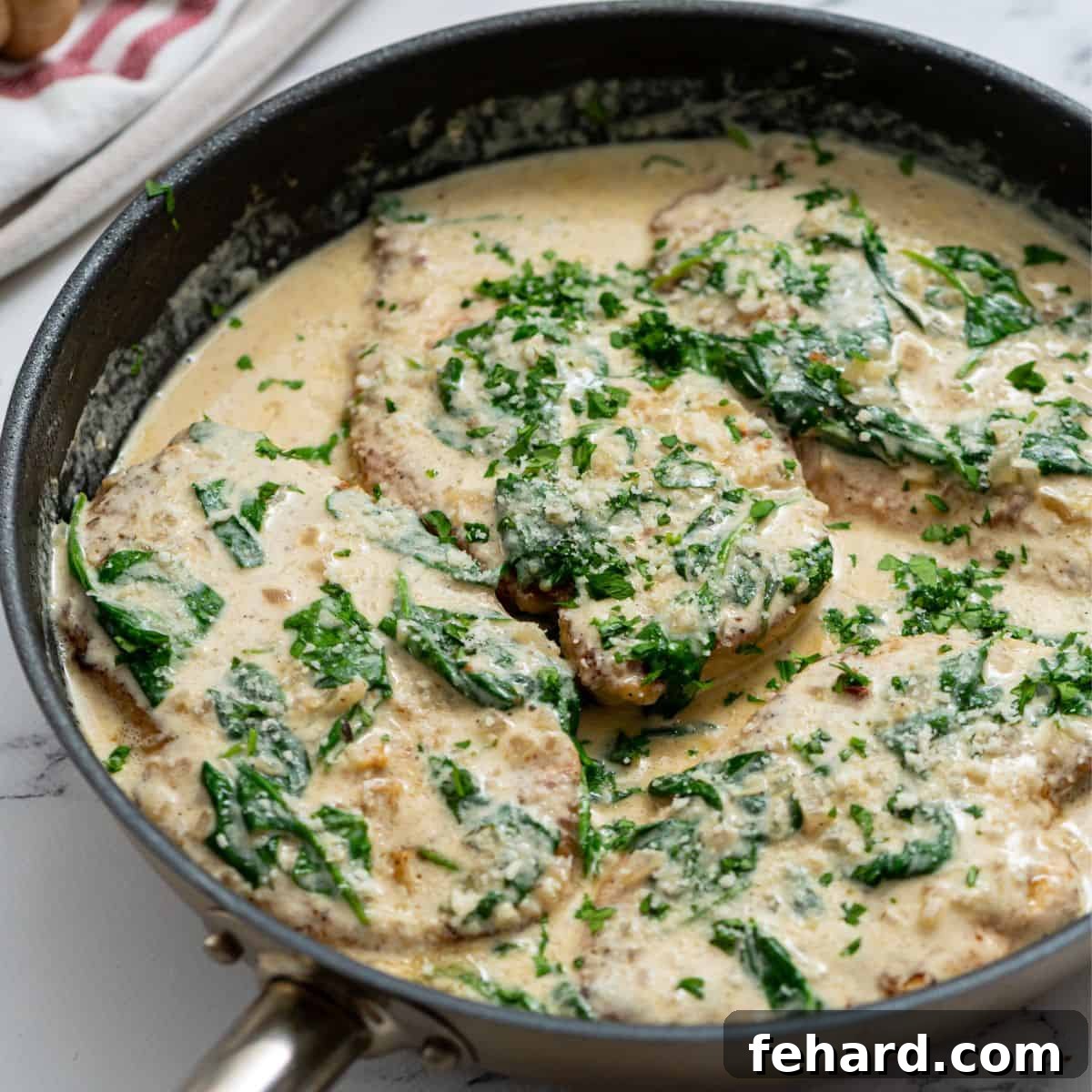
Indulge in the exquisite flavors of Italy with this incredible Chicken Florentine recipe, a dish that effortlessly brings restaurant-quality dining to your home kitchen. Featuring succulent, pan-seared chicken breasts enveloped in a luxurious, velvety spinach cream sauce, this meal promises an unforgettable culinary experience that comes together in under 30 minutes.
Looking to expand your repertoire of impressive yet easy meals? Don’t miss other beloved recipes like Shrimp Scampi, our comforting Chicken Marsala, or the ever-popular Marry Me Chicken. Each offers gourmet taste with surprising simplicity.
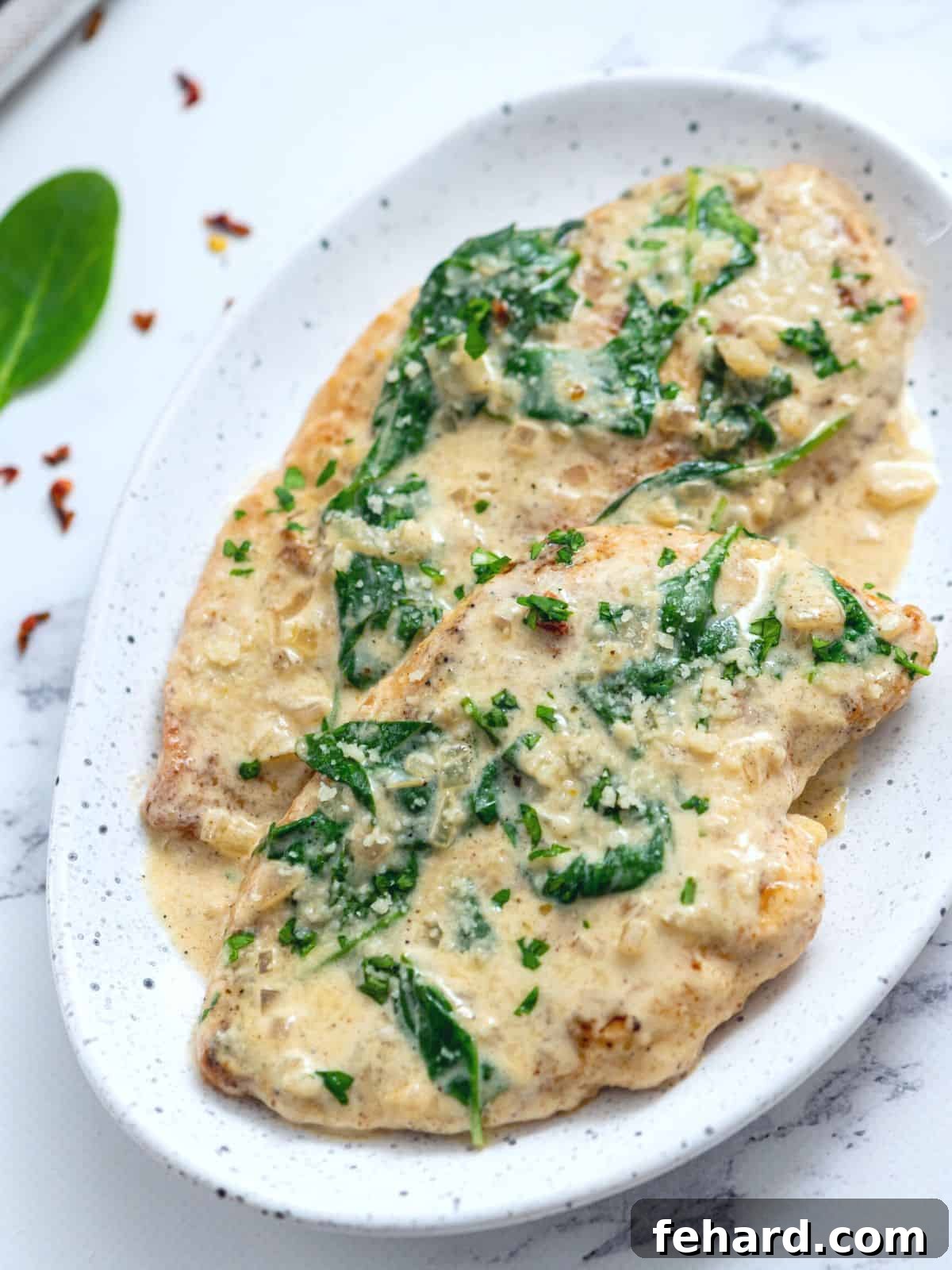
Chicken Florentine: Your Go-To Recipe for Quick & Elegant Dinners
For those who appreciate both speed and sophistication in their cooking, finding chicken recipes that deliver on both fronts can feel like striking gold. While we cherish the straightforward appeal of a chicken and asparagus stir fry or the rustic charm of a chicken and green bean skillet, when the occasion calls for an undeniable “wow” factor without sacrificing precious time, our Chicken Florentine recipe is the undisputed champion.
Imagine tender, juicy chicken, perfectly seared and then bathed in a silky, rich cream sauce. This isn’t just any cream sauce; it’s a symphony of flavors, infused with delicate shallots, a touch of dry white wine, savory Parmesan cheese, and an abundance of fresh baby spinach. The result is a dish that looks like it took hours of painstaking effort but is, in reality, a marvel of one-skillet efficiency, ready in under 30 minutes. Chicken Florentine feels indulgent, looks incredibly elegant, and tastes absolutely divine, yet it’s surprisingly simple enough to prepare on even the busiest weeknights. This is more than just a meal; it’s an experience, transforming your dinner table into a gourmet escape with minimal fuss.
Key Ingredients for an Authentic & Flavorful Chicken Florentine
The secret to an exceptional Chicken Florentine lies in the quality and careful preparation of its core ingredients. Each element plays a crucial role in building the rich, harmonious flavors and luxurious texture that define this classic dish. Here’s an in-depth look at what you’ll need, along with tips for selection and preparation:
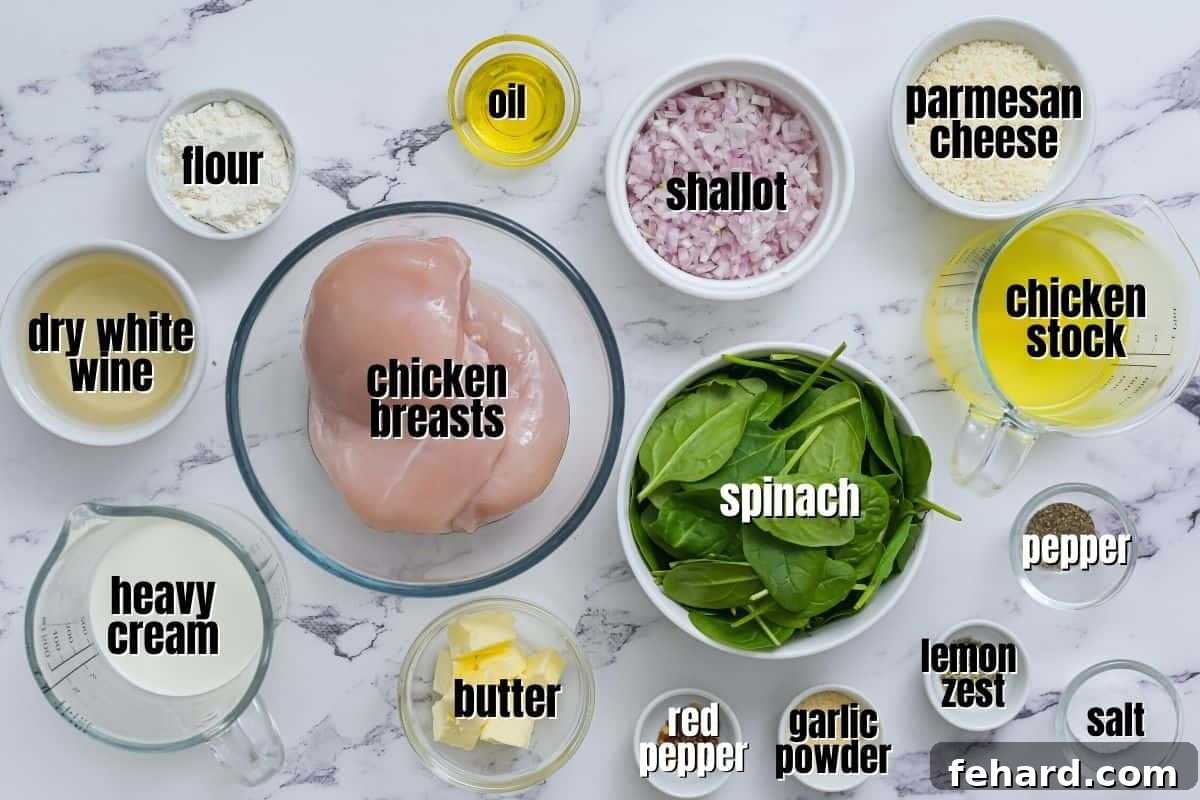
- Chicken (Boneless, Skinless Breasts): For this recipe, you’ll need approximately four thin chicken cutlets. While pre-packaged thin cutlets are available, buying larger boneless, skinless chicken breasts and preparing them yourself is often more economical and allows for greater control over thickness. Slice each breast lengthwise to create thinner pieces, then pound them to an even ½-inch thickness. This ensures rapid and uniform cooking, yielding beautifully tender and moist chicken every time.
- Olive Oil & Unsalted Butter (for Searing): This dynamic duo is indispensable for achieving a perfect golden sear on your chicken. Olive oil’s higher smoke point prevents the butter from burning, while the butter contributes a profound richness and a subtle nutty flavor that becomes the delicious base for your pan sauce.
- Shallot: Opting for a finely minced shallot instead of separate onion and garlic cloves provides a wonderfully mellow and sophisticated aromatic foundation. Shallots offer a delicate blend of onion and garlic notes that enhance the creamy Florentine sauce without overpowering its other elements.
- Fresh Baby Spinach: The quintessential “Florentine” ingredient! Fresh baby spinach is preferred as its tender leaves wilt quickly and effortlessly into the sauce, requiring no pre-chopping or stem removal. Its slight earthy bitterness beautifully complements the sauce’s richness.
- Dry White Wine (e.g., Pinot Grigio, Chardonnay, Riesling): A crucial component for deglazing the pan and adding a bright, acidic counterpoint to the rich cream. The wine helps lift all the flavorful browned bits (fond) from the bottom of the skillet, infusing the sauce with incredible depth. If you prefer to avoid alcohol, an equal amount of quality low-sodium chicken stock can be used as a substitute.
- Low-Sodium Chicken Stock: Forms the liquid base of our sauce. Using low-sodium stock is vital for controlling the overall salt content of your dish, allowing you to season it precisely to your preference. Homemade stock always offers superior flavor, but a good store-bought alternative is perfectly acceptable.
- Heavy Cream: This ingredient is non-negotiable for achieving the signature luxurious, velvety texture and richness of a traditional Florentine sauce. Lighter creams or milk will not provide the same body and may curdle when simmered.
- Freshly Grated Parmesan Cheese: For the silkiest sauce and most authentic flavor, always use freshly grated Parmesan cheese. Pre-grated varieties often contain anti-caking agents that can make the sauce grainy or prevent smooth integration.
- Crushed Red Pepper Flakes (Optional): A small pinch of these flakes adds a subtle, gentle warmth that enlivens the dish and balances the richness without introducing overt spiciness. Feel free to omit if you are sensitive to heat.
- Essential Seasonings: Garlic powder, kosher salt, and black pepper are fundamental for seasoning both the chicken coating and the cream sauce, ensuring every bite is perfectly balanced and flavorful. Dried oregano adds an aromatic, classic Italian touch.
Mastering Chicken Florentine: A Step-by-Step Culinary Journey
Creating this gourmet Chicken Florentine is a straightforward process, transforming simple components into a meal that tastes like it came from a fine Italian restaurant. These detailed instructions will guide you to perfect results. For precise ingredient measurements and a printable recipe card, please refer to the bottom of this post.
-
Prepare the Chicken Cutlets for Uniform Cooking and Tender Texture
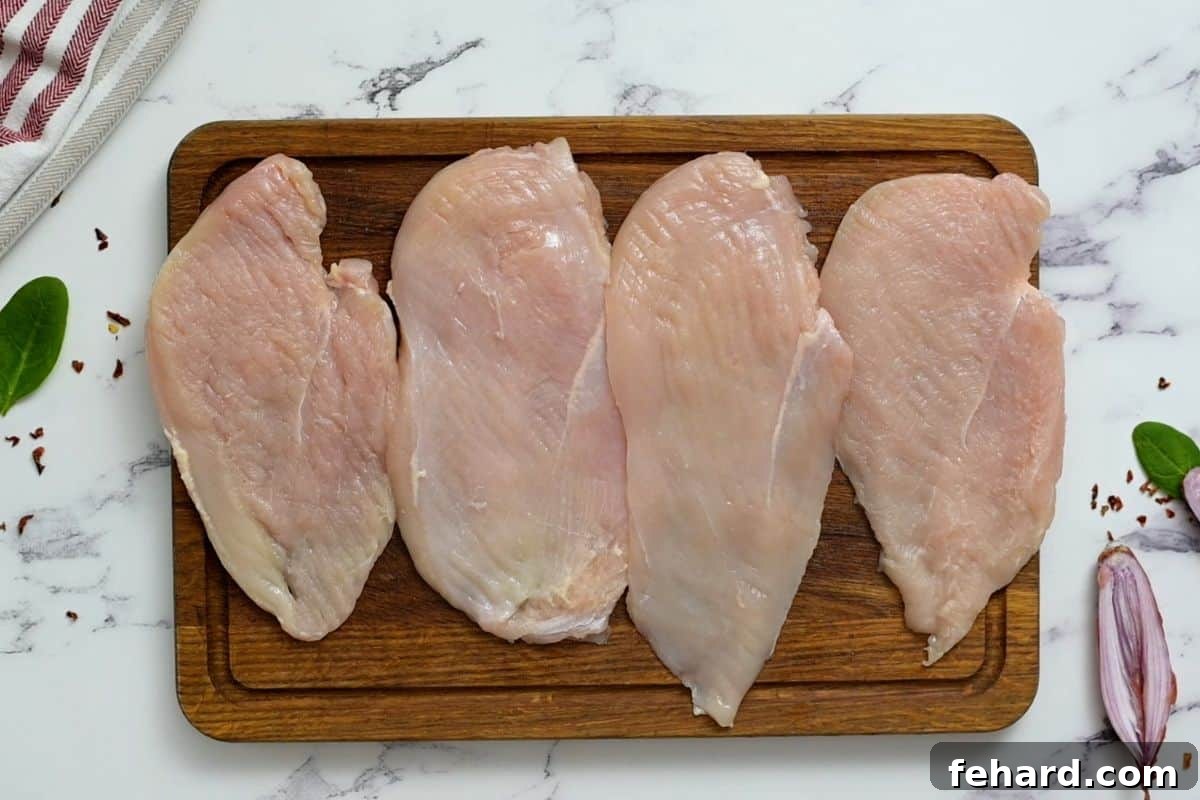
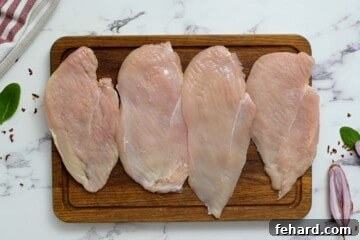
The foundation of tender Chicken Florentine begins with properly prepared chicken. If you’re starting with large boneless, skinless chicken breasts, begin by carefully slicing each breast in half lengthwise to create two thinner cutlets. Next, place these cutlets individually between two sheets of plastic wrap or within a large freezer bag. Using a meat mallet or the flat side of a heavy skillet, gently and evenly pound the chicken until each cutlet is approximately ½-inch thick. This crucial step ensures that the chicken cooks quickly and uniformly, preventing any parts from drying out. Once pounded, remove the plastic wrap and thoroughly pat the chicken cutlets dry with paper towels. A dry surface is essential for achieving a beautiful, golden crust during searing.

-
Pan-Fry the Seasoned Chicken to a Golden-Brown Perfection
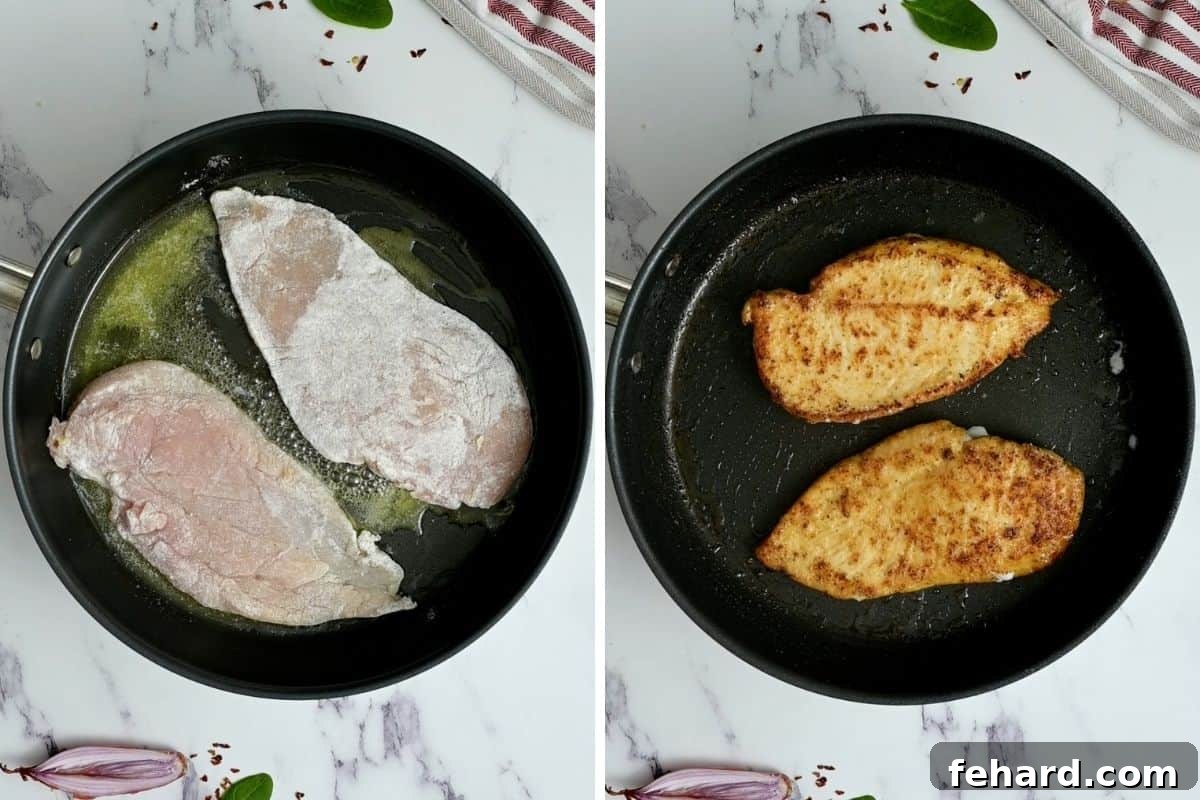
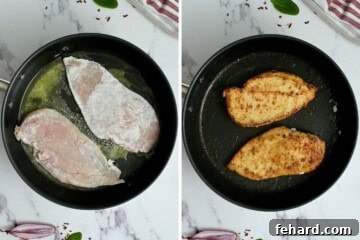
Before searing, we’ll give the chicken a flavorful coating. In a shallow dish, combine the all-purpose flour, garlic powder, kosher salt, and black pepper, whisking them together until well mixed. Take each chicken cutlet and dredge it thoroughly in this seasoned flour mixture, ensuring an even coating on all sides. Gently shake off any excess flour. This flour coating serves a dual purpose: it creates a delightful crispy, golden-brown crust on the chicken and later acts as a natural thickening agent for our rich cream sauce.
Heat a large, heavy-bottomed skillet (preferably cast iron or stainless steel) over medium heat. Add the extra virgin olive oil and the first tablespoon of unsalted butter to the pan. Once the butter is melted and begins to lightly sizzle, carefully place the flour-coated chicken cutlets into the hot skillet. It’s important not to overcrowd the pan; cook the chicken in batches if necessary to allow for proper browning and to maintain the skillet’s temperature. Sear the cutlets for approximately 3-4 minutes per side, or until they achieve a beautiful golden-brown color and are nearly cooked through. They should reach an internal temperature close to 160°F (71°C), as they will finish cooking when added back to the sauce. Once seared, transfer the chicken to a clean plate, tent it loosely with foil to keep it warm, and set it aside.
-
Crafting the Velvety and Aromatic Florentine Cream Sauce
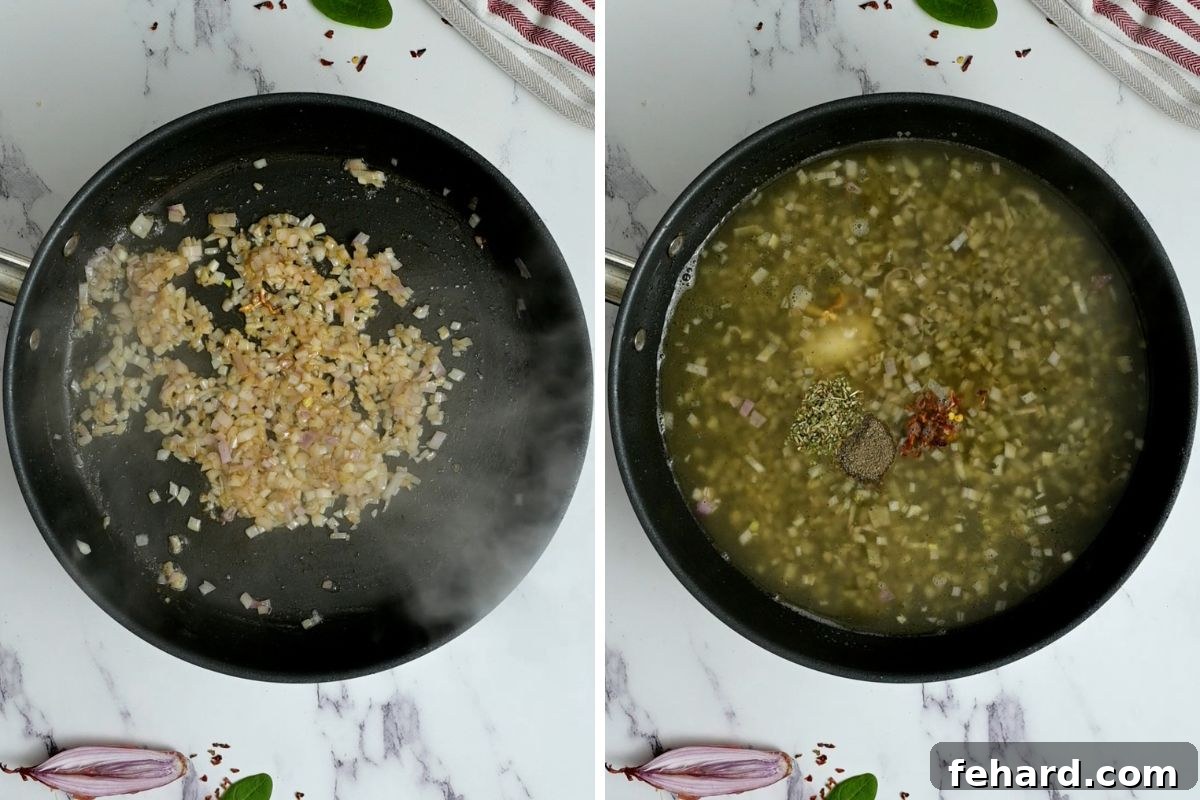
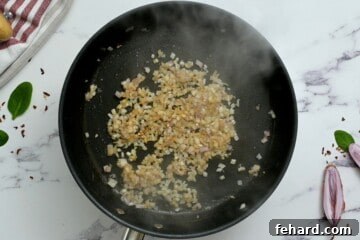
The heart and soul of Chicken Florentine lies in its incredibly rich and flavorful cream sauce, which conveniently comes together in the same skillet used for the chicken. Add the remaining tablespoon of unsalted butter to the hot skillet, allowing it to melt. Once melted, add the finely minced shallot and sauté it gently over medium heat for about 30 seconds. Cook until the shallot is fragrant and slightly softened, but be careful not to brown it, as we want its delicate flavor to shine through.
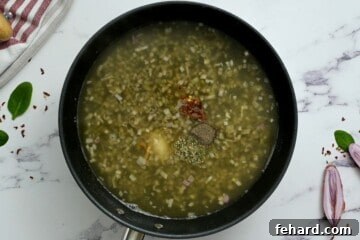
Next, pour in the dry white wine (or your chosen chicken broth substitute) and the low-sodium chicken broth. Immediately use a wooden spoon to vigorously scrape up any browned bits, known as “fond,” that are stuck to the bottom of the pan. This deglazing step is paramount; these flavorful bits are caramelized essences from the chicken and shallots that will add immense depth and complexity to your sauce. Season this simmering liquid mixture with dried oregano, the optional crushed red pepper flakes, and a generous pinch each of kosher salt and freshly ground black pepper. Bring the mixture to a steady simmer, continuing to cook over medium heat for 3-5 minutes, allowing the liquid to reduce by approximately half. This reduction process concentrates the flavors beautifully.
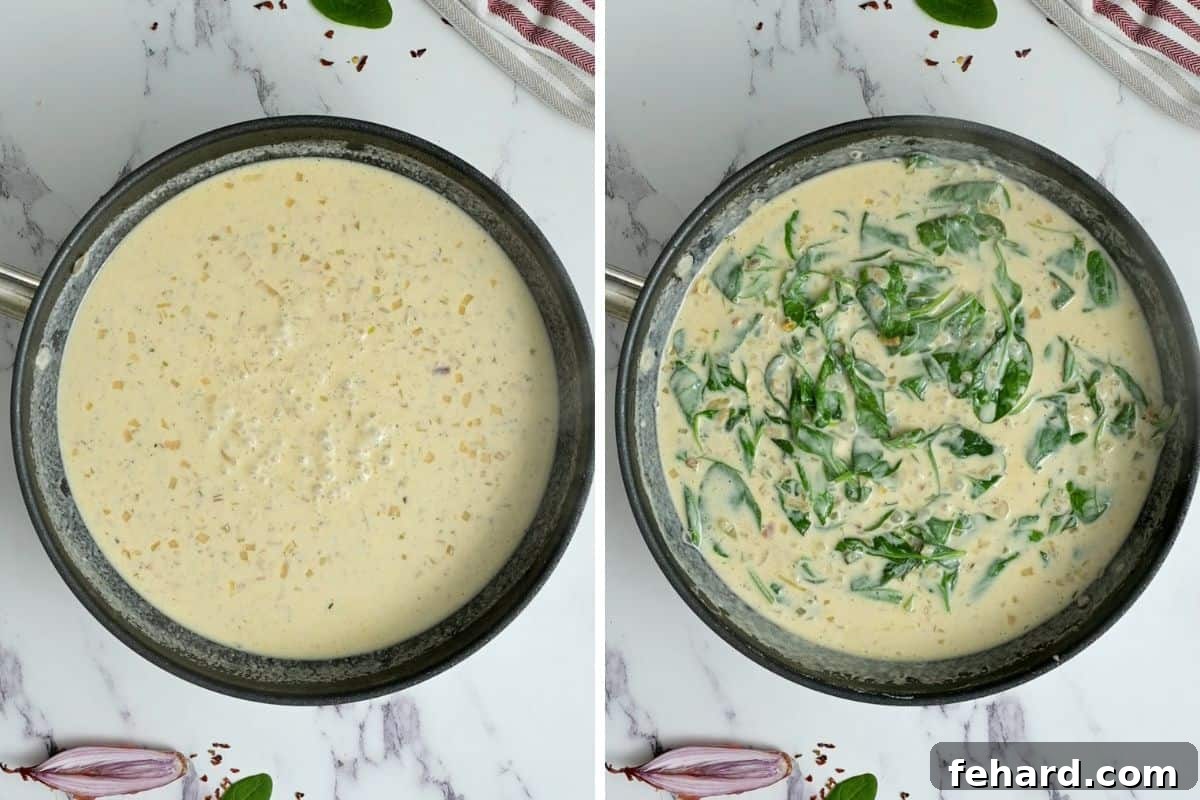
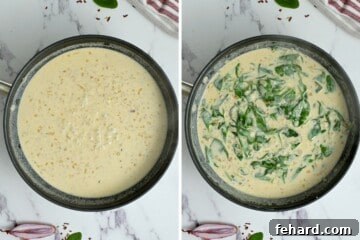
Now, to achieve that signature creaminess: pour in the heavy cream. Increase the heat slightly to medium-high and bring the sauce back to a gentle simmer, stirring frequently to prevent sticking. Once simmering, reduce the heat to low and gradually whisk in the freshly grated Parmesan cheese until it is completely melted and smoothly incorporated into the sauce. Ensure no lumps remain. Finally, add the loosely packed fresh baby spinach. Continue to cook on low heat, stirring constantly, for just 2-3 minutes. The heat of the sauce will cause the spinach to gently wilt and infuse its fresh, vibrant flavor and color throughout the creamy sauce. Taste and adjust seasoning if needed.
-
Bringing It All Together: Finishing and Serving Your Florentine
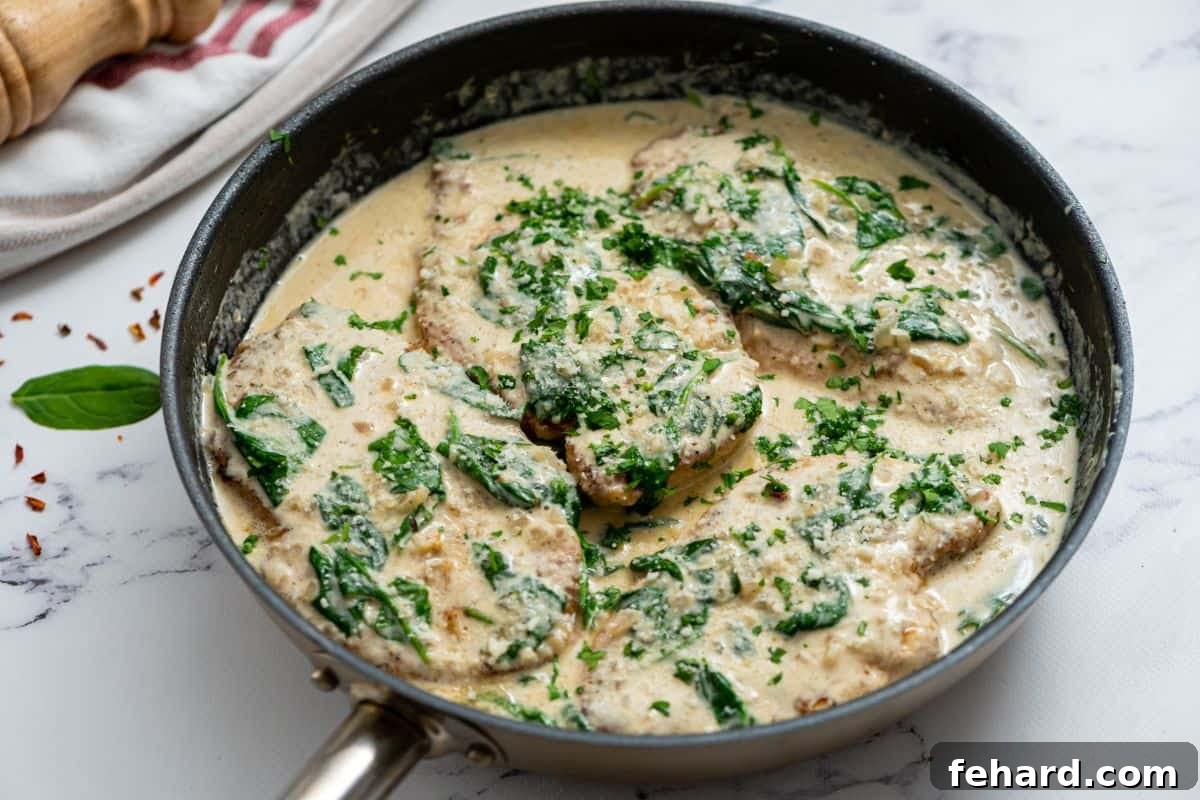
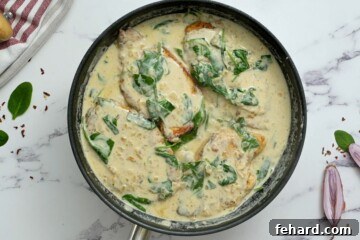
With your glorious Florentine sauce ready, it’s time to reintroduce the star of the show. Carefully return the perfectly seared chicken cutlets to the skillet, nestling them into the luscious cream sauce. Be sure to scrape any accumulated juices from the plate into the pan, as these juices are packed with extra flavor that will further enrich the sauce. Spoon the vibrant, creamy sauce generously over each piece of chicken, ensuring they are thoroughly coated and glistening. Allow the dish to simmer gently over low heat for an additional 3-4 minutes. This final simmer serves several purposes: it warms the chicken through completely, allows it to absorb more of the incredible sauce flavor, and ensures it reaches a safe internal temperature of 165°F (74°C). The flour from the chicken coating will also contribute to thickening the sauce to a perfect, spoonable consistency.
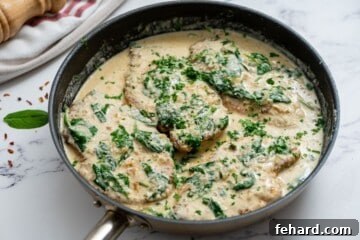
Once the chicken is heated through and the sauce has reached your desired thickness, your exquisite Chicken Florentine is ready to be served immediately. Garnish liberally with a sprinkle of fresh minced parsley for a burst of color and herbaceous freshness. For those who enjoy an extra layer of savory depth, offer additional freshly grated Parmesan cheese at the table. This dish is truly a symphony of textures and flavors, offering a gourmet experience that is both simple to prepare and impressive to behold.
Creative Recipe Modifications & Adaptations
This Chicken Florentine recipe is remarkably flexible, allowing for easy adjustments to suit various dietary needs or simply to add a personalized touch. Feel free to explore these variations:
- Gluten-Free Version: The all-purpose flour used to coat the chicken serves to create a crispy exterior and helps thicken the pan sauce. If you require a gluten-free dish, simply substitute the all-purpose flour with a 1:1 gluten-free flour blend. Ensure your chosen blend is formulated for savory cooking and sauce thickening for best results.
- Add Earthy Mushrooms: To introduce an additional layer of earthy flavor that pairs exquisitely with spinach, consider adding up to 1 cup of sliced mushrooms. Button, Baby Bella (cremini), or even gourmet shiitake mushrooms are excellent choices. Sauté them in the skillet alongside the shallots until they release their moisture and achieve a nice golden-brown color before proceeding with the wine and broth.
- Low-Carb Adaptation: For a lower carbohydrate option, you can completely omit the flour coating on the chicken. In this case, you may want to reduce the chicken broth to ½ cup and allow the Florentine sauce to simmer for a longer period. Without the flour’s inherent thickening properties, the sauce will naturally take more time to reduce and concentrate to your desired creamy consistency.
- Boost Your Greens: If you’re a big fan of spinach, feel free to increase the quantity of fresh baby spinach to 3-4 cups (loosely packed). It will wilt down considerably, adding more nutritional value and a more pronounced spinach flavor without making the sauce watery.
- Adjust Spice Level: For those who appreciate a more pronounced warmth or subtle heat, increase the crushed red pepper flakes to ½ teaspoon or more, according to your preference. A tiny pinch of cayenne pepper can also be added for a different kind of kick.
Expert Tips: Serving Suggestions & Storage Guidance
To fully enjoy your Chicken Florentine and ensure its longevity, proper serving and storage are key:
- Yield: This recipe is generously portioned to yield 4 satisfying servings. The richness of the creamy sauce and the tender chicken make it a hearty and fulfilling meal. It’s also easily scalable; you can double the ingredients for a larger gathering or halve them for a cozy dinner for two without compromising flavor.
- Serving Suggestions: The decadent Florentine sauce is simply begging to be soaked up! Serve your Chicken Florentine over a bed of al dente cooked pasta (such as fettuccine, linguine, or penne), fluffy orzo rice, perfectly cooked Instant Pot Jasmine rice, or classic, creamy mashed potatoes. For a lighter accompaniment, consider roasted asparagus, steamed green beans, or a simple crisp side salad to balance the richness.
- Refrigerating Leftovers: Any leftover Chicken Florentine can be transferred to an airtight container and stored in the refrigerator for up to 3 days. To reheat, gently warm the chicken and sauce in a dry skillet over low heat until just warmed through. Avoid high heat, as it can cause the delicate cream sauce to separate or the chicken to become tough.
- Important: Do Not Freeze: Due to its heavy cream base, we strongly advise against freezing Chicken Florentine. Cream-based sauces are prone to separating, becoming grainy, or developing an undesirable watery texture upon thawing and reheating. This significantly detracts from the dish’s luxurious quality. For best results, enjoy this dish fresh or within the recommended refrigeration period.
Explore More Quick and Easy Chicken Recipes
If you enjoyed the swift preparation and incredible flavor of this Chicken Florentine, you’ll love these other fantastic chicken dishes designed for efficiency and taste:
- Honey Lemon Chicken Skillet
- Chicken Piccata
- Easy Orange Chicken
- Chicken Katsu
- Lemon Pepper Chicken
Did you make this delicious recipe?
If you loved preparing and enjoying this Chicken Florentine, we would be thrilled if you could leave a comment with a 5-star review at the bottom of this post. Your feedback is invaluable and helps us continue sharing more wonderful recipes with our community!
Save This Recipe for Your Collection!
Don’t let this incredible Chicken Florentine recipe get lost! Enter your email address below to receive this recipe directly in your inbox, along with our weekly newsletter featuring new and exciting dishes.
Chicken Florentine Recipe
Pin Recipe
Print Recipe
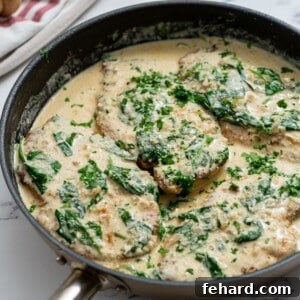
This quick and easy Chicken Florentine recipe delivers tender pan-fried chicken in a rich, creamy spinach and Parmesan sauce, perfect for an impressive weeknight meal ready in under 30 minutes.
Recipe Video
A helpful video demonstrating the steps for this Chicken Florentine recipe would typically be featured here.
Ingredients
- 2 large boneless skinless chicken breasts (or 4 thin chicken cutlets)
- 1 tablespoon extra virgin olive oil
- 1 tablespoon unsalted butter, for searing chicken
- ⅓ cup all-purpose flour
- 1 teaspoon garlic powder
- 1 teaspoon kosher salt, plus more for seasoning sauce
- ½ teaspoon pepper, plus more for seasoning sauce
- 1 tablespoon unsalted butter, for sautéing shallot
- 1 small shallot, minced
- ½ cup dry white wine (or additional chicken broth)
- 1 cup low-sodium chicken broth
- ¼ teaspoon dried oregano
- ¼ teaspoon crushed red pepper flakes, optional
- 1 cup heavy cream
- 2 cups loosely packed fresh baby spinach
- ½ cup grated Parmesan cheese
- Fresh parsley for serving, optional
Instructions
-
Cut 2 large boneless skinless chicken breasts in half lengthwise. Place the cutlets between 2 sheets of plastic wrap and pound with a meat mallet or heavy skillet until the cutlets are even in thickness (about ½-inch). Pat thoroughly dry.
-
In a large skillet, heat 1 tablespoon extra virgin olive oil with 1 tablespoon unsalted butter over medium heat until the butter is melted and shimmering.
-
While the skillet is heating, whisk ⅓ cup all-purpose flour, 1 teaspoon garlic powder, 1 teaspoon kosher salt, and ½ teaspoon pepper in a shallow dish. Dredge each chicken cutlet in the flour mixture to coat evenly, shaking off any excess flour.
-
Add the coated chicken cutlets to the hot pan, ensuring not to overcrowd the skillet (cook in batches if necessary). Cook for 3-4 minutes on each side, or until golden brown and nearly cooked through. Transfer the seared chicken to a clean plate, tent loosely with foil, and set aside.
-
Add the remaining 1 tablespoon unsalted butter to the skillet to melt. Once melted, add 1 small minced shallot and sauté over medium heat for 30 seconds until fragrant and slightly softened.
-
Pour in ½ cup dry white wine and 1 cup low-sodium chicken broth. Deglaze the pan by scraping any browned bits (fond) stuck to the bottom with a wooden spoon. Season the mixture with ¼ teaspoon dried oregano, ¼ teaspoon crushed red pepper flakes (if using), and a generous pinch of kosher salt and black pepper. Bring to a simmer and cook over medium heat for 3-5 minutes, or until the liquid reduces by half.
-
Stir in 1 cup heavy cream, increase the heat to medium-high, and bring the mixture to a gentle simmer, stirring frequently. Once simmering, reduce the heat to low and whisk in ½ cup grated Parmesan cheese until completely melted and smooth. Add 2 cups loosely packed fresh baby spinach and cook on low, stirring often, for 2-3 minutes, allowing the spinach to gently wilt into the sauce.
-
Return the seared chicken cutlets and any accumulated juices from the plate to the skillet with the sauce. Turn the chicken to coat evenly, or spoon the sauce over the chicken. Simmer for 3-4 minutes over low heat, just to warm the chicken through and ensure it reaches a safe internal temperature of 165℉ (74℃).
-
Serve warm, garnished with fresh minced parsley and additional Parmesan cheese if desired.
Notes from the Chef
- White Wine Choice: Always select a dry white wine such as Pinot Grigio, Sauvignon Blanc, or an unoaked Chardonnay. For an alcohol-free alternative, use an equal amount of good quality low-sodium chicken stock.
- Spinach Tips: While baby spinach is recommended for its tenderness, if using mature spinach, ensure you remove thick stems and chop the leaves before adding them to the sauce so they wilt properly.
- Gluten-Free Option: Substitute the all-purpose flour with a 1:1 gluten-free flour blend for the chicken coating to maintain crispiness and aid in sauce thickening.
- Low-Carb Considerations: Beyond omitting flour, serve this dish with steamed vegetables like green beans or broccoli, or cauliflower rice, instead of traditional carb-heavy sides.
- Adding Mushrooms: If incorporating sliced button, Baby Bella, or shiitake mushrooms, sauté them with the shallots until softened and lightly browned before adding the liquids.
- Storage Best Practices: Store leftovers in an airtight container in the refrigerator for up to 3 days. Reheat gently in a dry skillet over low heat to prevent the cream sauce from separating. Freezing is not recommended for cream-based sauces.
- Seasoning: Always taste your sauce before adding the chicken back and adjust salt and pepper as needed. Remember that Parmesan cheese adds a salty element.
- Don’t Overcrowd: When searing chicken, work in batches if necessary to prevent the pan from cooling down and steaming the chicken instead of browning it.
Nutrition Information (Approximate Per Serving)
Calories: 485 kcal | Carbohydrates: 15g | Protein: 21g | Fat: 36g | Saturated Fat: 20g | Polyunsaturated Fat: 2g | Monounsaturated Fat: 11g | Trans Fat: 0.2g | Cholesterol: 129mg | Sodium: 627mg | Potassium: 498mg | Fiber: 1g | Sugar: 3g | Vitamin A: 2623IU | Vitamin C: 6mg | Calcium: 183mg | Iron: 2mg
Nutrition information is automatically calculated and should only be used as an approximation. Individual results may vary.
Tried this incredible recipe?
We absolutely love seeing your culinary creations! Be sure to mention @amindfullmom or tag your photo with #amindfullmom on Instagram!