
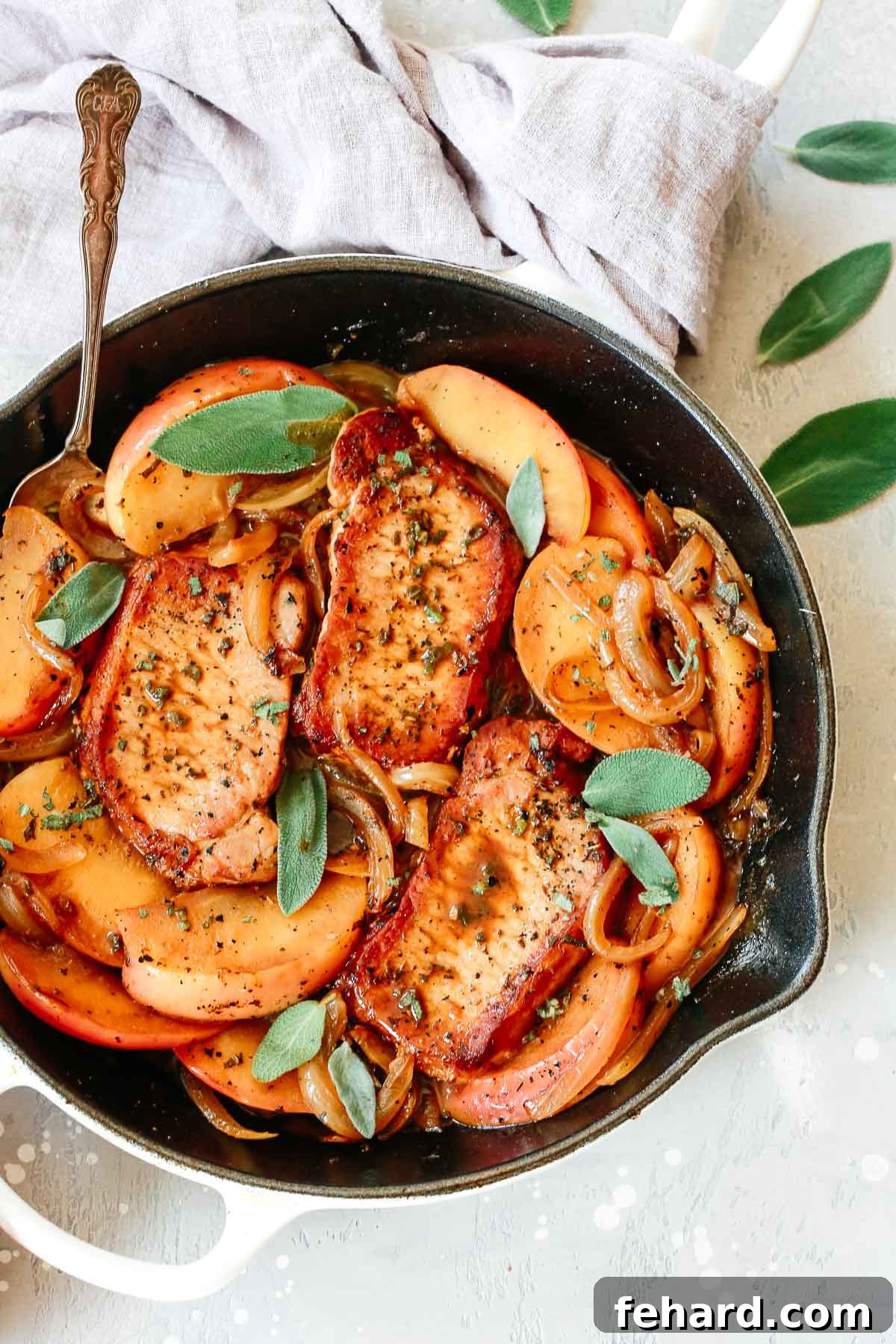
Perfect Pan-Seared Pork Chops with Apples and Onions: A Taste of Fall
Embrace the vibrant flavors of autumn with this incredibly delicious and surprisingly simple recipe for pan-seared pork chops complemented by sweet, tender apples and savory onions. This dish isn’t just a meal; it’s a celebration of seasonal produce, offering a harmonious blend of sweet and savory notes that will tantalize your taste buds. Ideal for a cozy weeknight dinner or a special gathering, this protein-packed meal is both satisfying and remarkably easy to prepare. It’s a testament to how simple ingredients can come together to create something truly extraordinary.
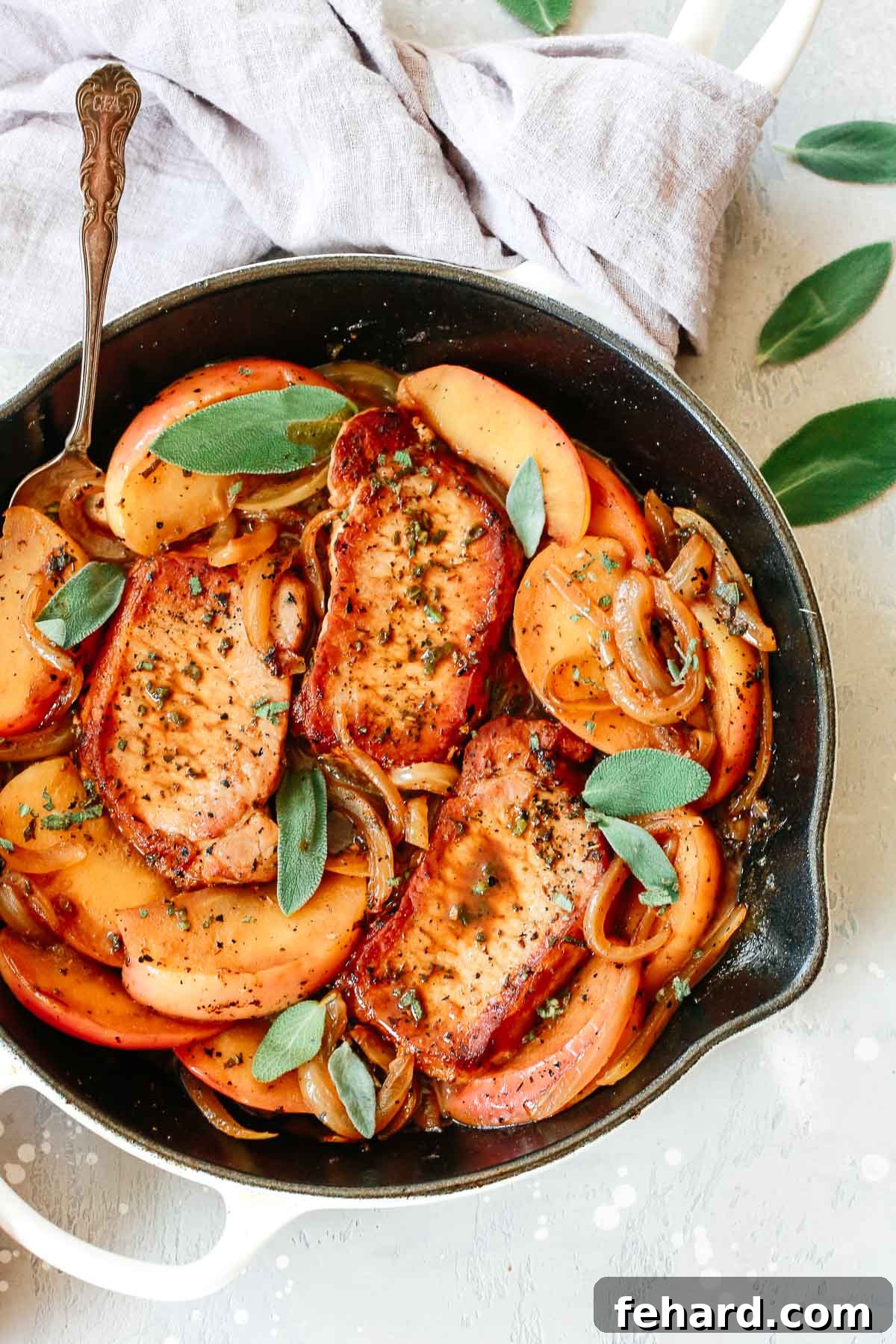
Pork is a wonderfully versatile protein that features frequently in our kitchen, and for good reason. Its mild flavor pairs well with a variety of ingredients and cooking methods, making it a staple for countless culinary creations. If you’re a fan of succulent pork chops and are eager to explore more recipes, be sure to check out our Garlic Butter Baked Pork Chops for a rich, aromatic experience, or our Easy Oven Pork Chop Recipe for another hassle-free delight after you master this apple and onion rendition!
Choosing the Best Pork Chops for Maximum Flavor and Tenderness
Pork chops are renowned for being a quick-cooking protein, perfect for busy weeknights. They offer a lean source of protein with significantly less fat compared to many cuts of beef, making them a healthy choice for many diets. However, despite their lean nature, it’s crucial to select the right cut and employ proper cooking techniques to prevent them from becoming dry or tough. The key to juicy, tender pork chops starts long before they hit the pan – it begins at the butcher counter.
Pork chops are typically cut from the loin of the pig, which runs along its back. Different cuts include rib chops (with a rib bone), loin chops (T-bone shaped), sirloin chops, and blade chops. Each cut has varying degrees of tenderness and fat content. For this particular recipe, we often opt for boneless pork chops. While bone-in chops can impart more flavor and moisture, boneless cuts cook more quickly and are easier to eat, making them ideal for a fast skillet meal. The absence of a bone means they cook faster, but also requires a more attentive hand to prevent overcooking.
When selecting your pork chops, look for pieces that are approximately 1 to 1.5 inches thick. This thickness allows for a beautiful sear on the outside while ensuring the interior remains moist and tender without overcooking too quickly. Thinner chops are prone to drying out, while much thicker ones might require a slightly longer cooking time or finishing in the oven. Furthermore, observe the meat for some visible marbling – those tiny flecks of fat distributed throughout the muscle. Marbling is a strong indicator of tender, flavorful meat that will stay juicy during cooking. Avoid chops that look completely devoid of fat, as they are more likely to be dry.
Selecting the Perfect Apples to Complement Pork
The marriage of pork and apples is a classic culinary pairing, rooted in centuries of tradition. The natural sweetness and subtle tartness of apples beautifully cut through the richness of pork, creating a balanced and incredibly flavorful dish. However, not all apples are created equal when it comes to cooking. When choosing apples for this recipe, there are a few key characteristics you’ll want to prioritize for the best results:
- Sweetness to Balance Saltiness: Pork, especially when seasoned and seared, has a savory, sometimes salty profile. A sweet apple variety provides a delightful contrast, balancing the flavors and preventing the dish from becoming one-dimensional. The caramelization of natural apple sugars during cooking adds an extra layer of depth.
- Texture that Holds its Shape: Nobody wants mushy applesauce when they’re expecting tender, yet discernible apple slices. Choose apples that are known for holding their structure well during cooking. Varieties with a firmer flesh will soften beautifully without disintegrating, allowing you to enjoy distinct apple pieces alongside your pork and onions.
- Recommended Varieties: Excellent choices that tick both boxes include Honeycrisp, known for its crisp texture and sweet-tart flavor; Gala, a wonderfully sweet and mildly flavored apple that retains its shape; and Golden Delicious, which softens nicely and offers a sweet, mellow taste. Other good options might include Fuji or Braeburn. Avoid very soft varieties like Red Delicious, which will turn to mush.
If you find yourself with an abundance of apples after preparing this delightful dish, don’t let them go to waste! Transform them into a refreshing and nutritious treat with our Easy Apple Smoothie Recipe, a perfect way to enjoy their natural goodness.
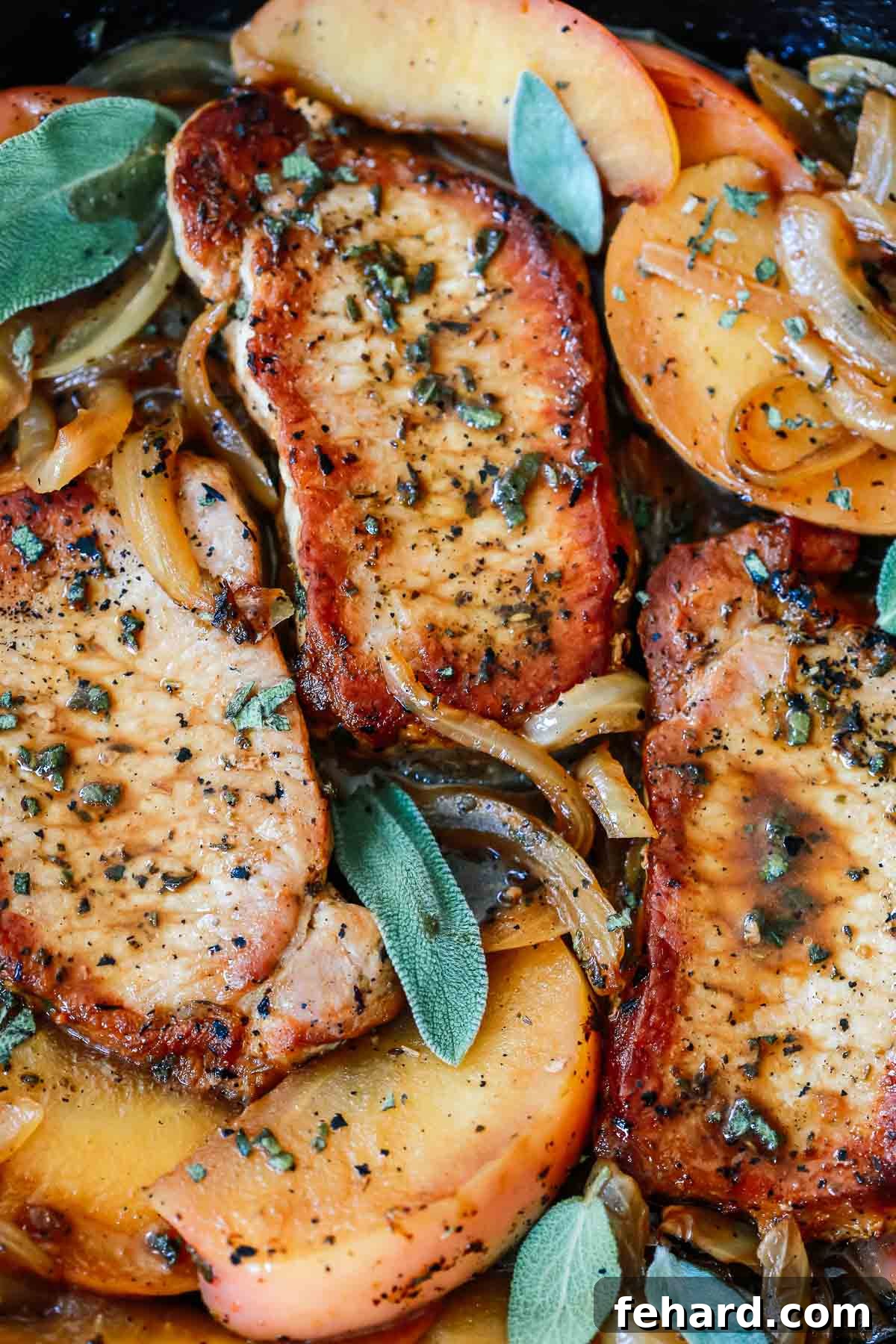
Mastering the Art of Perfect Pork Chops with Apples and Onions
Cooking pork chops to perfection, especially when paired with ingredients like apples and onions, is a skill that elevates a simple meal to a culinary triumph. Pork is an economical and quick-to-prepare protein, and knowing the right techniques opens up a world of menu possibilities. Follow these essential steps for consistently juicy and flavorful results:
- Bring the Meat to Room Temperature: This is a crucial, yet often overlooked, step. Remove your pork chops from the refrigerator approximately 15-30 minutes before you plan to cook them. Allowing the meat to come closer to room temperature ensures more even cooking from edge to center, preventing the outside from overcooking before the inside is done.
- Season Generously and Sear Hot and Fast: Pat the pork chops dry with paper towels. This is vital for achieving a good sear, as moisture prevents browning. Season both sides generously with kosher salt and freshly ground black pepper. Heat a large, heavy-bottomed skillet (cast iron is ideal for its heat retention) over medium-high heat with a tablespoon of olive oil until it shimmers. Add the pork chops and sear them for 3-5 minutes per side, or until they develop a beautiful golden-brown crust. This high-heat sear locks in juices and builds flavor.
- Mind the Boneless Cut: As mentioned, boneless pork chops are very lean and lack the insulating bone, making them prone to drying out if overcooked. They cook quickly, so attentive monitoring is key. The initial sear will cook them most of the way through, and they will finish cooking in the flavorful sauce with the apples and onions.
- Achieve the Correct Internal Temperature: The USDA recommends cooking pork to an internal temperature of 145°F (63°C). Use an instant-read thermometer inserted into the thickest part of the chop (avoiding any bone if present) to ensure accuracy. This temperature will result in pork that is slightly pink in the center, incredibly juicy, and perfectly safe to eat.
- The Essential Rest: Once the pork chops reach 145°F, remove them from the skillet and transfer them to a plate. Lightly tent them with aluminum foil and allow them to rest for 5 to 10 minutes. This resting period is non-negotiable! It allows the muscle fibers to relax and reabsorb the juices that have migrated to the center during cooking, resulting in a significantly juicier and more tender chop. Slicing immediately will cause those precious juices to run out, leaving you with dry meat.
By following these steps, you’ll consistently achieve perfectly cooked pork chops that are tender, flavorful, and a true delight to eat.
Serving Suggestions: What Pairs Best with Pork Chops and Apples?
These juicy and flavorful pork chops with apples and onions are undoubtedly the star of the show, but a well-chosen side dish can elevate the entire meal into a truly complete and unforgettable dining experience. Given the richness of the pork and the sweetness of the apples, a fresh, vibrant green vegetable or a complementary starch pairs perfectly. Consider these ideas for a harmonious and delicious spread:
- Brussels Sprouts Bacon Salad: The savory crunch of bacon and the slight bitterness of roasted Brussels sprouts offer a wonderful textural and flavor contrast.
- Spinach Fruit Salad: A light and refreshing salad with mixed greens, seasonal fruits, and a zesty vinaigrette can provide a bright, acidic counterpoint to the main course.
- Simple Tossed Salad: A classic garden salad with a light dressing is always a good choice, adding freshness and crunch.
- Steamed or Roasted Broccoli: The earthy notes and slight bitterness of broccoli provide a healthy and straightforward accompaniment. Roasted broccoli, with its slightly charred edges, adds another layer of flavor.
- Quinoa Salad with Roasted Asparagus: For a more substantial, grain-based side, a quinoa salad offers complex carbohydrates and a delightful texture, especially when combined with tender roasted asparagus.
- Comforting Starches: For a heartier, more comforting meal, consider fluffy white rice, nutty brown rice, or creamy mashed potatoes. Roasted sweet potatoes, with their inherent sweetness and vibrant color, also make an excellent fall-themed side that complements the apples beautifully.
The goal is to create a balanced plate that delights all your senses, with varied textures and flavors that enhance, rather than overpower, the main dish.
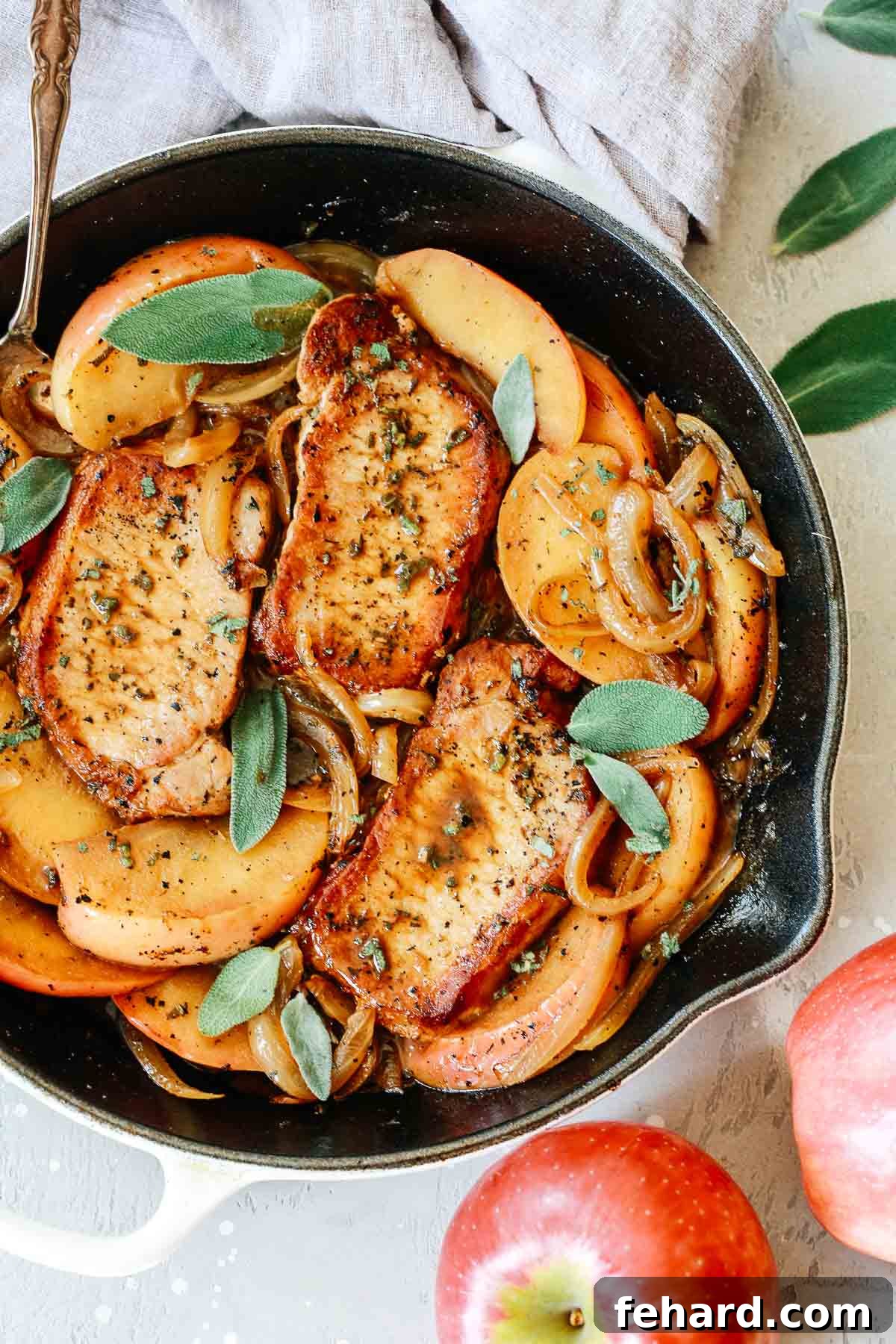
Storing and Freezing Leftovers: Maximizing Your Meal Prep
One of the many advantages of this pork chop and apple dish is its versatility when it comes to meal prep and storage. While best enjoyed fresh, leftovers can be stored and reheated for delicious future meals. Freezing pork, however, requires a bit of care to ensure the best quality and prevent dreaded freezer burn, which can compromise both flavor and texture.
- Prepare for Freezing: Before freezing, it’s crucial to pat the cooked pork chops thoroughly dry with paper towels. Any surface moisture can turn into ice crystals in the freezer, leading to freezer burn.
- Prevent Contact: To avoid chops sticking together and to facilitate easier thawing of individual portions, arrange the cooked pork chops in a single layer on a baking sheet lined with parchment paper. Freeze them for about 1-2 hours until solid.
- Airtight Packaging is Key: Once individually frozen, transfer the chops to a freezer-safe bag or an airtight container. Remove as much air as possible from the bag – using a vacuum sealer is highly recommended for optimal preservation. The less air, the less chance of freezer burn.
- Optimal Freezer Life: Properly prepared and stored pork chops can last for approximately three months in the freezer without a significant decline in quality. Beyond this, while still safe to eat, the texture and flavor might start to degrade.
- Freezing Apples and Onions: While you can freeze the cooked pork chops, we recommend against freezing the cooked apples and onions with them. Cooked apples tend to become very mushy upon thawing, and onions can change in texture and flavor. It’s best to enjoy the apple and onion mixture fresh or, if you must, freeze them separately, understanding that their texture might be compromised.
- Reheating Leftovers:
- From the Refrigerator: To reheat, gently warm the pork chops on the stovetop over low to medium heat with a splash of chicken broth or water to prevent drying, or microwave until just heated through. Avoid high heat, which can toughen the meat.
- From the Freezer: Thaw frozen pork chops in the refrigerator overnight before reheating using the stovetop or microwave method.
By following these guidelines, you can enjoy the comforting flavors of this dish long after it’s been cooked, making meal planning a breeze.
More Irresistible Pork Chop Recipes to Explore:
If this recipe leaves you craving more pork chop deliciousness, we’ve got you covered! Here are a couple more of our favorite recipes that are sure to become staples in your kitchen:
- Garlic Butter Baked Pork Chops: A simple yet elegant dish featuring tender pork chops infused with rich garlic and butter flavors, baked to perfection.
- Oven Baked Pork Chops: An incredibly easy and hands-off method for achieving juicy pork chops every time, perfect for a busy schedule.

Pork Chops with Apples and Onions
Olivia Ribas
3 people
10 minutes
16 minutes
26 minutes
Ingredients
- 2 tbsp olive oil (divided)
- 3 boneless pork chops
- Kosher salt and black pepper (to taste, for the pork chop)
- 2 cloves garlic (minced)
- 3/4 cup low sodium chicken stock
- 1 tsp Dijon mustard (use yellow mustard for Whole30)
- 1/2 tsp fresh thyme (chopped)
- 1/2 tsp kosher salt
- 1/4 tsp black pepper
- 2 medium apples (sliced, such as Honeycrisp)
- 1 small red onion (thinly sliced)
- 1 tbsp fresh sage (chopped)
Instructions
- Season the pork chops on both sides with salt and pepper, and set aside.
- In a large cast iron skillet, add 1 tbsp olive oil and heat over medium-high heat.
- When the skillet is really hot and the oil shimmers, add the pork chops. Sear until golden brown, about 3-5 minutes per side. The pork will be mostly done, but will continue cooking in the sauce.
- Remove pork chops to a plate and tent loosely with foil.
- In a small bowl, mix together the minced garlic, chicken stock, Dijon mustard, and thyme. Set aside.
- Add the remaining 1 tbsp of olive oil to the same skillet, then add the sliced apples and onions.
- Cook for about 3-4 minutes, stirring occasionally. The cooking time will depend on the thickness of your apple slices. Season the apples and onions with salt, pepper, and chopped sage.
- Pour the stock mixture over the apples and onions. Gently scrape the bottom of the pan with a wooden spoon to release any flavorful brown bits.
- Return the seared pork chops back into the pan with the apple and onion mixture.
- Cook for another 2 minutes, or until the pork chops are fully cooked to an internal temperature of 145°F (63°C) and the liquid has reduced by half, creating a light sauce.
- Top with additional fresh sage before serving.
Notes
- Avoid overcooking the apples; they should remain slightly firm and not soggy. Aim for about 3-5 minutes of cooking.
- Bringing pork chops to room temperature before cooking ensures they cook more evenly and retain moisture.
- Always use an instant-read thermometer to verify the internal temperature of pork chops reaches 145°F (63°C) for safe consumption and optimal juiciness.
- To store: Keep any leftover pork chops with apples and onions in an airtight container in the refrigerator for up to 4 days.
- To reheat: Gently warm leftovers on the stovetop over low heat with a splash of broth, or in the microwave at reduced power to prevent drying out.
- To freeze: Cooked pork chops can be frozen in an airtight, freezer-safe bag for up to 3 months. For best results, we recommend freezing the pork chops separately and skipping freezing the apples and onions, as their texture can become unpleasantly mushy upon thawing.
Nutrition
Serving: 1/3
Calories: 236kcal
Carbohydrates: 17g
Protein: 12g
Fat: 11g
Cholesterol: 23mg
Sodium: 606mg
Potassium: 228mg
Fiber: 4g
Sugar: 7g
Nutrition information is automatically calculated and should only be used as an approximation.