
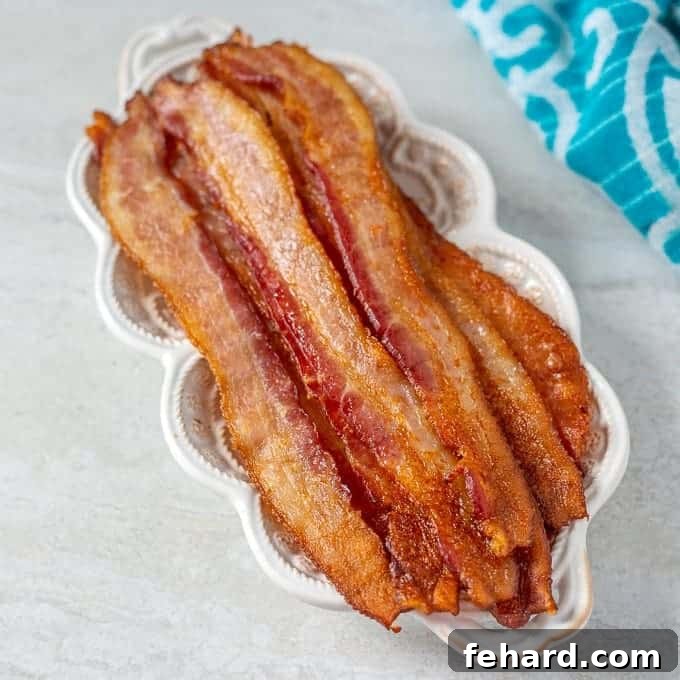
Oven Baked Bacon stands out as the simplest and most efficient method to achieve perfectly crispy, evenly cooked bacon without the usual kitchen chaos. Bid farewell to pervasive grease splatters, the tedious task of flipping strips over a hot stove, and messy stovetop pans. This revolutionary baking technique transforms bacon preparation into a remarkably easy, hands-off experience, ensuring delicious results every time.
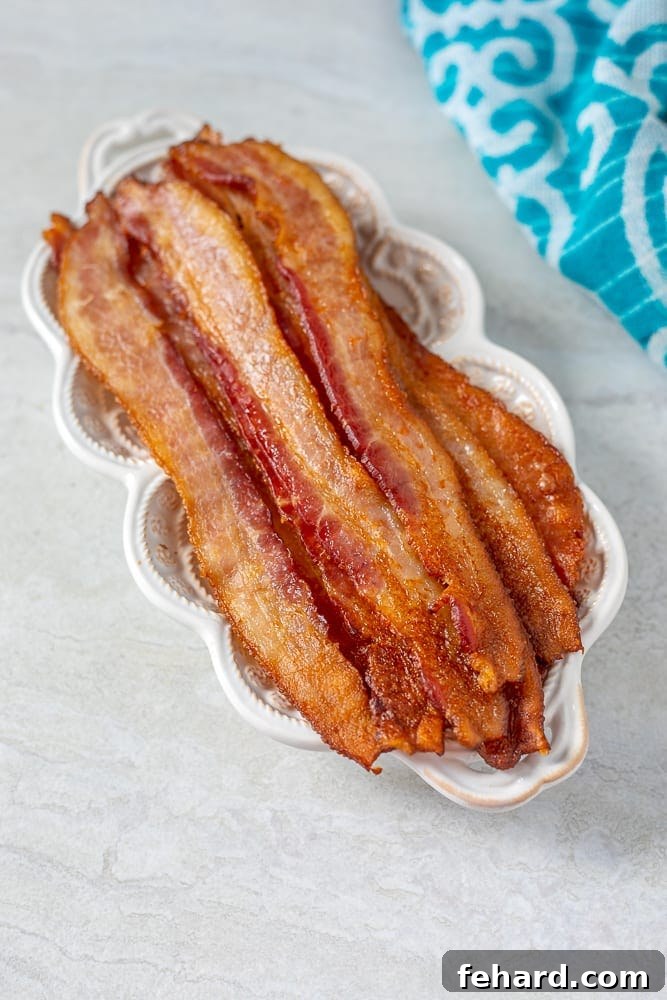
Why Baking Bacon is the Superior Method

Bacon holds a special place in the hearts of many, a beloved food that elevates any meal. Whether you’re serving it alongside a stack of fluffy French toast, integrating it into a hearty easy breakfast casserole, or layering it into a classic BLT sandwich, bacon always hits the spot. However, if you’re accustomed to the traditional pan-frying method, prepare to have your mind changed. Baking bacon in the oven offers a multitude of advantages that make it the preferred choice for convenience, consistency, and cleanliness.
Next time the irresistible craving for bacon strikes, consider moving from the stovetop to the oven. Here’s why baking bacon is unequivocally the better way to go:
- Effortless Clean-Up: One of the most significant benefits of baking bacon is the ease of cleaning. By simply lining your baking sheet with foil, all the rendered grease is neatly collected. Once cooled, you can easily fold up the foil and discard it, making post-cooking tidying up an absolute breeze. No more scrubbing greasy pans!
- Completely Hands-Off: Unlike pan-frying, which demands constant attention and flipping, baking bacon requires minimal effort. You simply place it in the oven and let it cook. This “set it and forget it” approach frees you up to prepare other elements of your meal, enjoy your morning coffee, or simply relax without being tethered to the stove.
- Consistently Evenly Cooked: Pan-fried bacon often cooks unevenly and tends to curl, resulting in some pieces being undercooked and others overly crisp. Oven baking, however, ensures uniform heat distribution around each strip. This results in beautifully cooked bacon that maintains a consistent shape and crispness from end to end.
- Eliminates Grease Splatter and Burns: The notorious grease splatters associated with pan-frying are a thing of the past with oven-baked bacon. By cooking bacon inside an enclosed oven, you eliminate the risk of hot grease splashing onto your kitchen counters, clothes, or, worst of all, your skin. This makes the cooking process safer and your kitchen cleaner.
- Batch Cooking Made Simple: Baking allows you to cook a much larger quantity of bacon at once compared to a standard frying pan. This is perfect for feeding a crowd, preparing for meal prep, or simply ensuring you have enough delicious bacon for various recipes throughout the week.
Embrace the simplicity and superior results of oven-baked bacon. Happy Cooking! xo Kristen
Recipe Highlights & Navigation
- Baked Bacon Recipe Card
- Detailed Guide: How to Bake Bacon
- Expert Tips for Perfect Baked Bacon
- Safe Bacon Grease Disposal & Storage
- Storing and Reheating Cooked Bacon
- Frequently Asked Questions (FAQs)
- Creative Ways to Use Baked Bacon
Mastering the Art of Oven Baked Bacon
Achieving restaurant-quality, perfectly crispy bacon in your own kitchen is easier than you think with this oven-baking method. Follow these simple steps for flawless results. You’ll find the complete ingredient quantities and detailed instructions in the recipe card located further down this page.
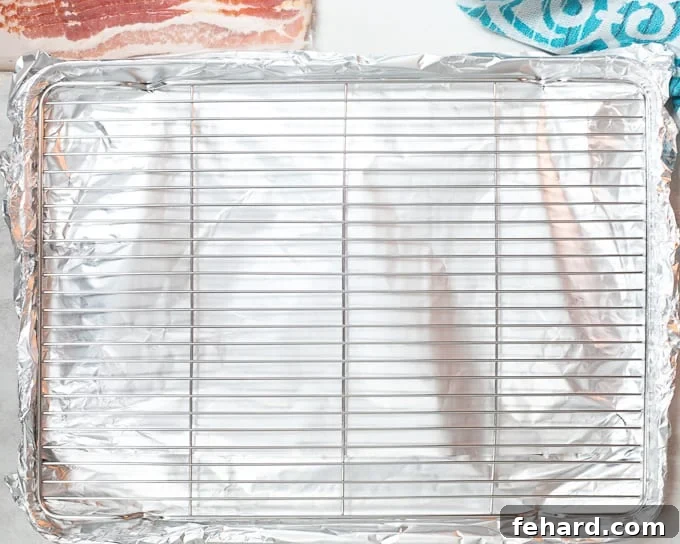
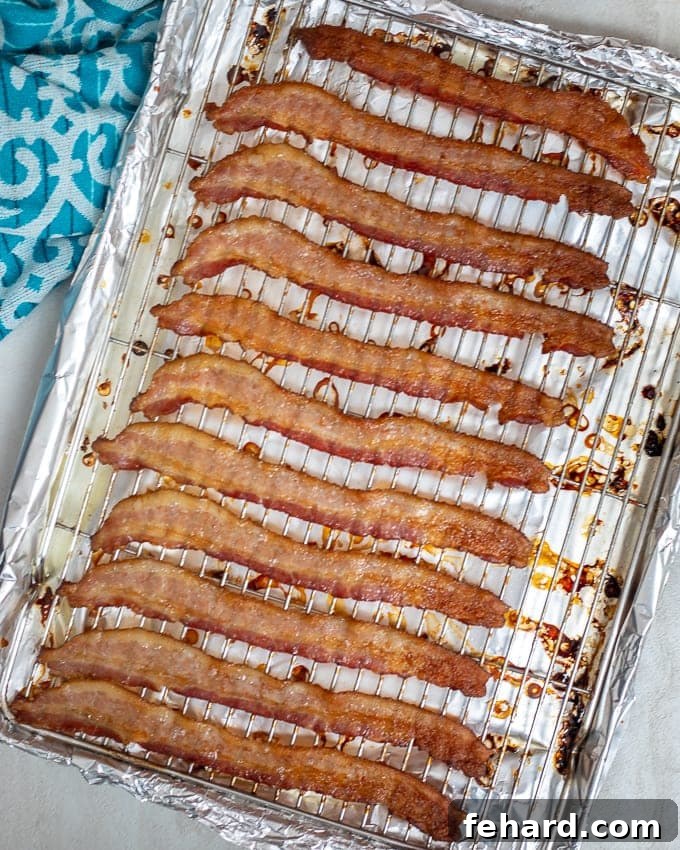
Step One: Prepare Your Baking Setup. The foundation for perfectly baked bacon is the right pan. I highly recommend using a large, rimmed baking sheet. This ensures any rendered fat is contained, preventing drips into your oven. Crucially, place a heat-safe wire cooling or baking rack directly on the baking sheet. This elevated rack allows hot air to circulate completely around each strip of bacon, promoting even cooking and incredible crispiness from all sides, eliminating the need to flip the bacon mid-bake. For the ultimate easy cleanup, line your baking sheet with aluminum foil *before* placing the rack on top. This simple step will capture all the grease, turning cleanup into a literal toss-away task.
No Wire Baking Rack? No Problem!
If you don’t own an oven-safe wire rack, you can still bake bacon effectively. Simply use a broiler pan, which naturally has a slotted upper tray to drain fat. Alternatively, use your foil-lined rimmed baking sheet without a rack, but be prepared to flip the bacon strips halfway through the cooking time to ensure both sides cook evenly.
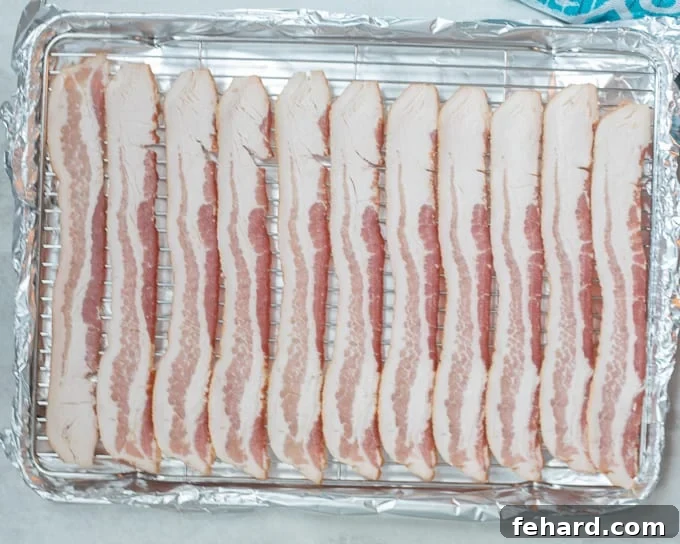
Step Two: Arrange Bacon Evenly on the Rack. Carefully lay the bacon strips across the wire baking rack, ensuring that no pieces overlap. Overlapping bacon will steam instead of crisp, leading to unevenly cooked and less desirable results. Leave a small amount of space between each strip to maximize air circulation. This meticulous placement is key to achieving that coveted uniform crispness. Whether you’re using thin-cut or thick-cut bacon, maintaining a single, non-overlapping layer is paramount.
Step Three: Bake to Perfection. Preheat your oven to 400°F (200°C) – a crucial step for immediate crisping. Once preheated, carefully slide the baking sheet into the oven. Begin by baking the bacon for approximately 12 minutes. After this initial period, check the bacon to assess its crispiness. If it hasn’t reached your desired texture, return it to the oven for an additional 3-8 minutes, checking frequently. The total baking time can vary significantly based on your oven’s calibration, the thickness of your bacon, and your personal preference for crispness. For exceptionally crispy, yet not burnt, bacon in my oven, I typically find 18-20 minutes to be the sweet spot.
Determining Optimal Baking Time
The precise baking duration is highly individualized. It depends on several factors: how crispy you prefer your bacon, the accuracy of your oven’s temperature, and the thickness of the bacon slices. Thicker cuts will naturally require more time than thinner cuts. Always keep a close eye on the bacon during the last few minutes to prevent overcooking.
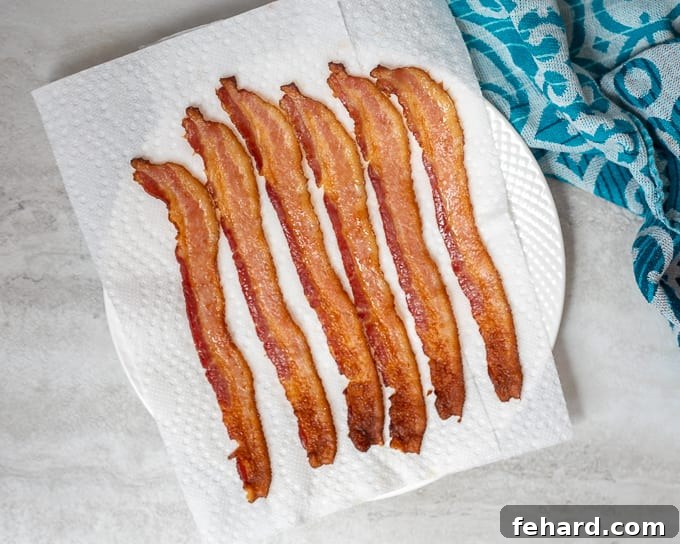
Step Four: Cool and Absorb Excess Grease. Once the bacon has reached your desired level of crispness, carefully remove the sheet pan from the oven. Using tongs, transfer the baked bacon strips to a plate generously lined with paper towels. The paper towels will efficiently absorb any residual grease, ensuring your bacon is perfectly crisp and not greasy. Allow the bacon to cool for a minute or two before serving, as it will continue to crisp up slightly as it cools.
Expert Tips for Flawless Oven Baked Bacon
- Preheat Thoroughly: Always ensure your oven is fully preheated to 400°F (200°C) before placing the bacon inside. A hot oven initiates crisping immediately, preventing the bacon from simply cooking in its own fat.
- Avoid Overcrowding: Resisting the urge to pile bacon strips onto a single sheet is crucial. If you’re cooking a large quantity, use multiple baking sheets. Overcrowding leads to steaming, not crisping.
- Rotate for Evenness: If you know your oven tends to have hot spots or bakes unevenly, rotate the baking sheet halfway through the cooking time. This ensures all the bacon cooks consistently.
- Experiment with Thickness: Thicker bacon takes longer to cook and yields a chewier texture with crispy edges, while thin bacon will crisp up much faster. Adjust baking times accordingly to match your preferred bacon type and texture.
- Add a Touch of Sweetness (Optional): For a gourmet twist, sprinkle a tiny bit of brown sugar or a dash of maple syrup over the bacon before baking. This caramelizes beautifully, creating a delightfully sweet and savory treat. A sprinkle of black pepper can also add a nice kick.
Safe & Responsible Bacon Grease Disposal (and Saving!)
It’s vital to remember: NEVER POUR BACON GREASE DOWN YOUR SINK DRAIN! This is a surefire way to cause severe plumbing clogs over time, as the grease hardens as it cools, adhering to your pipes. Instead, always dispose of bacon grease safely using one of these methods:
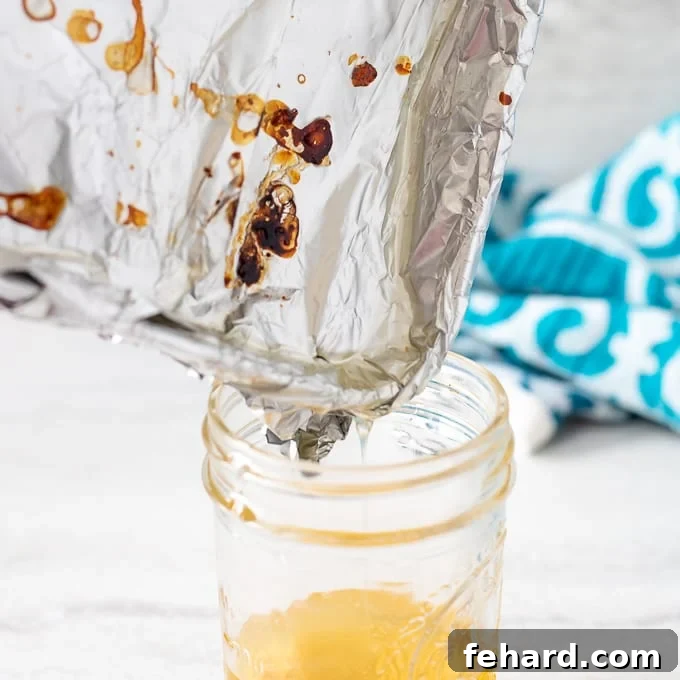
- Foil-Lined Pan Method: If you lined your baking sheet with foil, simply allow the grease to cool completely and solidify on the foil. Once hardened, you can easily fold up the foil containing the solid grease and discard it directly into your trash bin.
- Container Method: Allow the rendered bacon grease to cool slightly – it should still be liquid but not scalding hot. Carefully pour the grease into an old metal can (like a coffee can) or a sturdy glass jar. DO NOT use plastic containers, as the hot grease can melt or warp the plastic. Once the grease has fully cooled and hardened in the container, you can scoop it out and dispose of it in the trash, or simply throw away the entire container if it’s full.
Can I Save Bacon Grease for Cooking? Absolutely!
Bacon grease is a flavorful ingredient that can add depth to many dishes. To save bacon grease for future culinary uses, allow it to cool, then strain it through a fine-mesh sieve or cheesecloth to remove any burnt bits or impurities. Store the strained, cooled bacon grease in an airtight container in your refrigerator for up to 5 days. For longer storage, it can be frozen for several months. It is not safe to store bacon grease at room temperature for more than two hours. Use this flavorful fat to sauté vegetables, fry eggs, make delicious cornbread, or create savory dressings like a Warm Bacon Dressing.
Storing and Reheating Cooked Bacon
If you’re lucky enough to have leftover cooked bacon – congratulations, your willpower is truly commendable! Keeping cooked bacon on hand is a fantastic way to elevate future meals, whether it’s for adding to salads, enhancing Instant Pot egg bites, topping loaded potato skins, or completing a comforting twice-baked potato. Here’s how to store and reheat it properly:
- Refrigerate: Once the baked bacon has completely cooled, transfer it to an airtight container. It can be stored in the refrigerator for up to 5 days. Ensure it’s sealed well to maintain freshness and prevent other foods from absorbing its aroma.
- Freeze: For longer storage, cooked bacon freezes beautifully. Lay the cooled bacon strips in a single layer between sheets of parchment paper or wax paper. Stack these layers in a freezer-safe storage bag or an airtight container. The wax paper prevents the strips from freezing together, allowing you to easily pull out just the amount you need. Cooked bacon can be stored in the freezer for up to 3 months.
- Reheat:
- Microwave Method (Quickest): Place chilled or frozen bacon on a plate lined with a paper towel. Cover with an additional paper towel to prevent splattering. Microwave at 30-second intervals until heated through and re-crisped. Be cautious not to overcook, as it can quickly become tough.
- Oven Method (Best for Crispness): For the crispiest results, preheat your oven to 350°F (175°C). Arrange bacon on a wire rack over a baking sheet. Heat for 5-10 minutes for refrigerated bacon, or 10-15 minutes for frozen bacon, until warm and crisp.
- Stovetop Method: Heat a skillet over medium-low heat. Add cooked bacon and warm gently for a few minutes, flipping once, until heated and desired crispness is achieved. This method is best for smaller quantities.
Frequently Asked Questions (FAQs) on Baking Bacon
If you know your oven has a tendency to bake unevenly or has hot spots, a simple solution is to rotate your baking pan halfway through the cooking time. This ensures more uniform exposure to heat for all bacon strips, leading to more consistent results.
Yes, absolutely! Bacon grease is a culinary gem that adds incredible flavor to many dishes. To use it, allow the grease to cool completely, then strain it through a fine-mesh sieve or cheesecloth into an airtight jar or container. Store it in the refrigerator for up to 5 days. For extended use, you can freeze it for several months. Remember, it is not safe to consume if stored at room temperature for longer than 2 hours. You can use bacon grease to sauté potatoes, cook eggs, enhance gravies, make a delectable Warm Bacon Dressing, or even add depth to dishes like BLT pasta salad.
If your preference is for softer, less crispy bacon, simply adjust your baking time. Start checking the bacon after about 10 minutes of baking at 400°F (200°C). Continue to check every 1-2 minutes thereafter until it reaches your desired level of doneness and texture. Thicker cut bacon tends to remain chewier even when cooked through, which might be another option to consider.
While foil is highly recommended for its strength and easy cleanup of grease, you can use parchment paper to line your baking sheet. However, parchment paper is less robust with heavy grease and can sometimes allow grease to seep through if not properly sized. It will still make cleanup easier than no lining at all.
The optimal temperature for crispy oven-baked bacon is generally 400°F (200°C). This high heat quickly renders the fat and promotes even browning and crisping. While some recipes suggest lower temperatures, 400°F strikes the perfect balance for efficiency and texture.
Delicious Ways to Use Your Perfectly Baked Bacon
Beyond being a delectable standalone side for breakfast or brunch, perfectly baked bacon is an incredibly versatile ingredient. Its consistent crispness and rich flavor make it ideal for enhancing a wide variety of recipes. Here are just a few ideas to incorporate your glorious oven-baked bacon into other meals:
- Elevate Breakfast Dishes: Crumble it over scrambled eggs, omelets, breakfast burritos, or sprinkle it on top of pancakes or waffles for a sweet and savory kick.
- BLT Pasta Salad: The salty crunch of bacon is essential in this refreshing and flavorful pasta salad.
- Turkey Club Wrap: Add crispy bacon to your wraps and sandwiches for an extra layer of texture and savory depth.
- Bacon Ranch Potato Salad: Bacon and potatoes are a match made in heaven, especially in a creamy potato salad.
- Spinach Salad with Warm Bacon Dressing: Bacon bits and a warm bacon-infused dressing transform a simple spinach salad into a gourmet experience.
- Topping for Soups and Stews: A sprinkle of crumbled bacon adds a fantastic smoky flavor and crispy texture to creamy soups (like potato or broccoli cheddar) and hearty stews.
- Garnish for Baked Potatoes: Whether it’s a traditional baked potato or a fully loaded twice-baked potato, bacon is a non-negotiable topping for many.
- Burger or Sandwich Enhancer: Take any burger, chicken sandwich, or grilled cheese to the next level by adding a few strips of crispy bacon.
Loved this recipe?
If you enjoyed making and eating this perfect oven-baked bacon, please consider leaving a comment and a 5-star review below. Your feedback helps others discover delicious recipes!
Baked Bacon Recipe
Kristen Chidsey
10 servings
5 mins
12-20 mins
17-25 mins
Print Recipe
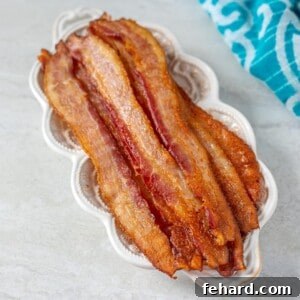
Baking bacon is truly the ultimate method for making perfectly crispy, uniformly cooked bacon with minimal mess and effort. This easy recipe will change the way you cook bacon forever!
Video Tutorial
Ingredients
- 1 pound bacon (this recipe can be easily doubled or cut in half)
Instructions
- Preheat Oven & Prepare Pan: Preheat your oven to 400℉ (200℃). Line a large, rimmed cookie sheet with aluminum foil for easy cleanup. Place a metal baking rack (oven-safe) onto the lined baking sheet.
- Arrange Bacon: Lay the bacon strips evenly across the wire rack, ensuring they do not overlap. This allows for even cooking and optimal crispness.
- Bake to Desired Crispness: Place the baking sheet with bacon into the preheated oven. Bake for an initial 12 minutes. After this time, check the bacon. If it has not reached your desired level of crispness, return it to the oven for an additional 3-8 minutes, checking frequently. For consistently crispy bacon in most ovens, a total baking time of 18-20 minutes is often ideal.
- Drain Excess Grease: Once the bacon is perfectly baked, carefully remove the sheet pan from the oven. Using tongs, transfer the cooked bacon to a plate lined with paper towels to absorb any extra grease.
- Serve & Enjoy: Allow the bacon to cool for a minute or two, as it will continue to crisp slightly. Serve immediately as desired, or allow to cool completely for storage.
Equipment
-
Baking Sheet with Rack
-
Aluminum Foil
-
Tongs
-
Paper Towels
Notes & Tips
Baking Bacon Without a Rack (Broiler Pan Method): If you do not have an oven-safe cooking rack, you can use a broiler pan instead. Alternatively, use a foil-lined baking sheet without a rack, but remember to flip the bacon halfway through the baking time to ensure even cooking.
Preventing Uneven Baking: If your oven is prone to baking unevenly, rotate your pan 180 degrees halfway through the cooking process. This helps ensure all the bacon gets evenly crispy.
Safe Grease Disposal: The correct and environmentally responsible method for discarding bacon grease is to allow it to cool and harden (either on the foil or in a non-plastic container like a metal can or glass jar) before disposing of it in the trash. Never pour grease down the sink drain, as it will cause clogs.
Storage Recommendations: For leftovers, store cooled, cooked bacon in an airtight container in the refrigerator for up to 5 days. To freeze, layer cooled bacon strips between sheets of wax paper or parchment paper and store in a freezer-safe bag. The paper prevents sticking, allowing you to take out individual strips as needed. Frozen cooked bacon can be kept for up to 3 months. Reheat gently in the microwave (30-60 seconds, covered with paper towel), oven, or stovetop until warm and crisp.
Nutrition Information
Calories:
189kcal
Protein:
5g
Fat:
18g
Saturated Fat:
6g
Cholesterol:
29mg
Sodium:
300mg
Potassium:
89mg
Vitamin A:
15IU
Calcium:
2mg
Iron:
0.2mg
Nutrition information is automatically calculated and should be used only as an approximation. Actual values may vary based on ingredients and preparation methods.
Tried this amazing recipe?
Don’t forget to mention @amindfullmom or tag #amindfullmom on social media!