
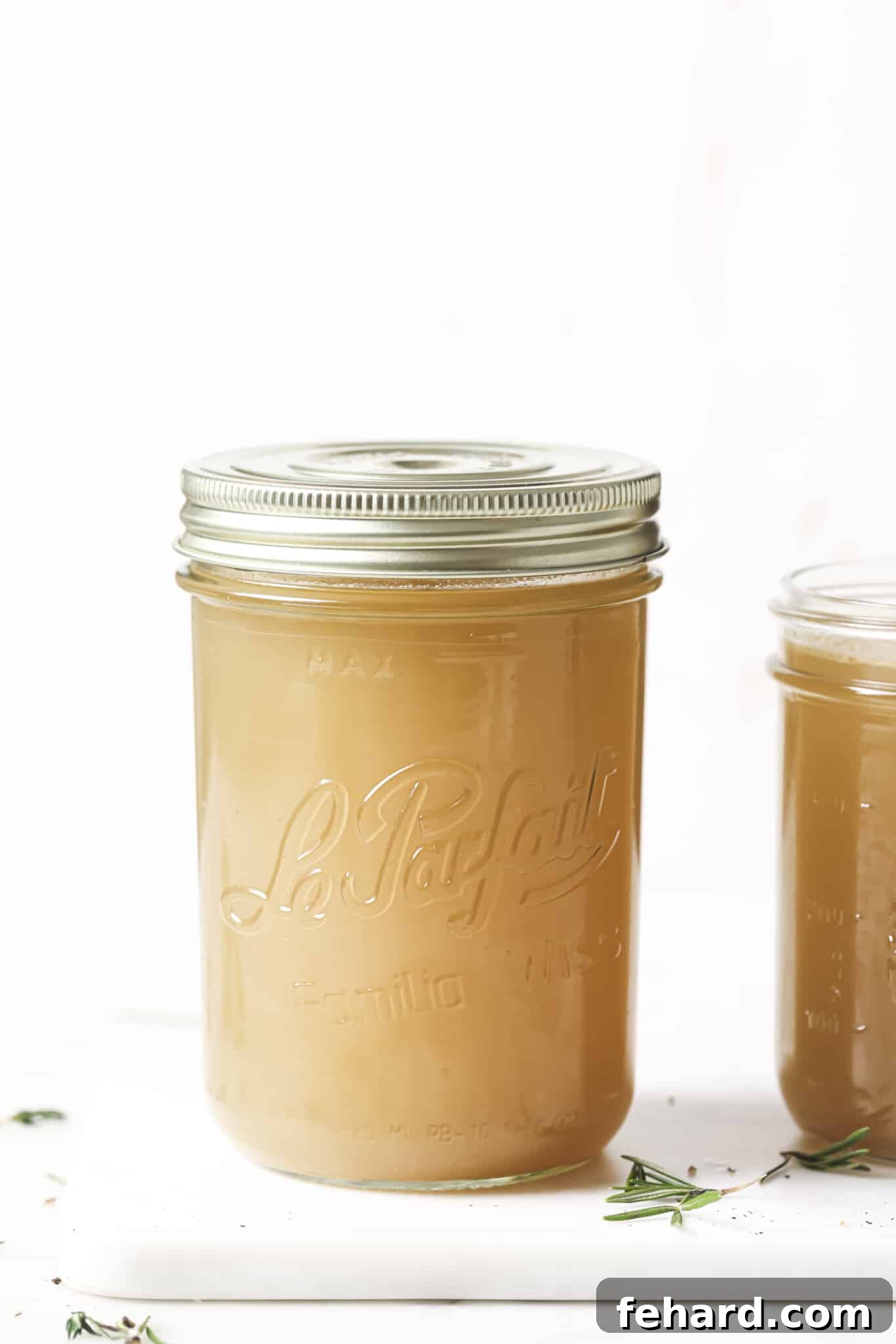
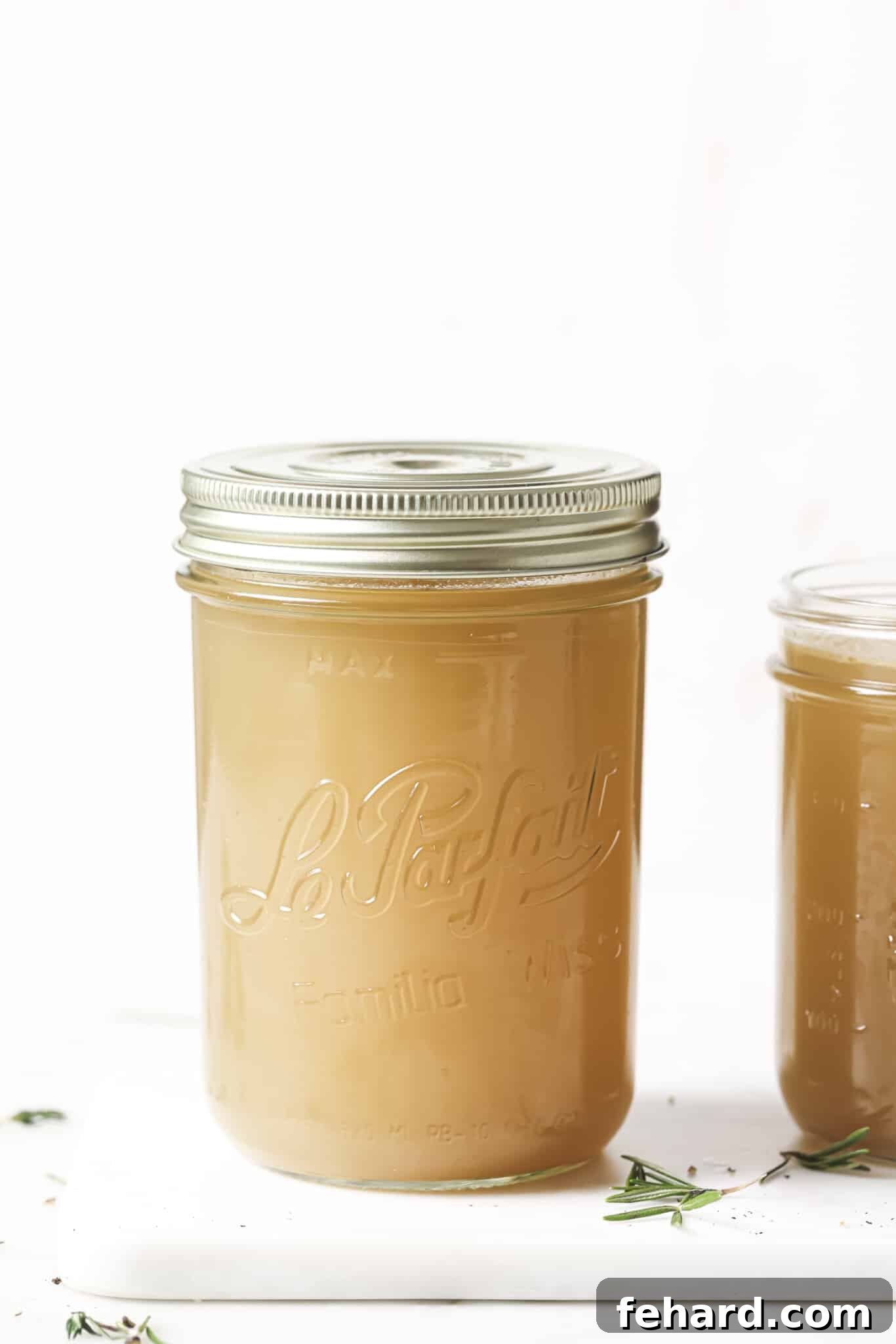
Transform your kitchen into a haven of wholesome flavors with this incredibly simple yet profoundly satisfying recipe for homemade chicken broth. Ditch the store-bought cartons filled with unknown additives and embrace the purity of a broth made from scratch. This hands-off recipe requires minimal effort but yields maximum flavor, making it an indispensable staple for your culinary adventures. Whether you’re simmering a cozy soup, enhancing a side dish, or building the foundation for a gourmet dinner, this rich, savory chicken broth will elevate every meal.
There’s a unique satisfaction that comes from stocking your pantry with homemade essentials. By crafting your own ingredients, you gain complete control over what goes into your food, ensuring it’s free from preservatives, excessive sodium, and artificial flavors. Just as I enjoy making my own Tomato Sauce, Vinaigrette, Turkey Broth, and Vegetable Broth, this homemade chicken broth quickly became a non-negotiable item in my kitchen. It’s not just about health; it’s about superior taste and often, significant cost savings.
Recently, after preparing a succulent Air Fryer Whole Chicken, I was left with a perfectly good carcass. Instead of discarding these valuable scraps, I saw an opportunity to create a deeply flavorful, nutrient-rich chicken broth. This sustainable approach to cooking not only minimizes waste but also allows me to extract every bit of goodness from my ingredients. I plan to refrigerate a portion for immediate use in upcoming meals this week and freeze the remainder, ensuring a steady supply of this golden elixir for all the comforting stews and hearty dishes I’ll be preparing throughout the colder months.
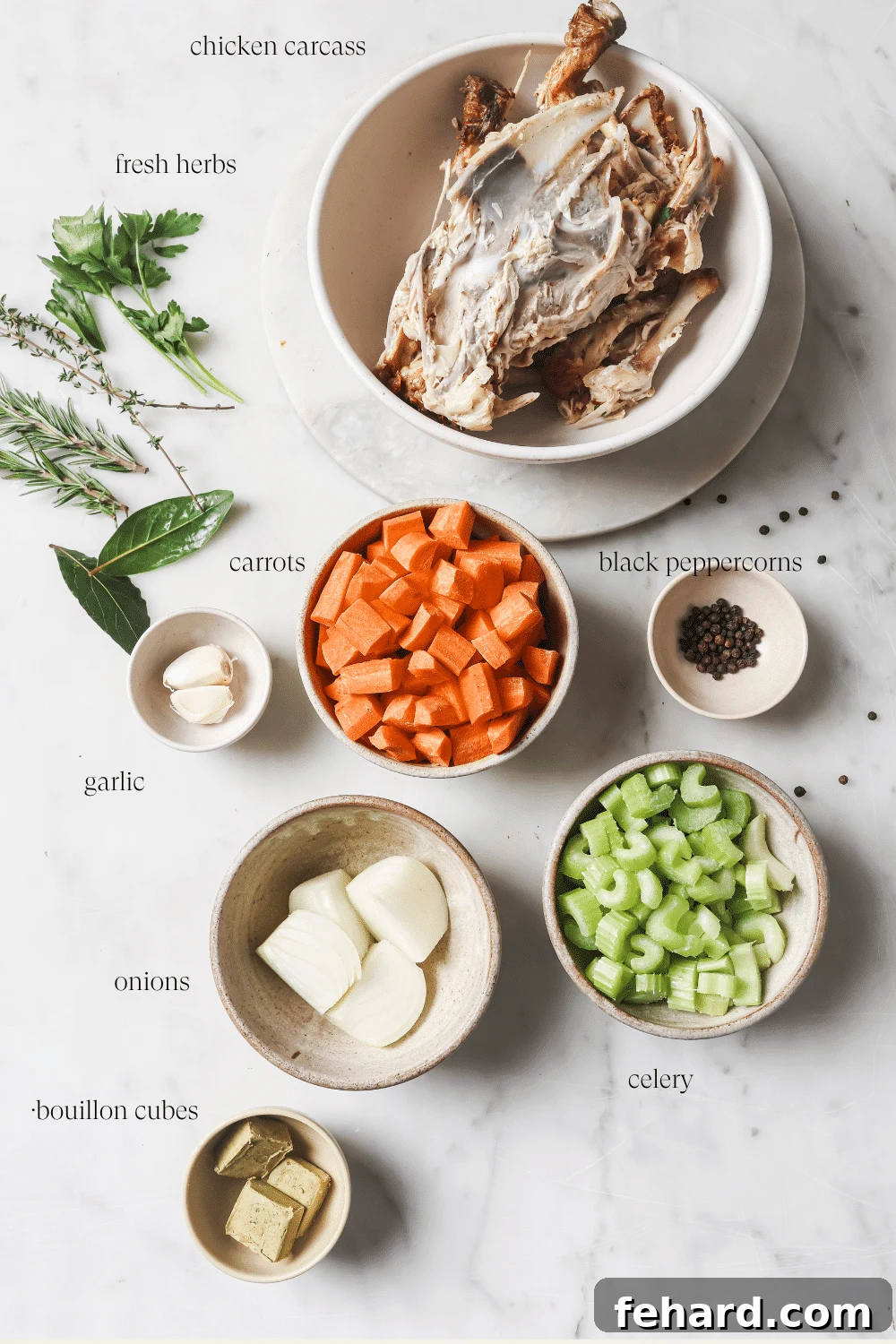
Crafting this savory broth is surprisingly straightforward, requiring only a few fundamental ingredients: a cooked chicken carcass, an assortment of aromatic vegetables, fresh herbs, and pure water. The magic truly happens when these simple components are brought together in a large stockpot and left to gently simmer. This slow, patient process allows the flavors to deepen and meld, creating a complex and robust liquid that is far superior to anything you can buy. It’s a testament to the fact that the best things in life often require just a little time and the right ingredients.
How To Make The Best Homemade Chicken Broth
Making homemade chicken broth might seem intimidating at first, but it’s one of the easiest and most rewarding culinary projects you can undertake. The process essentially involves simmering chicken bones and aromatics in water for an extended period, allowing all the rich flavors and nutrients to extract into the liquid. The result is a versatile, flavorful broth that will become your secret ingredient in countless dishes.
Essential Ingredients for Flavorful Broth
The beauty of homemade chicken broth lies in its simplicity and the quality of its ingredients. Each component plays a vital role in building the depth and complexity of flavor that makes this broth truly exceptional.
- Roasted Chicken Carcass: The foundation of our broth. Using a carcass from a roasted chicken adds an extra layer of savory depth compared to raw bones, as the roasting process caramelizes the natural sugars and creates rich, browned notes. Before adding, I recommend removing as much of the meat as possible to save for other dishes and breaking the carcass into smaller pieces to maximize surface area for flavor extraction.
- Aromatic Vegetables: These are the unsung heroes of any good broth. A classic mirepoix of onions, carrots, and celery provides a sweet, earthy, and herbaceous base. Garlic cloves further enhance the savory profile, contributing a pungent warmth that complements the chicken beautifully. These vegetables infuse the broth with natural sweetness and complexity.
- Whole Black Peppercorns: Instead of ground pepper, whole peppercorns are preferred as they impart a subtle, gentle heat without clouding the broth. They are also much easier to strain out once the simmering is complete, leaving you with a clear, sparkling liquid.
- Fresh Herbs: Herbs are crucial for adding bright, fresh notes to the broth. My preferred combination typically includes parsley, rosemary, and thyme, which offer a delightful balance of earthy, piney, and fresh flavors. You can either toss them directly into the pot or tie them in a sachet (cheesecloth bag) for effortless removal later.
- Bay Leaves: Though small, bay leaves are incredibly potent. They contribute a distinct, almost minty and slightly bitter herbaceous note that rounds out the overall flavor profile of the broth, adding an element of sophisticated depth. Don’t underestimate their impact!
- Chicken Bouillon (Optional): While optional, adding a few chicken bouillon cubes or a spoonful of paste can significantly enhance and fortify the chicken flavor, especially if your carcass isn’t particularly large or if you desire an extra punch of umami. You can crush the cubes or dissolve the paste in hot water before adding to ensure it disperses evenly.
Step-by-Step Instructions for Your Homemade Broth
Follow these simple steps to create a rich, golden homemade chicken broth that will be the envy of any chef.
1. Prepare and Combine Ingredients
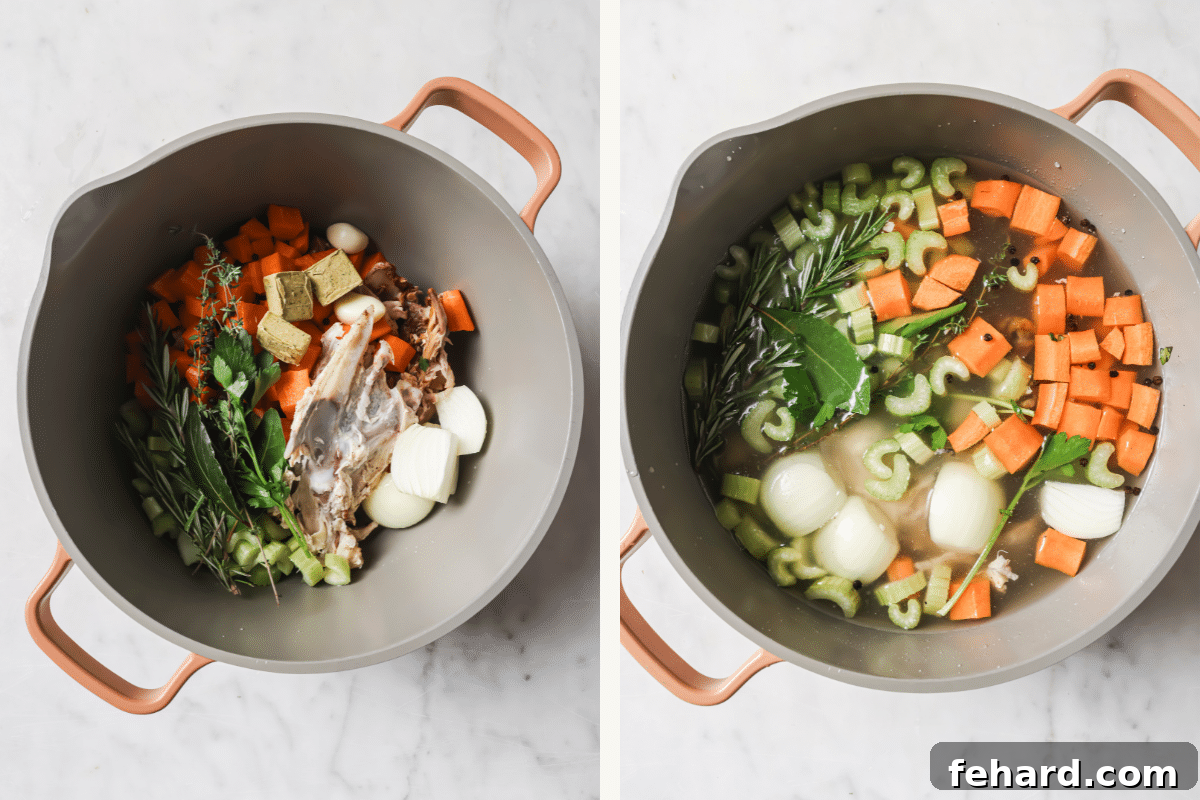
- Begin by placing the pieces of your roasted chicken carcass into a large Dutch oven or a sturdy stockpot. Ensure the pot is large enough to accommodate all ingredients comfortably.
- Next, add your prepared vegetables: the quartered onions, chopped celery, and peeled and chopped carrots. These aromatics will slowly release their sweet and savory essences into the broth.
- Now, incorporate your flavor enhancers: the garlic cloves, whole black peppercorns, fresh herb sprigs (parsley, rosemary, and/or thyme), and the essential bay leaves. If you’re using chicken bouillon cubes for an extra flavor boost, you can either crush them directly into the pot or dissolve them in a small amount of hot water before adding to ensure uniform distribution.
- Finally, fill the pot with enough cold water to fully submerge all the ingredients. The exact volume will vary depending on the size of your pot and the chicken carcass, but a general guideline is typically 10-12 cups. Cold water is crucial as it allows the impurities to rise slowly, making them easier to skim, and promotes a gradual extraction of flavor.
2. Simmer and Skim for Clarity
- Place your stockpot on the stove over medium-high heat. Gradually bring the mixture to a full boil. This initial high heat helps to draw out impurities.
- Once a rolling boil is achieved, immediately reduce the heat to its lowest setting, ensuring the broth maintains a gentle simmer. Cover the pot, leaving a slight crack for steam to escape, and let it cook for at least 1 hour, or ideally up to 3 hours. The longer it simmers, the more profound and concentrated the flavors will become. This gentle heat is key to extracting flavor without turning the broth cloudy.
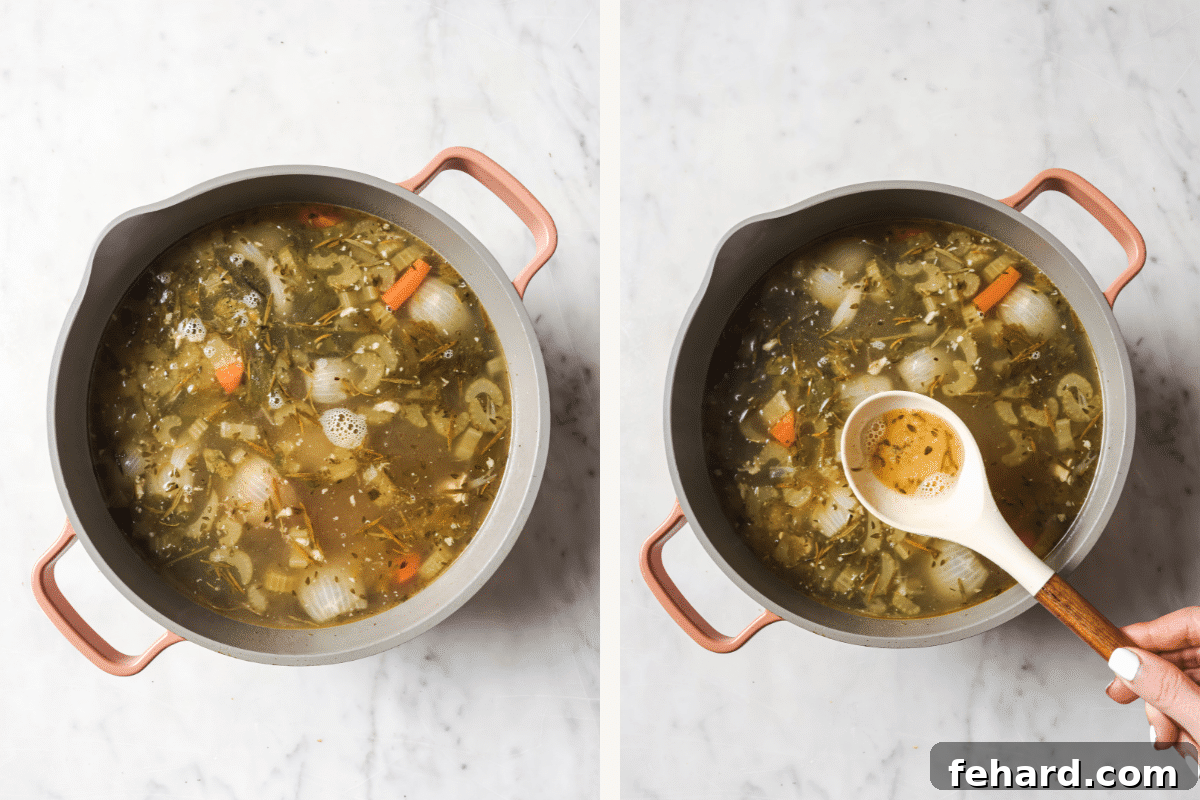
- As the broth gently simmers, you’ll notice foam and impurities rising to the surface. Use a slotted spoon or a fine mesh skimmer to carefully remove and discard this foam. Skimming is important for achieving a clear and visually appealing broth.
3. Strain and Cool Your Broth
- After the desired simmering time, remove the pot from the heat and allow it to cool slightly. This makes the straining process safer and easier.
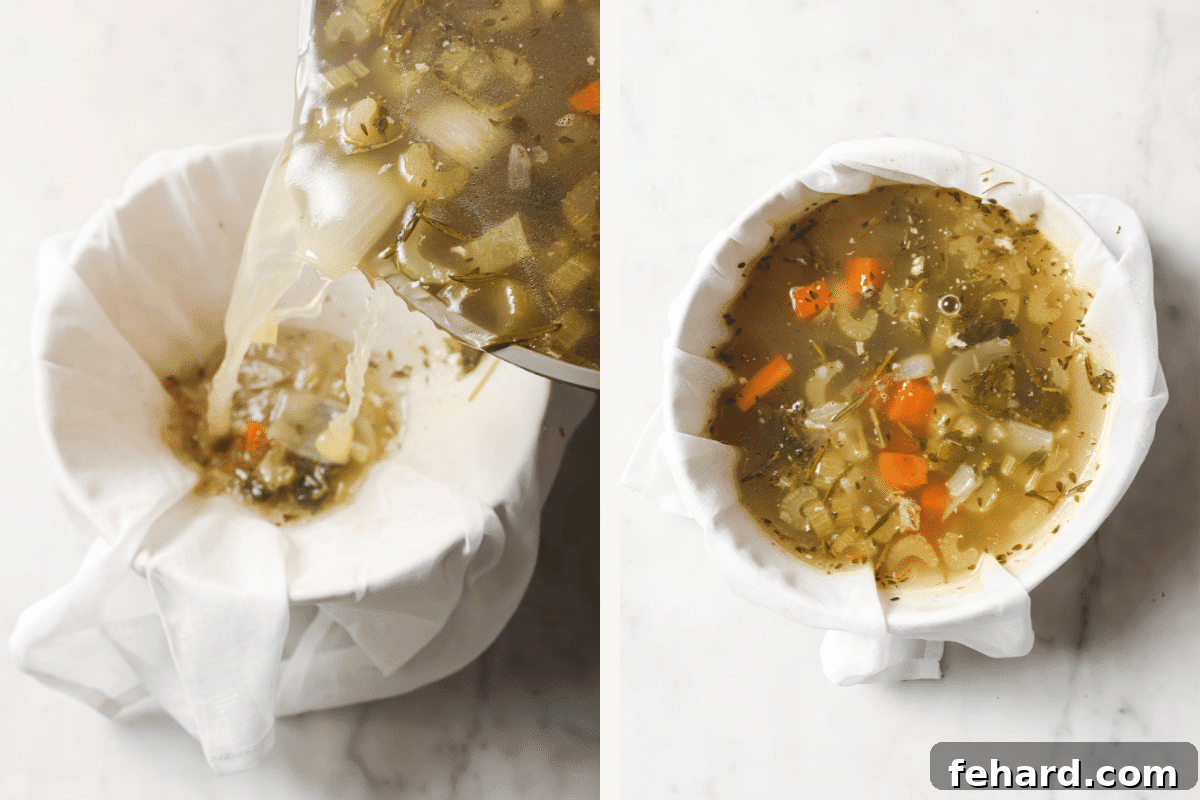
- Carefully strain the broth. Place a fine mesh strainer, ideally lined with cheesecloth, over a large heatproof bowl or another clean pot. Slowly pour the entire contents of the stockpot through the strainer, separating the liquid from the solids. Discard or compost the cooked chicken carcass and vegetables, as their flavors and nutrients have now been fully extracted.
- Allow the strained, golden broth to cool completely to room temperature before storing. This is a critical step to prevent bacterial growth and to ensure the broth’s safety and longevity.
- Once thoroughly chilled in the refrigerator, any residual fat will solidify on the surface. Use a spoon to easily skim off this hardened fat, resulting in a cleaner, less greasy broth. Your magnificent homemade chicken broth is now ready to be used in all your favorite recipes, from comforting soups to rich sauces.
Expert Tips for Perfect Chicken Broth
- Patience is Key for Flavor: While this recipe is incredibly simple, the most important ingredient is time. The longer you allow the broth to gently simmer, the more intensely flavorful and rich it will become. Aim for at least 1-3 hours, but some chefs even simmer their broths for up to 6 hours for maximum depth. Don’t rush the process!
- Achieving Crystal Clear Broth: For a beautifully clear broth, I highly recommend a double-straining method. First, pass the broth through a fine-mesh strainer to remove larger particles. Then, for an even clearer result, strain it again through a layer or two of cheesecloth. This extra step will catch any tiny sediments, leaving you with a pristine, golden liquid.
- No Carcass? No Problem!: Don’t fret if you don’t have a whole chicken carcass on hand. You can still make a wonderfully flavorful broth using other chicken parts. Chicken wings, drumsticks, or even just a collection of bones from previously eaten chicken are excellent substitutes. The key is to have enough bone and cartilage to release collagen and flavor.
- Organization for Freshness: Always remember to properly label and date your containers before refrigerating or freezing your homemade broth. This simple habit ensures you know exactly how long it’s been stored, helping you maintain freshness and prevent food waste.
How To Store Your Homemade Chicken Broth
Proper storage is essential to maintain the freshness and quality of your homemade chicken broth. With the right methods, you can enjoy your flavorful broth for days in the refrigerator or months in the freezer.
- To Store in the Refrigerator: Once your chicken broth has cooled completely to room temperature, transfer it into airtight containers or sturdy mason jars. I personally find mason jars to be very efficient as they stack well and take up less space. Stored in the refrigerator, homemade chicken broth will remain fresh and delicious for up to 5 days. Always ensure it’s fully chilled before sealing and refrigerating.
- To Freeze for Long-Term Storage: For extended storage, freezing is an excellent option. Homemade chicken broth can last beautifully in the freezer for up to 6 months, making it a fantastic meal prep component. When freezing, pour the broth into freezer-safe containers, leaving at least an inch of headspace. This is crucial because liquids expand as they freeze, and leaving room prevents containers from cracking. Alternatively, for convenient portioning, you can freeze the broth in ice cube trays or specialized soup cube trays. Once frozen solid, pop out the cubes and transfer them to a freezer-safe bag, ready to be used as needed.
- To Reheat Frozen Broth: If your broth is frozen, the safest and best way to thaw it is by transferring it to the refrigerator overnight. This allows it to slowly come to a liquid state while remaining at a safe temperature. Once thawed (or if simply refrigerated), you can reheat the chicken broth gently on the stovetop over medium heat until it’s heated through, or warm individual portions in the microwave.
Creative Ways to Use Your Homemade Chicken Broth
Your homemade chicken broth is a versatile culinary powerhouse, ready to infuse countless dishes with its rich, savory essence. Here are just a few ideas to inspire you:
- Enriching Soups and Hearty Stews: This is arguably the most classic and satisfying use for chicken broth. It forms the flavor base for countless comforting dishes. Use it in my traditional chicken noodle soup, a warming chicken stew, or a quick and robust Instant Pot chicken stew. It adds unparalleled depth that store-bought versions simply can’t match.
- Elevating Grains and Potatoes: Replace plain water with chicken broth when cooking grains like rice or quinoa to instantly boost their flavor profile. Imagine fluffy rice or perfectly cooked quinoa, each grain infused with savory goodness. It also works wonders in potato dishes, lending incredible richness to creamy mashed potatoes or roasted vegetables.
- Building Flavorful Sauces and Gravies: A good sauce can transform an ordinary meal into an extraordinary one. Use your homemade chicken broth as the liquid base for pan sauces, gravies, or reductions. Its inherent richness will create a more complex and satisfying finish for roasted meats, vegetables, or pasta dishes, making every bite more delicious.
Delicious Chicken Broth Recipe Variations
While the classic chicken broth recipe is fantastic on its own, don’t hesitate to experiment with variations to customize the flavor to your liking or to suit specific recipes.
- Brighten It Up with Zesty Notes: For a more vibrant and refreshing flavor profile, consider adding a zesty ingredient during the last 30 minutes of simmering. A squeeze of fresh lemon juice, a splash of apple cider vinegar, or a few slices of fresh ginger can introduce a wonderful brightness that cuts through the richness and adds a delightful complexity.
- Experiment with Different Herbs: My go-to herbs are parsley, rosemary, and thyme, but the world of herbs is vast and offers endless possibilities for customization. Feel free to swap them out or add others like aromatic oregano, mild chives, or earthy sage to create a unique flavor signature for your broth. Each herb will lend a distinct character.
- Boost the Veggie Goodness: More vegetables mean more natural sweetness, flavor, and beneficial nutrients in your broth. Beyond the traditional carrots, celery, and onions, consider incorporating other neutral savory vegetables such as sweet parsnips, delicate leeks, subtly oniony shallots, or earthy mushrooms (especially dried porcini for umami depth). These additions will enhance the broth’s body and complexity.
More Homemade Staples
Fresh Basil Pesto Recipe
5 mins
Homemade Meat Sauce Recipe
4 hrs 10 mins
1-Minute Homemade Mayonnaise
1 min
Homemade Cajun Seasoning
5 mins
Homemade Chicken Broth
Learn how to make delicious homemade Chicken Broth with simple, wholesome ingredients. This recipe is easy, hands-off, and a great replacement for store-bought broth! It’s perfect for adding flavor to soups, side dishes, and your favorite dinner recipes.
Ingredients
- 1 cooked chicken carcass, meat mostly removed
- 1 large onion, peeled and quartered
- 3 stalks celery, chopped
- 3 large carrots, peeled and chopped
- 2 cloves garlic
- 1 teaspoon whole black peppercorns
- 2 sprigs of fresh parsley, rosemary, and/or thyme
- 2 bay leaves
- 3 chicken bouillon cubes (optional, for enhanced flavor)
Instructions
- In a large stockpot or Dutch oven, place the chicken carcass pieces. Add the quartered onions, chopped celery, and peeled carrots to the pot.
- Add the garlic, whole black peppercorns, fresh herbs, bay leaves, and chicken bouillon (if using, crush cubes or dissolve paste in hot water before adding).
- Pour enough cold water into the pot to fully cover all the ingredients. This typically ranges from 10 to 12 cups, depending on your pot size and carcass.
- Place the pot on the stove over medium-high heat and bring the mixture to a boil. Once boiling, reduce the heat to low, cover, and let it gently simmer for at least 1 hour, or up to 3 hours, to allow flavors to meld.
- As the broth simmers, use a slotted spoon to skim off any foam or impurities that rise to the surface for a clearer broth.
- After simmering, remove the pot from the heat and let it cool slightly. Strain the broth through a fine-mesh strainer (ideally lined with cheesecloth) into a large bowl or another pot. Discard the solids.
- Allow the strained broth to cool completely to room temperature before refrigerating. Once chilled, you can skim off any solidified fat from the surface. Your homemade chicken broth is now ready to use!
Notes
- Allow the broth plenty of time to simmer and develop deep, rich flavors.
- For a crystal-clear broth, strain it once through a fine-mesh strainer and then again through a cheesecloth.
- You can also use chicken wings or other chicken bones to make this delicious broth if a whole carcass isn’t available.
- Always remember to label and date your storage containers for freshness.
Storage Guidelines:
- To Store: Once cooled, pour chicken broth into airtight containers or mason jars and store in the refrigerator for up to 5 days.
- To Freeze: Store in a freezer-safe container, leaving at least an inch of space for liquid expansion. Freeze for up to 6 months. For convenient portions, freeze in ice cube or soup cube trays, then transfer cubes to a freezer bag.
- To Reheat: Thaw frozen broth in the refrigerator overnight. Reheat in the microwave or on the stovetop until thoroughly warmed.
Nutrition Information
Nutrition information is automatically calculated and should be used as an approximation.