
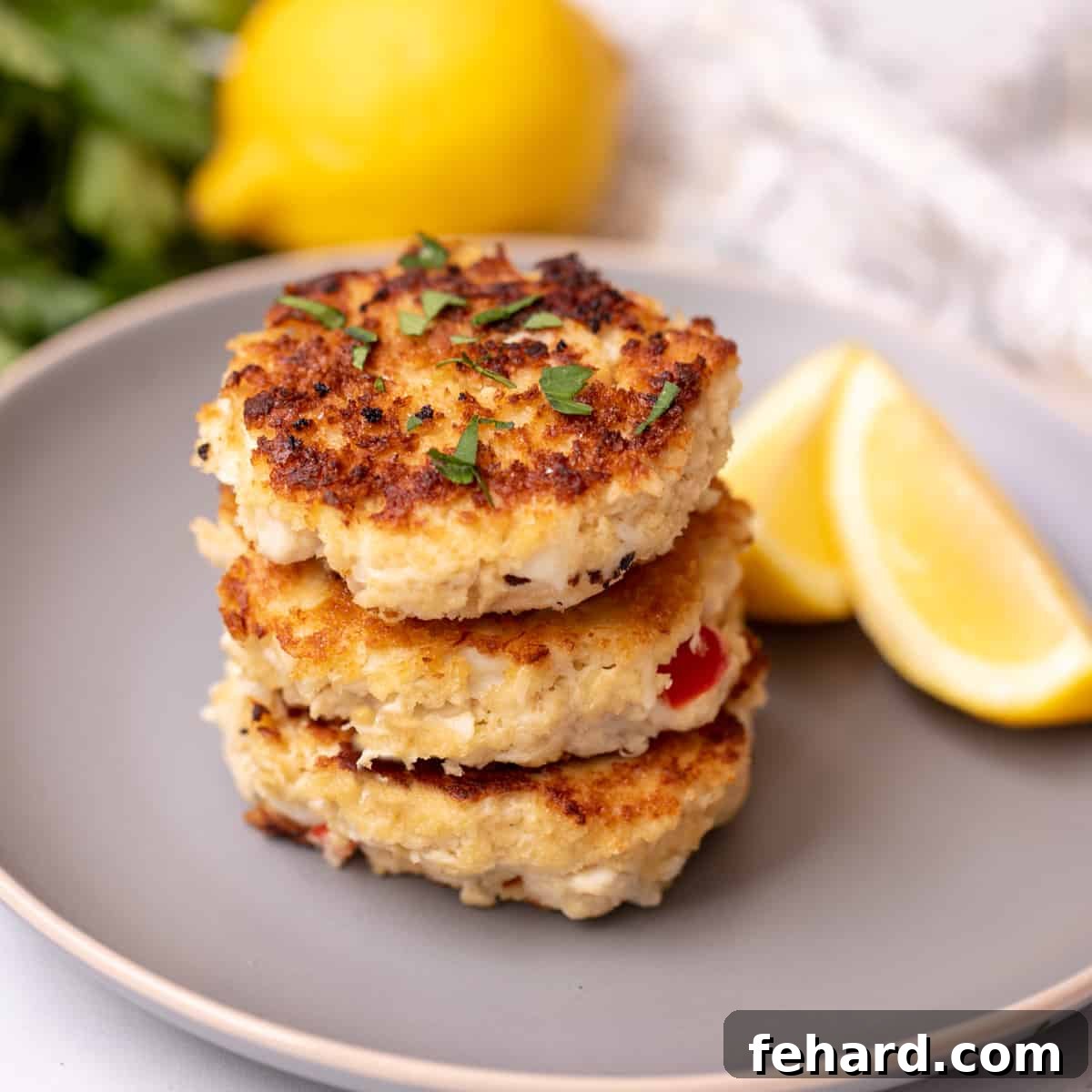
The Best Homemade Crab Cakes: Crispy, Tender, and Irresistibly Flavorful
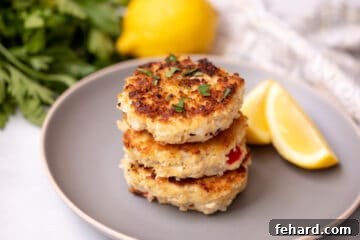
Indulge in the exquisite taste of the sea with these exceptional homemade crab cakes. Each bite offers a delightful explosion of sweet lump crab meat, perfectly seasoned and cooked to achieve a golden, crispy exterior that gives way to a tender, juicy interior. What makes this recipe truly stand out is its commitment to flavor and texture without compromising on health, offering a lower-calorie alternative to many traditional versions.
Whether you’re planning an elegant dinner party or a casual family meal, these crab cakes are incredibly versatile. Serve them as a sophisticated appetizer alongside a vibrant homemade tartar sauce, or transform them into a mouthwatering main course by nestling them in a toasted bun with crisp lettuce and ripe tomatoes for the ultimate Crab Cake Sandwich. With their perfect balance of ingredients and effortless preparation, these Crispy Crab Cakes are guaranteed to impress and satisfy every palate.
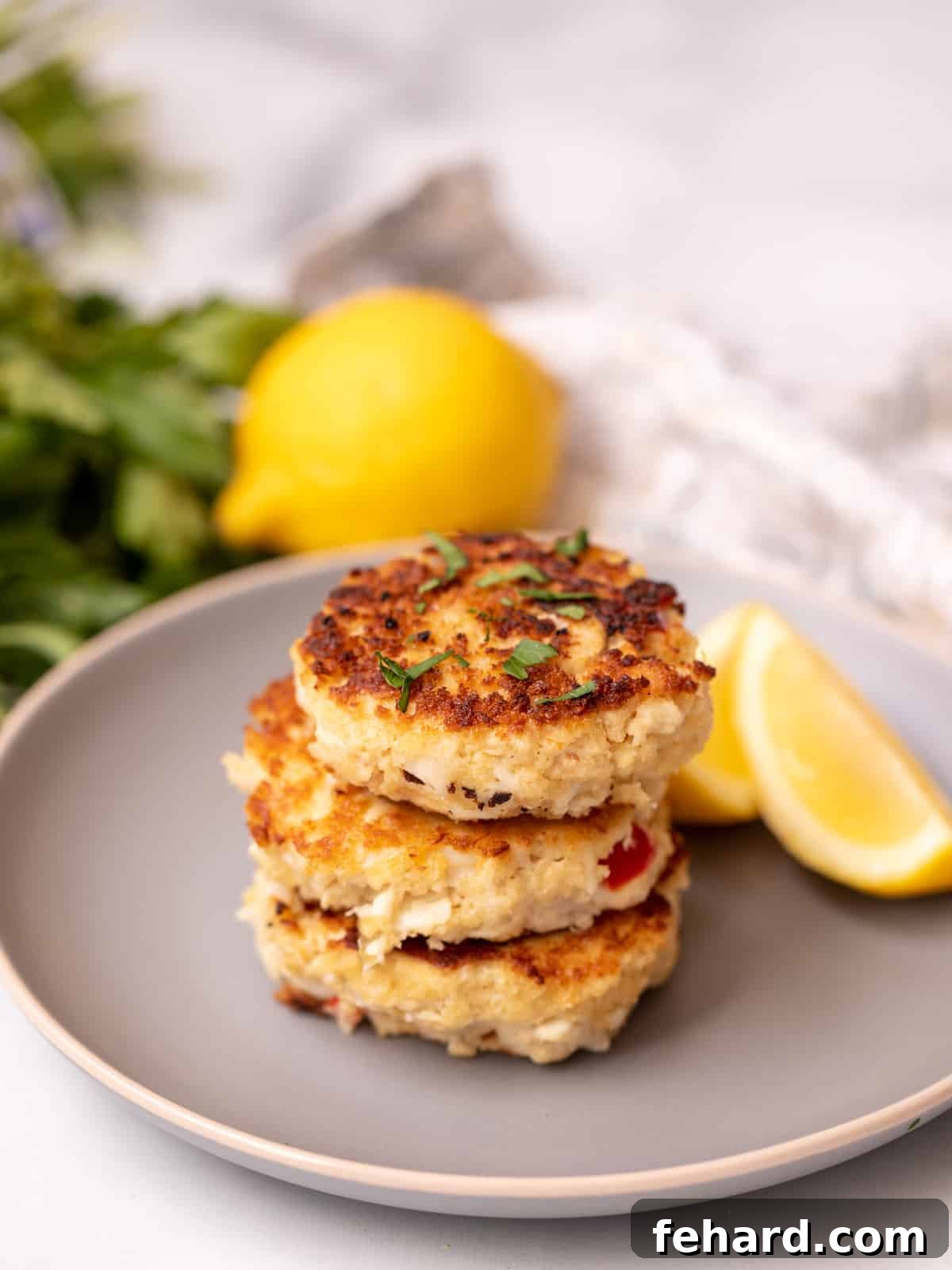
Why This Crab Cake Recipe Shines Above the Rest

The quest for the perfect crab cake often ends in disappointment, with dense, overly bready patties that mask the delicate flavor of the crab. But the difference between a good crab cake and an truly extraordinary one lies in meticulous attention to detail. This recipe for homemade crab cakes excels in every aspect – from its exceptional flavor profile and ideal texture to its surprising ease of preparation. Here’s why this recipe consistently delivers perfection:
- Lump Crab Meat Takes Center Stage: At the heart of any great crab cake is, of course, the crab. This recipe champions the use of premium lump crab meat, ensuring that the star ingredient truly shines. Unlike many recipes that rely on excessive fillers, our approach uses binders merely to enhance the crab’s natural sweetness and delicate flavor, never to overwhelm it. You’ll savor the pure taste of succulent crab in every bite, just as it should be.
- Crispy Perfection, Never Greasy: Say goodbye to heavy, oil-laden deep-fried crab cakes. Our method focuses on achieving an exquisite crispness through a light coating of Panko breadcrumbs, followed by gentle pan-frying. This technique creates a beautiful golden crust that’s wonderfully crunchy without absorbing excess oil, resulting in a lighter, more enjoyable experience. For those seeking an even healthier option, we’ve also included instructions for baking these delectable patties, much like our popular tuna patties, offering a guilt-free indulgence.
- Impeccable Texture Harmony: A truly great crab cake offers a symphony of textures. This recipe delivers just that: a delicate, flaky interior teeming with tender crab, enveloped by that irresistible crispy coating. The contrast creates a hearty yet refined dish that feels substantial without being heavy, ensuring each mouthful is a balanced delight.
- Surpassing Restaurant Quality: We confidently declare these crab cakes superior to most restaurant offerings. The secret lies in our dedication to highlighting the natural flavor of the crab with minimal, high-quality fillers. The result is a homemade masterpiece that boasts a depth of flavor and a freshness that simply cannot be replicated by mass-produced alternatives. Prepare to be amazed by a taste experience that truly elevates the humble crab cake.
Happy Cooking, and enjoy every flavorful moment! xo Kristen
Essential Ingredients for Truly Homemade Crab Cakes
Crafting the perfect homemade crab cakes begins with selecting the right ingredients. While you’ll find the complete list with precise quantities in the recipe card below, here’s a detailed look at the key components and tips for making the best choices to ensure your crab cakes are nothing short of spectacular.
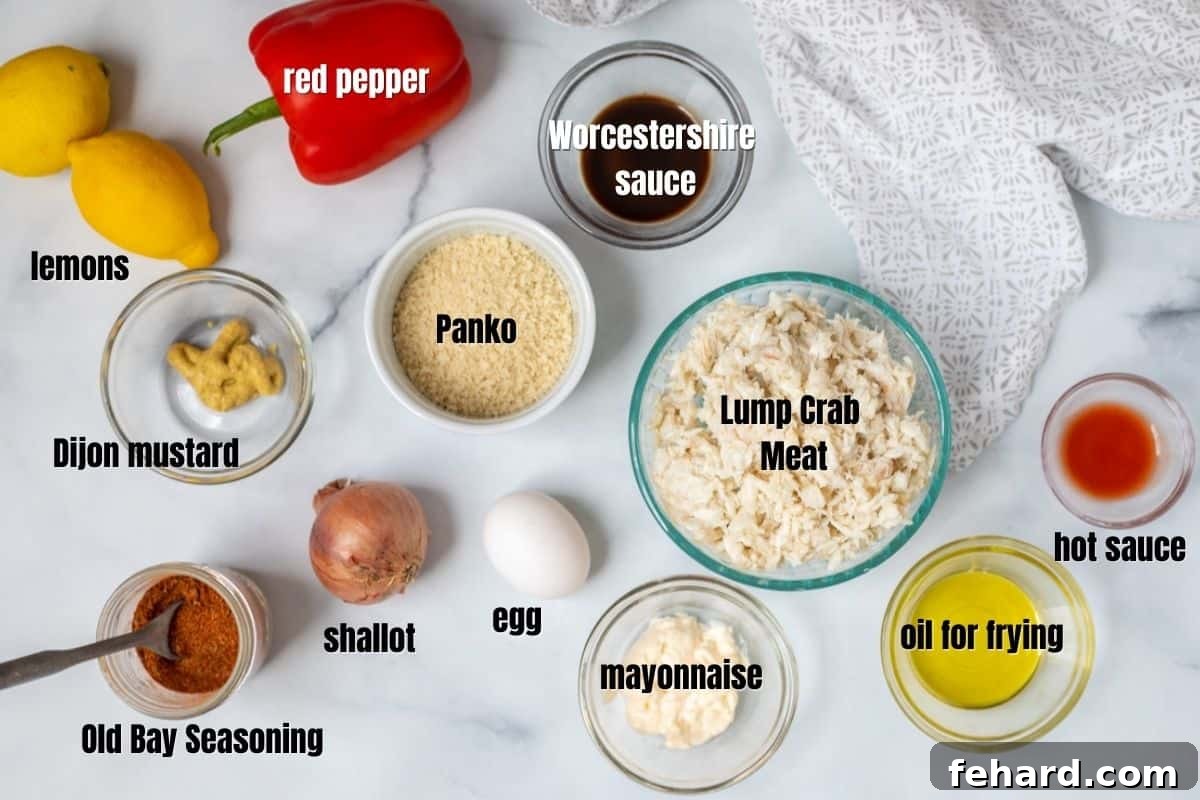
- Crab: The cornerstone of your crab cakes. Always prioritize fresh lump crab meat or high-quality frozen, defrosted lump crab meat. Varieties like Dungeness crab and Blue crab are excellent choices, celebrated for their sweet, succulent flesh. If you opt for jumbo lump crab meat, a slight chop might be necessary to ensure the cakes bind properly and hold their shape during cooking; overly large chunks can prevent cohesion. For more in-depth guidance on selecting the best crab variety, see the dedicated section below. Remember, the quality of your crab directly impacts the final taste, so choose wisely.
- Bread Crumbs: This recipe cleverly utilizes breadcrumbs in two ways: as a binder within the mixture and as a light, crisp coating. Panko breadcrumbs are unequivocally the best choice for both applications. Their larger, flakier texture prevents the interior from becoming dense, keeping it wonderfully light, while creating an unparalleled crispy, golden exterior. Avoid regular breadcrumbs, which can lead to a heavier, less desirable texture.
- Shallot: Instead of a combination of onion and garlic, minced shallots are preferred here. Shallots offer a more delicate, nuanced flavor profile that subtly hints at both onion and garlic without overpowering the sublime taste of the crab. This careful choice ensures the aromatics enhance, rather than dominate, the main ingredient.
- Red Bell Pepper: A small amount of finely diced red bell pepper contributes a burst of freshness, a subtle sweetness, and a pleasant textural contrast to the crab cakes. While green bell peppers are generally not recommended due to their slightly bitter flavor, feel free to substitute with orange or yellow bell peppers, which share a similar sweet and mild profile with red bell peppers.
- Mayonnaise: Employed sparingly, mayonnaise acts as a crucial binder and imparts essential moisture and a creamy richness to the crab cakes. For the best flavor and texture, use full-fat or reduced-fat mayonnaise. Steer clear of fat-free mayo or “Miracle Whip,” as these alternatives often contain artificial flavors and lack the desired emulsifying properties, compromising the final taste and consistency.
- Lemon: Freshly squeezed lemon juice is non-negotiable. Its bright, zesty acidity cuts through the richness of the crab and mayo, adding a vital layer of freshness that elevates the overall flavor. Jarred lemon juice, with its often artificial and bitter undertones, simply cannot replicate the vibrant essence of fresh lemon.
- Old Bay: This iconic seasoning blend is practically synonymous with crab dishes, and for good reason. Old Bay Seasoning provides the perfect harmonious blend of spices that complements the crab beautifully. You can use a high-quality store-bought version or explore crafting your own homemade Old Bay Seasoning for a personalized touch.
- Hot Sauce: A dash of hot sauce introduces a subtle warmth and depth of flavor, adding a pleasant kick without overwhelming the crab. If you prefer a milder profile or are serving guests sensitive to heat, feel free to omit the hot sauce entirely. Adjust to your personal preference for the perfect spice level.
Selecting the Ideal Crab for Your Crab Cakes
The foundation of truly outstanding homemade crab cakes lies in the quality and type of crab meat you choose. This decision significantly impacts the flavor, texture, and overall success of your dish. When preparing crab cakes, your primary goal should be to find fresh lump crab meat, celebrated for its large, intact pieces and sweet, delicate flavor.
You can typically source high-quality crab meat from reputable seafood markets or the dedicated seafood counter at your local grocery store. Look for crab meat that is explicitly labeled as hand-picked. This designation indicates that the crab has been carefully processed, with most of the cartilage and shell meticulously removed by hand. However, even with this label, it’s always a best practice and highly recommended to meticulously pick through the crab meat yourself before use. This extra step ensures no stray shell fragments or bits of cartilage make their way into your crab cakes, providing a smooth and enjoyable eating experience.
Depending on your geographical location, you might encounter different varieties of crab, each offering unique characteristics. Maryland Blue Crab is highly prized, especially on the East Coast, for its rich, sweet flavor and tender texture. On the West Coast, Dungeness Crab is a popular choice, known for its sweet, slightly nutty flavor and substantial meat. Both varieties are absolutely delicious in crab cakes. Regardless of the type, the golden rule remains: fresh is unequivocally best!
It is crucial to understand that you should NOT use canned crab meat for crab cakes. The highly processed, often mushy texture and significantly diminished flavor of canned crab (typically found alongside canned tuna and salmon) will result in a vastly inferior product. The robust, authentic taste of fresh crab is simply irreplaceable. If fresh crab meat isn’t readily available, your next best option is defrosted, high-quality frozen lump crab meat. Ensure it’s fully thawed and gently patted dry to remove any excess moisture before incorporating it into your recipe.
Step-by-Step Guide: How to Make Perfect Crab Cakes
Achieving truly perfect homemade crab cakes is simpler than you might think, especially when you follow these expert tips designed to guarantee exquisite results. The precise ingredient quantities and comprehensive, detailed instructions are conveniently located in the recipe card at the conclusion of this post. These tips are here to guide you to culinary success:
- Thoroughly Check the Crab for Shells and Cartilage: This initial step is paramount for a pleasurable eating experience. Even if you purchase crab meat explicitly labeled as hand-picked, it is always wise to take a few extra minutes to meticulously go through the meat yourself. Gently spread the crab on a clean surface and carefully feel for any hard fragments of shell or cartilage. Removing these ensures every bite of your crab cake is pure, tender crab, free from unwelcome surprises.
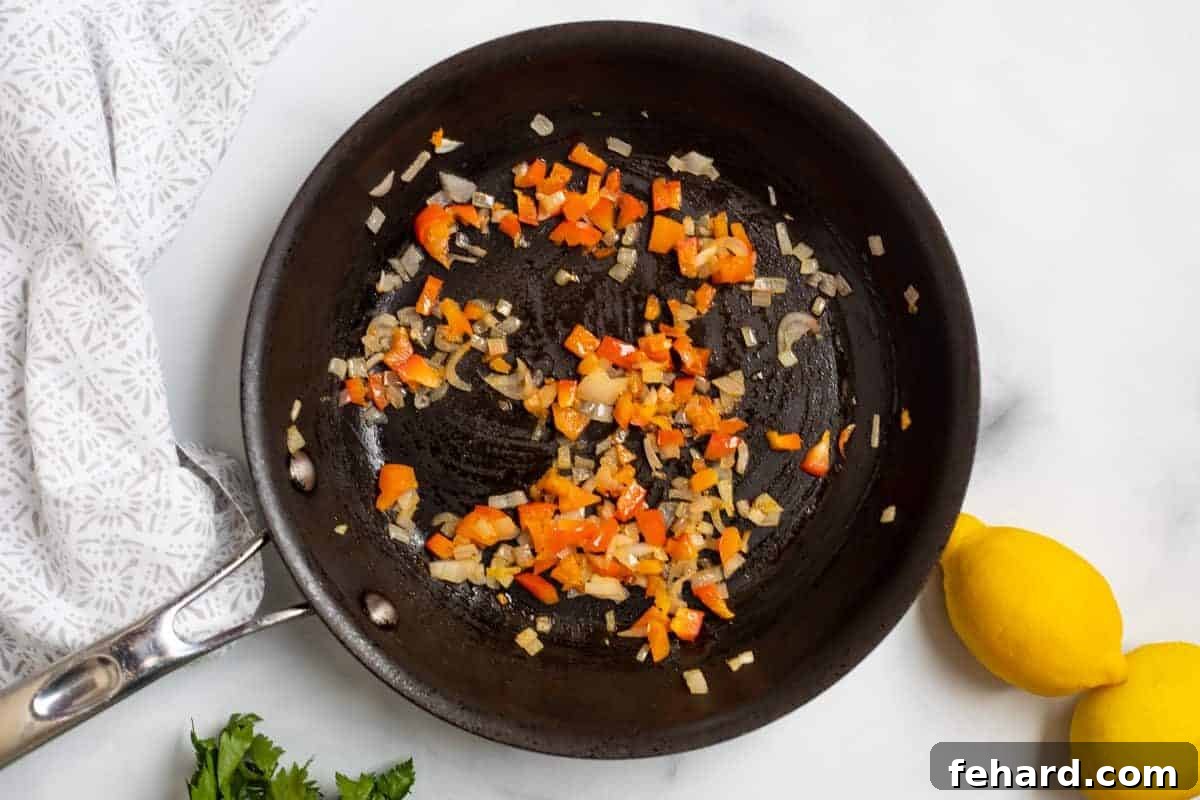
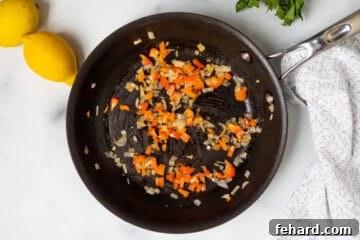
- Sauté the Shallot and Peppers to Perfection: Do not be tempted to add raw shallots and bell peppers directly to your crab cake mixture. This crucial step develops their flavor and softens their texture, preventing them from being too crunchy or overpowering the delicate crab. In a large sauté pan, lightly cook the minced shallot and finely chopped bell pepper in a touch of olive oil over medium-high heat until they are just beginning to soften, typically 3-4 minutes. This process mellows their intensity and integrates them seamlessly into the mixture, contributing to the overall refined texture and taste of your crab cakes. Remove them from the heat and allow them to cool slightly before proceeding.
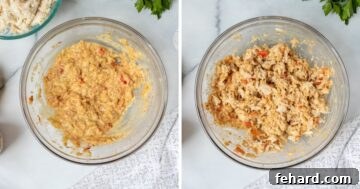
- Combine Binders and Flavorings First: Just as with making cohesive tuna patties or perfectly bound meatballs, the secret to evenly distributed flavor and a well-structured crab cake is to mix the wet binders and seasonings before introducing the delicate crab. In a large mixing bowl, thoroughly combine ingredients like mayonnaise, egg, Worcestershire sauce, Dijon mustard, lemon juice, Old Bay seasoning, and hot sauce. This ensures all the savory and zesty notes are uniformly blended. Once this base is well incorporated, gently fold in the cooled sautéed shallots and bell peppers, followed by the lump crab meat. The key here is to mix gently until just combined, avoiding overworking the crab, which can break up the delicate lumps and result in a tough texture.
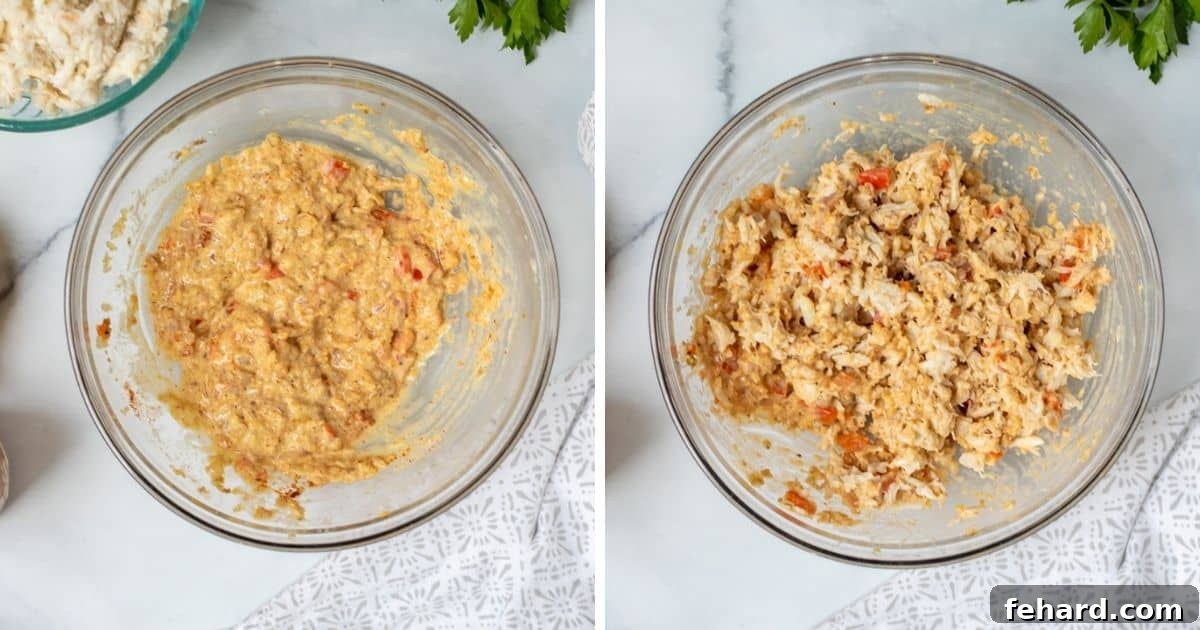
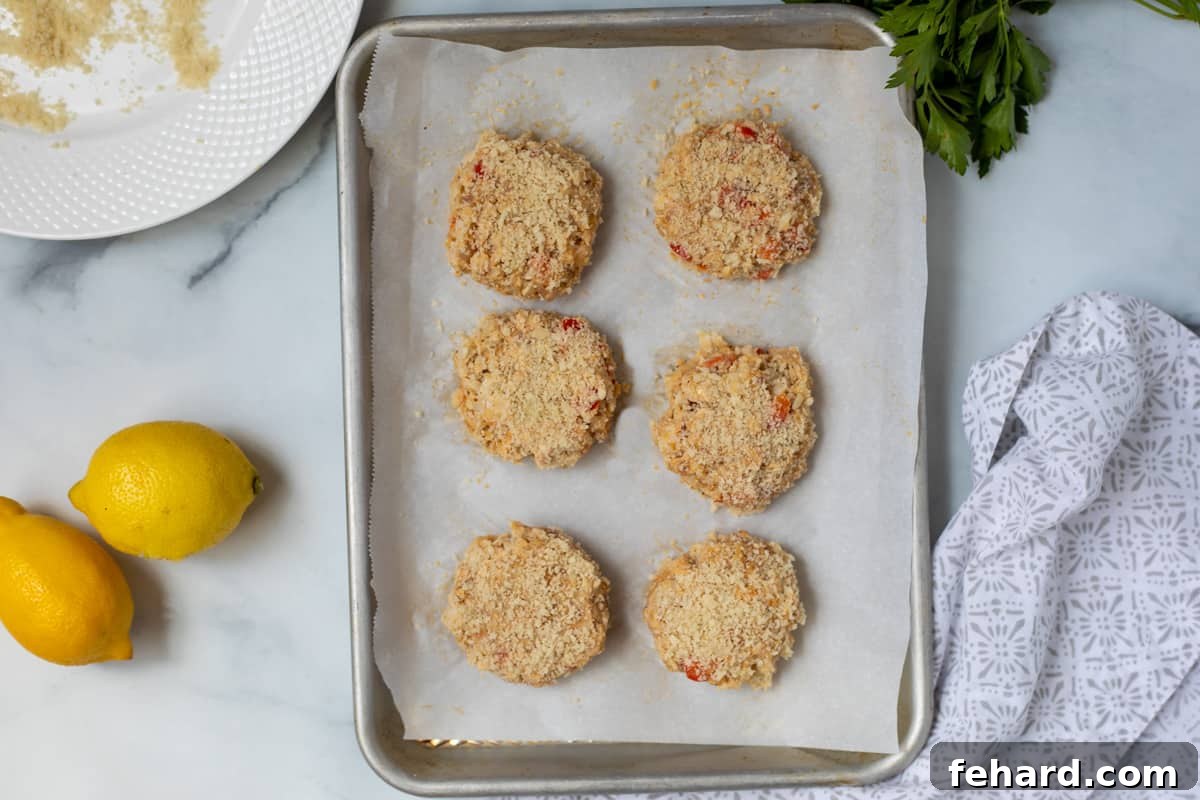
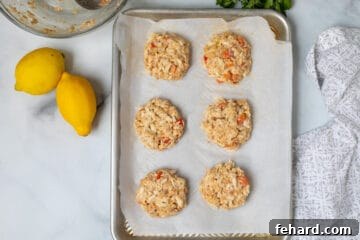
- Chill the Prepared Crab Cakes – A Crucial Step: The ultimate secret to ensuring your crab cakes hold their shape beautifully and maintain their integrity during cooking is adequate chilling. Once you have gently shaped your crab cake mixture into patties, arrange them on a tray lined with parchment paper. Refrigerate these shaped crab cakes for a minimum of 30 minutes, or ideally, for up to 24 hours. This chilling period allows the binders to firm up and the flavors to meld, significantly reducing the likelihood of the cakes falling apart when they hit the hot pan or oven. This step is a game-changer for achieving perfect, intact crab cakes.
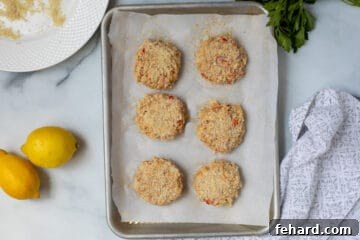
- Coat in Panko Breadcrumbs Just Before Cooking: To achieve that irresistible crispy exterior that defines a truly great crab cake, a final coating is essential. Right before you’re ready to cook, lightly dredge each chilled crab cake in a thin, even layer of additional Panko breadcrumbs. The flaky texture of Panko creates a magnificent crunchy crust when cooked, providing a delightful contrast to the tender interior. Apply just enough to coat, ensuring a delicate crispness without an overly thick breading.
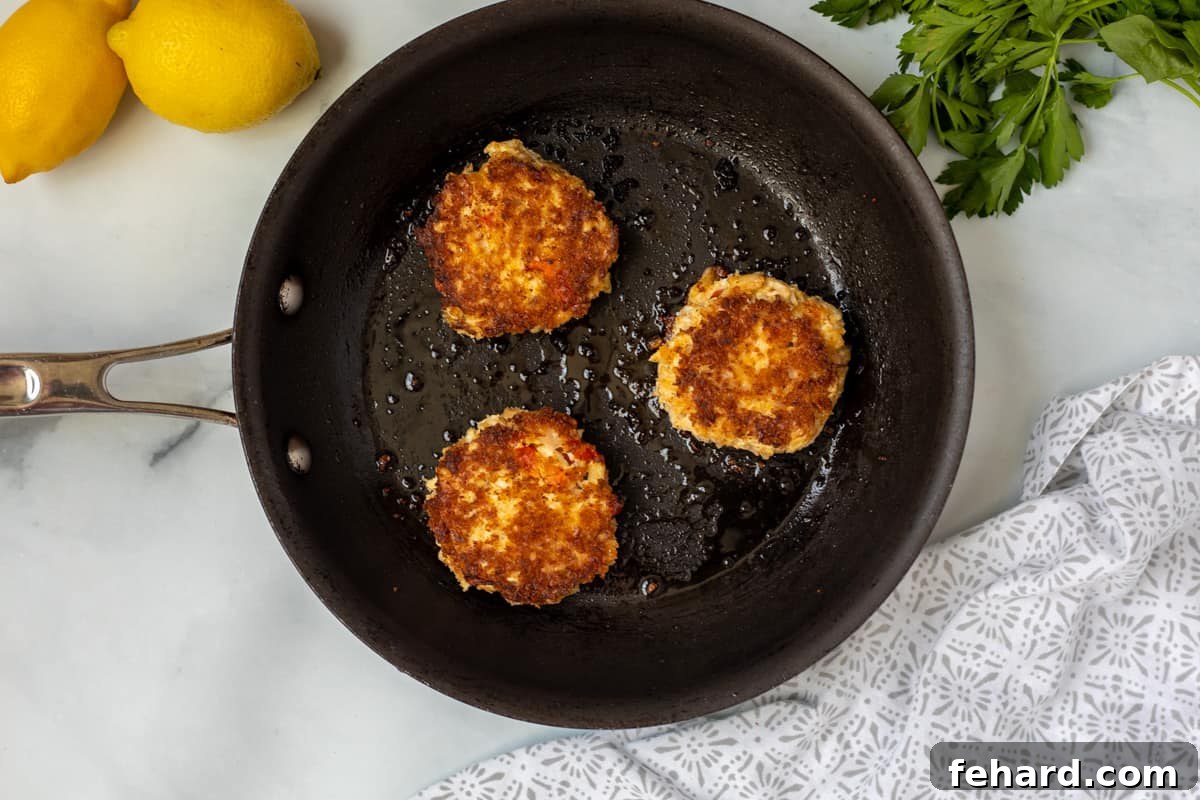
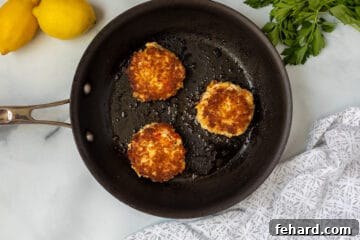
- Pan-Fry Crab Cakes in Batches for Optimal Crispness: If you’ve chosen the pan-frying method for your crab cakes – a highly recommended technique for maximum crispiness – it’s vital to avoid overcrowding your skillet. Placing too many crab cakes in the pan at once will drastically lower the oil’s temperature, causing the cakes to steam rather than crisp and brown. This can lead to soggy, unappetizing results. Instead, work in small batches, typically 3-4 crab cakes at a time, depending on the size of your skillet. Ensure there’s ample space around each cake for even cooking and excellent browning. This patience will be rewarded with beautifully golden-brown, crispy crab cakes.
Storage and Reheating Instructions for Crab Cakes
To ensure your delicious homemade crab cakes remain fresh and retain their quality, proper storage and reheating are key. Follow these guidelines to enjoy your leftovers just as much as the freshly cooked batch:
- To Store: Once your crab cakes have cooled completely to room temperature, transfer them to an airtight container. They can be safely stored in the refrigerator for up to 3 days. Proper cooling is important to prevent moisture build-up, which can lead to sogginess.
- To Reheat: For the best results and to restore that desirable crispy exterior, avoid reheating crab cakes in the microwave, as this method often results in a soft, soggy texture. Instead, opt for one of these methods:
- Broiling: Place the cooled crab cakes on a baking sheet and broil for 1-2 minutes per side, keeping a close watch to prevent burning. This quick, high-heat method helps to crisp up the coating.
- Oven Baking: Alternatively, preheat your oven to 400℉ (205℃). Place the crab cakes on a baking sheet and heat for approximately 5 minutes, or until they are warmed through and the exterior has regained some crispness.
Make-Ahead Options for Convenient Crab Cakes
Preparing crab cakes in advance is an excellent way to save time and streamline your meal prep for entertaining or busy weeknights. You have a couple of convenient options, depending on how far in advance you wish to prepare them:
- Up to 1 Month in Advance (Freezing): For longer-term storage, you can freeze shaped crab cakes. Prepare the crab cake mixture and shape the patties as directed in the recipe. Place the un-breaded crab cakes in a single layer on a parchment-lined baking sheet and freeze for 2-3 hours, or until they are completely firm. Once solid, transfer the frozen crab cakes into a freezer-safe, airtight container or a heavy-duty freezer bag, separating layers with parchment paper to prevent sticking. They can be stored in the freezer for up to 1 month. When you’re ready to cook, defrost the crab cakes in the refrigerator overnight. Once thawed, proceed with breading and cooking (pan-frying or baking) as instructed in the recipe.
- Up to 24 Hours in Advance (Refrigeration): If you’re planning to cook your crab cakes within a day, simply prepare and shape them according to the recipe. Arrange the un-breaded patties on a parchment-lined baking sheet or platter. Cover them tightly with plastic wrap to prevent them from drying out and refrigerate for up to 24 hours. When it’s time to cook, remove the crab cakes from the refrigerator, coat them lightly in the Panko breadcrumbs, and then pan-fry or bake them as directed. This method is perfect for getting ahead on your culinary preparations.
More Impressive Appetizer Ideas
Looking to round out your meal or explore other delightful finger foods? Here are some additional impressive appetizer recipes that are sure to please any crowd, complementing your delicious crab cakes or standing strong on their own:
- Colorful & Easy Antipasto Skewers
- Savory Stuffed Mushrooms with Herbs
- Sweet & Salty Bacon Wrapped Dates
- Quick & Easy Homemade Sausage Balls
- Festive Christmas Deviled Eggs
- Warm & Gooey Baked Brie with Jam
Did you make this recipe?
We love hearing from you! If you enjoyed this recipe for homemade crab cakes, please consider leaving a comment with a 5-star review at the bottom of the post. Your feedback helps us and other home cooks!
Crab Cakes
Rate
Ingredients
- ½ tablespoon extra virgin olive oil
- 1 small shallot, minced
- ½ cup finely chopped red bell pepper
- ½ cup Panko breadcrumbs, for filling
- 1 large egg, lightly beaten
- 2 tablespoons mayonnaise
- 1 teaspoon Worcestershire sauce
- 2 teaspoon dijon mustard
- 1 tablespoon fresh lemon juice
- 1 teaspoon Old Bay seasoning
- ½ teaspoon hot sauce
- 1 pound lump crab
- ½ cup Panko breadcrumbs, for breading
- 1 tablespoon extra virgin olive oil, for pan frying crab cakes
- lemon wedges for serving
Instructions
-
Heat ½ tablespoon extra virgin olive oil in a large nonstick skillet over medium-high heat. Add 1 small shallot (minced) and ½ cup finely chopped red bell pepper to the oil and cook for 3-4 minutes or until just softened. Remove the peppers and shallots to a small mixing bowl and allow to cool slightly.

-
In a large mixing bowl, mix together ½ cup Panko breadcrumbs with 1 large egg, 2 tablespoons mayonnaise, 1 teaspoon Worcestershire sauce, 2 teaspoon dijon mustard, 1 tablespoon fresh lemon juice, 1 teaspoon Old Bay seasoning, and ½ teaspoon hot sauce. Add in the pepper and shallot mixture and 1 pound lump crab and fold together until just combined.
-
Shape the mixture into 8 crab cakes, about ⅓ cup mixture each. Place onto a tray and refrigerate the crab cakes for at least 30 minutes, or up to 24 hours before pan-frying.
-
Remove the crab cake from the refrigerator and coat each side of each crab cake with the remaining ½ cup Panko breadcrumbs
-
To pan-fry the crab cakes (preferred) Heat half of the 1 tablespoon extra virgin olive oil in a large nonstick skillet over medium-high heat. Once the oil is heated, add 4 crab cakes to the skillet and pan-fry for 4 minutes per side, or until golden. Remove the crab cakes to a platter. Add the remaining oil to the pan and repeat with the 4 remaining crab cakes.
-
To bake the crab cakes, place the prepared crab cakes onto a sheet pan that has been sprayed with an olive oil cooking spray. Lightly spray the exposed surfaces of the crab cakes with additional cooking spray. Bake at 450℉/230℃ for 7 minutes, remove from the oven and flip the crab cakes, lightly spray again with cooking spray and then return to the oven to continue baking for 5-6 minutes, or until the exterior is golden brown.
-
Serve with lemon wedges and tartar sauce if desired.
Notes
Storage: Leftover crab cakes can be stored in an airtight container once cooled for up to 3 days in the refrigerator. To reheat, broil the crab cakes for 1-2 minutes per side or heat in a 400-degree F oven for 5 minutes.
Nutrition
Nutrition information is automatically calculated, so should only be used as an approximation.