
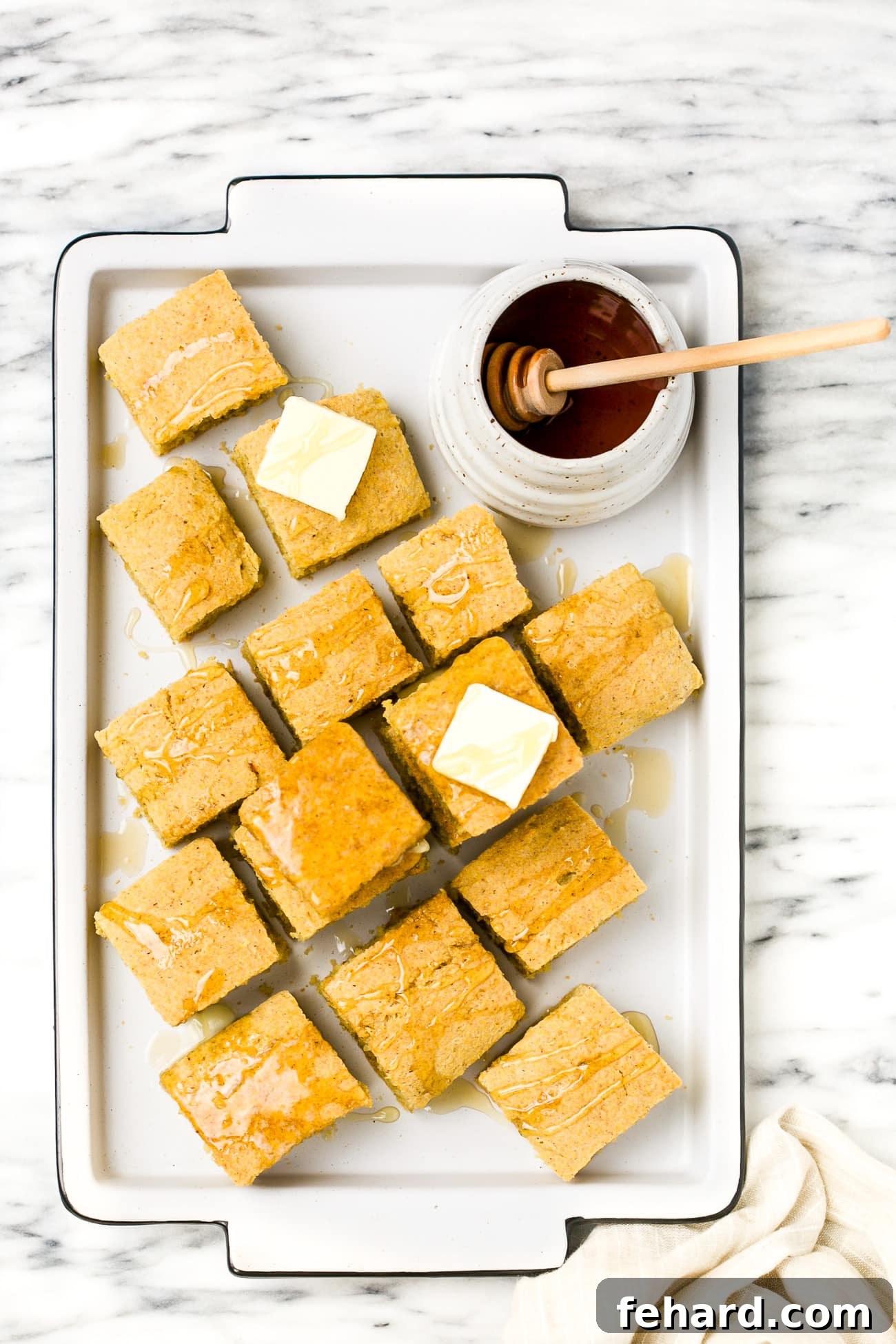
Indulge in the heartwarming embrace of homemade cornbread, now perfected for gluten-sensitive palates! This incredible Gluten-Free Cornbread recipe delivers a remarkable texture that is wonderfully soft, fluffy, and undeniably moist. Forget dry, crumbly experiences; prepare for a tender, sweet delight that will quickly become a cherished favorite at your table. It’s the ultimate versatile side dish, ready to complement holiday feasts or elevate any weeknight meal. You might want to consider making a double batch, as these golden squares have a magical way of disappearing fast!
Crafting this delicious gluten-free cornbread is surprisingly simple, requiring just a handful of basic ingredients and minimal preparation time. It comes together effortlessly, making it an ideal last-minute addition to your dinner plans or a stress-free contribution to a festive gathering. Whether you’re a seasoned baker or new to the world of gluten-free cooking, you’ll find this recipe straightforward and incredibly rewarding.
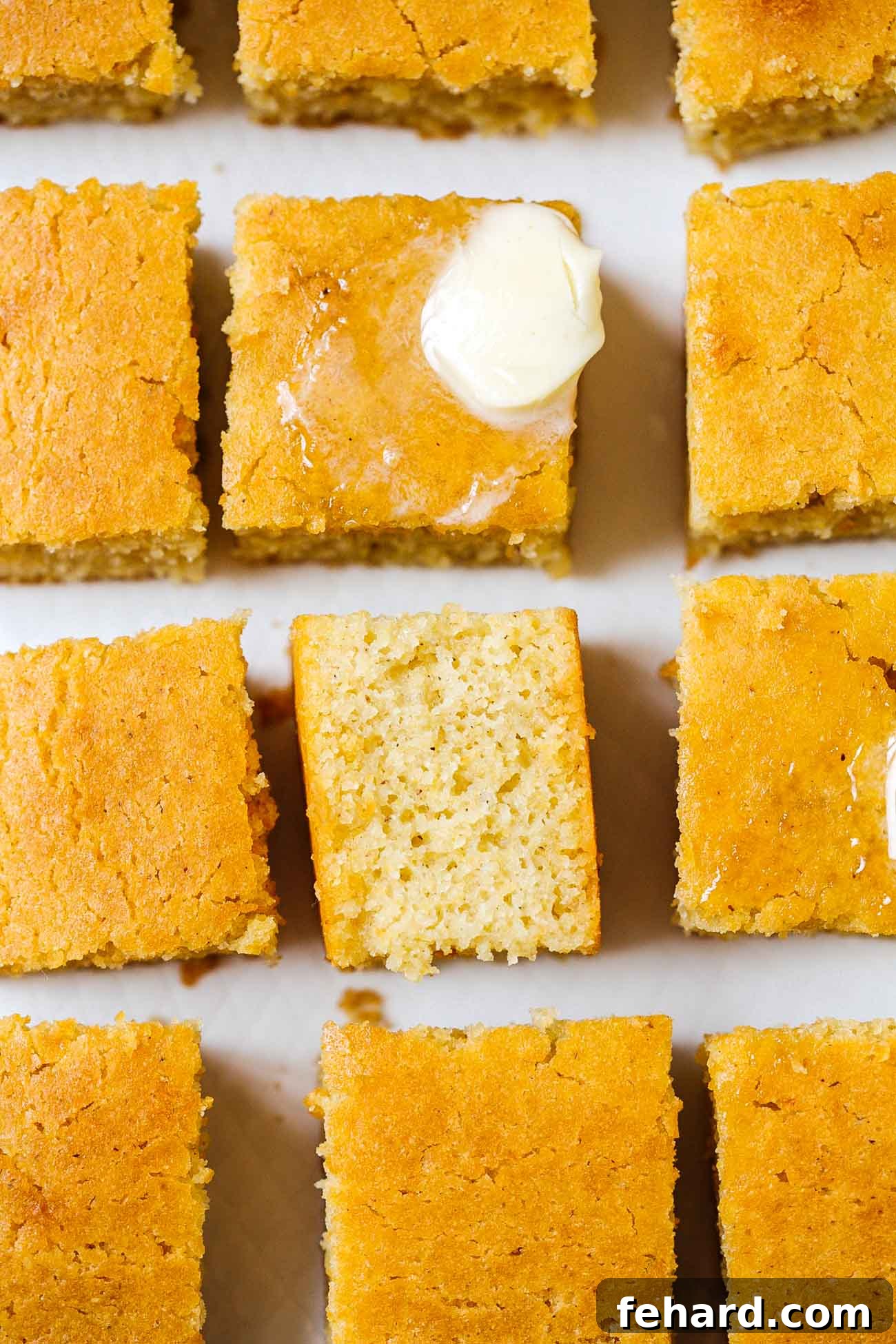
If you’ve never had the pleasure of homemade cornbread, you’re in for an absolute treat. This easy gluten-free version pairs beautifully with an impressive array of dishes, from hearty chili and comforting soups to savory stews and classic BBQ spreads. Its adaptability also makes it a standout choice for special occasions like Thanksgiving or Christmas, ensuring everyone can partake in this beloved comfort food.
Why Embrace Gluten-Free Cornbread?
In today’s diverse culinary landscape, the demand for gluten-free options has steadily risen. For individuals managing celiac disease, gluten sensitivity, or simply choosing a gluten-free lifestyle, finding truly delicious alternatives to classic dishes can sometimes be a challenge. That’s precisely why I embarked on a mission to create a gluten-free cornbread that sacrifices nothing in taste or texture.
After several iterations and careful adjustments, I am thrilled to share this perfected gluten-free cornbread recipe. It boasts the exact same comforting flavor and tender crumb as its traditional counterpart, ensuring that no one feels left out. This recipe isn’t just a substitute; it’s a celebration of inclusivity, allowing every guest to enjoy a warm, buttery slice of cornbread. It’s a testament to the fact that gluten-free baking can be just as delightful and satisfying.
Beyond catering to dietary needs, gluten-free grains can sometimes offer different nutritional profiles. For many, switching to gluten-free alternatives can alleviate digestive discomfort and improve overall well-being. This cornbread offers a delicious way to enjoy a classic without compromising on health or flavor. If you appreciate fantastic gluten-free baking, let’s dive in and create this delightful gluten-free cornbread together!
How to Make Gluten Free Cornbread
Ingredients for Your Perfect Loaf
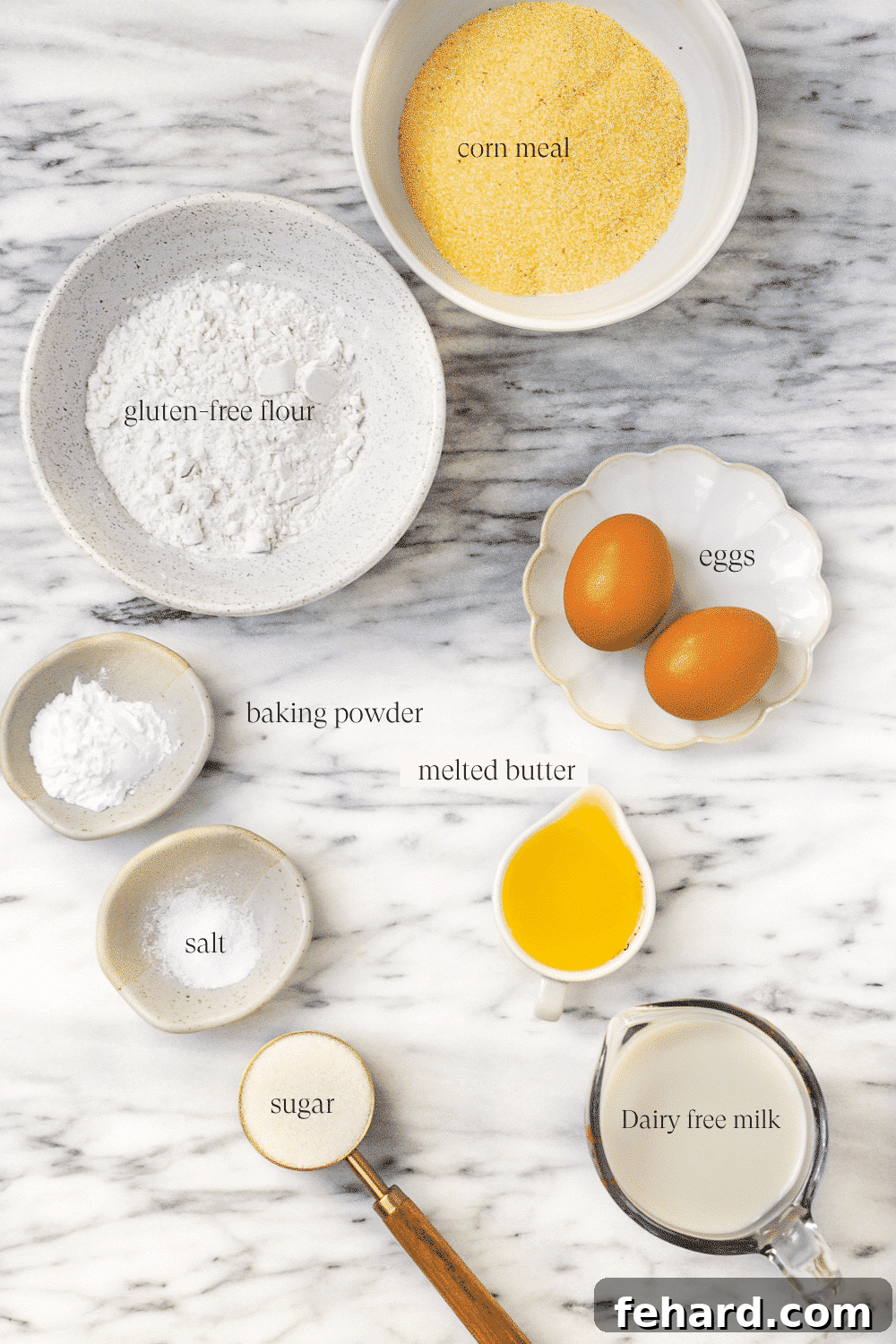
Gathering the right ingredients is the first step to a flawless gluten-free cornbread. Here’s a closer look at what you’ll need and some helpful tips:
- Gluten-Free All-Purpose Flour: For optimal texture and consistency, I highly recommend using a “measure-for-measure” or “1:1” gluten-free flour blend. These blends are specifically formulated to substitute traditional wheat flour in recipes without requiring additional adjustments. Unlike almond flour or oat flour, which can significantly alter the cornbread’s structure and flavor, a good all-purpose blend ensures a soft, tender crumb. For this recipe, you’ll need 1 cup of a quality gluten-free flour blend. Always spoon and level your flour to ensure accurate measurement, avoiding a dense or dry outcome.
- Gluten-Free Cornmeal: The type of cornmeal you choose makes a big difference. Opt for stone-ground cornmeal for the best results. If the cornmeal is too fine, it can lead to a gummy texture, while overly coarse cornmeal might result in a gritty product. Remember, cornmeal is distinct from corn flour; they have different textures and properties and are not interchangeable in this recipe. Ensure your cornmeal is certified gluten-free if cross-contamination is a concern.
- Granulated Sugar: This recipe leans towards a sweet cornbread, delivering a delightful balance of savory corn flavor and subtle sweetness. If you prefer a more traditional, savory cornbread, feel free to reduce the amount of sugar to your liking. You can also experiment with brown sugar for a deeper, molasses-like note.
- Gluten-Free Baking Powder: It’s a common misconception that all baking powder is gluten-free. Some brands use cornstarch or wheat starch as a filler, which may contain gluten. Always check the label to ensure you’re using a certified gluten-free baking powder to keep your cornbread safe for those with sensitivities. This leavening agent is crucial for achieving that desired fluffy rise.
- Salt: A small but mighty ingredient, a pinch of salt enhances all the other flavors, balancing the sweetness and bringing out the natural taste of the cornmeal.
- Eggs: Large eggs are standard for this recipe. It’s important that your eggs are at room temperature, as they emulsify more effectively with other ingredients, resulting in a smoother, more uniform batter and a better overall texture in the finished cornbread. If you need an egg substitute, a flax egg (1 tablespoon flaxseed meal + 3 tablespoons water, allowed to sit for 5 minutes) can work per egg.
- Dairy-Free Milk: To keep this recipe dairy-free, unsweetened almond milk is an excellent choice. However, if dairy is not an issue for you, regular milk can be used interchangeably. There’s no need for buttermilk in this particular recipe, making it even simpler. Other plant-based milks like soy milk or oat milk can also work, but consider how their flavor might subtly alter the final product.
- Melted Butter: Whether you use dairy butter or a dairy-free alternative, melted butter adds richness and moisture, contributing to the tender crumb. Ensure it’s cooled slightly before adding to the wet ingredients to avoid scrambling the eggs.
- Honey: While not an ingredient in the batter, honey is a fantastic topping to serve with your warm cornbread, adding a touch of golden sweetness.
Instructions for Baking Your Gluten-Free Cornbread
Follow these simple steps to create a perfect loaf of soft and sweet gluten-free cornbread:
Prepare the Equipment
- Preheat your oven to 350˚F (175˚C). Properly preheating ensures the cornbread bakes evenly and rises correctly from the start.
- Generously grease an 8×8-inch square cake pan with butter, coconut oil, or a non-stick cooking spray. This crucial step prevents the cornbread from sticking and makes for easy removal. While an 8×8 pan is ideal for this recipe, you can also use a cast-iron skillet for a crispier crust, another cake pan size (adjusting baking time as needed), or even a muffin tin for individual cornbread muffins. Set the prepared pan aside.
Make the Batter
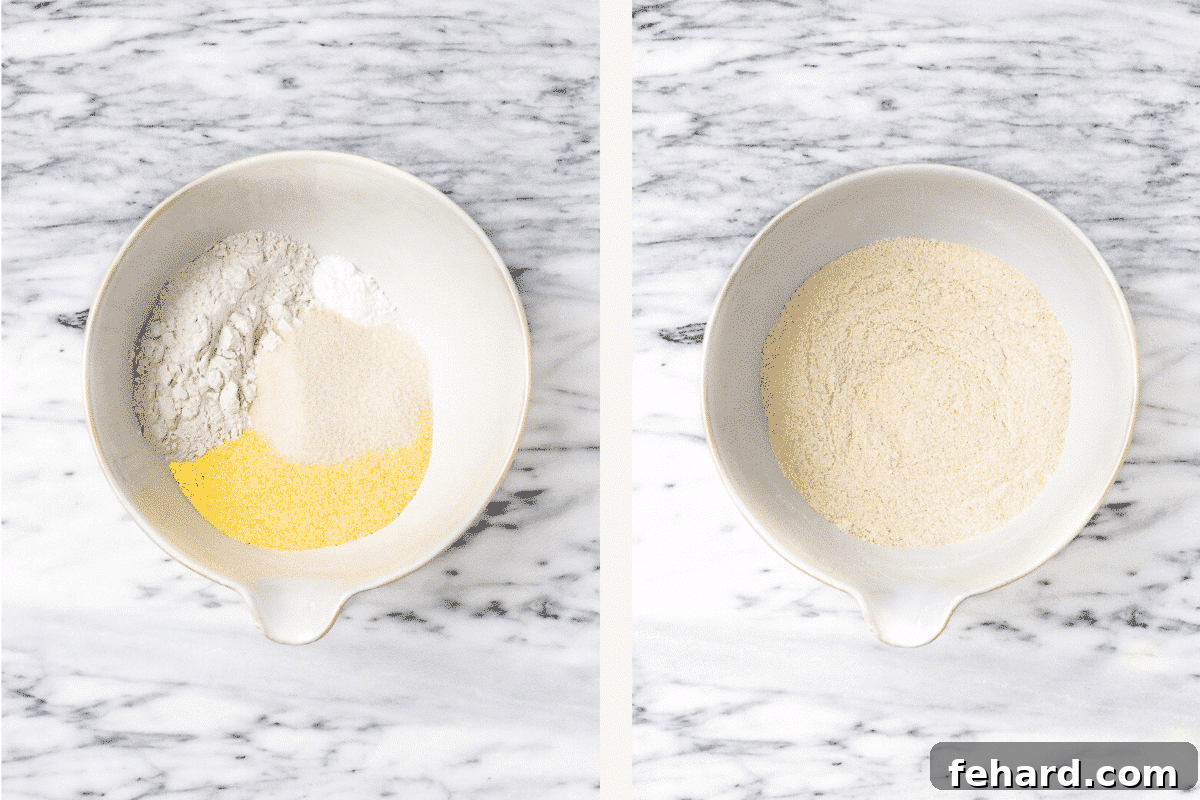
- In a large mixing bowl, combine all your dry ingredients: the gluten-free all-purpose flour, gluten-free cornmeal, granulated sugar, gluten-free baking powder, and salt. Whisk these ingredients thoroughly to ensure they are well combined and evenly distributed. This step prevents pockets of leavening agents or salt in the final product.
- In a separate medium bowl, whisk together the wet ingredients: the room temperature eggs, dairy-free milk, and slightly cooled melted butter. Beat them until they are fully incorporated and smooth.
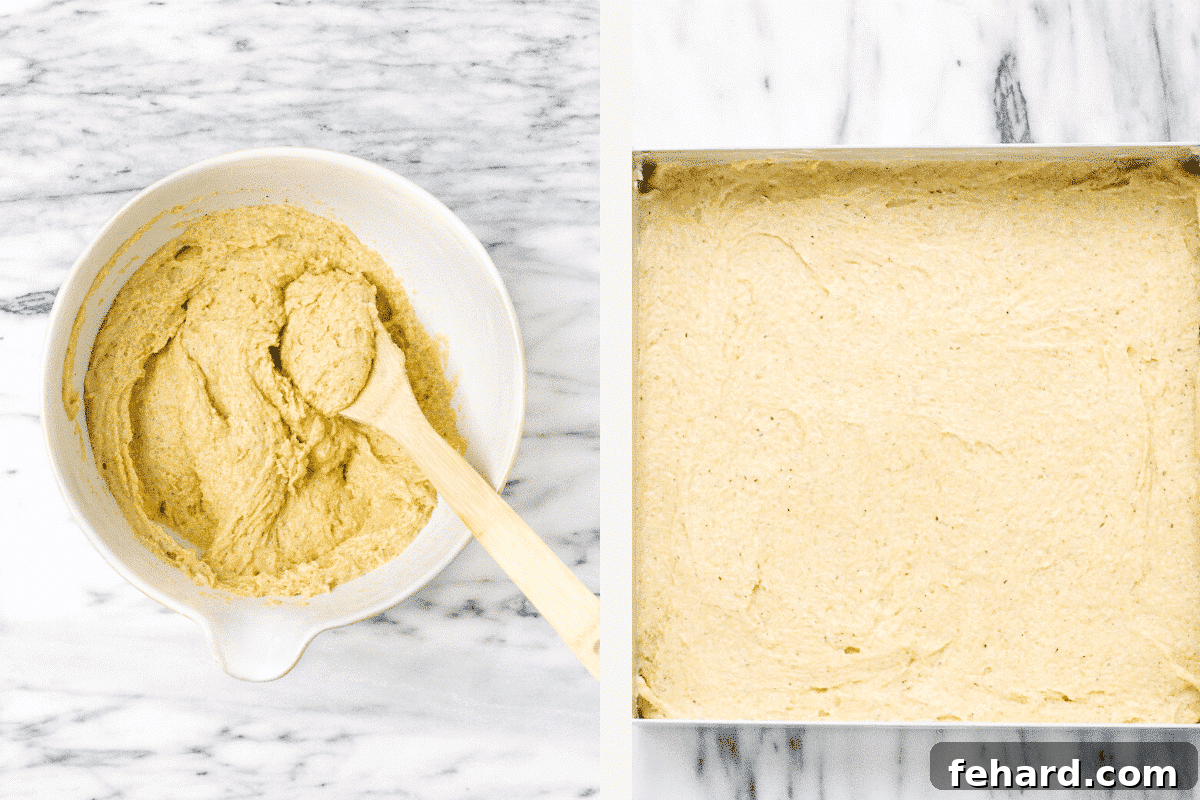
- Carefully pour the wet ingredient mixture into the bowl with the dry ingredients. Using a spoon or spatula, stir gently until just combined. The key here is to avoid overmixing the batter. Overmixing can develop any residual gluten-like proteins in the gluten-free flour blend and lead to a tough, dense, and less tender cornbread. A few small lumps are perfectly fine.
Bake the Cornbread
- Transfer the prepared cornbread batter into your greased baking pan, spreading it evenly.
- Bake for approximately 25-30 minutes. The cornbread is done when a toothpick inserted into the center comes out clean, indicating it’s cooked through and no wet batter remains. The top should also be golden brown.
- Once baked, remove the cornbread from the oven and allow it to cool on a wire rack for about 5 minutes in the pan. This brief cooling period helps the cornbread set and makes it easier to cut without crumbling.
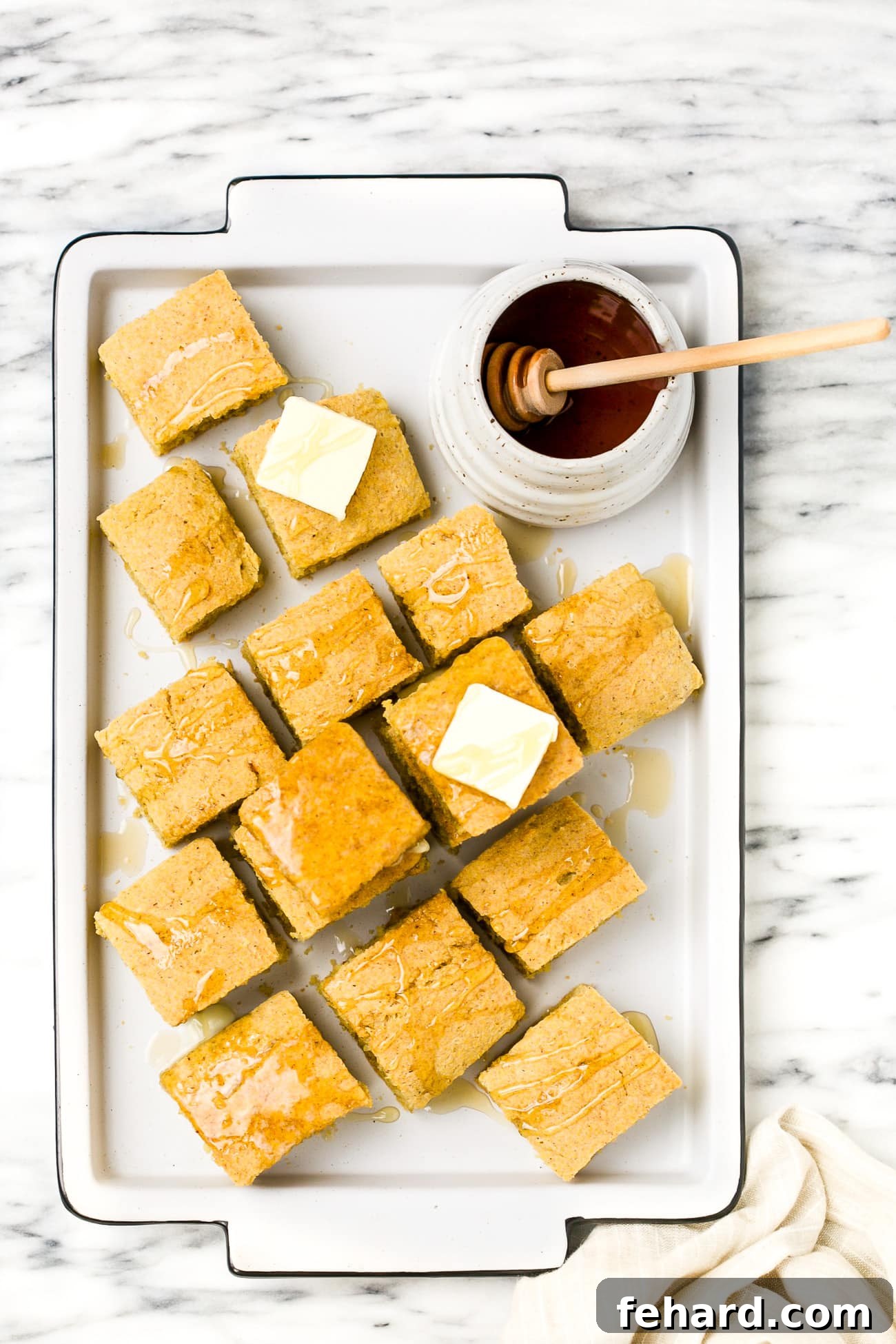
- After 5 minutes, carefully invert the cornbread onto the wire rack to cool completely, or slice it directly in the pan. Serve it warm with a generous smear of butter, a drizzle of honey, or any of your preferred toppings.
Recipe Tips for Success
- **Avoid Overmixing:** This is perhaps the most critical tip for any cornbread, especially gluten-free versions. Overmixing develops the starches in the flour, leading to a tough, dense, and dry texture. Stir just until the wet and dry ingredients are combined; a few small lumps are perfectly acceptable and often result in a tenderer crumb.
- **Measure Flour Correctly:** Precision in baking is key. Do not scoop flour directly from the bag with your measuring cup, as this compacts the flour and results in using too much. Instead, fluff the flour in its container, then spoon it gently into your measuring cup, leveling off the top with a straight edge (like the back of a knife). This method ensures you get the exact amount needed for a perfectly balanced recipe.
- **Room Temperature Ingredients:** Always strive to use ingredients that are at room temperature, particularly eggs and milk. Room temperature ingredients blend much more smoothly and evenly, creating a more uniform batter. This helps in forming a stable emulsion, trapping air, and leading to a lighter, fluffier cornbread. Cold ingredients can cause the melted butter to seize up and can result in a lumpy batter.
- **Don’t Overbake:** Keep a close eye on your cornbread during the last few minutes of baking. Overbaking is a common culprit for dry cornbread. Remove it from the oven as soon as the toothpick test confirms doneness.
Gluten Free Cornbread Variations to Explore
This basic gluten-free cornbread recipe serves as a fantastic canvas for culinary creativity. Don’t be afraid to experiment and personalize your loaf! Here are some exciting ideas to inspire you:
Add Heat: For those who love a bit of a kick, gently fold freshly chopped jalapeño peppers into your cornbread batter. If you desire intense heat, leave the seeds in; for a milder spice, remove them before chopping. Canned diced jalapeños also work wonderfully, just be sure to drain them thoroughly to avoid excess moisture. A pinch of cayenne pepper or red pepper flakes can also deliver a subtle warmth. For a smoky flavor, try roasted poblanos.
Add Some Sweetness: Enhance the sweetness and texture by carefully stirring in dried fruits. Consider raisins, chopped dates, dried cranberries, or finely diced apricots. If you’re going this route, a dash of ground cinnamon or nutmeg would be a harmonious addition, creating a warm, spiced flavor profile that’s perfect for fall or winter.
Other Mix-In Ideas: The possibilities are endless!
- Herbs: Incorporate finely chopped fresh or dried herbs such as rosemary, sage, or thyme for an earthy, aromatic twist, especially if serving with poultry.
- Corn Kernels: For an extra burst of corn flavor and texture, add whole corn kernels, either frozen (thawed and drained) or canned (drained well).
- Nuts: Chopped pecans or walnuts add a delightful crunch and nutty depth. Toast them lightly before adding for intensified flavor.
- Protein Boost: For a heartier breakfast treat or a unique side, mix in cooked sausage crumbles or crispy bacon bits.
- Stuffing Base: This gluten-free cornbread is an excellent foundation for a delicious gluten-free cornbread stuffing, perfect for holiday meals.
Topping Transformations: Elevate your cornbread with diverse toppings beyond the classic butter and honey.
- Sweet Toppings: Drizzle with maple syrup, spread with fruit preserves, top with a dollop of whipped cream, or sprinkle with fresh berries and a dusting of cinnamon sugar.
- Savory Toppings: Go savory by sprinkling freshly shredded Parmesan, sharp cheddar cheese, or even crumbled feta over the top during the last 10 minutes of baking, allowing it to melt into a golden, gooey layer. Serve with a dollop of sour cream or a sprinkle of fresh chives.
Cornbread Muffins: For individual servings, easily adapt this recipe into gluten-free cornbread muffins. Instead of a single baking dish, portion the batter into a greased 12-count muffin pan. Bake at the same 350°F (175°C) temperature, but reduce the baking time to approximately 15-20 minutes. Remove the muffins as soon as a toothpick inserted into the center comes out clean. They’re perfect for grab-and-go snacks or smaller portions.
How To Store Leftovers
Proper storage ensures your delicious gluten-free cornbread stays fresh and enjoyable for as long as possible. Given its moist texture, it’s important to prevent it from drying out.
- To Store at Room Temperature: Allow the baked cornbread to cool completely to room temperature. This is crucial to prevent condensation, which can make the cornbread soggy. Once cool, cut it into individual squares or desired portions. Transfer these pieces to an airtight container or a heavy-duty Ziploc bag. Stored this way, the cornbread will remain fresh and tender at room temperature for up to three days.
- To Store in the Refrigerator: For extended freshness, you can store your gluten-free cornbread in the refrigerator for up to seven days. Follow the same cooling and cutting steps, then place the pieces in an airtight container. Refrigeration can sometimes slightly alter the texture, but reheating will bring back its softness.
- To Freeze for Longer Term: This gluten-free cornbread is wonderfully freezer-friendly, making it perfect for meal prep or enjoying a single serving whenever a craving strikes. To protect against freezer burn and maintain optimal texture in longer-term storage, I recommend cutting the cooled cornbread into squares. Wrap each individual piece tightly in plastic wrap, then place the wrapped pieces in a freezer-safe airtight container or a heavy-duty freezer bag. This double layer of protection is key. Freeze for up to three months.
- To Reheat: When ready to enjoy frozen cornbread, transfer the desired pieces to the refrigerator overnight to thaw. Once thawed (or if reheating from refrigerated), you can gently warm them. Microwave individual pieces for 30-60 seconds until heated through. Alternatively, for a slightly crisper exterior, reheat in a preheated oven at 350°F (175°C) for about 5-10 minutes, or until warmed through and soft.
What to Serve with Gluten Free Cornbread
Gluten-free cornbread is an incredibly versatile side dish that complements a wide variety of meals. Its sweet and savory profile makes it a perfect pairing for hearty, comforting dishes, especially during colder months or holiday celebrations. Here are some fantastic serving suggestions:
- Garlic Butter Turkey Breast Recipe: Imagine this moist cornbread alongside a succulent oven-roasted turkey breast, bathed in a fragrant herb garlic butter sauce. The crispy skin and tender, moist interior of the turkey would find a perfect partner in the soft cornbread, soaking up all the delicious juices.
- Easy Roasted Turkey Breast: For a simpler yet equally delicious option, a beautifully roasted turkey breast, cooked in a fraction of the time of a whole turkey, provides a wonderful main course that sings with cornbread. The ease of preparation for both means a satisfying meal without the fuss.
- Dutch Oven Beef Stew: This old-fashioned Dutch Oven Beef Stew is a true kitchen staple. Its rich, savory, and deeply comforting flavors, especially when winter rolls around, are ideal for spooning over or alongside a warm piece of cornbread. The cornbread acts as a perfect vehicle to sop up every last drop of the hearty gravy.
- Instant Pot Keto Chili Recipe: If you’re looking for a healthier, carb-conscious option, this keto chili delivers all the robust flavors of traditional chili. Serving it with gluten-free cornbread allows everyone to enjoy the classic chili-and-cornbread combination, providing a comforting and satisfying meal on chilly evenings without straying from dietary goals.
- Soups and BBQ: Beyond these specific recipes, cornbread is a natural fit for almost any soup, from creamy tomato to chunky vegetable. It’s also an essential accompaniment to any BBQ spread, providing a sweet contrast to smoky meats and tangy sauces.
More Holiday Side Dishes
Roasted Turkey Leg
1 hr 30 mins
Cranberry Orange Sauce
25 mins
Potatoes au Gratin
1 hr 30 mins
Healthy Green Bean Casserole
35 mins
Print Recipe
Gluten Free Cornbread Recipe
Average rating: 3.71 out of 5 stars from 17 votes.
Video
A video tutorial for making this delicious gluten-free cornbread is available to guide you through each step for perfect results.
Ingredients
- 1 cup gluten-free all purpose flour
- 1 cup gluten-free corn meal
- ¼ cup granulated sugar
- 2 teaspoons gluten-free baking powder
- ½ teaspoon salt
- 2 eggs room temperature
- 1 cup dairy-free milk
- ¼ cup melted butter
Instructions
-
Preheat the oven to 350˚F (175˚C) and grease an 8×8 square cake pan with butter or coconut oil. Set aside.
-
In a medium bowl, add all-purpose flour, cornmeal, sugar, baking powder and salt. Whisk well until combined.
-
In another medium bowl, beat together eggs, milk and melted butter. Pour the wet ingredients into the dry ingredients and stir gently until just combined. Avoid overmixing to keep the cornbread tender.
-
Transfer the batter to the greased pan and bake for about 25-30 minutes or until a toothpick inserted in the center comes out clean.
-
Remove the bread from the oven and cool it on a rack for 5 minutes before cutting; serve warm with butter on top.
Nutrition
Nutrition information is automatically calculated, so should only be used as an approximation.