
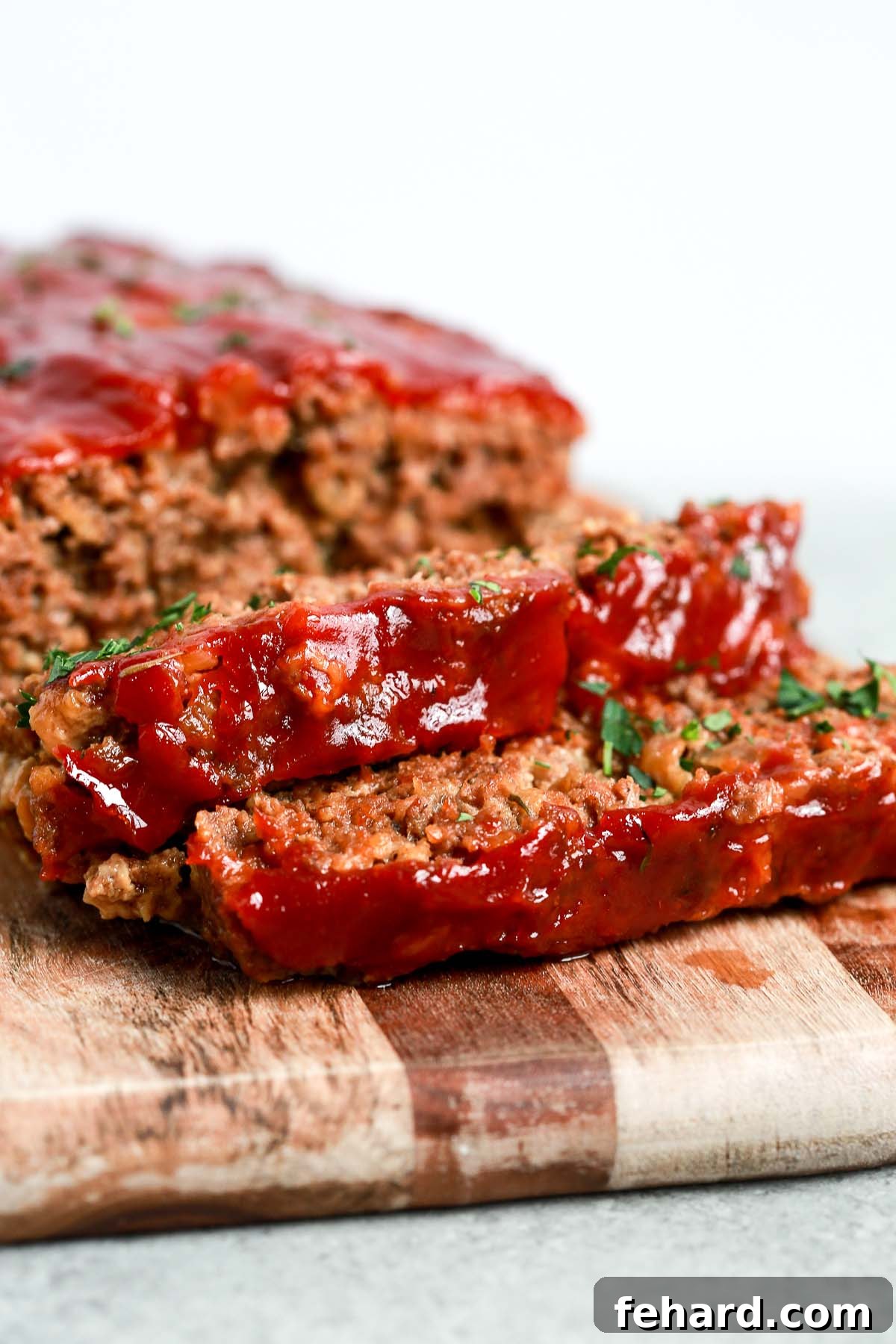
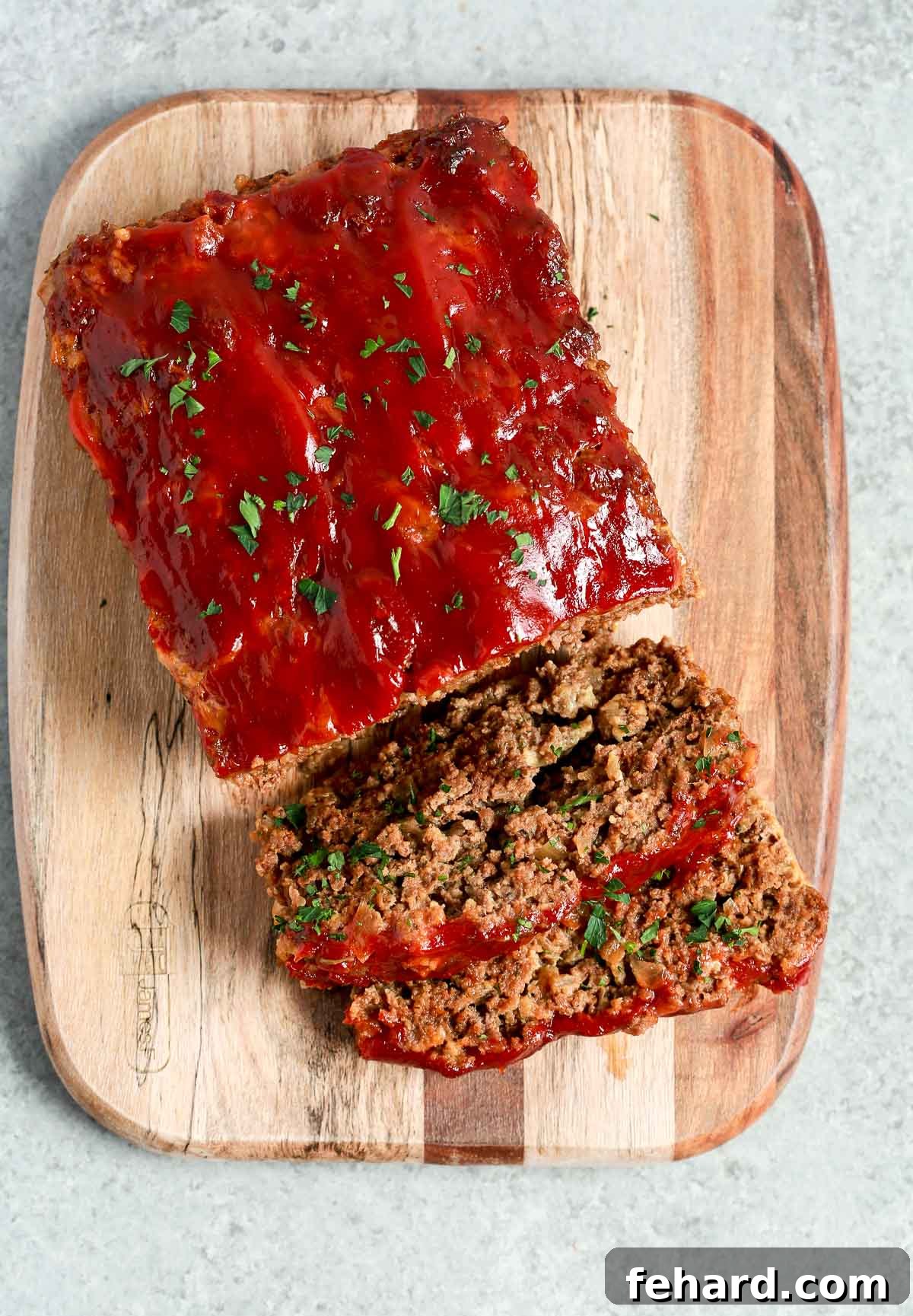
Welcome to your new go-to recipe for a truly delicious and wholesome healthy meatloaf. This recipe promises a juicy, flavor-packed dinner that’s perfect for any family meal, bringing comfort to your table without compromising on nutrition. Forget everything you thought you knew about “light” dishes lacking flavor – this meatloaf is guaranteed to surprise and delight with its rich taste and satisfying texture. You can create this culinary masterpiece in just a few straightforward steps, making it an ideal choice for busy weeknights or relaxed weekend dinners.
Meatloaf holds a special place in many homes, cherished as a classic comfort food. If you’re a fellow meatloaf enthusiast, you’ll be thrilled to discover how simple it is to integrate this beloved dish into a healthy lifestyle. For those who enjoy exploring variations, don’t miss out on other fantastic options like an Easy Turkey Meatloaf Recipe for a leaner twist or Healthy Meatloaf Meal-Prep Bowls, perfect for planning nutritious meals throughout the week. This particular recipe focuses on classic flavors with a healthier approach, ensuring every bite is both satisfying and guilt-free.
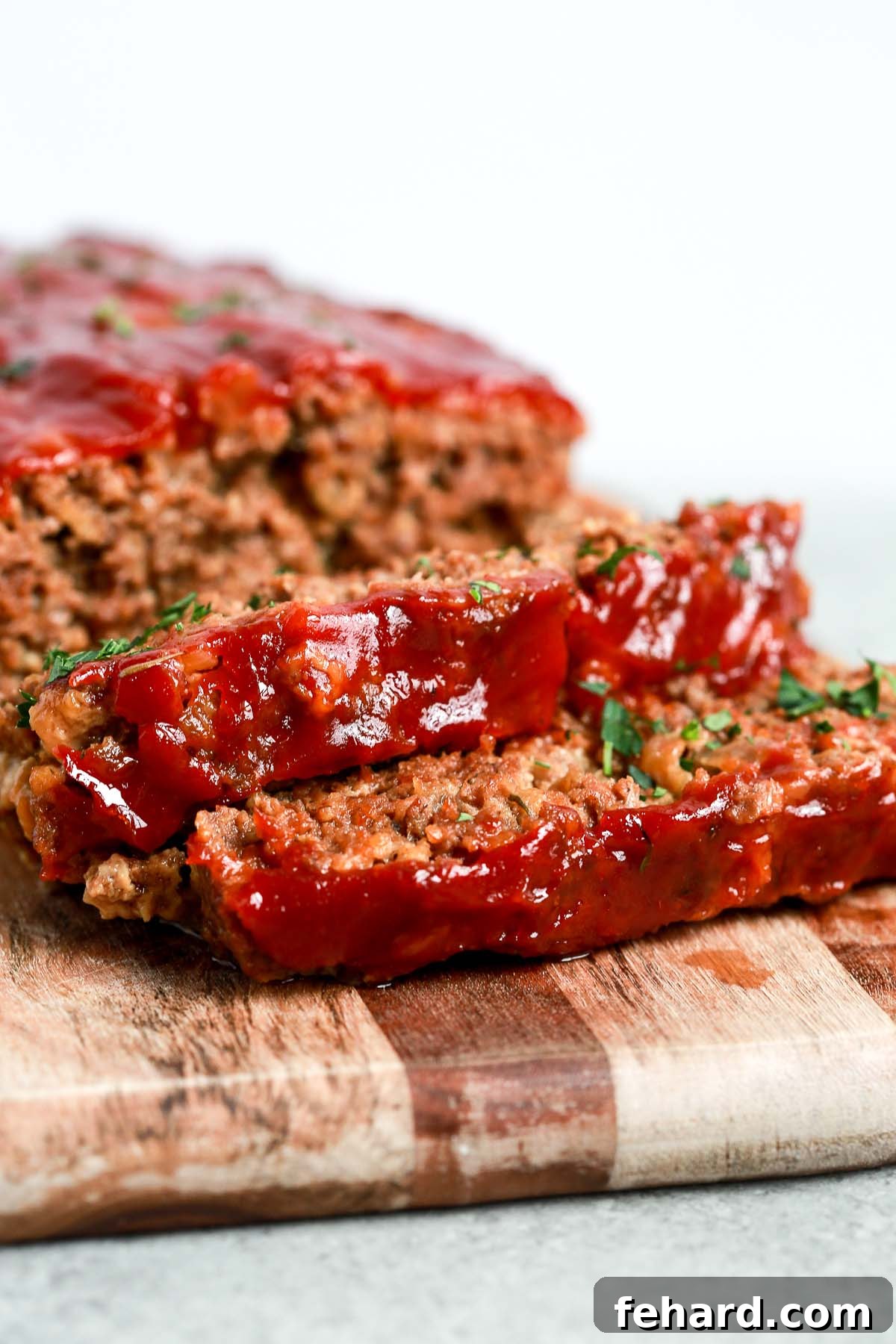
This healthy meatloaf recipe isn’t just a meal; it’s an experience. It’s a classic comfort food reimagined, offering all the warmth and satisfaction of traditional meatloaf with a lighter, more nutritious profile. It’s truly perfect for any season, whether you’re seeking hearty warmth in winter or a flavorful, uncomplicated meal in summer. What makes it even better is that you only need a handful of readily available, simple ingredients to bring this incredible dish to life. This recipe demystifies the idea that healthy eating must be complex or expensive, proving that wholesome meals can be both accessible and incredibly tasty.
You might initially be skeptical, thinking that a recipe using lighter ingredients couldn’t possibly deliver an exciting flavor profile. However, prepare to be pleasantly surprised! The careful selection and combination of ingredients in this recipe create a depth of flavor that is truly remarkable. The result is a delicious, filling, and incredibly flavorful dinner that will quickly become a cherished favorite in your household. It’s a testament to the fact that healthy cooking doesn’t mean sacrificing taste; it simply means making smarter, more deliberate choices.
Key Ingredients for the Perfect Healthy Meatloaf
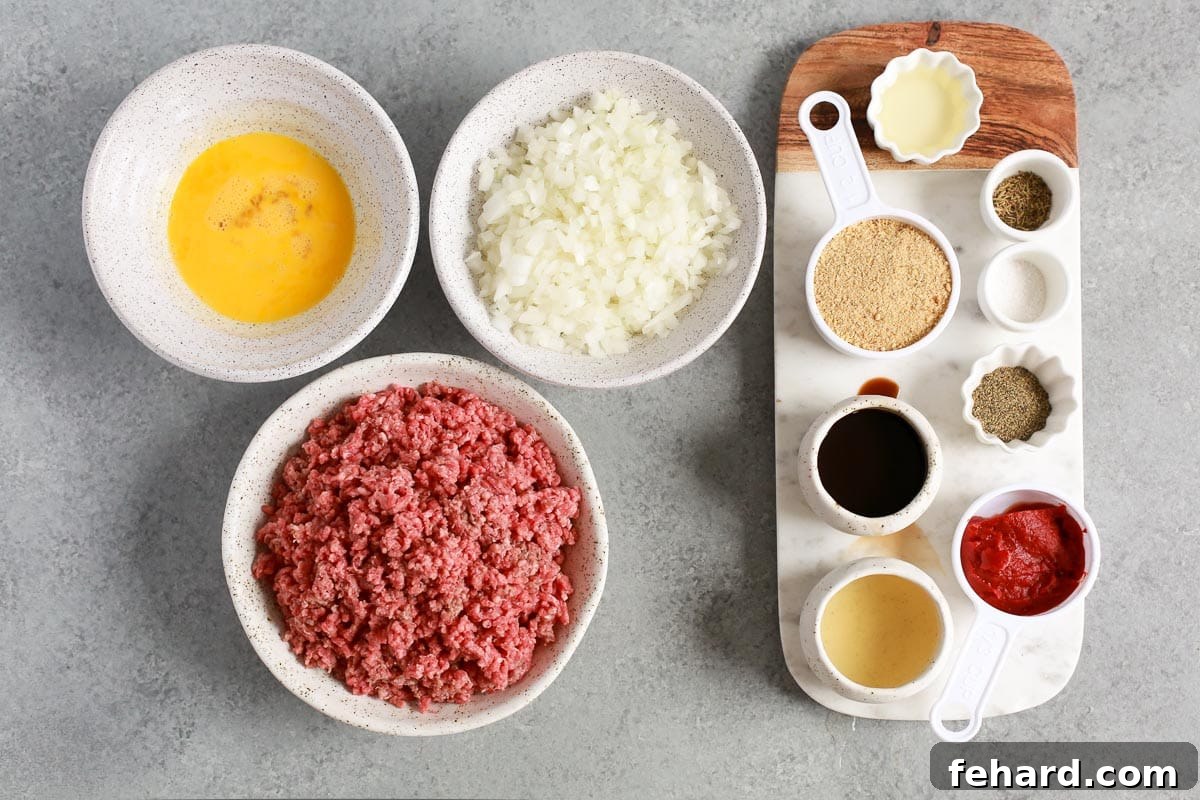
Crafting a truly exceptional meatloaf starts with understanding the role of each ingredient. Here’s a closer look at the stars of this healthy meatloaf recipe and how they contribute to its incredible flavor and texture:
Ground Beef: The foundation of our meatloaf. I specifically use lean ground beef for this recipe to achieve a lighter outcome without sacrificing any of the robust, savory flavor meatloaf is known for. Through extensive testing, I’ve found that a 90% lean beef provides the ideal balance – it’s juicy enough to prevent dryness but lean enough to keep the dish wholesome. This ratio ensures a tender, moist meatloaf that holds its shape beautifully. If you’re looking to experiment with different protein sources or have dietary preferences, ground pork can offer a rich flavor, while ground turkey provides an even lighter alternative, both adapting well to this recipe’s framework.
Bread Crumbs: These are crucial for the meatloaf’s structure and moisture. Bread crumbs act as binders, helping to hold the mixture together, but more importantly, they absorb the meat’s juices during cooking, ensuring a light and tender texture rather than a dense, heavy loaf. I’ve consistently found that they give the meatloaf an irresistible tenderness that truly elevates the dish. For those following low-carb or gluten-free diets, simple and effective substitutions include almond flour or oat flour. Both alternatives work exceptionally well, maintaining the desired texture without compromising on taste or structural integrity, making this recipe highly adaptable to various dietary needs.
Ketchup: This ingredient is primarily used for the iconic meatloaf glaze, adding a tangy sweetness that complements the savory meat. To maintain the healthy profile of this recipe, I highly recommend using sugar-free ketchup. My personal favorite is True Made Foods’ sugar-free option, which boasts a fantastic balance of sweetness and acidity without the unwanted added sugars often found in conventional ketchups. Alternatively, for a different flavor dimension, you can opt for a sugar-free BBQ sauce as a glaze, offering a smoky and slightly spicier finish that can transform the dish’s character.
Seasonings: The judicious use of seasonings is what truly brings this meatloaf to life. My core blend includes dried thyme, kosher salt, and freshly ground black pepper. This trio provides a well-rounded and aromatic base flavor that is both comforting and deeply satisfying. These traditional spices enhance the natural taste of the beef and other ingredients. However, the beauty of meatloaf lies in its versatility. Feel free to experiment with additional seasonings such as garlic powder, onion powder for more savory depth, fresh minced garlic for a pungent kick, or even fresh parsley for a touch of herbaceous brightness. These additions can further customize the flavor profile to suit your family’s preferences.
How to Make This Flavorful Meatloaf
Creating this healthy meatloaf is a rewarding culinary journey, involving a few simple yet crucial steps. Follow this detailed guide to ensure your meatloaf is perfectly cooked, wonderfully moist, and bursting with flavor:
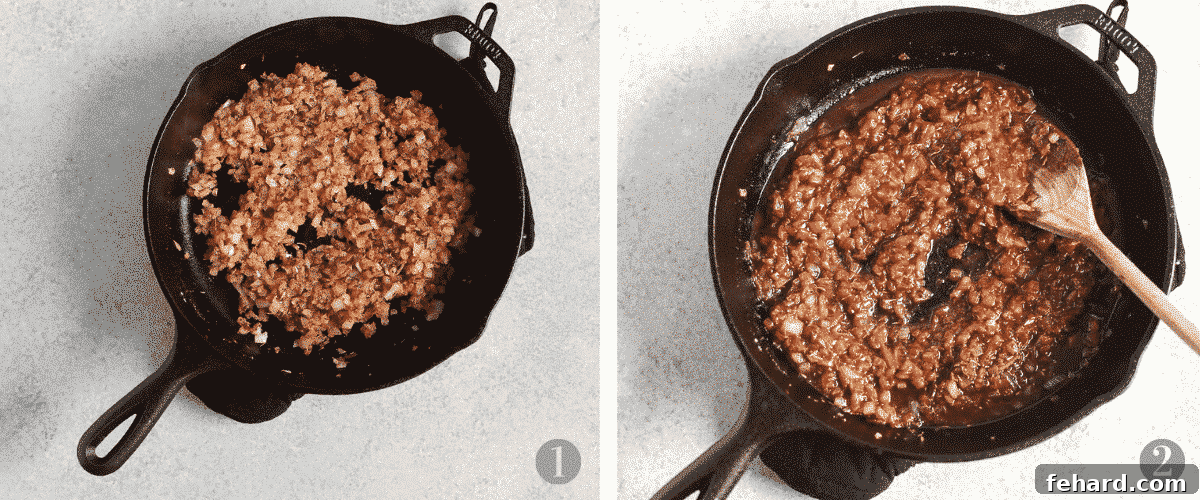
Step 1: Sauté the Aromatics. Begin by adding a tablespoon of olive oil to a large skillet. Place the skillet over medium heat and allow the oil to shimmer gently, indicating it’s ready. Add the finely chopped onions along with the dried thyme, kosher salt, and freshly ground black pepper. Sauté these aromatics for 5-7 minutes, stirring occasionally. This step is vital as it softens the onions, mellows their sharp flavor, and allows the spices to bloom, creating a fragrant and flavorful base for your meatloaf mixture. Don’t rush this process; properly sautéed aromatics significantly contribute to the overall taste.
Step 2: Incorporate the Liquids and Tomato Paste. Once the onions are tender and translucent, remove the skillet from the heat. Carefully stir in the Worcestershire sauce, chicken broth, and tomato paste. Use a spoon or spatula to gently scrape the bottom of the pan, loosening any flavorful browned bits that may have accumulated during sautéing. These “fond” bits are packed with umami and will dissolve into the liquid, enriching the flavor of your meatloaf mixture even further. Ensure all ingredients are thoroughly combined to create a cohesive liquid base.
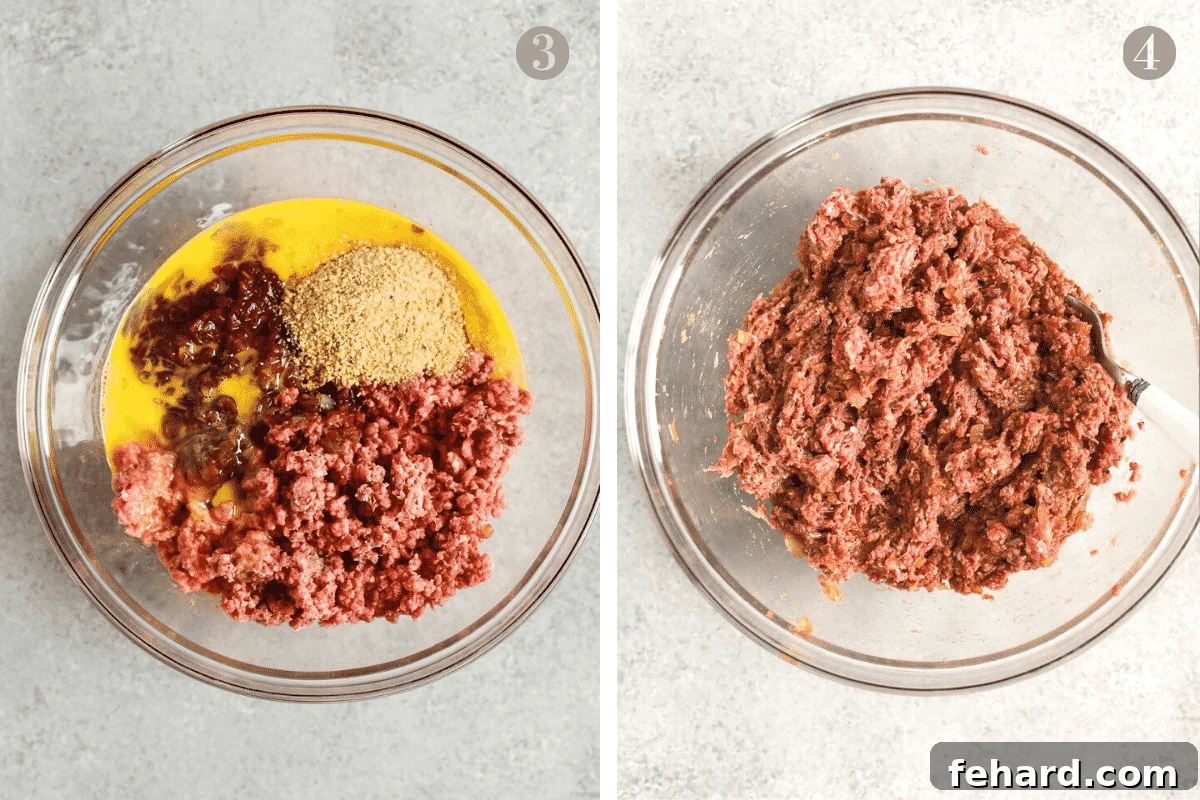
Step 3: Prepare the Meatloaf Mixture. In a large mixing bowl, combine the lean ground beef, the sautéed onion and liquid mixture from the skillet, breadcrumbs, and the eggs. The eggs serve as an additional binding agent, helping to hold the meatloaf together and contributing to its moist texture.
Step 4: Gentle Mixing is Key. This step is critical to achieving a tender, moist meatloaf rather than a dense, rubbery one. Using a fork, gently mix all the ingredients together until just combined. The goal is to distribute the ingredients evenly without overworking the meat. Avoid mashing or compressing the mixture; an overly dense mixture will result in a tough meatloaf. A light hand ensures the meatloaf remains fluffy and retains its succulence during baking.
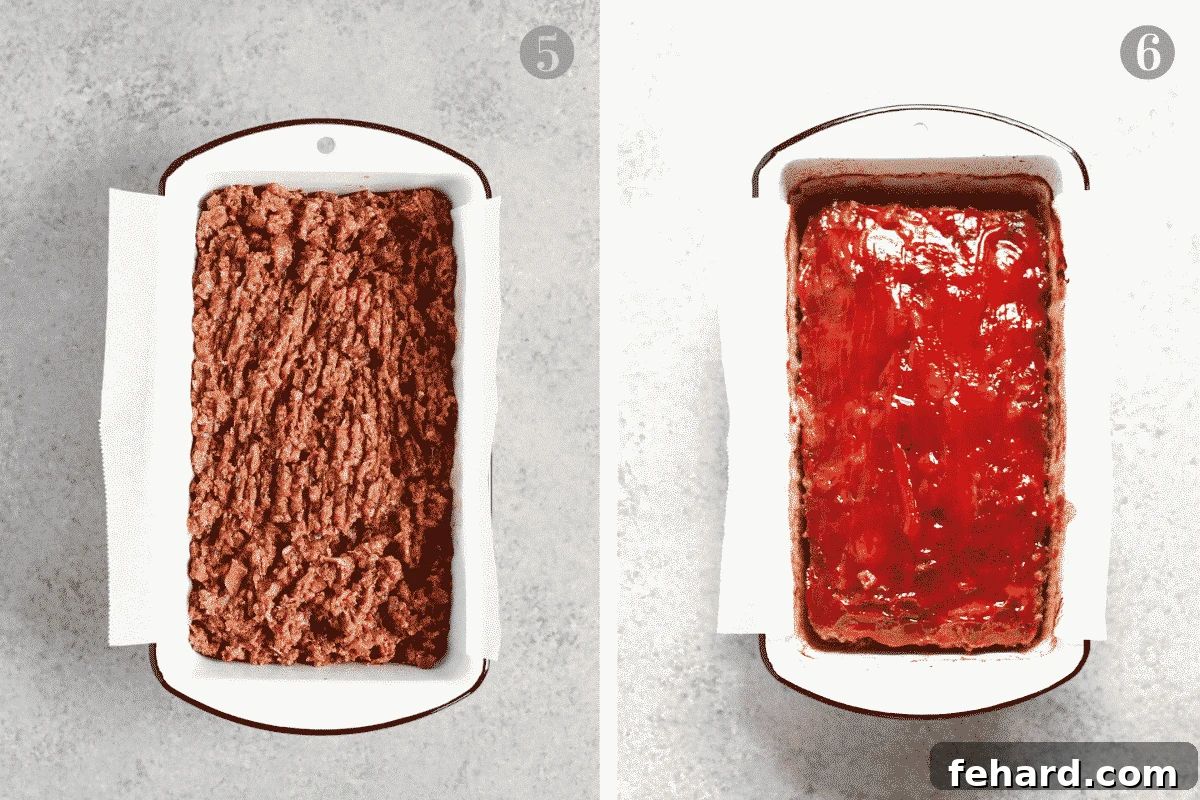
Step 5: Form and Glaze. Line a loaf pan with parchment paper, leaving an overhang on the sides for easy lifting after baking. Transfer the meatloaf mixture into the prepared pan and gently press it into an even shape. Don’t compact it too much. Once the loaf is formed, spread a thin, even layer of sugar-free ketchup over the top. This initial layer will caramelize beautifully as it bakes, creating a rich, flavorful crust.
Step 6: Bake to Perfection. Preheat your oven to 325 degrees F (160 degrees C). Place the loaf pan in the preheated oven and bake for approximately 85 minutes. The most accurate way to determine doneness is by using an instant-read meat thermometer. The meatloaf is perfectly cooked when its internal temperature reaches 160 degrees F (71 degrees C). Baking at a slightly lower temperature helps to prevent the meatloaf from drying out, ensuring a juicy result.
Step 7: Final Touch and Serve. Once the meatloaf is removed from the oven, allow it to rest in the pan for 5-10 minutes. This resting period allows the juices to redistribute throughout the loaf, resulting in a more tender and flavorful slice. Before serving, spread another generous layer of sugar-free ketchup or your chosen glaze over the top for an extra burst of flavor and a visually appealing finish. Slice and enjoy your wholesome, homemade meatloaf!
How to Prepare Meatloaf Ahead of Time
Meatloaf is an excellent candidate for meal prep, making your weeknights significantly easier. Preparing it in advance allows you to enjoy a delicious, homemade dinner with minimal effort when time is short. Here are the best ways to get ahead:
Unbaked Preparation: For the freshest taste and texture, I recommend assembling the meatloaf entirely up to the point just before baking. Once the meatloaf is shaped and placed in its parchment-lined loaf pan, cover the pan tightly with plastic wrap or aluminum foil. It can then be stored in the refrigerator for up to 24-48 hours. When you’re ready to bake, simply remove it from the fridge, allow it to come to room temperature for about 20-30 minutes while your oven preheats, and then bake as directed. This method saves you prep time on the day of cooking.
Baked and Stored: Alternatively, you can fully prepare and bake the meatloaf, then cool it completely before storing. Once cooled, you have a couple of options:
- Refrigeration: Wrap the baked meatloaf tightly in plastic wrap or place it in an airtight container. It will keep well in the refrigerator for up to 4 days. This is perfect for enjoying leftovers throughout the week.
- Freezing: For longer storage, slice the cooled meatloaf into individual portions. Wrap each slice tightly in plastic wrap or wax paper, then place them in a freezer-safe bag or airtight container. This makes reheating single servings incredibly convenient. Frozen meatloaf can be stored for 3-4 months without significant loss of quality. Simply defrost in the refrigerator overnight or reheat directly from frozen using the oven or microwave for a quick, wholesome meal on a busy weeknight.
Troubleshooting: Why Does My Meatloaf Fall Apart?
A crumbling meatloaf can be frustrating, but it’s a common issue with clear solutions. Understanding the primary causes can help you achieve a perfectly cohesive and sliceable meatloaf every time. The most frequent reason for a meatloaf falling apart is a lack of sufficient binding agents. In this recipe, the eggs and bread crumbs are your key binders, working in tandem to hold the meat mixture together.
Here’s why these binders are so important and what can go wrong:
- Insufficient Binders: If you reduce the amount of eggs or bread crumbs below the recommended quantities in the recipe, the meat mixture won’t have enough to cling to, leading to a loose structure that will crumble once cooked. Eggs provide protein that coagulates and binds the ingredients, while bread crumbs absorb moisture and interlock with the meat fibers. Both are essential for structural integrity.
- Over-drying During Cooking: While eggs and breadcrumbs are crucial, the cooking method also plays a role. If the meatloaf is overcooked, especially in an oven that’s too hot, it can dry out excessively. A dry meatloaf loses its internal moisture and the natural “glue” that holds it together, making it prone to falling apart when sliced. Always ensure you bake at the correct temperature and monitor the internal temperature with a meat thermometer to prevent overcooking.
- Improper Mixing: As mentioned in the instructions, overworking the meatloaf mixture can also lead to problems. While under-mixing can result in uneven distribution of binders, over-mixing can make the meat tough and dense, preventing the binders from doing their job effectively, ironically making it more likely to crumble. Mix until just combined.
- Insufficient Fat Content: While this recipe uses lean beef for health benefits, extremely lean meat (e.g., 96% lean or higher without additional fat) might struggle with binding compared to slightly fattier cuts. The small amount of fat renders during cooking, adding moisture and flavor, which aids in cohesion. If using very lean meat, ensure your binders and liquid components are generous.
- Not Resting the Meatloaf: After baking, it’s vital to let the meatloaf rest for at least 10-15 minutes before slicing. This resting period allows the juices to redistribute evenly throughout the loaf, preventing them from spilling out when cut, and also gives the meat and binders a chance to set, resulting in a firmer, more stable slice. Cutting it too soon can cause it to fall apart.
By paying attention to the quantities of your binders, avoiding overcooking, and ensuring proper mixing and resting, you can consistently achieve a meatloaf that holds its shape beautifully and slices cleanly every time.
What to Serve with Your Healthy Meatloaf
A perfectly cooked, healthy meatloaf deserves equally delicious and complementary side dishes. The beauty of meatloaf is its versatility, pairing wonderfully with a wide array of options that can elevate your meal. Here are some fantastic suggestions to complete your wholesome dinner:
- Classic Comfort Sides:
- Mashed Potatoes: A timeless pairing, creamy mashed potatoes perfectly soak up any leftover meatloaf juices and gravy. For a healthier twist, consider using a mix of potatoes and cauliflower, or opt for a lighter dairy alternative.
- Roasted Sweet Potatoes: Cubed and roasted sweet potatoes offer a naturally sweet and nutritious contrast, rich in vitamins and fiber.
- Baked Potatoes: A simple, hearty choice, loaded with a dollop of Greek yogurt or a sprinkle of chives for a lighter touch.
- Vibrant Vegetable Pairings:
- Crispy Roasted Green Beans: Simple to prepare and bursting with fresh flavor, roasted green beans add a delightful crunch and vibrant color to your plate.
- Roasted Butternut Squash Mash: A slightly sweet and incredibly creamy alternative to potatoes, packed with nutrients and a lovely autumnal flavor.
- Roasted Asparagus: Tender-crisp asparagus spears, simply seasoned and roasted, make for an elegant and healthy side.
- Steamed Broccoli or Cauliflower: Quick, easy, and nutrient-dense, these vegetables can be lightly seasoned with lemon and a pinch of salt for freshness.
- Sautéed Mushrooms: Earthy and savory mushrooms, gently sautéed with a hint of garlic, add another layer of umami to the meal.
- Fresh and Zesty Salads:
- Green Salad: A light and refreshing green salad, perhaps with arugula, mixed greens, and a simple vinaigrette, can cut through the richness of the meatloaf and add a delightful freshness.
- Coleslaw: A crunchy, tangy coleslaw, made with a lighter, yogurt-based dressing, provides a refreshing contrast in texture and flavor.
- Cucumber and Tomato Salad: A simple, garden-fresh salad with a light dressing can be a perfect accompaniment, especially in warmer months.
Experiment with these suggestions or your family’s favorites to create a well-balanced and incredibly satisfying meal that everyone will love. The possibilities are endless when it comes to complementing this delicious, healthy meatloaf!
Print Recipe
Healthy & Juicy Meatloaf Recipe
Ingredients
- 1 tbsp extra virgin olive oil
- 2 cups white onion chopped
- 1 tsp dried thyme leaves
- 1 1/2 tsp kosher salt
- 1 tsp freshly ground black pepper
- 3 tbsp Worcestershire sauce
- 1/3 cup chicken broth
- 1 tbsp tomato paste
- 2 1/2 lb. extra-lean ground chuck or beef
- ½ cup plain dry bread crumbs (use almond flour for low-carb and gluten-free diets)
- 2 eggs
- 1/2 cup sugar-free ketchup (I like True Made Foods)
Instructions
- Preheat the oven to 325 degrees F (160°C). In a large skillet, heat olive oil over medium heat. Add the chopped onions, thyme, salt, and pepper and cook over medium-low heat for about 5-7 minutes, stirring occasionally, until onions are softened and translucent.
- Remove the skillet from the heat. Stir in the Worcestershire sauce, chicken broth, and tomato paste. Mix everything together very well, scraping any browned bits from the bottom of the pan to incorporate all flavors.
- In a large bowl, add the ground beef, the sautéed onion and liquid mixture, breadcrumbs, and eggs. Using a fork, gently mix all the ingredients until just combined. It’s important to use a fork and avoid mashing or overworking the mixture, as this will help keep the meatloaf fluffy and tender, preventing it from becoming dense.
- Line a loaf pan with parchment paper, allowing some overhang on the sides. Transfer the meatloaf mixture into the pan and gently press it into an even, loaf shape.
- Spread half of the sugar-free ketchup evenly on top of the meatloaf. This will form a delicious glaze during baking.
- Bake for approximately 1 hour and 10 minutes, or until the meatloaf is cooked through and reaches an internal temperature of 160˚F (71°C). Use an instant-read meat thermometer for accuracy.
- Remove the meatloaf from the oven and let it rest in the pan for 10-15 minutes before slicing. This allows the juices to redistribute for a more tender and flavorful result. Just before serving, spread the remaining ketchup on top. Enjoy your perfectly baked, healthy meatloaf!
Notes
How To Store Leftovers:
To Store: This easy meatloaf recipe will keep wonderfully in the fridge for up to 4 days. For optimal freshness, ensure the loaf is wrapped tightly in plastic wrap or stored in an airtight container.
To Freeze: For convenient meal prep, freeze individual slices of the cooked and cooled meatloaf. Wrap each slice tightly in plastic wrap or wax paper, then transfer them to a freezer-safe bag or airtight container. It keeps well for 3–4 months.
To Reheat: Reheat slices of meatloaf in the oven at 350°F (175°C) for 20–25 minutes until warmed through. Alternatively, microwave individual servings for 1–2 minutes, or use an air fryer at 350°F (175°C) for 5–7 minutes for a slightly crispy exterior.
Nutrition
Calories: 429kcal,
Carbohydrates: 10g,
Protein: 43g,
Fat: 25g,
Cholesterol: 189mg,
Sodium: 660mg,
Potassium: 126mg,
Fiber: 1g,
Sugar: 5g
Nutrition information is automatically calculated, so should only be used as an approximation.
Frequently Asked Questions About Healthy Meatloaf
Here are answers to some common questions about making a healthy and delicious meatloaf:
Q: Can I use different types of ground meat?
A: Absolutely! While lean ground beef is recommended for this recipe for its balance of flavor and health benefits, you can easily substitute it with ground turkey, ground chicken, or even ground pork. If using leaner meats like turkey or chicken, you might consider adding a little extra olive oil or a touch more liquid to ensure your meatloaf remains juicy.
Q: What if I don’t have a loaf pan?
A: No problem! You can shape the meatloaf mixture into a freestanding loaf on a baking sheet lined with parchment paper. This method sometimes results in a slightly crispier exterior. Ensure the loaf is uniform in thickness for even cooking.
Q: How can I add more vegetables to my meatloaf?
A: Incorporating more vegetables is a fantastic way to boost the nutritional value. You can finely grate carrots, zucchini, or bell peppers and sauté them along with the onions in Step 1. Ensure any added vegetables are finely chopped or grated so they blend seamlessly into the meatloaf texture without making it too watery.
Q: Is it necessary to use sugar-free ketchup?
A: Using sugar-free ketchup is recommended to keep the recipe on the healthier side by reducing added sugars. However, if sugar content is not a primary concern for you, regular ketchup can be used. Alternatively, you can experiment with other glazes like a balsamic glaze, a BBQ sauce (sugar-free if preferred), or even a simple tomato paste and herb mixture for different flavor profiles.
Q: How do I know when my meatloaf is fully cooked?
A: The most reliable way to check for doneness is to use an instant-read meat thermometer. Insert it into the center of the loaf. Your meatloaf is safely cooked when it reaches an internal temperature of 160°F (71°C). Relying on visual cues alone can sometimes lead to undercooked or overcooked meatloaf.
Conclusion: A Healthier Take on a Timeless Classic
This healthy meatloaf recipe proves that classic comfort food can be both incredibly satisfying and wonderfully nutritious. By focusing on lean protein, wholesome ingredients, and smart preparation techniques, we’ve created a dish that’s bursting with flavor, remarkably juicy, and a joy to share with family and friends. It’s an ideal solution for those seeking delicious, family-friendly dinners that align with a healthy lifestyle. From the careful selection of ground beef to the crucial step of gentle mixing, every element in this recipe is designed to ensure a successful and mouthwatering outcome.
Whether you’re an experienced cook or just starting your culinary journey, this recipe offers clear, easy-to-follow instructions that will guide you to meatloaf perfection. The ability to prepare it ahead of time and the versatility to pair it with numerous healthy sides make it an invaluable addition to your weekly meal plan. So, gather your ingredients, follow these steps, and prepare to be delighted by a healthier meatloaf that doesn’t skimp on the flavor or the comfort you love. Enjoy creating and savoring this wholesome classic!