
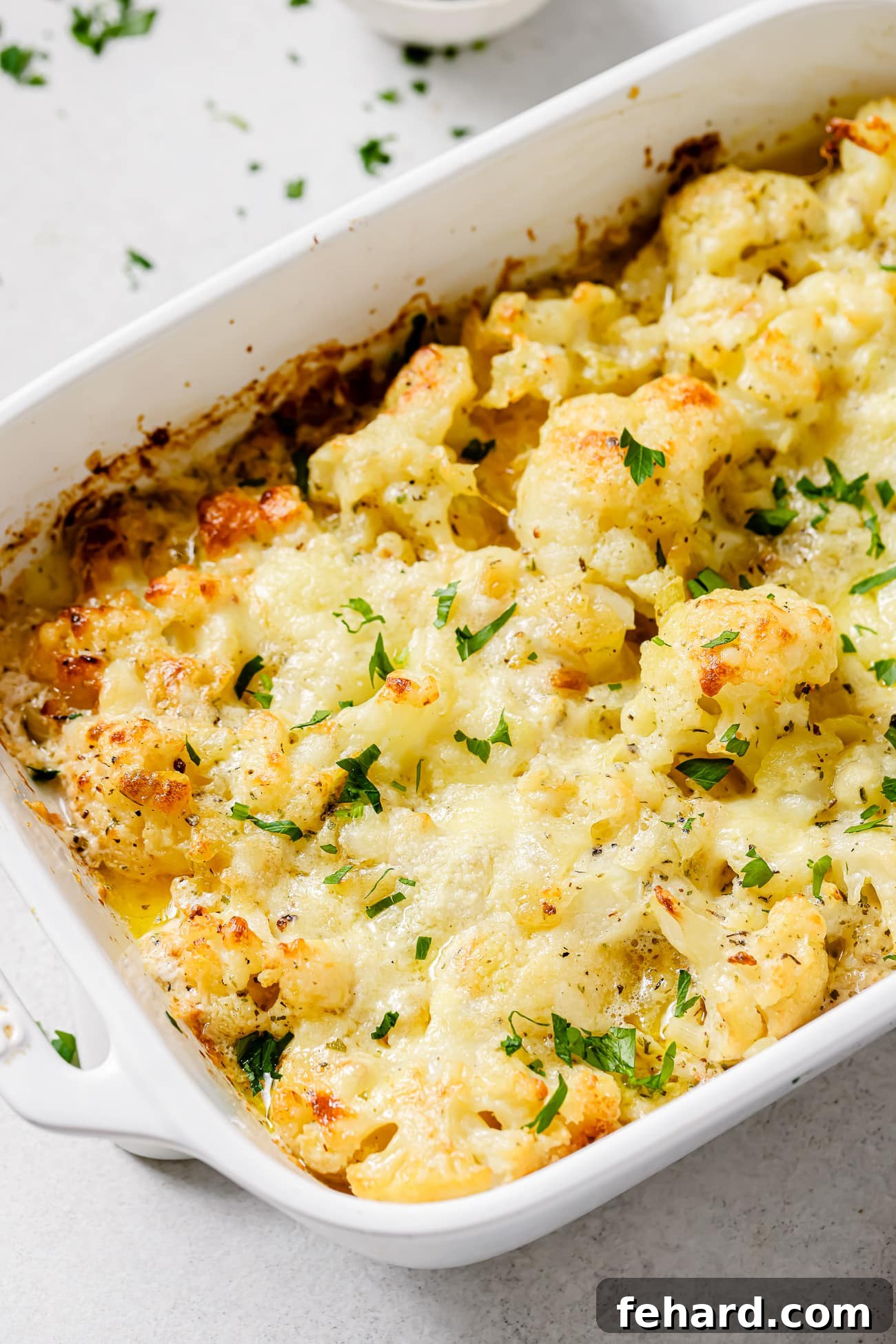
Discover the ultimate comfort food reimagined with this incredible Cauliflower Au Gratin recipe. Perfectly balanced and baked to golden perfection, this dish offers a modern, lighter twist on the timeless classic French gratin. It’s wonderfully easy to prepare for a cozy weeknight dinner, yet elegant and decadent enough to proudly earn a spot on your Thanksgiving menu or any festive gathering. Imagine tender cauliflower florets, lovingly smothered in a rich, velvety Parmesan cream sauce, and crowned with a beautifully melted, bubbly layer of cheese. This creation delivers all the comforting, savory flavors you adore from traditional Potatoes Au Gratin, but without the heaviness, making it a delightfully guilt-free indulgence. One bite of this irresistible side dish, and it just might become your family’s new favorite, a versatile addition to any meal plan.
Why This Cauliflower Au Gratin Will Become Your New Favorite
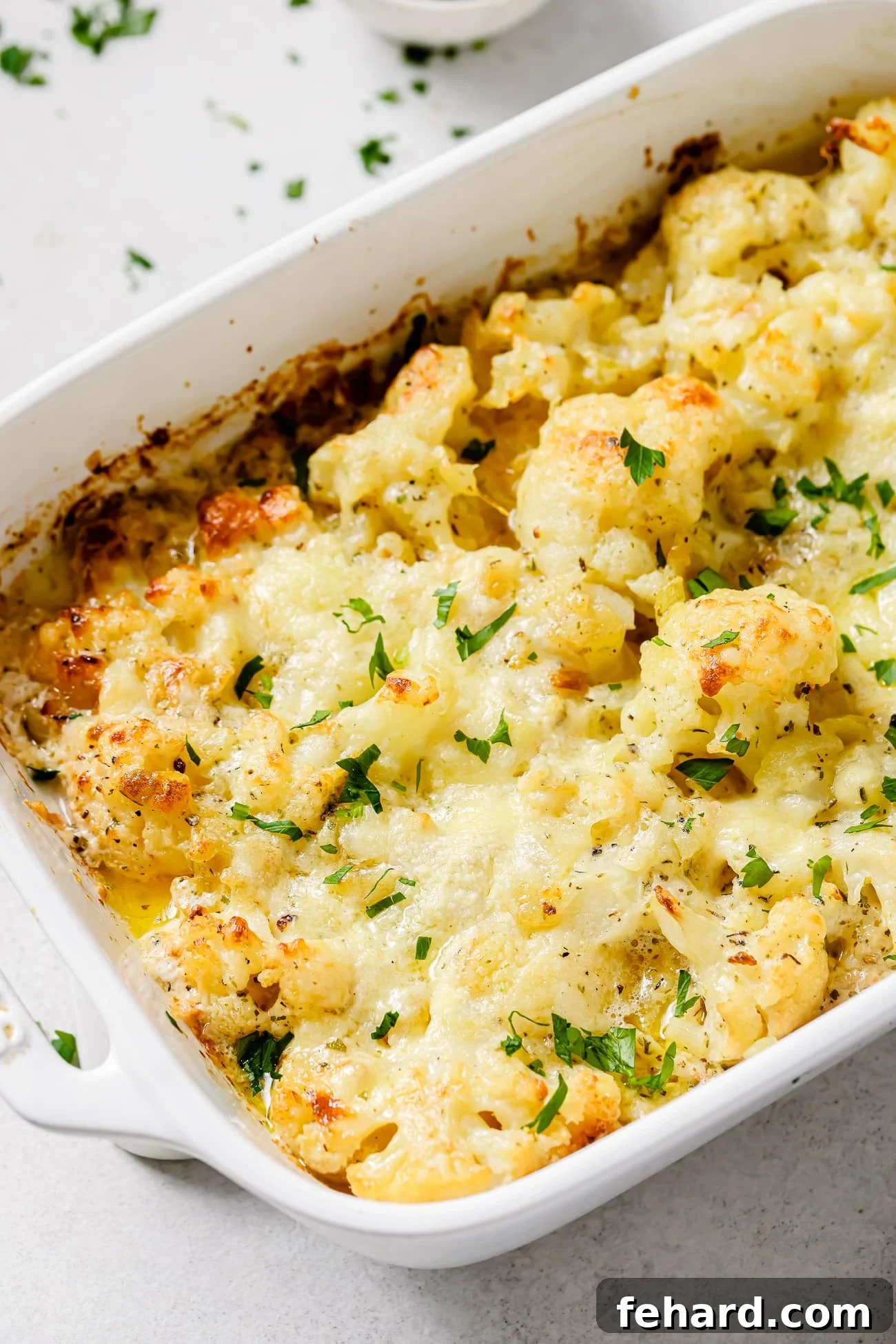
You’re about to fall head over heels for this Cauliflower Au Gratin, and here’s why. It flawlessly delivers all the cozy, cheesy comfort you crave from a classic gratin, but with a delightful lightness that leaves you feeling satisfied, not stuffed. The secret lies in the humble cauliflower, which transforms into an irresistibly tender delight in the oven, eagerly soaking up every drop of that luscious, creamy Parmesan sauce. The golden, bubbly cheese crust on top isn’t just for looks; it adds an exquisite textural contrast and a burst of savory flavor that completes the dish.
This gratin truly is the best of both worlds. It’s elegant enough to grace your most special holiday tables, pairing magnificently alongside showstoppers like garlic butter turkey breast, honey garlic pork tenderloin, reverse seared prime rib, or even a simple yet refreshing green salad. Yet, its straightforward preparation makes it an absolute breeze for any weeknight meal. Serve it with warm, crusty garlic bread to scoop up every last bit of creamy goodness. For the holidays, its rich flavors complement classics such as savory sausage stuffing, vibrant cranberry sauce, sweet and salty maple bacon Brussels sprouts, and fluffy mashed potatoes, ensuring a truly comforting and festive Thanksgiving spread that everyone will remember.
Key Ingredients for a Flawless Cauliflower Au Gratin
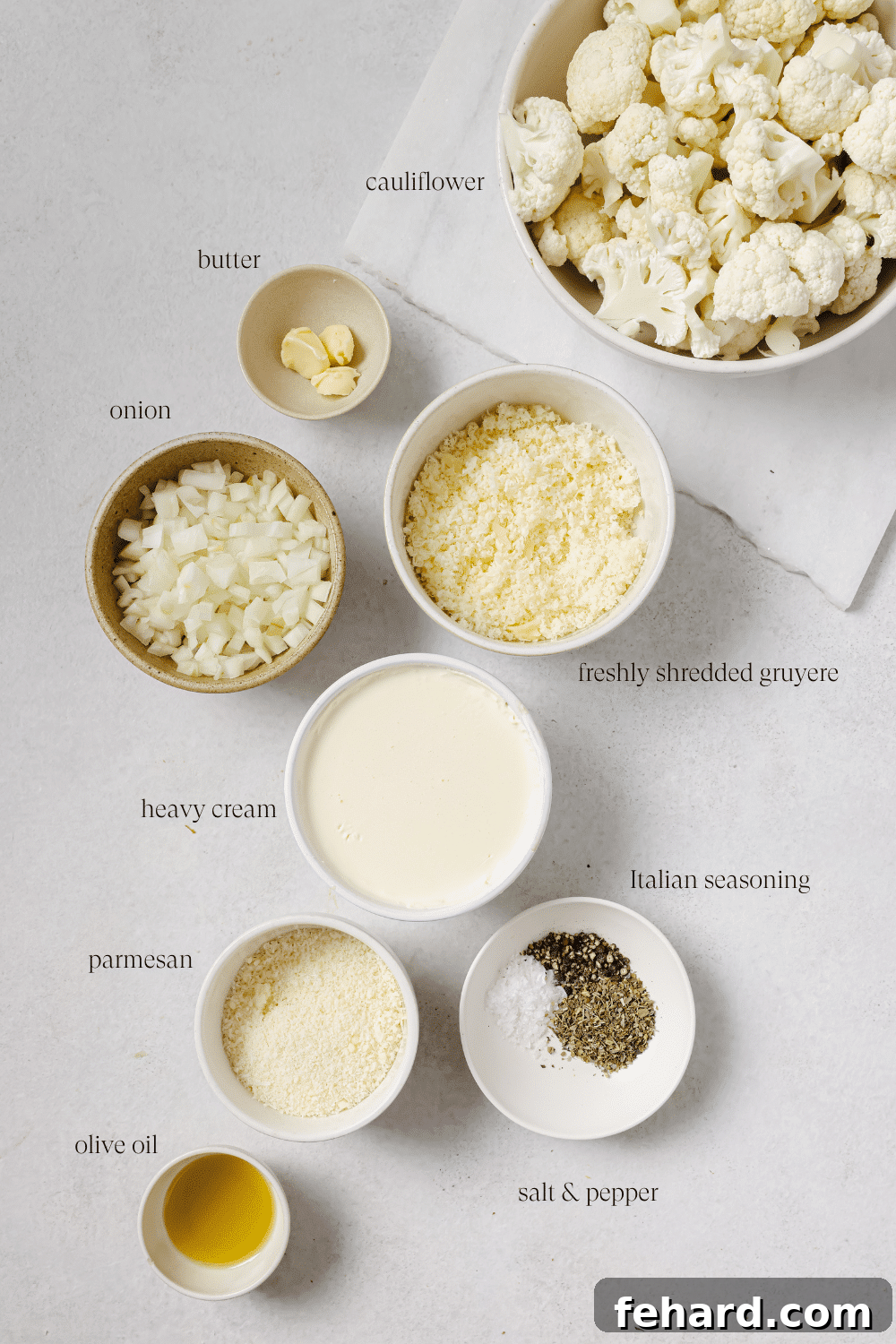
Crafting the perfect Cauliflower Au Gratin begins with selecting high-quality ingredients and understanding how each one contributes to the dish’s overall flavor and texture. Here’s a detailed look at what you’ll need to create this comforting classic.
Unsalted Butter: The Foundation of Flavor
While often overlooked, butter plays a crucial role in building the creamy sauce and preventing sticking. I highly recommend using unsalted butter for this recipe. My experience has shown that when using salted butter, the dish can easily become overly salty, especially once you factor in the natural saltiness of the various cheeses. Unsalted butter gives you complete control over the seasoning, allowing you to perfectly adjust the salt levels to your preference, ensuring a balanced and harmonious flavor profile in your gratin.
Cauliflower: The Heart of the Dish
You’ll need one large head of fresh cauliflower for this recipe. The key to success here is how you prepare it: cut the cauliflower into small, uniform florets. I’ve experimented with larger florets in the past, but smaller pieces cook much more evenly and efficiently. More importantly, they provide a greater surface area to absorb that luxurious creamy Parmesan sauce, ensuring every bite is bursting with flavor. Smaller florets also contribute to a smoother, more cohesive texture throughout the gratin, preventing any chunky or undercooked bits.
Cream: The Secret to Silky Richness
The choice of cream significantly impacts the richness and texture of your gratin sauce. I’ve tested this recipe using heavy cream, half-and-half, and even whole milk, and each offers a slightly different experience. Heavy cream, without a doubt, delivers the richest, silkiest, and most decadent sauce – truly a luxurious experience. Half-and-half provides a wonderful balance, keeping the sauce creamy and satisfying but with a slightly lighter feel. Whole milk can also be used if you’re aiming for a much lighter option, though be aware that the sauce will be noticeably thinner. Despite the difference in consistency, it still yields a delicious gratin, making it a viable choice for those seeking a less indulgent alternative.
Parmesan Cheese: The Savory Backbone
Finely grated Parmesan cheese is indispensable for its distinct nutty, salty, and umami-rich flavor, and it also plays a role in thickening the creamy sauce. For the best results, I strongly advise using fresh Parmesan cheese and grating it yourself just before adding it to the sauce. In my tests, fresh Parmesan melts significantly better and integrates more seamlessly into the cream, resulting in a much smoother and more refined finish compared to pre-grated varieties, which often contain anti-caking agents that can hinder smooth melting.
Shredded Cheese: For the Ultimate Bubbly Top
The shredded cheese topping is what gives this gratin its irresistible golden, bubbly crust. This recipe offers flexibility, as I’ve tried it with various cheeses including Gruyère, Gouda, Swiss, and sharp cheddar, and the gratin turns out creamy and decadent every single time. Gruyère is a classic choice for French gratins; it melts beautifully and offers a complex, nutty flavor. Gouda provides a mild, sweet, and buttery note, while Swiss cheese adds a distinct, slightly tangy taste. Sharp cheddar, on the other hand, contributes a bolder, sharper flavor for those who prefer a more assertive cheese profile. Feel free to choose your favorite or a combination for a unique blend of flavors.
Other Essential Flavor Enhancers
Beyond the main ingredients, a few pantry staples elevate this dish. A touch of **olive oil** is used to sauté the onions, which become **translucent and slightly caramelized**, adding a layer of sweet, savory depth. **Italian seasoning** introduces a fragrant blend of herbs, while freshly ground **salt and black pepper** are crucial for balancing all the flavors. Don’t underestimate the power of these simple additions in transforming good ingredients into an extraordinary dish.
Step-by-Step Guide: How to Make Cauliflower Au Gratin
Creating this delicious Cauliflower Au Gratin is simpler than you might think. Follow these detailed instructions to achieve a perfectly creamy, cheesy, and tender side dish every time. Remember, the key is mindful preparation and attention to detail.
- Before you begin any cooking, preheat your oven to a steady 375°F (190°C).
- Next, prepare your baking vessel. Lightly grease a baking dish (approximately 9×13 inches is ideal) with unsalted butter or a generous spray of cooking oil to prevent any sticking.
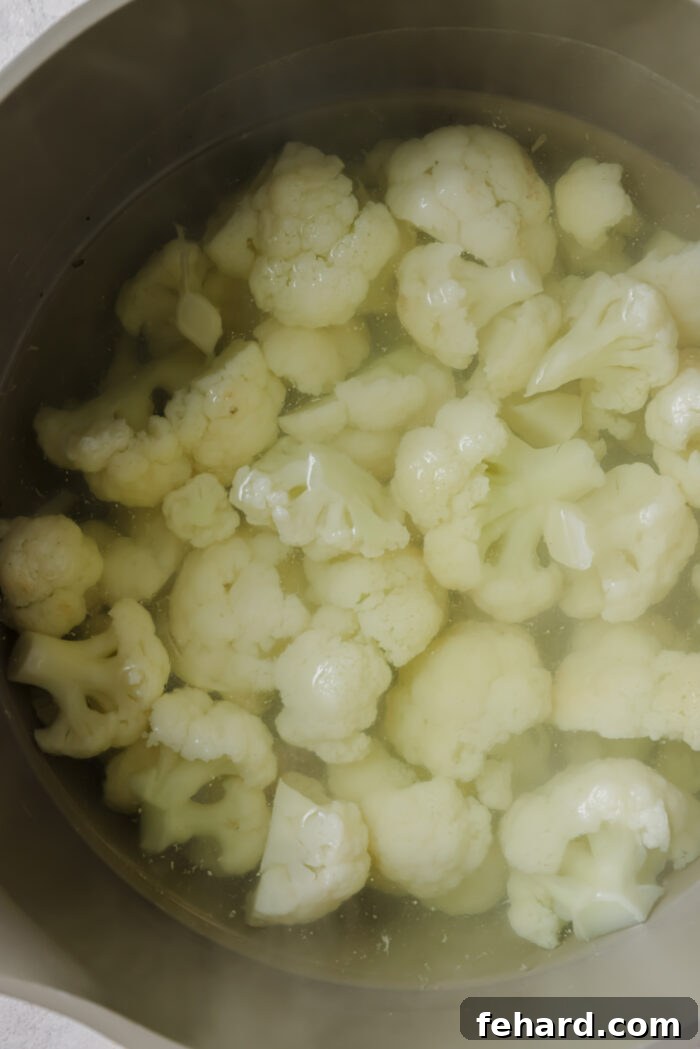
1: Prepare the Cauliflower. Bring a large pot of generously salted water to a rolling boil. Carefully add the cauliflower florets and cook them for approximately 5 to 7 minutes. You want them to be fork-tender, meaning a fork can easily pierce them, but still slightly firm and not mushy. This blanching step is crucial for ensuring the cauliflower is cooked through without becoming overdone in the oven. Once cooked, drain the cauliflower thoroughly in a colander and set aside.
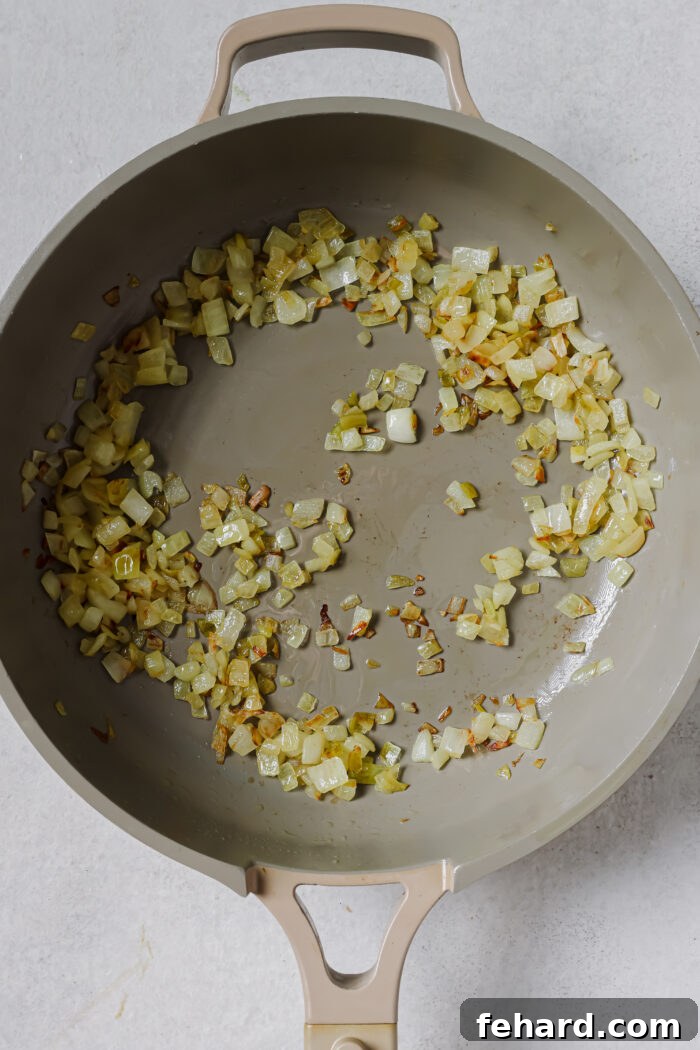
2: Sauté the Onions. In a medium skillet, heat the olive oil over medium heat. Add the finely chopped white or yellow onions to the hot oil. Sauté them gently for about 5 minutes, stirring occasionally, until they become beautifully translucent and begin to slightly caramelize, developing a sweet and mellow flavor. This step adds a wonderful depth of flavor to the gratin.
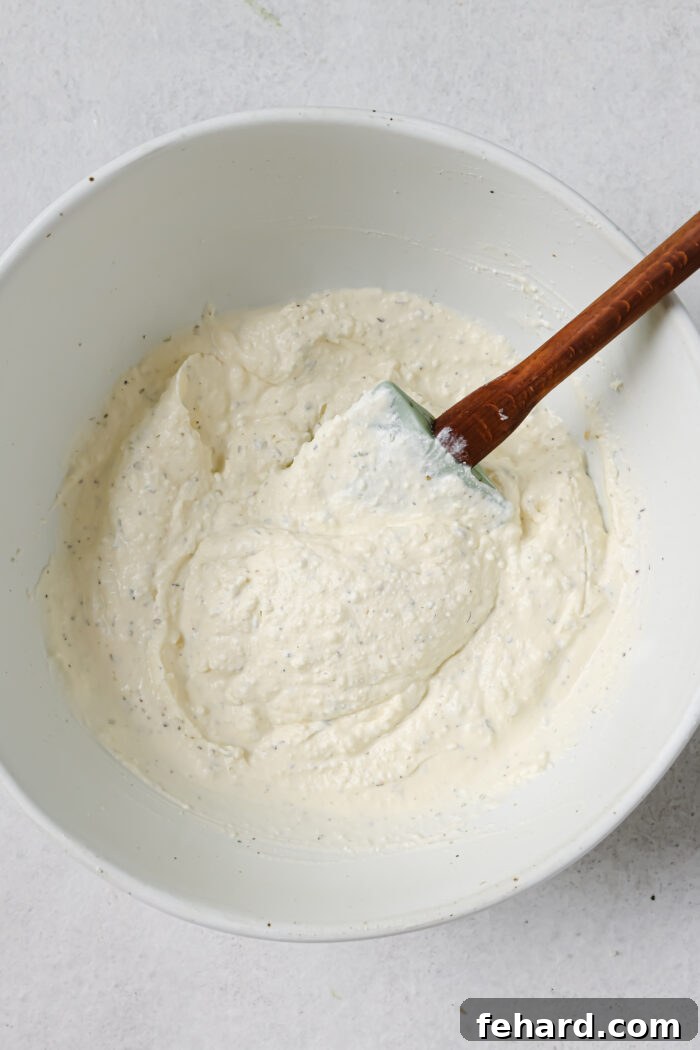
3: Prepare the Cream Sauce Base. In a separate medium-sized mixing bowl, pour in the heavy cream (or half-and-half, depending on your preference for richness) and add the finely grated Parmesan cheese. This forms the creamy foundation of your gratin.
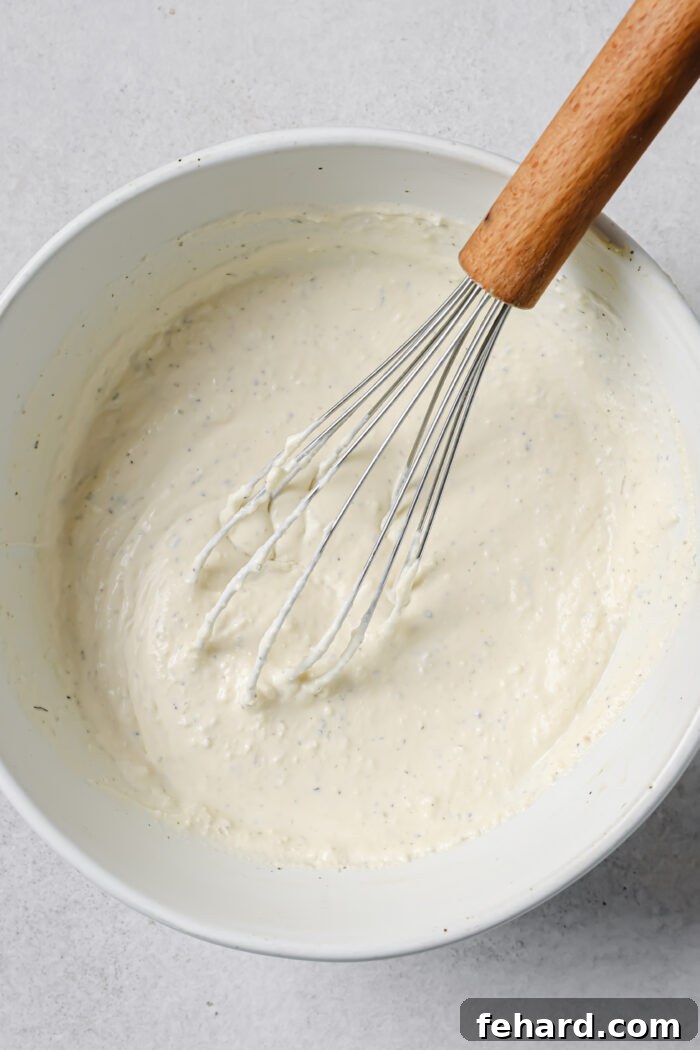
4: Season the Sauce. To the cream and Parmesan mixture, add the Italian seasoning, along with salt and freshly ground black pepper to taste. Stir or whisk all the ingredients together thoroughly until they are well combined and the sauce appears smooth and uniform. Taste and adjust seasoning as needed – this is your chance to perfect the flavor!
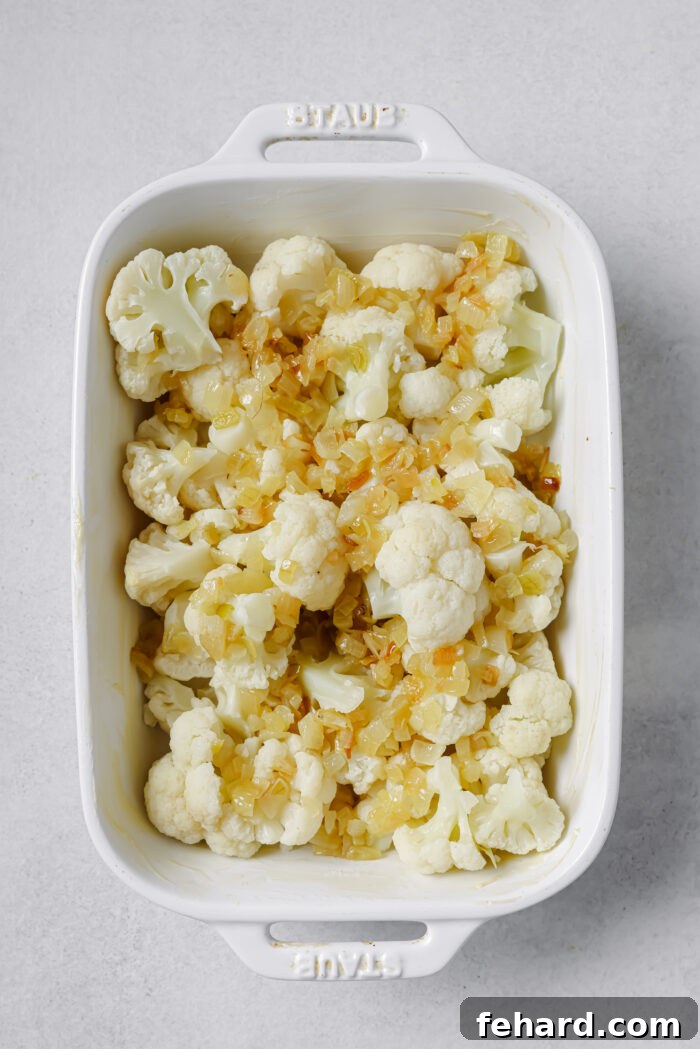
5: Assemble the Gratin Layers. Arrange the cooked cauliflower florets evenly in the prepared greased baking dish or casserole dish. Next, spoon the luscious caramelized onions directly on top of the cauliflower, distributing them as evenly as possible. This layering technique ensures a balanced flavor in every serving.
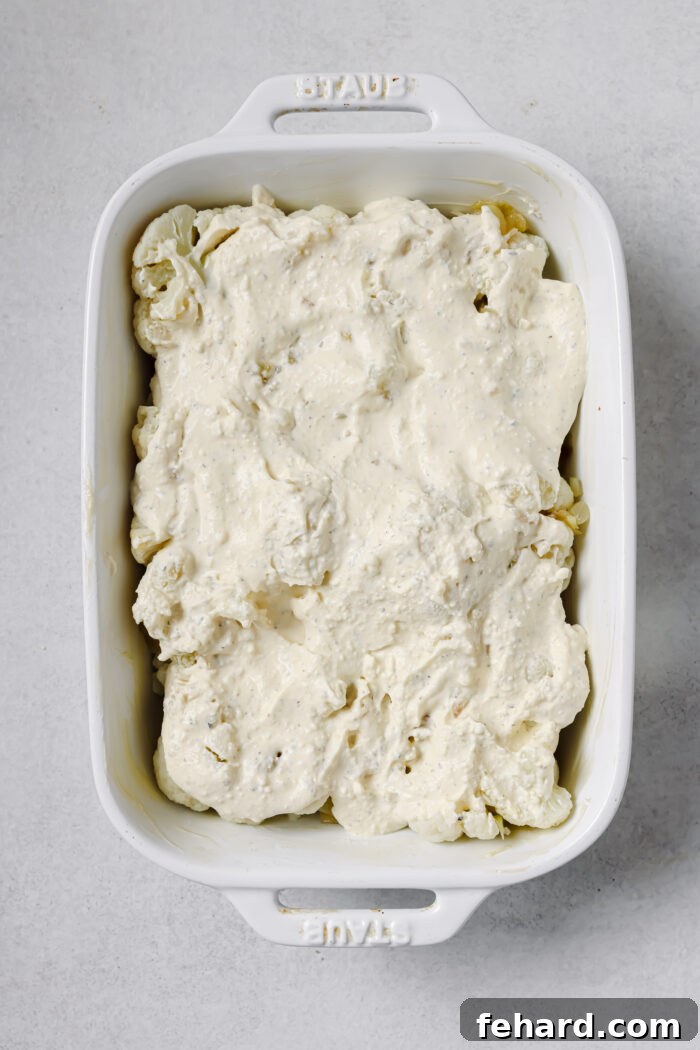
6: Add the Creamy Sauce. Carefully pour the prepared creamy Parmesan sauce over the cauliflower florets and caramelized onions. Use a spoon or spatula to gently spread the sauce, ensuring that it is evenly distributed and coats all the vegetables, seeping into every crevice to infuse flavor.
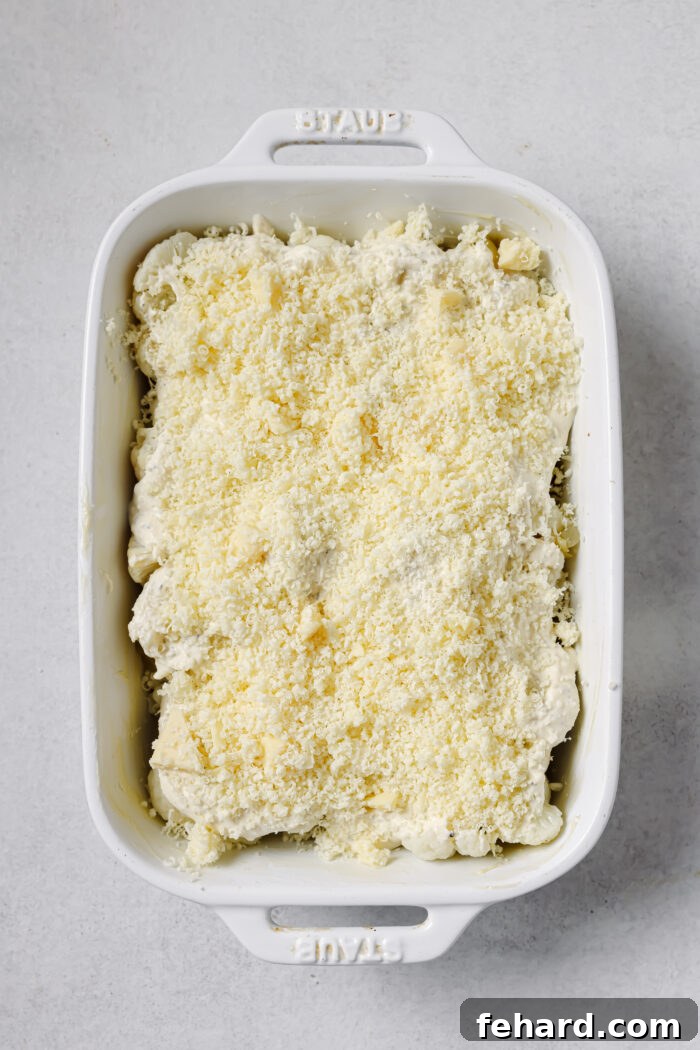
7: The Final Cheese Layer & Bake. Evenly sprinkle the shredded Gruyère or Gouda cheese (or your chosen variety) over the top of the sauce. This will create that beautiful golden, bubbly crust. Place the baking dish into your preheated oven and bake for approximately 20-25 minutes, or until the cauliflower is fully tender and the cheese topping is magnificently melted, bubbly, and golden brown.
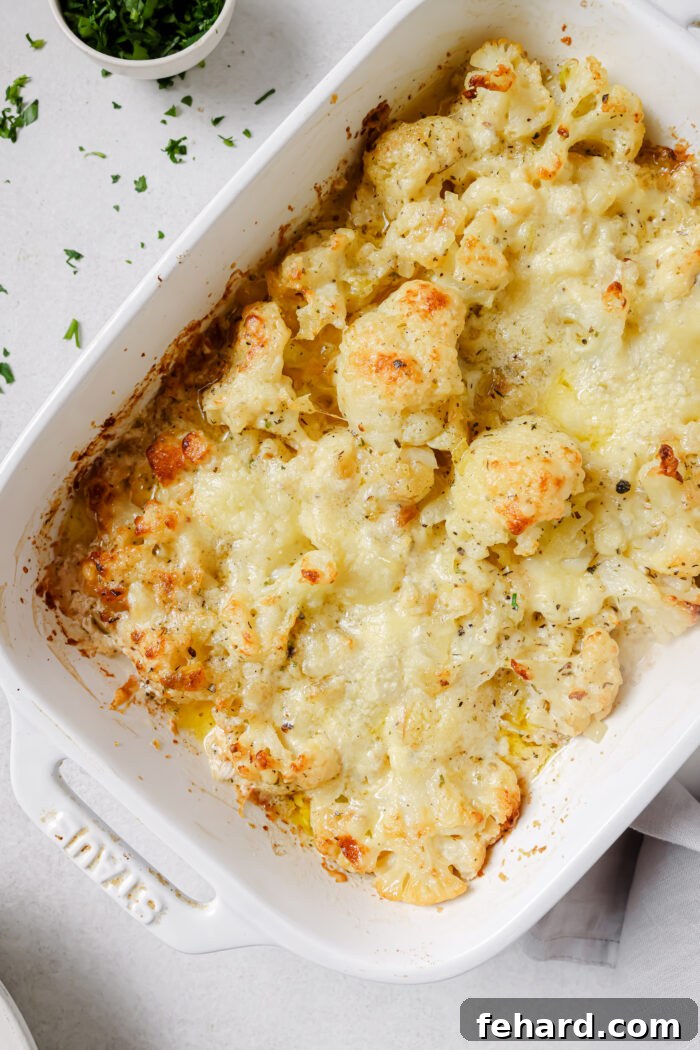
8: Rest and Serve. Once baked to perfection, carefully remove the baking dish from the oven. It’s important to let the cauliflower au gratin sit for a few minutes before serving. This brief resting period allows the creamy sauce to set and thicken slightly, making it easier to serve and ensuring that each portion holds its shape beautifully. Once it has slightly cooled and set, your irresistible Cauliflower Au Gratin is ready to be enjoyed!
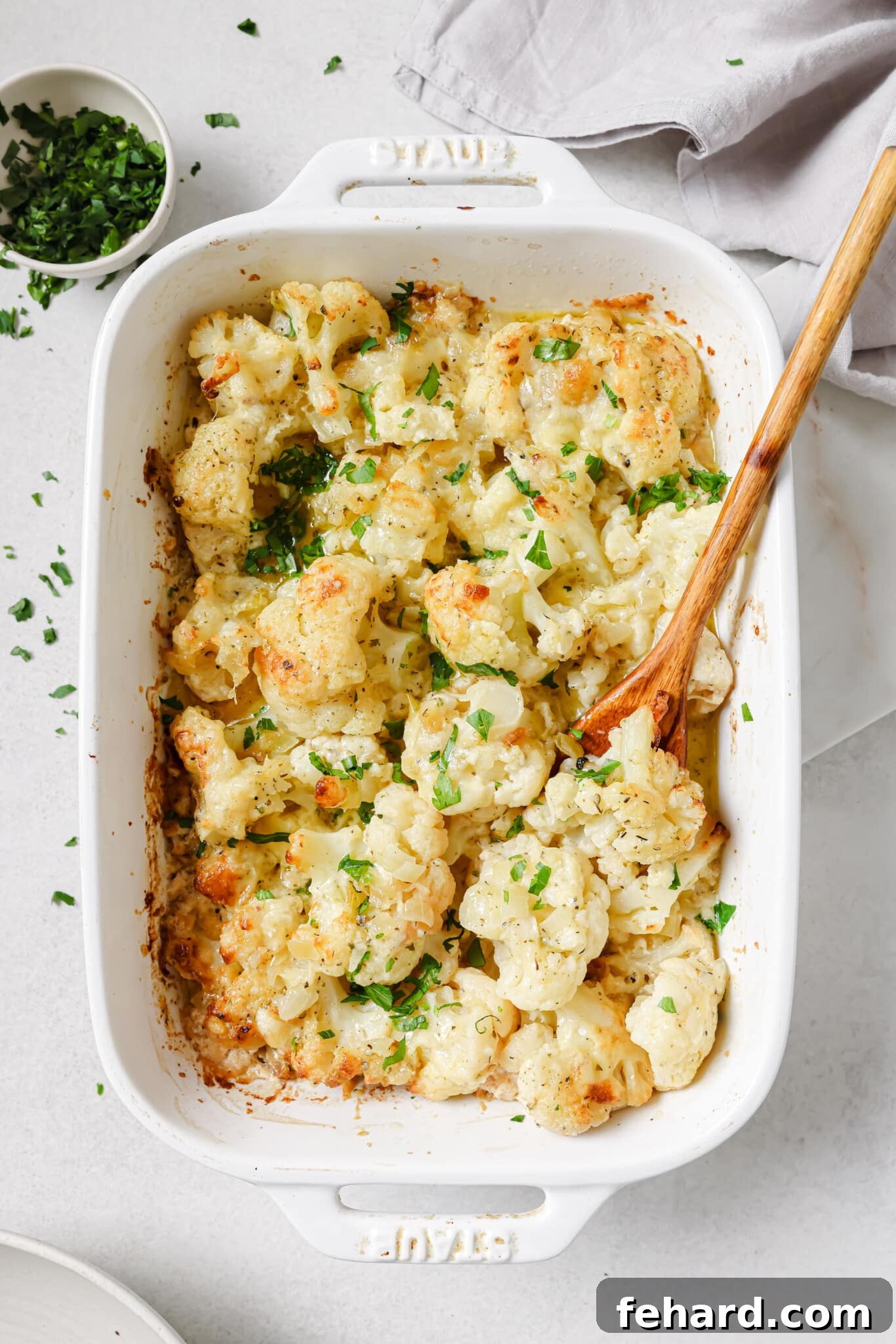
Expert Tips for a Flawless Cauliflower Au Gratin
Achieve a picture-perfect, irresistibly bubbly, and deeply golden cheese crust by turning your oven’s broiler on high for the last 2 to 3 minutes of baking. Remember to keep a vigilant eye on it, as the broiler works incredibly quickly and can go from perfectly golden to burnt in a flash!
For the absolute creamiest and smoothest sauce, I highly recommend shredding your own cheese from a block. Pre-shredded cheeses often contain anti-caking agents that can make the sauce slightly grainy or less fluid, whereas freshly shredded cheese melts into a luxurious, velvety finish.
Ensuring your cauliflower florets are cut into equal-sized pieces is a simple yet vital step. This promotes even cooking, meaning every piece will reach that ideal fork-tender texture at the same time, preventing any unpleasant crunchy bits or overly soft sections.
To introduce an even deeper layer of flavor to this comforting dish, consider roasting your cauliflower instead of boiling it. Roasting caramelizes the cauliflower, adding a wonderful nutty sweetness. You can follow my Parmesan Roasted Cauliflower recipe for detailed step-by-step instructions on how to prepare the cauliflower this way before adding it to your gratin.
Once your Cauliflower Au Gratin comes out of the oven, resist the urge to immediately dig in. Allow it to sit for at least 5-10 minutes before serving. This crucial resting period allows the creamy sauce to set and thicken just a bit, which helps everything bind together beautifully when you serve it, ensuring clean, appealing portions.
Don’t be shy with seasoning. Taste your sauce before assembling and adjust the salt and pepper as needed. A well-seasoned sauce is the secret to a truly memorable gratin.
Serving Suggestions and Perfect Pairings
This versatile Cauliflower Au Gratin can elevate any meal, whether it’s a simple weeknight dinner or a grand holiday feast. Its rich, cheesy profile makes it an excellent accompaniment to a variety of main courses. For lighter weeknight meals, pair it with baked chicken breast, pan-seared fish, or a simple steak. The creamy gratin beautifully complements lean proteins, adding a touch of indulgence without overwhelming the palate.
When it comes to holiday spreads, this dish truly shines. As mentioned, it’s a fantastic alternative to potato gratin for Thanksgiving or Christmas, especially alongside roasted turkey, ham, or prime rib. Don’t forget to serve it with other classic holiday sides like cranberry sauce, green bean casserole, or a vibrant winter salad to create a balanced and memorable meal. And, of course, a side of warm garlic bread is always a welcome addition, perfect for soaking up every last drop of the exquisite creamy sauce.
For those looking to make this a heartier, more complete meal, consider adding cooked shredded chicken or ham into the gratin layers before baking. This transforms it into a comforting one-dish dinner that’s perfect for colder evenings.
Storage, Freezing, and Reheating Instructions
Making Cauliflower Au Gratin ahead of time or enjoying leftovers is incredibly convenient. Here’s how to properly store and reheat your delicious dish to maintain its quality.
To Store Leftovers:
Once cooled to room temperature, any leftover Cauliflower Au Gratin should be transferred to an airtight container or simply covered tightly with plastic wrap directly in its baking dish. Store it in the refrigerator for up to 4 days. Beyond this period, the quality, especially the texture of the cauliflower, may start to diminish.
To Freeze for Later:
This gratin freezes surprisingly well, making it a fantastic make-ahead option. For best results, allow the baked gratin to cool completely. Then, either transfer it to a freezer-safe container or tightly wrap the entire baking dish with several layers of plastic wrap followed by aluminum foil. It can be frozen for up to 2 weeks. When you’re ready to enjoy it, thaw the frozen gratin overnight in the refrigerator.
To Reheat:
From the refrigerator: For individual portions, reheat in the microwave until warmed through. For a larger portion or the entire dish, cover it loosely with foil and reheat in a preheated oven at 350°F (175°C) for 15-25 minutes, or until bubbling and hot in the center. Remove the foil for the last few minutes if you want to crisp up the cheese topping.
From frozen (after thawing): Reheat in the oven at 350°F (175°C), covered with foil, for 30-45 minutes, or until thoroughly heated. Again, remove foil for the last 10 minutes for a crispy top.
Make-Ahead Tips:
You can prepare the gratin up to the point of baking (before adding the top layer of shredded cheese). Cover it tightly and refrigerate for up to 24 hours. When ready to bake, add the shredded cheese and bake as directed, possibly adding an extra 5-10 minutes to the baking time since it will be colder.
Frequently Asked Questions (FAQs) About Cauliflower Au Gratin
Can I make this gratin ahead of time?
Absolutely! This Cauliflower Au Gratin is an excellent make-ahead dish, especially useful for busy holidays or meal prepping. You can assemble the entire gratin, including pouring the sauce and adding the top layer of shredded cheese, up to 24 hours in advance. Cover it tightly with plastic wrap and store it in the refrigerator. When you’re ready to bake, simply remove it from the fridge 30 minutes before baking to allow it to come closer to room temperature, then bake as directed. You might need to add an extra 5-10 minutes to the baking time.
What are good substitutes for heavy cream?
If you’re looking for lighter alternatives or don’t have heavy cream on hand, half-and-half is an excellent substitute that still yields a creamy sauce, albeit slightly less rich. Whole milk can also be used for an even lighter version, but expect a thinner sauce. For a dairy-free option, full-fat coconut milk (from a can, not a carton) can work in a pinch, though it will impart a subtle coconut flavor, and you might want to adjust seasonings accordingly. You can also make a roux with butter and flour, then slowly whisk in milk or broth to create a thicker base.
Is this recipe low-carb or keto-friendly?
Yes, this Cauliflower Au Gratin recipe is inherently low-carb and keto-friendly, making it a fantastic alternative to traditional potato gratins for those following a ketogenic or low-carb diet. Cauliflower is a wonderful low-carb vegetable, and the rich cream and cheeses contribute healthy fats and flavor without the carbohydrates found in potatoes. Just ensure your chosen cheeses do not contain added starches or fillers, which can sometimes be found in pre-shredded varieties.
How do I prevent a watery gratin?
A watery gratin is usually caused by excess moisture from the cauliflower. To prevent this, make sure to thoroughly drain the blanched cauliflower florets. You can even pat them dry with a clean kitchen towel or paper towels after draining to remove any lingering moisture. Additionally, avoid overcooking the cauliflower during the blanching stage, as mushy cauliflower can release more water during baking. The resting period after baking also helps the sauce to thicken and set, preventing a watery consistency when served.
More Delicious Cauliflower Side Dish Recipes
Cauliflower Muffins Recipe
45 mins
Cauliflower Rice Recipe
20 mins
Mediterranean Cauliflower Salad
14 mins
Broccoli and Cauliflower Casserole Recipe
25 mins
Cauliflower Au Gratin Recipe
Author: Olivia Ribas
Servings: 6 people
Prep Time: 10 minutes
Cook Time: 25 minutes
Total Time: 35 minutes

This delightful Cauliflower Au Gratin offers a modern, lighter take on a beloved classic. Perfect for both bustling weeknights and elegant holiday tables, it features tender cauliflower baked in a rich, creamy Parmesan sauce, crowned with perfectly melted cheese. Enjoy all the comforting flavors you love, without the heaviness, making it an irresistible addition to any meal.
Ingredients
- 1 teaspoon unsalted butter (for greasing a baking dish)
- 1 large cauliflower head, cut into small florets
- 1 tablespoon extra virgin olive oil
- 1 cup white or yellow onion, finely chopped
- 1 cup heavy cream or half-and-half cream
- ½ cup finely grated fresh Parmesan cheese
- ½ teaspoon Italian seasoning
- Salt and freshly ground black pepper to taste
- 1 cup shredded Gruyère or Gouda cheese (or sharp cheddar, Swiss)
Instructions
- Preheat & Prepare: Preheat your oven to 375°F (190°C). Lightly grease a 9×13 inch baking dish (or similar size) with butter or cooking spray.
- Blanch Cauliflower: Bring a large pot of salted water to a boil. Add the cauliflower florets and cook for 5 to 7 minutes until they are fork-tender but still slightly firm. Drain well in a colander and set aside.
- Sauté Onions: In a medium skillet, heat the olive oil over medium heat. Add the finely chopped onions and sauté for about 5 minutes, or until they become translucent and lightly caramelized.
- Make Cream Sauce: In a medium bowl, combine the heavy cream (or half-and-half), finely grated Parmesan cheese, Italian seasoning, salt, and black pepper. Whisk or stir until all ingredients are well combined and the sauce is smooth.
- Layer Gratin: Arrange the blanched cauliflower florets evenly in the prepared baking dish. Spoon the caramelized onions over the cauliflower.
- Pour Sauce: Pour the creamy Parmesan sauce evenly over the cauliflower and onions, ensuring every floret is coated.
- Add Top Cheese: Generously sprinkle the shredded Gruyère or Gouda cheese (or your preferred cheese) over the top of the sauce.
- Bake to Perfection: Place the baking dish in the preheated oven and bake for 20-25 minutes, or until the cauliflower is fully tender and the cheese topping is bubbly, golden brown, and irresistibly melted.
- Rest & Serve: Remove the baking dish from the oven and allow it to rest for a few minutes before serving. This brief resting period helps the sauce to thicken slightly and ensures easier serving. Enjoy!
Notes
- To Store: Keep any leftovers in an airtight container or covered baking dish in the refrigerator for up to 4 days.
- To Freeze: For longer storage, transfer cooled gratin to a freezer-safe container and freeze for up to 2 weeks. Thaw overnight in the refrigerator before reheating.
- To Reheat: Reheat individual portions in the microwave. For larger amounts, cover the baking dish with foil and warm in the oven at 350°F (175°C) until heated through. Remove foil for the last few minutes for a crispy top.
Nutrition Information
Serving Size: 1/6 of the recipe
- Calories: 314kcal
- Carbohydrates: 9g
- Protein: 13g
- Fat: 27g
- Cholesterol: 71mg
- Sodium: 591mg
- Potassium: 390mg
- Fiber: 3g
- Sugar: 4g
Nutrition information is automatically calculated and should be used as an approximation. Actual values may vary based on specific brands and preparation methods.