
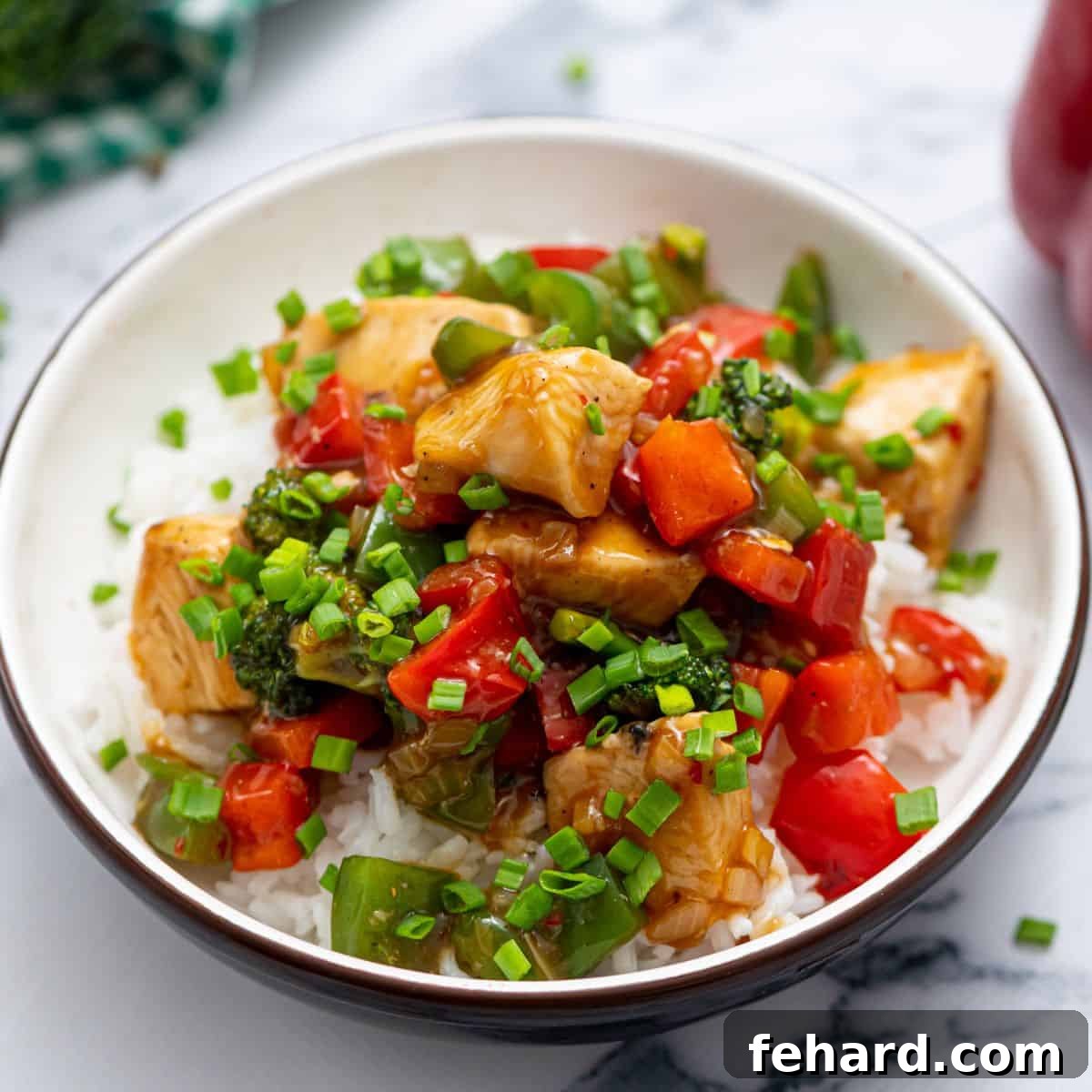
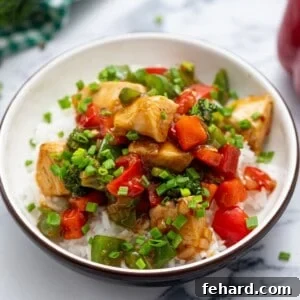
Forget the takeout menu tonight! Experience the vibrant flavors of a classic Chinese-American dish right in your own kitchen with this incredibly easy Hunan Chicken recipe. In less than 30 minutes, you can create a restaurant-quality meal that’s not only bursting with bold, authentic flavors but also healthier and more satisfying than any delivery. Made with tender chicken, a medley of crisp-tender fresh vegetables, and a tantalizingly spicy and tangy homemade Hunan sauce, this dish is a true culinary delight. Get ready to discover your new favorite weeknight dinner!
Searching for more quick & easy weeknight family dinners? Don’t miss our highly-rated recipes for Baked Chicken Katsu, Easy Orange Chicken, and Shrimp Stir-Fry.
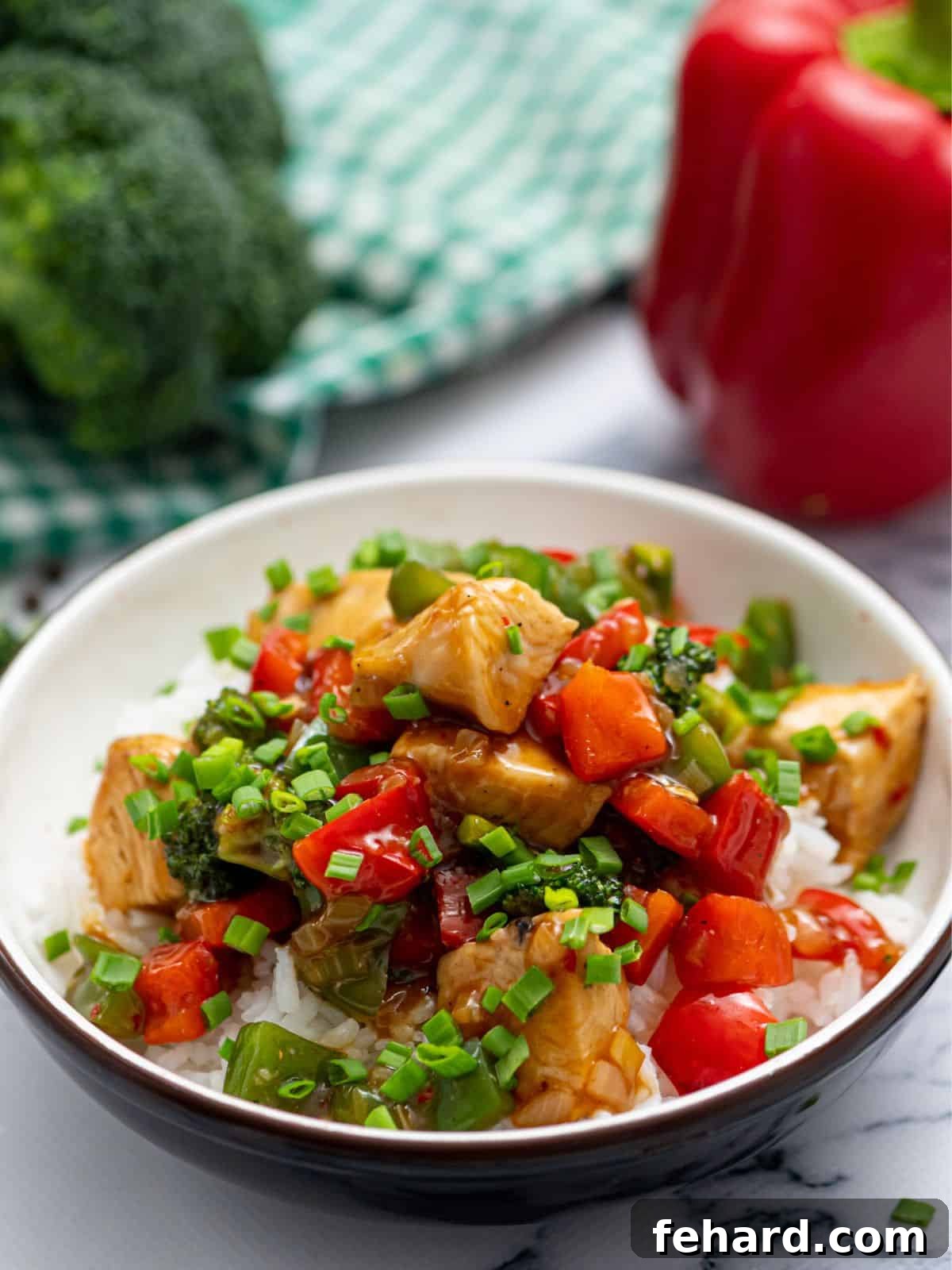
Easy Hunan Chicken: A Weeknight Dinner Revelation

There’s immense satisfaction in replicating beloved restaurant dishes at home, transforming them into wholesome, straightforward meals that anyone can master. This Hunan Chicken recipe is a prime example, and trust us, you absolutely don’t want to miss it!
- Effortless Ingredients: Just like our popular recipes for Hunan Beef and Hunan Shrimp, this Hunan Chicken calls for ingredients readily available at any local grocery store. These versatile staples will become go-to components for countless future delicious meals.
- Budget-Friendly Goodness: Enjoy four generous servings of this flavorful stir-fry for roughly the same cost as a single takeout meal. It’s a smart and delicious way to feed your family without breaking the bank.
- Wholesome Family Favorite: Crafted with lean protein, an abundance of fresh, vibrant vegetables, and a perfectly balanced tangy, slightly spicy sauce, this stir-fry offers a simple yet profoundly flavorful dinner. It’s a meal you can feel genuinely good about serving any night of the week, knowing it’s packed with nutrition and taste.
This dish captures the essence of Hunan cuisine’s signature spicy and savory profiles, delivering an authentic experience without the need for extensive culinary expertise. It’s truly a testament to how simple, fresh ingredients can come together to create something extraordinary.
Essential Ingredients for Perfect Hunan Chicken
Crafting exceptional Hunan Chicken begins with selecting the right ingredients. Not only does this recipe utilize items easily found at any grocery store, but making it at home also grants you complete control over the spice level and vegetable choices, ensuring it perfectly suits your family’s preferences. Here are some key tips for making the best selections and understanding their role in this delicious stir-fry:
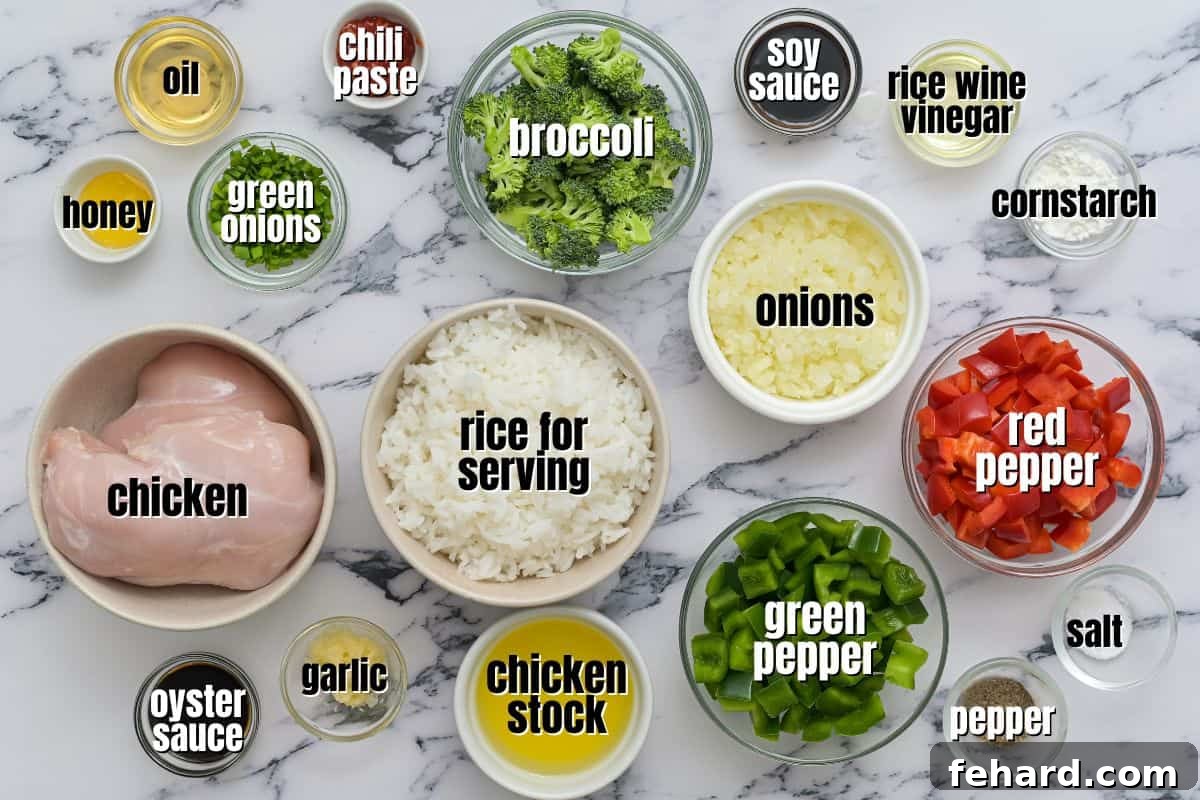
- Chicken: For tender, juicy results, you can use boneless, skinless chicken thighs, chicken breasts, or even chicken tenders. Chicken thighs offer a richer flavor and tend to stay moister, while chicken breasts are leaner and cook quickly. Whichever you choose, ensure it’s cut into uniform, bite-sized pieces for even cooking.
- Vegetables: Our preferred combination for Hunan Chicken includes crisp broccoli florets, vibrant bell peppers (red and green for color and sweetness), and thinly sliced onions for a foundational aromatic flavor. However, don’t hesitate to customize! Excellent additions or substitutions include crunchy baby corn, earthy sliced mushrooms, sweet sugar snap peas, tender diced zucchini, finely diced carrots for a subtle sweetness, or nutrient-rich chopped bok choy. The key is to select vegetables that cook relatively quickly or can be cut to a size that ensures they become crisp-tender during the stir-frying process.
- Oil: A high smoking point oil is crucial for stir-frying to prevent burning and achieve that perfect sear. Canola oil, vegetable oil, avocado oil, or peanut oil are all excellent choices. Peanut oil, in particular, adds a subtle nutty flavor that complements Asian cuisine beautifully.
- Oyster Sauce: This ingredient is a cornerstone of Chinese stir-fries, providing a rich, savory, and slightly sweet umami punch that is hard to replicate. If oyster sauce isn’t available, hoisin sauce can be used as a substitute, though it’s typically sweeter and thicker, so you might need to adjust other flavors slightly.
- Honey: A touch of sweetness is essential to balance the complex, savory, and spicy notes of the Hunan sauce. Honey adds a nuanced sweetness, but brown sugar works equally well if you prefer.
- Chili Paste: To achieve that authentic Hunan kick, it’s vital to use chili paste, such as sambal oelek, rather than sweeter, milder chili *sauce*. Sambal oelek provides a pure, potent heat that defines the dish’s signature spice profile. Adjust the amount to your desired level of heat.
- Cornstarch: This acts as the thickening agent for the Hunan sauce, giving it that desirable glossy texture that coats the chicken and vegetables beautifully. If you have a corn allergy, arrowroot powder is a fantastic alternative and functions similarly.
Mastering Hunan Chicken: A Step-by-Step Guide
Creating this delicious Hunan Chicken stir-fry is simpler than you might imagine. By following these clear steps and incorporating our helpful tips, you’ll achieve perfect results every time. You will find the full details with exact quantities in the recipe card below, but these guidelines will help you navigate the process confidently.
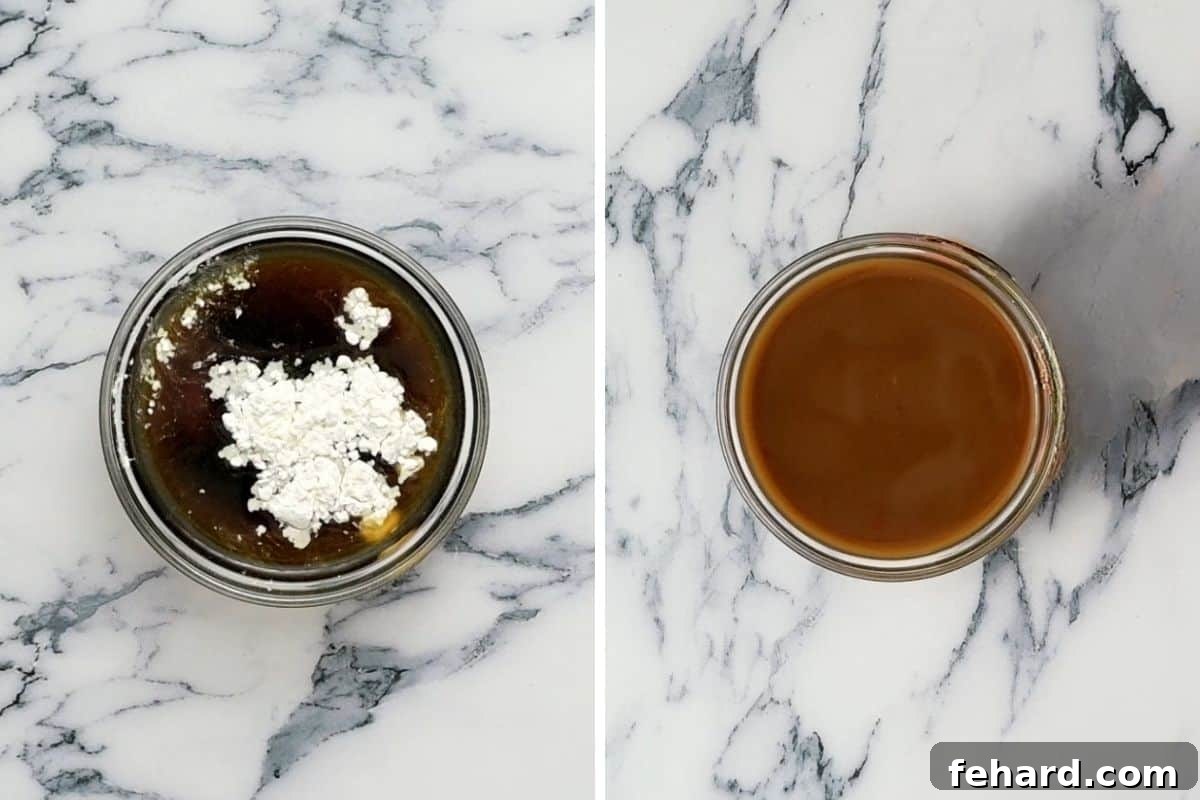
- Craft the Flavorful Hunan Sauce: Begin by preparing your Hunan sauce. This ensures it’s perfectly ready to be added to the quick-cooking stir-fry at the right moment. In a small bowl, combine chicken broth (low-sodium is recommended for better control over saltiness), low-sodium soy sauce, oyster sauce (or hoisin), rice vinegar, honey (or brown sugar), chili paste (sambal oelek for that authentic heat), and cornstarch. Whisk vigorously until the cornstarch is completely dissolved, preventing lumps in your final sauce. This blend of sweet, sour, savory, and spicy elements is the heart of Hunan cuisine.
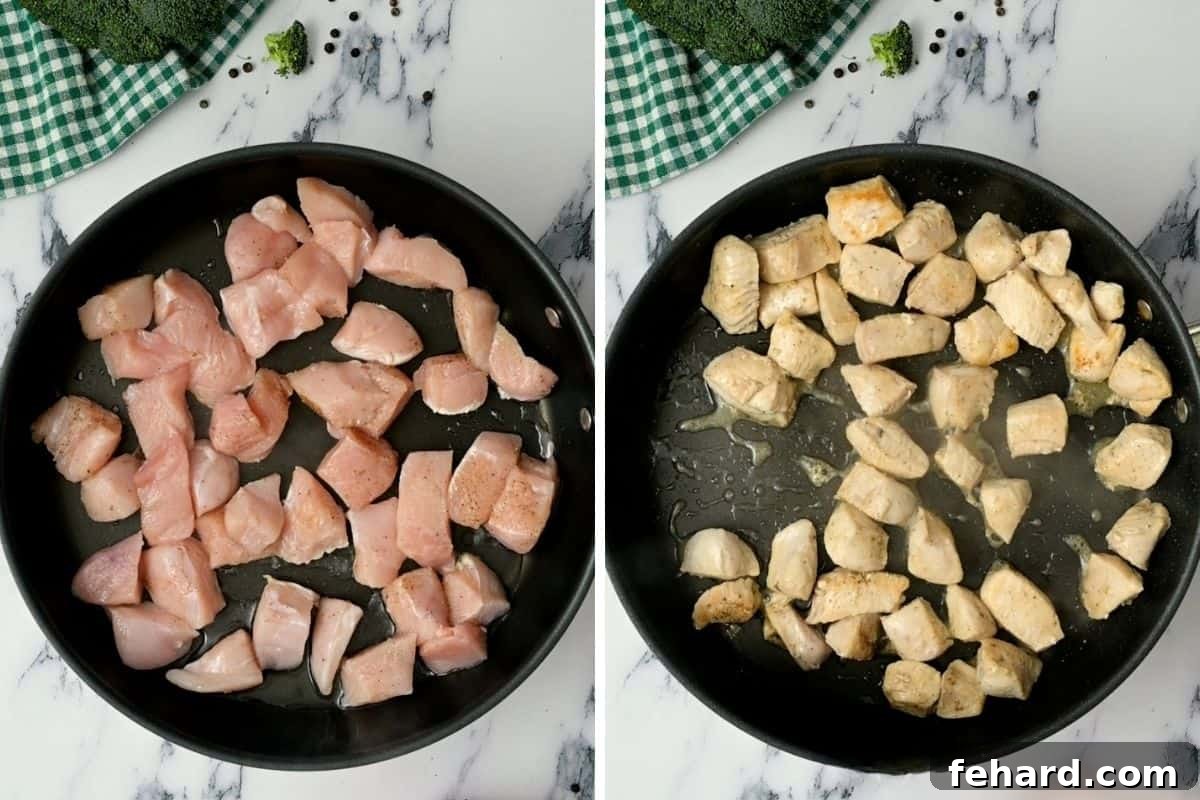
- Perfectly Brown the Chicken: Heat your chosen stir-fry oil in a large skillet or wok over high heat until it shimmers and just begins to smoke lightly. Add the cubed chicken to the pan, ensuring it’s in a single layer without overcrowding. Cook in batches if necessary; overcrowding can steam the chicken instead of browning it. Sear for 3-4 minutes per side, or until each piece is beautifully golden brown and cooked through. This browning step is crucial for developing deep, rich flavor. Once browned, remove the chicken from the skillet and set it aside on a plate.
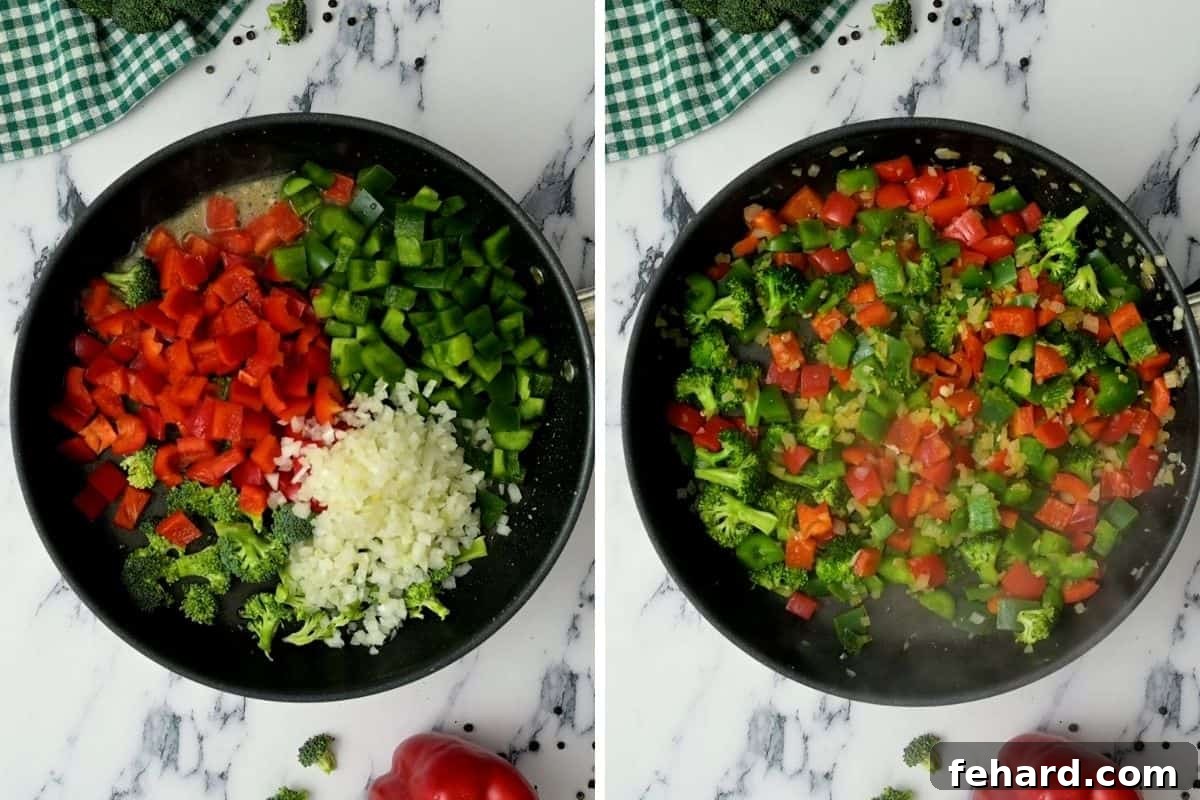
- Sauté the Vibrant Vegetables: Using the same skillet (no need to clean it – those browned bits add flavor!), add your prepared vegetables: broccoli, bell peppers, and onions. Sauté for 4-5 minutes over medium-high heat, stirring frequently, until they are crisp-tender. They should still have a slight bite and bright color. Next, add the minced garlic and sauté for just 30 seconds more. Garlic cooks quickly and can burn easily, so adding it towards the end preserves its pungent aroma and flavor.
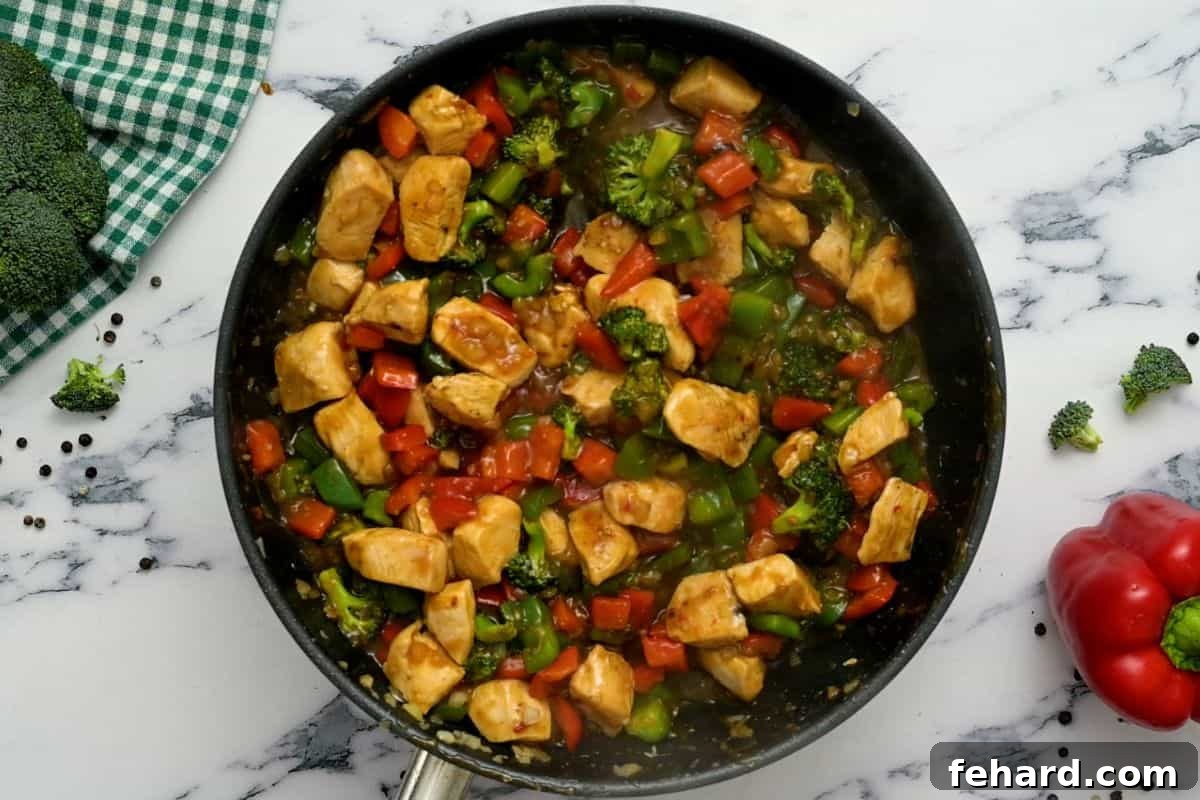
- Simmer to Perfection: Return the browned chicken to the pan with the sautéed vegetables. Give your reserved Hunan sauce another quick whisk to ensure the cornstarch hasn’t settled, then pour it evenly over the chicken and vegetables. Bring the entire mixture to a gentle boil, stirring occasionally. Allow it to cook for 1-2 minutes, or until the sauce has visibly thickened to a glossy consistency that beautifully coats all the ingredients. The cornstarch will activate with the heat, transforming the liquid into a rich, cohesive sauce. Remove from heat immediately, and your authentic homemade Hunan Chicken is ready to be devoured!
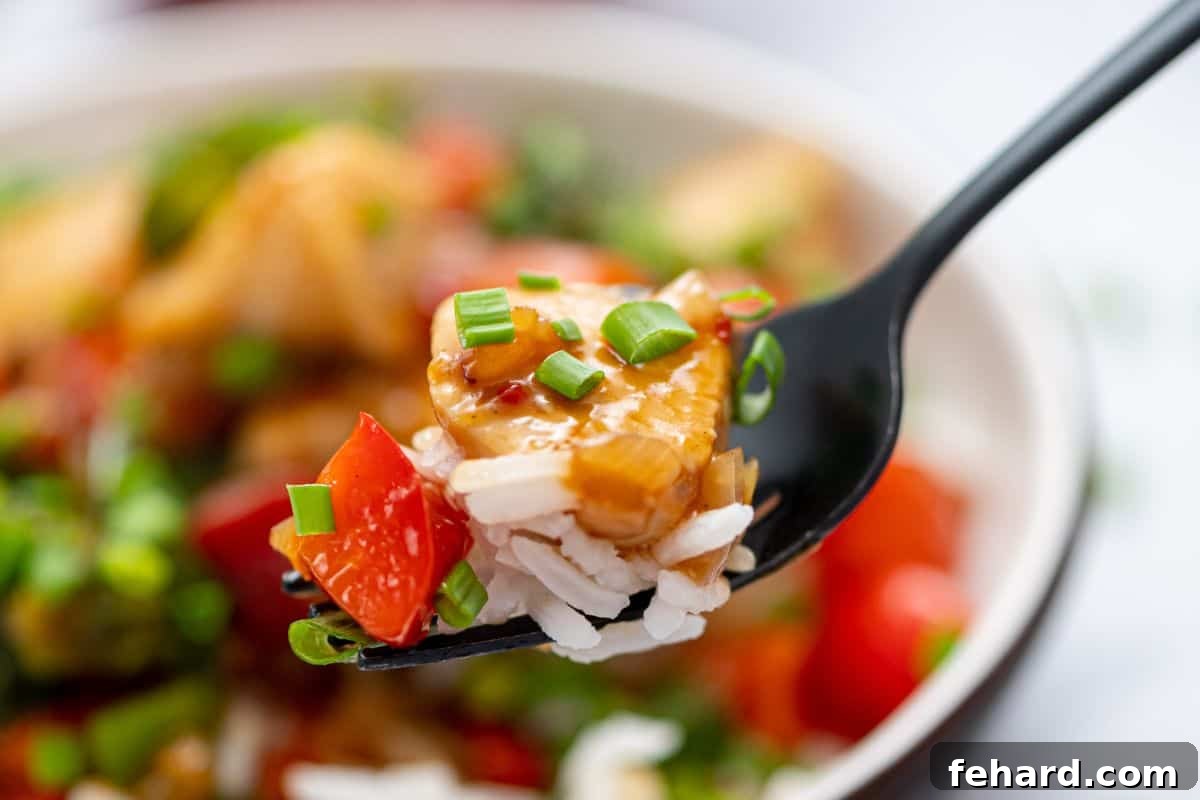
- Serve with Your Favorite Rice: Hunan Chicken is traditionally served over a bed of warm, fluffy rice to soak up all that incredible sauce. For an authentic experience, top with a sprinkle of fresh minced green onions for a touch of color and mild oniony flavor. We highly recommend pairing this chicken stir-fry with Instant Pot Jasmine Rice or Instant Pot Brown Rice for a wholesome, satisfying, and budget-friendly family dinner that rivals any restaurant. For a lower-carb option, cauliflower rice makes an excellent substitute.
Customize Your Hunan Chicken: Recipe Modifications
One of the beauties of cooking at home is the ability to tailor dishes to your specific tastes and dietary needs. This Hunan Chicken recipe is incredibly versatile, allowing for several easy modifications:
- Gluten-Free Adaptation: To make this a delicious gluten-free meal, ensure all your sauce components are certified gluten-free. Pay special attention to your broth, soy sauce (opt for tamari or a certified gluten-free soy sauce), and oyster sauce, as these frequently contain wheat products. Always check labels carefully.
- Control the Heat: The recipe as written offers a pleasant, mild to medium kick, characteristic of traditional Hunan flavors. If you prefer a milder dish, reduce the chili paste to just 1 teaspoon. For those who love a fiery challenge, feel free to add an additional teaspoon (or more!) of chili paste to the Hunan Sauce mixture to amplify the spice.
- Introduce Ginger: For an extra layer of aromatic complexity and a subtle, warming spice, consider adding up to 1 teaspoon of freshly grated ginger root. Stir it into the skillet at the same time you add the minced garlic during the vegetable sautéing step. Ginger pairs wonderfully with the other flavors and adds another dimension to this Chinese chicken stir-fry.
- Protein Swap: While chicken is traditional, this recipe works beautifully with other proteins. Try thin slices of beef (Hunan Beef), shrimp (Hunan Shrimp), or firm tofu for a vegetarian option. Adjust cooking times accordingly.
- Nutritional Boost: Amp up the nutrient content by incorporating even more vegetables. Sliced carrots, snow peas, water chestnuts, or even baby spinach can be folded in during the final minutes of cooking.
Explore More Favorite Chinese-American Recipes
If you loved this Hunan Chicken, you’re sure to enjoy these other popular Chinese-American dishes that are easy to recreate at home:
- Stir-Fried Chicken and Bok Choy
- Easy Homemade Ramen Recipe
- Moo Goo Gai Pan
- Delicious Vegetable Fried Rice
- Simple Baked Vegetable Egg Rolls
- Authentic Shrimp Lo Mein
Did you make this recipe?
If you enjoyed this easy Hunan Chicken recipe, please share your experience! Leave a comment with a 5-star review at the bottom of the post. Your feedback helps other home cooks!
Hunan Chicken
Kristen Chidsey
4
10
15
25
Rate
Video
Watch a video demonstration of this Hunan Chicken recipe here!
Ingredients
US Customary – Metric
For the Stir Fry
- 1 pound boneless, skinless chicken breasts, or chicken thighs, cut into 1-inch pieces
- ½ teaspoon salt
- ¼ teaspoon pepper
- 1 tablespoon canola oil, or avocado oil or peanut oil
- 1 cup broccoli florets, chopped
- 1 medium red bell pepper, chopped
- 1 medium green bell pepper, chopped
- 1 medium onion, diced
- 2 teaspoons minced garlic
Hunan Sauce
- ½ cup low-sodium chicken broth
- 2 tablespoons low-sodium soy sauce
- 2 tablespoons low-sodium oyster sauce
- 2 teaspoons rice vinegar
- 1 teaspoon honey, or brown sugar
- 2 teaspoons chili paste, such as sambal oelek (adjust to taste)
- 2 teaspoons cornstarch, or arrowroot powder
Instructions
-
Prepare the chicken: Trim any excess fat or grizzle from the chicken, then dice it into uniform, bite-sized 1-inch pieces. Season the chicken evenly with ½ teaspoon salt and ¼ teaspoon pepper.
-
Whisk the Hunan Sauce: In a small bowl, combine ½ cup low-sodium chicken broth, 2 tablespoons low-sodium soy sauce, 2 tablespoons low-sodium oyster sauce, 2 teaspoons rice vinegar, 1 teaspoon honey, 2 teaspoons chili paste, and 2 teaspoons cornstarch. Whisk thoroughly until the cornstarch is completely dissolved and the sauce is smooth. Set aside.
-
Brown the Chicken: Heat the 1 tablespoon oil in a large pan or wok over high heat until shimmering. Add the seasoned chicken pieces in a single layer, making sure not to overcrowd the pan (cook in batches if necessary to ensure proper browning). Cook for 3-4 minutes per side, or until the chicken is golden brown and cooked through. Remove the seared chicken from the pan and place it on a clean plate.
-
Sauté the Vegetables: Add the broccoli florets, bell peppers, and diced onion to the same pan (add a little more oil if needed). Sauté for 4-5 minutes, stirring frequently, until the vegetables are crisp-tender. Then, add the 2 teaspoons minced garlic and cook for an additional 30 seconds until fragrant.
-
Combine and Simmer: Return the browned chicken to the pan with the sautéed vegetables. Whisk the reserved Hunan sauce once more to ensure it’s well mixed, then pour it over the chicken and vegetables. Bring the mixture to a gentle boil, stirring occasionally. Cook for 1-2 minutes, or until the sauce has thickened to a desirable, glossy consistency.
-
Serve Immediately: Remove the pan from heat. Serve the Hunan Chicken hot over your choice of rice (white or brown) or cauliflower rice. Garnish with minced green onions if desired for an extra touch of freshness and flavor. Enjoy your homemade takeout favorite!
Notes
Oyster Sauce: While oyster sauce offers a unique rich, savory flavor, hoisin sauce can be used as an alternative if needed. Hoisin is generally sweeter, so you may wish to slightly reduce the honey in the recipe.
Chili Paste: For the authentic spicy kick of Hunan cuisine, use chili paste (like sambal oelek), not sweet chili sauce. This ensures genuine heat without excessive sweetness.
Vegetables: This recipe is incredibly adaptable! Feel free to experiment with other vegetables such as baby corn, sliced mushrooms, sugar snap peas, diced zucchini, diced carrots, or chopped bok choy. Aim for 3-4 cups total.
Storage: Leftovers can be stored in an airtight container in the refrigerator for up to 3 days. To reheat, warm in a dry skillet over medium-high heat until heated through, or microwave in 30-second intervals, stirring between each, until hot.
Nutrition
Carbohydrates: 12g
Protein: 27g
Fat: 7g
Saturated Fat: 1g
Polyunsaturated Fat: 2g
Monounsaturated Fat: 3g
Trans Fat: 0.03g
Cholesterol: 73mg
Sodium: 668mg
Potassium: 697mg
Fiber: 2g
Sugar: 5g
Vitamin A: 1224IU
Vitamin C: 87mg
Calcium: 37mg
Iron: 1mg
Nutrition information is automatically calculated and should only be used as an approximation. Actual values may vary based on ingredients and preparation methods.