
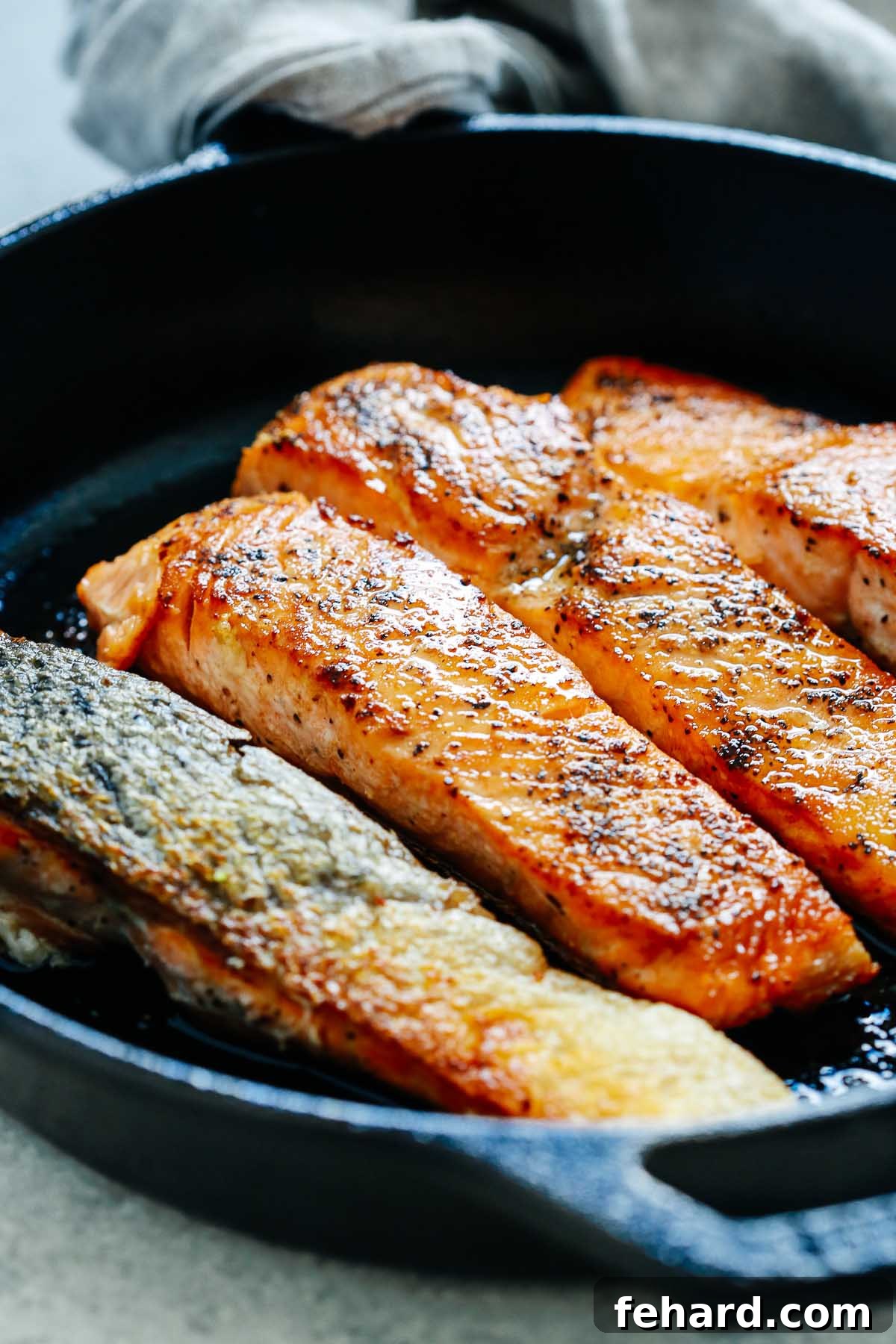
Welcome to the ultimate guide for preparing a perfectly Pan-Seared Salmon! This recipe is your ticket to a light, incredibly flavorful, and astonishingly quick weeknight dinner. Imagine creating a delicious, restaurant-quality meal in under 15 minutes, using just a handful of simple ingredients. This isn’t just any salmon recipe; it’s the best pan-seared salmon you’ll ever make, promising a crispy skin and tender, flaky flesh every single time. Get ready to elevate your home cooking with this easy-to-follow method that will quickly become a favorite in your culinary repertoire.
Salmon is a versatile and highly nutritious fish, making it a staple in healthy diets worldwide. It’s rich in Omega-3 fatty acids, which are crucial for heart and brain health, and packed with high-quality protein, essential vitamins, and minerals. If you’re looking to explore more delicious ways to enjoy this incredible protein, I highly recommend checking out these favorites: the versatile Easy Broiled Salmon Recipe, a guide on How to Cook Salmon in the Oven for a hands-off approach, the savory Simple Garlic Butter Salmon Recipe, and the refreshing Easy Chopped Salmon Salad. Each offers a unique way to savor salmon, but nothing quite compares to the immediate gratification and sheer deliciousness of a perfectly pan-seared fillet with its irresistible crispy skin.
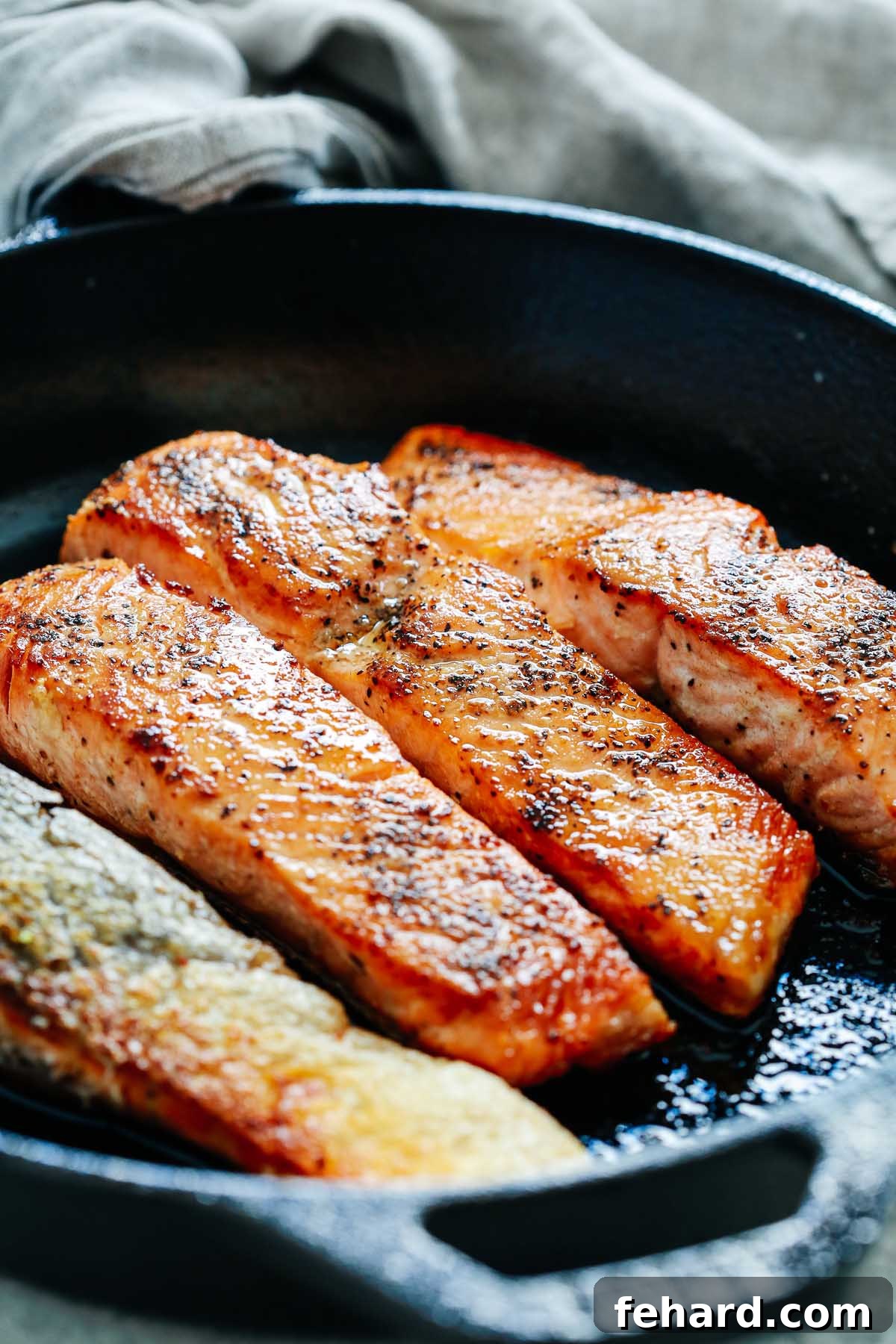
In the hustle and bustle of daily life, sometimes simple is truly better, especially when it comes to preparing dinner. Fish, particularly salmon, stands out as an exceptionally easy protein to cook, demanding only a few minutes on the stovetop. This makes pan-searing an ideal technique for busy weeknights when you crave something wholesome yet don’t have hours to spend in the kitchen. It delivers maximum flavor with minimal effort, transforming a basic ingredient into a gourmet experience.
Furthermore, this pan-seared salmon recipe is designed for ultimate convenience. You won’t need to make a special trip to the grocery store for exotic ingredients, as it utilizes basic pantry staples that you likely already have on hand. This ease of preparation, combined with its impressive flavor profile and health benefits, makes it a go-to recipe for both novice cooks and seasoned chefs alike. Let’s delve into creating a succulent salmon dish that is both healthy, effortlessly quick, and utterly delicious.
Essential Ingredients for Perfect Pan-Seared Salmon
Achieving a restaurant-quality pan-seared salmon relies on selecting fresh, high-quality ingredients and keeping the seasoning simple yet effective. Here’s a detailed look at what you’ll need to create this culinary masterpiece:
- Salmon Fillets: The undeniable star of our dish! Always opt for fresh salmon fillets, and critically, choose ones with the skin on. The skin is not merely an aesthetic component; it is absolutely key to achieving that desirable crispy texture, acting as a natural barrier that helps protect the delicate flesh from drying out and overcooking. When available, prioritize wild-caught salmon over farmed varieties. Wild salmon typically boasts fewer calories, a higher mineral content, and a more robust, cleaner flavor profile, attributed to its natural diet and active lifestyle. Look for fillets that are vibrant in color (ranging from deep orange to rich red), firm to the touch, and have a fresh, mild, oceanic scent, not a strong “fishy” odor. For optimal results and even cooking, aim for fillets that are relatively uniform in thickness, ideally around 1 to 1.5 inches thick.
- Butter or Olive Oil: The choice of cooking fat plays a crucial role in both flavor development and the quality of your sear. Unsalted butter provides a rich, deeply nutty flavor and contributes to a beautiful golden-brown, caramelized crust on the salmon. Extra virgin olive oil, on the other hand, offers a slightly fruitier note and generally has a higher smoke point, which can be beneficial when searing at high temperatures. For an even more complex flavor and enhanced heat tolerance, many chefs prefer to use a combination of both butter and olive oil. Another excellent option, especially if you’re following Paleo or Whole30 diets, is ghee (clarified butter), which boasts an even higher smoke point than regular butter, making it ideal for high-heat cooking without burning.
- Salt and Freshly Ground Black Pepper: In cooking, sometimes less is truly more, and this holds true for pan-seared salmon. Basic seasonings are often all you need to allow the natural, exquisite flavors of the salmon to shine through. Kosher salt provides a clean, briny flavor and helps draw out moisture for a better sear, while freshly ground black pepper adds a subtle, aromatic heat. Due to the high heat required for a proper sear, delicate fresh herbs (like dill or parsley) tend to burn quickly and develop a bitter taste. If you wish to incorporate other aromatic flavors, consider a pinch of garlic powder, onion powder, or a dash of sweet paprika. These powdered spices are less prone to burning and can add a lovely depth of flavor without overwhelming the salmon.
- Fresh Lemon Juice (Optional, but highly recommended): A final squeeze of fresh lemon juice just before serving is a game-changer. Its bright acidity cuts through the richness of the salmon and the butter/oil, adding a burst of freshness that truly elevates the entire dish. It’s a simple finishing touch that makes a significant impact on the overall flavor balance and can awaken the palate. Always keep a fresh lemon on hand for this simple yet powerful addition.
Mastering the Art of Pan-Seared Salmon: A Step-by-Step Guide
Achieving that perfect golden-brown, ultra-crispy skin and a moist, flaky interior on your salmon is a culinary triumph that’s surprisingly easy to achieve at home. Follow these precise steps for a truly exceptional result that rivals any high-end restaurant dish:
Step 1: Prepare Your Salmon for the Perfect Sear
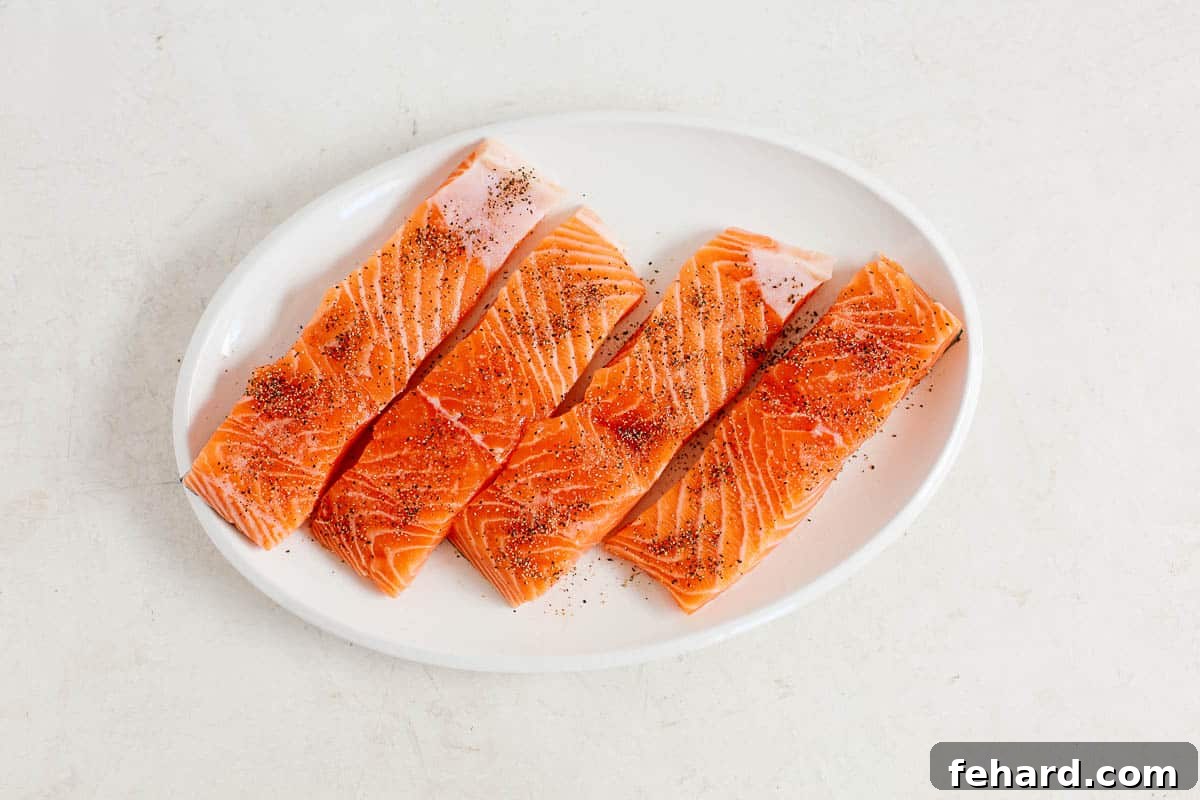
- Pat the Salmon Dry: This is arguably the most critical step for achieving that coveted crispy skin. Using paper towels, thoroughly pat both sides of each salmon fillet dry. Pay particular attention to the skin side. Any residual moisture on the surface will create steam when it hits the hot pan, effectively “steaming” the fish rather than searing it. This steaming action will prevent the formation of that desirable golden-brown, shatteringly crisp crust. Furthermore, a dry surface ensures that your seasonings adhere better and create a more uniform flavor profile.
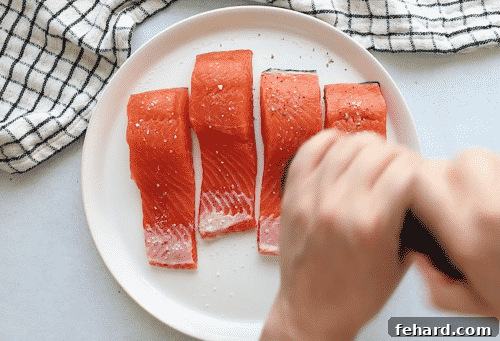
- Season Generously: Once the fillets are thoroughly dry, season both sides generously with kosher salt and freshly ground black pepper. Don’t be shy with the seasoning; it will form a delicious, flavorful crust. As mentioned earlier, while you can add a pinch of paprika or garlic powder for extra depth, keep it relatively simple for a classic pan-seared flavor. For optimal results and more even cooking, allow the seasoned salmon to rest at room temperature for about 10-15 minutes before cooking. This resting period helps relax the muscle fibers and promotes a more tender outcome.
Step 2: Cook to Perfection and Serve
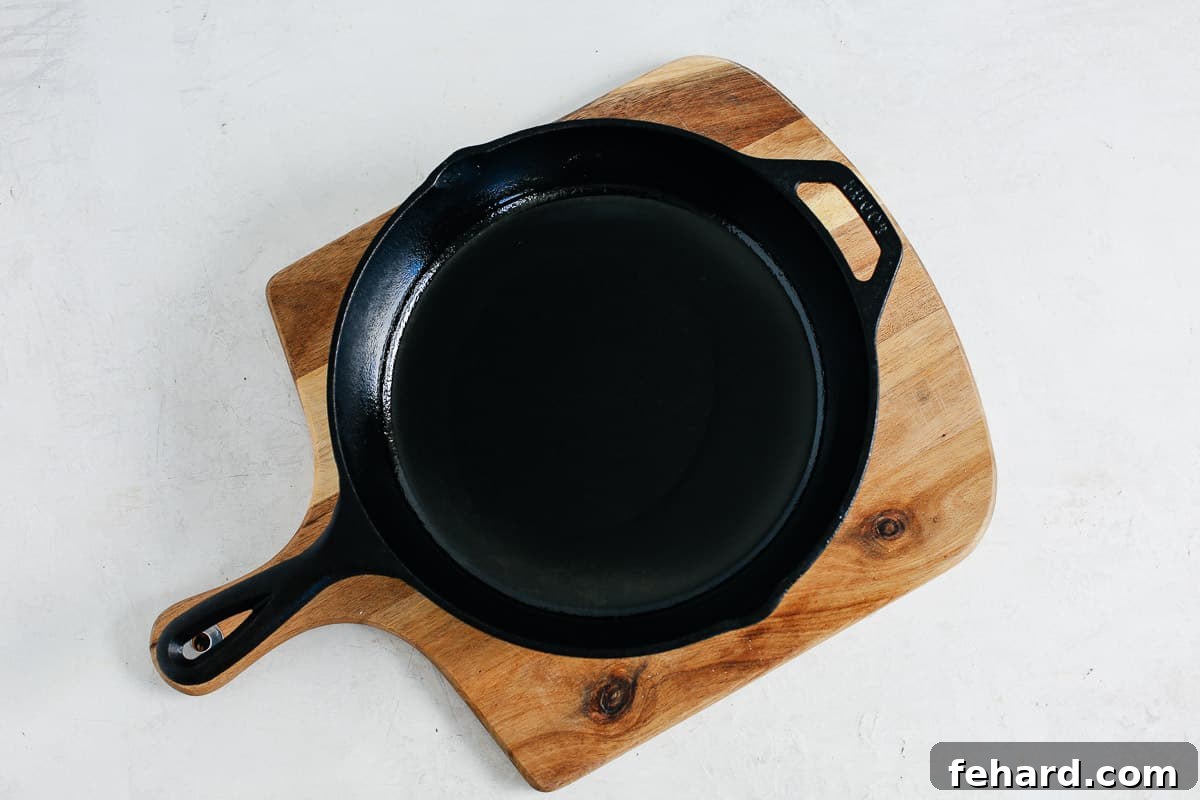
- Preheat Your Pan Properly: Place a dry, heavy-bottomed skillet – a cast iron skillet is highly recommended for its exceptional heat retention and even cooking capabilities – over medium-high heat. Allow the pan to heat thoroughly for 2-3 minutes. A properly hot pan is absolutely crucial for achieving a quick, even sear and, importantly, prevents the fish from sticking to the surface. You’ll know it’s hot enough when you see a faint wisp of smoke, or if you flick a tiny drop of water onto the surface, it should sizzle instantly and evaporate.
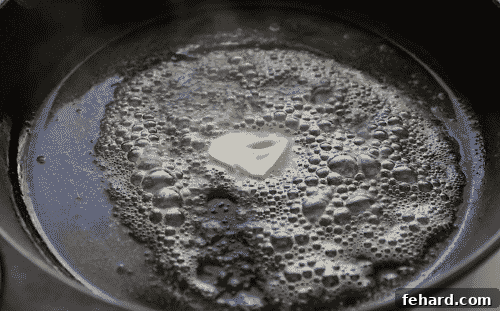
- Add Cooking Fat: Once the pan is perfectly heated, add your butter, olive oil, or combination thereof. If using butter, add it after the pan is hot to prevent it from burning immediately. Swirl the pan gently to coat the bottom evenly with the melted fat. The fat should shimmer enticingly but should not smoke excessively; if it does, slightly reduce the heat.
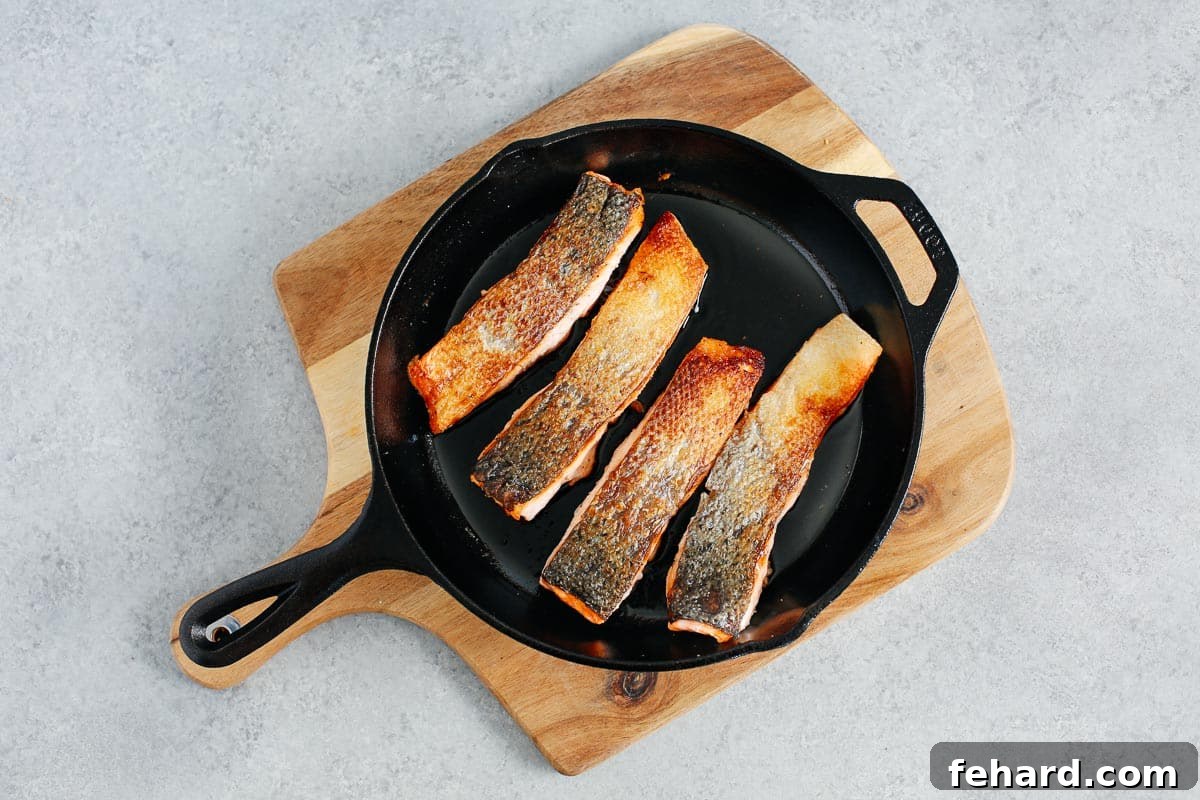
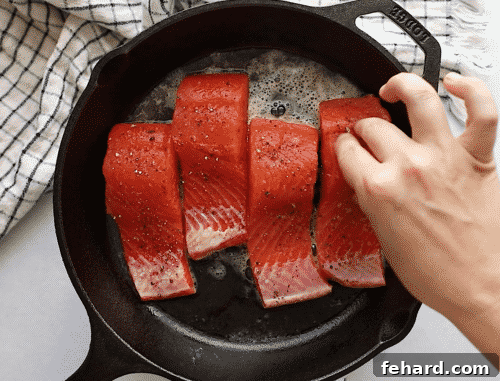
- Sear Skin-Side Down: Carefully place the salmon fillets into the hot pan, skin side down. Ensure there’s ample space between each fillet to avoid overcrowding; overcrowding can lower the pan temperature and hinder the crisping process. Cook the salmon undisturbed for the majority of the cooking time – typically 5-7 minutes, depending on the thickness of your specific fillets. Resist the urge to move the fish during this stage; this dedicated time allows the skin to get wonderfully crispy and develop that desirable golden-brown crust. You’ll observe the flesh changing color, gradually becoming opaque from the bottom up, indicating it’s cooking through.
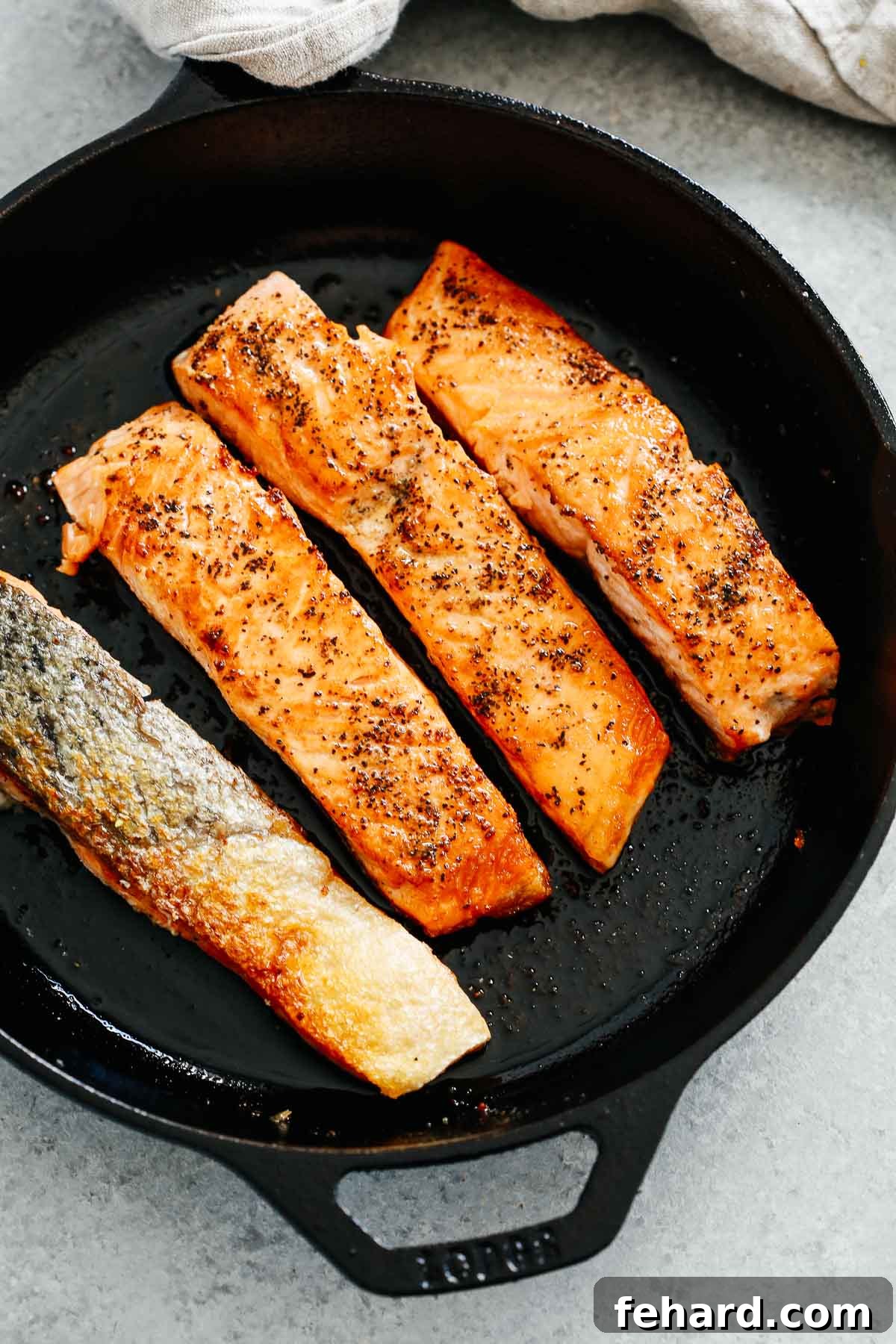
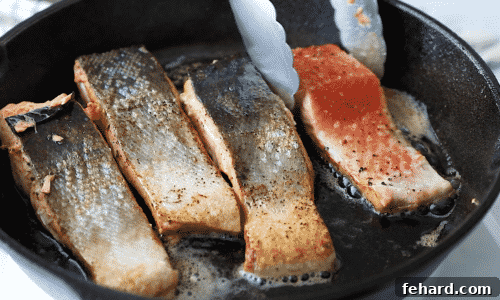
- Flip and Finish Cooking: When the salmon appears opaque about two-thirds of the way up the sides, it’s the perfect moment to flip. Use a thin, sturdy spatula to gently turn each fillet over to the flesh side. Cook for another 2-3 minutes, or until the salmon reaches your desired level of doneness. The internal temperature should ideally register 140-145°F (60-63°C) for medium-rare to medium, or until it flakes easily with a fork.
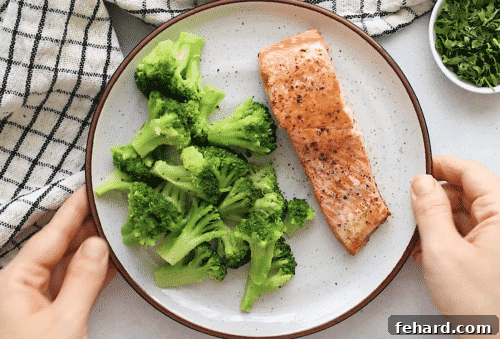
- Rest and Serve Immediately: As soon as the salmon is cooked to your liking, immediately transfer the pan-seared fillets to a serving platter or individual plates. Crucially, ensure the crispy skin side is facing up. This prevents the beautifully rendered skin from becoming soggy on the plate while it rests. Allowing the salmon to rest for 2-3 minutes is a vital step that helps the internal juices redistribute throughout the fillet, resulting in a more tender, succulent, and flavorful bite. Drizzle with fresh lemon juice if desired, and serve immediately with your favorite complementing side dishes. You’ll be rewarded with a salmon that is perfectly crispy on the outside and moist and tender within.
Achieving Perfect Doneness: How Long to Pan Sear Salmon
The precise cooking time for pan-seared salmon can vary considerably based on several factors, including the thickness of your fillets, the exact heat of your pan, and your personal preference for doneness. However, mastering the art of knowing when your salmon is perfectly cooked is crucial to avoid dry, overcooked fish. Here are reliable indicators to help you achieve the ideal texture and flavor:
- The Flake Test: This classic culinary method is incredibly effective and a go-to for many home cooks. To perform the flake test, insert a fork at an angle just below the surface into the thickest part of the fish and gently twist. If the salmon is cooked through to perfection, its delicate layers should easily separate or “flake” from each other without resistance. If the flesh resists or appears rubbery, it simply needs a little more time to cook.
- Visual Opacity: Raw salmon typically has a translucent, somewhat glassy, or almost jelly-like appearance. As it cooks, the meat undergoes a transformation, gradually turning opaque and becoming less see-through. When checking for doneness, aim for a consistently opaque color throughout the fillet, but it should still retain a slight glistening quality. Be wary of salmon that looks completely dull or dry, as this is a strong indicator of overcooking. A perfectly cooked piece will be firm yet tender.
- Internal Temperature: For the most accurate and foolproof measure of doneness, particularly if you’re aiming for a specific texture, use an instant-read meat thermometer. Insert the thermometer horizontally into the thickest part of the salmon fillet, ensuring it doesn’t touch the pan. Fish should generally be cooked to an internal temperature of 140-145°F (60-63°C). It’s important to remember that the temperature will continue to rise slightly after you remove the fish from the pan due to residual heat (this is known as carryover cooking). Therefore, pulling the salmon off the heat at the lower end of this range, around 135-140°F, is often ideal for achieving a medium-rare to medium result. Anything significantly higher than 145°F will almost certainly result in dry, stringy, and unappetizing salmon.
Pro Tip: Consider Brining Your Salmon for Optimal Texture
While this step is entirely optional, especially if you’re truly short on time, brining salmon fillets can significantly enhance their texture, moisture retention, and overall appeal. A simple brine solution helps the salmon cook up crispier on the outside, incredibly moist and tender on the inside, and also dramatically minimizes the white albumin (the harmless protein that can sometimes leach out and coagulate on the surface of the salmon during cooking) from forming. To prepare a basic brine, dissolve 1 tablespoon of kosher salt per cup of water. Submerge the salmon fillets in this brine for about 10-20 minutes, then remove them, rinse them thoroughly under cold running water to wash off excess salt, and pat them completely dry before proceeding with seasoning and cooking. This small extra step can make a noticeable and worthwhile difference in the final quality of your pan-seared salmon, yielding a visibly more attractive and succulent fillet.
Storing and Reheating Pan-Seared Salmon Leftovers
Should you be fortunate enough to have any delicious pan-seared salmon leftovers, proper storage and reheating techniques are essential to ensure they remain as enjoyable and flavorful as possible.
- Storage: Allow any cooked salmon to cool completely to room temperature before storing. This prevents condensation from forming and creating a soggy texture. Once cooled, transfer the leftovers to an airtight container. This container should then be stored in the refrigerator for up to 3-4 days. Proper airtight storage not only maintains freshness but also prevents any odors from permeating other foods in your fridge.
- Reheating: When it comes to reheating salmon, the key is gentleness to avoid drying it out and making it tough. You can gently warm it on a plate in the microwave using a lower power setting, checking frequently (in 30-second increments) to prevent overcooking. For optimal results that preserve the texture and flavor, reheat on the stovetop. Place the salmon in a lightly oiled pan over low to medium-low heat, covering the pan to trap moisture, and warm until just heated through. Adding a tiny bit of butter, a splash of water, or a tablespoon of broth to the pan during reheating can help restore moisture and prevent the salmon from becoming dry. Avoid high heat, as this will inevitably make the salmon tough and unpleasant.
- Freezing: For longer-term storage, cooked pan-seared salmon can be frozen. Once completely cooled, wrap individual fillets tightly in plastic wrap, then place them in a freezer-safe bag or an airtight container. This double-layer protection helps prevent freezer burn. Frozen salmon can be safely stored for up to 2-3 months. To use, thaw the salmon overnight in the refrigerator before reheating gently using the methods described above.
Perfect Pairings: What Sides Go Well with Pan-Seared Salmon?
Pan-seared salmon is incredibly versatile and pairs beautifully with a wide array of side dishes, allowing you to create a complete and balanced meal. The richness of the fish is wonderfully complemented by fresh, vibrant, or subtly creamy accompaniments. Here are some fantastic options to complete your meal, offering a delightful balance in flavor and texture:
- Roasted Vegetables: A colorful medley of seasonal roasted vegetables like tender broccoli florets, vibrant bell peppers, earthy zucchini, sweet carrots, or crunchy green beans adds essential nutrients, a delightful caramelized sweetness, and a pleasant textural contrast. Simply toss them with olive oil, salt, and pepper and roast until tender-crisp.
- Creamy Mashed Cauliflower: For a lighter, low-carb yet incredibly satisfying alternative to traditional mashed potatoes, creamy mashed cauliflower is a fantastic complement. Its subtle flavor and smooth texture won’t overpower the delicate taste of the salmon.
- Fresh Green Salad: A simple, crisp tossed salad is always a refreshing choice. Consider a vibrant spinach salad featuring juicy cherry tomatoes, thinly sliced red onions, briny olives, a few capers for piquancy, a generous sprinkle of chopped fresh parsley, and a scattering of crumbled feta cheese. A light vinaigrette dressing ties all the flavors together beautifully.
- Fluffy Rice or Quinoa: A bed of perfectly cooked brown rice, white rice, or fluffy quinoa provides a satisfying and healthy base for your salmon. These grains readily absorb the delicious juices from the fish and any sauce, creating a harmonious bite.
- Pasta or Zucchini Noodles: For a heartier meal, serve your salmon alongside a light pasta dish tossed with a simple lemon-garlic butter sauce or a pesto. Alternatively, for a low-carb and gluten-free option, spiralized zucchini noodles make an excellent choice, offering a fresh, tender texture.
- Roasted Asparagus: Asparagus spears, simply roasted with a drizzle of olive oil, a pinch of salt, and a crack of pepper, are a classic and elegant pairing with salmon. They offer a subtle bitterness and a tender-crisp texture that complements the fish beautifully.
- Roasted Potatoes: Crispy roasted potatoes, seasoned with herbs and garlic, are always a comforting crowd-pleaser and offer a substantial, delicious side that pairs well with the richness of salmon.
- Avocado Tomato Salad: A fresh, vibrant salad featuring creamy avocado chunks and ripe, juicy tomatoes can add a wonderful creamy texture and bright, fresh element to your meal, enhancing the overall dining experience.
Creative Ways to Enjoy Leftover Pan-Seared Salmon
One of the best things about pan-seared salmon is its incredible versatility, which extends even to leftovers. If you happen to have some extra fillets and want to transform them into entirely new and exciting meals, here are some delicious and creative ideas to prevent food waste and keep your taste buds happy:
- Salmon Tacos: Flake the leftover salmon using a fork and use it as a fantastic, flavorful filling for soft or hard-shell tacos. Enhance with your favorite taco toppings like shredded cabbage, a creamy lime-cilantro sauce, fresh pico de gallo, and a squeeze of extra lime juice.
- Salmon Pasta or Pasta Salad: Roughly chop the cooked salmon and toss it into a warm pasta dish. It pairs wonderfully with olive oil, minced garlic, cherry tomatoes, and fresh spinach. Alternatively, incorporate it into a cold pasta salad with a light lemon-herb dressing for a refreshing and protein-packed lunch.
- Flavorful Salmon Salad: Break the salmon into delicate flakes and mix it into a vibrant leafy green salad for a quick and healthy meal. Or, take it a step further and incorporate it into a Mediterranean-inspired Greek salad with crisp cucumbers, ripe tomatoes, Kalamata olives, and crumbled feta cheese.
- Salmon Fried Rice: For a quick and satisfying weeknight dinner, flake the leftover salmon and toss it into your favorite homemade fried rice recipe. It adds an extra layer of lean protein and rich flavor that elevates the entire dish.
- Efficient Salmon Meal Prep: Pan-seared salmon is an excellent candidate for meal prepping your lunches for the week, as it stays fresh and delicious in the refrigerator for up to 4 days. Pair it with a portion of roasted vegetables and a side of quinoa or brown rice for a complete, balanced, and ready-to-eat meal.
- Homemade Salmon Patties (or Salmon Burgers): Transform leftover salmon into savory and easy-to-make patties. Flake the salmon, mix it with a binder like breadcrumbs or almond flour, an egg, fresh herbs, and your favorite spices, then pan-fry or bake them until golden. You can even try making these delicious low-carb salmon burgers with a creamy avocado coleslaw – absolutely yummy!
- Salmon Sandwich or Wrap: Combine flaked salmon with a little mayonnaise, fresh dill, and finely chopped celery for a quick and delicious salmon salad sandwich filling. Alternatively, wrap it in a whole-wheat tortilla with fresh mixed greens and a light dressing for a healthy and portable lunch.
Print Recipe
Pan Seared Salmon Recipe
Rated 3.33 from 94 votes
Olivia Ribas
4 people
5 minutes
7 minutes
12 minutes
Recipe Video
Recipe video content not available in this static version. Please refer to the original source for video instructions.
Ingredients
- 4 salmon fillets with skin, about 6 ounces each
- Salt and freshly ground black pepper
- 2 tbsp butter or olive oil (use ghee for Paleo and Whole30)
- Fresh lemon wedges (for serving, optional)
Instructions
-
Heat your cast iron skillet over medium-high heat until hot. Pat salmon dry thoroughly with paper towels and season both sides generously with salt and pepper.

-
Once the skillet is very hot (just before smoking), add in the butter or olive oil. Let butter melt for about 30 seconds, swirling to coat the pan.
-
Carefully place the salmon fillets into the hot pan, skin side down. Cook without moving the salmon for approximately 5-7 minutes, depending on the thickness of your fillets, until the skin is golden brown and crispy, and the flesh appears opaque about two-thirds of the way up the sides.
-
Flip the salmon and cook for another 2-3 minutes on the flesh side, or until the internal temperature reaches 140-145°F (60-63°C).
-
Remove the salmon from the pan and transfer to a serving platter, skin side up, allowing it to rest for a couple of minutes before serving. Enjoy your perfectly pan-seared salmon!
Recipe Notes & Tips
- For Extra Crispy Skin: Always pat the salmon thoroughly dry before seasoning and cooking. Moisture is the enemy of crispiness!
- Choose Wisely: Whenever possible, opt for wild-caught salmon, which is often considered healthier due to its lower calorie count and higher mineral content compared to farmed varieties.
- Don’t Remove the Skin: The skin becomes wonderfully crispy and adds incredible flavor and texture. Keep it on for the best pan-seared experience.
- Storage: Store any leftover cooked salmon in an airtight container in the refrigerator for up to 4 days.
- Reheating: Gently reheat salmon on the stovetop over low heat or in the microwave on a low setting to prevent it from drying out. A splash of water or broth can help maintain moisture.
- Freezing: If you need to freeze cooked salmon, allow it to cool completely, then wrap it tightly and place it in a freezer-safe bag for up to 4 months. Thaw in the refrigerator before reheating.
Nutrition Information (Approximate Per Serving)
Serving: 1/4
,
Calories: 253kcal
,
Protein: 26g
,
Fat: 16g
,
Cholesterol: 79mg
,
Sodium: 199mg
,
Potassium: 2mg
Nutrition information is automatically calculated, so should only be used as an approximation.
Did You Make This Pan-Seared Salmon Recipe?
We’d love to see your delicious creation! Follow @primaverakitchen on Instagram, snap a photo, and tag it #primaverakitchen. Share your culinary success with us!