
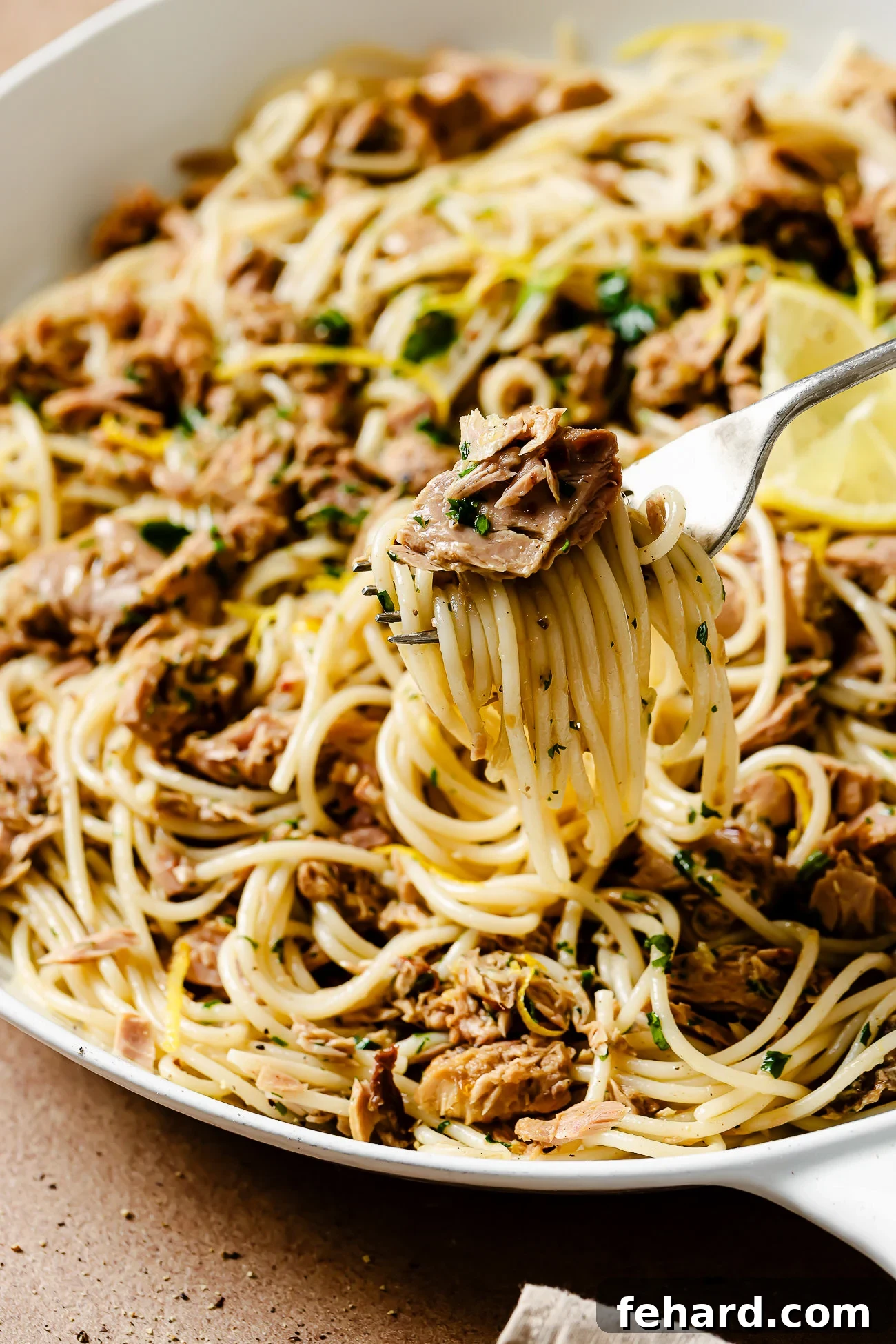
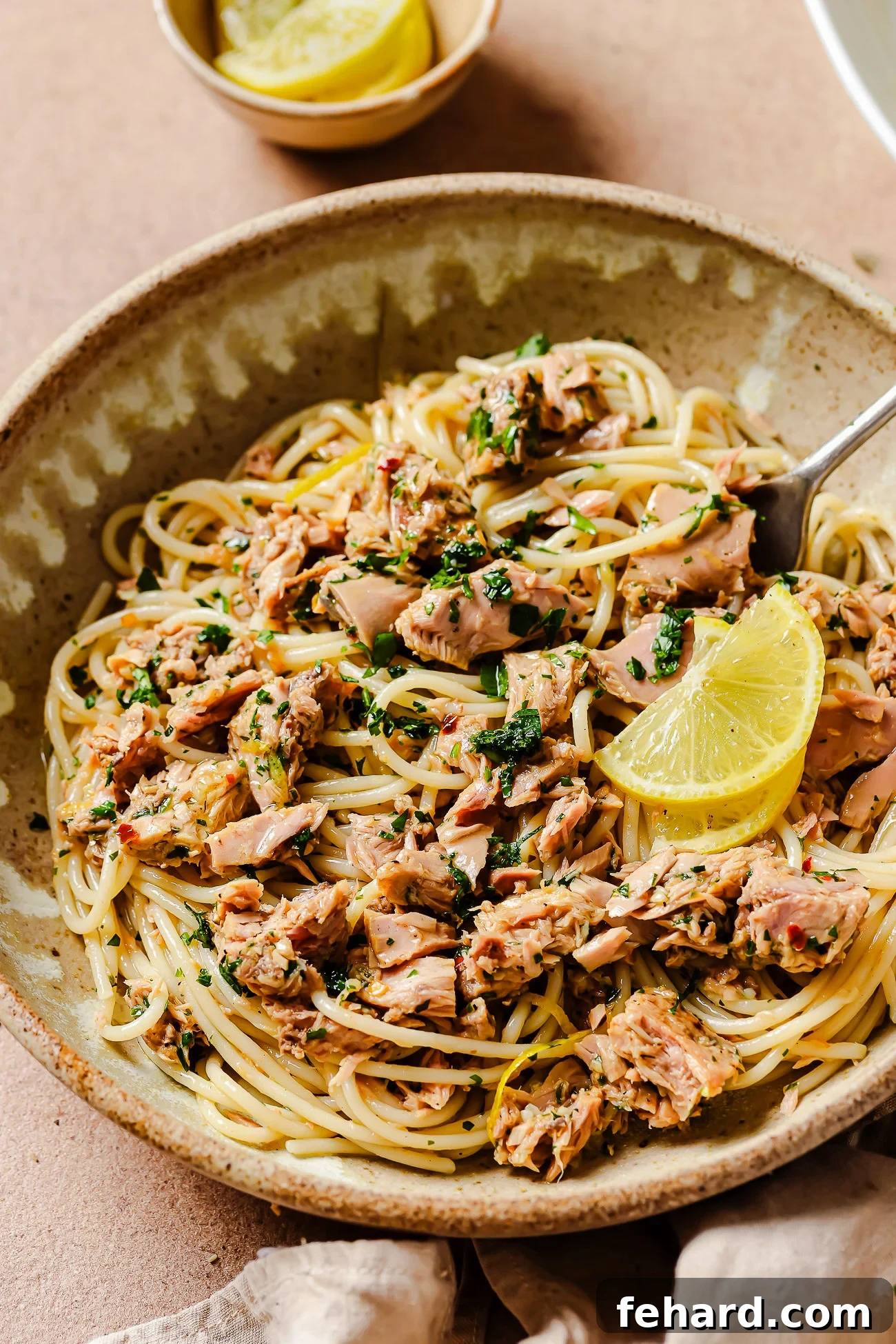
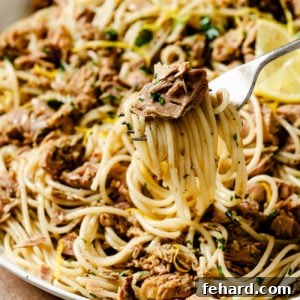
When life throws its busiest days your way, the last thing you want is a complicated dinner recipe. This incredibly easy and satisfying Tuna Pasta Recipe is my ultimate go-to solution, a dish I’ve personally perfected over dozens of weeknights, consistently delivering a deeply comforting meal in under 20 minutes. It’s a testament to how simple pantry staples can transform into something truly extraordinary. Imagine tender, flaky tuna perfectly complemented by the pungent warmth of fresh garlic, the rich, fruity notes of quality olive oil, and the vibrant, zesty brightness of lemon. This combination elevates humble pasta into an experience far more sophisticated than you’d ever expect from a quick meal. It’s the ideal culinary paradox: light enough to feel fresh, yet robust enough to be truly filling, offering profound comfort without any heaviness. Every single time, it hits that perfect spot, leaving you utterly content and surprisingly impressed.
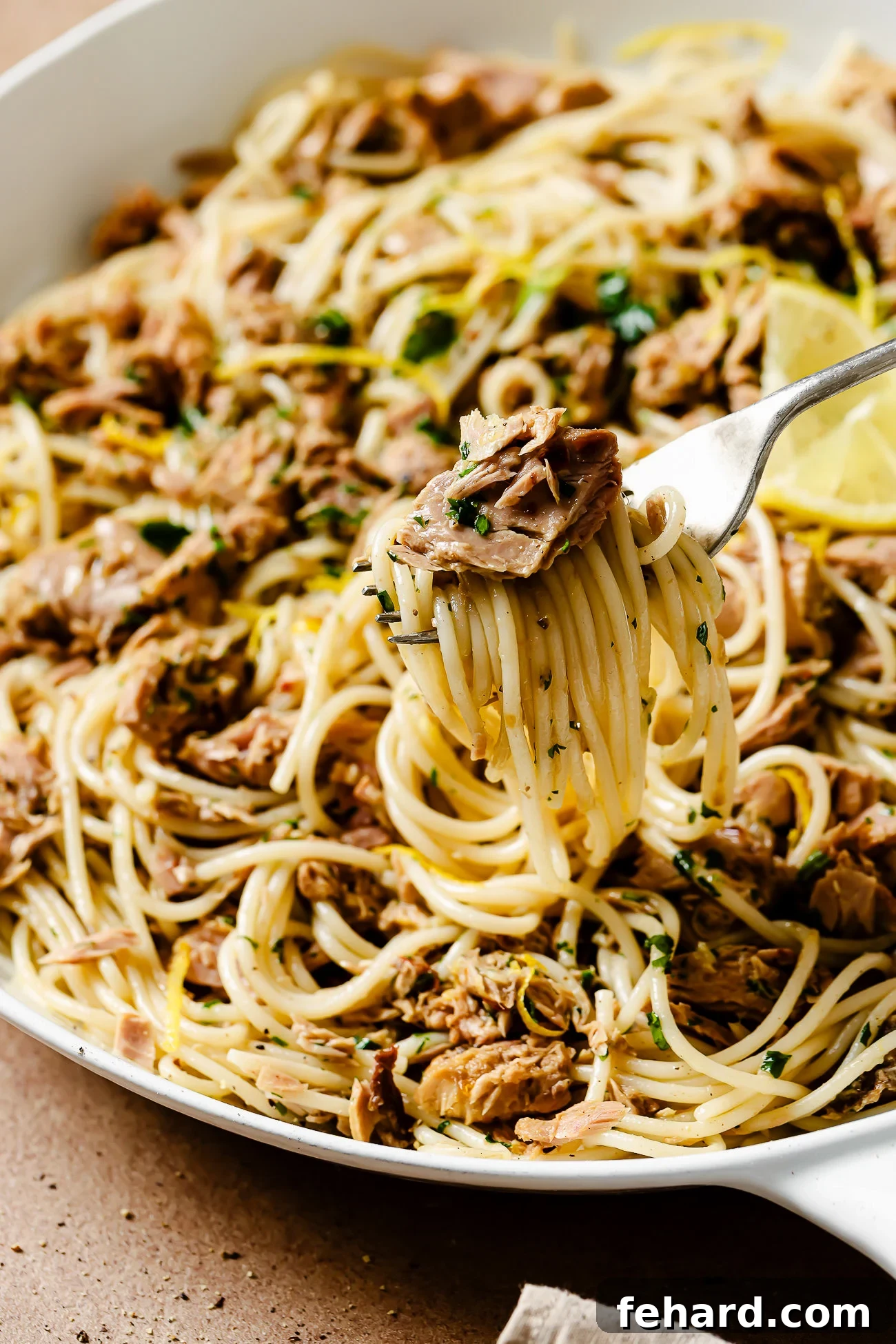
Olivia’s Culinary Journey: Discovering the Magic of Tuna Pasta
This tuna pasta recipe holds a very special place in my heart, born during a season when my husband’s work travels became quite frequent, leaving me to cook often just for myself. And if I’m being completely honest, I sometimes found cooking for one to be a little uninspiring. On those particular evenings, my dinner choices would occasionally devolve into a surprisingly acceptable bowl of oatmeal (yes, for dinner! 🙈) or, in moments of desperation, an “emergency-only” frozen meal I’d sworn I’d never buy.
One night, yearning for something more substantial than my oatmeal fallback but equally effortless, I decided to give this tuna pasta a try. The idea of a warm, flavorful meal that required minimal fuss was incredibly appealing. I even took the extra step of doubling the recipe, envisioning delightful leftovers for lunch the next day – a decision future-me was very, very grateful for.
And wow, did this dish surprise me! It truly is almost as simple as making a bowl of oatmeal, yet it comes together in about 20 minutes or even less, tasting exponentially better than it has any right to with such simple ingredients. The real magic, I discovered, lies not in complexity, but in the intelligent selection of a few key components: exceptional quality canned tuna, a truly good extra-virgin olive oil, and that critical, final squeeze of fresh lemon. These elements work in perfect harmony, making every bite pop with bright, clean, and satisfying flavors.
To truly complete this delightful meal, I highly recommend serving it alongside some crusty garlic bread – perfect for soaking up every last drop of the luscious sauce. And for a refreshing contrast, a simple green salad is an absolute must. My personal favorite accompaniment is a crisp arugula salad; its peppery notes beautifully complement the richness of the pasta, creating a perfectly balanced plate.
Why This Tuna Pasta Recipe is a Weeknight Winner
In a world of complex recipes and endless culinary trends, this tuna pasta stands as a beacon of delicious simplicity. It’s more than just a quick meal; it’s a smart solution for modern life, leveraging common pantry ingredients to deliver a dish that feels both wholesome and wonderfully indulgent. Here’s why it consistently earns rave reviews and a permanent, cherished spot in my dinner rotation:
- Unbeatable Speed and Efficiency: From the moment you start to the first forkful, you’re looking at less than 20-25 minutes. This makes it an absolute lifesaver for those evenings when time is scarce, but your craving for a home-cooked, flavorful meal is strong.
- Pantry Powerhouse: The beauty of this recipe lies in its reliance on staples you likely already have on hand. Canned tuna, pasta, olive oil, garlic, and a fresh lemon are common kitchen heroes, eliminating the need for last-minute grocery dashes.
- Flavor That Truly Surprises: Despite its straightforward nature, the harmonious combination of quality tuna, aromatic garlic, rich extra-virgin olive oil, and bright fresh lemon creates a depth of flavor that genuinely delights the palate. It’s a powerful testament to how simple, high-quality ingredients, treated with care, can produce truly extraordinary culinary results.
- Comfort Without Heaviness: This dish provides deep comfort and immense satisfaction without leaving you feeling weighed down or overly full. It strikes a perfect balance, being both light and robust, making it suitable for any season and any mood.
- Versatile & Infinitely Adaptable: While the core recipe is utterly perfect as is, it also serves as a fantastic canvas for your culinary creativity. Feel free to stir in capers, halved cherry tomatoes, fresh spinach, a sprinkle of your favorite herbs, or even some olives to make it uniquely yours.
Mastering the Flavors: Key Ingredients and My Tested Insights
The remarkable simplicity of this tuna pasta means that each ingredient plays a starring role, contributing significantly to the dish’s overall character and flavor. Through countless cooking sessions, I’ve gained invaluable insights into what makes each component truly shine. Here’s a detailed exploration of the essential ingredients and my top recommendations for selecting and preparing them:
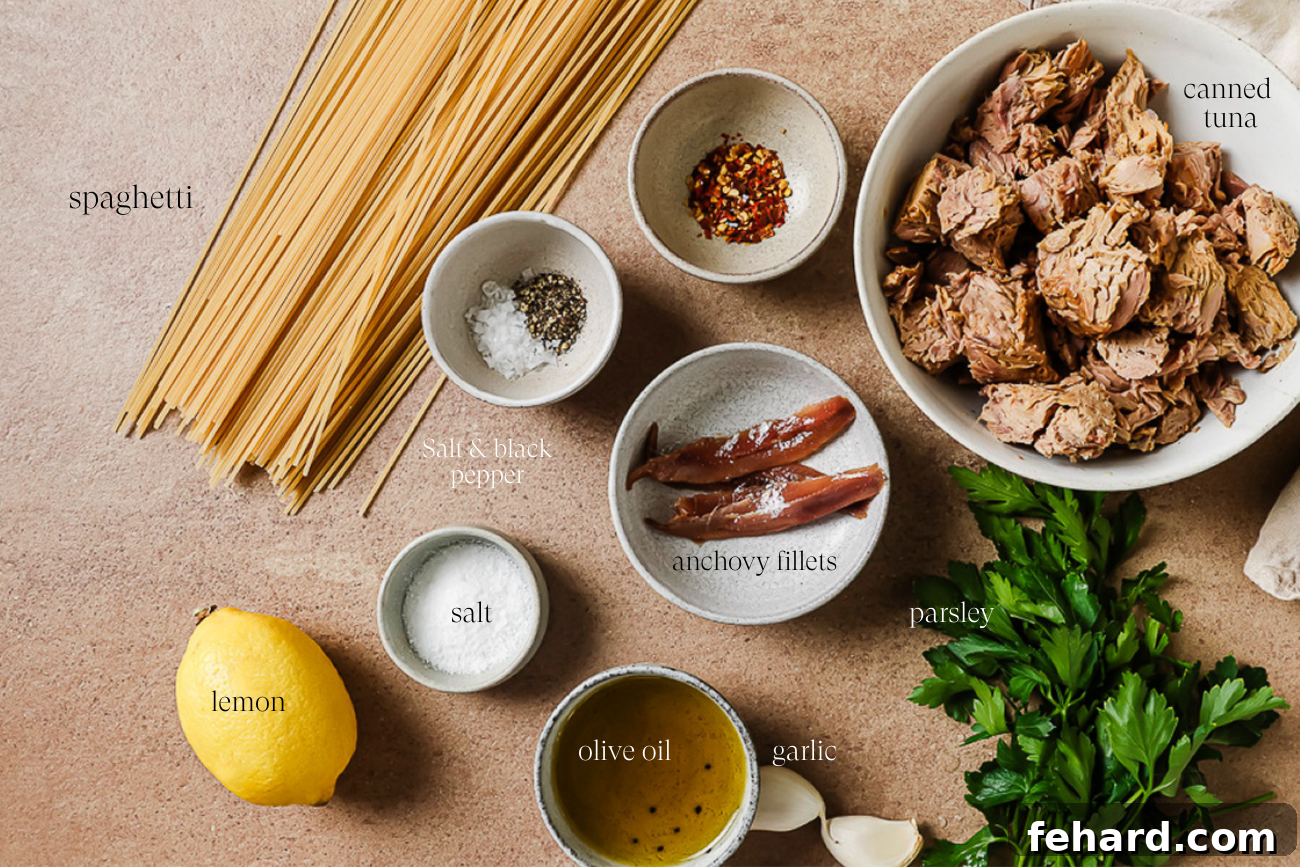
The Star: Canned Tuna
Your choice of tuna forms the very foundation of this dish, profoundly influencing its flavor and texture. This is not the place to skimp on quality.
- Tuna in Olive Oil: Without a shadow of a doubt, tuna packed in high-quality olive oil delivers a superior flavor profile and a richer, more luxurious finish. The oil itself becomes infused with the tuna’s essence, providing an incredible, savory base for your sauce. Look for sustainably sourced, light or albacore tuna, often found in glass jars or gourmet cans, for the best possible taste and environmental consciousness.
- Tuna in Water: If you opt for tuna packed in water, it’s certainly workable, but be prepared to actively compensate for the absence of inherent richness. After draining the water thoroughly, I strongly recommend adding an extra generous drizzle of good quality extra-virgin olive oil at the end of the cooking process. This crucial step will prevent the pasta from tasting dry and will significantly elevate the overall flavor profile.
The Canvas: Pasta
The shape of your pasta is more than just aesthetic; it impacts how well the sauce clings and the overall mouthfeel of each delightful bite.
- Spaghetti (My Ultimate Favorite): I’ve rigorously tested this recipe with spaghetti, penne, and rotini, and spaghetti consistently emerges as my top choice. Its long, slender strands offer an inherently lighter mouthfeel and beautifully coat each piece with the flavorful tuna and garlic-infused sauce. It’s an elegant yet incredibly hearty choice.
- Short Pasta (Penne/Rotini): Shorter pasta shapes such as penne or rotini are also excellent and highly effective alternatives. Their distinct nooks, crannies, or tubular structures are fantastic at capturing and holding onto the flaky tuna, finely minced garlic, and delicate chili flakes, ensuring that every single forkful is bursting with concentrated flavor. Ultimately, choose what you have conveniently on hand or what you personally prefer!
The Liquid Gold: Olive Oil
In this particular recipe, olive oil transcends its usual role as a mere cooking medium; it is a fundamental, flavor-contributing ingredient in its own right.
- Extra-Virgin Olive Oil (EVOO): This is unequivocally one of those dishes where investing in a good quality extra-virgin olive oil truly yields remarkable dividends. Its complex fruity, peppery, and sometimes herbaceous notes don’t just facilitate the cooking of the garlic; they actively infuse and enrich the entire dish. This imparts a sophisticated depth and nuanced complexity that makes the pasta taste distinctly “restaurant-quality,” despite being crafted from humble pantry ingredients. My experiments with lesser amounts or lower-quality oils have consistently shown a stark difference – the dish tastes flat, one-dimensional, and noticeably lacks that signature richness and vibrant character.
The Aromatic Foundation: Fresh Garlic
Garlic provides the indispensable aromatic backbone to countless beloved pasta dishes, and this recipe is certainly no exception. It’s crucial for building a robust flavor base.
- Fresh is Absolutely Essential: For me, fresh garlic is an absolute non-negotiable component in this dish. Its pungent, subtly sweet, and wonderfully complex aroma is simply impossible to replicate with any powdered substitute. While I have resorted to garlic powder in an extreme pinch (and it’s merely acceptable), it is fresh garlic that infuses this pasta with its authentic, vibrant, and truly homemade flavor, making it taste like you genuinely put effort and care into its creation. Taking the time to mince it finely ensures its flavors are evenly distributed throughout the dish.
The Brightener: Lemon
The transformative power of fresh lemon in this recipe cannot be overstated; it truly is the secret weapon that elevates the dish from merely good to absolutely outstanding.
- Fresh Squeeze for Instant Pop: I’ve prepared this pasta both with and without lemon, and that final, generous squeeze of fresh lemon juice at the very end is the critical element that makes everything truly pop. It introduces a vital, lively acidity that brilliantly cuts through the richness of the tuna and olive oil, creating a beautifully balanced and harmonious flavor profile.
- Zest for Aromatic Brilliance: When I have it readily available, I absolutely adore incorporating a bit of finely grated lemon zest. The zest contains the concentrated essential oils of the lemon, imparting a delightful citrus aroma and a subtle brightness that enhances the dish without adding any extra liquid or making it taste “saucy.” It’s a nuanced yet powerful addition that speaks volumes.
The Savory Finish: Parmesan (or Pecorino)
A good, high-quality cheese acts as a perfect unifying agent, weaving all the distinct flavors together and imparting a wonderful salty, umami depth.
- Freshly Grated Parmesan: After experimenting with various cheeses, freshly grated Parmesan stands out as the ultimate companion for tuna. Its complex salty, nutty, and profoundly savory notes complement the tuna’s delicate flavor impeccably. Always prioritize freshly grated over any pre-shredded varieties for superior melt, texture, and an incomparable burst of flavor.
- Pecorino Romano: For those who yearn for an extra bold, sharp, and piquant flavor, a touch of Pecorino Romano offers a delicious and intriguing alternative. It is distinctly saltier and tangier than Parmesan, providing a more assertive and robust finish to the dish.
The Umami Boost: Anchovy Fillets (Optional but Highly Recommended)
Please do not let the mention of anchovies deter you! Their purpose here is not to make the dish taste “fishy,” but rather to impart an incredible, deep layer of umami that enriches the entire flavor profile.
- Subtle Flavor Enhancer: When finely minced and gently sautéed in hot olive oil, anchovy fillets magically melt away, leaving behind a profound savory base that enhances both the tuna and garlic without any discernible “fishy” taste. It’s a classic chef’s secret for adding complex, restaurant-quality depth to simple dishes.
The Subtle Kick: Chili Flakes (Optional)
For those who appreciate a whisper of warmth and a gentle, inviting heat, chili flakes are a truly wonderful and highly recommended addition.
- Gentle Heat and Spark: A modest pinch of red pepper chili flakes introduces a subtle, pleasant heat that beautifully complements the rich garlic and tuna without ever overwhelming the delicate balance of the dish. You can easily adjust the quantity to perfectly match your personal preference for spice, or simply omit them entirely if you prefer a milder profile.
The Fresh Herb: Parsley
Incorporating fresh herbs is absolutely essential for adding brightness, a burst of fresh flavor, and a welcome pop of vibrant color to any dish.
- Essential Freshness and Visual Appeal: Finely chopped fresh parsley contributes a wonderfully vibrant, herbaceous note that instantly lifts and brightens the entire dish. To preserve its delicate, fresh flavor and its brilliant green color, it is best to stir it in just at the very end of the cooking process, right before serving.
How To Make The Perfect Tuna Pasta: Step-by-Step Guide
Crafting this flavorful tuna pasta is an exceptionally straightforward process, meticulously designed for maximum efficiency without ever compromising on exquisite taste. Follow these simple, clear steps to create a flawless and deeply satisfying weeknight meal that will impress even the most discerning palates.
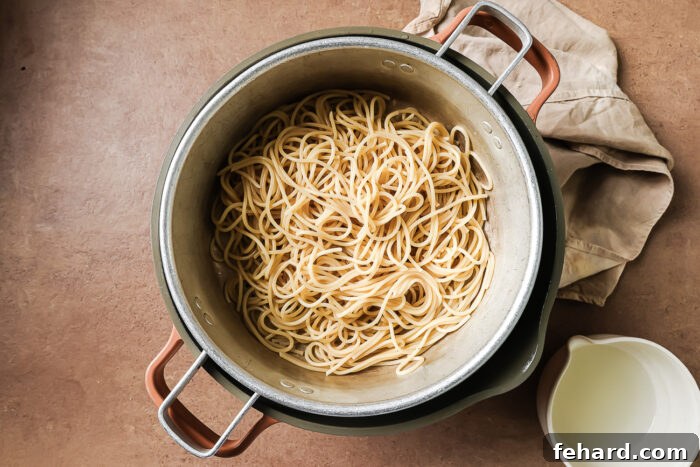
1. Cook the Pasta: Begin by bringing a large pot of generously salted water to a vigorous rolling boil. Add your chosen pasta (spaghetti is highly recommended for its elegant coating!), and cook it precisely according to the package directions until it reaches that perfect al dente stage – tender yet still possessing a slight, pleasant bite. Critically, before you drain the pasta, make sure to reserve about ½ cup of the starchy pasta cooking water. This “liquid gold” will be absolutely essential later for achieving a silky, emulsified sauce that beautifully clings to your pasta. Once cooked, thoroughly drain the pasta and set it aside in the pot.
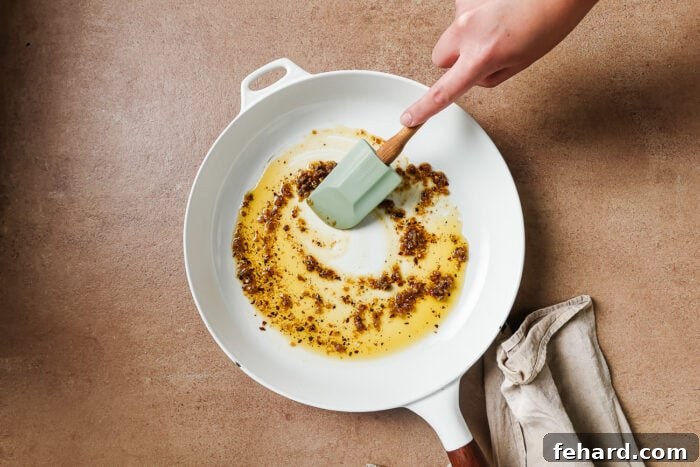
2. Prepare the Aromatic Base: While your pasta is cooking, heat 3 tablespoons of good quality extra-virgin olive oil in a large skillet or wide pan over a gentle medium-low heat. Add the finely minced garlic, along with the minced anchovy fillets (if you’re using them for that incredible umami boost), and the chili flakes (if you desire a subtle kick). Sauté this mixture very gently for 1-2 minutes, stirring frequently. The primary goal here is to soften the garlic and allow the anchovies to completely melt into the oil, infusing it with an incredible, savory depth, all without allowing the garlic to brown or burn. Maintaining a low heat is crucial to prevent bitterness.
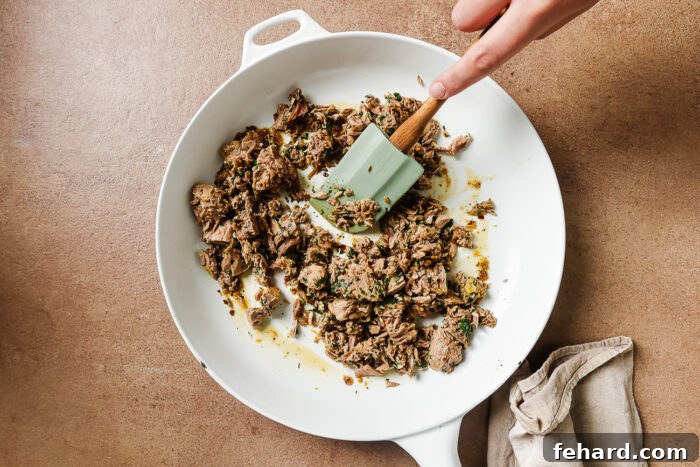
3. Introduce the Tuna & Flavorings: Now, add the thoroughly drained canned tuna to the skillet, joining the fragrant garlic and oil mixture. Gently break up the tuna with a spatula or a wooden spoon – aim to keep a few larger flakes intact, as they add wonderful textural interest to the pasta, so avoid over-stirring. Next, stir in the fresh lemon zest, the vibrant fresh lemon juice, and the finely chopped fresh parsley. Season this mixture generously with salt and freshly ground black pepper to taste. Continue to cook for just another 1-2 minutes, precisely long enough to warm the tuna through and allow all the magnificent flavors to meld together beautifully. Be mindful not to overcook the tuna, as it is already cooked and can become dry very quickly.
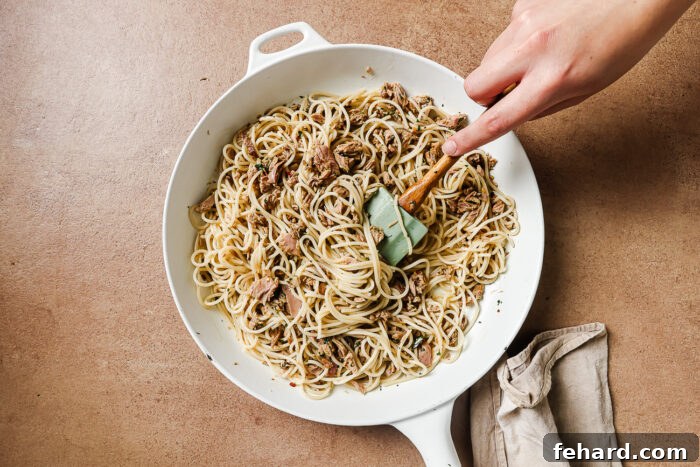
4. Combine & Serve: Finally, add the cooked and well-drained pasta directly into the skillet with your wonderfully fragrant tuna mixture. Using a pair of tongs, toss everything together meticulously and thoroughly, ensuring that every single strand of pasta is beautifully coated with the luscious sauce. If at this point the sauce appears a little too thick or dry, gradually add a splash or two of the reserved pasta cooking water. This starchy water is key to helping emulsify the sauce, making it cling perfectly to the pasta for a truly cohesive dish. Continue to toss until everything is thoroughly combined and heated through. Serve immediately, garnished with an extra sprinkle of fresh parsley, a little more lemon zest, or another drizzle of high-quality extra-virgin olive oil if desired. Enjoy your simple, cozy, and incredibly satisfying tuna pasta!
Expert Tips for the Best Tuna Pasta
Use Good-Quality Tuna (It Really Matters):
I cannot emphasize this enough – the quality of your canned tuna truly makes a profound and noticeable difference in the final outcome of this dish. Whenever possible, prioritize tuna packed in olive oil, as it inherently contributes significantly more flavor, richness, and moisture to the sauce. If you opt for tuna in water, ensure it is exceptionally well-drained, and crucially, compensate by adding an extra generous drizzle of high-quality extra-virgin olive oil at the very end of cooking. This essential step prevents the pasta from tasting dry and dramatically boosts the overall taste profile and luxurious texture.
Don’t Skip the Pasta Water:
Always, always reserve at least ½ cup of that precious, starchy pasta cooking water before draining your pasta. This liquid is a true chef’s secret weapon, acting as a natural emulsifier. Even a small splash added to your sauce at the end helps to perfectly bind everything together, creating a beautifully glossy, cohesive sauce that clings exquisitely to every single strand of pasta instead of simply pooling lifelessly at the bottom of your bowl. It is the absolute key to achieving a truly harmonious and irresistibly delicious dish.
Finish with Lemon, Not Before:
The precise timing of adding lemon is absolutely critical for maximizing its vibrant impact. While it might seem intuitive to add it earlier, through extensive testing, I’ve found that a fresh squeeze of lemon juice (and a generous sprinkle of zest, if you happen to have it) right at the very end, just moments before serving, consistently provides the most spectacular results. This allows its bright, crisp, and acidic notes to truly shine, brilliantly cutting through the inherent richness of the tuna and olive oil, and making the entire dish taste incredibly fresh, vibrant, and perfectly balanced, all without any risk of becoming bitter from prolonged cooking. It ensures the flavors remain clean, distinct, and lively.
Don’t Overcook the Garlic:
When you’re sautéing the minced garlic, it is imperative to keep the heat low and cook it gently until it becomes wonderfully fragrant and just slightly softened, typically within 1-2 minutes. The objective is to gently coax out its sweet, aromatic compounds, not to allow it to brown or become crispy, as this can unfortunately impart a bitter, unpleasant taste to your otherwise delicate and flavorful sauce. Patience during this initial step is paramount for creating a truly aromatic and delicious foundation for your pasta.
Season as You Go:
Developing a perfectly balanced flavor profile requires tasting your sauce at various stages of the cooking process. Keep in mind that canned tuna, anchovies (if used), and Parmesan cheese are all inherently salty ingredients, so it’s wise to start with a light hand when adding salt initially. Continuously taste and adjust the seasoning (salt and freshly ground black pepper) as you combine the ingredients. This meticulous approach guarantees a perfectly harmonious and well-seasoned dish without the risk of over-salting.
Serving Suggestions and Perfect Pairings
While this tuna pasta is undeniably delicious and satisfying on its own, it truly reaches its full potential when thoughtfully paired with complementary sides. Here are some delightful ideas to complete your meal and elevate your dining experience:
- Garlic Bread or Crusty Ciabatta: An absolute essential for soaking up every single drop of the delectable, garlicky, lemony sauce. A warm, fragrant slice of garlic bread or a piece of rustic ciabatta is the quintessential companion.
- Fresh Green Salad: A simple, crisp, and light salad offers a wonderfully refreshing contrast to the richness of the pasta. My personal favorite go-to is an invigorating arugula salad, dressed with a bright vinaigrette, as its peppery kick beautifully complements the savory notes of the pasta. Alternatively, a mixed greens salad with vibrant cherry tomatoes and crisp cucumber also works wonderfully.
- Roasted Vegetables: For those seeking a more substantial and nutritious side, consider serving roasted asparagus, tender broccoli florets, or subtly sweet zucchini. Their earthy flavors and appealing tender-crisp textures make a fantastic and wholesome addition to the meal.
- White Wine: A crisp, dry white wine like a bright Sauvignon Blanc, a refreshing Pinot Grigio, or even a light-bodied Chardonnay would make for an excellent and sophisticated beverage pairing, enhancing the overall culinary experience.
Storage, Reheating, and Meal Prep
One of the many convenient advantages of this quick and easy tuna pasta is its impressive ability to store well, making it an excellent candidate for savvy meal prepping or simply enjoying delicious leftovers:
- To Store: Once the tuna pasta has cooled completely to room temperature, transfer any leftovers into an airtight container. It will maintain its deliciousness beautifully in the refrigerator for a generous period of up to 4 days.
- To Reheat: For a super quick reheat, simply use the microwave until warmed through. If you prefer to reheat on the stovetop, add a splash of water or a light chicken broth to a skillet along with the pasta, and gently warm over low heat, stirring occasionally, until it is thoroughly heated. Alternatively, this pasta is surprisingly delightful when enjoyed chilled, much like a cold pasta salad, especially on a warm day.
- To Freeze: This versatile dish freezes remarkably well. After it has completely cooled down, transfer the pasta into an airtight, freezer-safe container or a heavy-duty freezer bag. It can be confidently frozen for up to 2 months. For best results, thaw the pasta overnight in the refrigerator before gently reheating it using your preferred method.
Variations and Customizations for Your Tuna Pasta
While the classic rendition of this tuna pasta recipe is undeniably perfect in its own right, it also serves as an outstanding and versatile foundation for your culinary creativity. Feel absolutely free to personalize your tuna pasta with these delicious and inspiring additions, making it uniquely yours:
- Add More Vegetables: Enhance the nutritional value and visual appeal by stirring in some blanched green beans, a handful of frozen peas (add these at the very end of cooking), some quickly sautéed fresh spinach, or vibrant halved cherry tomatoes for a burst of freshness and color.
- Spice It Up: If you adore a bit more heat, simply increase the amount of red pepper chili flakes in the recipe. For an even more intense kick, a tiny dash of cayenne pepper can be incorporated, but use it sparingly!
- Herbal Boosts: Experiment with other fresh herbs to discover new flavor dimensions. Fresh basil, fragrant oregano, or even delicate dill can each offer a unique and delightful flavor profile that pairs wonderfully with the richness of tuna.
- Tangy Additions: For an extra layer of bright, briny, and savory flavor, consider adding small capers or some finely chopped, oil-packed sun-dried tomatoes (ensuring they are well-drained before adding). These ingredients provide a wonderful tangy punch.
- Creamy Texture: For those who desire a slightly creamier consistency and a richer mouthfeel, stir in a tablespoon or two of cream cheese, luxurious mascarpone cheese, or even a dash of heavy cream along with the reserved pasta water.
- Different Tuna Options: If you happen to have any leftover cooked fresh tuna in your refrigerator, feel free to flake it and use it as a superb substitute for canned tuna. Simply proceed with the recipe as usual.
Frequently Asked Questions About Tuna Pasta
To help you master this delightful dish, here are answers to some common questions about making this quick and easy tuna pasta:
- What kind of tuna is best for pasta? Tuna packed in high-quality olive oil is generally preferred for its richer flavor and inherent moisture, which significantly contributes to a more luscious and satisfying sauce. However, tuna packed in water can also be successfully used; just be sure to thoroughly drain it and then add an extra drizzle of good olive oil to ensure the dish remains moist and flavorful.
- Can I use a different type of pasta? Absolutely! While spaghetti is highly recommended for its elegant ability to coat the sauce, many other pasta shapes work wonderfully. Short pasta varieties like penne, rotini, or fusilli are excellent choices as their unique shapes effectively capture the flaky tuna and aromatic garlic bits. Even wider flat noodles like tagliatelle or linguine can be deliciously substituted.
- Is it okay to skip the anchovies? Yes, the anchovy fillets are an optional ingredient. They are primarily added to impart a deep, complex umami flavor that enhances the overall dish without making it taste “fishy,” as they melt almost completely into the oil. However, if you prefer not to use them, the pasta will still be incredibly flavorful and enjoyable.
- How long does tuna pasta last in the fridge? When properly stored in an airtight container, leftover tuna pasta can be safely kept in the refrigerator for up to 4 days. This makes it an excellent option for meal prepping throughout the week.
- Can I make this recipe gluten-free? Yes, easily! Simply substitute regular wheat-based pasta with your favorite brand of gluten-free pasta. Ensure it is cooked perfectly al dente according to the specific package instructions for the best texture and taste.
If you’re a devoted tuna enthusiast like myself, be sure to explore these other fantastic and equally easy tuna creations:
- Super Easy Avocado Cucumber Tuna Salad
- Tuna Salad Meal Prep Bowls
- Tuna Cucumber Cups Recipe
- Avocado Cucumber Tuna Salad
Classic Quick & Easy Tuna Pasta Recipe
Author: Olivia Ribas
Servings: 4 people
Prep Time: 5 minutes
Cook Time: 20 minutes
Total Time: 25 minutes
This Classic Quick & Easy Tuna Pasta is my ultimate solution for those busy weeknights, offering a profoundly satisfying meal in under 20 minutes. It’s a testament to how simple ingredients – flaky tuna, aromatic garlic, rich olive oil, and zesty lemon – can combine to create a dish that’s light yet filling, comforting, and always a crowd-pleaser. Prepare to be surprised by its gourmet taste from humble pantry staples.
Ingredients
- 7 oz spaghetti or another thin long pasta
- 1 tablespoon cooking salt (for the pasta water)
- 10 oz canned tuna in oil, drained (approximately 3 cans, 95g/3.5 oz each)
- 3 tablespoons extra-virgin olive oil
- 3 garlic cloves, finely minced
- 4 anchovy fillets, finely minced (optional, but highly recommended for deep umami flavor)
- ½ teaspoon chili flakes (optional, for a subtle warmth)
- 1 tablespoon fresh parsley, finely chopped, plus extra for garnish
- 1 teaspoon lemon zest (from one fresh lemon)
- 1 tablespoon fresh lemon juice (from one fresh lemon)
- Salt and freshly ground black pepper, to taste
- Reserved pasta cooking water (approximately ½ cup)
Instructions
- Cook the Pasta: Bring a large pot of water to a vigorous rolling boil. Add 1 tablespoon of salt. Cook the spaghetti (or your chosen pasta) according to the package directions until it is perfectly al dente. Before draining, reserve about ½ cup of the starchy pasta cooking water. Drain the pasta thoroughly and set it aside in the pot.
- Prepare the Sauce Base: While the pasta cooks, heat 3 tablespoons of extra-virgin olive oil in a large skillet or wide pan over medium-low heat. Add the finely minced garlic, the finely minced anchovy fillets (if using), and the chili flakes (if using). Sauté gently for 1-2 minutes, stirring continuously, until the garlic is fragrant and softened, and the anchovies have completely melted into the oil. Be careful not to burn the garlic, as it can turn bitter.
- Add Tuna and Flavorings: Add the thoroughly drained tuna to the skillet with the garlic and oil mixture. Gently break up the tuna into flaky pieces with a spatula. Stir in the fresh lemon zest, fresh lemon juice, and the finely chopped fresh parsley. Season the mixture generously with salt and freshly ground black pepper to taste. Cook for just another 1-2 minutes, allowing everything to warm through and the flavors to beautifully meld. Avoid overcooking the tuna.
- Combine and Serve: Add the cooked and drained pasta directly into the skillet with the tuna mixture. Using tongs, toss everything together thoroughly, ensuring every strand of pasta is beautifully coated with the flavorful sauce. If the sauce appears a little too thick or dry, gradually add a splash or two of the reserved pasta cooking water to loosen it and help it cling perfectly to the pasta. Toss until everything is well combined and heated through.
- Garnish and Enjoy: Serve warm, topped with additional fresh parsley, a little more lemon zest, or a final drizzle of high-quality extra-virgin olive oil, if desired. Enjoy your simple, cozy, and incredibly satisfying tuna pasta immediately!
Notes
- Fresh Tuna Option: If you have any leftover cooked fresh tuna in your refrigerator, you can easily flake it and use it as a delicious substitute for canned tuna in this recipe.
- Tuna Preference: You have the flexibility to use tuna packed in oil or water. If opting for tuna in water, an extra drizzle of good quality olive oil at the end will significantly enhance the richness and moisture of the dish.
- Storage: To store leftovers, transfer the cooled tuna pasta to an airtight container and keep it in the refrigerator for up to 4 days.
- Reheating: You can easily reheat this pasta in the microwave. Alternatively, it is also surprisingly delicious when enjoyed chilled, serving as a refreshing cold pasta salad. For stovetop reheating, add a tablespoon of water or broth to prevent drying.
- Freezing: Once completely cooled, this dish freezes well. Transfer it to an airtight freezer-safe container and freeze for up to 2 months. Thaw overnight in the refrigerator before reheating.
Nutrition Information (Approximate)
Serving: 1/4 of recipe,
Calories: 295 kcal,
Carbohydrates: 42g,
Protein: 11g,
Fat: 10g,
Cholesterol: 4mg,
Sodium: 455mg,
Potassium: 311mg,
Fiber: 4g,
Sugar: 4g
Nutrition information is automatically calculated and should only be used as an approximation. Actual values may vary based on specific ingredients and preparation methods.