
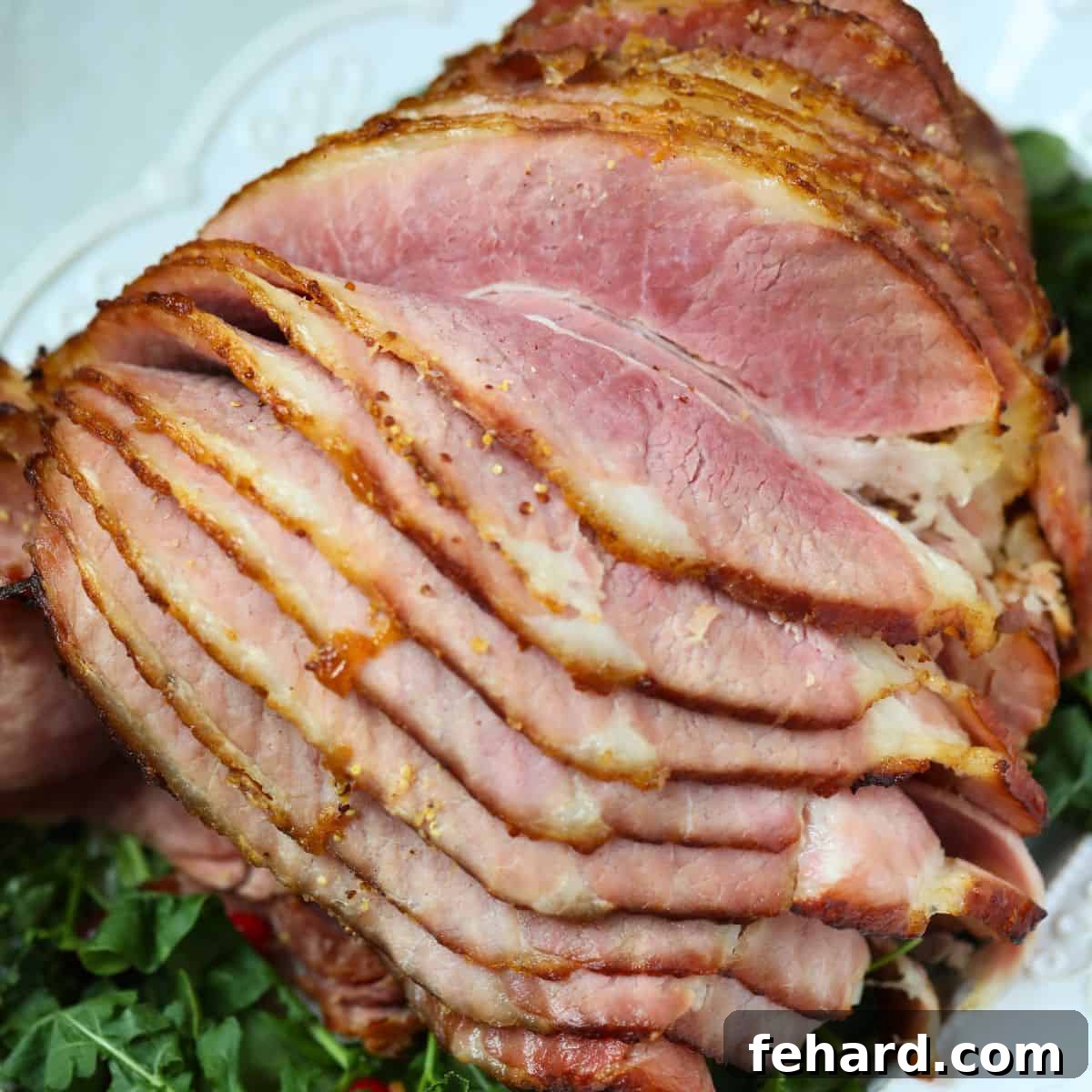
Prepare to impress with this incredible baked ham recipe, designed for maximum flavor and minimal effort. Forget constant basting, broiling, or hovering by the oven. Our method guarantees a perfectly tender, incredibly flavorful ham every time, thanks to a simple yet exquisite sweet and savory pineapple glaze and a slow, gentle bake. This glazed ham isn’t just a meal; it’s a centerpiece worthy of any holiday dinner, special gathering, or even an elevated Sunday supper. Get ready for rave reviews and requests for seconds!
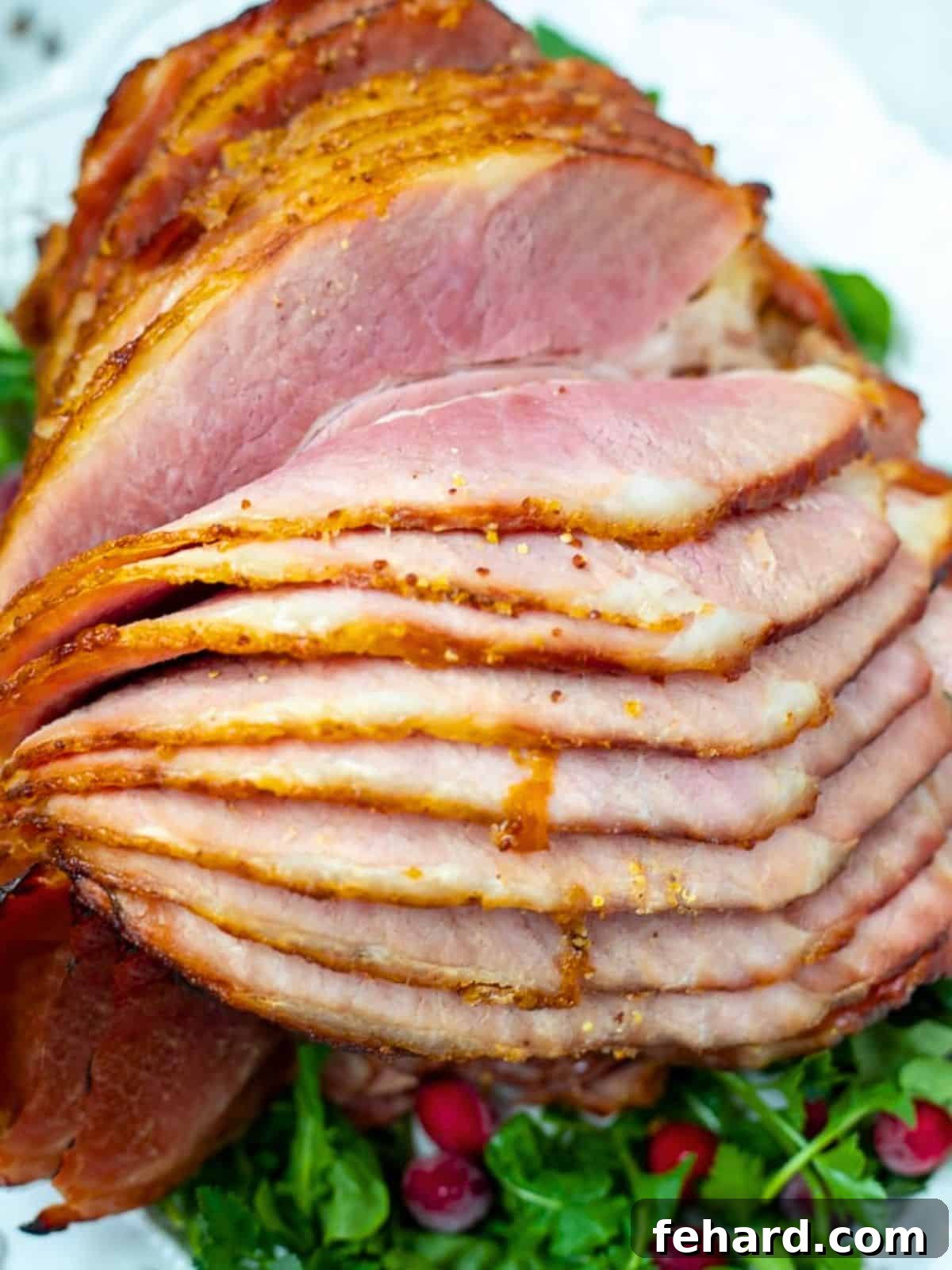
Expert Tips for an Unforgettable Baked Ham
Achieving a succulent, juicy baked ham that truly stands out requires attention to a few key details. These simple yet crucial tips will elevate your ham from good to absolutely legendary, ensuring it’s never dry or disappointing, but always a crowd-pleaser that leaves guests wanting more.
- Bring it to Room Temperature: Before you even think about glazing or baking, allow your ham to sit at room temperature for at least 1 hour. This crucial step promotes even cooking throughout the ham, preventing the outer edges from drying out while the center warms up. A relaxed ham cooks better!
- Wrap it Snugly in Foil: This simple technique is a game-changer for moisture and flavor. Wrapping the ham tightly in heavy-duty foil serves three primary purposes:
- It acts as a protective barrier, locking in precious moisture and preventing the ham from drying out during its slow bake.
- It helps the delicious glaze penetrate deeply into the meat, ensuring every bite is infused with its sweet and savory notes.
- It makes cleanup incredibly easy, containing any drips and caramelized glaze.
- The Secret to Juiciness: A Water Bath: Place your foil-wrapped ham in a roasting pan, ideally on a rack (though optional). Pour 1-2 cups of water into the bottom of the pan, beneath the rack. As the ham bakes, this water creates a steamy environment in your oven. This gentle, moist heat prevents the ham from drying out, much like a bain-marie, resulting in an exceptionally tender and juicy ham, similar to the moist cooking method used in many pressure cooker ham recipes.
- Never Overbake: Remember, most hams you buy are already fully cooked. Your goal isn’t to “cook” the ham, but rather to gently reheat it to a safe internal temperature of 145°F (63°C) while preserving its moisture and allowing the glaze to work its magic. Overbaking is the quickest way to a dry, tough ham. Use a meat thermometer for accuracy.
- Portion Planning: How Much Ham Per Person? To ensure you have enough for everyone and maybe even some delightful leftovers, plan for approximately ½ pound (225g) of bone-in ham per person. For boneless ham, which typically has less waste, aim for ⅓ pound (150g) per person.
5-Star Reader Review
“This ham recipe was soooo worth the effort! I made this recipe last year, doubling the sauce, and it came out very tasty and moist. I always had dried ham in the past, and this recipe and method completely solved that issue! Thank you so much!” -Shelly
Essential Ingredients for Your Signature Pineapple Glazed Ham
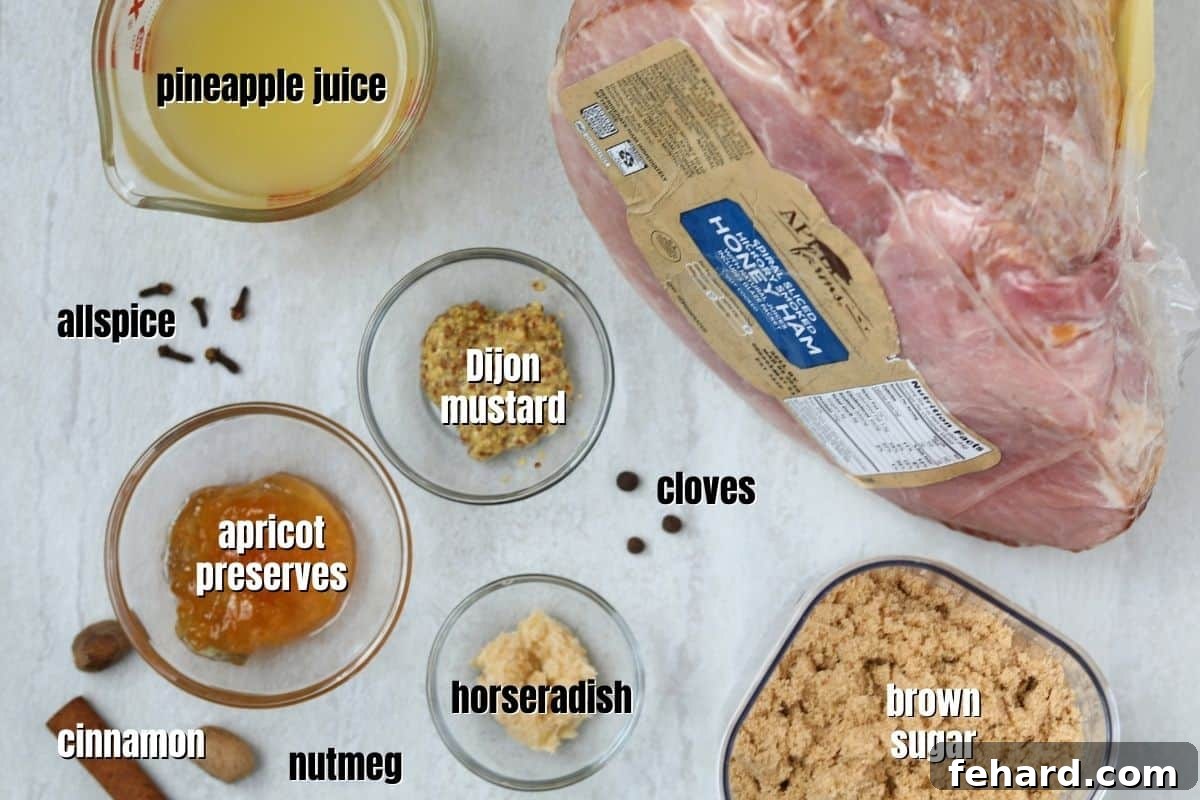
While this recipe welcomes any variety of precooked ham—be it spiral-cut, unsliced, cured, uncured, bone-in, or boneless—it’s truly the dynamic pineapple glaze that elevates this dish to unforgettable status. The unique combination of ingredients might seem unconventional at first, but each component plays a vital role in crafting a show-stopping ham bursting with incredible, balanced flavor.
- Precooked Ham (7-10 pounds): The star of the show! Any type works, but spiral-cut allows the glaze to seep into every slice more effectively.
- Pineapple Juice: This provides natural sweetness and acidity, which helps tenderize the ham and creates a bright, tropical base for the glaze. It’s an indispensable element for that signature pineapple flavor.
- Apricot Preserves: Adding a layer of rich, fruity sweetness, apricot preserves deepen the glaze’s complexity. Their mild fruitiness complements the pineapple beautifully. If apricot preserves are unavailable, a high-quality honey can be used as a delicious alternative.
- Dijon Mustard: Far from just a condiment, Dijon mustard introduces a tangy, sharp counterpoint to the glaze’s sweetness. It prevents the glaze from becoming cloyingly sweet, adding a sophisticated depth and helping emulsify the sauce.
- Prepared Horseradish: A touch of horseradish is the secret ingredient that brightens the entire glaze without overpowering it. It adds a subtle kick and zest, awakening the other flavors and adding a layer of intrigue that guests will try to pinpoint.
- Brown Sugar: Essential for that classic caramelized crust and rich, deep flavor. Brown sugar, with its molasses notes, contributes to the glaze’s wonderful stickiness and enhances the ham’s inherent sweetness. You can use either light or dark brown sugar for slightly different nuances.
- Warm Spices (Nutmeg, Cinnamon, Allspice, Cloves): This aromatic quartet provides the classic, comforting notes commonly associated with traditional holiday ham recipes. They infuse the glaze with a fragrant warmth, making every bite feel like a celebration. Don’t skip these; they tie all the flavors together beautifully.
Step-by-Step Guide: How to Make the Perfect Pineapple Glazed Ham
Consider this section your personal kitchen assistant, guiding you through each step of preparing this magnificent glazed ham. Follow these detailed instructions to ensure a flawless and delicious result.
Step One: Prepare the Irresistible Pineapple Glaze
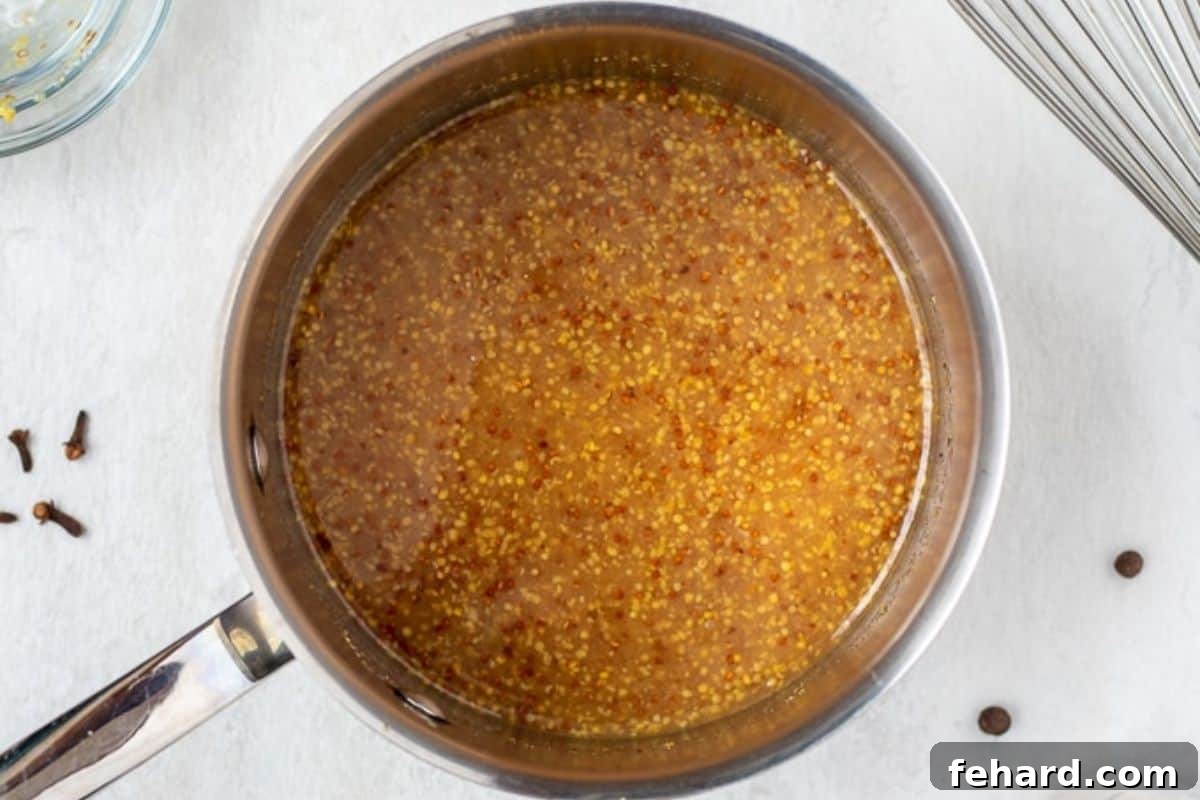
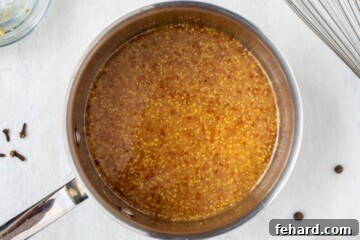
In a small, heavy-bottomed saucepan, combine the pineapple juice, apricot preserves, Dijon mustard, horseradish, brown sugar, ground nutmeg, cinnamon, allspice, and cloves. Heat the mixture over medium heat, whisking continuously until all the ingredients are thoroughly combined, the brown sugar has completely dissolved, and the glaze is smooth and slightly warmed.
Why heat the glaze? Warming the glaze is a small but critical step. It ensures that the sugar fully dissolves, creating a perfectly smooth consistency. This allows the glaze to adhere evenly to the ham, rather than clumping or simply sliding off, resulting in a beautiful, caramelized coating and maximum flavor absorption.
Step Two: Glaze the Ham to Perfection
First, unwrap your ham and discard any plastic packaging or protective caps. Lay out a large piece of heavy-duty aluminum foil on your workspace. Place the ham directly onto the foil and carefully fold up the sides of the foil to create a shallow “bowl” around the base of the ham. This will help contain the glaze and prevent it from spilling.
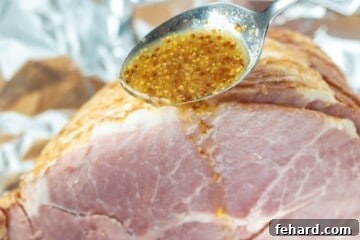
If you are using a spiral-cut ham, gently use your fingers or a knife to slightly loosen the pre-sliced sections. This strategic move allows the warm, flavorful glaze to seep down between the slices, infusing every single piece of ham with its sweet and savory essence. Slowly and deliberately pour or spoon the prepared pineapple glaze evenly over the entire surface of the ham, ensuring good coverage. Let it generously drip down into the loosened slices.
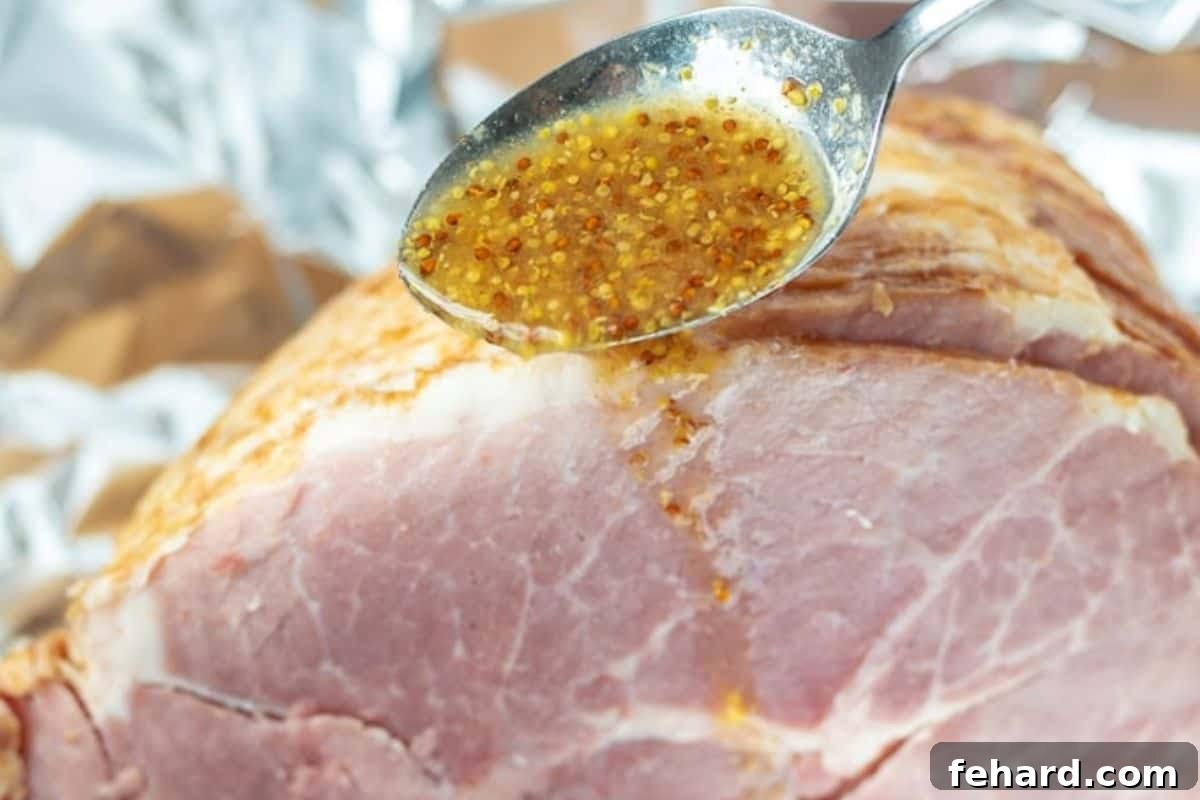
Step Three: Prepare Your Roasting Pan for Succulence
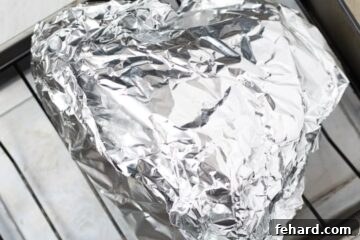
Once the ham is thoroughly glazed, tightly seal the heavy-duty foil around the entire ham, creating a snug, protective package. This will trap moisture and flavor during baking. Carefully transfer the foil-wrapped ham to a rack that is set inside a large roasting pan. If your roasting pan doesn’t have a rack, you can create a makeshift one with crumpled aluminum foil balls or simply place the ham directly in the pan.
Now, pour approximately 1-2 cups of water into the bottom of the roasting pan, ensuring it’s beneath the ham. This is a vital step for achieving a truly juicy ham. As the ham heats in the oven, this water will gently simmer and produce steam. This steamy environment prevents the ham from drying out and helps regulate the temperature, ensuring the glaze caramelizes beautifully without burning. It’s the secret to a tender, moist ham that requires no “babysitting” or constant attention.
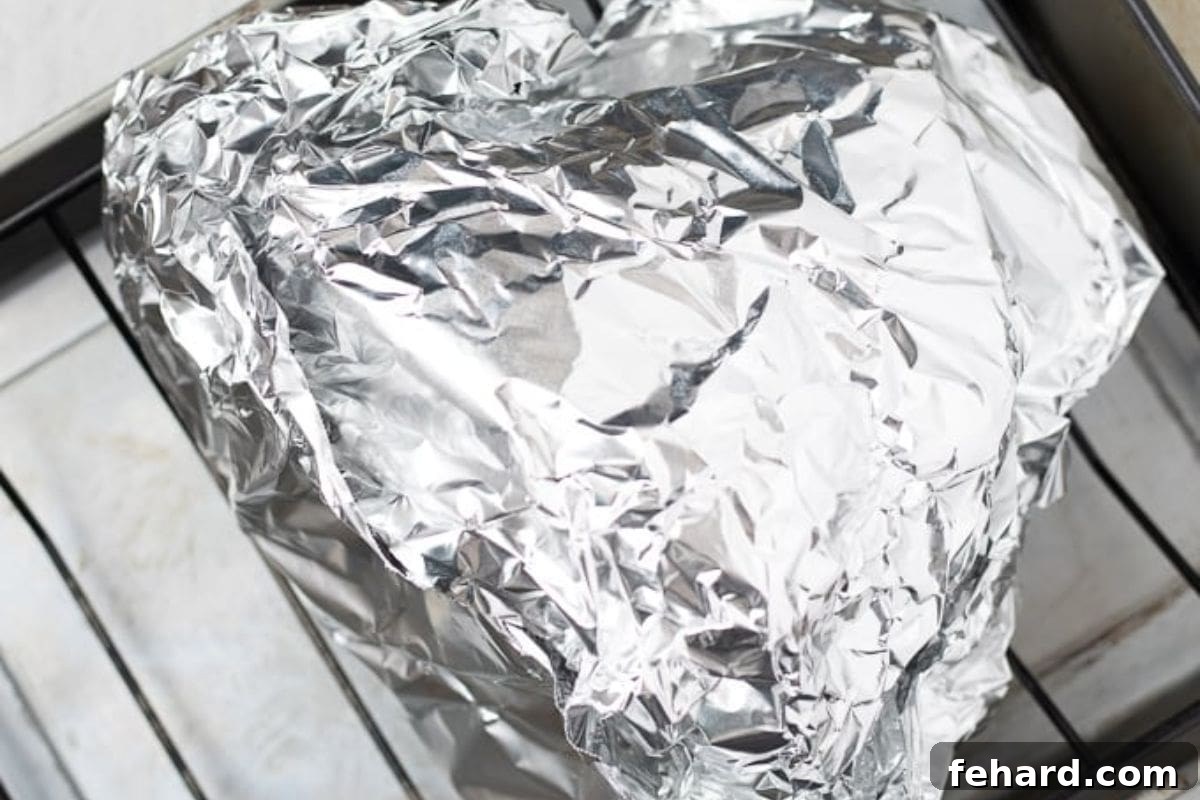
Step Four: Bake to Tender Perfection
Preheat your oven to 325°F (160°C). Place the prepared roasting pan with the ham into the preheated oven. Bake the ham until its internal temperature reaches approximately 142°F (61°C) when measured with a reliable meat thermometer inserted into the thickest part of the ham, avoiding the bone.
It’s important to aim for 142°F because the ham will continue to cook and rise a few degrees in temperature after it’s removed from the oven, a process known as “carryover cooking.” This slight allowance ensures that your ham reaches the safe 145°F (63°C) threshold without becoming overcooked and dry.
For planning purposes and estimated baking times: Most pre-cooked hams require about 10-22 minutes per pound, depending on their cut and whether they are bone-in or boneless. Use these general guidelines:
- Spiral-Sliced Ham: Plan for approximately 10-12 minutes per pound.
- Unsliced, Bone-In Ham: Expect roughly 15-18 minutes per pound.
- Unsliced, Boneless Ham: Allocate about 20-22 minutes per pound.
Keep in mind that smaller hams may require slightly more time per pound, while larger hams will take longer overall but might cook a bit faster per pound. Always rely on your meat thermometer for the most accurate results.
Step Five: Rest and Serve Your Magnificent Ham
Once the ham reaches 142°F, carefully remove it from the oven. It is crucial to let the ham rest, still wrapped snugly in its foil, for at least 10-15 minutes before carving. This resting period allows the juices to redistribute evenly throughout the meat, ensuring every slice is incredibly tender, moist, and flavorful. Skipping this step can result in dry ham, as the juices would simply run out onto your cutting board.
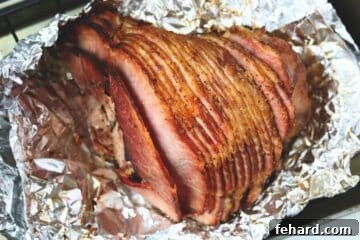
After resting, carefully unwrap the foil, slice the ham to your desired thickness, and arrange it beautifully on a serving platter. Prepare to enjoy your perfectly baked, juicy, and tender glazed ham!
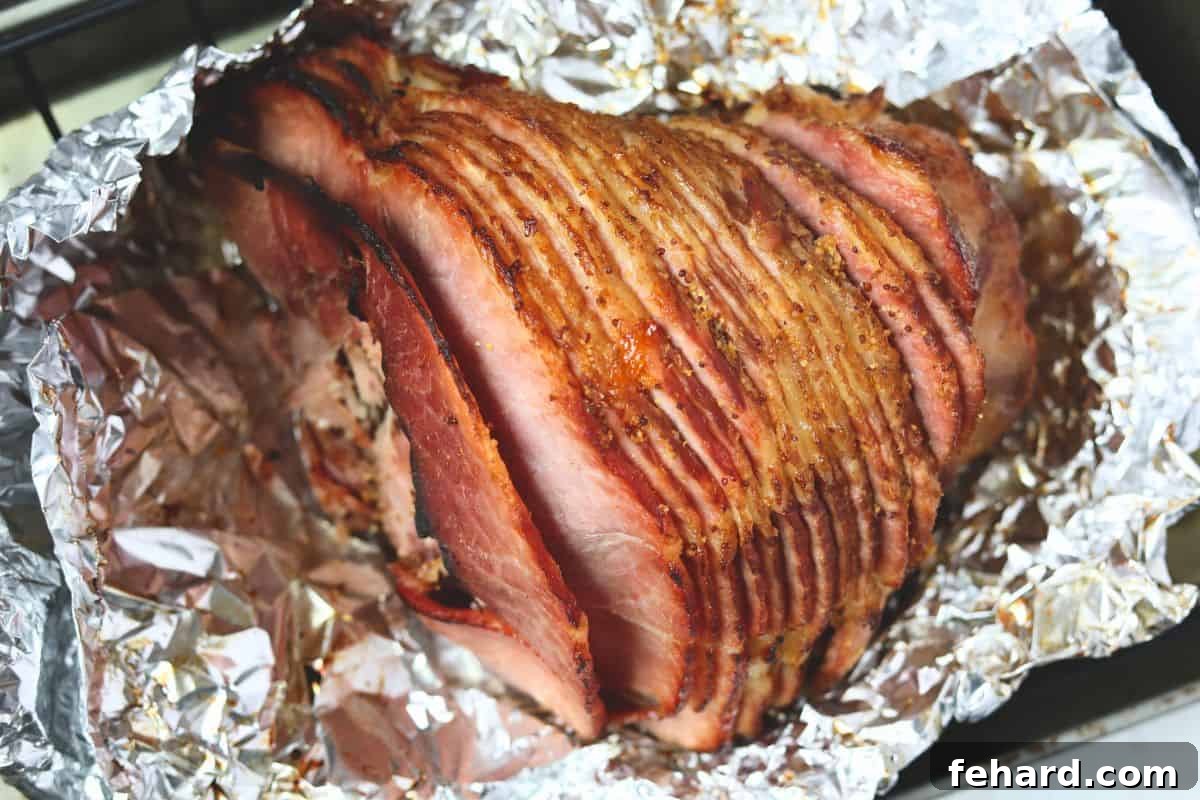
Making the Most of Leftover Ham
Leftover ham is truly a culinary gift, offering endless possibilities beyond just a simple sandwich! Its tender texture and rich flavor shine beautifully when reheated gently or transformed into entirely new, exciting dishes. Don’t let a single savory morsel go to waste!
- Proper Storage for Freshness: To maximize the lifespan and flavor of your leftover ham, place it (along with any delicious residual cooking liquid or glaze) in an airtight container. Store it in the refrigerator for up to 5 days. For longer storage, you can freeze it in a freezer-safe, airtight container or heavy-duty freezer bags for up to 3 months.
- Gentle Reheating for Optimal Juiciness: To ensure your reheated ham remains wonderfully juicy and tender, avoid microwaving at high power. Instead, if frozen, defrost it overnight in the refrigerator. Then, place the ham slices or chunks into a shallow baking dish. Add a splash of water, chicken broth, or even a little extra pineapple juice to the bottom of the dish to create moisture. Cover the dish tightly with foil and bake at a low temperature, around 300°F (150°C), for 10-15 minutes, or just until it’s warmed through. This low-and-slow method prevents drying.
- Creative Leftover Ham Transformations:
- Save the Ham Bone: Never discard your ham bone! It’s a flavor powerhouse perfect for making hearty, comforting soups. Use it as the base for a classic Ham and Bean Soup or a creamy, delicious Instant Pot Split Pea Soup.
- New Meal Adventures: Go beyond the ordinary! Transform your leftover ham into exciting new meals that are far more captivating than just a ham sandwich. Explore a variety of inspiring ideas with our comprehensive collection of leftover ham recipes, from casseroles and quiches to pasta dishes and breakfast scrambles.
Complete Your Holiday Meal with Perfect Side Dishes
Whether gracing your table for a festive Easter Brunch, a grand Christmas Dinner, or a cherished Sunday supper at home, this baked ham is destined to be a show-stopping centerpiece. Elevate your meal further by pairing it with these exquisite and complementary side dishes, ensuring a balanced and unforgettable dining experience for all.
- Creamy Scalloped Potatoes: A classic, comforting choice that pairs beautifully with ham.
- Garlic Mashed Potato Casserole: Rich, fluffy, and a perennial favorite.
- Fresh Asparagus Salad with Lemon Vinaigrette: A light, vibrant counterpoint to the richness of the ham.
- Sweet Strawberry Spinach Salad with Poppy Seed Dressing: Adds a refreshing burst of fruit and greens.
- Roasted Green Beans with Almonds: Simple, elegant, and always a hit.
- Honey Glazed Carrots: Echoes the sweet notes of the ham glaze.
- Dinner Rolls with Herb Butter: Perfect for soaking up any extra glaze or juices.
★
★
★
★
Baked Ham with Pineapple Glaze
Kristen Chidsey
16
5 mins
2 hrs
2 hrs 5 mins
Rate
Ingredients
- 7-10 pound precooked ham, see notes about type of ham
Ham Glaze
- ⅓ cup pineapple juice
- ¼ cup apricot preserves
- 1 tablespoon Dijon mustard
- 1 tablespoon brown sugar, light or dark
- 1 teaspoon prepared Horseradish
- ¼ teaspoon ground cinnamon
- ⅛ teaspoon ground cloves
- ⅛ teaspoon ground nutmeg
- ⅛ teaspoon ground allspice
Instructions
-
Remove the ham from the refrigerator and let it sit on the counter for 1 hour before baking. This helps it cook more evenly.
-
Preheat your oven to 325℉ (160°C). Pour 2 cups of water into the bottom of a large roasting pan that is fitted with a rack, then set it aside.
-
To prepare the ham glaze, combine ⅓ cup pineapple juice, ¼ cup apricot preserves, 1 tablespoon Dijon mustard, 1 tablespoon brown sugar, 1 teaspoon prepared Horseradish, ¼ teaspoon ground cinnamon, ⅛ teaspoon ground cloves, ⅛ teaspoon ground nutmeg, and ⅛ teaspoon ground allspice together in a small, heavy-bottomed saucepan. Heat over medium heat, whisking frequently, until the sugar is fully dissolved and the mixture is well combined and smooth. Remove the glaze from the heat.

-
Unwrap the ham, discarding all packaging and any plastic inserts. Place the ham on a large sheet of heavy-duty foil, folding up the sides of the foil to create a protective “bowl” around the ham. If your ham is spiral-cut, gently loosen the slices to allow the glaze to penetrate deeply. Pour the prepared glaze evenly over the ham, ensuring it drips down between the slices.
-
If using an oven-safe digital thermometer, insert its probe into the thickest part of the ham, avoiding the bone. Tightly wrap the foil around the ham, sealing it completely. Place the wrapped ham onto the rack in your prepared roasting pan (with water in the bottom).
-
Bake the ham in the preheated oven until an internal temperature of 142℉ (61°C) is reached. General baking times: 10-12 minutes per pound for spiral-sliced ham, 15-18 minutes per pound for unsliced bone-in ham, and 20-22 minutes per pound for unsliced boneless hams. Always use a meat thermometer for accuracy.
-
Remove the ham from the oven and let it rest, still wrapped in foil, for at least 10-15 minutes. This resting period allows the ham’s internal temperature to rise to a perfect 145℉ (63°C) and the juices to redistribute, ensuring maximum tenderness and moisture. Carefully unwrap the foil, slice, and serve your juicy, tender ham.
Equipment
-
Roasting Pan with Rack
-
Oven Safe Digital Thermometer
Notes
Apricot Preserves Substitutions: If apricot preserves are not readily available, a high-quality honey makes an excellent substitute in the glaze, providing a similar sweetness and sticky texture.
Pineapple Juice Alternatives: Canned pineapple juice is ideal, but if you’re out, you can also use honey for a sweeter, less tangy glaze.
Horseradish Adjustments: For those with sensitive palates or if you prefer a sweeter, milder ham, feel free to omit the prepared horseradish from the glaze.
Storage and Reheating Instructions: Store any leftover ham in an airtight container in the refrigerator for up to 5 days. For longer storage, freeze it in a freezer-safe, airtight container for up to 3 months. To reheat, allow frozen ham to defrost overnight in the refrigerator. Place the ham slices or chunks in a shallow baking dish with a splash of water or pineapple juice. Cover with foil and bake at 300°F (150°C) for 10-15 minutes, or until thoroughly warmed through, to maintain its juiciness.
Nutrition
Carbohydrates: 4g
Protein: 39g
Fat: 8g
Saturated Fat: 3g
Cholesterol: 89mg
Sodium: 2532mg
Potassium: 654mg
Fiber: 1g
Sugar: 3g
Vitamin A: 8IU
Vitamin C: 65mg
Calcium: 9mg
Iron: 2mg
Nutrition information is automatically calculated and should only be used as an approximation.