
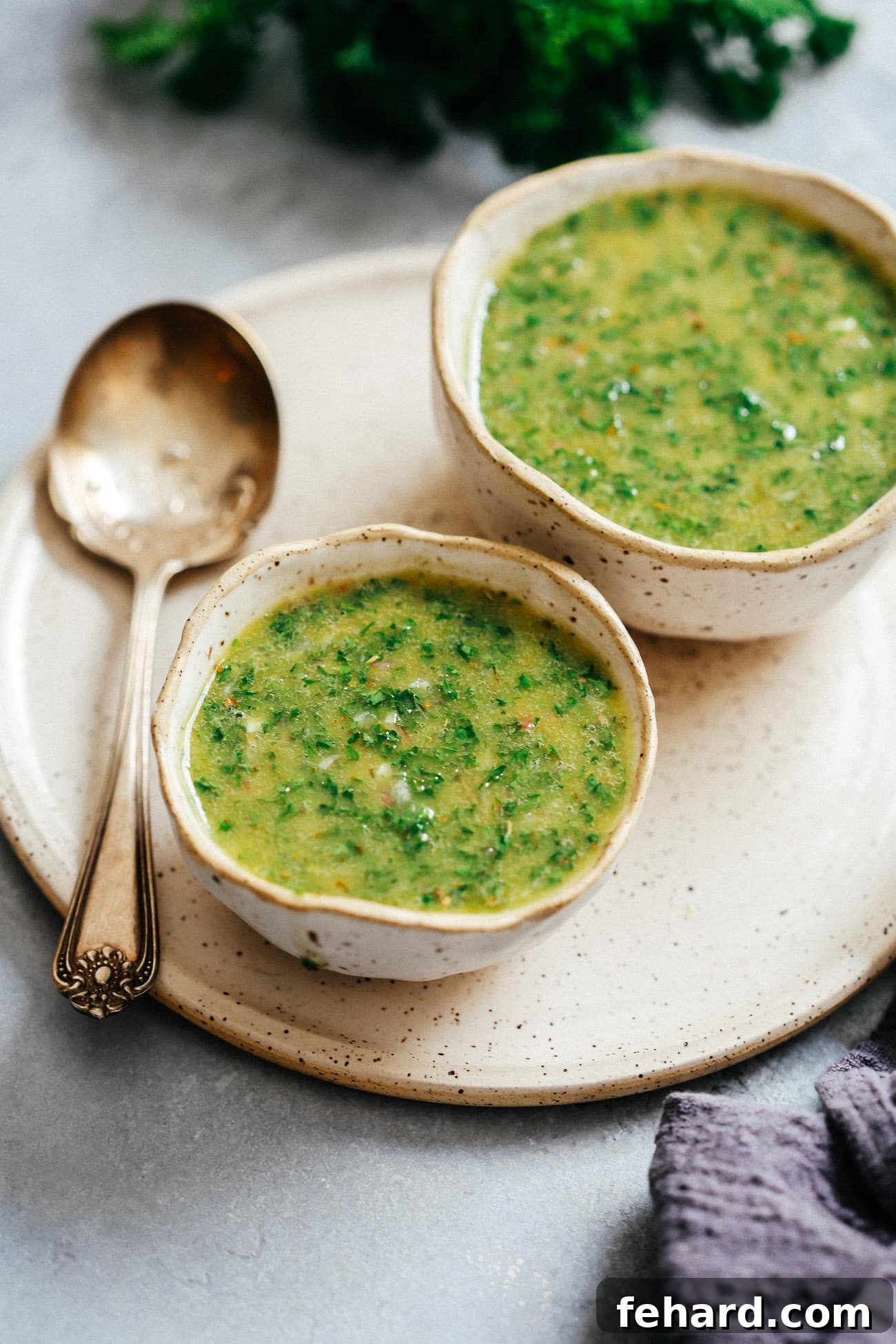
The Ultimate Guide to Homemade Chimichurri Sauce: Fresh, Flavorful, and Versatile
Discover the vibrant taste of **Chimichurri sauce**, a fresh herb condiment that transforms any meal into a culinary masterpiece. Originating from the heart of South America, this incredibly quick and easy-to-make sauce adds an explosion of fresh, zesty flavor to a wide array of dishes. Whether you’re grilling a steak, roasting chicken, pan-searing fish, or simply elevating a salad, chimichurri is your secret weapon for enhancing flavor with minimal effort. Its bright profile makes it an indispensable addition to your kitchen, promising to invigorate everything from robust meats to delicate vegetables. Get ready to ditch the bland and embrace the bold with this versatile, herbaceous delight.
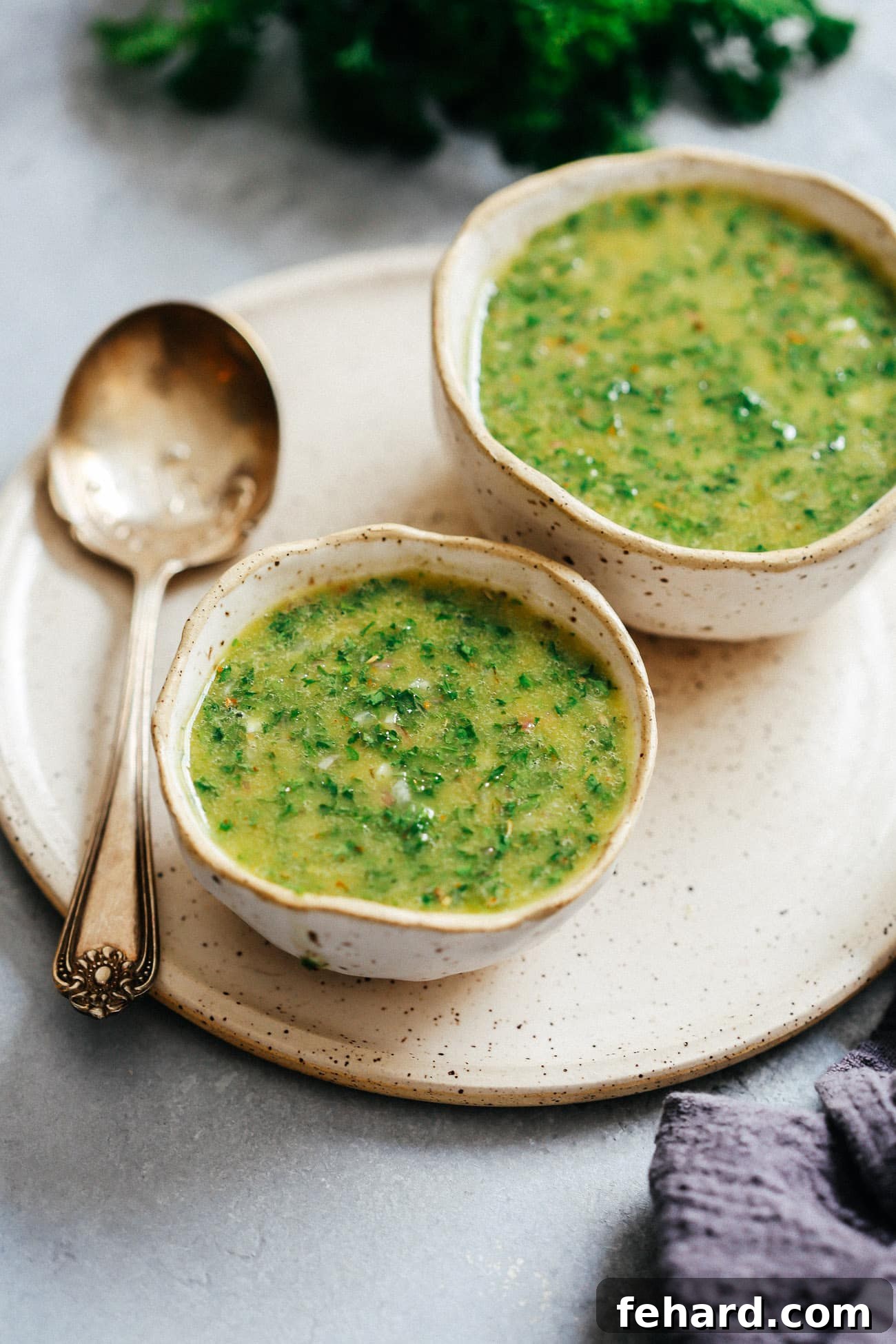
What is Chimichurri Sauce? A Culinary Gem from South America
Chimichurri is more than just a sauce; it’s a staple of Argentine and Uruguayan cuisine, deeply rooted in the tradition of *asado* (barbecue). This uncooked sauce is renowned for its intense, herbaceous flavor profile, characterized by fresh parsley, pungent garlic, zesty vinegar, and high-quality olive oil. It serves multiple roles: a refreshing condiment, a powerful marinade, and a vibrant finishing sauce. Its magic lies in its simplicity and ability to cut through the richness of grilled meats, offering a burst of freshness and acidity that perfectly balances savory flavors. While its exact origins are debated, its popularity across Latin America and beyond is undeniable, cementing its status as a must-try sauce for food enthusiasts.
The Anatomy of Flavor: What is Chimichurri Sauce Made With?
At its core, chimichurri is a celebration of fresh ingredients. There are primarily two versions of this beloved sauce: green (verde) and red (rojo), each offering a slightly different twist on the classic flavor profile. The green version is the most prevalent and arguably the most traditional.
Green Chimichurri: The Classic Verdant Blend
The beauty of green chimichurri lies in its simple yet potent combination of fresh, high-quality ingredients. Here are the essential components:
- **Fresh Parsley:** This is the cornerstone of green chimichurri. Flat-leaf (Italian) parsley is typically preferred for its robust flavor and ease of chopping, though curly parsley can also be used. Some variations incorporate cilantro for an added layer of freshness, offering a slightly different aromatic dimension. The key is using fresh, bright green leaves for maximum impact.
- **Garlic:** Providing an indispensable pungent kick, fresh garlic cloves are crucial. Avoid powdered garlic or pre-minced versions, as they lack the vibrant, sharp flavor that defines authentic chimichurri. Minced finely, garlic infuses the oil and herbs with its unmistakable aroma.
- **Olive Oil:** A good quality extra virgin olive oil is vital. It acts as the carrier for all the flavors, bringing them together into a cohesive sauce while adding a smooth, rich texture. The oil should be fruity and peppery, complementing the fresh herbs and spices.
- **Oregano:** Whether fresh or dried, oregano adds an earthy, slightly bitter note that grounds the sauce. Dried oregano is commonly used and provides a concentrated flavor that is quintessential to chimichurri.
- **Red Pepper Flakes:** A pinch of red pepper flakes introduces a subtle warmth and a touch of heat, enhancing the sauce’s complexity without overwhelming the fresh flavors. You can adjust the amount to suit your personal preference for spice.
- **Vinegar:** The acidity from vinegar is paramount for balancing the richness of the oil and the boldness of the herbs. Red wine vinegar is the traditional choice, lending a subtle tang. However, white wine vinegar, white balsamic vinegar, or even fresh lemon or lime juice can be used to achieve a similar zesty brightness. Each option imparts a slightly different nuance to the overall taste.
- **Salt and Black Pepper:** These fundamental seasonings are essential for enhancing all the other flavors and bringing the sauce to life. Season to taste, ensuring a harmonious balance.
Red Chimichurri: A Deeper Hue and Flavor Profile
While sharing a similar herbaceous base with its green counterpart, red chimichurri offers a distinct character owing to its additional ingredients. This version typically includes:
- **Tomatoes:** Fresh or even roasted tomatoes add a sweet, tangy depth and contribute to the sauce’s reddish hue. They introduce a different kind of acidity and a richer mouthfeel.
- **Cumin:** Ground cumin brings an earthy, warm, and slightly smoky spice, adding another layer of complexity.
- **Paprika:** Sweet or smoked paprika not only enhances the color but also contributes a mild sweetness or a subtle smoky flavor, depending on the type used.
- **Red Bell Peppers:** Finely chopped red bell peppers add a fresh, sweet crunch and further deepen the red color, contributing to both texture and flavor.
As you can imagine, the inclusion of these ingredients gives red chimichurri a unique color and a distinctly different flavor that is often richer and slightly sweeter than the bright, zesty green version.
Unleashing the Versatility: How to Use Chimichurri Sauce
Homemade chimichurri sauce, with its origins in Uruguay and Argentina, is incredibly versatile, making it a valuable addition to countless meals. Its fresh, bright, and tangy profile can elevate simple ingredients into extraordinary dishes. Here are a myriad of delicious ways to incorporate this flavorful condiment into your cooking:
- **Marinades:** The combination of fresh herbs, garlic, vinegar, and olive oil in chimichurri makes it an exceptional marinade. The acid in the vinegar helps tenderize meats, while the oil and herbs infuse them with profound flavor. It works wonderfully with virtually any protein, including beef (especially steak), pork, chicken, and seafood. Allow your chosen protein to marinate for at least 30 minutes, or up to several hours for deeper flavor, before grilling, roasting, or pan-searing. For example, use it to marinate pork chops for an Easy Oven Pork Chop Recipe or elevate your Grilled Chicken Chimichurri.
- **Finishing Sauces and Condiments:** This is arguably the most classic use for chimichurri. Drizzle a generous spoonful over cooked meats, poultry, or fish just before serving. It acts as a vibrant complement, cutting through the richness and adding a burst of freshness. It’s particularly famous for pairing with grilled steak, such as a succulent Pan-Seared Steak, but also shines on Oven Cooked Salmon or Cedar Plank Salmon, transforming a simple fillet into a gourmet experience. Try it with a Shrimp Broccoli Skillet or a Chicken Green Beans Skillet for a quick and flavorful dinner.
- **Salad Dressings:** Thinning chimichurri with a little extra olive oil or vinegar transforms it into a lively salad dressing. Its bright, herbaceous notes are perfect for green salads, grain bowls, or even potato salads, adding an unexpected depth of flavor.
- **Appetizers and Dips:** Elevate your appetizer game by using chimichurri as a dip or a component in spreads. It makes an excellent topping for bruschetta, a flavorful accompaniment to a cheese board, or a fresh dip for raw vegetables and crackers. You can also mix it into hummus or cream cheese for a herbaceous spread.
- **Sandwiches and Wraps:** Spread chimichurri directly onto your favorite cold sandwich or wrap for an instant flavor upgrade. For a creamier texture, combine it with a dollop of mayonnaise. It adds a zesty kick that takes your everyday lunch from ordinary to exciting.
- **Cold Pasta Salads:** Toss chimichurri sauce with your pasta of choice, fresh vegetables, and shredded rotisserie chicken for an incredibly flavorful and satisfying Chimichurri Chicken Chopped Salad. The sauce coats every ingredient, ensuring a burst of flavor in every bite.
- **Roasted or Grilled Vegetables:** Don’t limit chimichurri to just proteins! Drizzle it over roasted potatoes, grilled corn on the cob, asparagus, bell peppers, or zucchini. The sauce beautifully complements the natural sweetness and char of cooked vegetables.
- **Breakfast Enhancer:** A lesser-known but equally delicious application is to drizzle chimichurri over scrambled eggs, omelets, or even avocado toast for a sophisticated and fresh start to your day.
Truly, chimichurri’s possibilities are endless. Keep a batch on hand, and you’ll find yourself reaching for it to invigorate almost any dish.
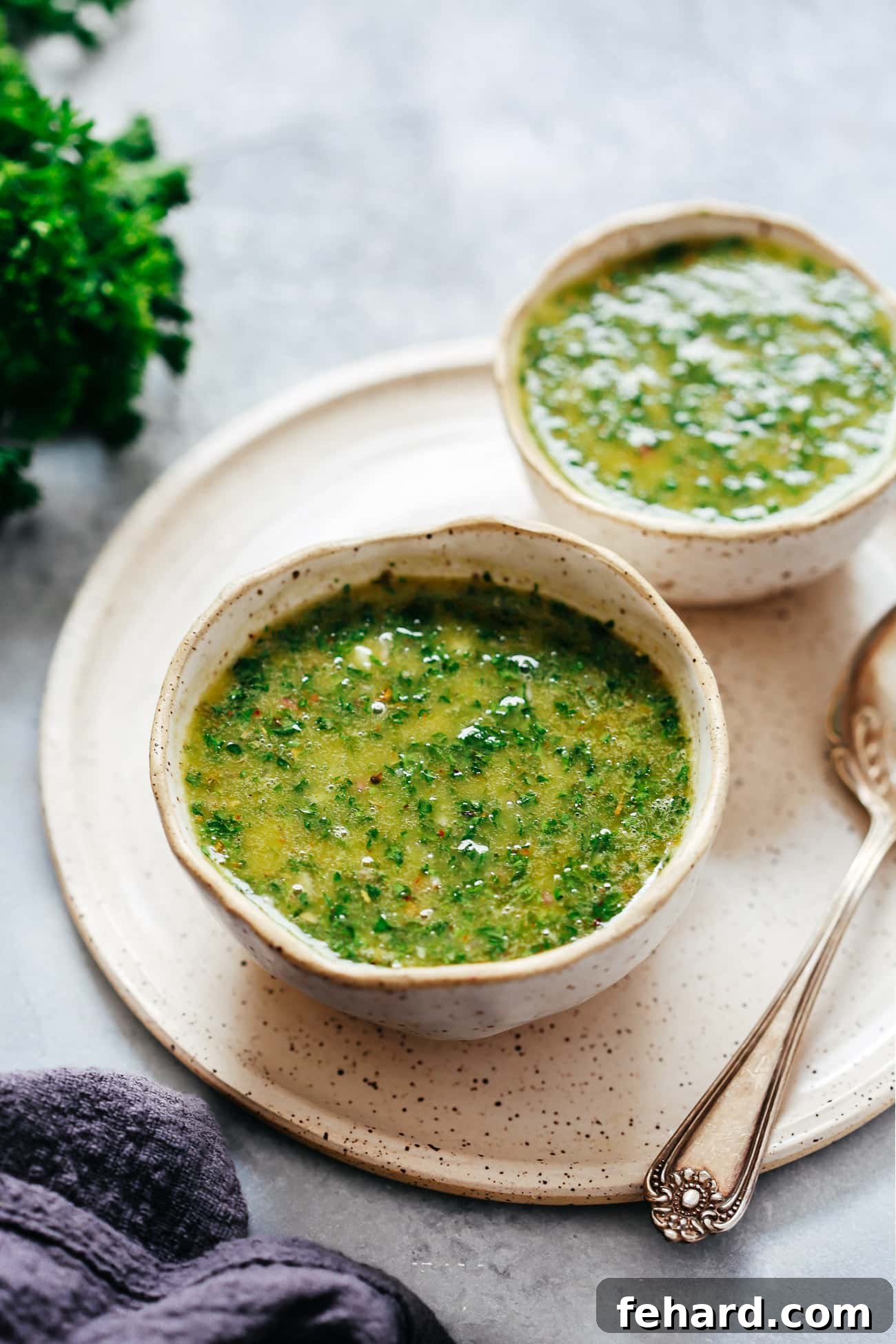
Mastering the Art of Homemade Chimichurri: Tips for the Perfect Sauce
Making chimichurri at home is remarkably simple, but a few tips can help you achieve a truly exceptional sauce that rivals those from the finest South American kitchens.
The Food Processor vs. Hand Chopping: Texture Matters
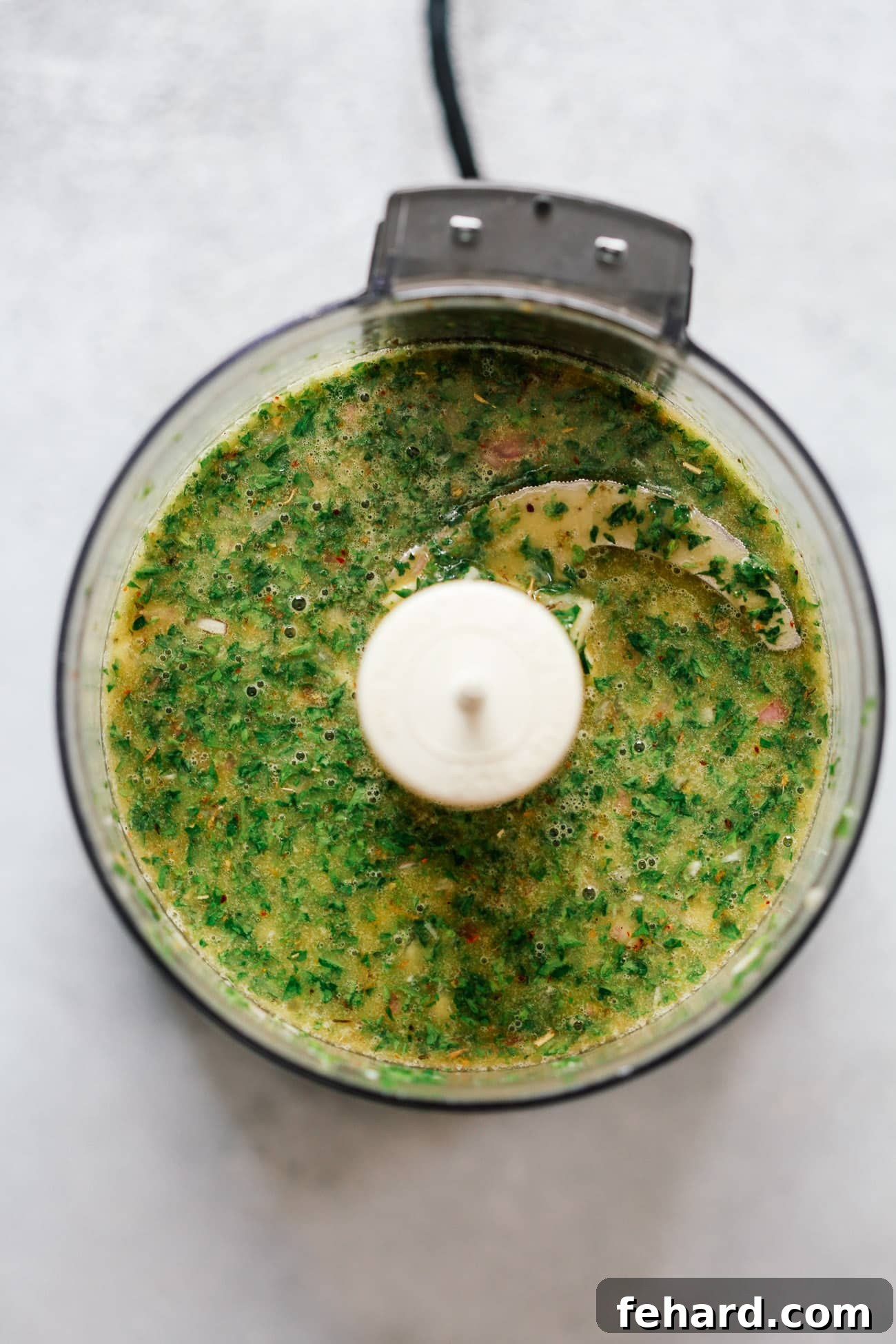
While a food processor makes quick work of chimichurri preparation, finely dicing all the ingredients by hand can yield a sauce with a superior texture. Hand-chopping prevents the herbs from becoming bruised or overly pureed, resulting in a more rustic, textured sauce where each ingredient retains its individual integrity. If using a food processor, pulse in short bursts and scrape down the sides frequently to avoid over-processing, which can turn the sauce into a paste rather than a vibrant, chunky condiment. A blender can also be used, but again, pulse carefully to maintain texture.
Ingredient Quality Matters
Given the simplicity of chimichurri, the quality of your ingredients directly impacts the final flavor. Always opt for the freshest parsley and garlic available. Seek out a good quality extra virgin olive oil; its flavor will be prominent in the sauce. Freshly squeezed lemon or lime juice (if using) and high-quality red wine vinegar will make a noticeable difference in the sauce’s brightness and tang.
Adjusting to Your Taste
Chimichurri is highly adaptable. Feel free to adjust the ratios of ingredients to suit your palate. Love garlic? Add an extra clove or two. Prefer more heat? Increase the red pepper flakes. Desire more tang? A splash more vinegar will do the trick. Taste as you go and don’t be afraid to experiment to find your perfect balance. Remember that allowing the sauce to sit for an hour or two at room temperature will allow the flavors to meld and deepen significantly, so always taste and adjust after this mingling period.
Preparing Ahead and Storage Tips
One of the beauties of chimichurri is that it can be made ahead of time, allowing you to have a delicious condiment ready for impromptu meals or entertaining. However, there are a few important considerations to ensure maximum freshness and flavor.
Optimal “Make Ahead” Timing
While you can prepare chimichurri in advance, it is best enjoyed within a day or two of making it. The fresh herbs are at their most vibrant and flavorful during this initial period. If stored for much longer, the herbs can begin to lose their bright green color and crisp texture, becoming saturated with the olive oil and potentially developing a slightly dulled flavor. For the brightest taste, prepare it no more than 48 hours before you plan to serve it.
Proper Storage for Freshness
Once prepared, store your chimichurri sauce in an airtight container in the refrigerator. This will help preserve its freshness and prevent the herbs from oxidizing too quickly. Always ensure the container is tightly sealed to keep out air and prevent any absorption of refrigerator odors. While it might last a bit longer, for the best flavor and texture, it’s advisable to discard any unused sauce after two days.
The Importance of Flavor Mingle
For the most exquisite flavor, allow the chimichurri sauce to sit at room temperature for at least an hour, or ideally two, after preparing it and before serving. This crucial step permits all the individual ingredients—the garlic, herbs, vinegar, and oil—to fully mingle and for their flavors to marry and deepen. You’ll notice a significant difference in the complexity and harmony of the sauce compared to serving it immediately after blending.
Freezing Chimichurri for Longer Storage
If you find yourself with an abundance of chimichurri or wish to extend its shelf life beyond a couple of days, freezing is an excellent option. You can freeze chimichurri in a freezer-safe bag or container for up to 3 months. A popular method is to freeze it in ice cube trays. Once frozen, pop out the cubes and transfer them to a freezer bag. This allows you to thaw individual portions as needed, perfect for quickly flavoring a single serving of protein or adding a burst of freshness to a pan sauce.
The Ultimate Chimichurri Sauce Recipe
Here’s a simple, classic recipe for homemade chimichurri that you can easily whip up in minutes.
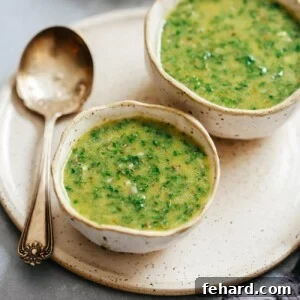
Chimichurri Sauce Recipe
Rating: 3.62 from 13 votes
Author: Olivia Ribas
Servings: 10 people
Prep Time: 5 minutes
Cook Time: 0 minutes
Total Time: 5 minutes
Chimichurri is a flavorful condiment made from fresh herbs and spices. Make this incredibly quick and easy recipe to add fresh flavor to salads, dips, steak, pork, chicken, and fish.
Ingredients
- 1 small shallot or ½ cup of red onion, roughly chopped
- 2 garlic cloves
- 3 tbsp red wine vinegar
- Salt and black pepper to taste
- 1 ½ cup fresh parsley
- 1 tsp dried oregano
- A pinch of red pepper flakes (optional)
- ¾ cup olive oil
Instructions
- In a food processor, add shallot, garlic, red wine vinegar, salt, and pepper. Pulse or use the chop button, stopping and scraping down sides occasionally until everything is finely minced.
- Add in parsley, oregano, and red pepper flakes. Pour in olive oil while pulsing several times until all is minced but still has some texture.
- Serve it over meat, poultry, seafood, or even roasted/grilled vegetables. Enjoy!
Notes
- For the best flavor, use fresh garlic cloves and not garlic powder or pre-minced garlic.
- If you do not have a food processor, you can finely dice everything by hand and combine it in a bowl. You can also use a blender instead, pulsing carefully.
- If possible, allowing the chimichurri sauce to sit at room temperature for an hour or two before serving allows the flavors to deepen and meld beautifully.
- To store: Store the chimichurri sauce in the fridge in an airtight container for up to 2 days for the best flavor and freshness.
- To freeze: You can freeze chimichurri in a freezer-safe bag or container for up to 3 months. Consider freezing in ice cube trays for convenient individual portions.
Nutrition
Serving: 1/10, Calories: 150kcal, Carbohydrates: 1g, Fat: 16g, Sodium: 47mg, Potassium: 63mg
Nutrition information is automatically calculated, so should only be used as an approximation.
Conclusion: Embrace the Flavor of Chimichurri
Chimichurri sauce is a testament to how simple, fresh ingredients can come together to create something truly extraordinary. Its bright, zesty, and herbaceous profile offers an unparalleled way to elevate almost any dish, from the simplest grilled chicken to a celebratory steak dinner. Easy to prepare and incredibly versatile, this South American condiment deserves a permanent spot in your culinary repertoire. Don’t hesitate to experiment with its uses and adjust the flavors to your liking. Whip up a batch today and discover the vibrant difference chimichurri can make in your meals!