
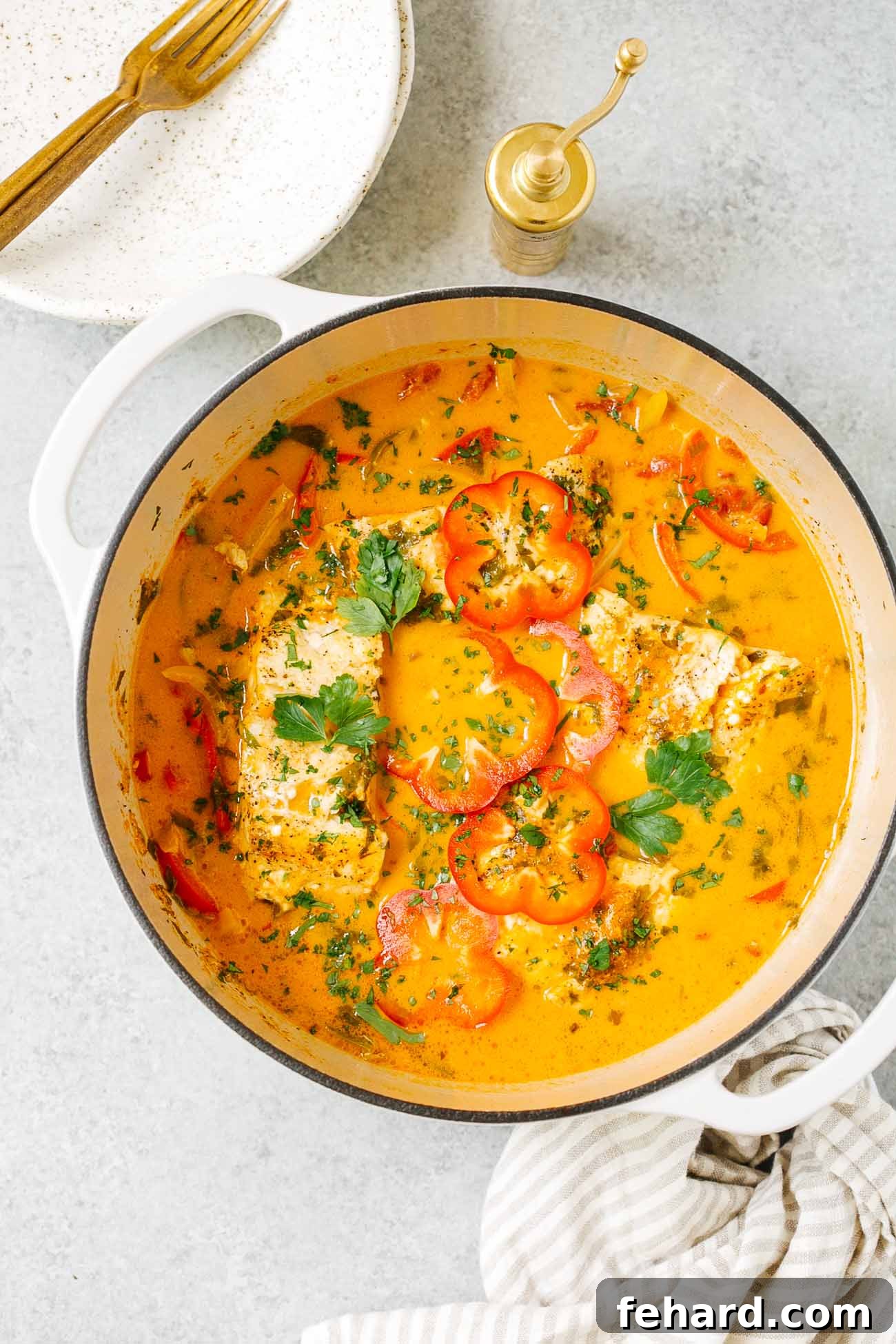
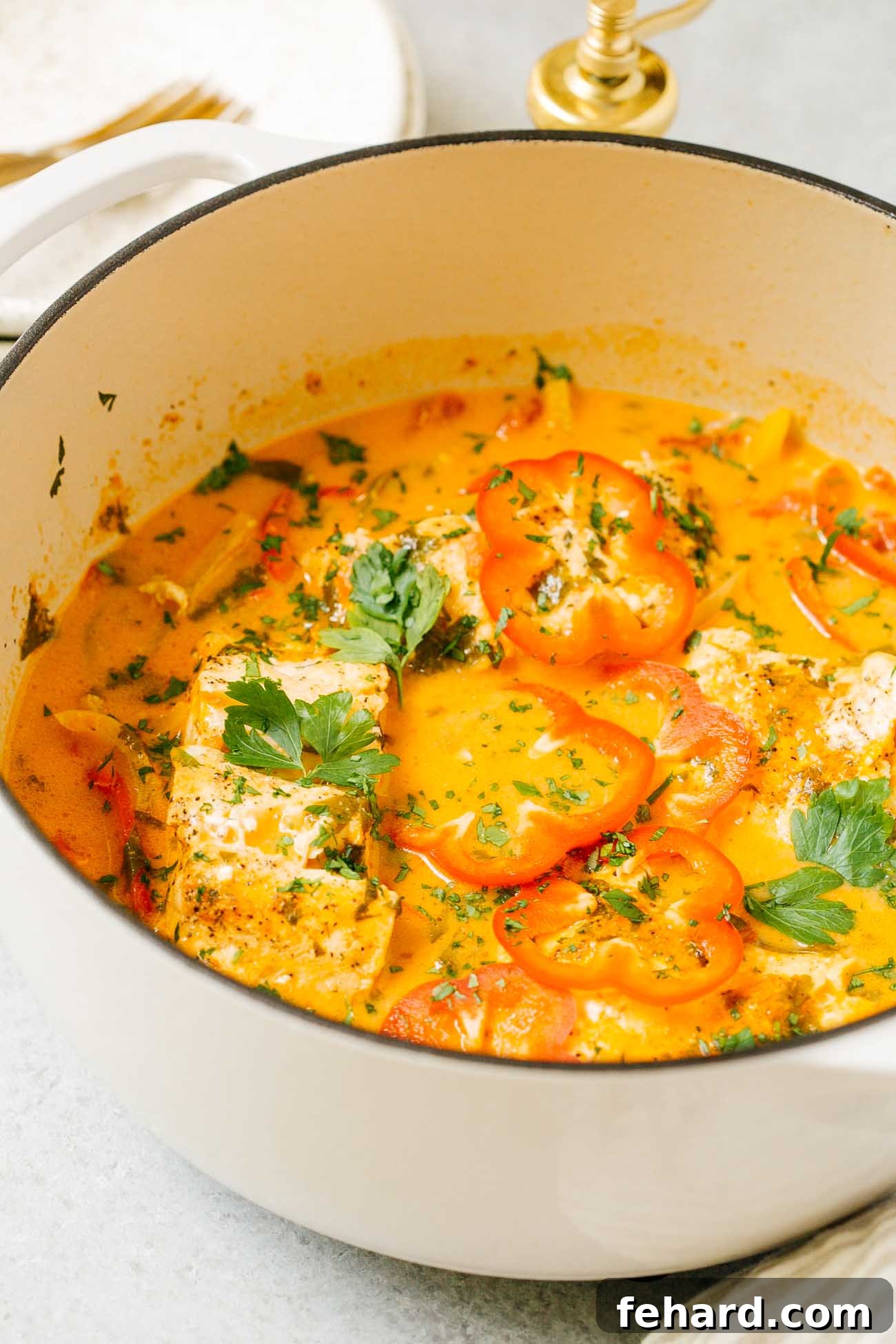
Embark on a culinary journey to Brazil with this vibrant and incredibly flavorful **Brazilian Fish Stew**, traditionally known as Moqueca de Peixe. This exquisite one-pot dish promises a burst of tropical flavors, combining tender white fish with the creamy richness of coconut milk, the tang of fresh lime, and a colorful medley of peppers and aromatic herbs. What truly sets this Moqueca recipe apart is its remarkable simplicity and speed, making it an ideal choice for a delicious dinner that’s ready in under 30 minutes. Whether you’re seeking a quick and satisfying meal for a busy weeknight or an impressive dish to entertain guests, this fish stew is guaranteed to delight with its bright taste and comforting warmth.
You’ll be amazed at how effortlessly this authentic Brazilian fish stew comes together. Despite its gourmet appeal, it relies on simple kitchen staples, transforming them into a fragrant and hearty meal. It’s a dish that brings comfort and exotic flair to your table without demanding hours in the kitchen. While often cherished during cooler months for its warming qualities, its fresh, zesty profile makes it a fantastic year-round favorite. Prepare to add this tantalizing Moqueca de Peixe to your regular recipe rotation!
Looking for more amazing fish recipes? Explore these delicious options:
- Garlic Butter Baked Tilapia Recipe
- Easy Broiled Salmon Recipe
- Garlic Butter Halibut Fish Recipe
- Garlic Butter Cod Fish Recipe
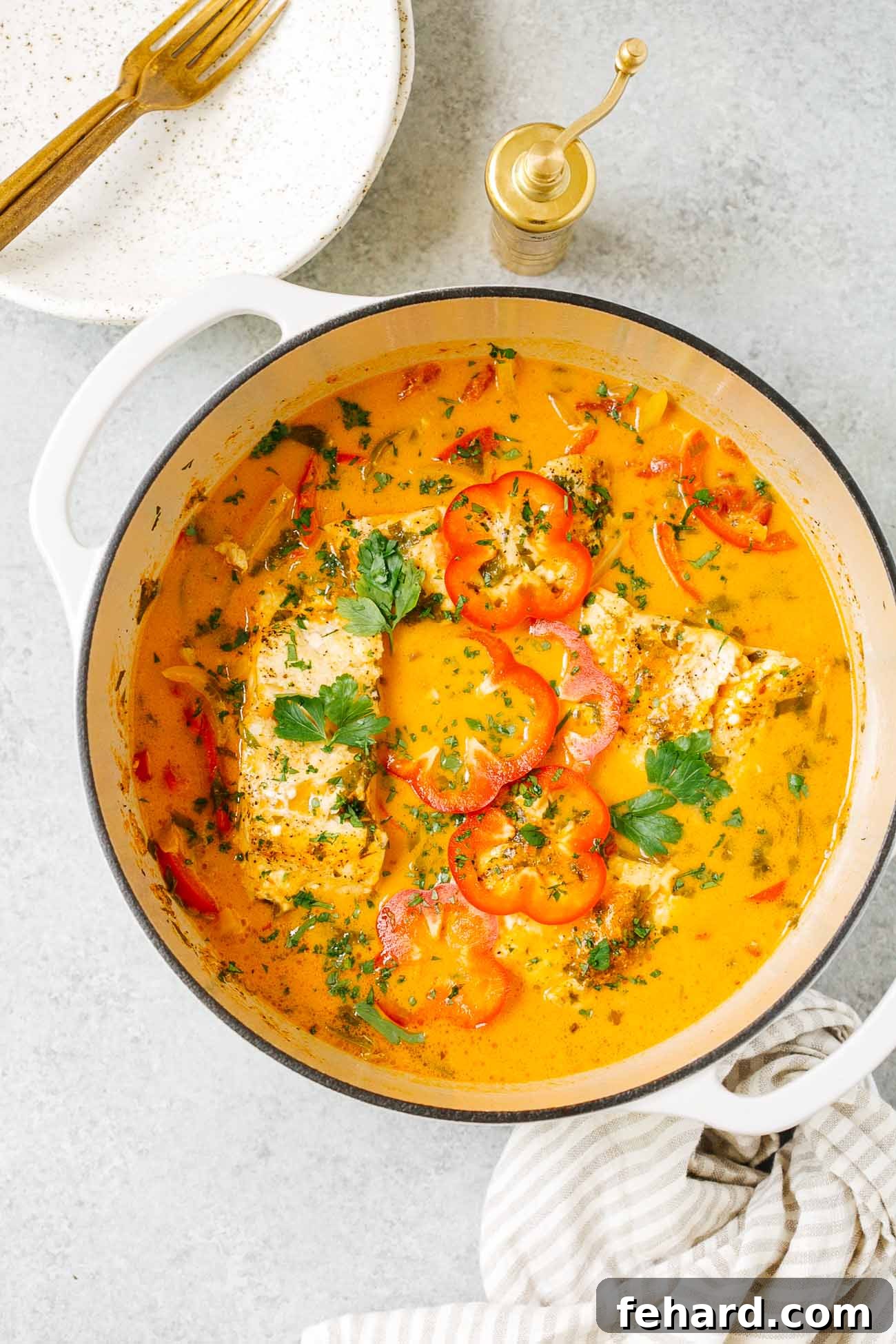
I find immense joy in preparing stews for dinner, particularly because they require minimal hands-on cooking, allowing for more time to relax and enjoy. If you appreciate the convenience of easy weeknight stews, I also highly recommend trying these other fantastic recipes:
- Cabbage and Sausage Stew
- Instant Pot Chicken Stew
- Instant Pot Beef Stew Recipe
- Healthier Slow Cooker Beef Stew Recipe
What is Moqueca? The Heart of Brazilian Cuisine
Moqueca, often hailed as one of Brazil’s national treasures, is far more than just a fish stew; it’s a vibrant celebration of flavors, culture, and tradition. At its core, Moqueca is a slow-cooked seafood stew prepared with firm white fish, luscious coconut milk, fresh tomatoes, and colorful bell peppers. The final flourish often includes a generous squeeze of lime juice and a sprinkle of fresh cilantro, imparting a signature brightness that awakens the palate.
Historically, Moquecas are simmered in traditional clay pots, which are believed to enhance the flavors and provide even heat distribution. If a clay pot isn’t available in your kitchen, a sturdy Dutch oven serves as an excellent alternative, offering similar benefits in heat retention and cooking consistency, ensuring your Moqueca develops its rich and complex flavors beautifully.
Delving deeper into Brazilian culinary geography, you’ll discover two primary regional variations of Moqueca, each with its unique character:
- Moqueca Baiana: Hailing from Bahia, a state in Brazil’s vibrant northeast, Moqueca Baiana is renowned for its bold and distinct use of palm oil (dendê oil) and creamy coconut milk. These ingredients lend the stew a rich, golden hue and an unmistakable earthy, slightly nutty flavor profile.
- Moqueca Capixaba: Originating from Espírito Santo, a southeastern state, Moqueca Capixaba offers a lighter, more delicate approach. This version typically foregoes palm oil in favor of olive oil and utilizes a tomato broth base, resulting in a fresher, more subtly flavored stew that still embodies the essence of Brazilian coastal cuisine.
For this particular seafood recipe, I’ve chosen to combine elements from both traditions to create a uniquely delicious dish that’s accessible wherever you are. While I embraced the essential coconut milk component of Moqueca Baiana, I opted to replace red palm oil with olive oil. This substitution was primarily due to the challenge of sourcing authentic palm oil readily here in Canada, ensuring that the recipe remains achievable without compromising on the authentic spirit and incredible taste of a truly great Brazilian fish stew.
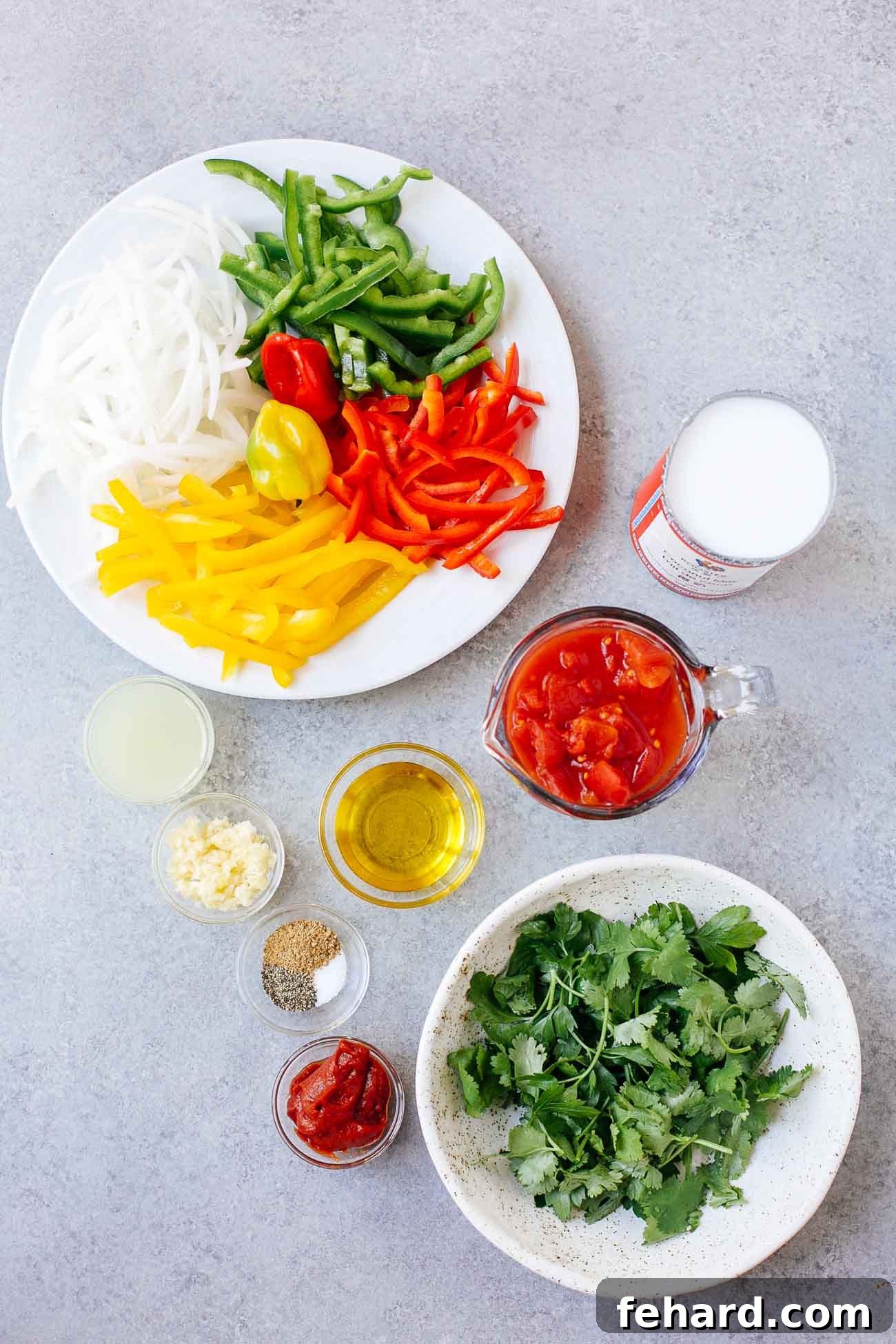
Essential Ingredients for Your Brazilian Fish Stew
- Cod fish: The star of the show! Cod is an excellent choice for its firm, flaky texture that holds up well in a stew. Other fantastic options include mahi-mahi, snapper, grouper, or sea bass. Always ensure that pin bones are meticulously removed to prevent any choking hazards. Opt for thick cuts that are similar in size to ensure even cooking. For an extra touch of seafood decadence, feel free to add shrimp to the stew alongside the fish.
- Lime juice: Freshly squeezed lime juice is absolutely crucial. Its bright, zesty acidity cuts through the richness of the coconut milk and peppers, elevating all the flavors. Bottled lime juice simply doesn’t offer the same vibrant taste.
- Salt and freshly ground black pepper: Essential seasonings to enhance the natural flavors of the fish and vegetables. Adjust to your personal preference.
- Olive oil: A versatile and healthy oil that serves as the base for sautéing the aromatics. You can also use another neutral cooking oil if preferred.
- Garlic cloves: Finely minced, garlic provides an aromatic foundation for the stew, infusing it with its pungent and savory notes.
- Peppers: This recipe calls for a colorful assortment, including green, red, and yellow bell peppers, which not only add a beautiful pop of color but also contribute layers of sweet and slightly bitter flavors. An optional hot pepper (such as a small bird’s eye chili or a dash of red pepper flakes) can be added if you enjoy a touch of heat, but it can be omitted for a milder stew.
- Diced tomatoes: Canned diced tomatoes, along with their liquid, provide a rich, tangy base and contribute to the stew’s vibrant color and depth. This convenient option saves time on dicing fresh tomatoes.
- Onion: A medium white or yellow onion, thinly sliced, will soften beautifully during simmering, adding a sweet and savory depth to the stew.
- Fresh herbs: A generous handful of fresh cilantro and parsley, chopped, are stirred in at various stages to imbue the stew with their signature fresh, herbaceous aroma and bright flavor. They are also perfect for garnishing.
- Ground Coriander: This spice adds a warm, earthy, and distinctly citrusy note that complements the other flavors wonderfully.
- Coconut milk: For the creamiest, most authentic Moqueca, use full-fat canned coconut milk. Avoid the thinner, refrigerated coconut milk beverages, as they lack the richness and body needed for this stew.
- Tomato paste: A small amount of tomato paste deepens the tomato flavor and helps to thicken the stew, giving it a more luxurious consistency.
Step-by-Step Instructions: Crafting Your Moqueca de Peixe
Creating this flavorful Brazilian Fish Stew is a straightforward process that yields impressive results. Follow these simple steps for a perfect Moqueca:
Prepare the Fish
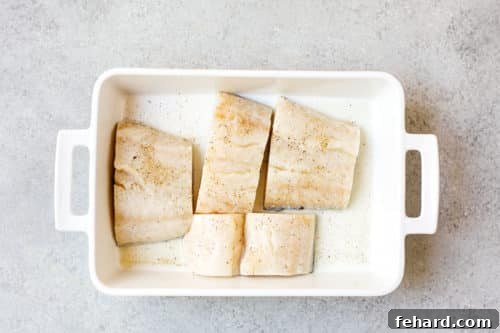
- Begin by gently rinsing your fish fillets and patting them dry. Place the fish in a large glass bowl. Season generously with salt, freshly ground black pepper, and the vibrant squeeze of fresh lime juice. Gently toss to ensure the fish is evenly coated. Allow it to marinate in the refrigerator for approximately 15 minutes. This brief marinade helps to tenderize the fish and infuse it with zesty flavor.
Build the Flavorful Base
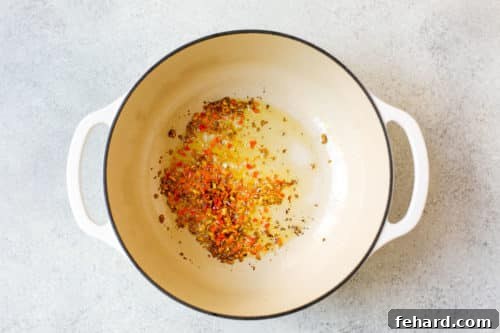
- In a large Dutch oven or a traditional clay pot, heat 2 tablespoons of olive oil over medium heat. Once shimmering, add the finely minced garlic and, if using, the hot pepper. Sauté for about 1 minute until the garlic is fragrant and lightly golden. Be vigilant to prevent the garlic from burning, which can impart a bitter taste.
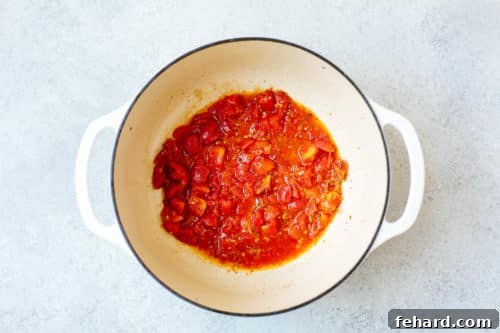
- Next, spread the diced tomatoes (including their liquid from the can) evenly across the bottom of the pot. This creates a flavorful, moist layer for the other ingredients.
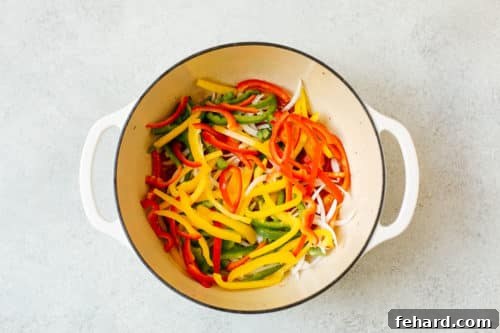
- Arrange the colorful bell peppers and sliced onions on top of the tomatoes. These vegetables will soften beautifully and release their sweet flavors into the stew.
Add the Fish and Simmer to Perfection
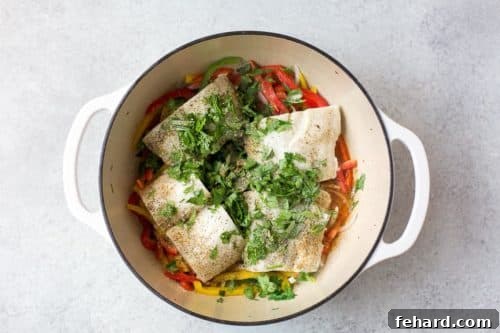
- Carefully place the marinated fish fillets over the layer of vegetables. Sprinkle fresh cilantro, parsley, and ground coriander over the fish. Add another light pinch of salt and pepper to season these fresh additions.
- Pour the full-fat coconut milk into the Dutch oven, ensuring it evenly coats the ingredients. Then, add the tomato paste, gently stirring it into the liquid without disturbing the fish too much. Bring the stew to a gentle boil over medium-high heat.
- Once boiling, reduce the heat to a low simmer, cover the pot, and cook for about 15 minutes. The stew is ready when the onions are tender and the fish is opaque and cooked through. Be careful not to overcook the fish, as it can become tough and flaky.
- Before serving, taste the stew and adjust seasonings as needed, adding more salt, pepper, or lime juice to your preference. Garnish generously with freshly chopped cilantro and parsley for an inviting aroma and visual appeal.
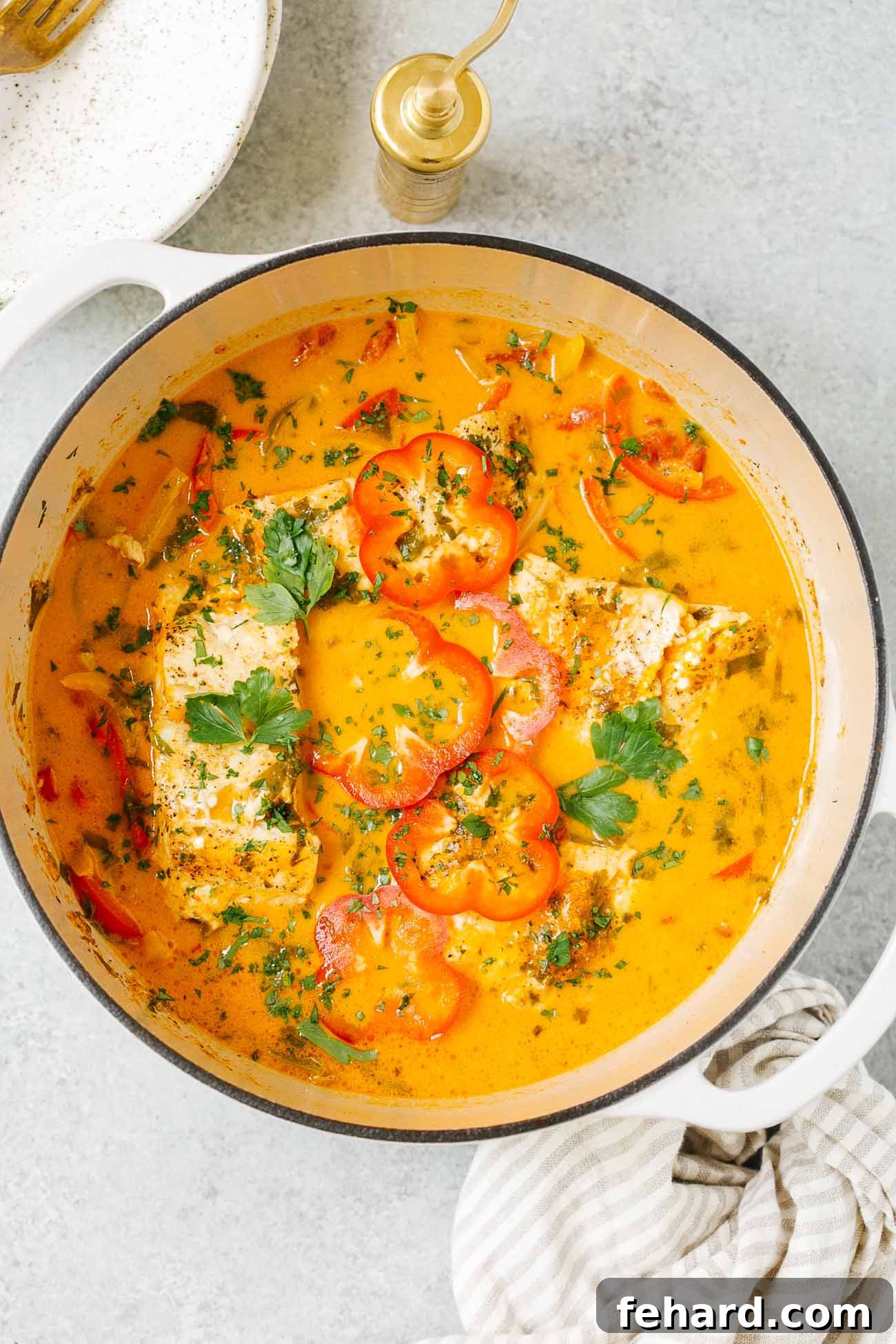
Serving Suggestions & Storage Tips
Moqueca de Peixe is a meal in itself, but it truly shines when served alongside a few simple accompaniments. Traditionally, it is often enjoyed with fluffy white rice, which soaks up the rich, flavorful broth beautifully. A side of farofa (toasted cassava flour) adds a delightful texture, or simply some crusty bread for dipping. A fresh green salad provides a refreshing counterpoint to the creamy stew.
Expert Tips for a Flawless Moqueca
- Gentle Hand: Once the stew is simmering, resist the urge to stir it vigorously. Excessive stirring can cause the delicate fish fillets to break apart, marring the presentation and texture. A gentle swirl of the pot is usually sufficient to distribute the heat.
- Don’t Overcook: Fish cooks quickly, and this stew has a relatively short simmering time. Overcooking will result in dry, tough fish that easily falls apart. Keep an eye on the fish; it’s done as soon as it turns opaque and flakes easily with a fork.
- Frozen Fish Fillets: If you’re using frozen fish, ensure it is completely thawed before adding it to the Dutch oven. Pat it dry to remove any excess moisture, which can dilute the stew’s flavors.
- Fresh Ingredients Matter: While convenience ingredients are used, the freshness of your herbs, lime, and bell peppers truly makes a difference in the final flavor profile. Opt for the freshest produce available.
- Garnish for Impact: Don’t skip the final garnish of fresh cilantro and parsley. Not only does it add a beautiful vibrant color, but it also brightens the aroma and taste of the stew.

Brazilian Fish Stew (Moqueca de Peixe)
Video
Ingredients
- 1 lb cod fish (or other firm white fish, like mahi mahi or sea bass) , rinsed and pin bones removed.
- 2 tbsp lime juice
- Salt and freshly ground black pepper to taste
- 2 tbsp olive oil divided
- 3 garlic cloves minced
- 1 hot pepper finely chopped (optional)
- 1 cup diced tomatoes (from a can)
- 1 green bell pepper seeded and sliced
- 1 red bell pepper seeded and sliced
- 1 yellow bell pepper seeded and sliced
- 1 medium white/yellow onion sliced
- 1 small bunch of cilantro chopped
- 1 small bunch of parsley chopped
- 1 teaspoon coriander
- 14 ounce coconut milk can
- 1 ½ tbsp tomato paste
Instructions
-
Place fish in a large glass bowl and season with salt, pepper and lime juice. Set aside in the fridge for about 15 minutes.

-
In a large Dutch oven pot (or clay pot), add 2 tablespoon of olive oil over medium heat. Add the garlic and hot pepper and cook for about 1 minute.
-
Spread diced tomatoes on the bottom of the pot.
-
Then, add bell peppers and sliced onions.
-
Add the fish fillets and cilantro, parsley and coriander on top. Season with a pinch of salt and pepper again.
-
Pour the coconut milk and add tomato paste. Bring to a boil over medium-high heat. Then cover, lower the heat to a simmer and cook for 15 minutes, or until the onions are tender and the fish are fully cooked.
-
Taste and adjust seasonings if desired. Garnish with chopped fresh cilantro and parsley. Serve with rice and salad.


Notes
- Avoid stirring the soup too frequently as you don’t want the fish to break up.
- Careful not to over simmer the stew as the fish will come out tough.
- If you are using frozen fish to make the stew, thaw beforehand.
- To store: This Brazilian fish stew stores exceptionally well. Once cooled, transfer any leftovers to an airtight container and refrigerate for up to 3-4 days.
- To reheat: Gently reheat the stew on the stovetop over low heat until warmed through, taking care not to boil aggressively, which could overcook the fish.
- To freeze: For longer storage, allow the stew to cool completely to room temperature. Transfer it to a freezer-safe, airtight container and freeze for up to 3 months. Thaw overnight in the refrigerator before gently reheating.
Nutrition
Nutrition information is automatically calculated, so should only be used as an approximation.
Did You Make This?
Follow @primaverakitchen on Instagram, snap a photo, and tag it #primaverakitchen. We’d love to see your recreation.