
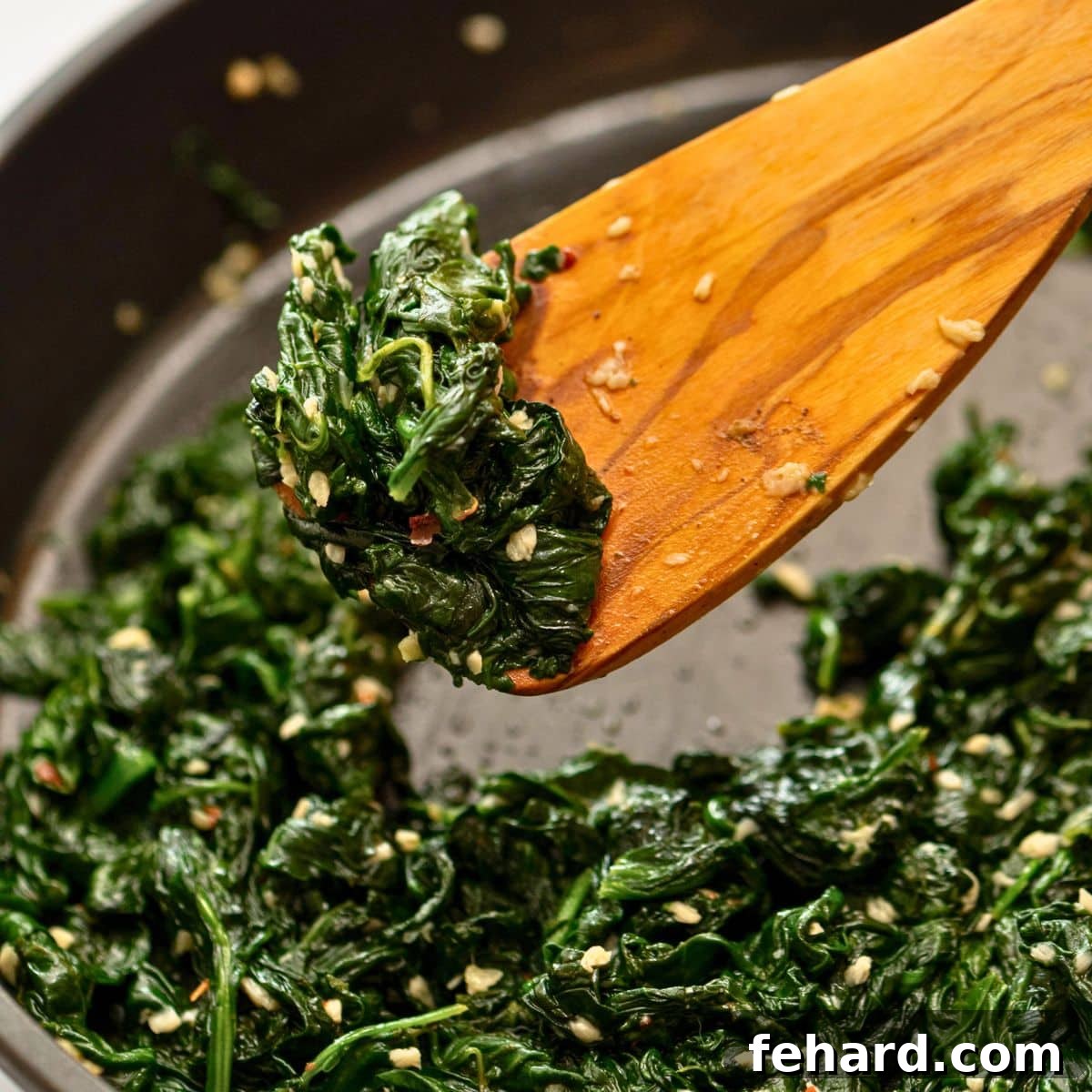
Transform fresh spinach into an incredibly vibrant, flavorful, and healthy side dish in merely 10 minutes! This ultimate recipe for sautéed spinach, kissed with bright lemon and infused with fragrant garlic, utilizes simple, wholesome ingredients to deliver a nutrient-dense powerhouse that’s astonishingly versatile. Say goodbye to bland, soggy greens and hello to a dish that will quickly become a staple in your kitchen. Whether you’re a seasoned chef or a beginner cook, this guide will walk you through creating perfectly tender, yet never mushy, garlic lemon spinach that pairs beautifully with virtually any meal. Get ready to impress your taste buds and boost your nutrition with this deceptively easy recipe.
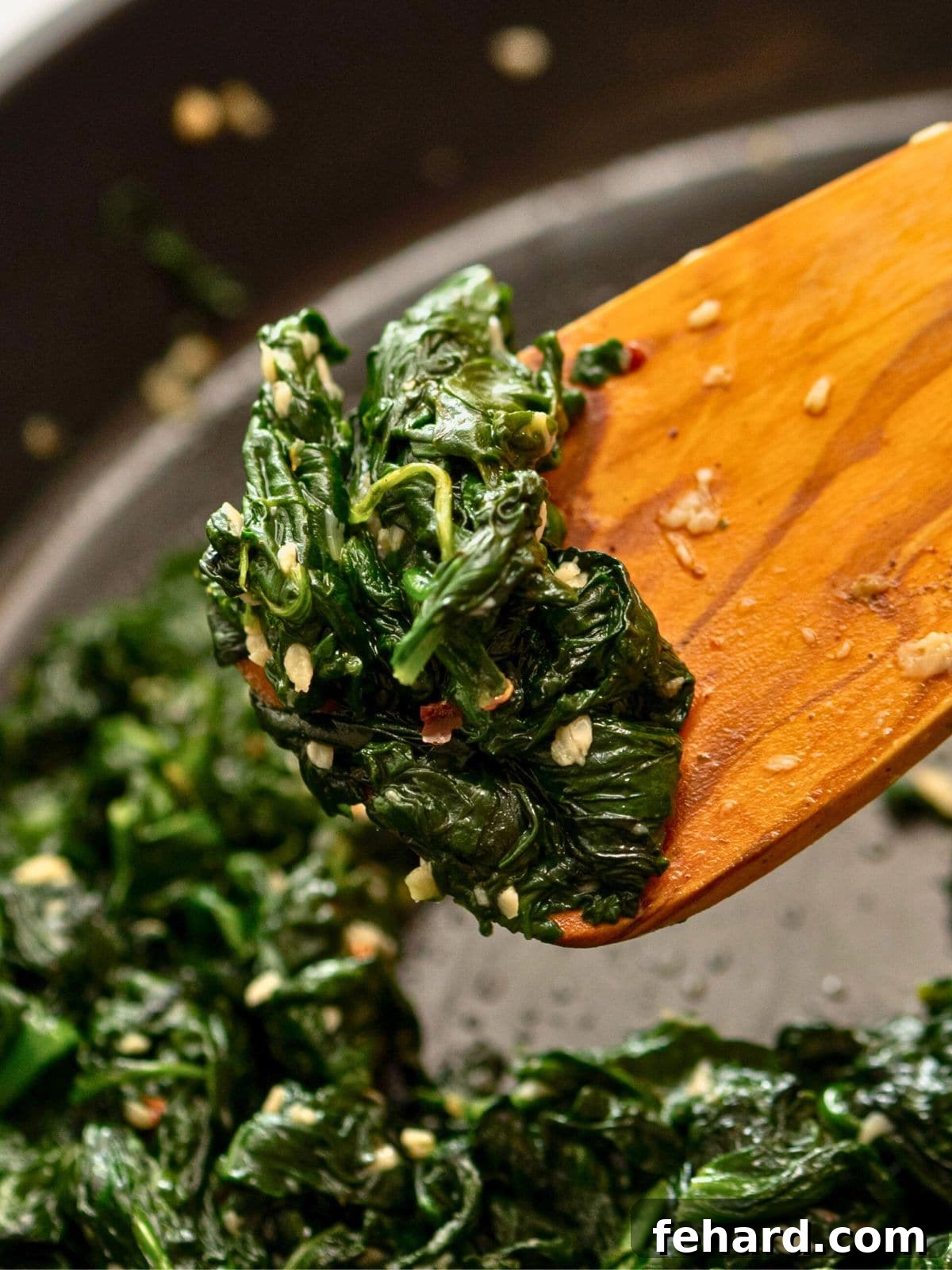
Unlock the Secret to Perfect Sautéed Spinach: Expert Tips for Success

The difference between a sad, wilted pile of spinach and a truly crave-worthy, bright, and silky-smooth sautéed spinach dish lies in a few crucial techniques. Many people struggle with achieving that ideal texture and flavor, often ending up with slimy or watery results. But fear not! With these tried-and-true tips, you’ll consistently create sautéed spinach that’s bursting with flavor and boasts an irresistible texture. Follow these guidelines closely for a guaranteed triumph in your kitchen, ensuring your greens are never soggy or overcooked.
- Ensure Your Spinach is Bone Dry. This is perhaps the most critical step for avoiding slimy, unappetizing spinach. Spinach naturally holds a lot of water, and if that water is released into the pan during cooking, it will steam the spinach rather than sauté it, leading to a watery, dull finish. After washing your spinach thoroughly under cool water, take the time to pat it completely dry with a clean kitchen towel or use a salad spinner. Even if you buy pre-washed spinach, a quick pat-down is highly recommended to eliminate any residual moisture. Dry spinach allows for proper caramelization and the development of rich flavors, giving you that ideal tender-crisp texture.
- Never Burn the Garlic – It’s a Flavor Killer! Garlic is essential to this dish, providing a deep, aromatic base that complements the spinach beautifully. However, garlic burns quickly, and burnt garlic imparts a bitter, acrid taste that will unfortunately permeate and ruin your entire dish. Keep a close eye on your minced garlic when it hits the hot oil. It should only be sautéed for a brief 30 to 60 seconds, or just until it becomes fragrant and turns a very light golden color. If you see it browning rapidly, or worse, turning dark, it’s best to remove the pan from the heat, discard the contents, wipe the pan clean, and start over with fresh garlic and oil. This small effort makes a huge difference in the final taste profile.
- Be Mentally Prepared for the Great Spinach Shrinkage. Don’t be alarmed by the sheer volume of fresh spinach you start with. Raw spinach leaves are mostly water, and as they cook, this water is released, causing the leaves to drastically reduce in volume. A large bag or even 10 cups of fresh spinach can quickly wilt down to a mere cup or so of cooked spinach. This transformation is normal and expected. Use a very large pan or a spacious Dutch oven to accommodate the initial bulk, knowing that it will shrink considerably, making it easier to manage as it wilts. This concentration of leaves also intensifies their earthy flavor.
- Don’t Overcrowd Your Pan. While it might seem counterintuitive when dealing with a large pile of spinach, avoid packing your pan too tightly initially. If the pan is overcrowded, the spinach will release its water too quickly and steam rather than sauté, leading to that undesirable watery, mushy texture. Cook in batches if necessary, or add spinach in stages, allowing each addition to wilt slightly before adding more. This ensures even cooking and prevents the spinach from becoming soggy. A spacious pan is key for optimal results.
- Season Thoughtfully and Taste As You Go. Proper seasoning elevates sautéed spinach from merely good to absolutely outstanding. Salt not only enhances flavor but also helps draw out moisture. Black pepper adds a subtle kick, and red pepper flakes offer a welcome warmth for those who enjoy a hint of spice. However, always taste your spinach before adding more salt, especially if you plan to incorporate Parmesan cheese later, which is already salty. A squeeze of fresh lemon juice at the end brightens all the flavors, making them truly pop. Adjust these seasonings to your personal preference for a perfectly balanced dish every time.
Happy Cooking! These fundamental tips will ensure your sautéed spinach is always a resounding success and a delicious addition to any meal. xo Kristen
Essential Ingredients for the Best Sautéed Spinach
Creating a truly exceptional sautéed spinach dish doesn’t require a lengthy list of exotic ingredients. In fact, its beauty lies in the simplicity and quality of a few core components. Below, we’ll dive into the essential items you’ll need, along with tips for selecting the finest produce and pantry staples to ensure your dish is packed with maximum flavor and nutrition. You will find the full list of ingredients, along with precise quantities, conveniently located in the recipe card at the bottom of this article.
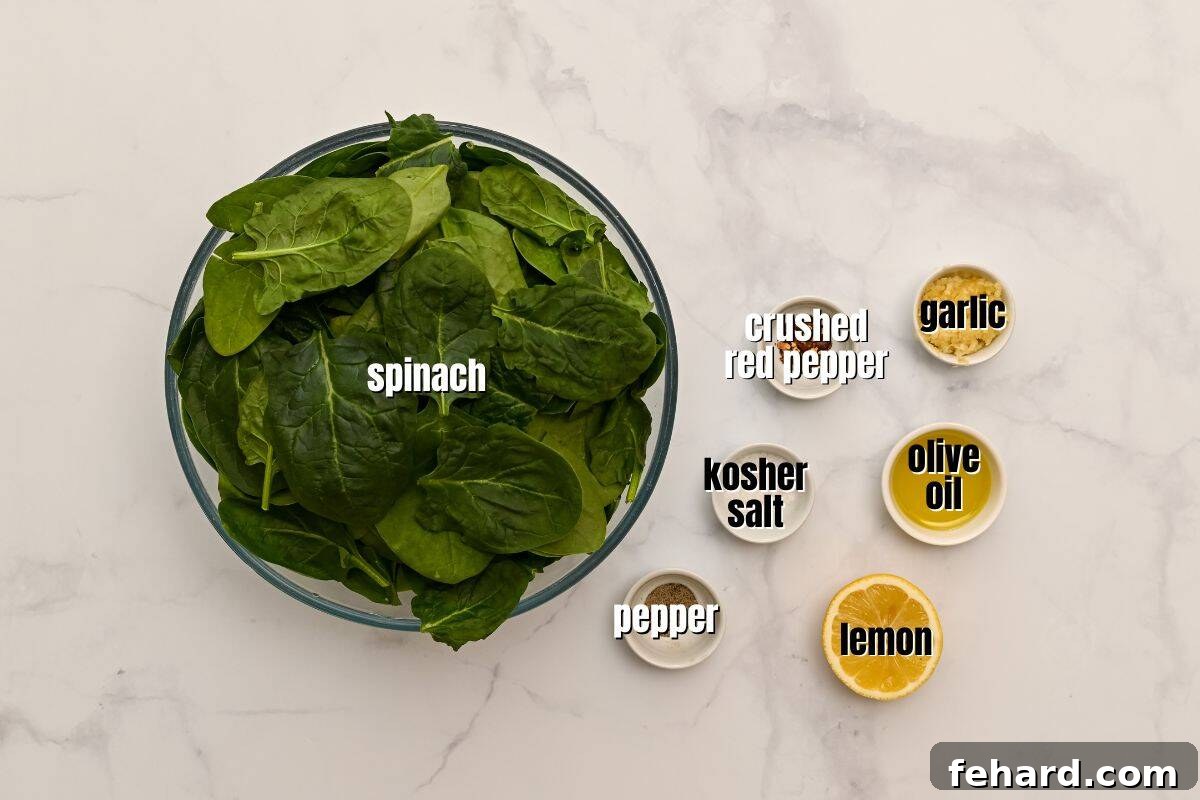
- Fresh Spinach: The undeniable star of our show! You have the choice between baby spinach or mature spinach. Baby spinach is typically more tender, has a milder flavor, and requires minimal prep, making it a convenient choice. Mature spinach leaves are larger, possess a slightly more robust, earthy taste, and may have thicker, woody stems that should be removed and discarded before cooking for the best texture. Always look for vibrant, deep green leaves without any yellowing, sliminess, or bruising. A pound of spinach might seem like an enormous amount when raw, but remember how drastically it wilts down during cooking!
- High-Quality Oil: The right cooking oil is crucial for achieving that perfect sauté. Extra virgin olive oil is an excellent choice, lending a beautiful fruity note, a rich aroma, and offering fantastic nutritional benefits with its healthy monounsaturated fats. Alternatively, avocado oil is another superb option, known for its neutral flavor profile and higher smoke point, making it suitable for medium-heat cooking while still providing healthy monounsaturated fats. Avoid highly refined vegetable oils that can impart off-flavors or contain unhealthy fats.
- Fresh Lemon: This is the secret ingredient that elevates sautéed spinach from simply good to truly spectacular. Freshly squeezed lemon juice, added at the very end of the cooking process, provides a bright, acidic counterpoint to the earthy spinach and sharp garlic. It literally makes all the flavors “POP!” and adds a refreshing finish. Don’t underestimate its power to refresh and balance the entire dish. Always opt for fresh lemon over bottled juice for the purest, most vibrant taste. A medium-sized lemon usually yields enough juice for a pound of spinach.
-
Aromatic Seasonings: These staples build the foundational flavor profile.
- Fresh Minced Garlic: Garlic forms the aromatic backbone of this dish. For the best flavor distribution and intensity, use fresh garlic cloves and mince them finely. Avoid pre-minced jarred garlic if possible, as it often has a less potent and sometimes slightly metallic or stale flavor. Aim for about 3 medium cloves, which typically yields around 1 tablespoon when minced.
- Kosher Salt: Essential for enhancing all the other flavors. Kosher salt has larger, flakier crystals than table salt, making it easier to control seasoning and less likely to over-salt. Remember, you can always add more salt to taste at the end, but you can’t take it away once added!
- Freshly Ground Black Pepper: A staple seasoning that adds a subtle warmth and depth to the dish. Freshly ground pepper offers a more potent aroma and complex flavor compared to pre-ground varieties, which can become flat over time.
- Crushed Red Pepper Flakes: For those who enjoy a little heat, red pepper flakes add a wonderful, gentle kick and a hint of visual appeal. You can easily adjust the amount based on your personal preference for spice, from a tiny pinch for a hint of warmth to a full half teaspoon for a noticeable zing.
-
Optional Flavor Boosters: These thoughtful additions can transform your simple sautéed spinach into an even more sophisticated side dish, adding texture and layers of flavor.
- Golden Raisins: A surprising but delightful addition, offering a touch of natural sweetness and a pleasant chewiness that contrasts beautifully with the savory spinach and sharp garlic. Their subtle fruitiness works harmoniously with the lemon. Add them at the very end of cooking for the best results, allowing them to plump slightly in the residual heat.
- Grated Parmesan Cheese: For a savory, umami-rich finish, a sprinkle of freshly grated Parmesan cheese (or Pecorino Romano for a sharper taste) right before serving is divine. Its salty, nutty notes complement the earthy spinach perfectly. Always opt for high-quality, freshly grated cheese over pre-shredded for superior flavor and texture.
- Toasted Pine Nuts: Add a lovely crunch and buttery flavor by lightly toasting a tablespoon or two of pine nuts in a dry skillet over medium-low heat until fragrant and golden brown. Sprinkle them over the finished spinach just before serving for an elegant touch.
- A Dash of Nutmeg: A classic pairing with spinach, a tiny pinch of freshly grated nutmeg can add a subtle, warm, and comforting aroma and flavor.
Mastering the Art: Step-by-Step Guide to Sautéing Spinach Like a Pro
Achieving perfectly sautéed spinach is a straightforward process once you understand a few key steps and techniques. This section provides detailed guidance to help you navigate each stage, ensuring your spinach is vibrant, tender, and incredibly flavorful every single time. Remember to have all your ingredients prepped and ready before you start cooking – this will make the 10-minute process even smoother and more enjoyable! You will find the precise ingredient quantities and comprehensive instructions in the full recipe card located at the very bottom of this post.
- Thoroughly Prepare Your Spinach with Care. Begin by thoroughly washing one pound of fresh spinach under cool running water to remove any dirt, sand, or grit. Even if the packaging states “pre-washed,” an extra rinse ensures cleanliness. After washing, this is where precision matters most: you must dry the spinach completely. Use a clean kitchen towel to meticulously pat the leaves dry, or for the most efficient method, run them through a salad spinner until no excess moisture remains. This crucial step prevents soggy spinach. For mature spinach, take a moment to pinch off and discard any thick, woody stems, as these can be fibrous and unpleasant to eat. Set the perfectly dry spinach aside.
- Infuse the Oil with Aromatic Garlic. Choose a very large non-stick stock pan, a spacious Dutch oven, or the largest skillet you own – you’ll need ample room for all that spinach! Place the pan over medium heat and add 1 tablespoon of extra virgin olive oil (or avocado oil). Allow the oil to heat gently until it’s shimmering, indicating it’s ready. Add your finely minced garlic. Sauté the garlic for a very short duration, typically just 30 to 60 seconds. The goal is to cook it until it becomes wonderfully fragrant and turns a very light, almost translucent golden hue. Be vigilant and do not let it brown or burn, as this will introduce an unpleasant, acrid, bitter taste to your dish that cannot be salvaged.
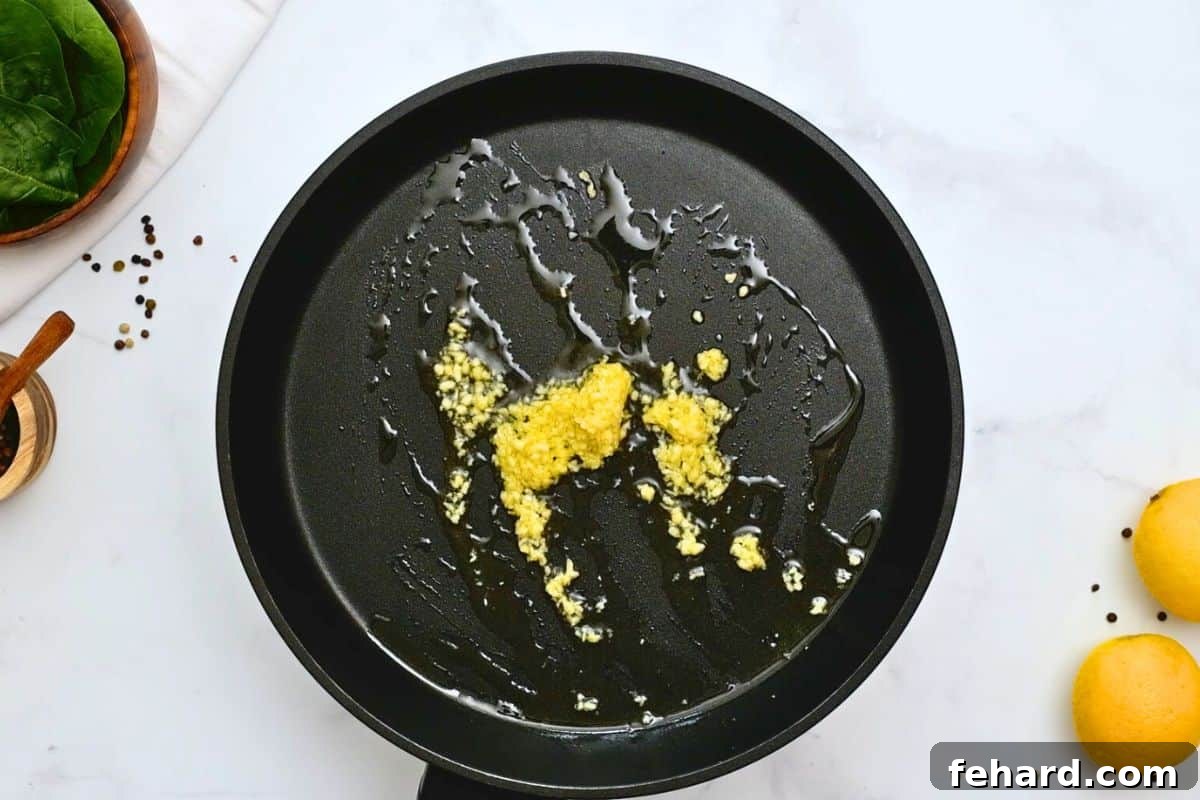
- Introduce the Spinach and Begin the Wilt. Once the garlic is perfectly fragrant and lightly golden, add the thoroughly dried spinach to the pan. Don’t worry if it seems like an overwhelming amount, filling the pan to the brim; it will quickly reduce. You might need to add it in batches if your pan isn’t exceptionally large, or gently press it down with a wooden spoon to make it fit initially. Gently toss the spinach with the olive oil and garlic, ensuring as many leaves as possible are coated. Reduce the heat to low, cover the pan with a lid, and allow the spinach to cook undisturbed for just 2 minutes. The lid will trap steam, efficiently initiating the wilting process and ensuring even cooking.
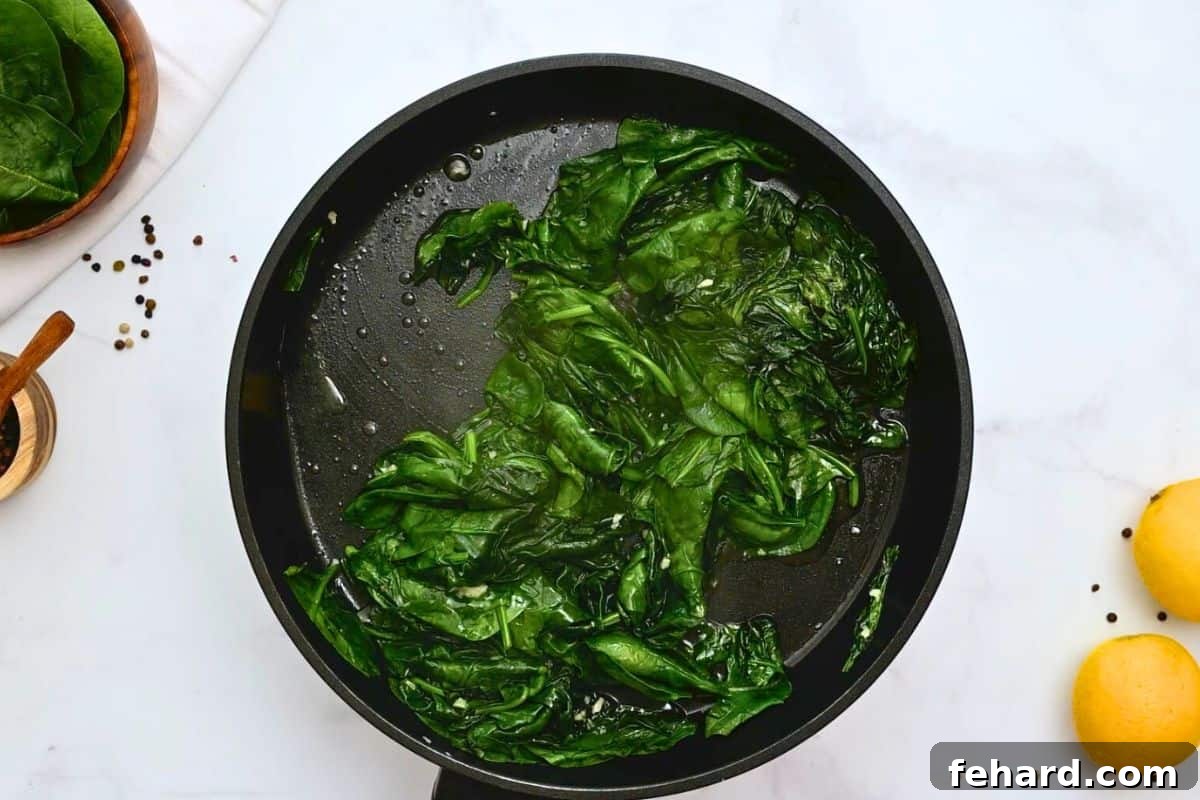
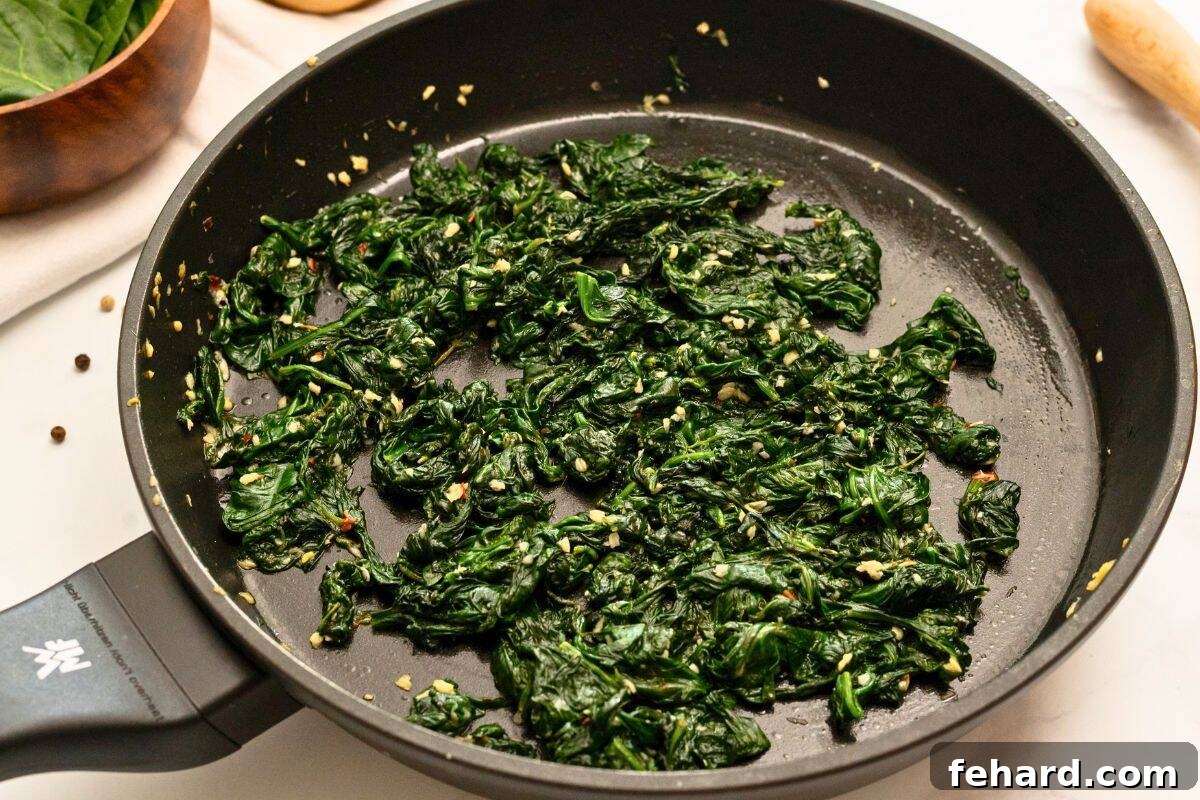
- Season and Finish Sautéing for Vibrant Results. After 2 minutes, remove the lid from the pan and increase the heat back to medium. Now, it’s time to season! Add your ½ teaspoon of kosher salt, ½ teaspoon of freshly ground black pepper, and ½ teaspoon of crushed red pepper flakes (remember to adjust the flakes to your personal spice preference). Continue to sauté the spinach uncovered, stirring frequently with your wooden spoon, for an additional 1-2 minutes. During this crucial stage, any remaining moisture will evaporate, and the spinach will finish wilting to a vibrant green, tender consistency that is never slimy. It’s crucial not to overcook the spinach, as it can quickly become mushy and lose its bright color and fresh flavor. Keep a close eye on it!
- Drain (If Necessary) and Brighten with Lemon. Once the spinach is perfectly wilted and tender-crisp, immediately remove the pan from the heat. If you notice any significant excess liquid pooling at the bottom of the pan, you can gently tilt the pan and drain it off. This step is particularly important if you plan to use the sautéed spinach in fillings for lasagna, quiche, or stuffed shells, where extra moisture isn’t desired. Finally, generously squeeze the fresh juice of one medium lemon over the warm spinach. The lemon will instantly brighten all the flavors, add a wonderful zing, and cut through the richness. If using, now is the time to stir in your optional golden raisins or sprinkle with freshly grated Parmesan cheese. Taste the spinach and adjust seasoning with additional salt or pepper as needed for perfect balance. Serve immediately while hot for the best experience.
Versatile Pairings: Endless Ways to Enjoy Sautéed Spinach
The beauty of this garlicky, earthy, and bright sautéed spinach lies in its incredible versatility. While it undeniably shines as a standalone side dish, perfectly complementing a juicy ribeye steak or a tender honey lemon chicken, its culinary potential extends far beyond. Don’t limit yourself! This nutrient-dense addition can elevate countless meals, adding both fantastic flavor and a healthy boost to your everyday cooking. Explore these creative ways to incorporate perfectly sautéed spinach into your daily culinary repertoire and discover new favorites.
- Enhance Your Pasta Dishes: Sautéed spinach is a natural and delicious fit for a multitude of pasta creations. Simply toss freshly cooked pasta with the warm garlic-lemon spinach and a generous drizzle of your finest extra virgin olive oil for a quick, elegant, and wholesome meal that comes together in minutes. It’s also fantastic when mixed into comforting casseroles like baked rotini before baking, or gently folded into a vibrant pasta primavera or hearty Instant Pot rigatoni just before serving. The soft texture and robust flavor of the spinach blend seamlessly with various pasta shapes and sauces, adding color, flavor, and nutrition.
- A Flavorful Boost for Lasagna & Stuffed Shells Fillings: Take your Italian comfort food to the next level with this simple yet impactful addition. After sautéing, make sure to squeeze out any excess moisture from the spinach – this is an absolutely crucial step to prevent your ricotta or cottage cheese filling from becoming watery. Then, simply fold the prepared spinach into your cheese mixture for Homemade Lasagna, savory Stuffed Shells, or even Instant Pot Lasagna. This addition introduces an insane depth of savory flavor and a significant boost of nutrients without overpowering the traditional taste.
- Perfect with Eggs for Any Meal of the Day: Spinach and eggs are a classic pairing for a reason, and perfectly sautéed spinach makes it even better. Fold it into a fluffy omelet or combine it with scrambled eggs for a quick, nutritious, and incredibly satisfying breakfast or brunch. It’s also a fantastic and healthy addition to hearty breakfast burritos, satisfying egg sandwiches, elegant quiche, rustic frittatas, or convenient egg bites. The subtle earthiness of spinach beautifully complements the richness of eggs, creating a balanced and wholesome meal.
- Serve Over Grains for a Wholesome & Hearty Meal: Elevate simple grains into a complete and flavorful dish with the addition of sautéed spinach. Spoon warm sautéed spinach generously over fluffy Instant Pot brown rice, protein-packed Instant Pot quinoa, or creamy grits. The garlic and lemon notes infuse the grains, turning them into a more exciting and nutritionally complete meal. It’s an incredibly easy way to add volume, fiber, and essential vitamins to your plate, making a simple base more exciting.
- A Delicious Topping for Pizzas & Flatbreads: Sautéed spinach isn’t just a side; it can be the star! It forms the backbone of my popular Spinach Pizza, but it’s equally fabulous as a quick and flavorful topping for various homemade pizzas and flatbreads. Spread it over pita pizzas, crispy bagel pizzas, or classic English muffin pizzas for a healthy and flavorful twist. Combine it with crumbled feta cheese, sun-dried tomatoes, or Kalamata olives for an even richer Mediterranean-inspired pizza experience.
- Stir Into Soups & Stews: For an instant nutritional boost and added depth of flavor, stir a handful of perfectly sautéed spinach into your favorite hearty soups, comforting stews, or even a spicy chili right before serving. It will add a beautiful splash of green color and a fresh, earthy taste without needing extra cooking time.
- Delicious in Sandwiches and Wraps: Replace plain lettuce with tender sautéed spinach for a more substantial, flavorful, and nutrient-dense addition to your everyday sandwiches, wraps, or even quesadillas. It adds a gourmet touch and extra vitamins to your lunch, making it more satisfying and healthy.
Explore More Delicious Spinach Recipes to Love
If you’ve fallen in love with the vibrant taste and incredible versatility of spinach after trying this fantastic sautéed spinach recipe, you’re in luck! Spinach is a culinary chameleon, capable of transforming into an array of delicious and healthy dishes suitable for any meal of the day. From refreshing salads to hearty baked meals and savory dips, here are more recipes where spinach takes center stage, offering both fantastic flavor and a powerful nutritional punch. Expand your spinach repertoire and discover new ways to enjoy this amazing green!
- Strawberry Spinach Salad: A delightful combination of sweet strawberries, tender spinach, and often crunchy nuts, perfect for spring and summer gatherings.
- Quinoa Spinach Salad: A light, protein-packed, and wholesome meal, ideal for healthy lunches or a fulfilling side dish, bursting with fresh flavors.
- Spinach Bacon Salad: A classic and beloved combination of crisp bacon, fresh spinach leaves, and often a warm, tangy dressing that creates a comforting flavor profile.
- Overnight Breakfast Strata with Spinach: A convenient and delicious make-ahead breakfast casserole, perfect for feeding a crowd or for lazy weekend mornings.
- Spinach Avocado Salad: Creamy, ripe avocado meets crisp, fresh spinach in this simple, satisfying, and healthy salad, often enhanced with a light vinaigrette.
- Spinach Artichoke Dip: A lighter, yet equally indulgent, version of a beloved creamy, cheesy appetizer, perfect for parties or a cozy night in.
- Creamy Spinach Soup: A comforting and nutritious soup, velvety smooth and packed with the goodness of spinach, perfect for a light lunch or elegant starter.
- Spinach and Feta Stuffed Chicken: A delicious and impressive way to enjoy lean chicken breasts, filled with savory sautéed spinach, tangy feta cheese, and aromatic herbs.
The Incredible Health Benefits of Sautéed Spinach: A Nutritional Powerhouse
Beyond its delicious taste and ease of preparation, sautéed spinach is a nutritional powerhouse that offers a myriad of impressive health benefits. Incorporating this vibrant leafy green into your diet regularly is a fantastic and simple way to boost your overall well-being and contribute to a healthier lifestyle. Here’s a closer look at why spinach is so exceptionally good for you:
- Rich in Essential Vitamins and Minerals: Spinach is an outstanding source of vital nutrients. It’s particularly rich in Vitamin K, crucial for blood clotting and bone health, and Vitamin A (in the form of beta-carotene), essential for vision and immune function. It also provides ample Vitamin C, a powerful antioxidant, and folate, important for cell growth. Furthermore, spinach is packed with essential minerals like iron (important for energy and blood health), magnesium (for muscle and nerve function), manganese, and potassium (for blood pressure regulation).
- Powerful Antioxidant Properties: This green leafy vegetable is loaded with a diverse array of antioxidants, including lutein, zeaxanthin, and various flavonoids. These compounds actively help protect your body’s cells from oxidative stress and damage caused by free radicals, which are linked to aging and various chronic diseases. Regular consumption of spinach can therefore contribute to disease prevention.
- Supports Robust Bone Health: Thanks to its exceptionally high Vitamin K content, spinach is a cornerstone for maintaining strong and healthy bones. Vitamin K plays a vital role in calcium absorption and retention, and it’s involved in the synthesis of osteocalcin, a protein crucial for bone mineralization. Regular intake of spinach can contribute to stronger bones and significantly reduce the risk of osteoporosis.
- Promotes Optimal Eye Health: The abundant lutein and zeaxanthin found in spinach are powerful carotenoids known to accumulate in the retina. These compounds act as natural filters, protecting the eyes from harmful high-energy blue light and oxidative damage, thereby reducing the risk of age-related macular degeneration and cataracts. Incorporating spinach into your diet is a delicious way to support long-term vision health.
- Aids in Healthy Digestion: Spinach is a good source of dietary fiber, which is absolutely crucial for a healthy and well-functioning digestive system. Fiber helps to add bulk to stool, preventing constipation, promoting regularity, and supporting a diverse and healthy gut microbiome. A well-functioning digestive system is key to overall wellness.
- May Help Regulate Blood Pressure: The impressive combination of high potassium content and naturally occurring nitrates in spinach can contribute to cardiovascular health. Potassium helps to counteract the effects of sodium, while nitrates convert to nitric oxide in the body, which helps relax and widen blood vessels, promoting healthy blood flow and potentially lowering blood pressure.
- Low in Calories, High in Nutrients: Spinach is remarkably low in calories but exceptionally dense in nutrients, making it an ideal food for weight management and overall health. You get an incredible amount of nutritional bang for your buck without adding significant calories, allowing you to feel full and nourished.
By enjoying a serving of this delicious and easy sautéed spinach, you’re not just savoring a tasty dish; you’re actively nourishing your body with a powerful array of essential vitamins, minerals, and antioxidants. It’s a simple, yet profound, step towards a healthier, more vibrant lifestyle that everyone can easily incorporate.
Common Mistakes to Avoid When Sautéing Spinach for Perfect Results
While sautéing spinach seems incredibly simple and quick, a few common pitfalls can lead to less-than-perfect results, transforming your potentially vibrant side dish into something rather unappetizing. Being aware of these mistakes and knowing how to easily avoid them will ensure your sautéed spinach is always vibrant, tender, and bursting with flavor, rather than watery, slimy, or bitter. Heed these warnings for consistent success.
- Not Drying the Spinach Thoroughly: As highlighted in Kristen’s key tips, this is undoubtedly the number one culprit for soggy, unappealing spinach. Excess water on the leaves turns what should be a sautéing process into steaming, diluting the flavor, preventing proper browning, and ultimately creating a mushy, undesirable texture. Invest in a good salad spinner or take extra time with several layers of paper towels or a clean kitchen towel to ensure every single leaf is as dry as possible before it hits the pan.
- Burning the Garlic: Garlic is an essential flavor component, but it has a delicate nature. Garlic burns very quickly, and if it turns dark brown or black, it will impart a strong, unpleasant bitterness to your entire dish that is impossible to mask. Keep the heat moderate and sauté minced garlic for only 30-60 seconds until it’s just fragrant and lightly golden, never dark. If it does burn, it’s always best practice to discard the burnt garlic and oil, wipe the pan clean, and start fresh to avoid ruining the whole meal.
- Overcrowding the Pan: When too much spinach (or any vegetable) is added to a pan at once, the temperature of the pan drops dramatically, and the spinach begins to steam in its own moisture rather than sauté and brown. This results in soft, watery, and often dull-tasting spinach. To achieve that perfect texture and flavor, cook in batches if necessary, or add spinach gradually, allowing each addition to wilt down significantly before incorporating more. A spacious pan is paramount for allowing moisture to evaporate and flavors to concentrate.
- Overcooking the Spinach: Spinach cooks incredibly fast – often within just 2-4 minutes once it hits the hot pan. Overcooking will quickly lead to a dull, drab olive-green color and a slimy, mushy texture, stripping away its vibrant appeal and fresh taste. It only needs a few minutes to wilt down beautifully, becoming tender-crisp and retaining its bright green hue. Remove it from the heat as soon as it’s just tender, still vibrant, and most of its volume has reduced.
- Under-Seasoning or Incorrect Timing of Seasonings: Proper seasoning is about both the amount and the timing. Adding salt too early can draw out moisture prematurely, potentially leading to a drier result, while adding it too late means the flavors won’t properly meld with the spinach. Season primarily after the initial wilt, allowing the spinach to release some of its water first. Always taste and adjust seasonings at the very end to achieve the perfect balance for your palate. Crucially, the fresh lemon juice should always be added off the heat, just before serving, to preserve its delicate, bright, and vibrant flavor, which can be diminished by heat.
Storage and Reheating Tips for Sautéed Spinach
While sautéed spinach is undeniably best enjoyed immediately for optimal texture and vibrant flavor, it can be conveniently stored and reheated for future meals. Proper storage techniques are key to ensuring it remains fresh, delicious, and safe to eat, even on subsequent days.
- Cool Completely Before Storing: Before transferring any leftover sautéed spinach to a container, allow it to cool completely to room temperature. This crucial step prevents condensation from building up inside the container, which can lead to unwanted sogginess and a less appealing texture when reheated.
- Use an Airtight Container: Once cooled, transfer the sautéed spinach to an airtight container. This type of container is essential as it protects the spinach from absorbing odors from other foods in the refrigerator and effectively seals in its freshness, preventing it from drying out or spoiling prematurely.
- Refrigeration Guidelines: Store the spinach in the refrigerator for up to 3-4 days. While it might naturally lose some of its initial vibrant green color and tender-crispness over time, it will still be perfectly delicious and safe to eat within this period. Beyond 4 days, the quality rapidly diminishes.
- Gentle Reheating Methods: To reheat, the best method is to gently warm the spinach in a non-stick skillet over medium-low heat. Add a tiny splash of water or a drizzle of fresh olive oil if it appears too dry, which will help rehydrate and revitalize the greens. Stir frequently until just heated through. Avoid using high heat or prolonged reheating, as this can easily overcook the spinach and make it excessively mushy and unappetizing. Alternatively, you can microwave it in short, 30-second bursts, stirring in between each burst to ensure even heating. While the texture won’t be quite as good as freshly made, proper reheating ensures it remains a tasty and healthy addition to your meal.
Did you make this delicious recipe?
If you enjoyed preparing and tasting this vibrant sautéed spinach, please consider sharing your experience with us! We would love to hear from you. Leave a comment below with a 5-star review to let others know how much you loved it and what you paired it with. Your feedback is greatly appreciated and helps fellow home cooks discover fantastic recipes. Thank you for cooking with us!
Sautéed Spinach
Kristen Chidsey
4
5
5
10
Rate

Video
Ingredients
-
1 pound fresh spinach - 1 tablespoon extra virgin olive oil
- 3 cloves garlic, minced (~1 tablespoon)
- ½ teaspoon kosher salt, + more to taste
- ½ teaspoon black pepper
- ½ teaspoon red pepper flakes, +/- to taste
- 1 medium lemon
- 2 tablespoons golden raisins, optional
- 2 tablespoons grated Parmesan cheese, optional
US Customary – Metric (Note: Unit conversion functionality is dynamic and not included in this static HTML.)
Instructions
-
Wash 1 pound fresh spinach well. Use a kitchen towel to fully remove liquid from spinach leaves. Remove and discard any large stems on the spinach.

-
In a large non-stick stock pan (or dutch oven), heat 1 tablespoon extra virgin olive oil over medium heat. Add in 3 cloves garlic (minced) and cook for 30 seconds, or until JUST fragrant.
-
Add in spinach, packing it down a bit if needed. Gently stir with a wooden spoon to coat the spinach as best as you can with the oil. Turn heat to low, cover and cook for 2 minutes.
-
Remove the lid, increase the heat to medium, add ½ teaspoon kosher salt, ½ teaspoon black pepper, and ½ teaspoon red pepper flakes. Continue to saute, uncovered, stirring frequently with a wooden spoon, for 1-2 minutes, or until spinach is just wilted.
-
Remove from heat and drain off any excess liquid from the pan, if needed.
-
Add juice of 1 medium lemon (and optional 2 tablespoons golden raisins OR 2 tablespoons grated Parmesan cheese if desired). Taste and add additional salt if needed and serve immediately.





Notes
Removing Excess Liquid (Crucial for Fillings): If you plan to use your sautéed spinach in a recipe where excess moisture could be an issue, such as lasagna, quiche, stuffed shells, or even a savory tart, it’s vital to remove additional liquid. After sautéing, transfer the spinach to a fine mesh colander and gently press down on it with the back of a wooden spoon or a spatula to squeeze out any remaining water. This step ensures your fillings remain firm, flavorful, and not watery, preventing a soggy final dish.
Storage: Allow any leftover sautéed spinach to cool completely to room temperature before transferring it to an airtight container. Store it in the refrigerator for up to 3-4 days for optimal freshness and safety. While it might lose some of its vibrant green color and initial tender-crispness over time, it will still be perfectly delicious and safe to eat within this period.
Reheating: To reheat, the best method is to gently warm the spinach in a non-stick skillet over medium-low heat. Add a tiny splash of water or a drizzle of fresh olive oil if it appears too dry; this will help rehydrate and revitalize the greens. Stir frequently until just heated through. Avoid using high heat or prolonged reheating, as this can easily overcook the spinach and make it excessively mushy and unappetizing. Alternatively, you can microwave it in short, 30-second bursts, stirring in between each burst to ensure even heating. While the texture won’t be quite as good as freshly made, proper reheating ensures it remains a tasty and healthy addition to your meal.
Nutrition
Carbohydrates: 11g
Protein: 3g
Fat: 4g
Sodium: 676mg
Potassium: 697mg
Fiber: 2g
Sugar: 4g
Vitamin A: 10705IU
Vitamin C: 33.5mg
Calcium: 120mg
Iron: 3.2mg
Nutrition information is automatically calculated and should be used only as an approximation, as ingredient variations and preparation methods can alter actual values.
Tried this recipe?
Mention @amindfullmom or tag #amindfullmom!
This post was originally published in 2019 and comprehensively updated in 2025 to provide the most current tips, expanded instructions, enhanced content, and additional serving suggestions for our valued readers.