
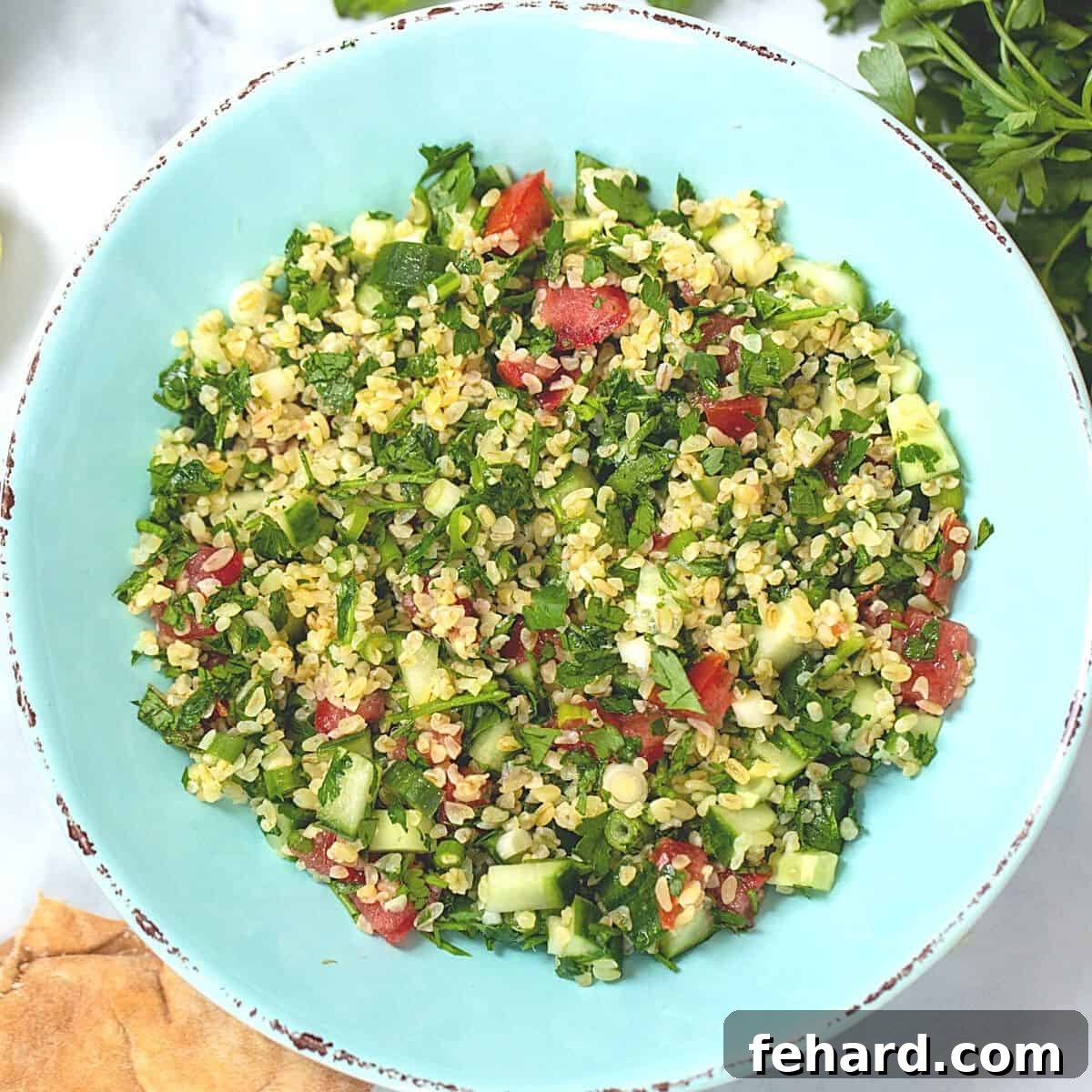
Tabbouleh, often referred to as Tabouli, is a traditional Middle Eastern herb and bulgur salad that bursts with bright, fresh flavors. This iconic dish is not only incredibly easy to prepare but also a healthy and satisfying addition to any meal. Its vibrant green color and aromatic essence make it a beloved staple in Mediterranean cuisine, offering a refreshing culinary experience that is both simple and profound.
Whether you’re serving it as a light accompaniment to savory Greek Chicken, spiced Chicken Shawarma, or tender Chicken Gyros, you are sure to fall in love with this invigorating Middle Eastern recipe. Tabbouleh stands out for its unique blend of finely chopped vegetables and herbs, making it a delightful alternative to traditional lettuce-based salads.
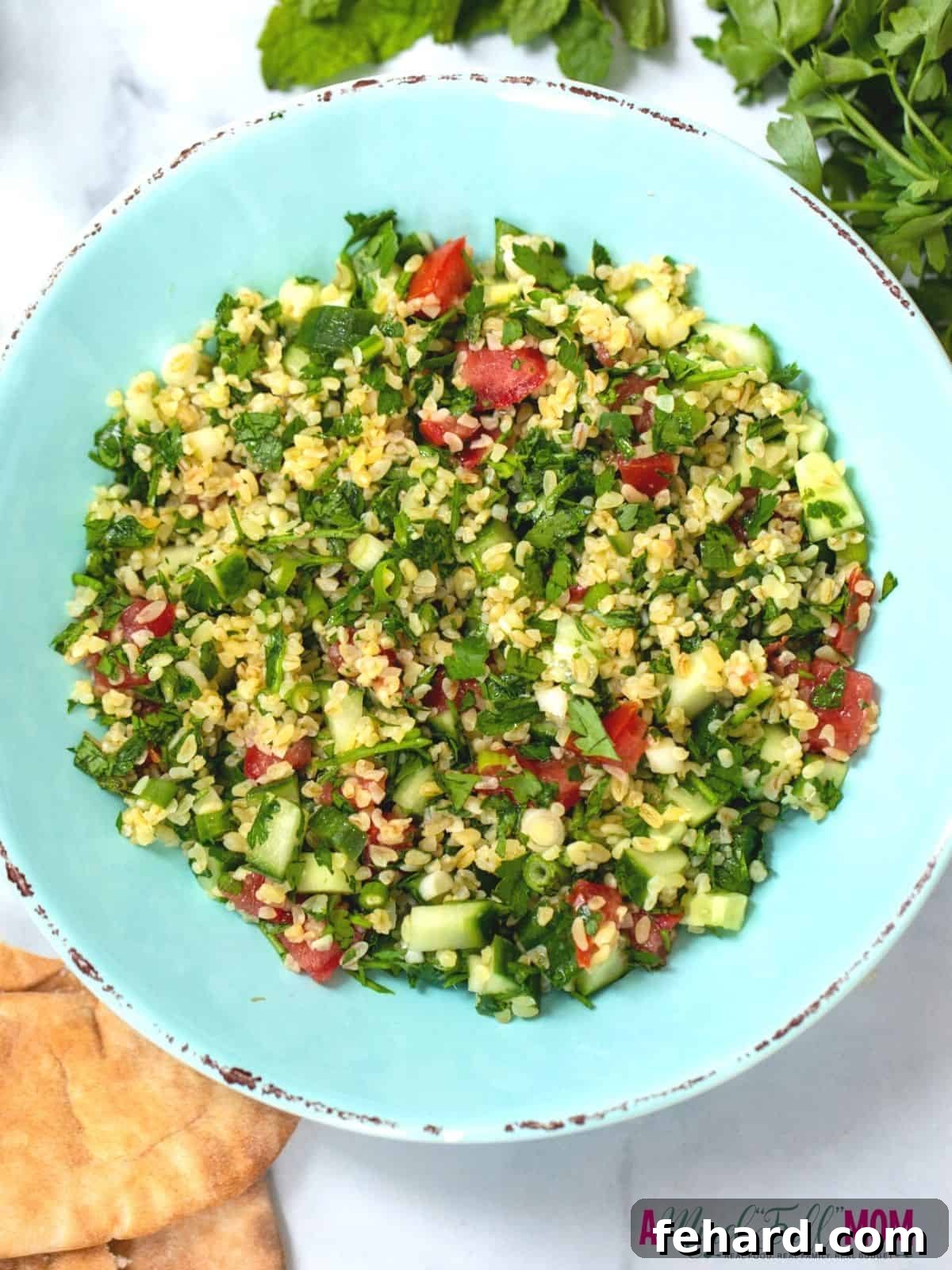
Tabbouleh: An Essential Mediterranean Salad to Experience
If you have yet to savor the exquisite taste of Tabbouleh, it’s truly time to embark on this flavorful journey! This salad is a testament to the power of fresh, simple ingredients coming together to create something extraordinary. At its core, Tabbouleh is defined by an abundant use of fresh parsley, cracked wheat (bulgur), crisp cucumbers, and ripe tomatoes. What makes it particularly special is its departure from lettuce, allowing the natural robust flavors of the herbs and vegetables to truly shine through.
Tabbouleh is a highly versatile dish, perfect for various occasions. It can be served as a delightful condiment, adding a refreshing contrast to heavier meals, or elegantly presented as part of a traditional Mezze platter alongside a selection of olives and creamy hummus. Regardless of how it’s enjoyed, Tabbouleh consistently delivers a refreshing and satisfying experience, making it a dish you’ll find yourself craving often. Its light yet wholesome nature also makes it an excellent choice for those seeking healthy, plant-forward options.
Crafting Perfect Homemade Tabbouleh: A Step-by-Step Guide
Achieving a perfect Tabbouleh salad is simpler than you might think. The magic happens in the quality of your fresh ingredients and a few key preparation techniques. The following tips and instructions are designed to guide you to impeccable results, ensuring your homemade Tabbouleh is as authentic and delicious as possible. The full ingredient quantities and detailed instructions are provided in the comprehensive recipe section below.
1. Preparing the Bulgur Wheat: The Foundation of Tabbouleh
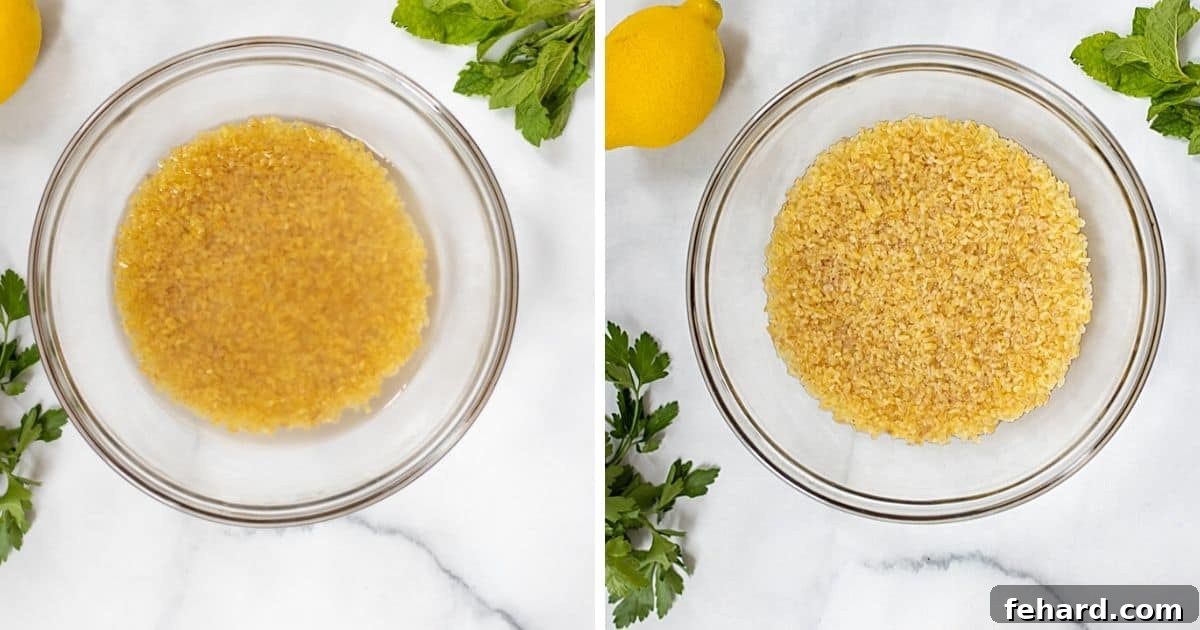
Bulgur, essentially cracked wheat, is a cornerstone ingredient in Middle Eastern cuisine and forms the delightful texture of Tabbouleh. You can typically locate bulgur wheat in the grain section of most grocery stores or within the international foods aisle. For those who prefer online shopping, it’s also readily available on platforms like Amazon. When selecting bulgur for Tabbouleh, extra-fine bulgur wheat is highly recommended as it absorbs moisture quickly and softens beautifully without requiring any cooking, ensuring a tender yet distinct texture that is characteristic of authentic Tabbouleh.
Preparation methods for bulgur can slightly vary by brand, so always consult the package directions for the best results. Generally, this involves soaking the bulgur in hot water for about 15-30 minutes, or in cold water for a longer period, until it becomes tender. The crucial step is to ensure all excess water is thoroughly drained after soaking. You can achieve this by pressing the softened bulgur against a fine-mesh sieve or squeezing it gently within a clean kitchen towel. Proper drainage is vital to prevent a soggy salad. Once drained, transfer the bulgur to a large mixing bowl and gently fluff it with a fork. Allow it to cool completely before proceeding to the next steps; this helps maintain the crispness of your fresh vegetables and herbs.
2. Mastering the Art of Finely Chopping Fresh Herbs
Tabbouleh is famously known as a “parsley salad,” highlighting the indispensable role of fresh parsley in this dish. The sheer volume and finely chopped nature of the parsley are what give Tabbouleh its signature verdant appearance and robust herbaceous flavor. Complementing the parsley, fresh mint contributes a delicate, cooling aroma and taste that balances the salad beautifully. Achieving the traditional fine chop for these herbs is paramount for the authentic texture and flavor profile of Tabbouleh.
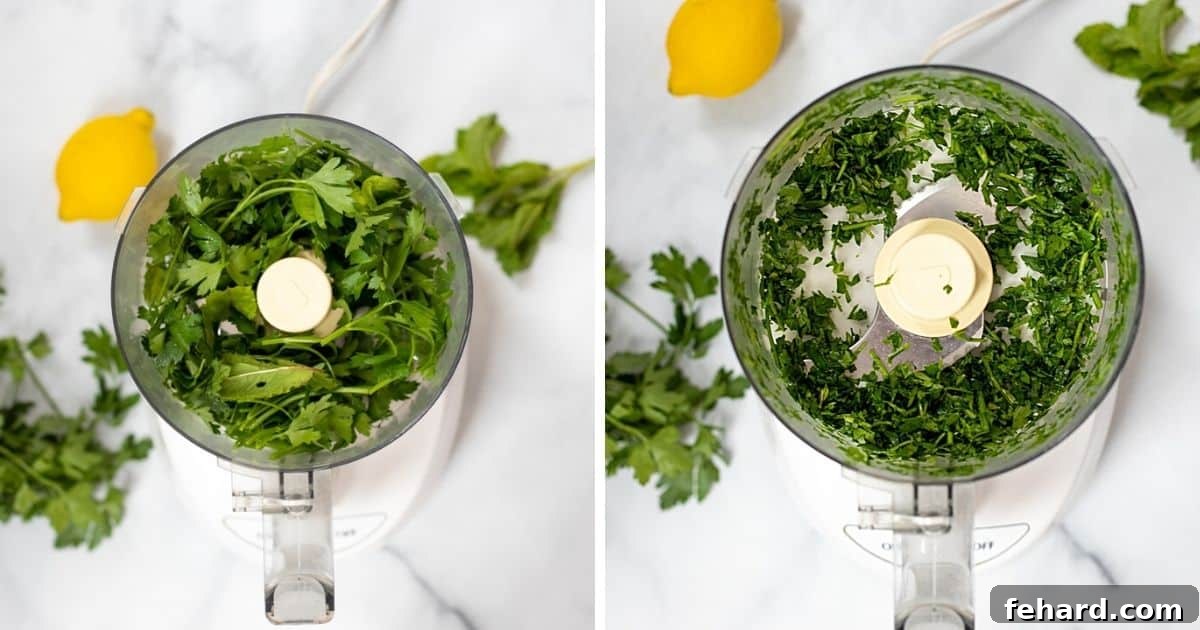
While meticulous hand-chopping with a sharp knife is a traditional approach, a food processor equipped with an S-blade offers a much quicker and easier method for achieving uniform results, especially when dealing with the significant quantities of herbs required. Begin by thoroughly washing and drying your parsley and mint. Remove any thick, woody stems from the parsley. Then, in batches, place the herbs into the food processor and pulse them several times until they are finely minced. It’s important to avoid over-processing, as this can turn the herbs into a paste and release unwanted moisture, which could compromise the light and airy texture of your salad. The aim is a consistently fine chop, not a purée, allowing the distinct flavors and textures of the herbs to stand out.
3. Dressing the Bulgur and Assembling the Salad
The dressing for Tabbouleh is remarkably simple yet incredibly impactful, relying on the quality of its few core ingredients. A generous pour of good quality extra virgin olive oil, the bright tang of freshly squeezed lemon juice, a measured amount of kosher salt, and the pungent kick of finely grated garlic are all that are needed to create this flavorful elixir. The lemon juice provides crucial acidity that brightens the entire salad and cuts through the richness of the olive oil, while the garlic adds a subtle warmth and depth of flavor that is essential.
Once your bulgur wheat is cooled and properly drained, transfer it to a large mixing bowl. Begin by adding the olive oil, lemon juice, and salt directly to the bulgur. For maximum garlic flavor, use a microplane grater to grate a fresh clove of garlic directly over the bulgur mixture. Stir these components thoroughly, ensuring every grain of bulgur is lightly coated with the dressing. Next, it’s time to incorporate your vibrant, finely chopped fresh herbs (parsley and mint), along with the crisp green onions (scallions), diced tomatoes, and cucumbers. Gently fold all these ingredients together. The key is to mix with care, just enough to evenly combine everything without mashing or bruising the delicate herbs and vegetables. This preserves their individual textures and keeps the salad light and appealing.
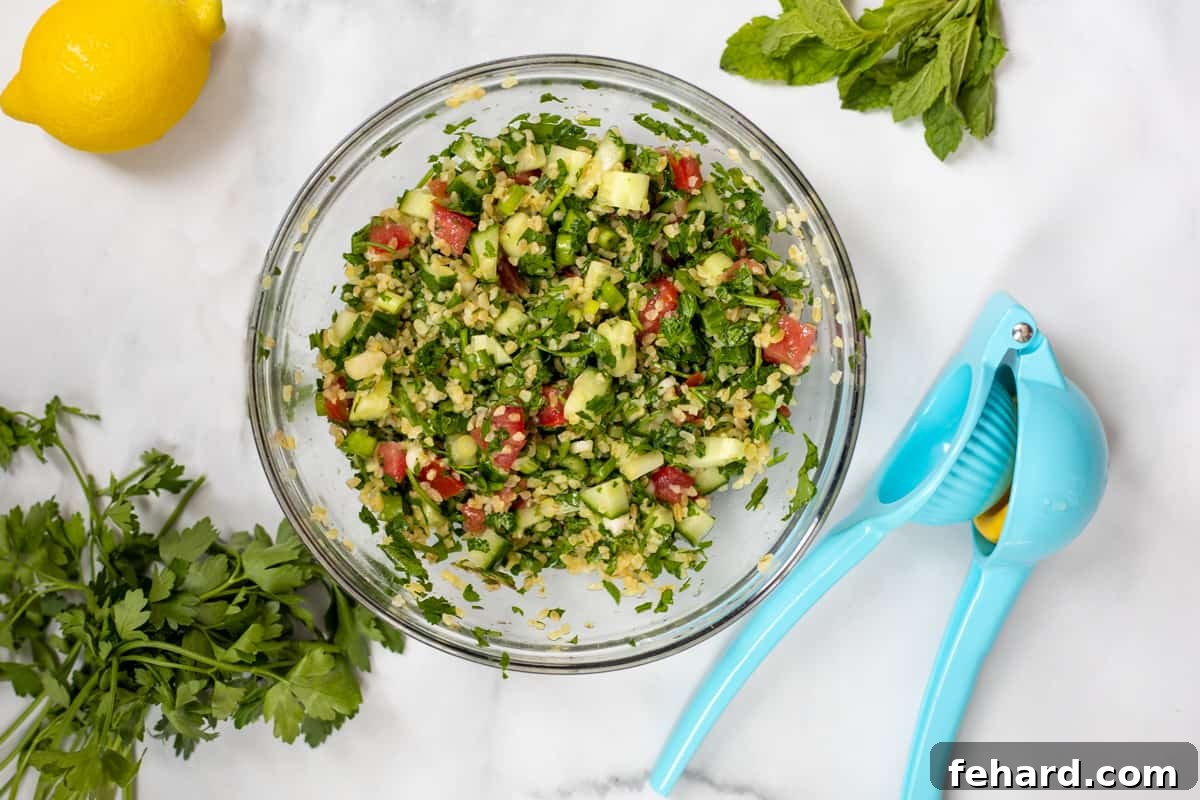
4. The Crucial Step: Chilling for Optimal Flavor
While Tabbouleh is certainly enjoyable immediately after preparation, its flavors truly transform and deepen when given adequate time to chill. Refrigerating the salad for at least 30 minutes before serving is a crucial step that allows all the individual ingredients to marry and their flavors to fully meld together. During this chilling period, the bulgur continues to absorb the zesty dressing, and the fresh herbs release more of their aromatic oils, infusing the entire dish with a more complex and harmonious taste.
Beyond flavor development, chilling also ensures that the Tabbouleh is wonderfully refreshing, making it an ideal dish for warm weather or as a cool, crisp counterpoint to heartier, warm main courses. To maintain its freshness and prevent any absorption of other refrigerator odors, always cover the Tabbouleh tightly with plastic wrap or transfer it to an airtight container before placing it in the fridge. For an even more profound flavor, allowing it to chill for an hour or two, or even longer, will reward you with an exceptionally delicious and well-rounded salad.
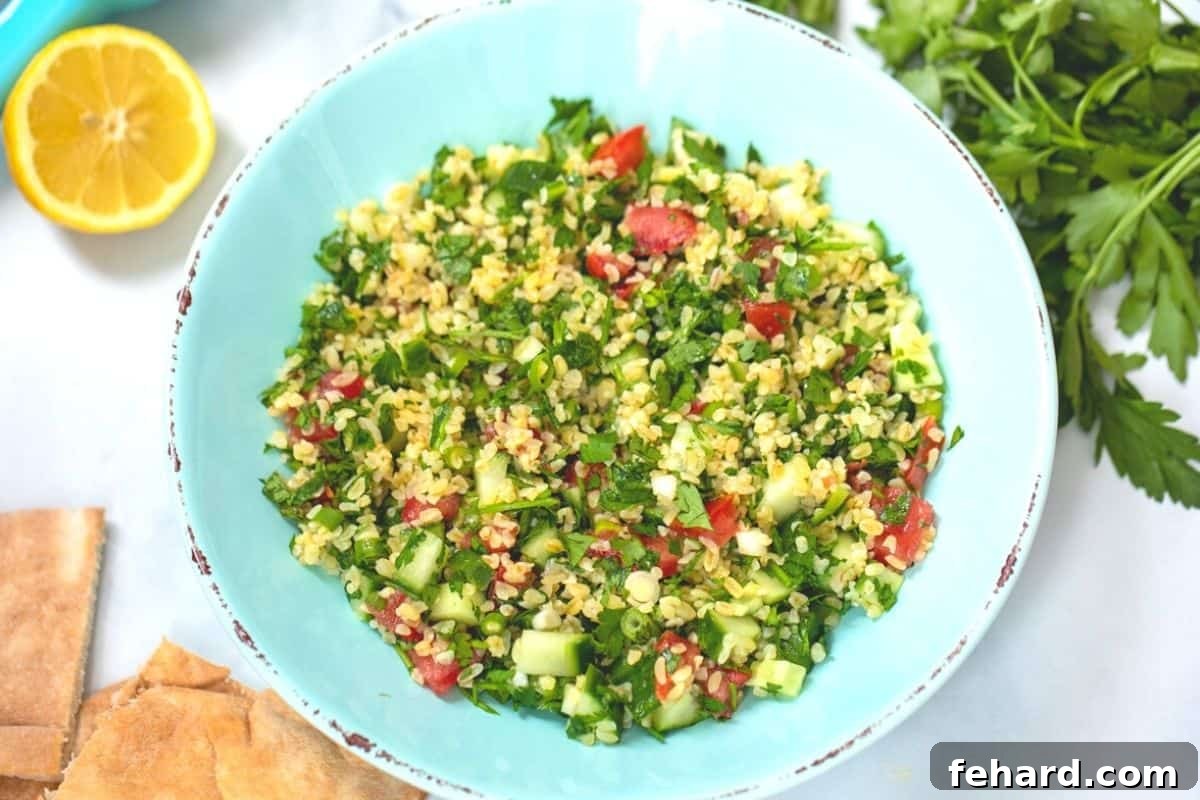
Creative and Versatile Serving Suggestions for Tabbouleh
One of the most appealing aspects of Tabbouleh is its incredible versatility. While it’s perfectly delightful to enjoy this vibrant salad straight from the bowl with a spoon, it also complements an array of dishes and can easily be incorporated into diverse culinary creations. Here are some inspiring ways to serve this fresh parsley and cracked wheat salad, making it a star on any menu:
- Stuffed in Pita Bread: For a classic Middle Eastern experience, spoon generous amounts of Tabbouleh into warm pita pockets. Enhance this simple meal with a dollop of cool, creamy Tzatziki sauce or a spread of savory hummus.
- Build a Mediterranean Power Bowl: Create a nutrient-packed and incredibly satisfying meal by using Tabbouleh as a base. Layer it over fluffy Instant Pot Quinoa, fresh spinach, or peppery arugula. Garnish with briny Kalamata olives and tangy pickled red onions. For a complete protein, add grilled chicken, chickpeas, or pan-fried halloumi.
- An Elegant Side Dish: Tabbouleh serves as a perfect light and refreshing side dish that balances a variety of main courses. It pairs exceptionally well with grilled fish, such as Baked Salmon, or complements the rich flavors of lamb kebabs and tender Chicken Gyros. Its bright acidity acts as a palate cleanser, enhancing the overall dining experience.
- Hearty Entrée Salad: Elevate Tabbouleh from a side to a main course by adding substantial protein. Incorporate grilled Greek chicken, a handful of crunchy falafel, or a generous serving of roasted chickpeas to create a fulfilling and wholesome entree salad that’s perfect for a light lunch or dinner.
- Part of a Mezze Spread: Embrace the communal spirit of Middle Eastern dining by including Tabbouleh in a traditional Mezze spread. Arrange it alongside other small plates like baba ghanoush, stuffed grape leaves, fresh vegetables, and artisan cheeses for a vibrant and interactive feast.
- Healthy Lunchbox Option: Tabbouleh is an excellent choice for meal prep. Its flavors hold up beautifully, and often improve, after a day or two in the refrigerator, making it a perfect healthy and delicious option for work or school lunches.
More Delicious Mediterranean Recipes to Explore
If you’ve discovered a love for the fresh, wholesome, and invigorating flavors of Tabbouleh, you’ll undoubtedly enjoy these other delightful Mediterranean-inspired recipes. They embody the same principles of fresh ingredients, vibrant tastes, and healthy eating, perfect for expanding your culinary repertoire:
- The Best Greek Salad
- Greek Quinoa Salad
- Instant Pot Hummus
- Mediterranean Chickpea Salad
- Mediterranean Couscous
- Mediterranean Frittata
Authentic Tabbouleh Salad Recipe
This detailed recipe provides all the measurements and steps to create a perfectly balanced and incredibly flavorful Tabbouleh, ensuring a truly authentic taste of the Middle East in your own kitchen. Adjust seasonings to your personal preference and savor this delightful dish!
Tabbouleh (Middle Eastern Parsley and Bulgur Salad)
Yields: 6 servings
Prep time: 10 minutes
Cook time: 5 minutes (for bulgur soaking, if applicable)
Chill time: 30 minutes
Total time: 45 minutes
An easy Middle Eastern salad made with fresh parsley, mint, bulgur wheat, tomatoes, cucumbers, and a simple olive oil and lemon dressing.
Ingredients:
- ½ cup extra-fine bulgur wheat
- ¼ cup extra virgin olive oil
- 3 tablespoons fresh lemon juice
- 1 teaspoon kosher salt
- 1 clove garlic, grated or finely minced
- 2 bunches fresh parsley, thick stems removed and finely chopped (about 2 cups)
- 8-10 fresh mint leaves, stems removed and finely chopped (about ¼ cup)
- 1 large vine-ripened tomato, deseeded and finely chopped (or 1 cup finely chopped grape tomatoes)
- 1 cup diced English cucumber (or peeled and deseeded garden cucumber)
- ¼ cup green onions, finely chopped (scallions)
Instructions:
- Prepare the Bulgur: Place ½ cup extra-fine bulgur wheat in a medium bowl. Pour enough hot or boiling water over the bulgur to just cover it by about half an inch. Let it soak for 10-15 minutes, or follow package directions, until the bulgur is tender and has absorbed the water. Alternatively, soak in cold water for 30-60 minutes. Once softened, drain any excess water thoroughly by pressing it through a fine-mesh sieve or squeezing it in a clean kitchen towel. Transfer the drained bulgur to a large mixing bowl, fluff gently with a fork, and let it cool completely.
- Create the Dressing Base: To the cooled bulgur wheat in the large mixing bowl, add ¼ cup extra virgin olive oil, 3 tablespoons fresh lemon juice, and 1 teaspoon kosher salt. Using a microplane grater, finely grate the 1 clove of garlic directly over the bulgur. Stir all these ingredients together until the bulgur is evenly coated with the dressing.
- Chop the Herbs: Ensure your 2 bunches of parsley and 8-10 fresh mint leaves are thoroughly washed and dried. Remove any thick stems from the parsley. Finely chop both the parsley and mint. For efficiency, you can use a food processor: place about half of the parsley and the mint into a food processor fitted with an S-blade and pulse a few times until finely chopped. Remove and repeat with the remaining parsley. Be careful not to over-process, as this can turn the herbs into a mushy paste.
- Dice the Vegetables: Deseed the 1 large vine-ripened tomato and finely chop it into very small, uniform pieces. Similarly, dice 1 cup of English cucumber and ¼ cup of green onions (scallions) into small, consistent sizes. The finer the chop, the more cohesive and authentic the Tabbouleh’s texture will be.
- Combine and Toss: Add the finely chopped mint, parsley, tomatoes, diced English cucumber, and green onions to the large mixing bowl containing the dressed bulgur. Gently toss all the ingredients together until they are evenly distributed. Mix just enough to combine without crushing the delicate herbs and vegetables.
- Chill Before Serving: Cover the Tabbouleh salad tightly with plastic wrap or transfer it to an airtight container. Refrigerate for at least 30 minutes. This chilling period is crucial as it allows the flavors to meld and deepen, making the salad wonderfully refreshing and enhancing its overall taste. For best results, chill for 1-2 hours.
Notes:
- Storage: Tabbouleh is best enjoyed fresh, but leftovers can be stored in an airtight container in the refrigerator for up to 3-5 days. The herbs may lose some of their vibrant green color over time, but the flavor will remain delicious.
- Tomatoes: If fresh vine-ripened tomatoes are not in season or available, you can substitute them with 1 cup of finely chopped grape or cherry tomatoes. Ensure they are well-drained after chopping to prevent excess moisture in the salad.
- Cucumber: If using a standard garden cucumber instead of an English cucumber, it’s recommended to peel and deseed it before dicing to achieve a similar texture and prevent the salad from becoming watery.
- Mint: While fresh mint is a key component for authentic Tabbouleh, if you are not particularly fond of its flavor, you can reduce the amount or omit it entirely. However, we highly recommend including it for the traditional taste experience.
- Spice Adjustment: For those who enjoy a subtle hint of spice, a tiny pinch of finely ground Aleppo pepper or a dash of red pepper flakes can be added to the dressing.
Nutrition Information (Approximate per serving – based on 6 servings):
- Calories: 145 kcal
- Carbohydrates: 15g
- Protein: 3g
- Fat: 9g
- Saturated Fat: 1g
- Sodium: 396mg
- Potassium: 327mg
- Fiber: 4g
- Sugar: 3g
- Vitamin A: 810 IU
- Vitamin C: 15.5mg
- Calcium: 26mg
- Iron: 0.8mg
Nutrition information is automatically calculated and should only be used as an approximation, as values can vary based on specific ingredients and preparation methods.
We truly hope you enjoy preparing and sharing this delightful Tabbouleh recipe! If you have tried this recipe and loved it, we would be thrilled to hear your thoughts and experiences. Please consider leaving a comment and review below to let us know how it turned out. Your feedback is greatly appreciated and helps others discover this wonderful dish!
This post was originally published in 2018 but was thoroughly updated in 2021 with fresh photos and expanded content to provide an even better and more comprehensive culinary guide.